Day 1: Hanoi – First impressions of northern Vietnam
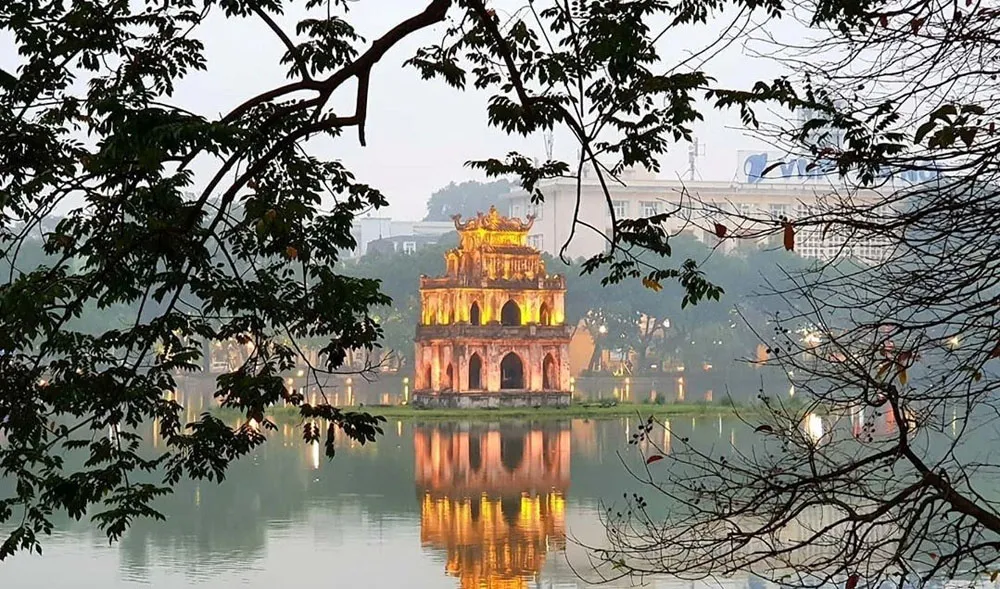
Arrive in Hanoi, Vietnam’s cultural and political capital, where centuries of history blend with modern urban life. The city’s Old Quarter offers the most authentic introduction, with narrow streets, colonial shophouses, and nonstop street activity around Hang Gai, Ta Hien, and Hang Bac Street. A walk around Hoan Kiem Lake and Ngoc Son Temple provides a calm contrast to the surrounding chaos and helps you ease into the city’s rhythm.
In the evening, Hanoi’s food culture becomes the main highlight, with iconic dishes like pho, bun cha, and banh cuon served in small family-run shops. Watching street vendors set up along Beer Street Ta Hien or sipping egg coffee at Cafe Giang reveals how social life in Hanoi revolves around food and conversation. This first day focuses on atmosphere and discovery rather than intensive sightseeing.
Day 2: Hanoi – History, culture, and local neighborhoods
Spend the morning exploring Hanoi’s major historical landmarks such as the Ho Chi Minh Mausoleum, Presidential Palace, and Temple of Literature, Vietnam’s first national university. These sites provide essential context for understanding Vietnam’s political history, Confucian traditions, and education culture. The wide courtyards and ancient architecture feel symbolic rather than purely touristic.
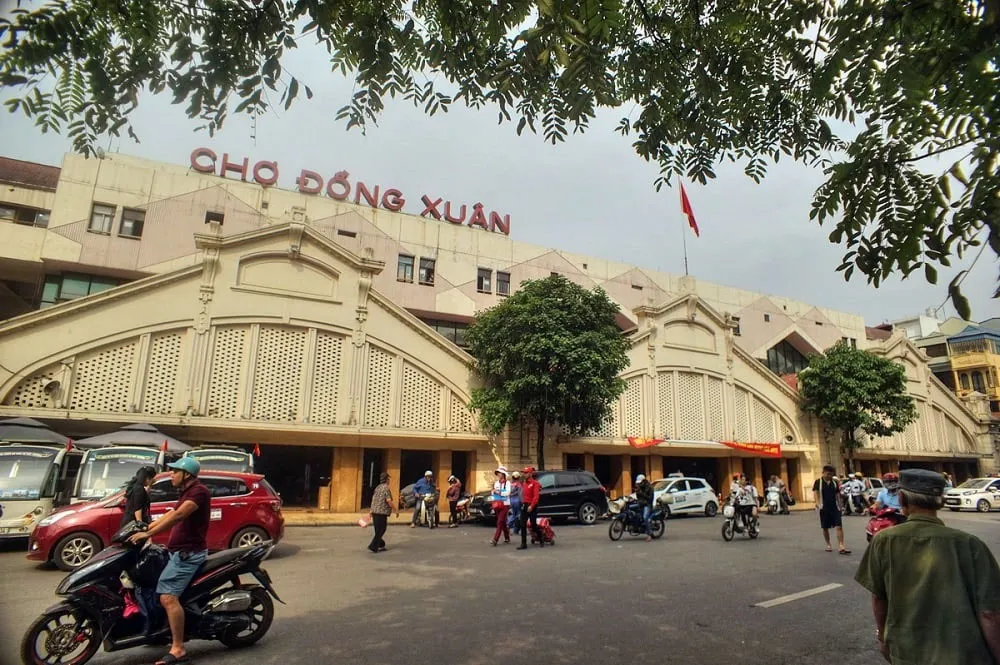
In the afternoon, shift toward West Lake (Tay Ho) and Truc Bach, where lakeside cafés, pagodas like Tran Quoc Pagoda, and cycling paths reveal a slower side of the city. Visiting Dong Xuan Market offers insight into everyday shopping culture and local trade. This mix of monuments and neighborhoods makes Hanoi feel layered and deeply alive.
Day 3: Hanoi to Ninh Binh – Limestone landscapes and rural calm
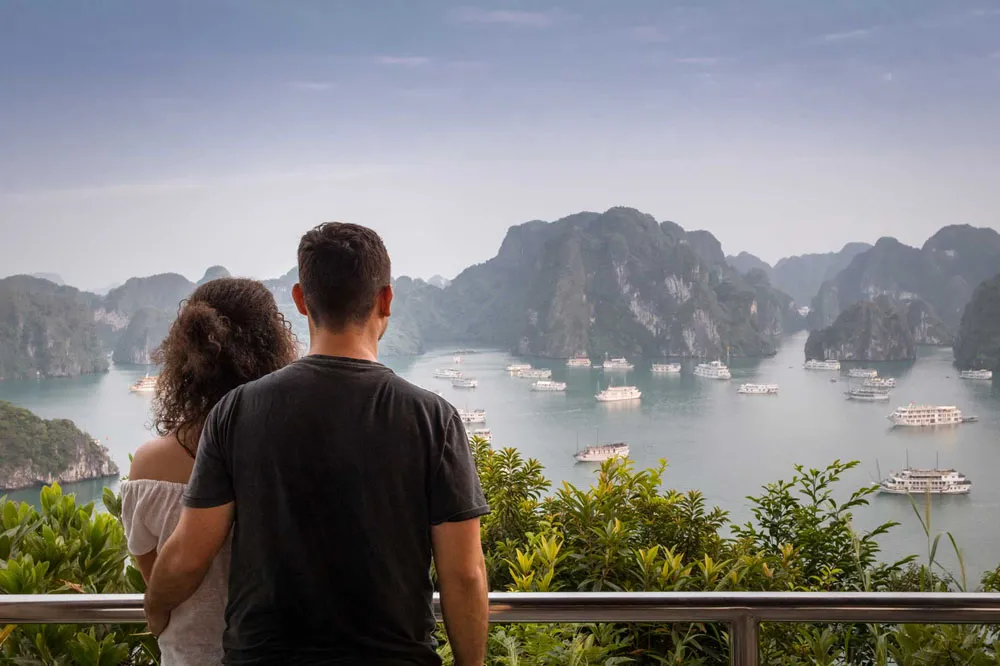
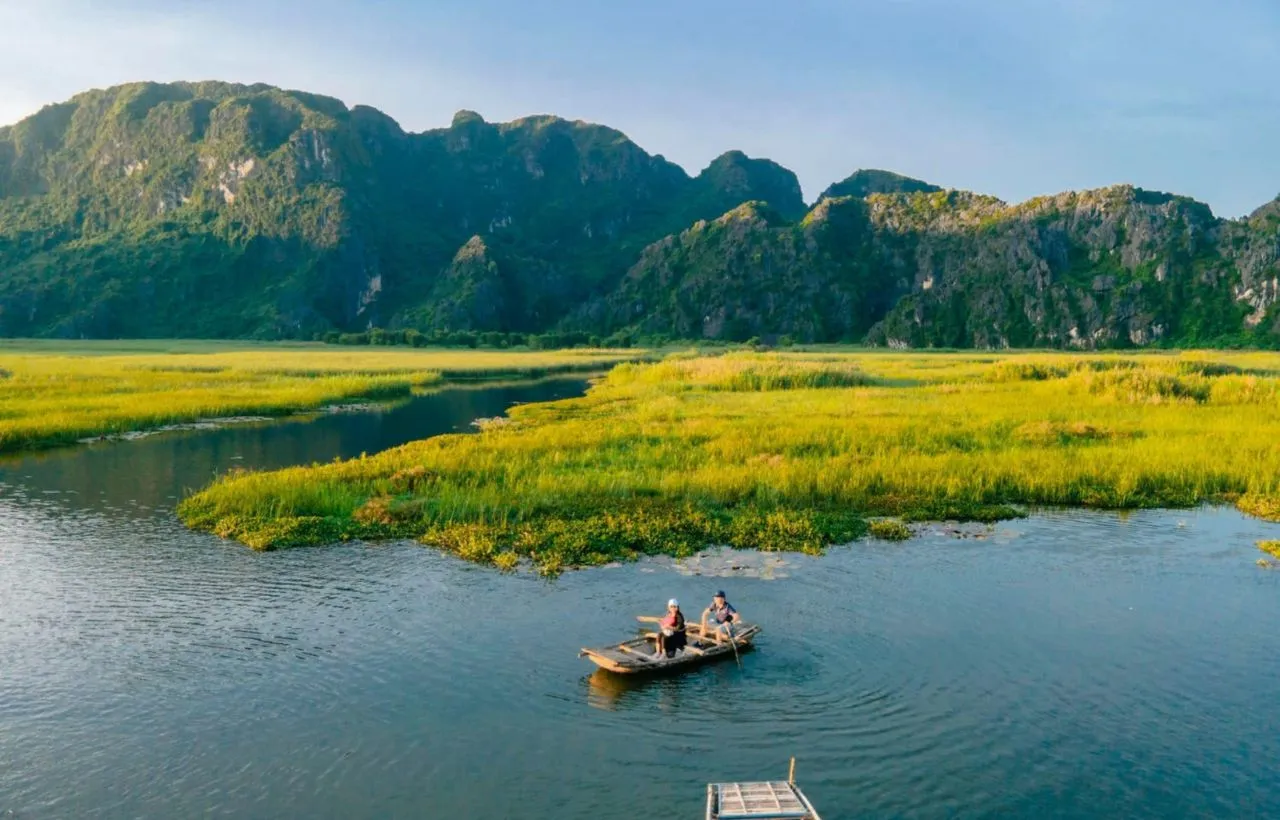
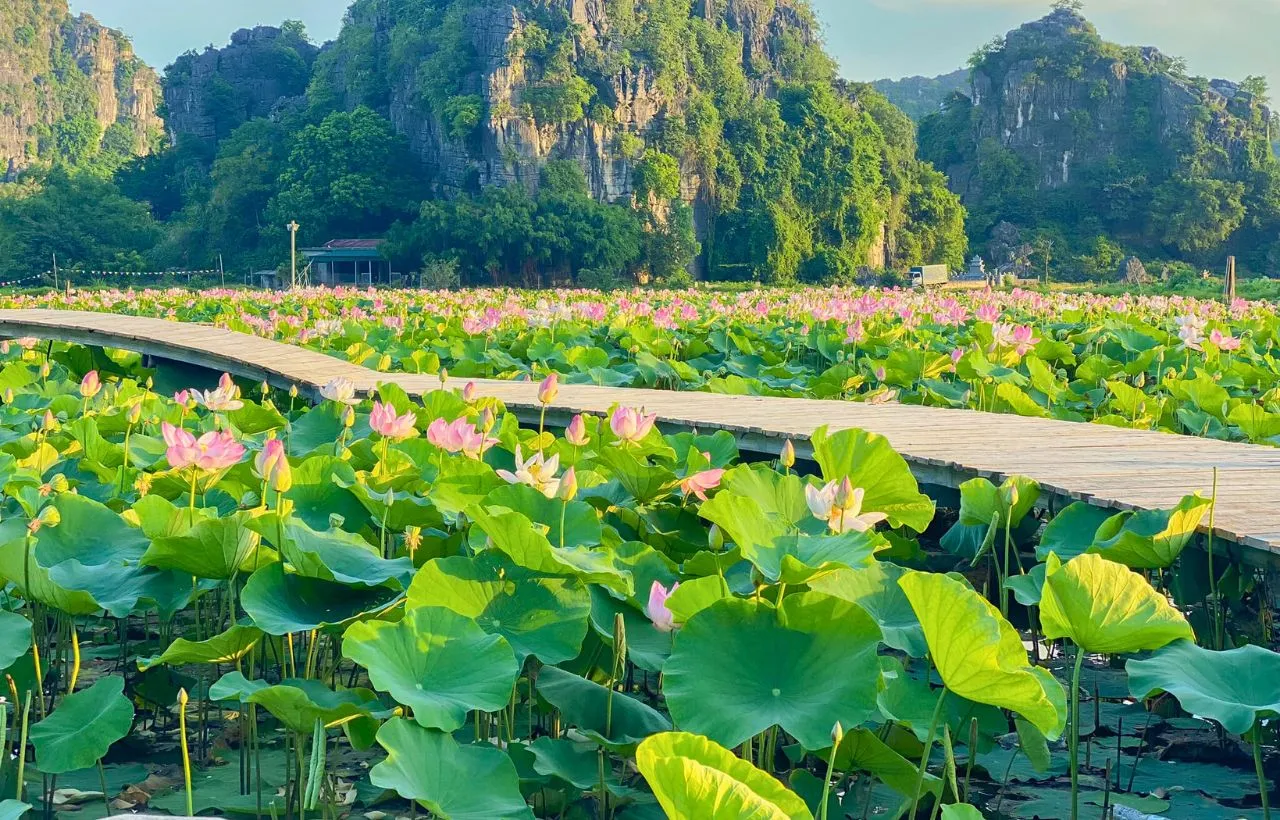
Travel south to Ninh Binh, often called “Ha Long Bay on land” thanks to its dramatic limestone mountains and river valleys. The journey marks a clear transition from dense urban streets to open countryside, with rice fields, water buffalo, and small villages replacing traffic and skyscrapers. The atmosphere here feels instantly calmer and more connected to nature.
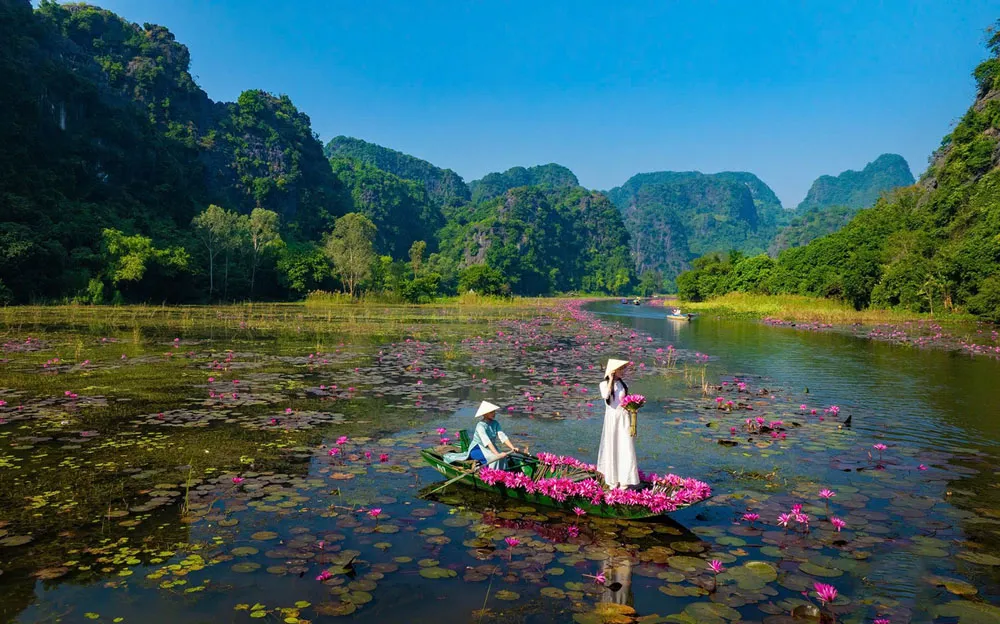
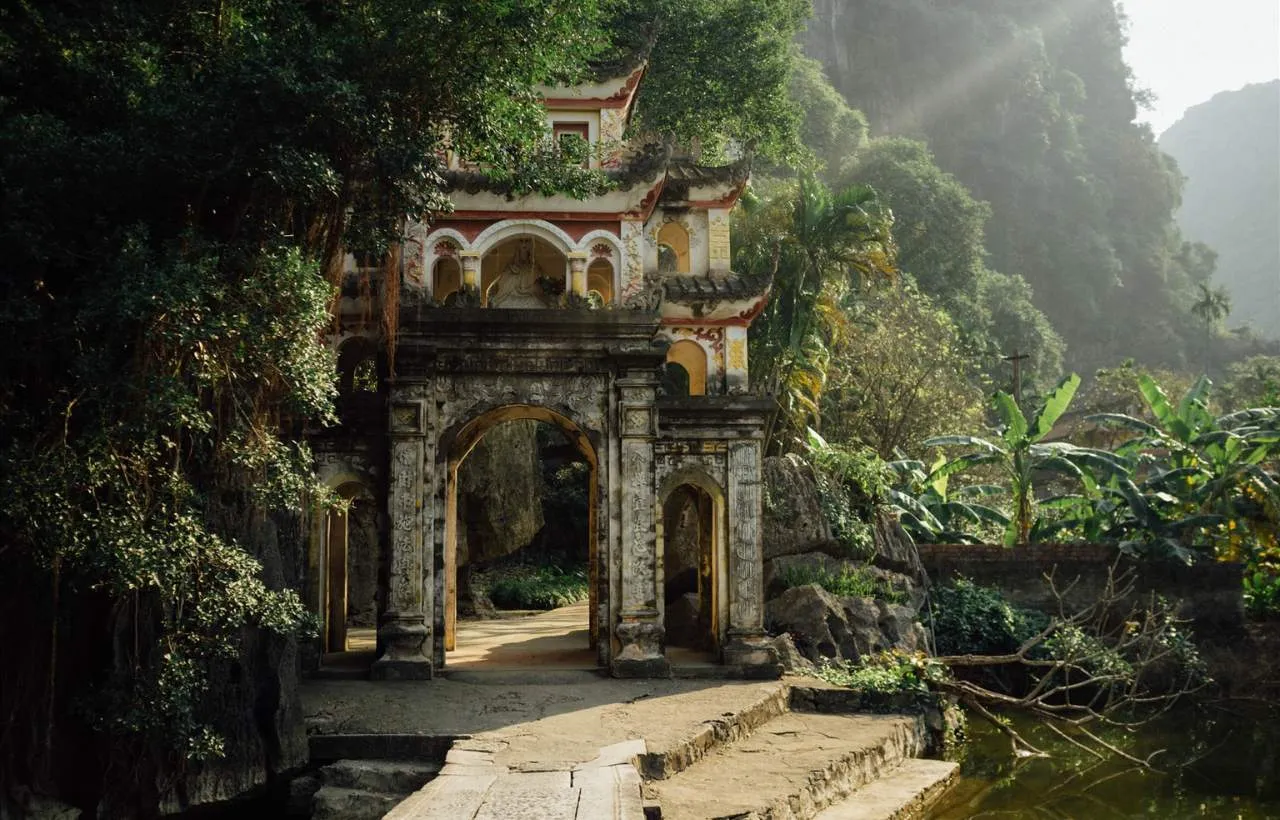
A boat ride through Trang An Scenic Complex or Tam Coc becomes the main highlight, where local rowers guide you through caves, rivers, and towering cliffs. Visiting Bich Dong Pagoda and climbing Hang Mua Viewpoint adds panoramic views across the entire valley. Ninh Binh represents northern Vietnam at its most cinematic and peaceful.
Day 4: Ninh Binh to Sapa – From lowlands to highlands
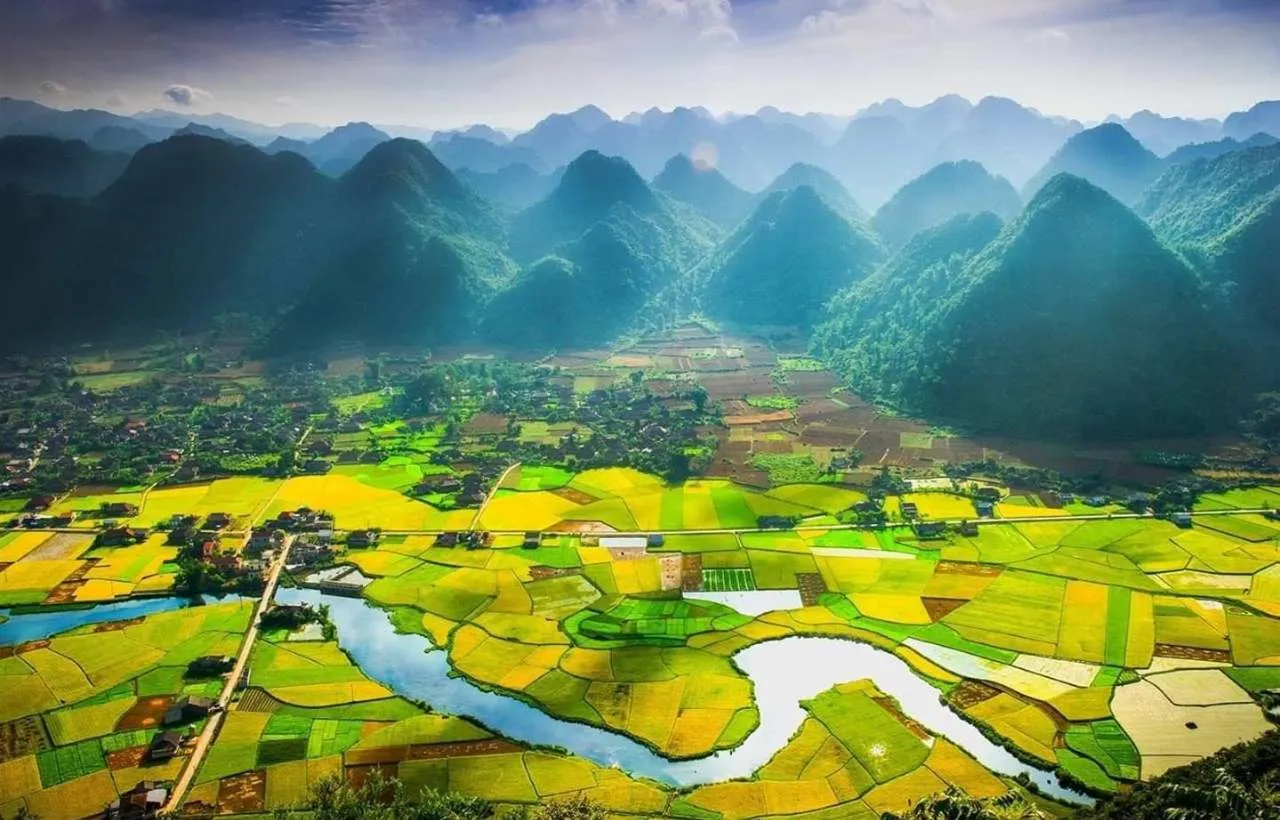
Depart early for Sapa, where the landscape shifts dramatically from flat valleys to misty mountain terrain. Winding roads lead through forests and remote villages, gradually revealing Vietnam’s most famous highland scenery. Arrival in Sapa Town feels like entering a cooler and slower world above the clouds.
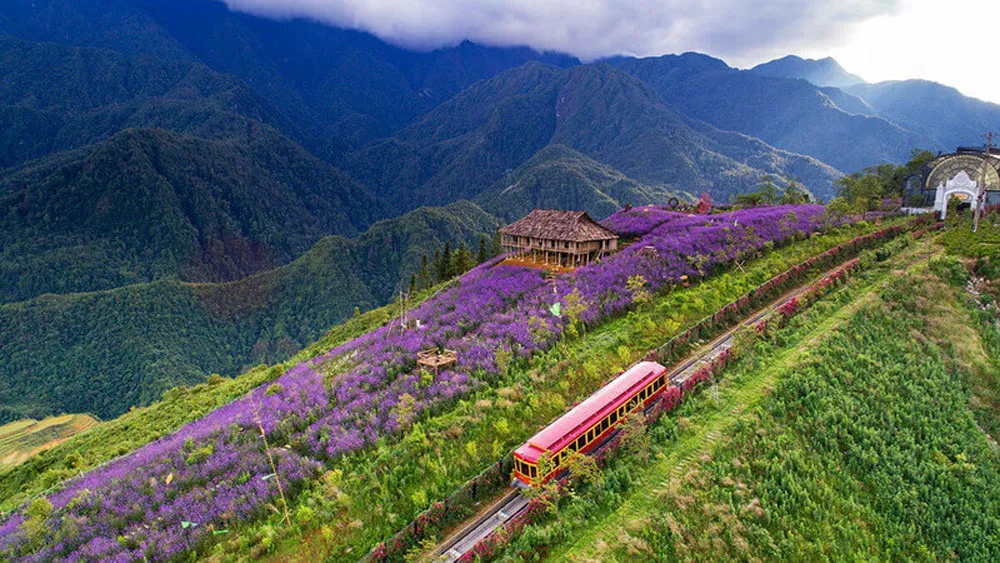
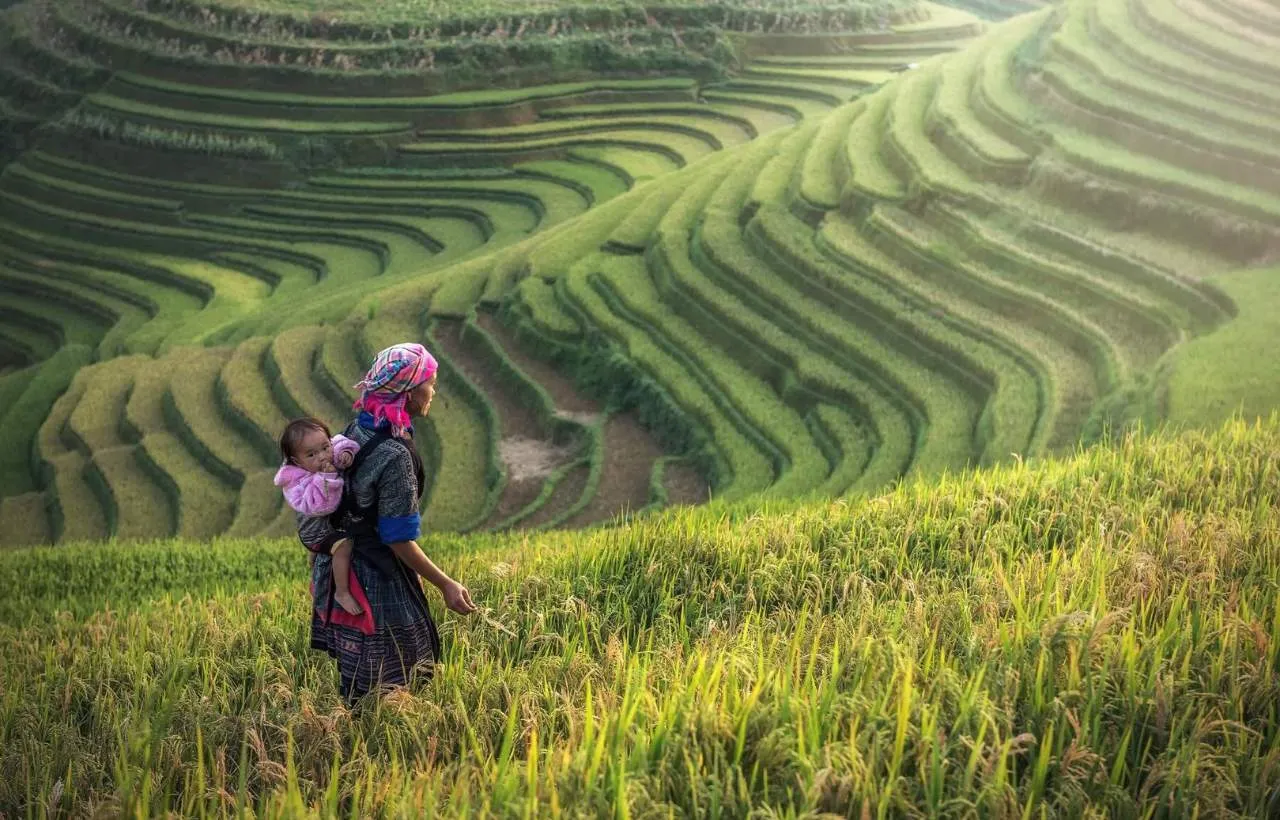
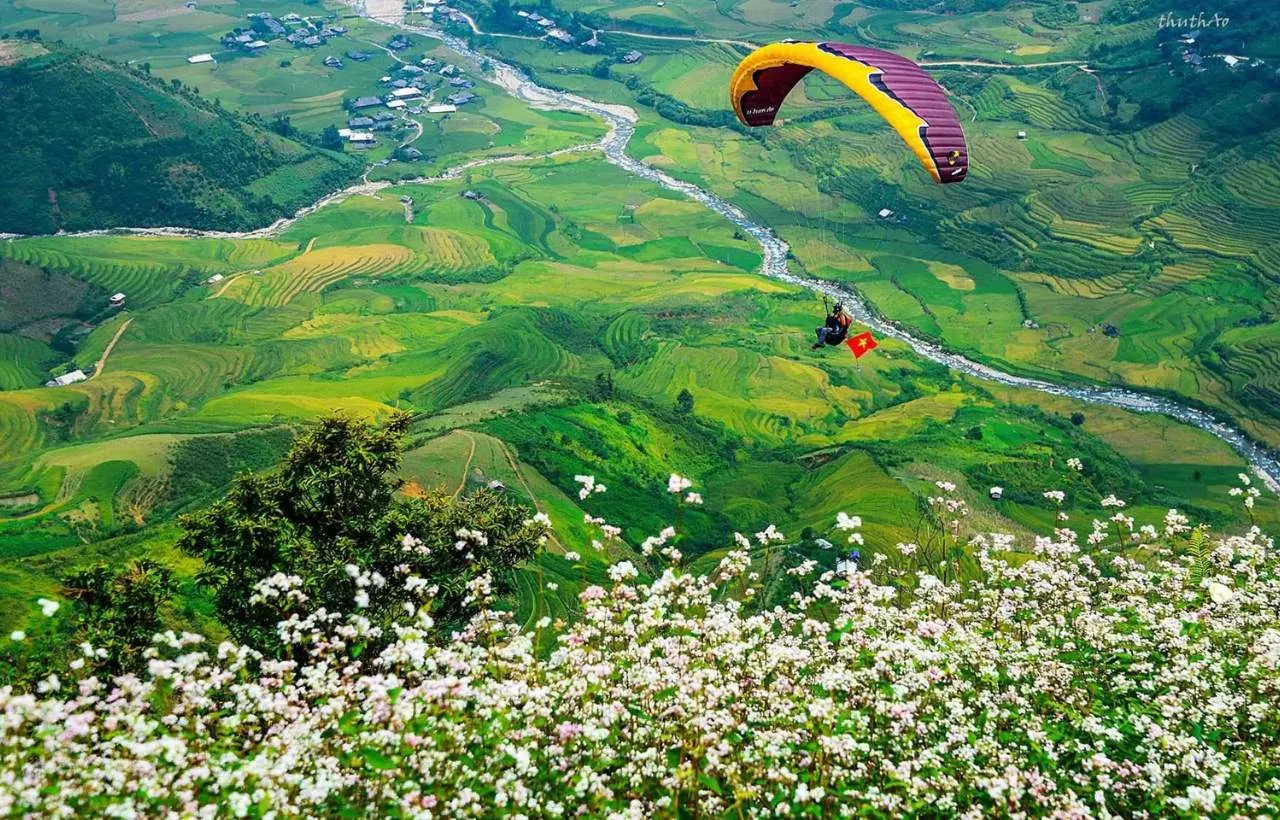
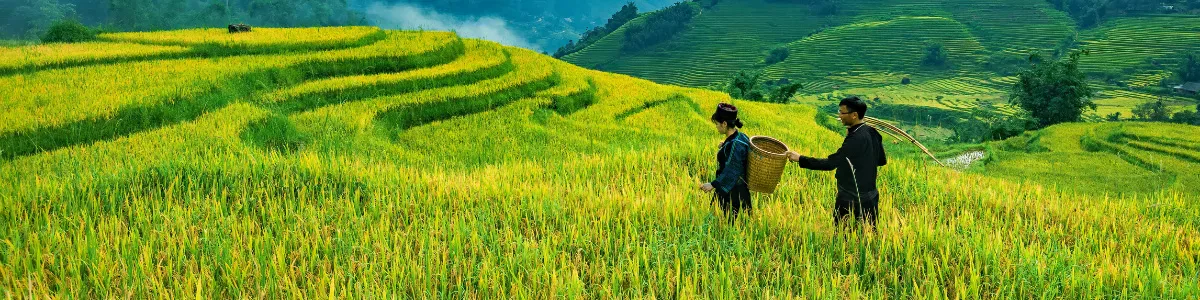
Sapa is best known for its terraced rice fields in Muong Hoa Valley and its ethnic minority communities such as the Hmong and Dao. Taking a short walk to Cat Cat Village introduces traditional houses, waterfalls, and handmade crafts. This day focuses on acclimatization and soaking in mountain atmosphere.
Day 5: Sapa – Villages, trekking, and ethnic culture
Spend the day trekking through Lao Chai, Ta Van, and Giang Ta Chai villages, where traditional wooden homes sit among rice terraces and bamboo forests. These villages showcase how ethnic communities maintain agricultural lifestyles shaped by terrain and seasons. Walking between villages reveals daily routines like rice farming, indigo dyeing, and weaving.
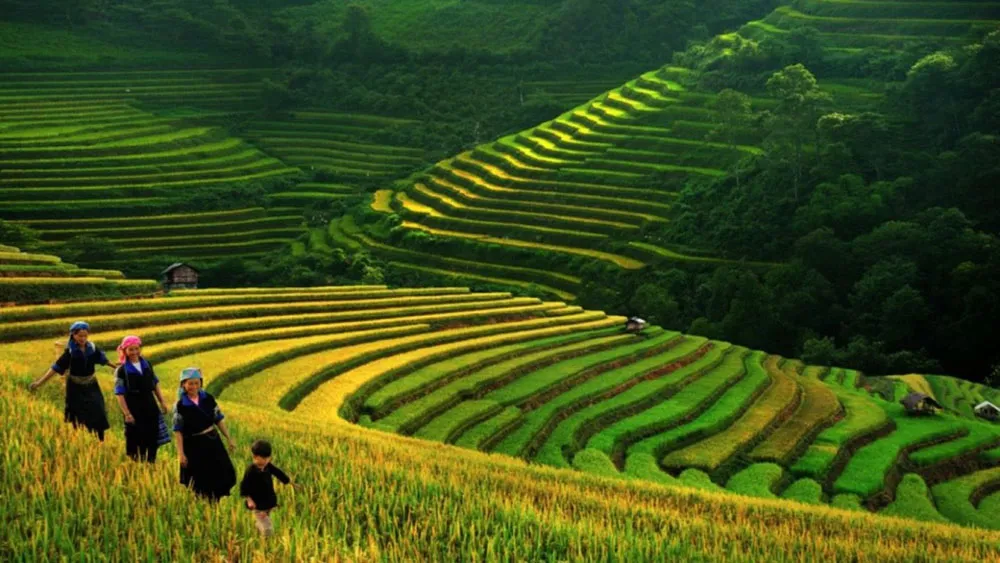
Beyond scenery, Sapa offers cultural depth through homestays, local markets, and community tourism. Visiting Sapa Market or Love Market (if in season) reveals colorful traditional clothing and local interaction. Sapa feels less like a destination and more like a living cultural landscape.
Day 6: Sapa to Hue – Transition from north to central Vietnam
Travel back toward Hanoi and take a flight or overnight train to Hue, the former imperial capital of Vietnam. This marks the cultural shift from mountain life to royal heritage. The journey symbolizes Vietnam’s long shape and historical layers.
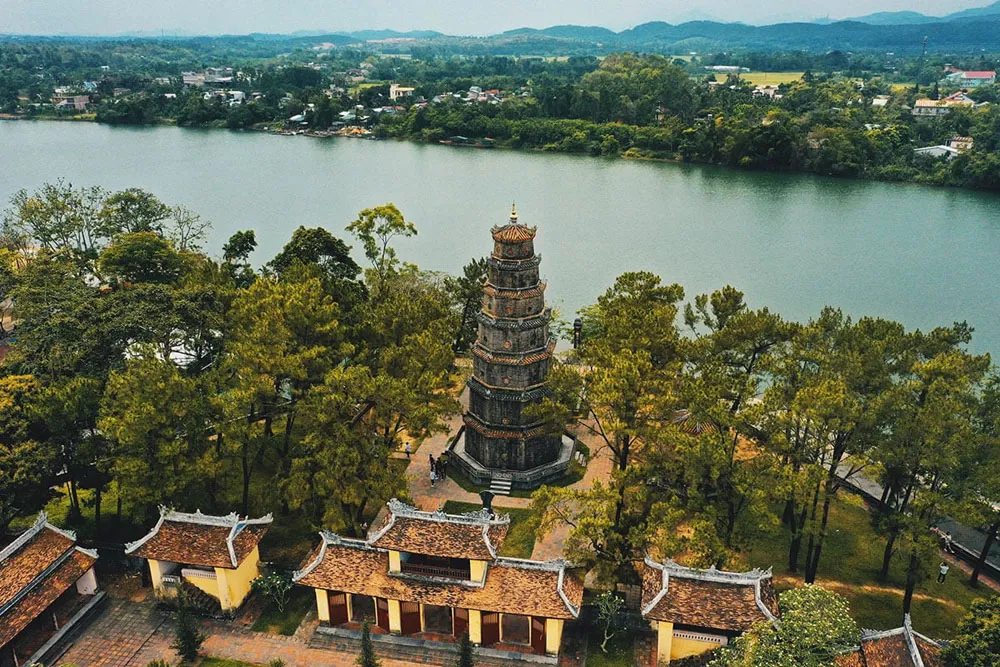
Arriving in Hue introduces a quiet and poetic atmosphere shaped by rivers, gardens, and ancient walls. Unlike Hanoi’s energy, Hue feels reflective and nostalgic. This transition day allows physical rest and mental rest.
Day 7: Hue – Imperial heritage and royal architecture
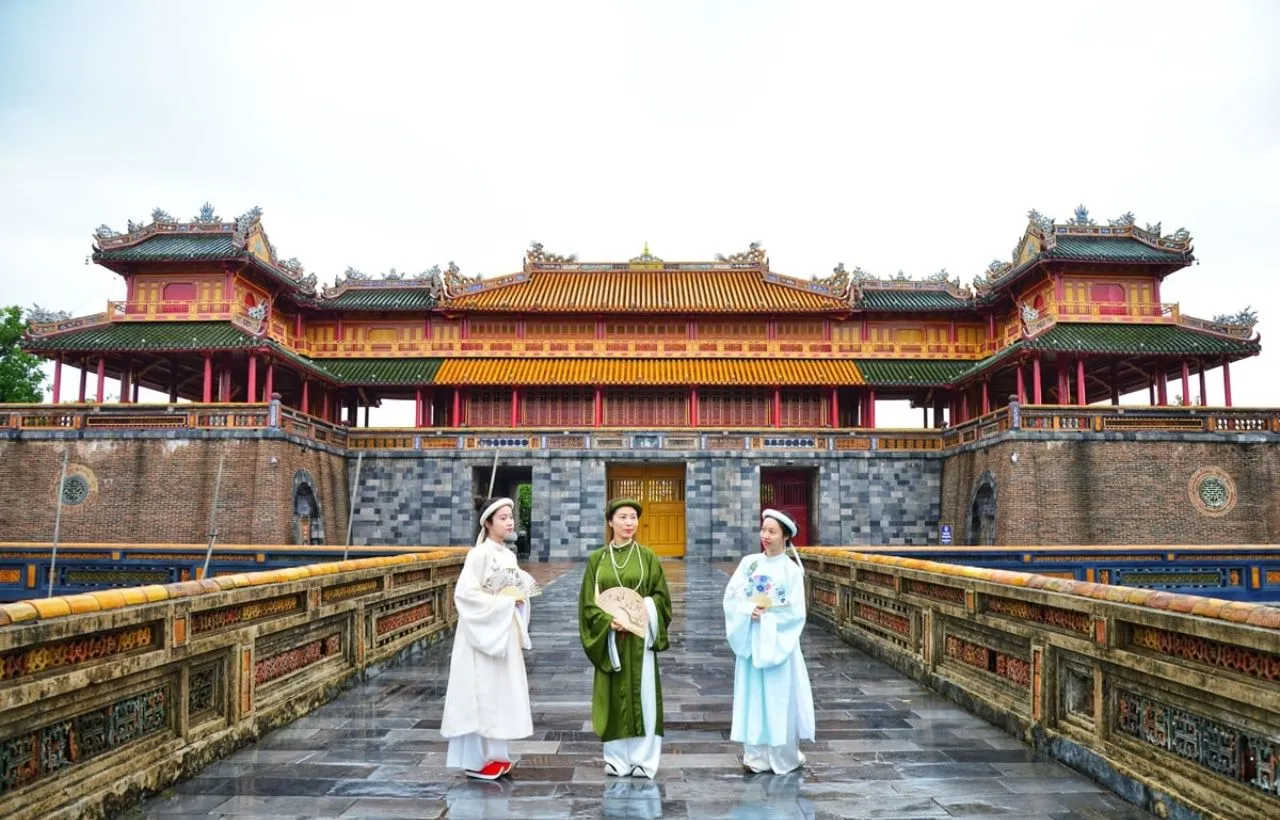
Hue’s main highlight is the Imperial Citadel, a vast walled complex with palaces, temples, and gates once reserved for emperors. Walking through Thai Hoa Palace, Forbidden Purple City, and royal courtyards reveals Vietnam’s feudal past. The architecture emphasizes symmetry, philosophy, and authority.
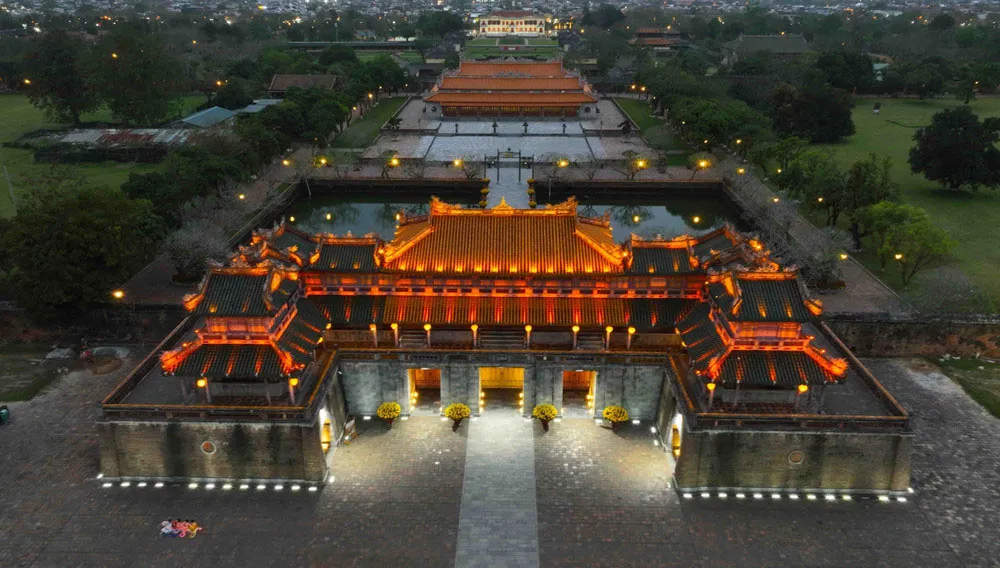
Beyond the citadel, royal tombs like Khai Dinh Tomb, Minh Mang Tomb, and Tu Duc Tomb sit along the Perfume River, blending architecture with landscape. A boat ride on the river at sunset offers a poetic way to experience Hue’s spiritual atmosphere. Hue feels deeply historical and introspective.
Day 8: Hue to Hoi An – Scenic coastal journey
Travel south via the legendary Hai Van Pass, one of Vietnam’s most scenic coastal routes. The road offers dramatic views of mountains meeting the sea, especially around Lang Co Beach. This drive is often remembered as one of the most beautiful in Vietnam.
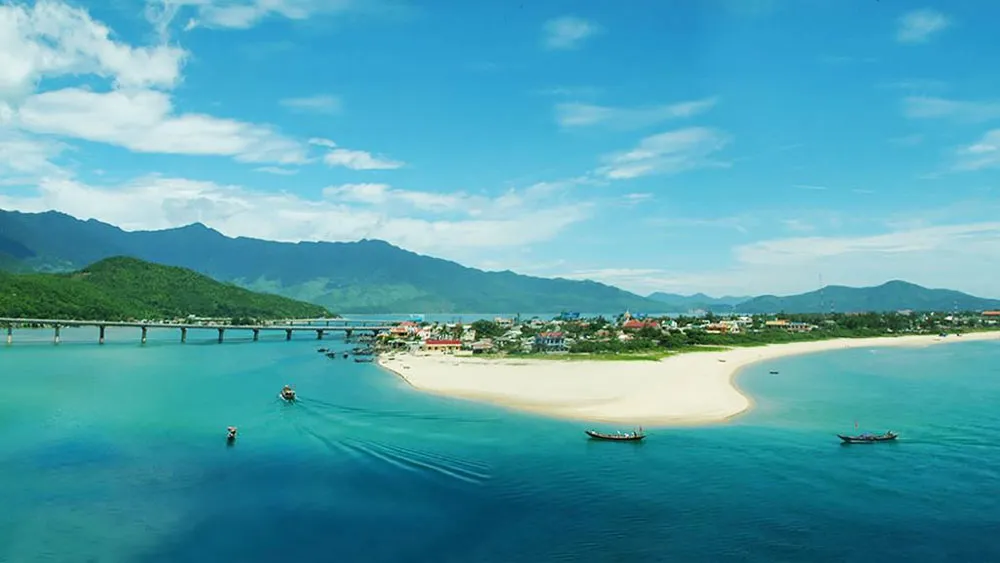
Arriving in Hoi An, the atmosphere shifts to warmth and charm. Walking through lantern-lit streets along Thu Bon River feels romantic and timeless. The town’s preserved architecture immediately creates a sense of nostalgia.
Day 9: Hoi An – Ancient town and cultural fusion
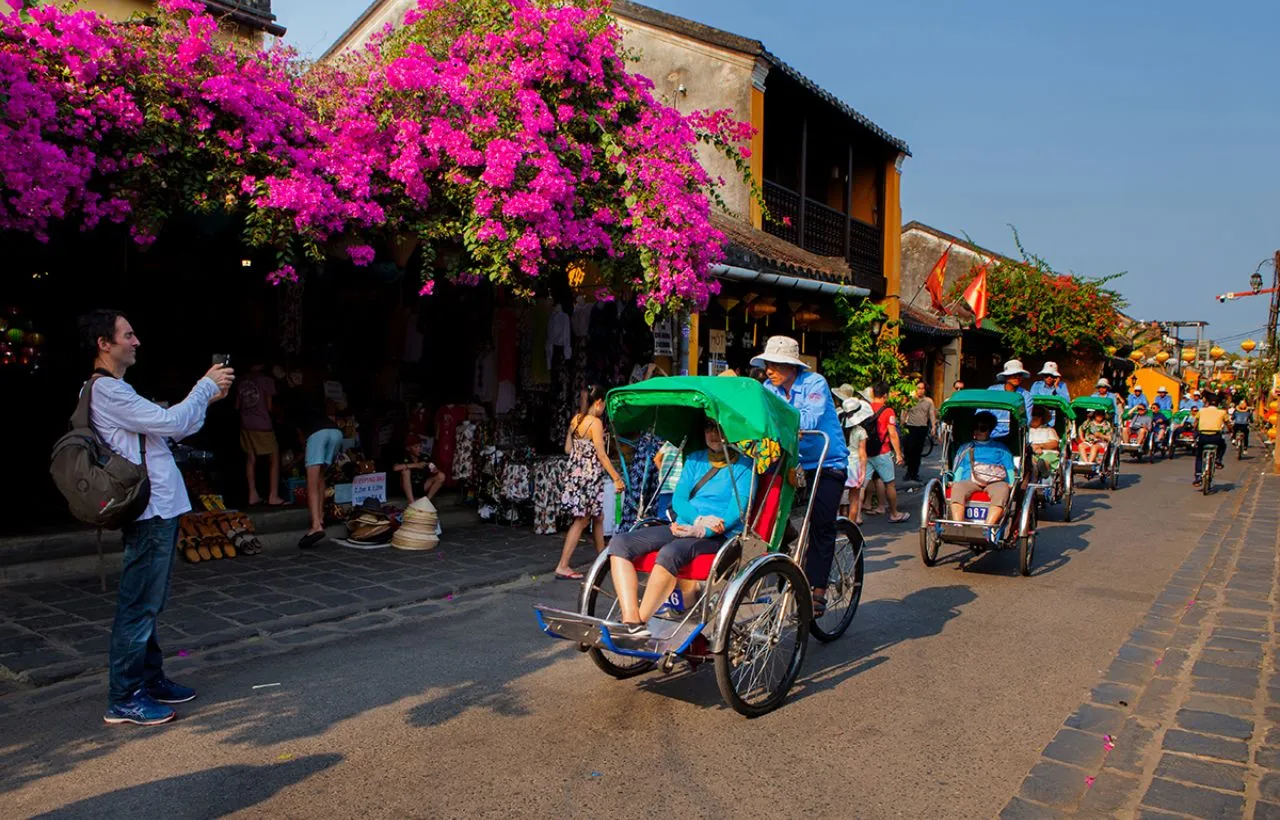
Spend the day exploring Hoi An Ancient Town, a UNESCO World Heritage site filled with Chinese assembly halls, Japanese bridges, and merchant houses. Highlights include the Japanese Covered Bridge, Tan Ky Old House, and Fujian Assembly Hall. Every street feels designed for slow wandering and photography.
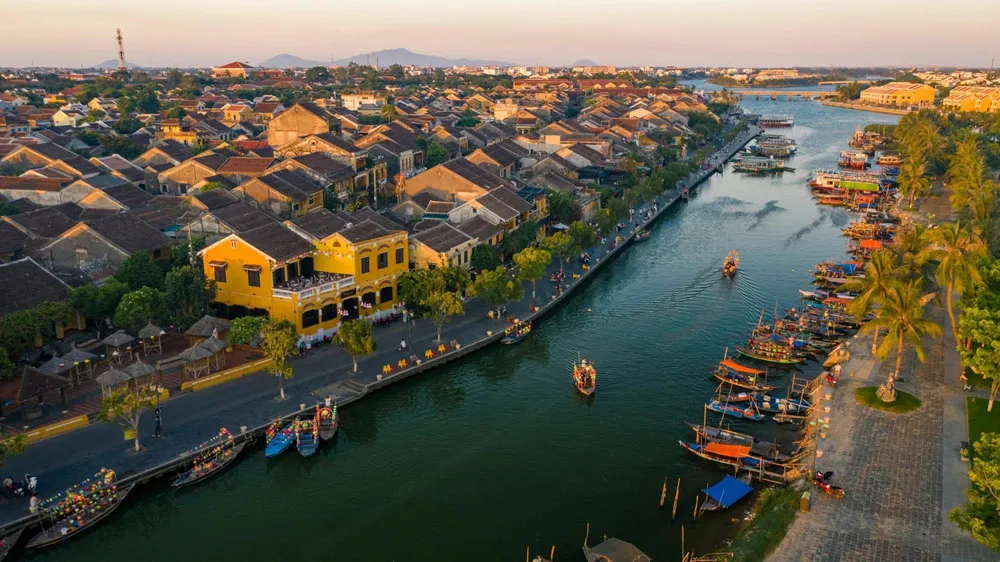
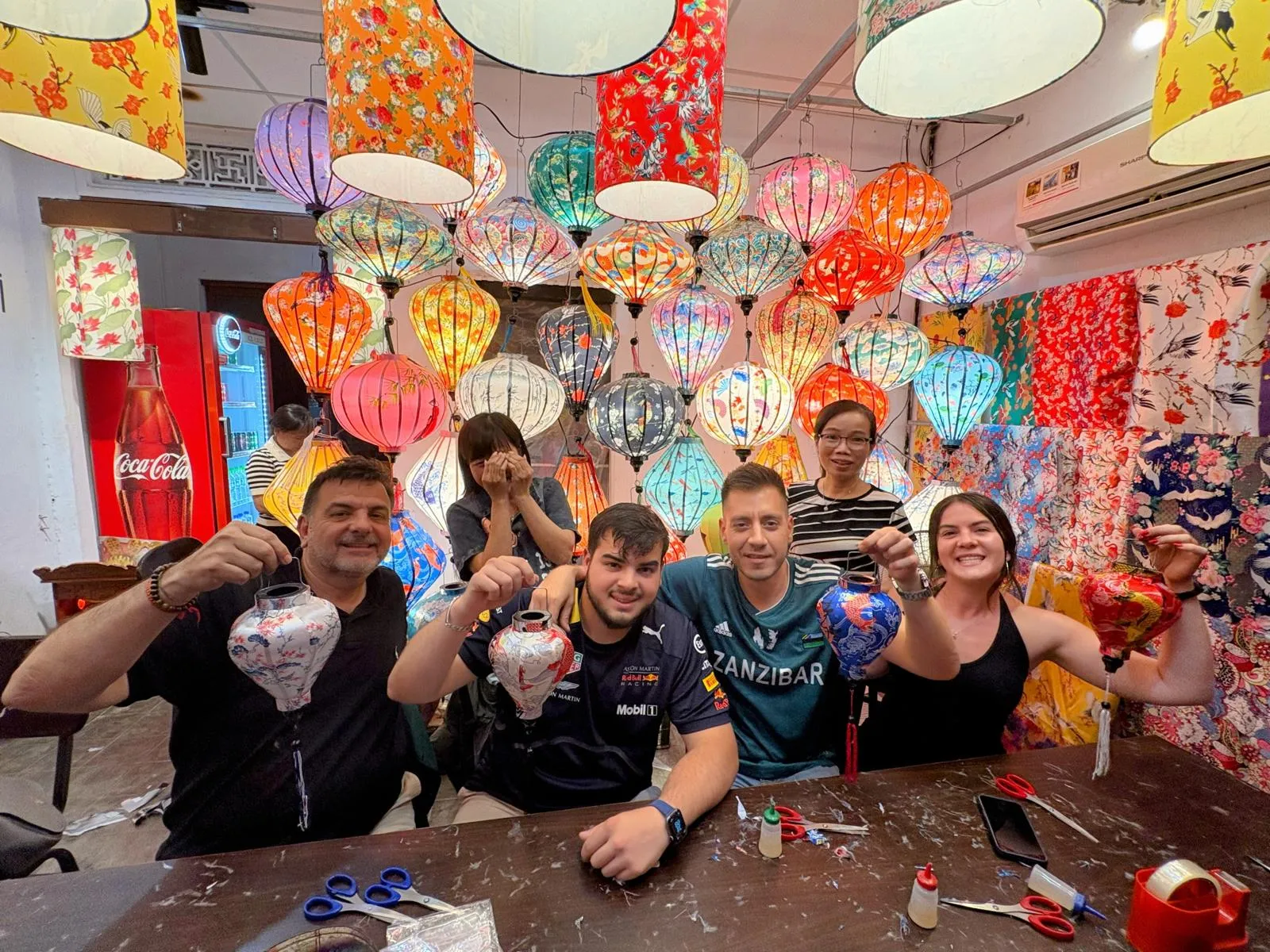
Hoi An is also famous for tailor shops and culinary traditions like cao lau, white rose dumplings, and banh mi Phuong. Joining a lantern workshop or cooking class adds hands-on cultural experience. Evenings glow with lantern reflections on the river, making Hoi An unforgettable.
Day 10: Hoi An to Da Nang – Urban contrast and modern coast
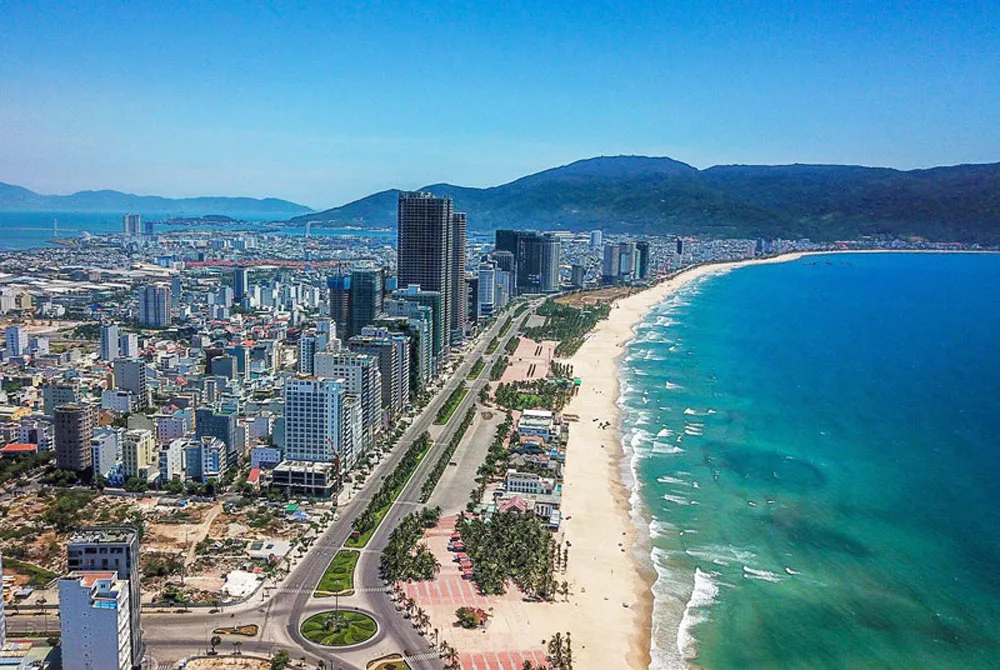
Travel a short distance to Da Nang, Vietnam’s most modern coastal city. Compared to Hoi An’s heritage charm, Da Nang feels youthful and dynamic, with wide roads, beaches, and contemporary cafés. This contrast highlights central Vietnam’s diversity.

Highlights include My Khe Beach, Son Tra Peninsula, and the iconic Golden Bridge at Ba Na Hills. Visiting Marble Mountains adds spiritual and panoramic views. Da Nang provides a comfortable and visually impressive ending to the journey.
Travel Tips for North & Central Vietnam
-
Travel north to central in one direction to avoid unnecessary backtracking.
-
Pack layers, as temperatures vary greatly between Sapa, Hanoi, and coastal cities.
-
Use flights or overnight trains for long distances to save time.
-
Mix cultural days with natural days to avoid burnout.
-
Stay near Old Quarters or town centers for easier exploration.
This North and Central Vietnam itinerary showcases Vietnam at its most diverse and visually striking. Each destination offers its own rhythm, culture, and emotional atmosphere, creating a journey that feels both cinematic and meaningful. By moving gradually from north to central, travelers experience Vietnam not as separate stops, but as one connected cultural story.
Want a customized North & Central Vietnam itinerary with private guides, scenic routes, and curated experiences? CAT Travel designs personalized Vietnam journeys that match your pace, interests, and travel style.








 View trip map