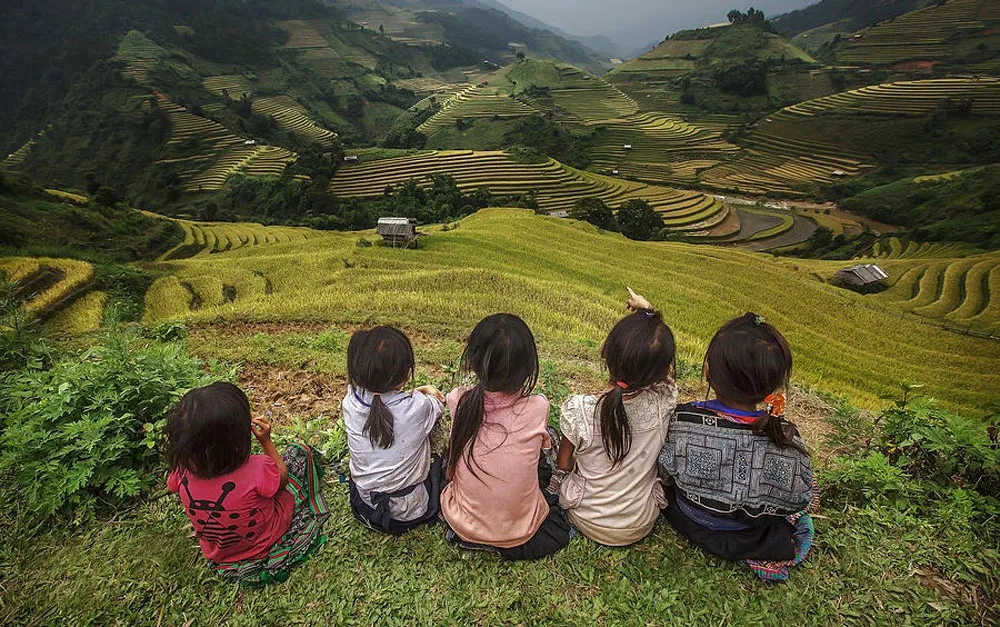
Days 1–3: Hanoi – First taste of Vietnam
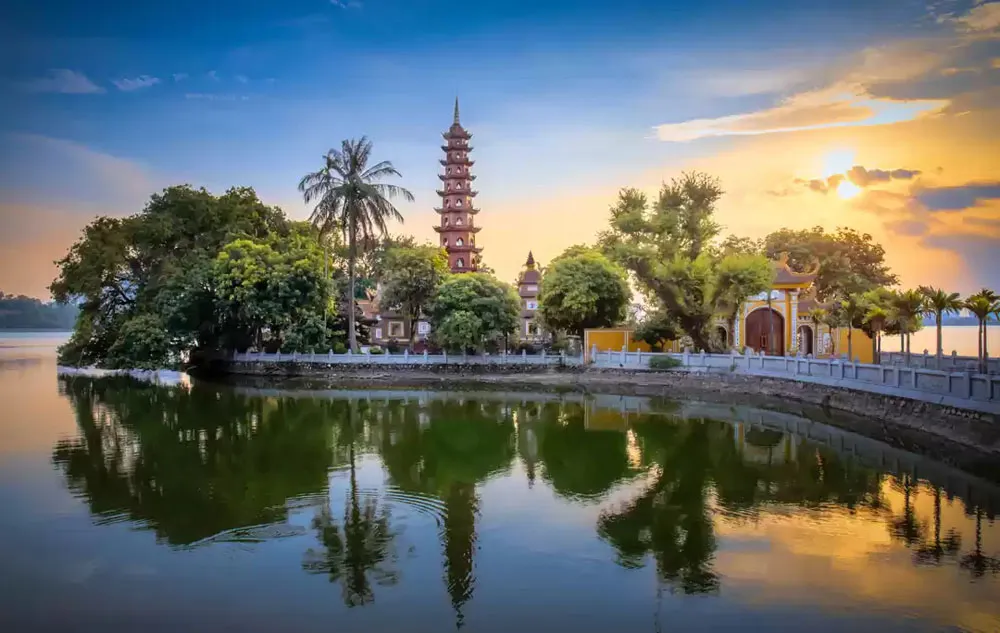
Day 1: Arrival in Hanoi
Touch down in Vietnam’s lively capital and head to your hotel in the Old Quarter, where narrow streets hum with scooters and street vendors. Begin your trip with a stroll around Hoan Kiem Lake, crossing the Huc Bridge to Ngoc Son Temple. For dinner, try pho at Pho Bat Dan or bun cha at Bun Cha Huong Lien, made famous by President Obama’s visit. Cap off your evening with Hanoi’s signature egg coffee at Café Giang or join locals for bia hoi (fresh draft beer) at a street corner.
Tip: Stay near the Old Quarter for easy access to landmarks, markets, and nightlife.
Day 2: History and tradition
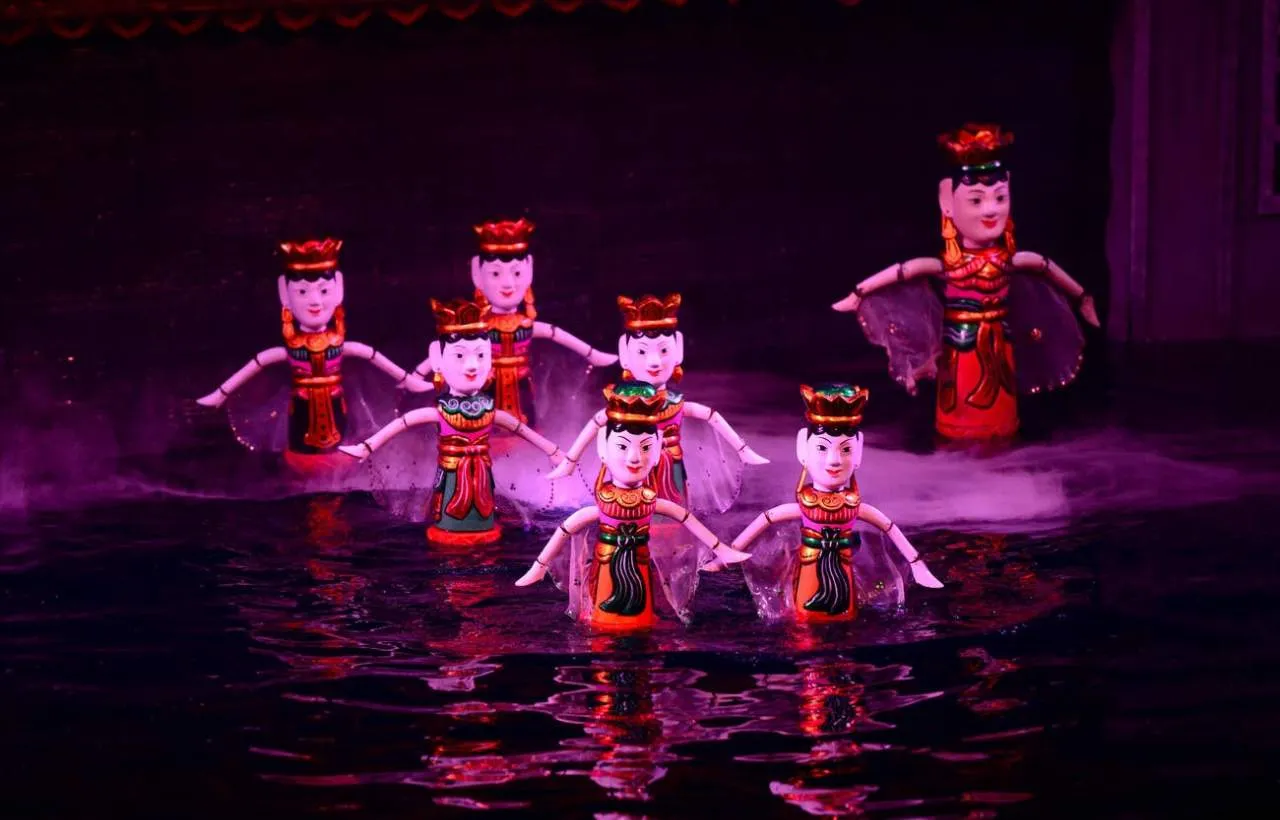
Start your day at the Ho Chi Minh Mausoleum Complex, including the stilt house where Uncle Ho lived and the iconic One Pillar Pagoda. Continue to the Temple of Literature, Vietnam’s first university and a symbol of Confucian learning. For lunch, sample street favorites like banh mi or xoi xeo (sticky rice). Spend the afternoon at the Vietnam Museum of Ethnology or exploring colonial architecture in the French Quarter. In the evening, watch a water puppet show, a traditional performance that originated in northern Vietnam.
Tip: Most museums close by 5 PM—plan your schedule to fit them in earlier in the day.
Day 3: Hidden Hanoi
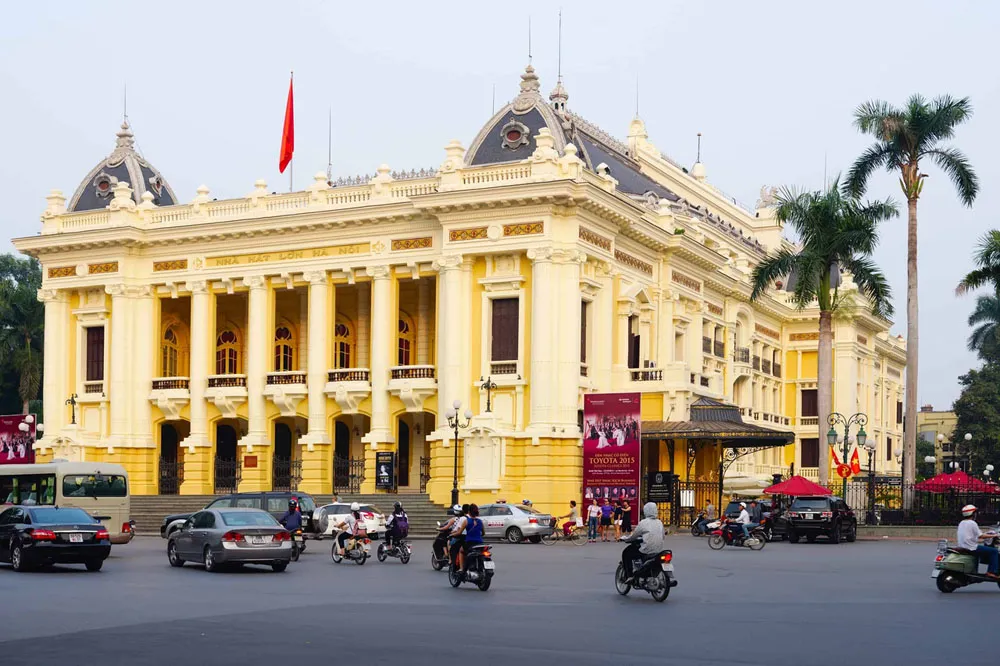
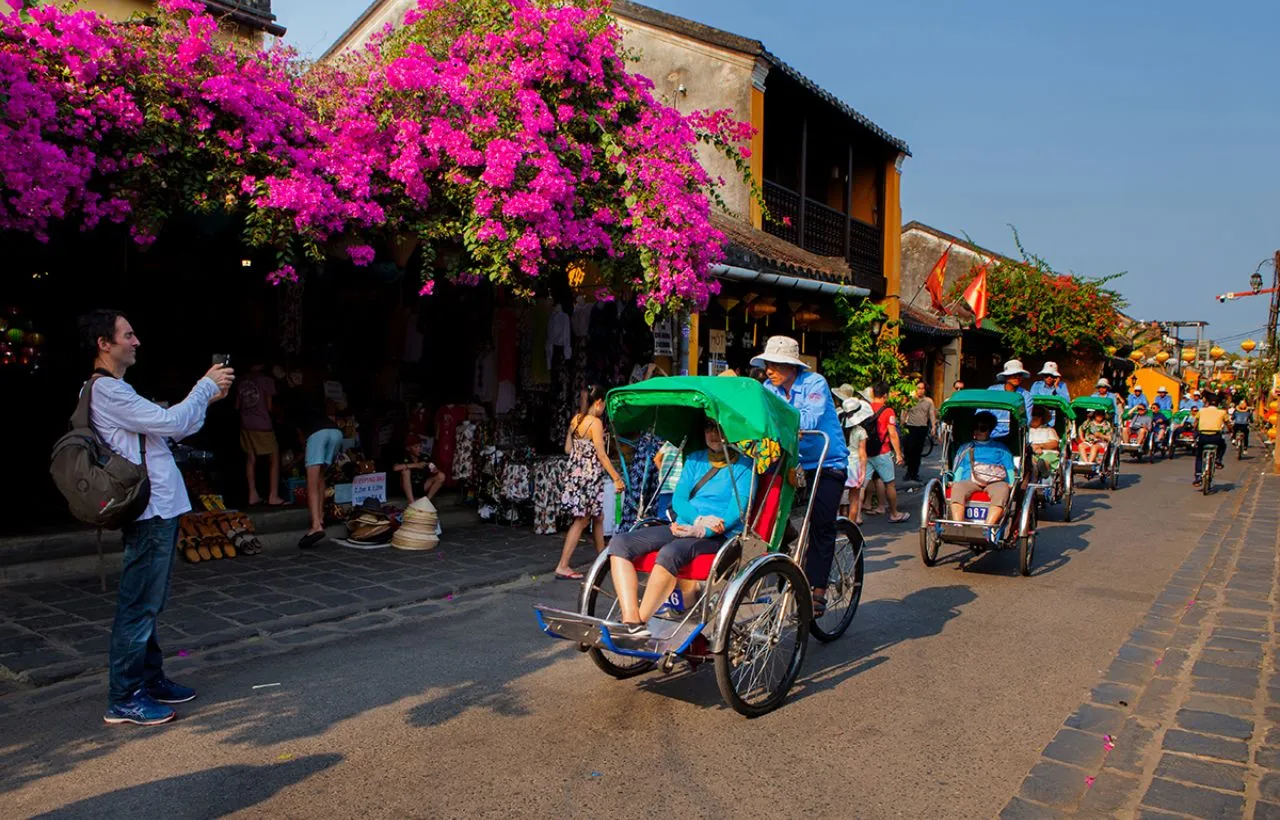
Hop on a cyclo ride through bustling markets in the Old Quarter. Stop at Dong Xuan Market for souvenirs, fabrics, and local snacks. For a more artistic side of Hanoi, visit the Fine Arts Museum or explore independent galleries and cafés. End your day in the French Quarter, dining in a colonial-style villa or enjoying cocktails at a rooftop bar with lake views.
Optional: Book a guided street food tour to taste dishes you might otherwise miss—like cha ca (turmeric fish) or bun rieu (crab noodle soup).
Days 4–6: Sapa – Trekking and ethnic culture
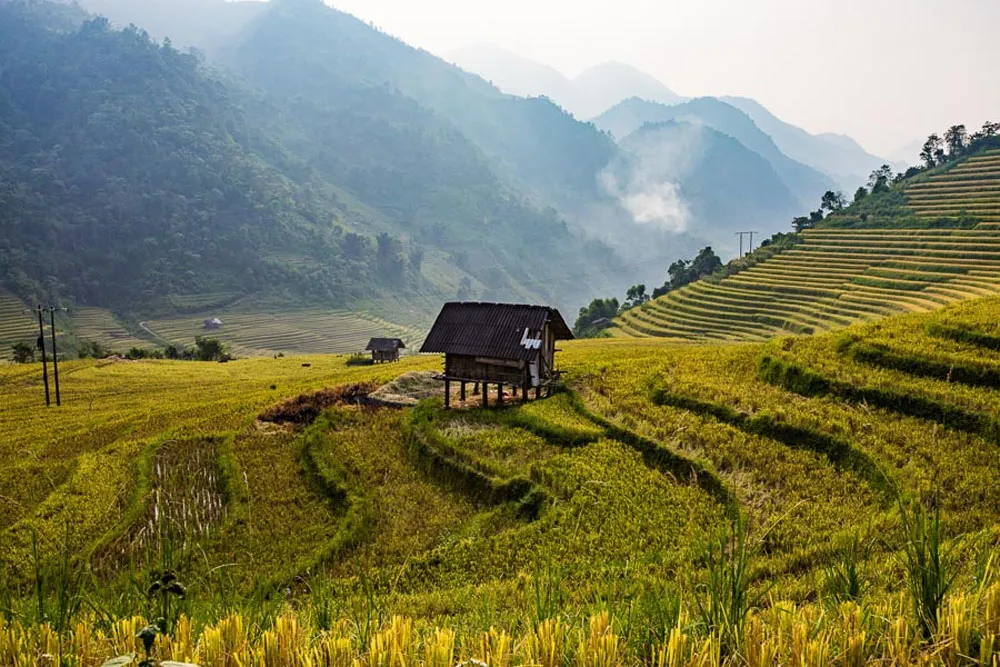
Day 4: Journey to Sapa
Take an overnight train or luxury sleeper bus to Sapa, perched in the mountains near the Chinese border. On arrival, stroll the town’s market, where ethnic groups like the Hmong and Red Dao sell handicrafts. Warm up with salmon hotpot, a surprising local specialty thanks to the region’s cold streams.
Tip: Private transfers are faster and more comfortable than trains if you prefer flexibility.
Day 5: Village trekking
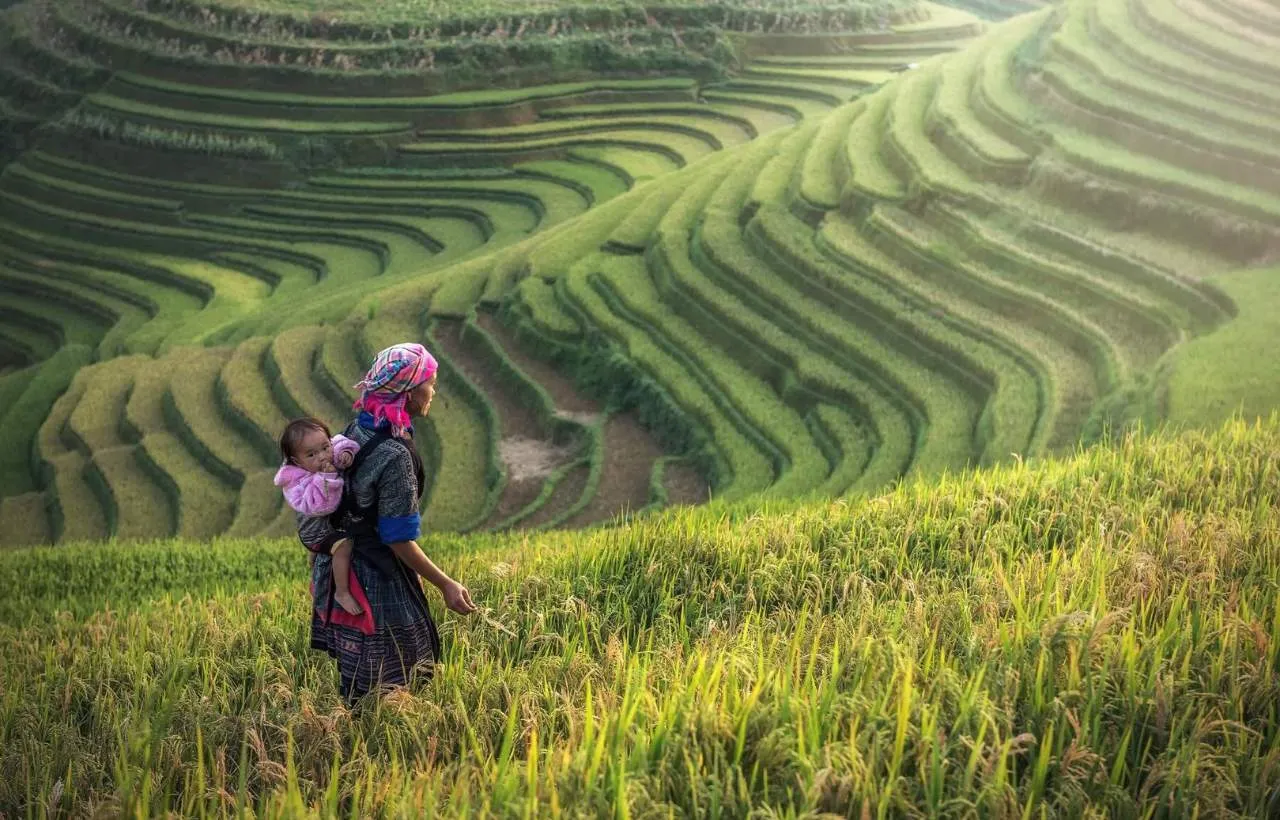
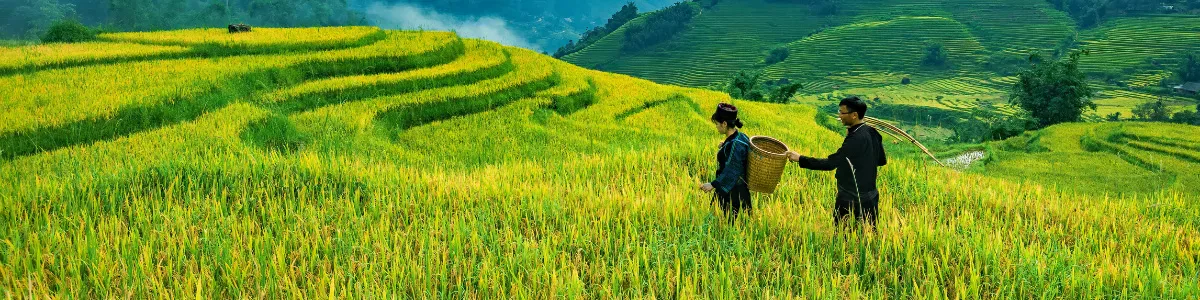
Set off on a trek through terraced valleys and villages such as Lao Chai, Ta Van, and Giang Ta Chai. Meet local families, learn about weaving traditions, and admire the stunning mountain scenery. Spend the night in a homestay, sharing dinner and rice wine with your hosts.
Optional: Extend your trek to include waterfalls or visit Fansipan Mountain by cable car, the “Roof of Indochina.”
Day 6: Return to Hanoi
Wake up to sunrise over misty valleys, then enjoy a light hike or walk through rice terraces. Return to Sapa town for some free time shopping for textiles and handmade crafts before traveling back to Hanoi in the afternoon.
Days 7–8: Ninh Binh – Inland Ha Long Bay
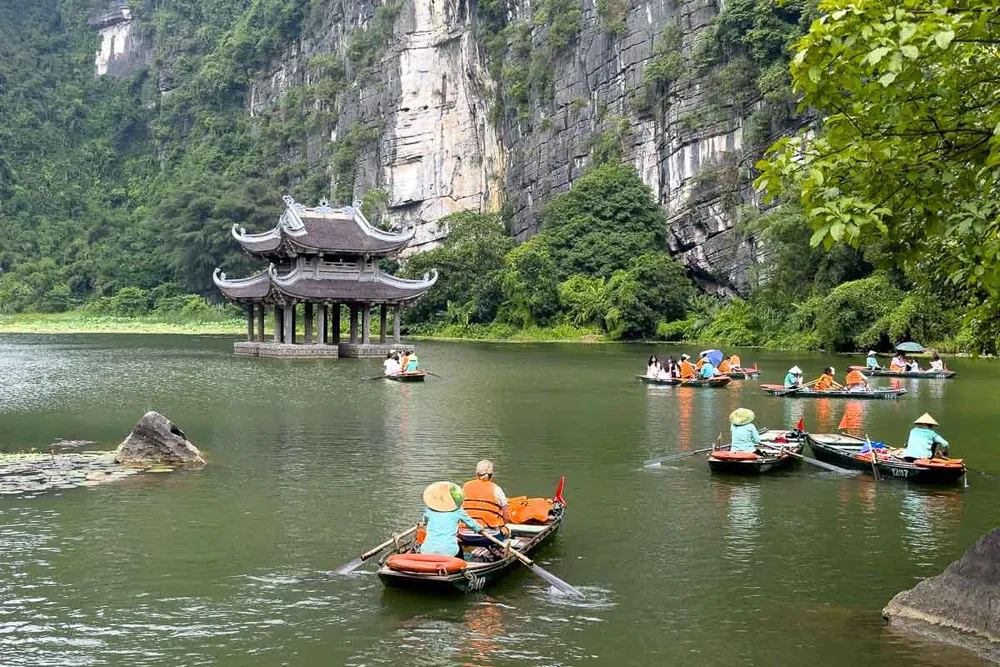
Day 7: Tam Coc and Mua Cave
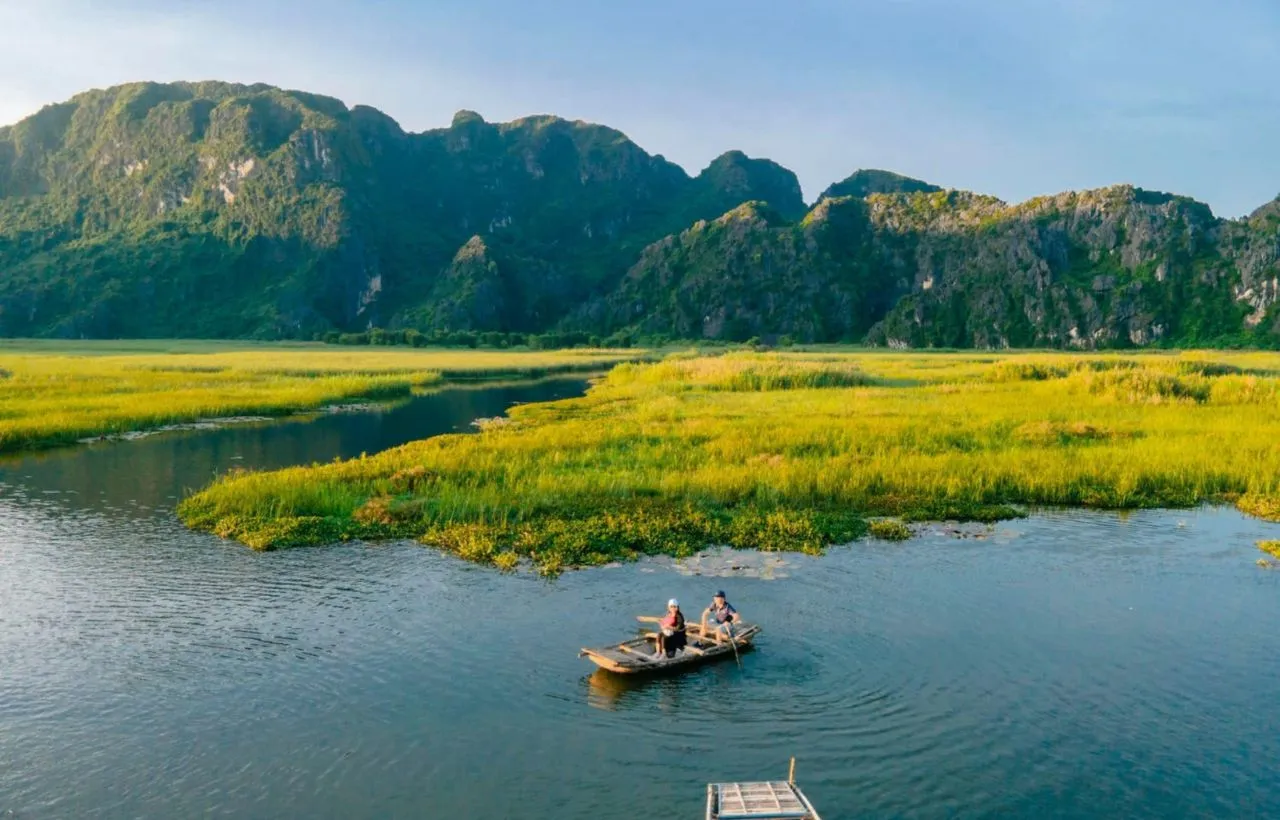
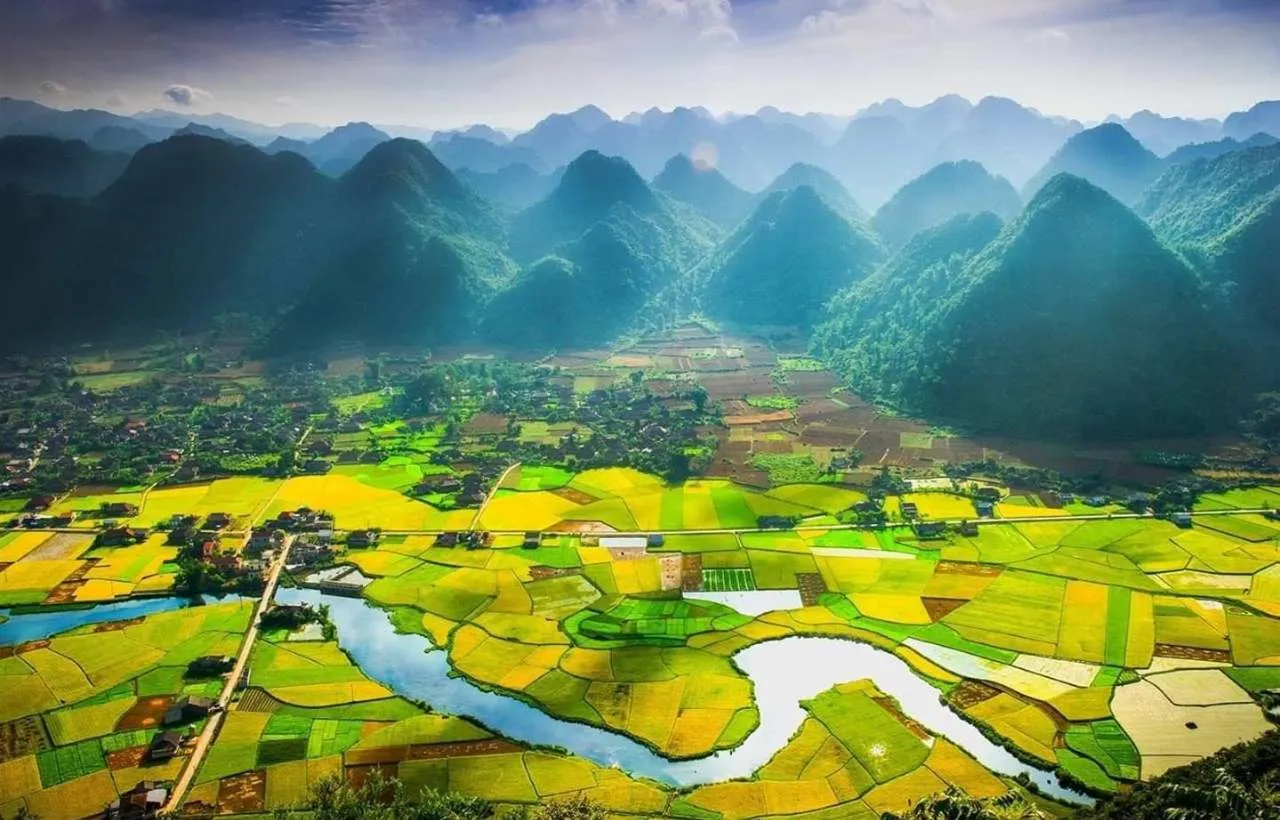
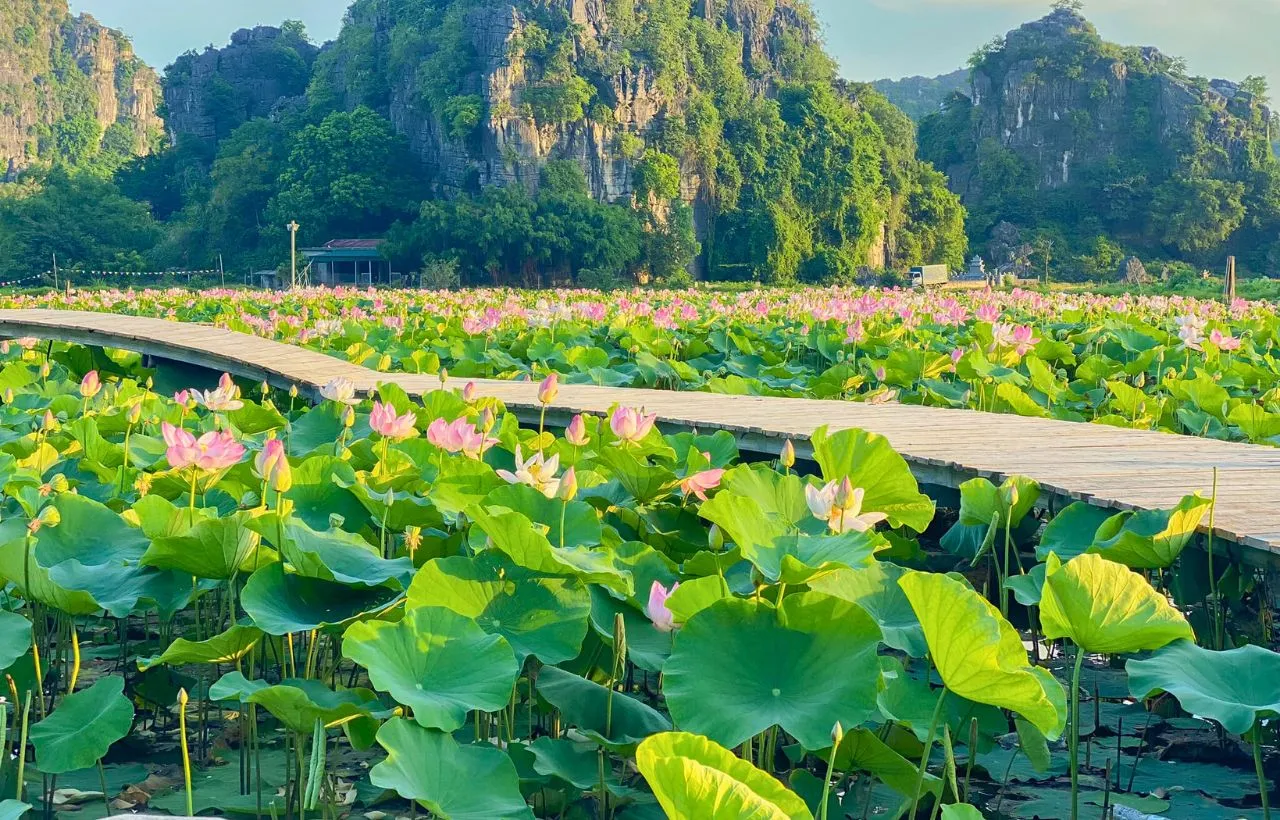
Drive about two hours south to Ninh Binh, often called “Ha Long Bay on land.” Take a sampan boat ride along the Ngo Dong River through limestone caves in Tam Coc. In the afternoon, climb 500 steps up Mua Cave viewpoint for panoramic views of rice paddies and karst formations. Overnight in a countryside ecolodge or homestay surrounded by nature.
Day 8: Hoa Lu and Trang An
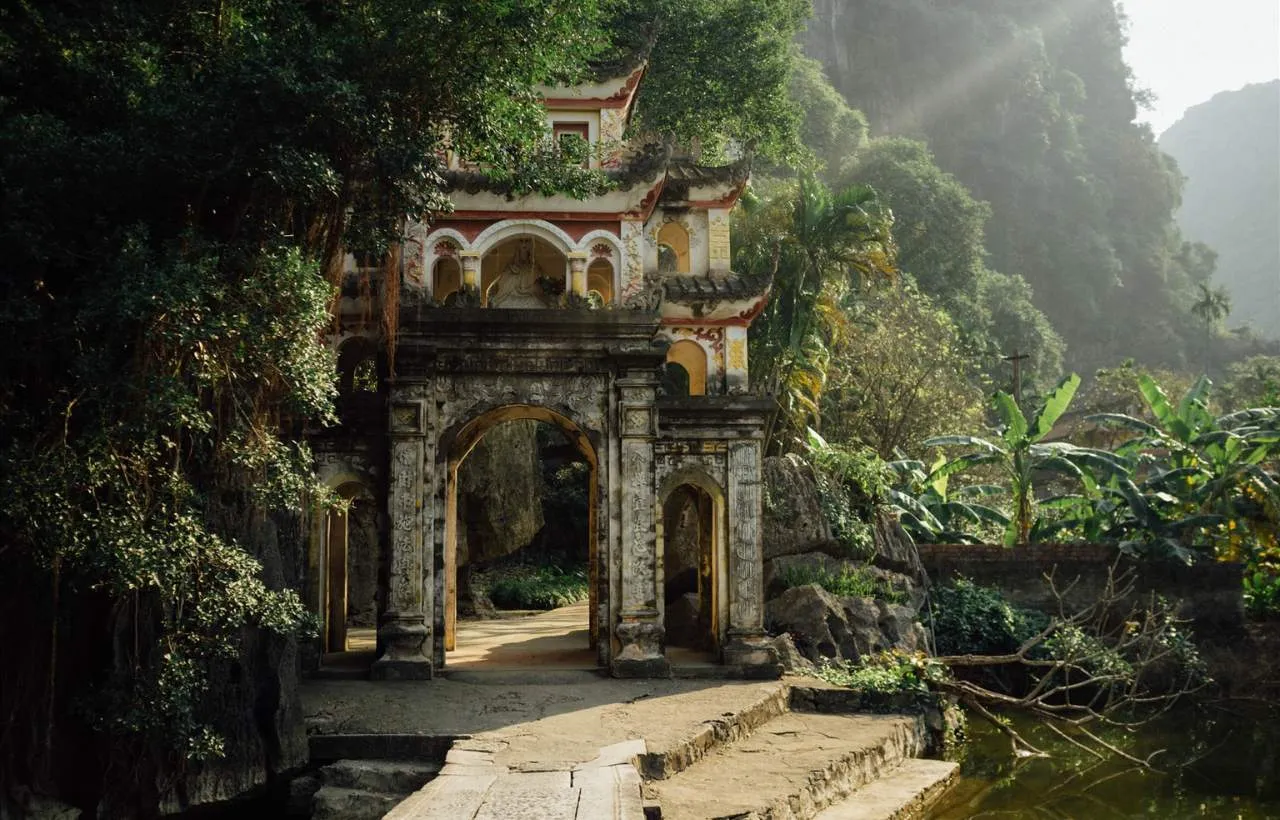
Visit Hoa Lu, the former capital of Vietnam, where temples honor the Dinh and Le dynasties. Continue to Trang An, a UNESCO World Heritage site, for a boat journey weaving through caves and limestone mountains. Return to Hanoi in the evening, ready for the next stage of your journey.
Tip: Ninh Binh is quieter than Ha Long Bay and offers a more rural, authentic vibe—ideal for photography and cycling.
Days 9–10: Ha Long Bay – Emerald waters
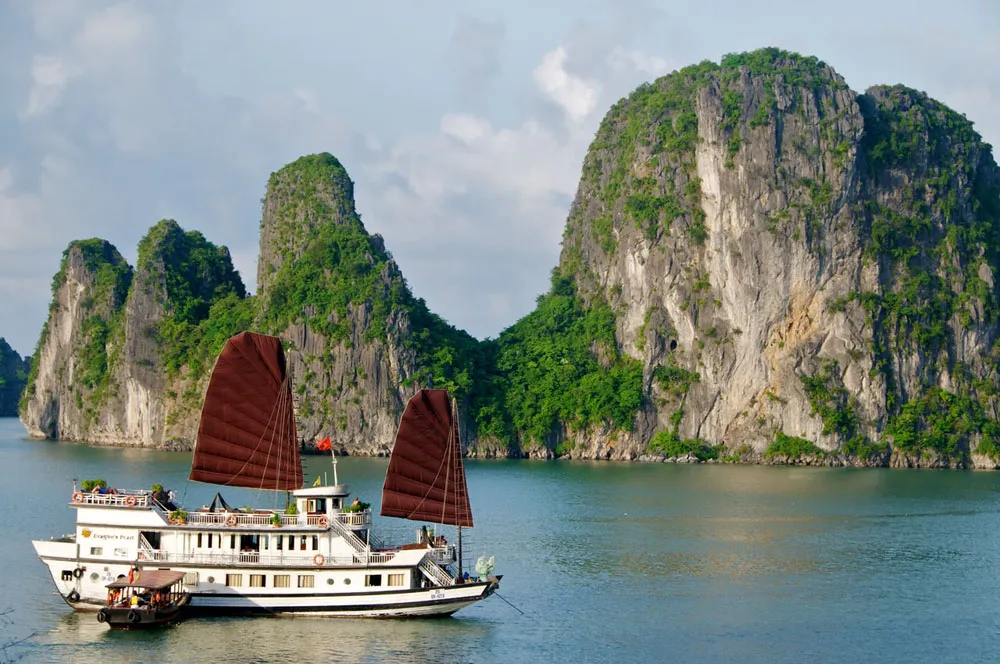
Day 9: Overnight cruise
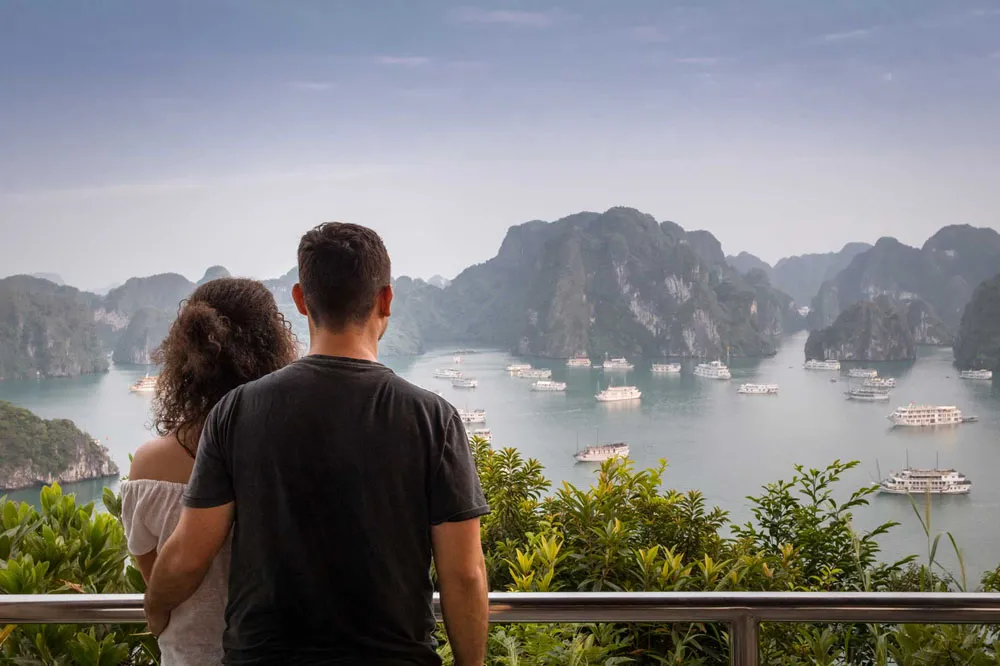
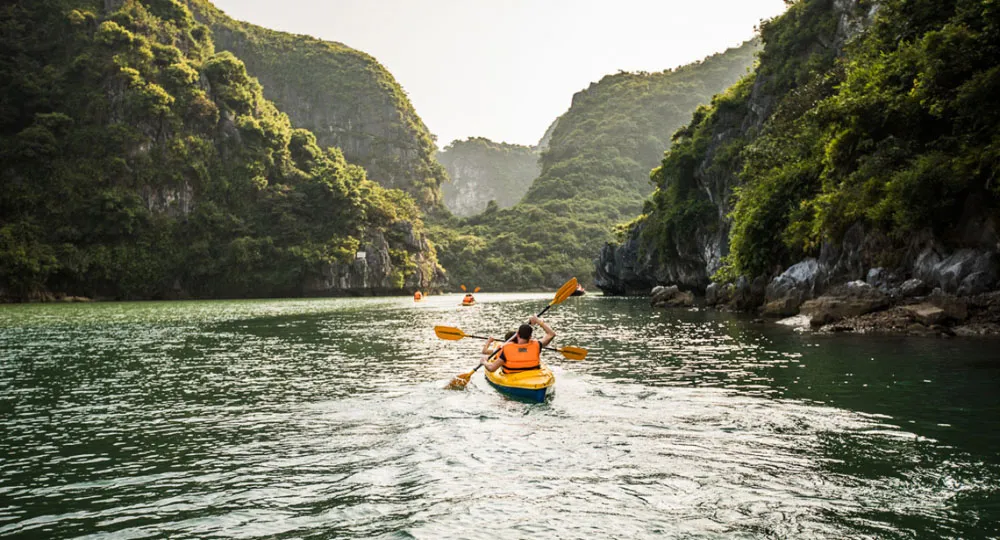
Travel east to Ha Long Bay and board a cruise ship. Sail past dramatic limestone islands, stopping for kayaking, swimming, and cave visits. Watch the sunset with a cocktail before enjoying a seafood feast under the stars.
Day 10: Morning exploration
Start the day with Tai Chi on deck as the sun rises. Explore Sung Sot Cave, the largest grotto in the bay, or climb Titov Island for stunning views. Disembark by midday and return to Hanoi, where you’ll take the overnight train south to Dong Hoi.
Tip: Choose a mid-range or luxury cruise for safety and better food; budget options may compromise on quality.
Days 11–12: Phong Nha – Vietnam’s cave kingdom
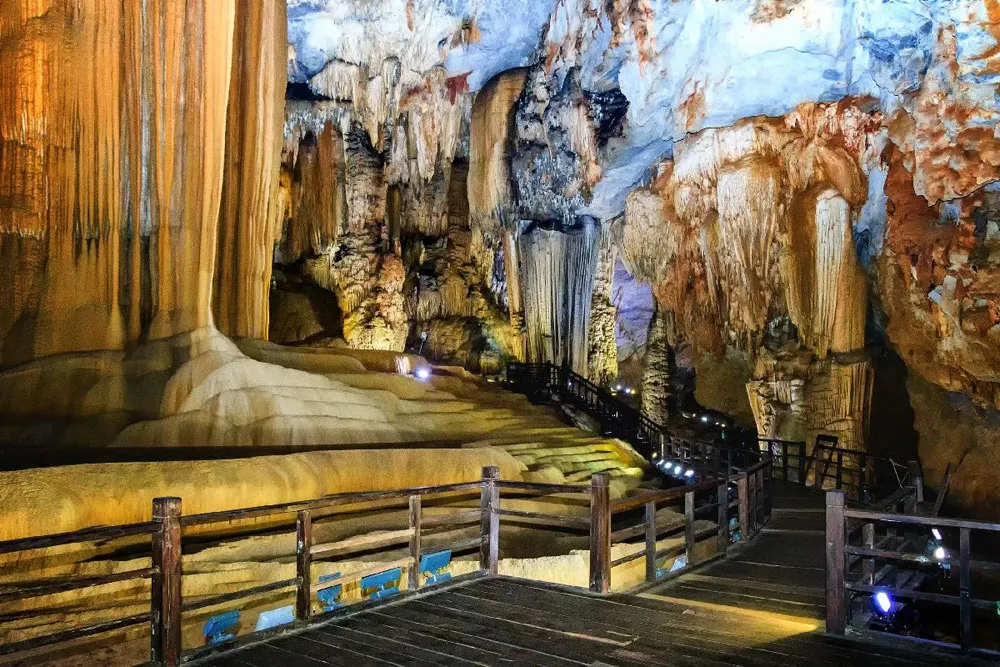
Day 11: Paradise Cave
Arrive in Phong Nha-Ke Bang National Park, home to some of the world’s largest cave systems. Visit Paradise Cave, with its dramatic stalactites and boardwalk paths stretching deep underground. Stay overnight in a riverside ecolodge.
Day 12: Adventure day
Take a boat trip along the Son River into Phong Nha Cave, entering through a striking river mouth. Adventurous travelers can head to Dark Cave, featuring a mud bath, zipline, and kayaking.
Optional: Multi-day expeditions to Hang En or Son Doong (the world’s largest cave) can be booked months in advance.
Days 13–14: Hue – Imperial grandeur
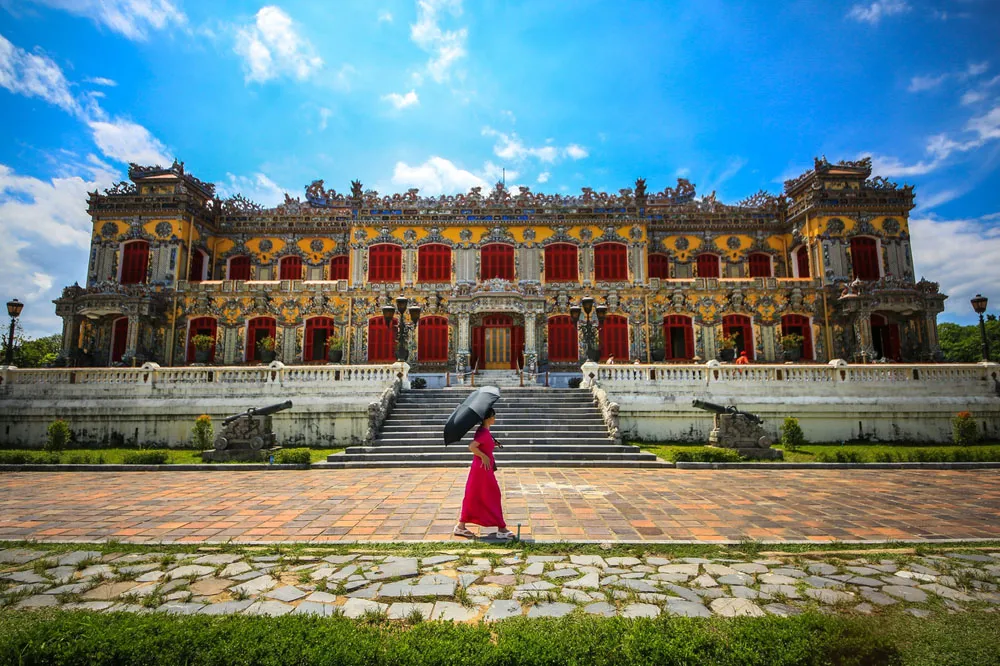
Day 13: Citadel and Perfume River
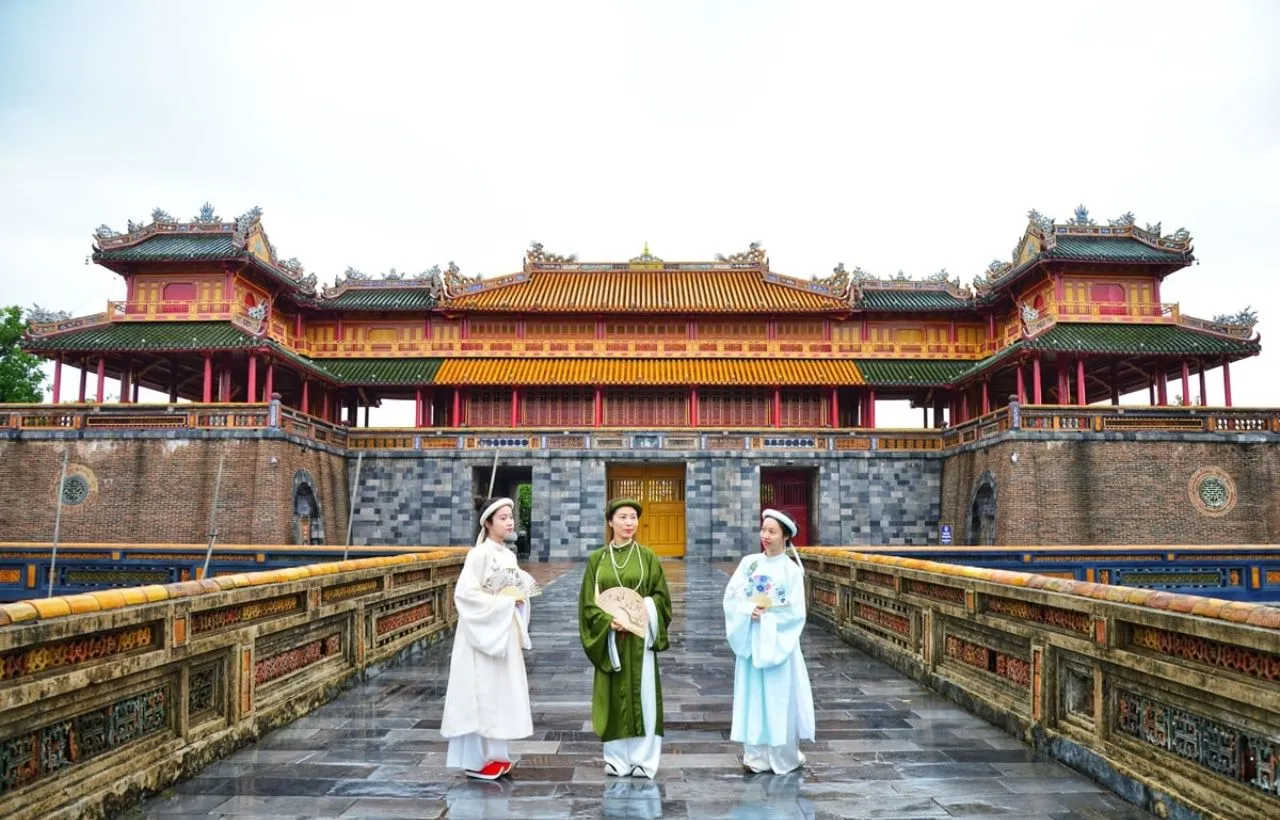
Travel south to Hue, the imperial capital during the Nguyen dynasty. Tour the Imperial Citadel, including its moats, gates, and palaces. In the evening, enjoy a dragon boat cruise on the Perfume River with traditional music.
Day 14: Tombs and pagodas
Start at Thien Mu Pagoda, a seven-story tower overlooking the river. Continue to the royal tombs of Tu Duc (romantic, garden-like setting) and Khai Dinh (ornate, with European influences). End the day with a bowl of bun bo Hue, the city’s signature spicy noodle soup.
Days 15–16: Hoi An – Ancient town and beaches
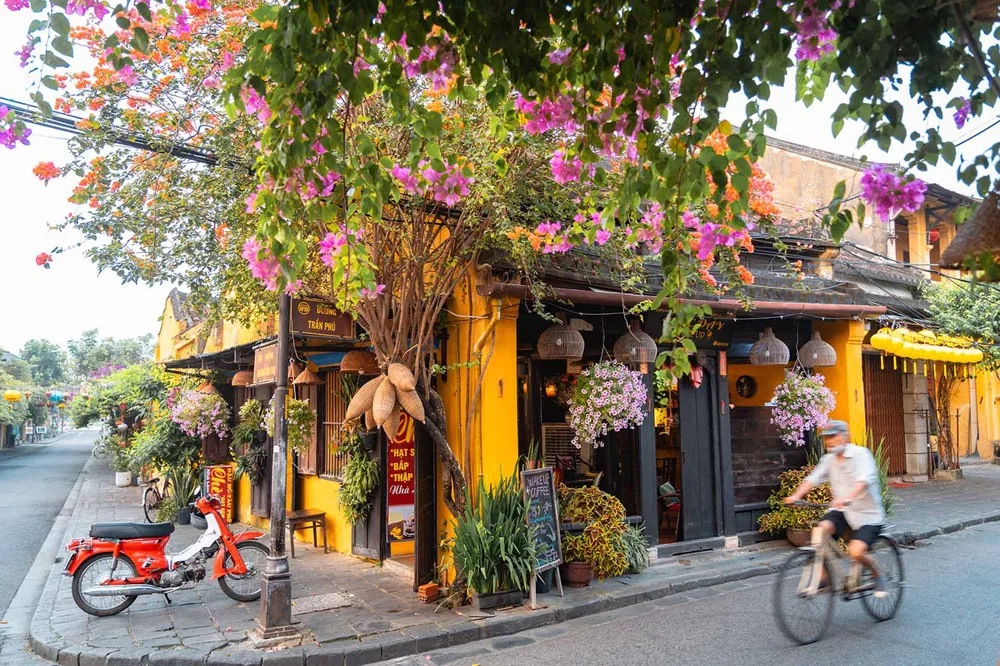
Day 15: Hai Van Pass to Hoi An
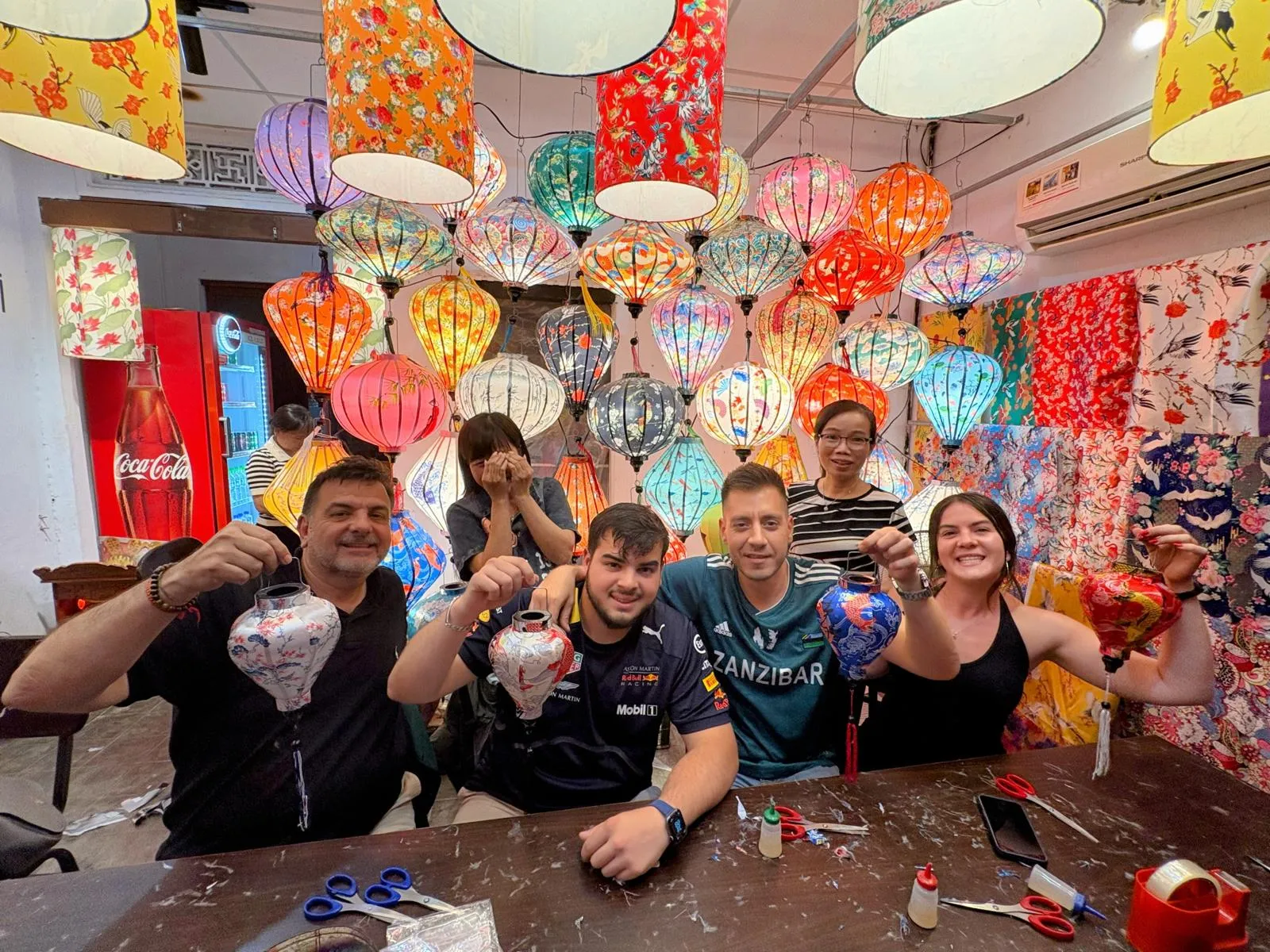
Take the scenic drive along the Hai Van Pass, one of Vietnam’s most breathtaking coastal roads, stopping at Lang Co Beach. Arrive in Hoi An, where lanterns light up the riverside streets. Explore the Japanese Covered Bridge, assembly halls, and ancient merchant houses.
Day 16: Cooking and cycling
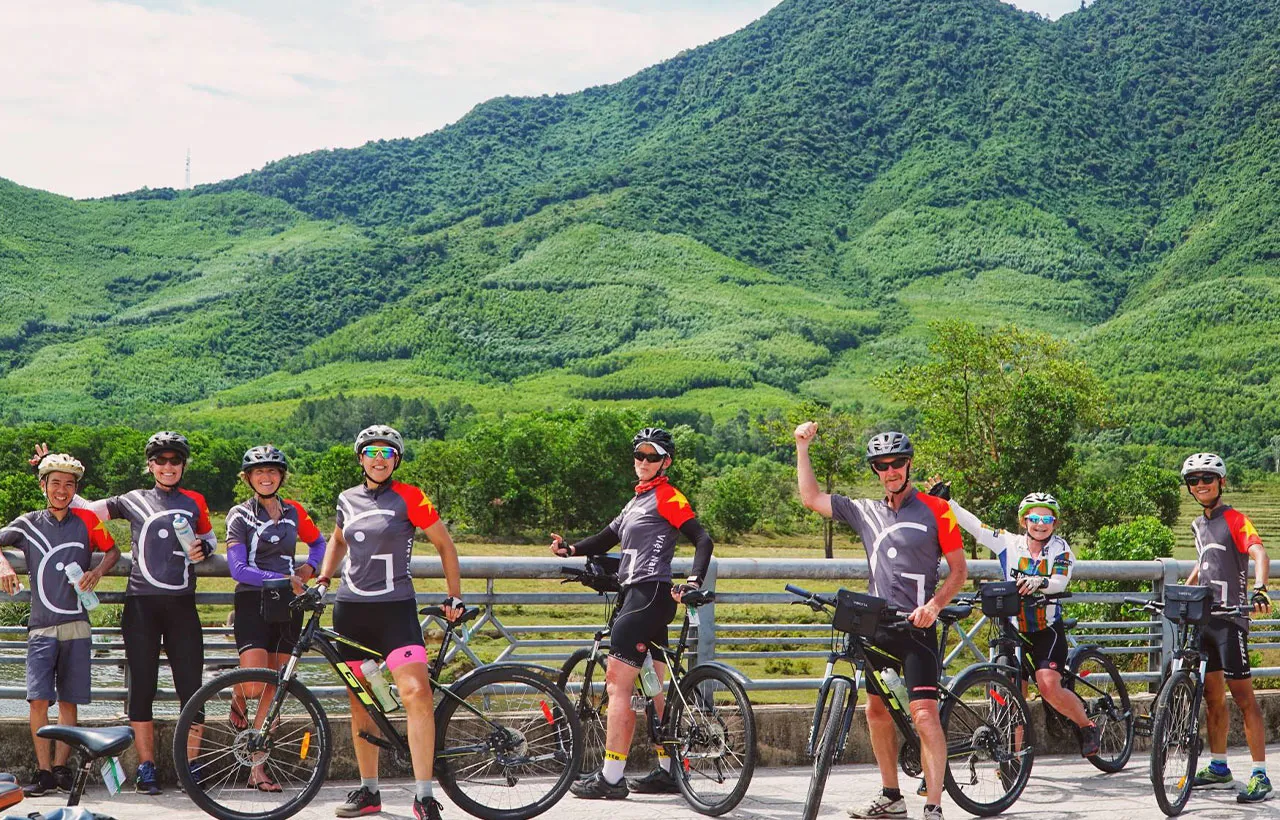
Join a cooking class with a market visit and boat ride. Learn to prepare dishes like cao lau noodles and fresh spring rolls. In the afternoon, cycle through Tra Que Vegetable Village or relax at An Bang Beach.
Tip: Stay at least two nights in Hoi An to enjoy both cultural activities and the beach atmosphere.
Days 17–18: Ho Chi Minh City – Southern energy
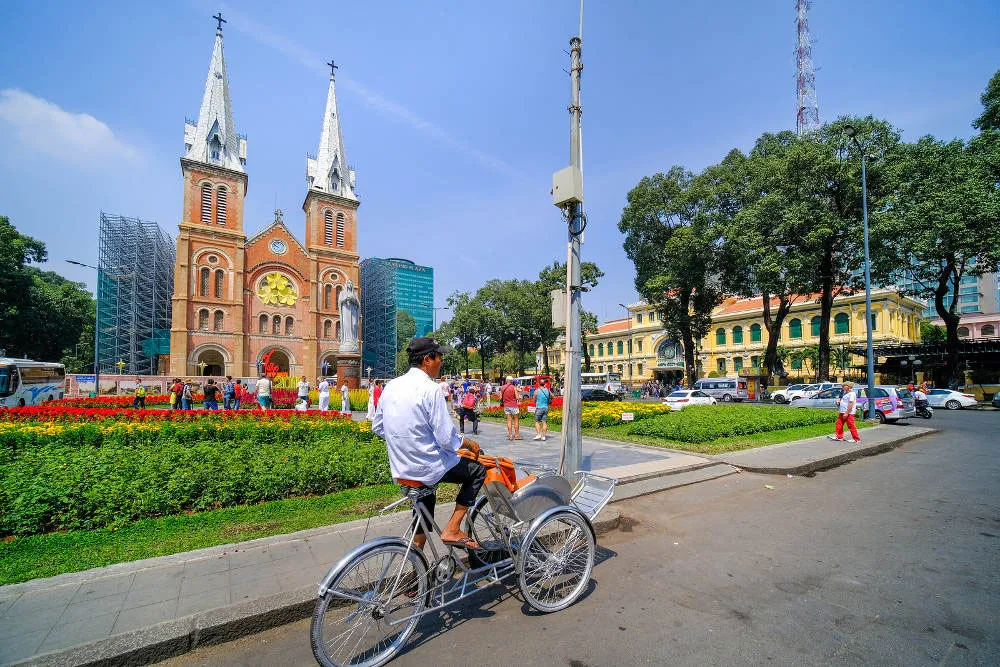
Day 17: Exploring Saigon
Fly south to Ho Chi Minh City (Saigon), a fast-paced metropolis. Visit the War Remnants Museum, Reunification Palace, Notre-Dame Cathedral, and the Central Post Office. In the evening, stroll Nguyen Hue Walking Street and sample southern dishes like com tam (broken rice) and banh xeo (crispy pancake).
Day 18: Cu Chi Tunnels
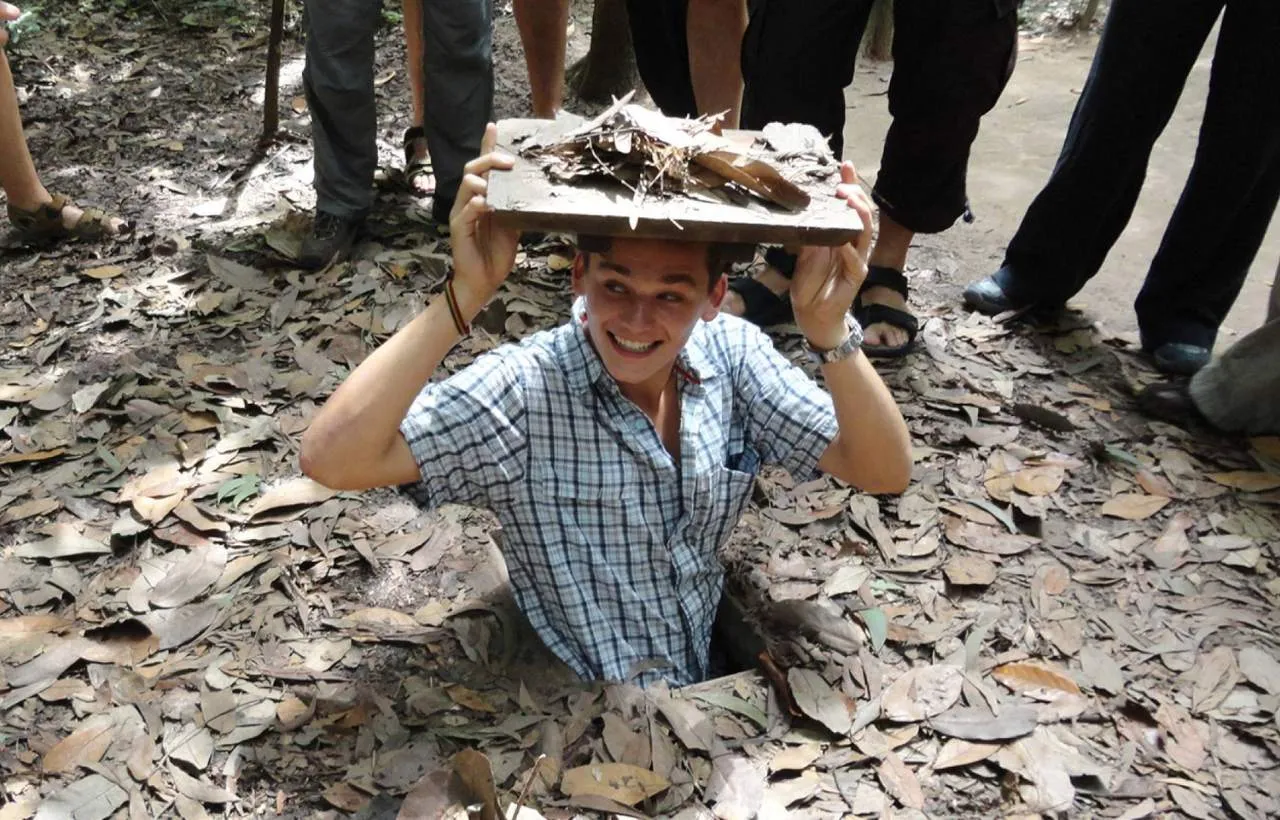
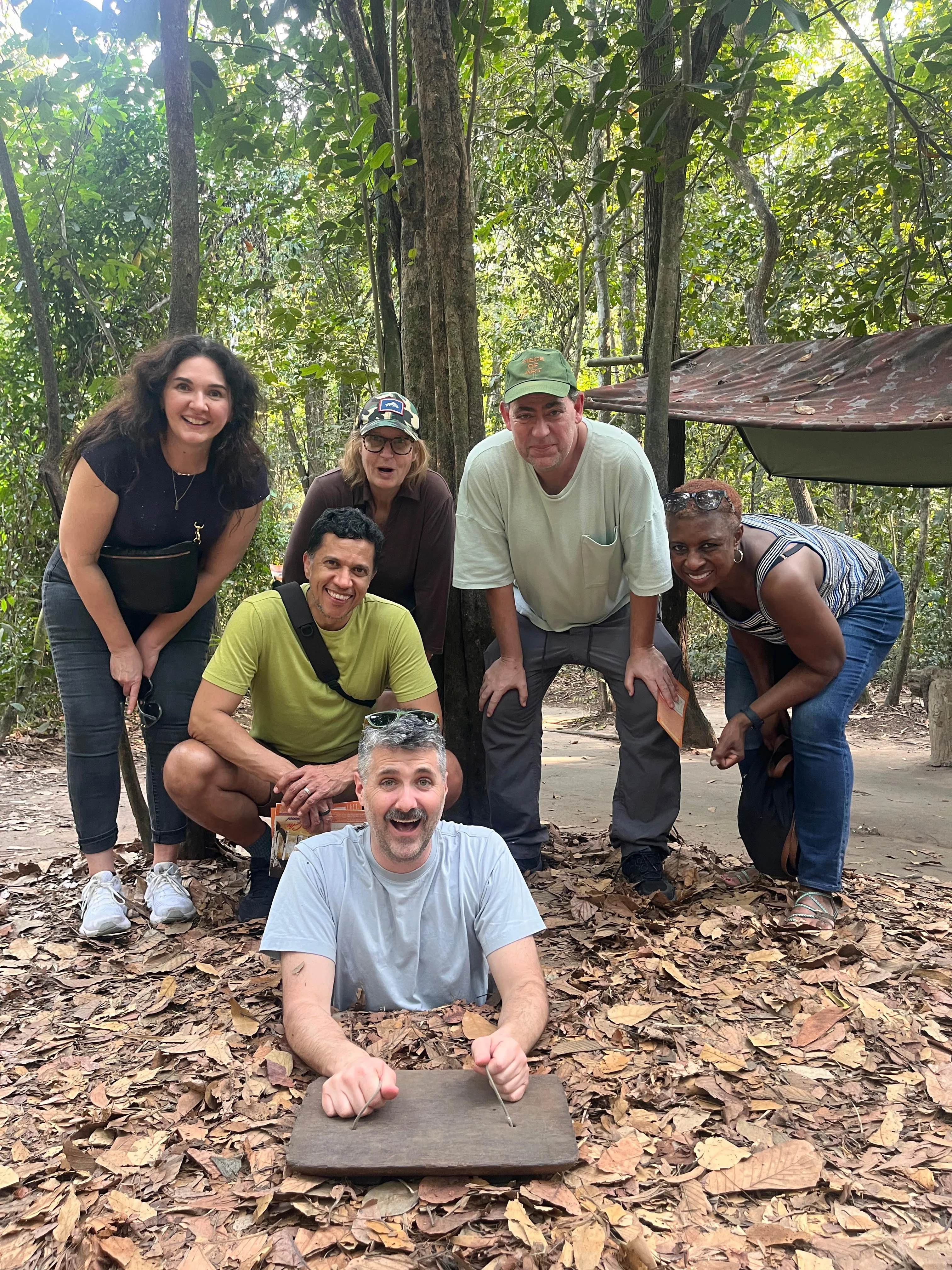
Take a half-day trip to the Cu Chi Tunnels, a vast underground network used during the Vietnam War. Return to the city for shopping at Ben Thanh Market or explore vibrant nightlife on Bui Vien Street.
Day 19: Mekong Delta – Life on the water
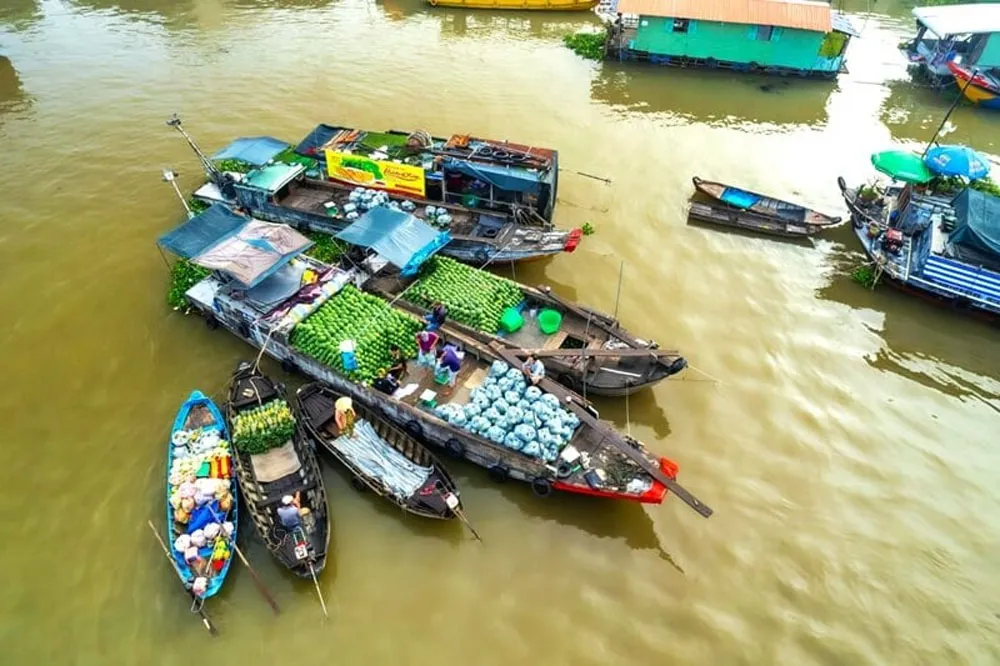
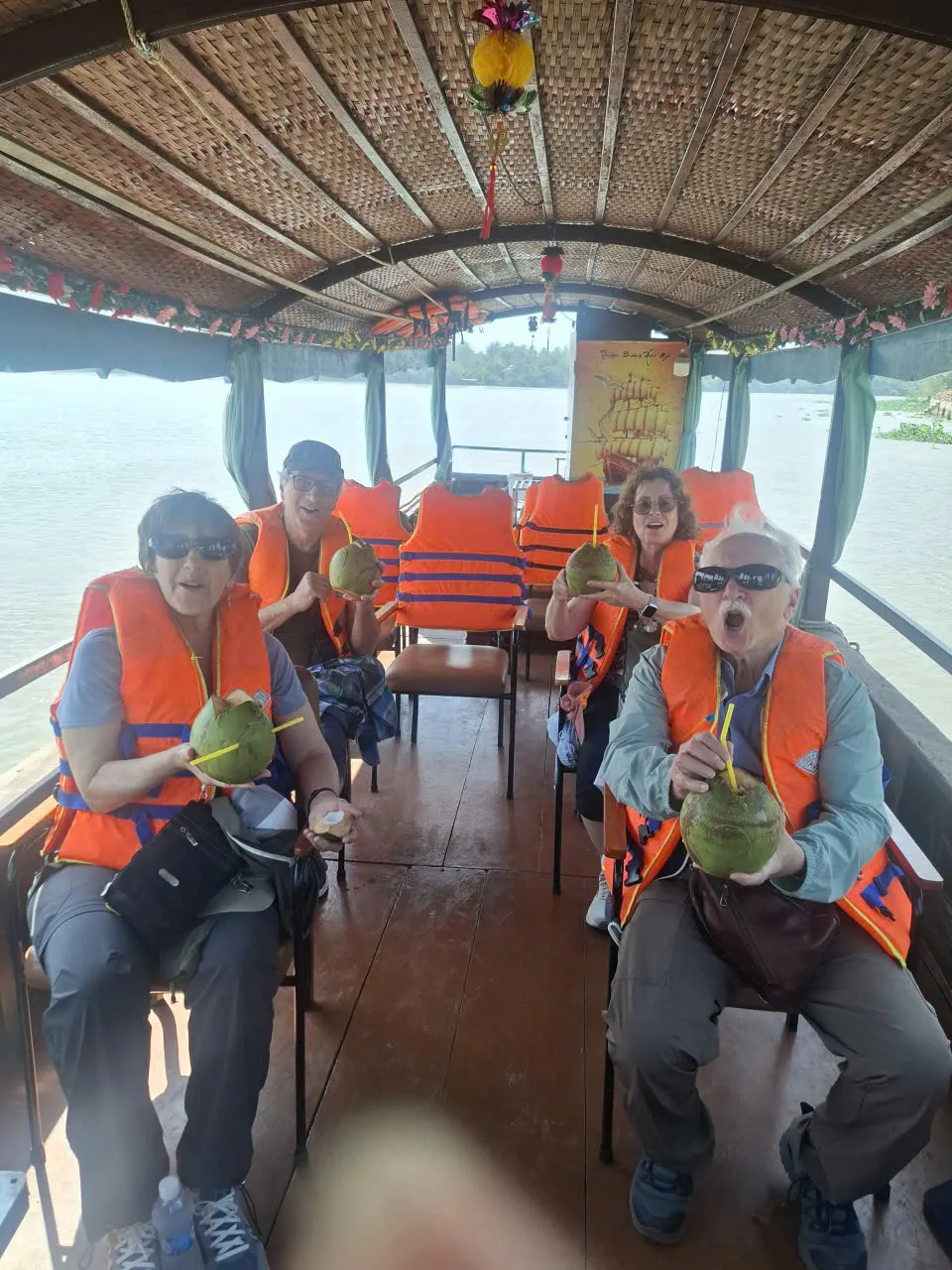
Take a day trip to the Mekong Delta, visiting towns like Ben Tre or Cai Be. Cruise along narrow canals shaded by coconut palms, stop at family-run workshops to taste coconut candy, and enjoy a rustic lunch at a village home. Return to Ho Chi Minh City in the evening.
Tip: Smaller group tours or private boats give a more authentic experience compared to large bus tours.
Day 20: Phu Quoc – Island farewell
End your adventure with a flight to Phu Quoc Island, Vietnam’s tropical paradise. Spend your last day swimming at Sao Beach, snorkeling in turquoise waters, or visiting pepper plantations and fish sauce factories. Watch the sunset at Long Beach and enjoy a farewell seafood feast before departure.
Tip: Phu Quoc has international flights, making it a convenient place to end your Vietnam trip.
Travel tips for 20 days in Vietnam itinerary

-
Best time to go: October to April offers mild weather; May to August is ideal for beaches but hotter inland.
-
Transport: Use flights for long distances (Hanoi–Saigon, Saigon–Phu Quoc). Trains and private cars are best for scenic routes.
-
Accommodation: Stay in homestays in Sapa and Ninh Binh for cultural immersion; boutique hotels in Hanoi, Hue, and Hoi An for comfort.
-
Food to try: Pho and egg coffee in Hanoi, goat dishes in Ninh Binh, bun bo Hue in the central region, cao lau noodles in Hoi An, and tropical fruits in the Mekong.
-
Packing tips: Bring light clothing, sturdy walking shoes, a raincoat, sunscreen, and insect repellent.
Conclusion
This 20 days in Vietnam itinerary is the most complete way to experience the country from north to south. You’ll uncover Hanoi’s history, trek in Sapa, cruise Ha Long Bay, explore Phong Nha’s caves, wander Hue’s royal sites, soak up Hoi An’s riverside charm, and immerse yourself in the vibrant south before ending on Phu Quoc’s white-sand beaches.
For more ideas on tailoring your trip, check out our full collection of Vietnam itineraries to design the journey that fits your travel style.




 View trip map