Day 1–2: Hanoi – History, street life, and northern identity
Hanoi is the cultural and political heart of northern Vietnam, where layers of history sit tightly within a compact city center. Walking around Hoan Kiem Lake and the Old Quarter, you encounter a city shaped by daily rituals—morning exercises, street-side breakfasts, and small family businesses operating from narrow houses. French colonial buildings, ancient temples, and modern cafés coexist naturally, creating a sense of continuity rather than contrast.
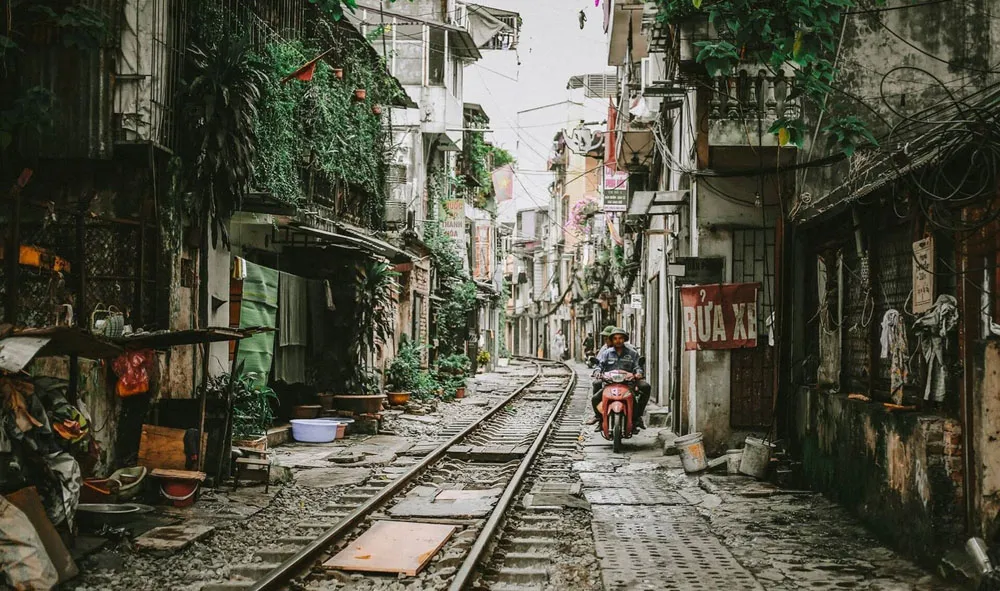
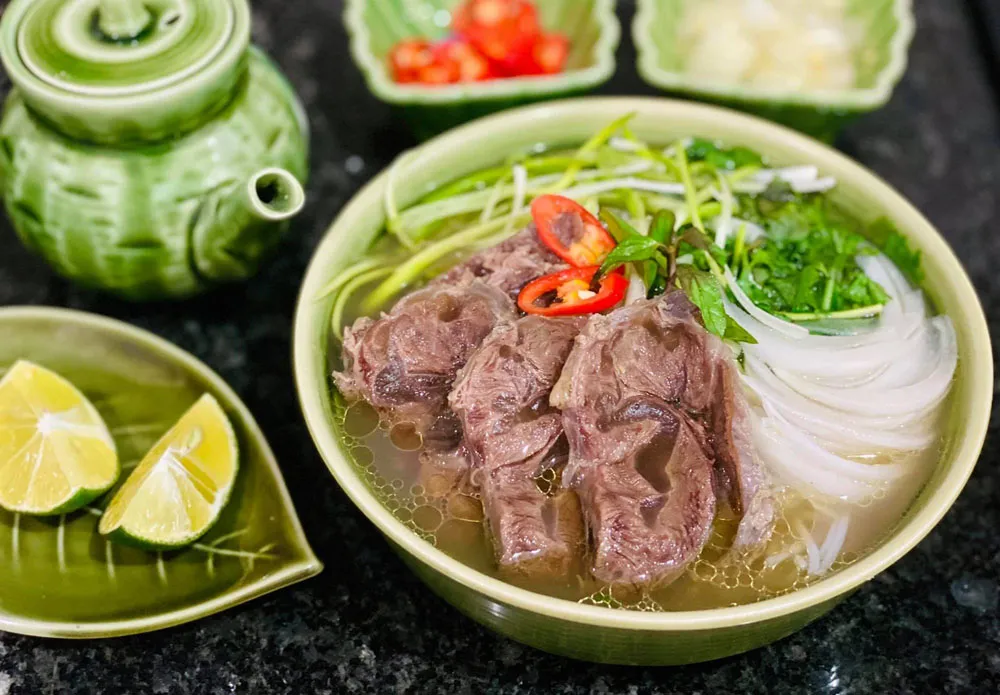
Beyond landmarks, Hanoi’s real highlight lies in its everyday street culture. Food stalls, sidewalk cafés, and local markets turn simple meals into social experiences. Northern cuisine here is refined and balanced, emphasizing clear broths and subtle flavors. Spending two days allows time not only to see the city, but to feel its unhurried yet purposeful rhythm.
Day 3–4: Ninh Binh – Limestone landscapes and rural calm
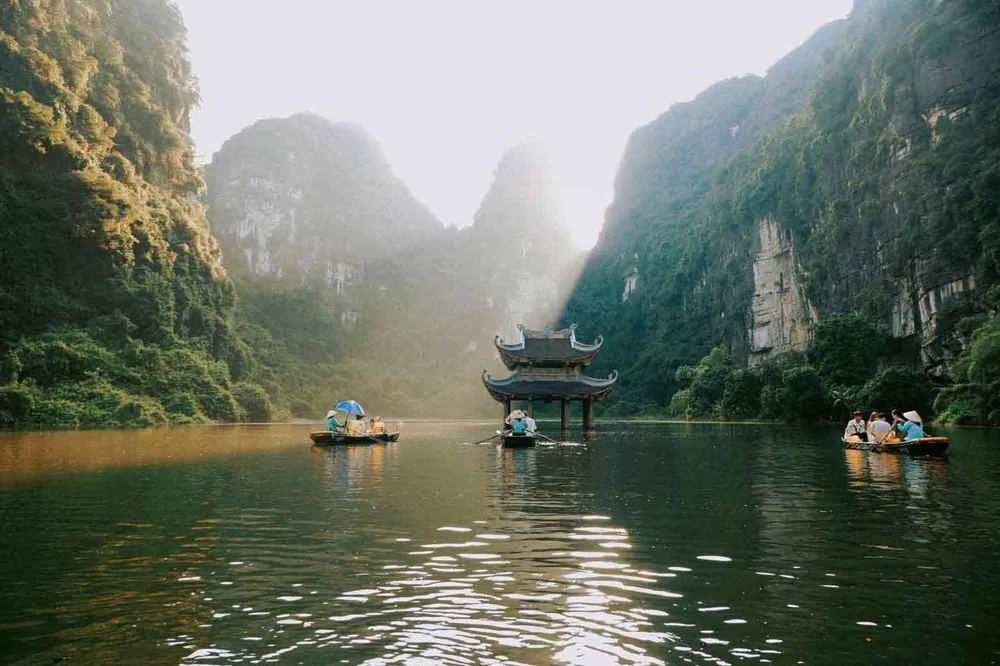
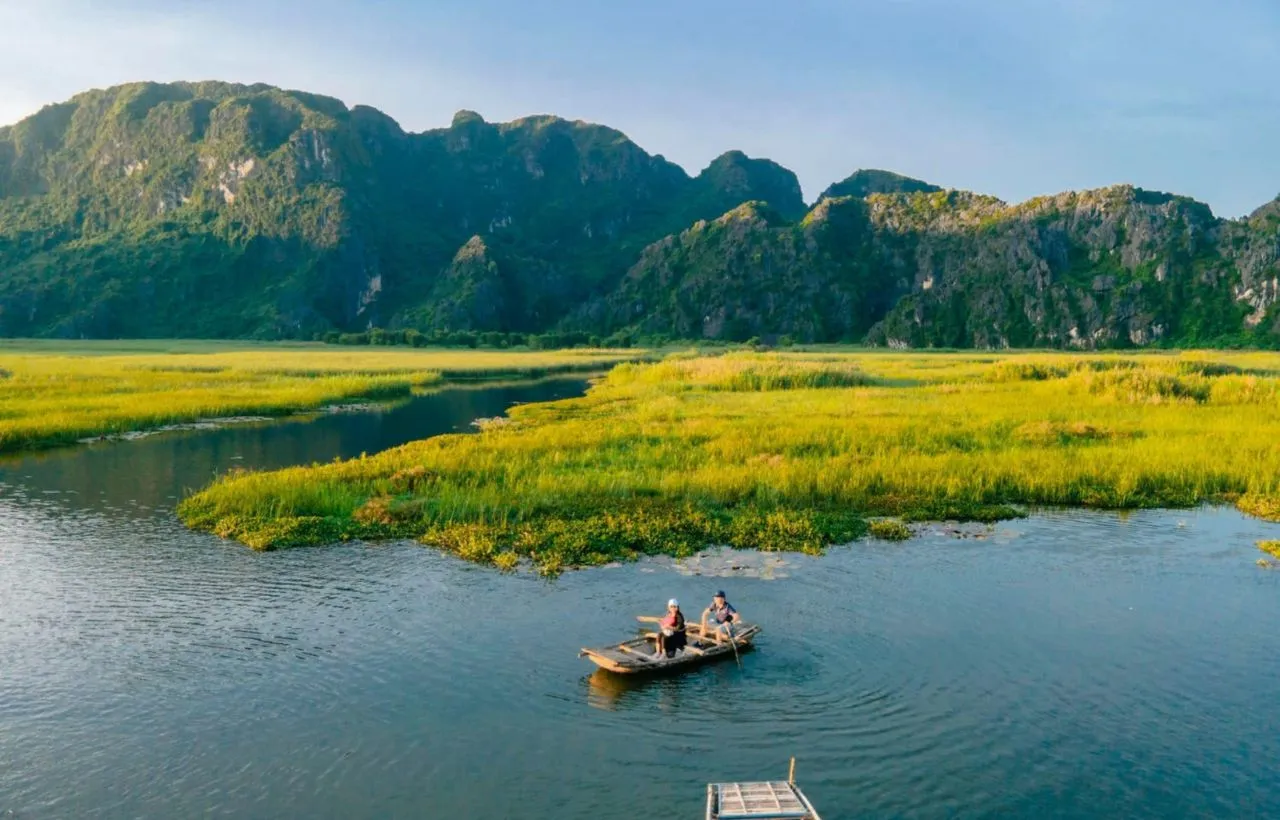
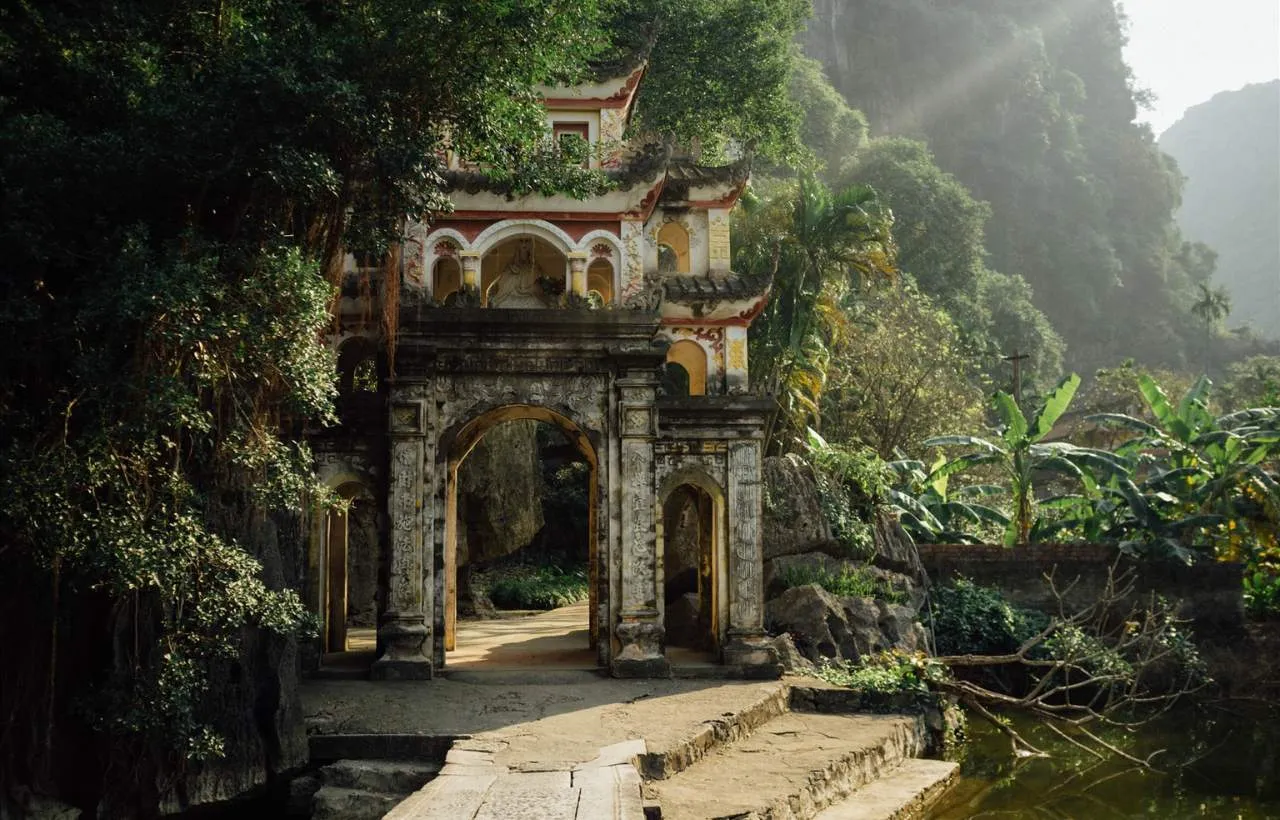
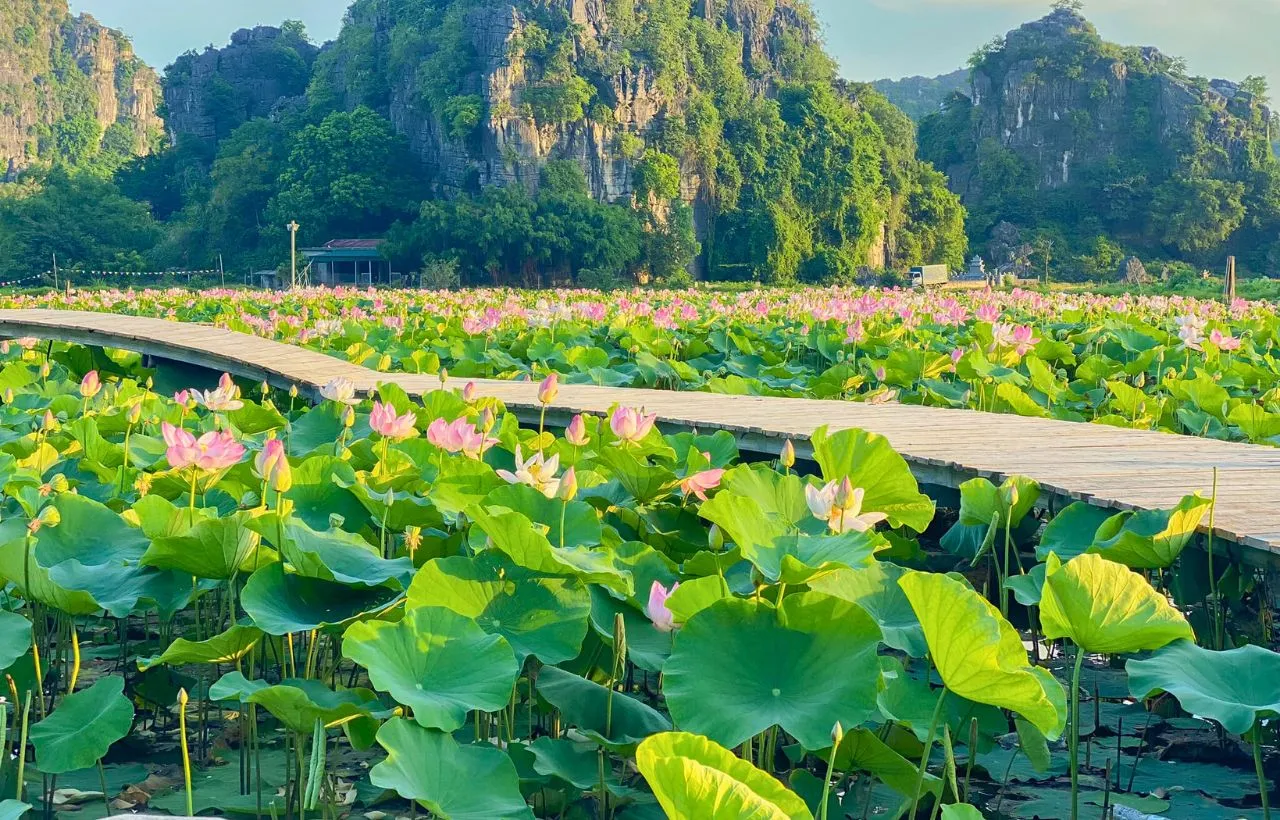
Leaving Hanoi, the scenery opens into wide rice fields and karst mountains as you arrive in Ninh Binh, often called “Halong Bay on land.” The region’s main highlight is its dramatic limestone formations rising directly from flat farmland, creating a rare harmony between nature and agriculture. Boat journeys through Trang An or Tam Coc reveal caves, temples, and quiet waterways where silence becomes part of the experience.
On land, cycling through villages and visiting pagodas offers insight into rural northern life. Farmers tend fields at a steady pace, and homes remain closely tied to the landscape. Compared to Hanoi’s density, Ninh Binh feels spacious and grounding. These days serve as a natural slowdown before heading deeper into remote regions.
Day 5–7: Ha Giang – Mountain roads and ethnic diversity
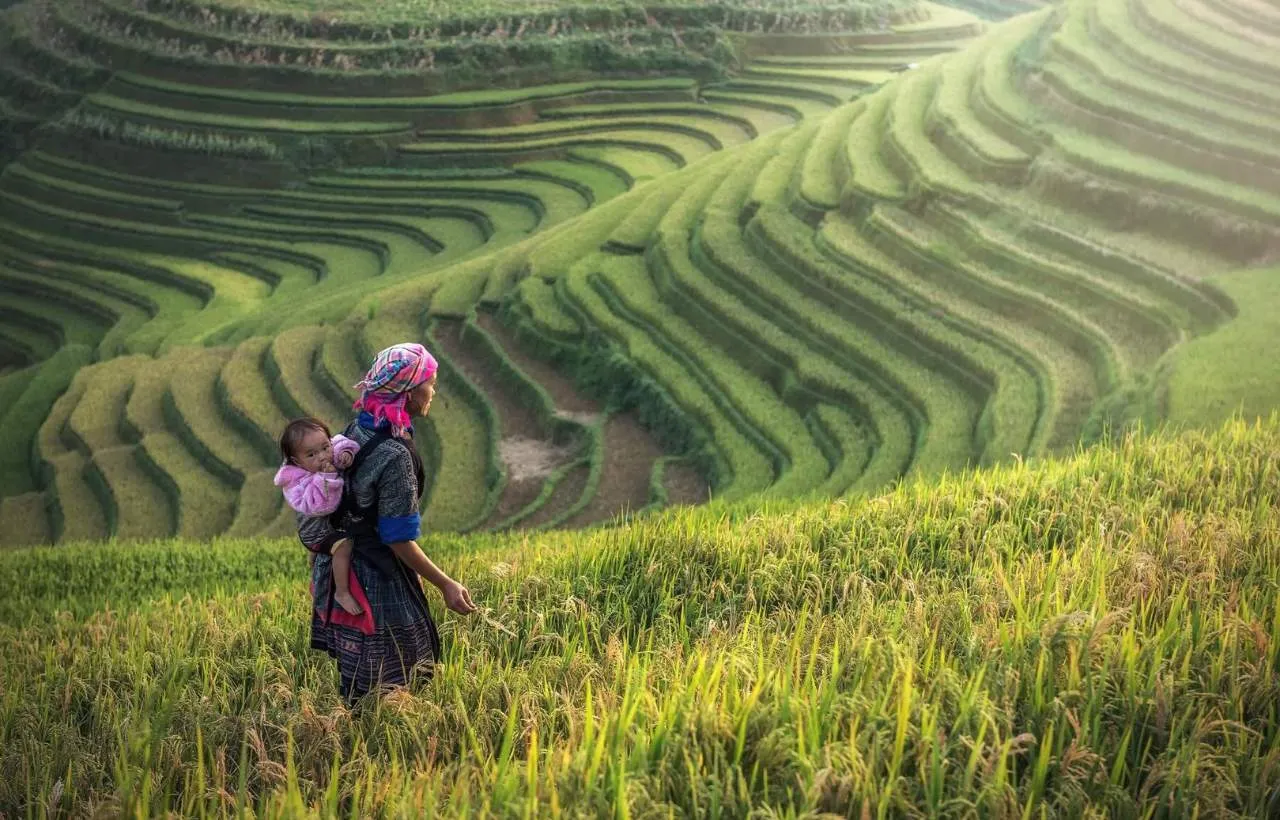
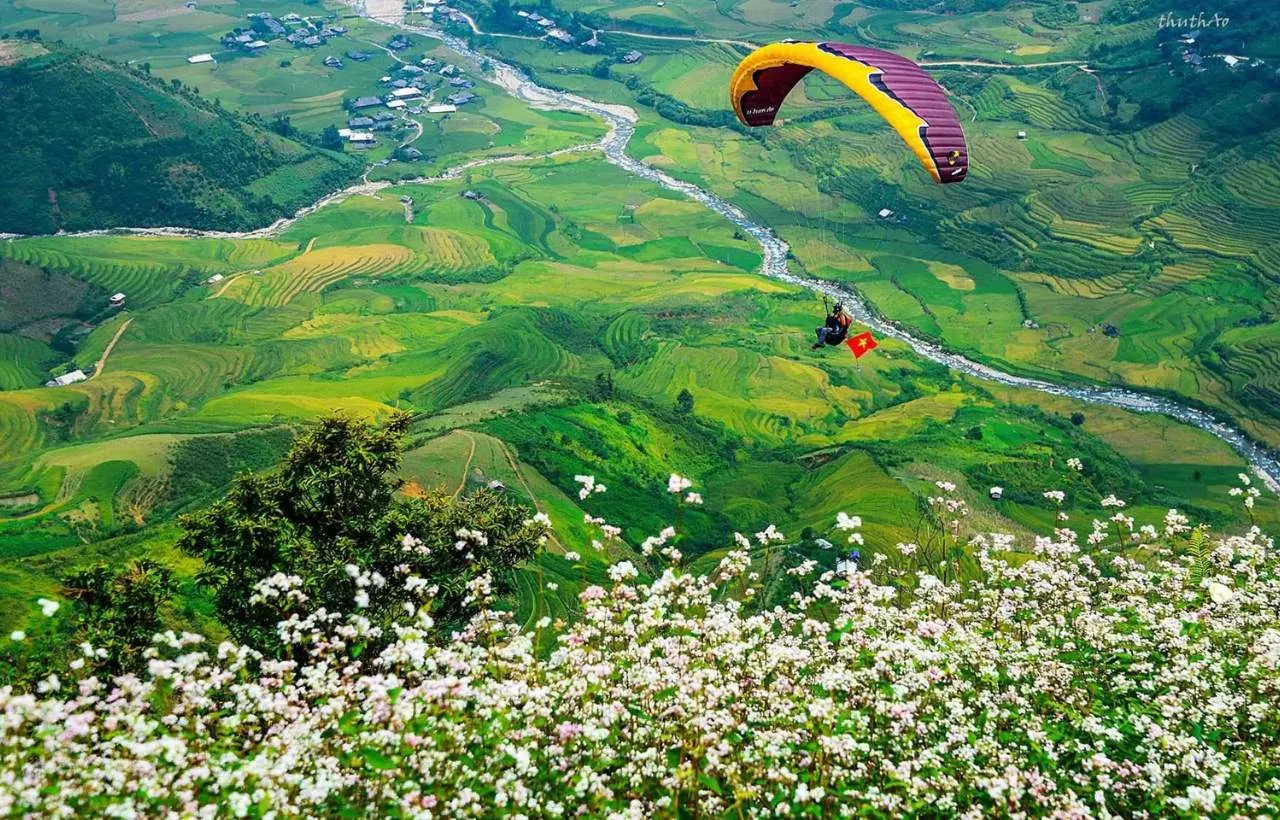
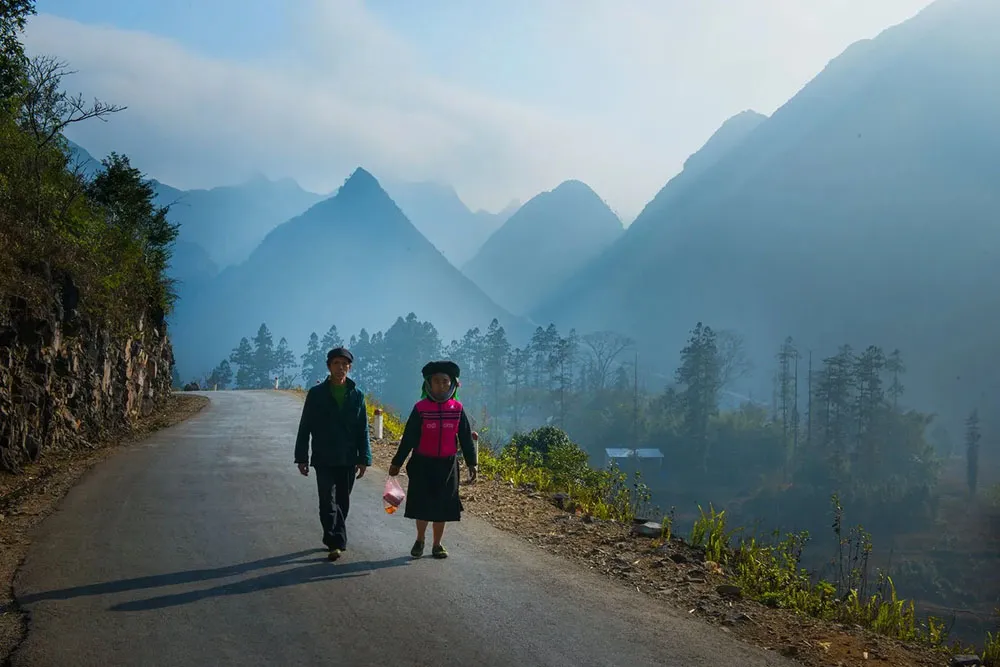
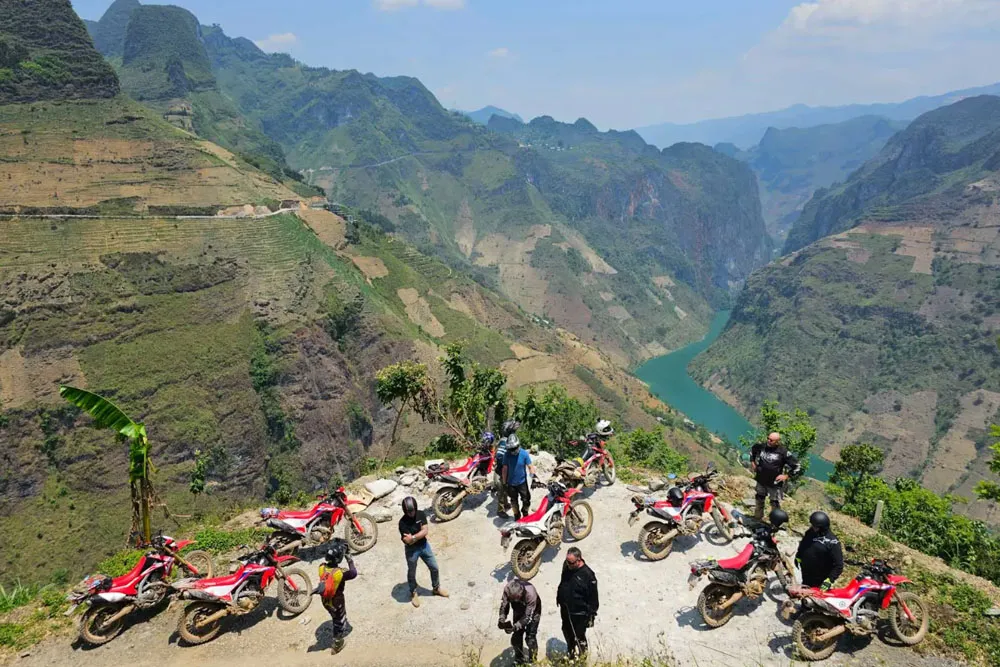
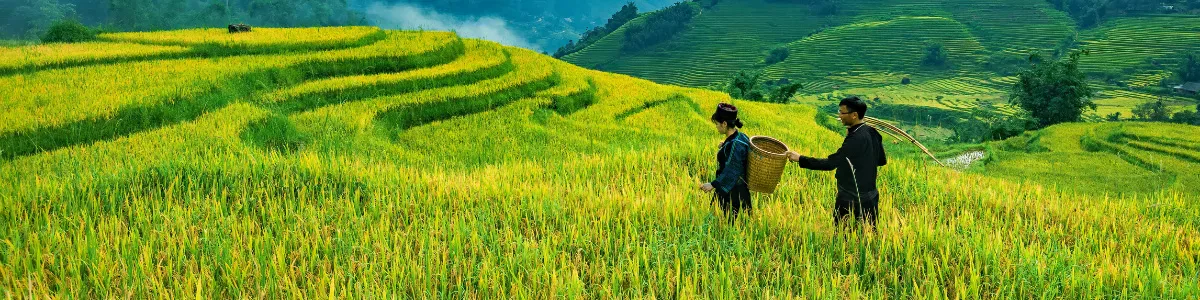
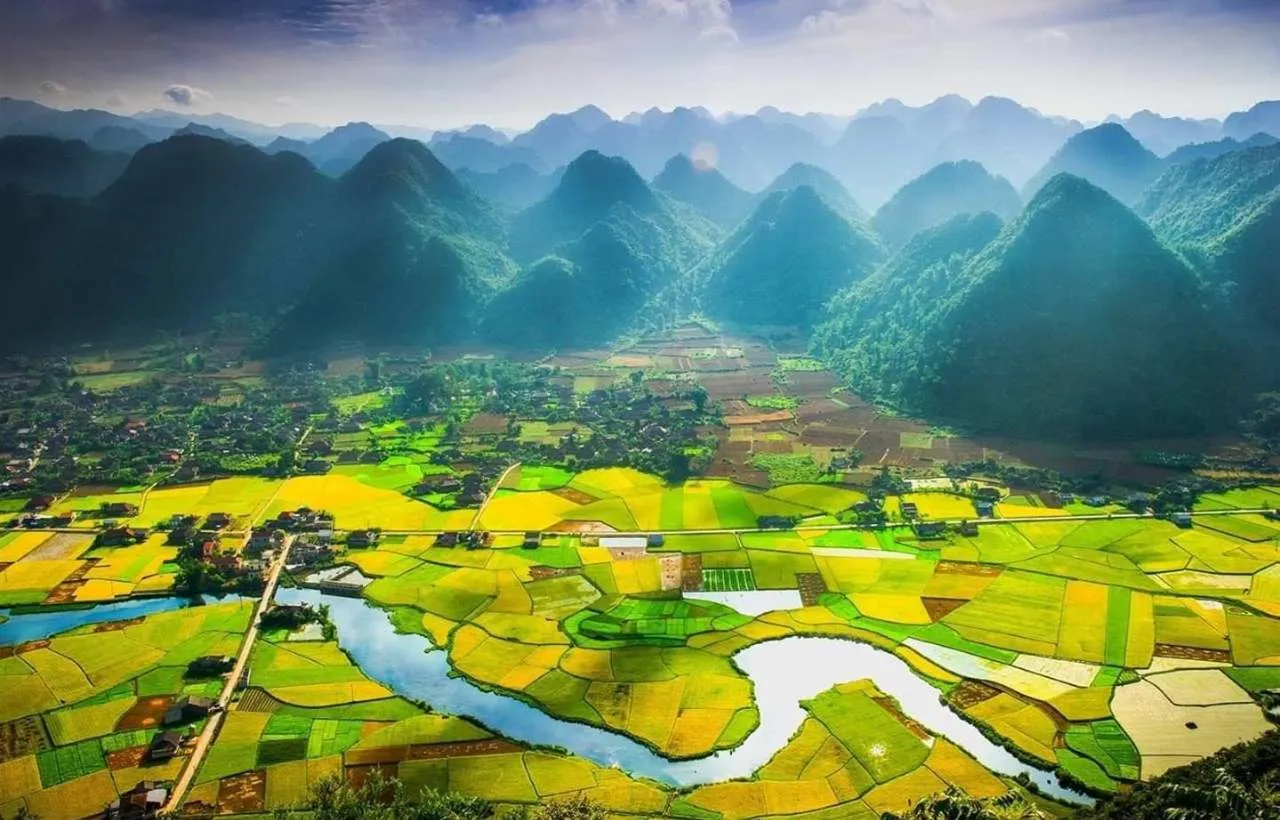
Ha Giang represents Vietnam at its most raw and dramatic. Towering mountains, deep valleys, and winding roads define the landscape, making the journey itself a highlight. Traveling through parts of the Ha Giang Loop, you encounter panoramic passes, terraced hillsides, and villages tucked into remote valleys.
What makes Ha Giang truly special is its cultural diversity. Ethnic minority communities maintain traditional clothing, markets, and farming methods shaped by the mountains. Staying overnight in local homestays allows meaningful interaction and shared meals. These days emphasize perspective and scale, offering a deeper understanding of Vietnam beyond its cities.
Day 8: Transition day – Northern to Central Vietnam
After days in the mountains, this travel day provides a necessary pause. Returning to Hanoi and flying south shortens distance while preserving energy. The transition marks a shift not only in geography, but also in climate and atmosphere.
Moving by air helps the itinerary remain balanced, ensuring long journeys don’t overwhelm the experience. This day is about resetting, preparing for the cultural richness of central Vietnam ahead.
Day 9: Hue – Imperial heritage and quiet elegance
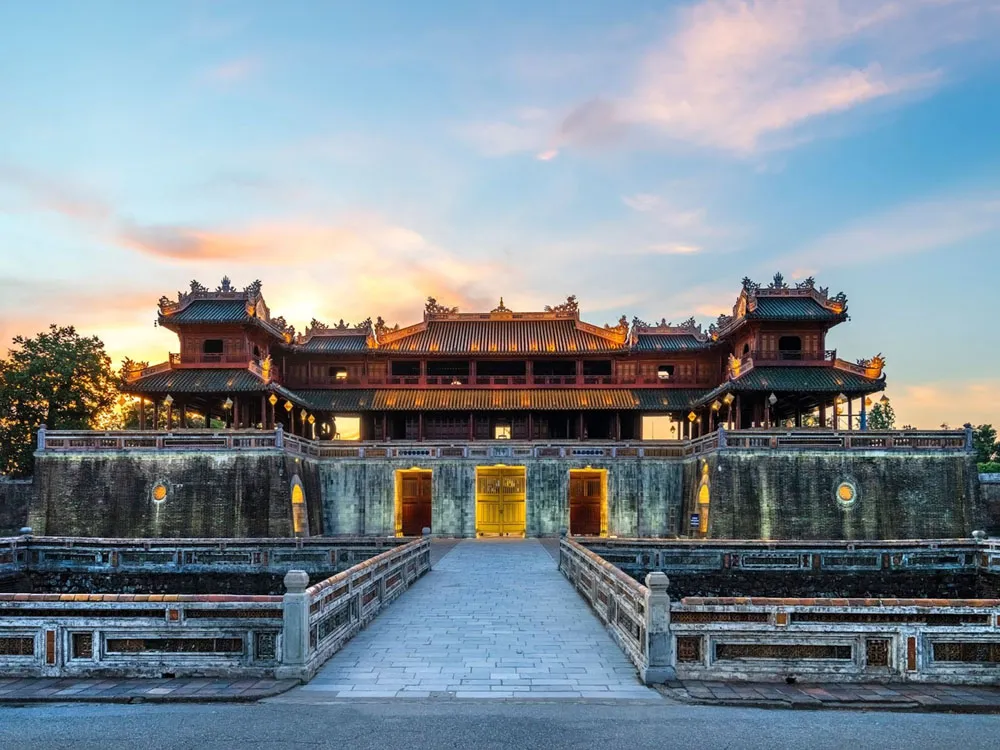
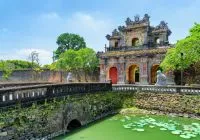
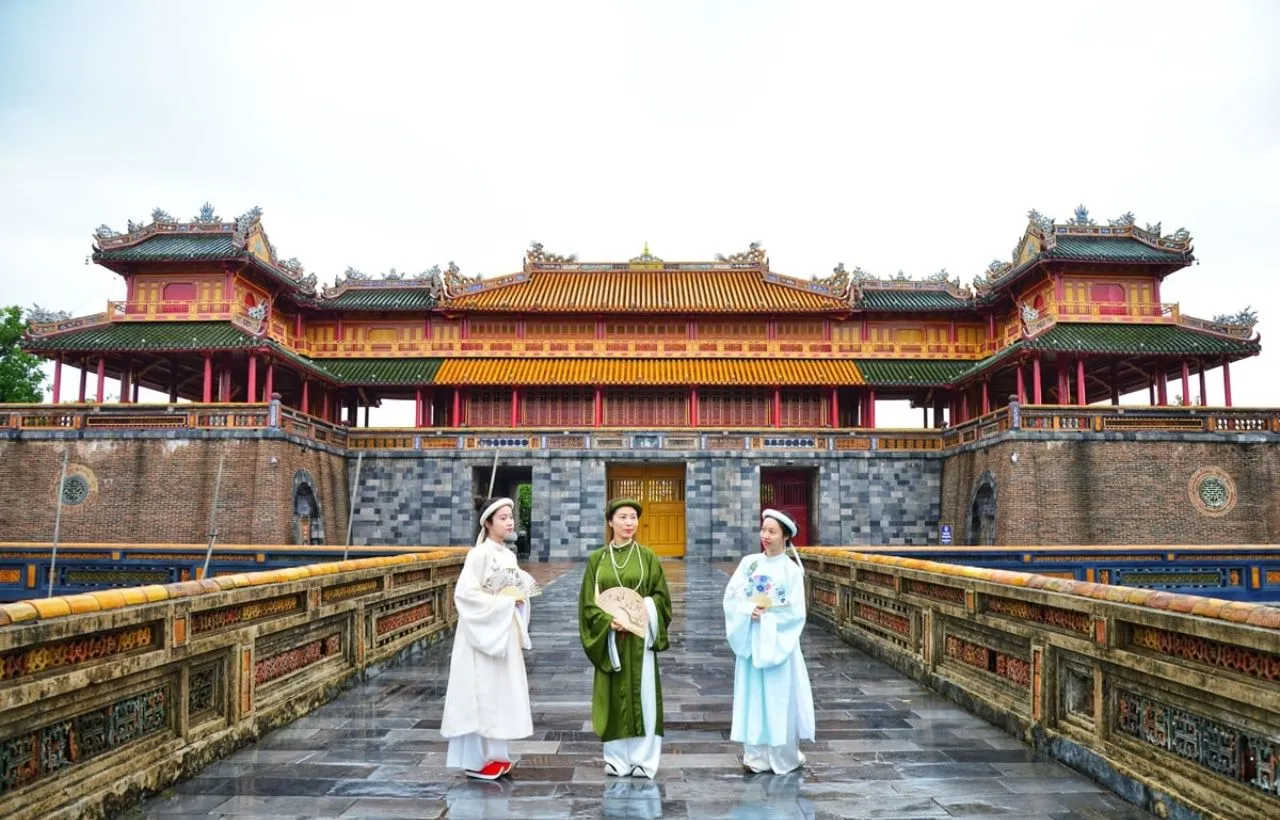
Hue is defined by its imperial past and poetic atmosphere. As Vietnam’s former royal capital, the city centers around the Imperial Citadel, where moats, gates, and palaces reflect Confucian order and symbolism. Walking through these grounds offers insight into Vietnam’s dynastic history and court life.
The city’s slower pace sets it apart from Hanoi. The Perfume River adds a calm visual anchor, while temples and royal tombs extend history into the surrounding countryside. Hue’s cuisine, delicate and carefully presented, mirrors its refined cultural identity. One day here feels contemplative rather than rushed.
Day 10–11: Hoi An – Living heritage and timeless charm
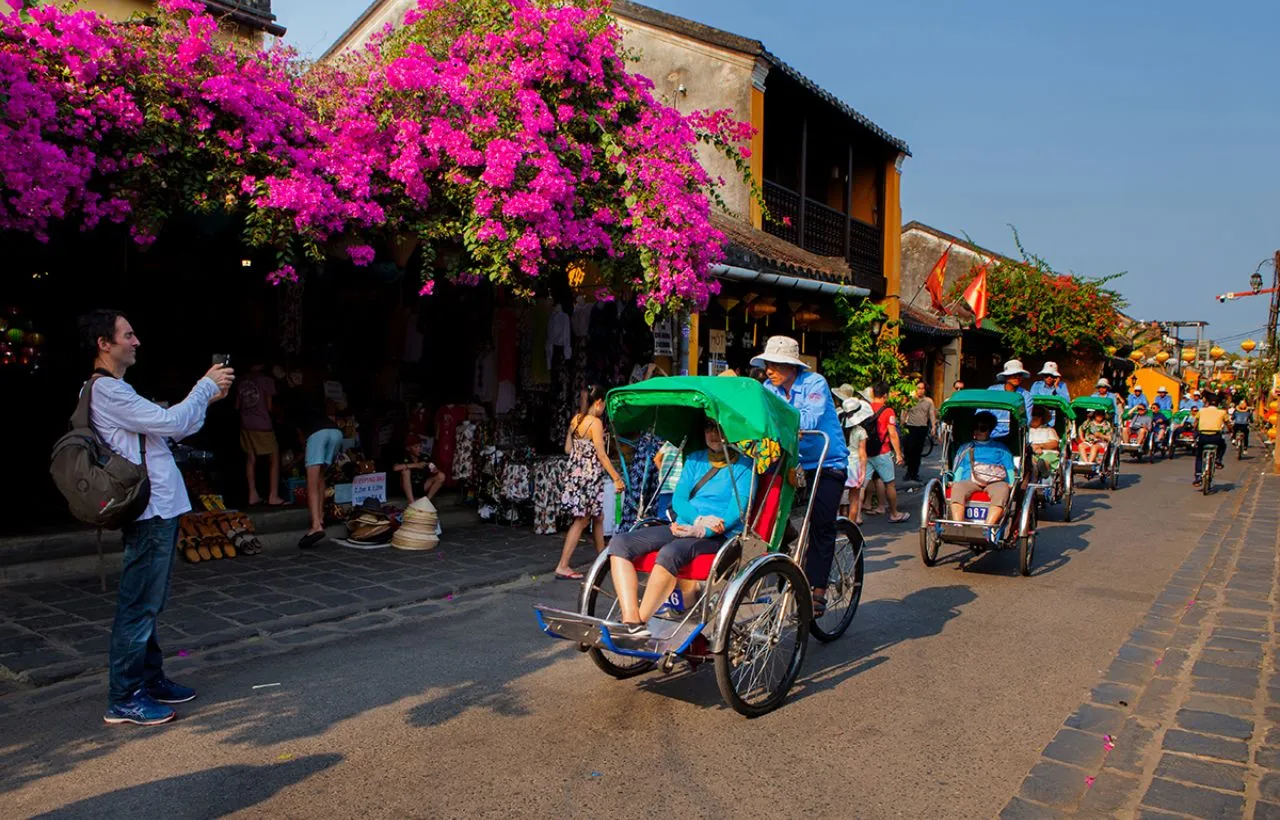
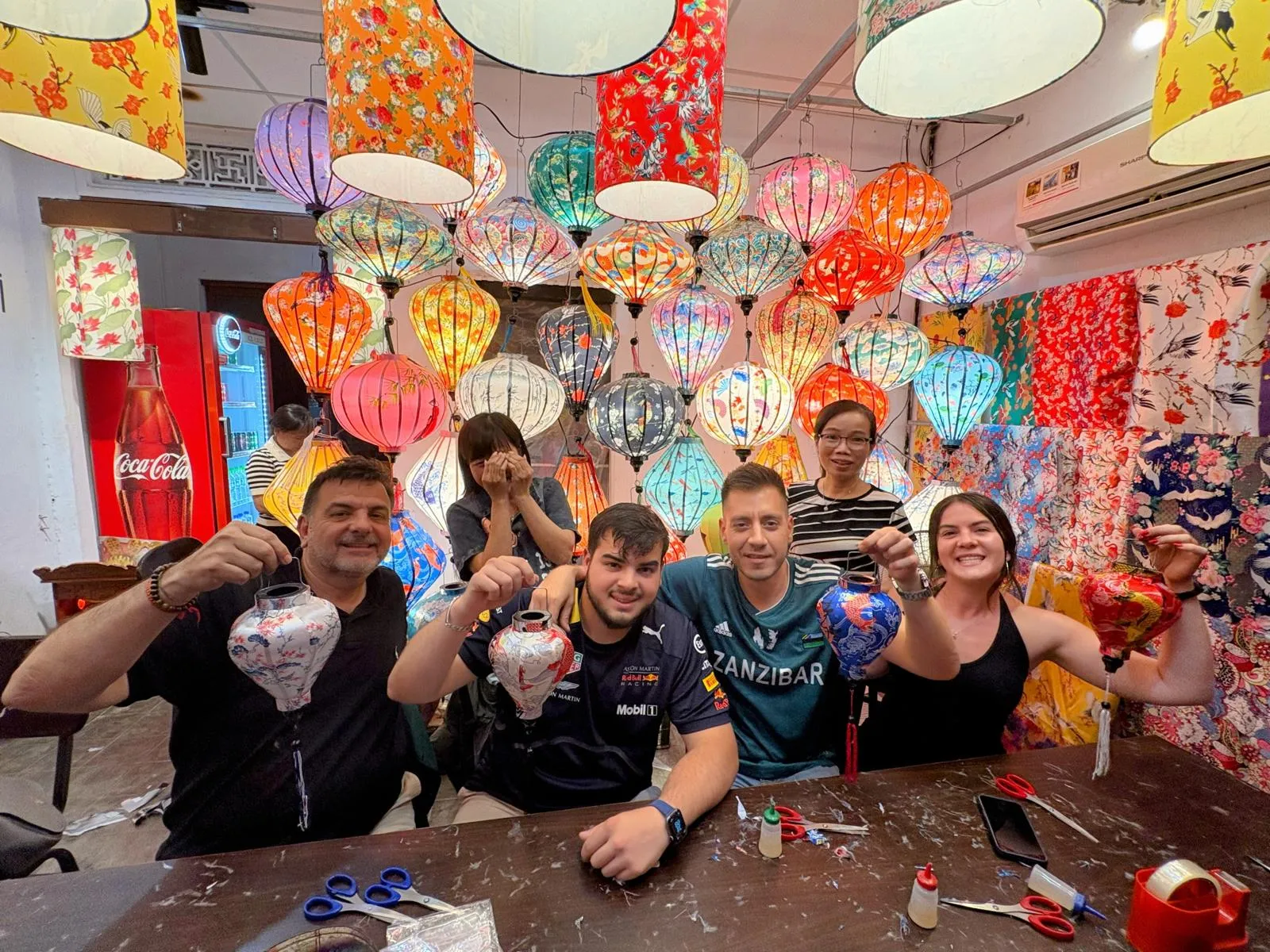
Arriving in Hoi An, the atmosphere shifts toward intimacy and warmth. The Ancient Town, with its yellow walls, wooden houses, and lantern-lit streets, preserves centuries of trading history. Unlike museum-style heritage sites, Hoi An feels lived-in, with families, tailors, and cafés operating within historic buildings.
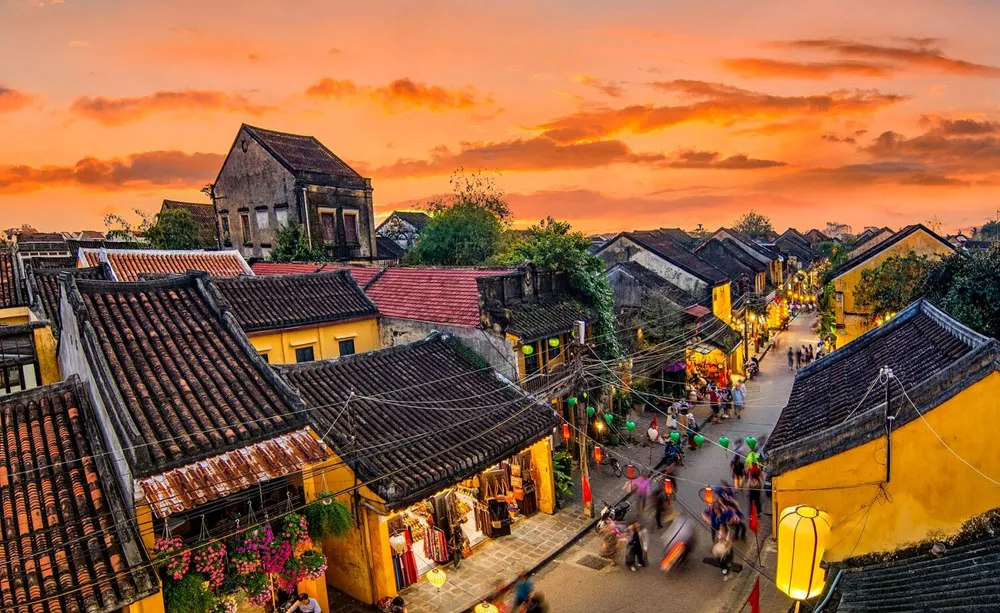
Beyond architecture, Hoi An’s highlight is its gentle pace. Short walks, riverside evenings, and local workshops encourage slowing down. Nearby countryside and beaches add variety without long travel. Spending two days allows the town’s charm to unfold naturally, especially after sunset when lanterns transform the streets.
Day 12: Da Nang – Coastal openness and modern Vietnam
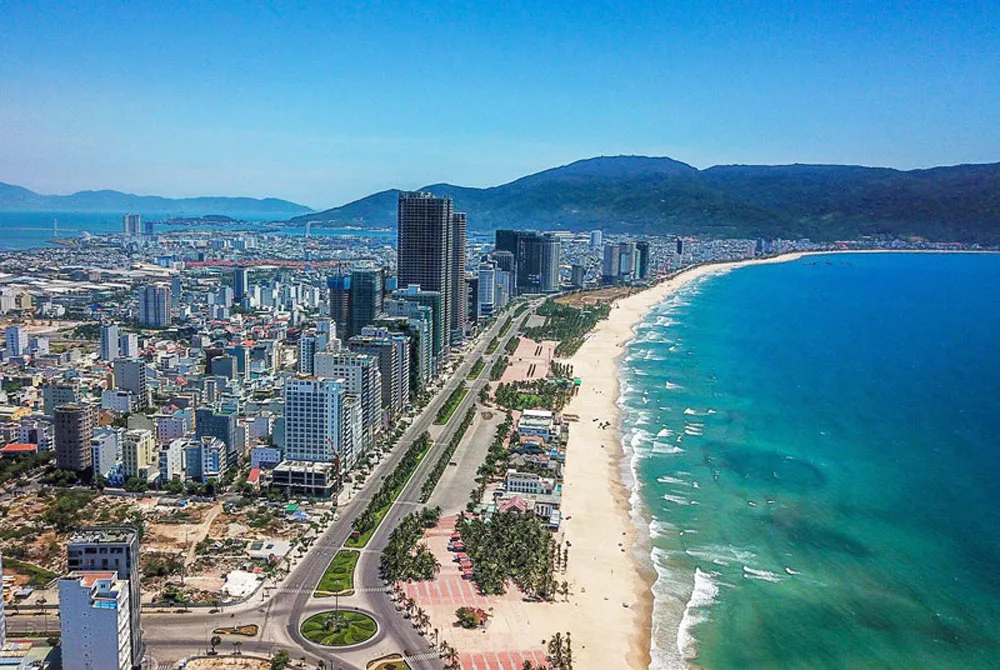
Da Nang introduces a modern, spacious side of Vietnam. Wide roads, clean beaches, and a youthful population create a refreshing contrast to heritage-focused destinations. My Khe Beach stands out for its long shoreline and relaxed atmosphere, ideal for recovery and rest.

The city also represents Vietnam’s contemporary lifestyle, with modern cafés, seafood restaurants, and riverfront developments. Da Nang acts as a reset point in the itinerary, balancing cultural depth with physical relaxation before heading south.
Day 13–14: Ho Chi Minh City – Energy, ambition, and change
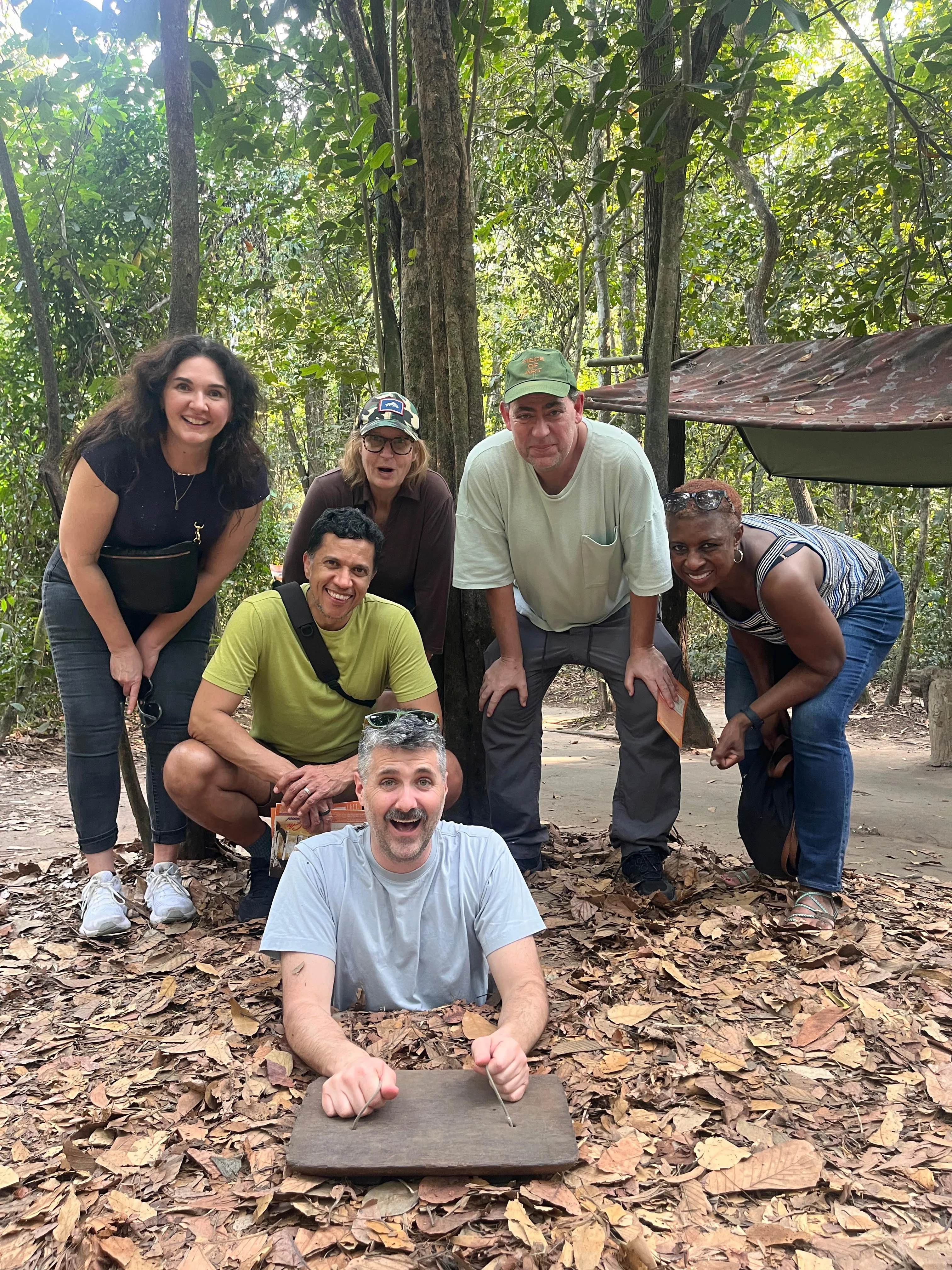
Ho Chi Minh City reflects Vietnam’s fastest-moving and most outward-looking side. Historic landmarks sit beside glass towers, and daily life unfolds at a relentless pace. Museums and historic streets provide context for the country’s recent past, while markets and cafés reveal its entrepreneurial spirit.
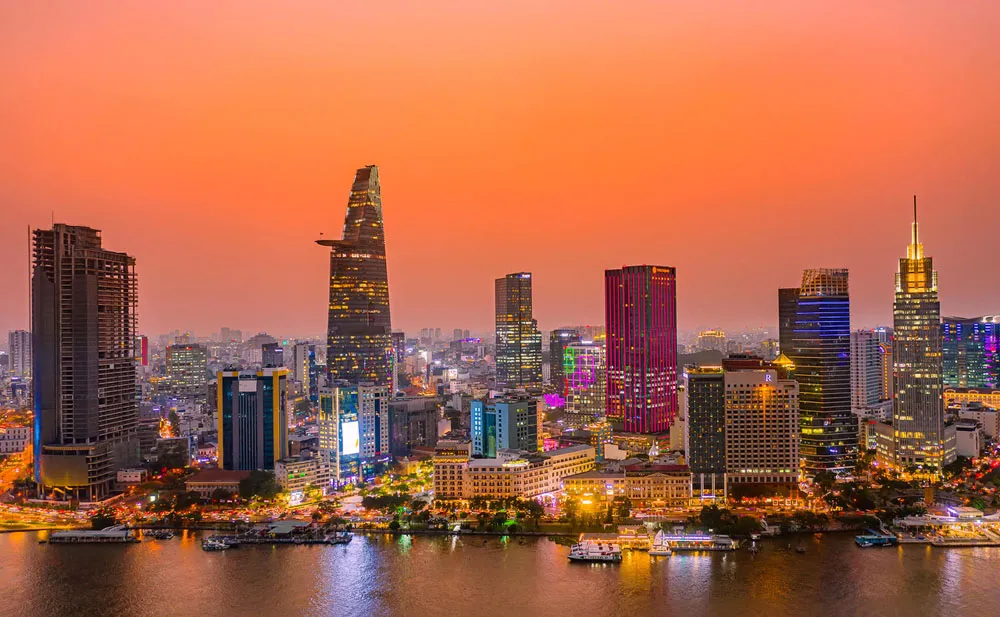
Food culture here is bold and diverse, influenced by migration and trade. Compared to the north, flavors are sweeter and portions more generous. Two days allow you to absorb the city’s energy without being overwhelmed, making it a defining stop in the north to south journey.
Day 15–16: Mekong Delta – Waterways and rural traditions
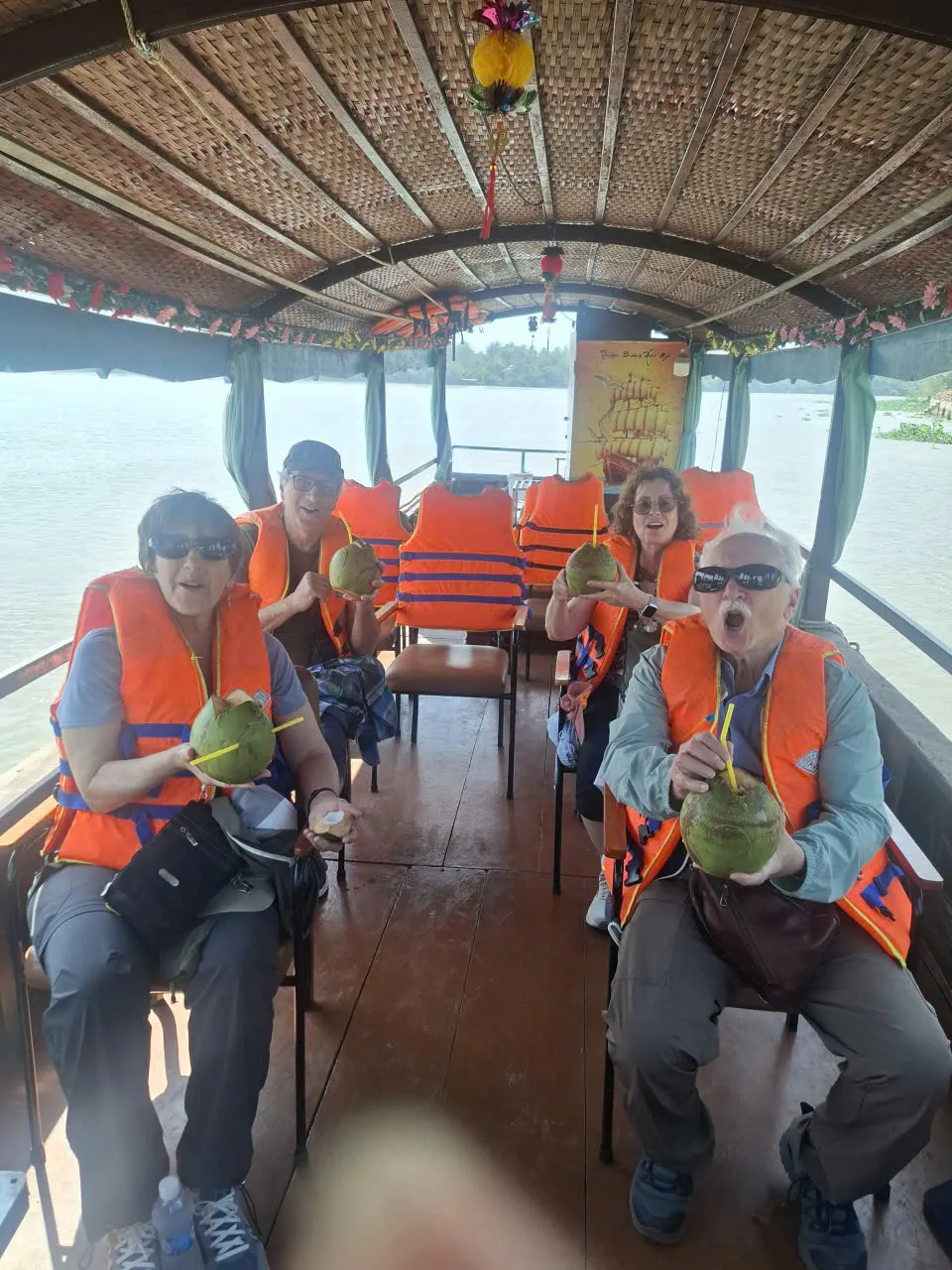
The Mekong Delta shifts focus away from cities to river-based life. Canals, floating markets, and stilt houses demonstrate how communities adapt to water rather than control it. Early mornings on the river reveal trade conducted entirely by boat, a defining highlight of southern Vietnam.
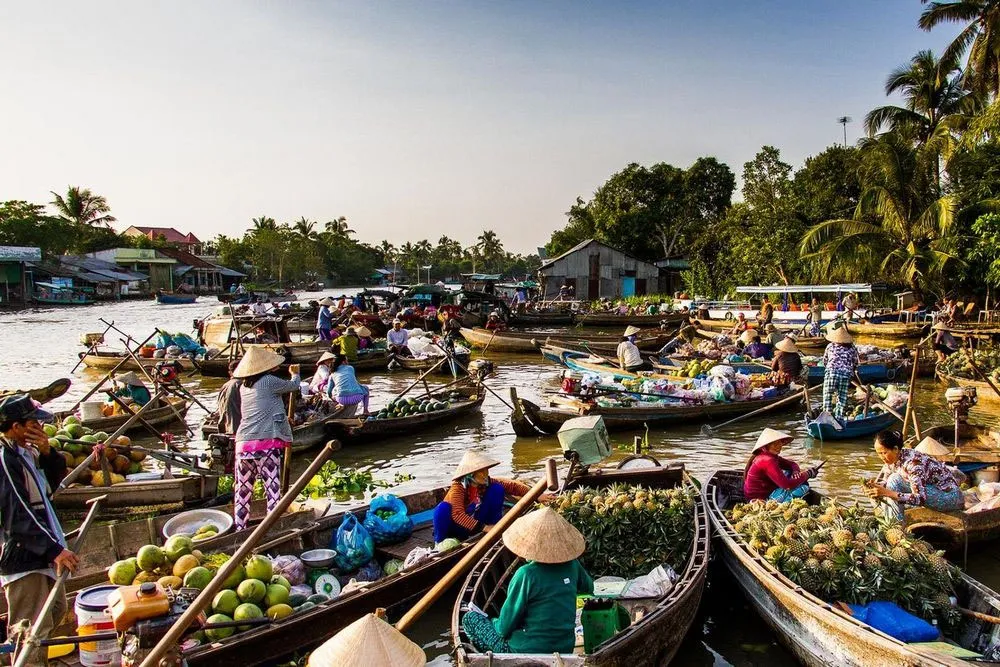
Staying overnight allows you to experience the delta beyond tourist hours. Evenings are quiet, and mornings begin early. The slower rhythm contrasts sharply with Ho Chi Minh City, emphasizing the diversity within the south.
Day 17–18: Con Dao – Islands, reflection, and closure
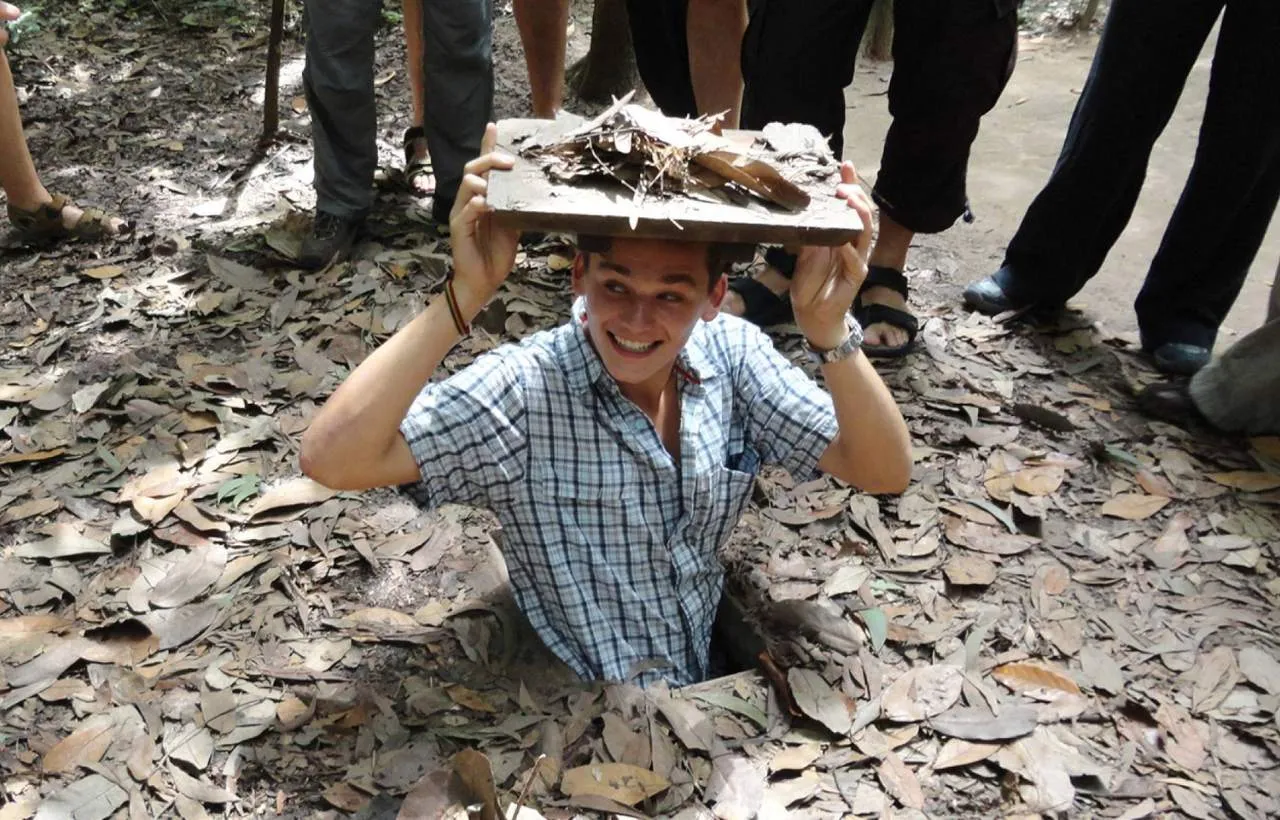
Ending the journey in Con Dao provides space for rest and reflection. Known for clear waters, quiet beaches, and historical depth, the island feels intentionally removed from mainland urgency. Coastal walks, swimming, and unstructured time define the experience.
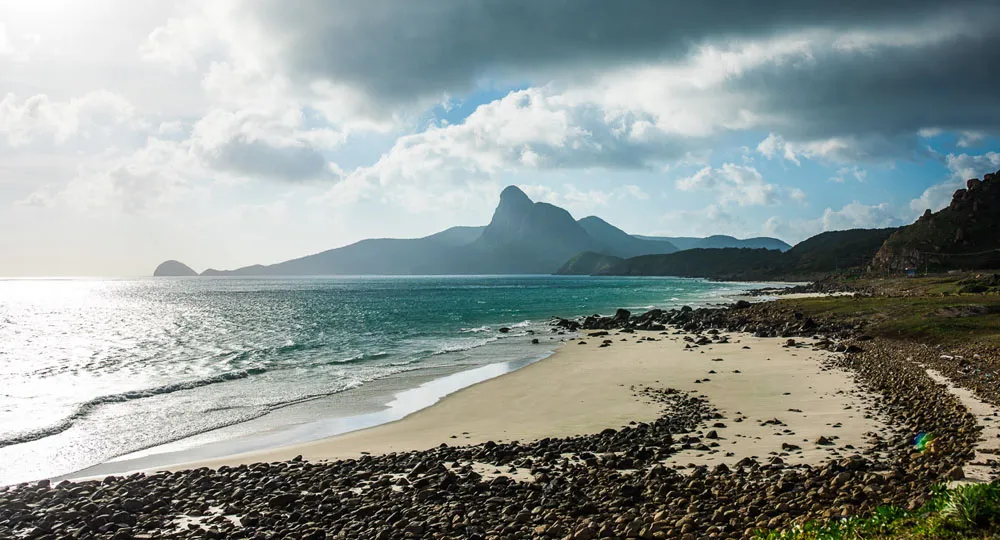
Con Dao also carries emotional weight through its historical sites, adding meaning to the journey’s end. Finishing here ensures the itinerary closes with calm and balance rather than exhaustion.
Travel Tips for a North to South Vietnam Itinerary
-
Plan domestic flights strategically to reduce long overland travel.
-
Balance intense exploration days with slower recovery stops.
-
Pack flexible clothing for changing climates between regions.
-
Allow buffer time for transport delays in remote areas.
-
Embrace early mornings for the best scenery and local experiences.
A well-designed north to south Vietnam itinerary reveals the country not as a single destination, but as a sequence of changing landscapes, cultures, and rhythms. From historic capitals and mountain roads to river deltas and quiet islands, each region adds depth to the journey. When paced thoughtfully, traveling Vietnam from north to south becomes less about distance and more about connection.
If you’re considering a customized north to south Vietnam journey, Custom Asia Travel can help refine routes, timing, and experiences. Our team designs itineraries that balance highlights with local depth, tailored to how you want to travel.







 View trip map