The beauty factor: landscapes and atmosphere
Vietnam – wild charm and diverse coastal scenery
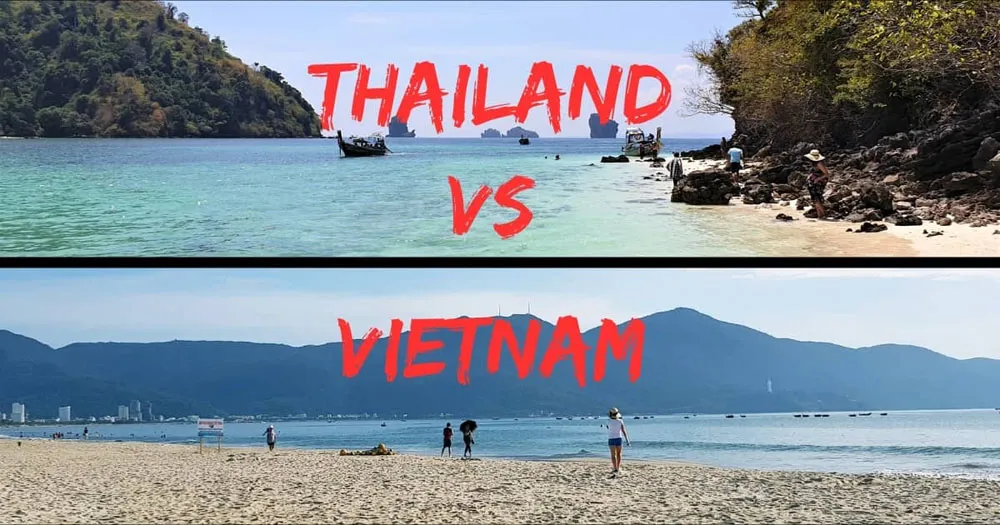
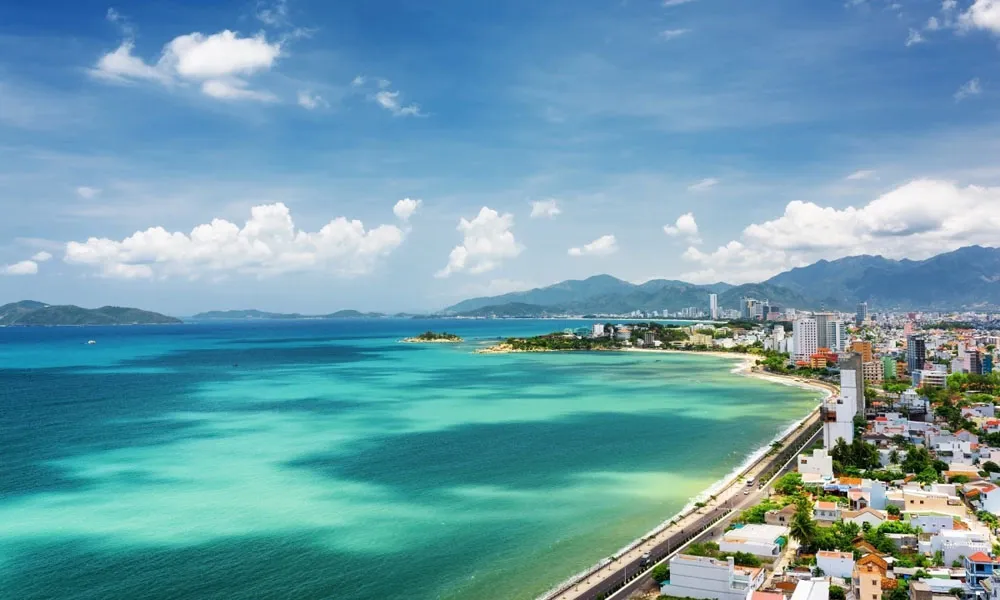
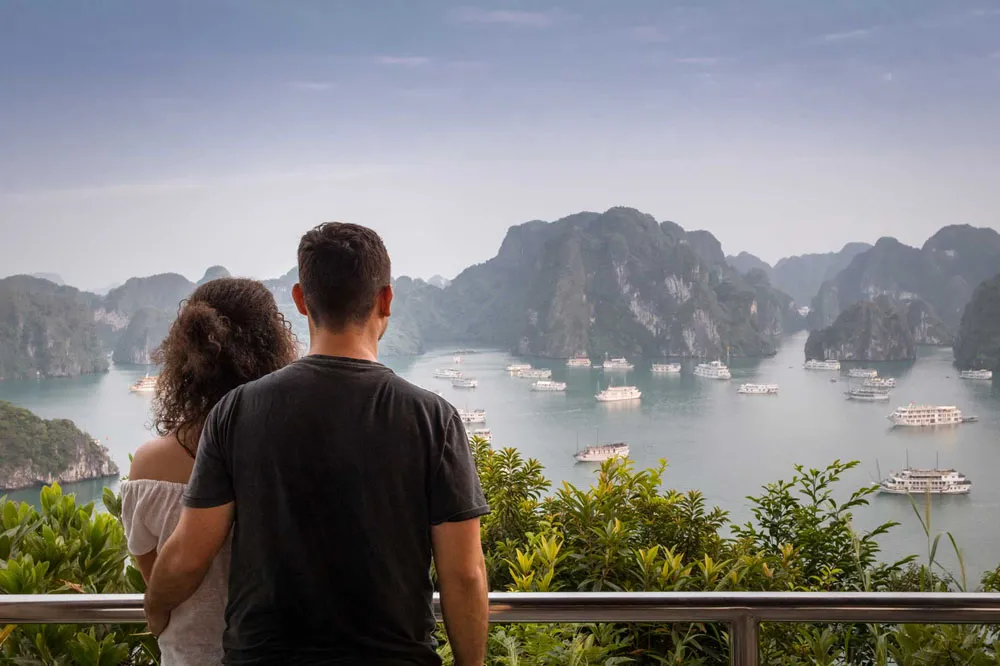
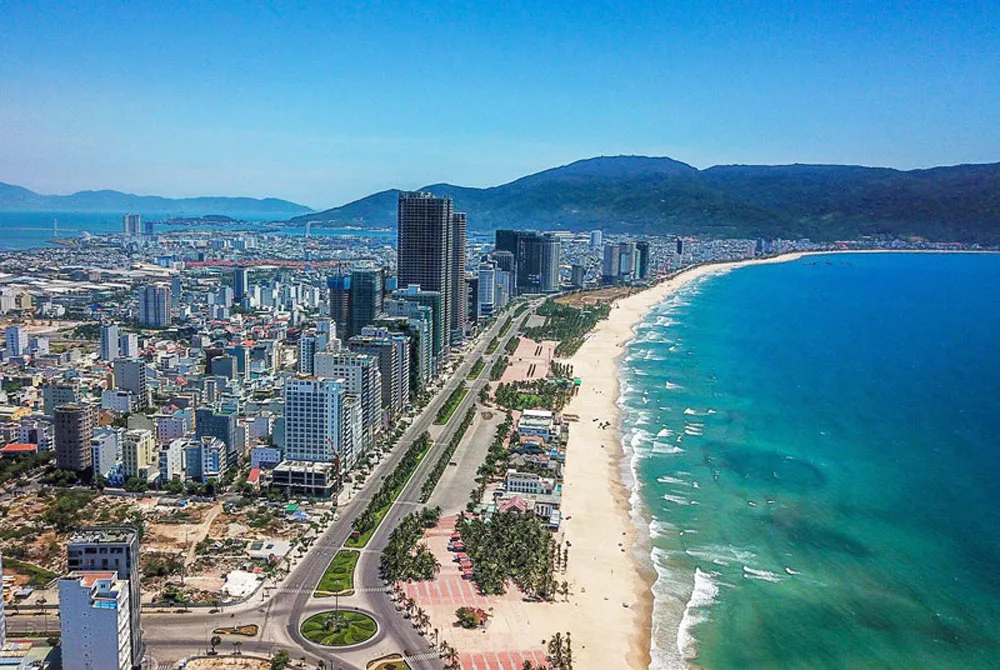
Vietnam’s beaches are known for their raw, untamed beauty. Destinations like Nha Trang boast golden sand with a backdrop of mountain ranges, while Da Nang offers wide, open stretches perfect for morning strolls. For something unique, Mui Ne pairs its beaches with dramatic red sand dunes, and Phu Quoc Island charms with palm-lined shores and crystal-clear water.
The overall vibe? Less crowded than Thailand’s most famous spots, making Vietnam ideal if you want scenic tranquility without too much tourist noise.
Thailand – postcard-perfect tropical vibes
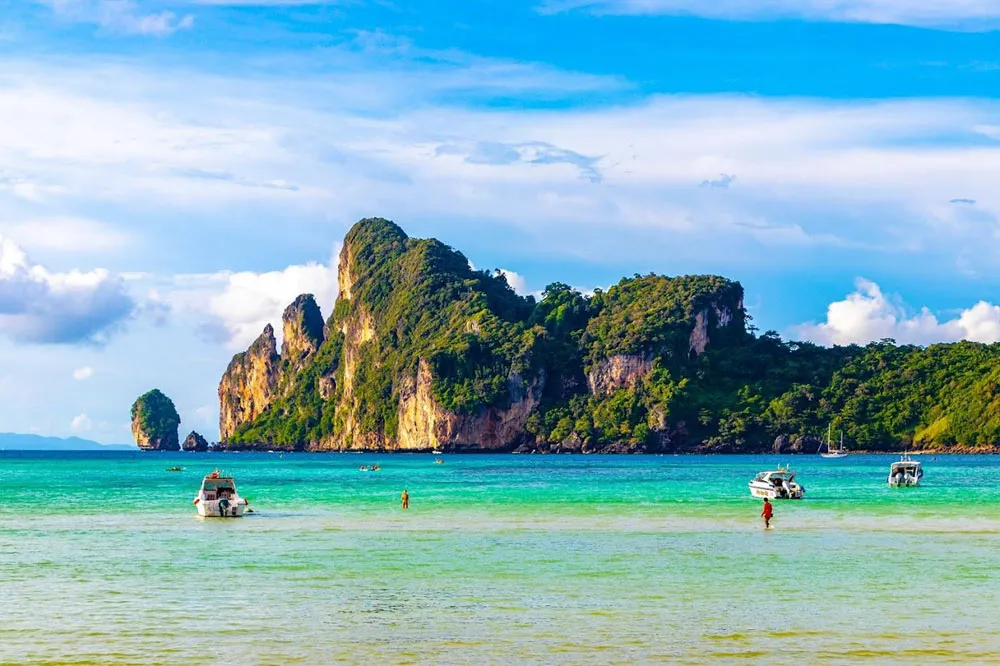
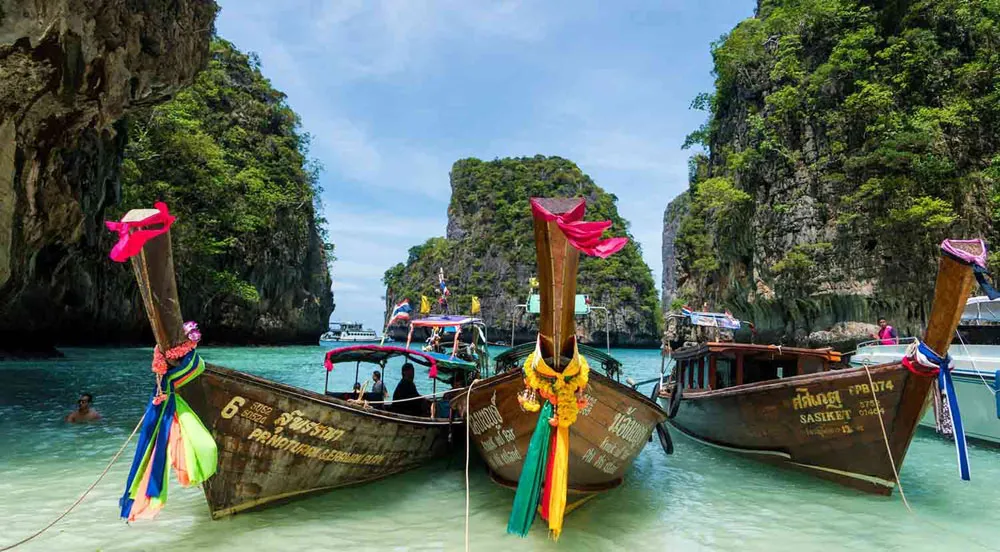
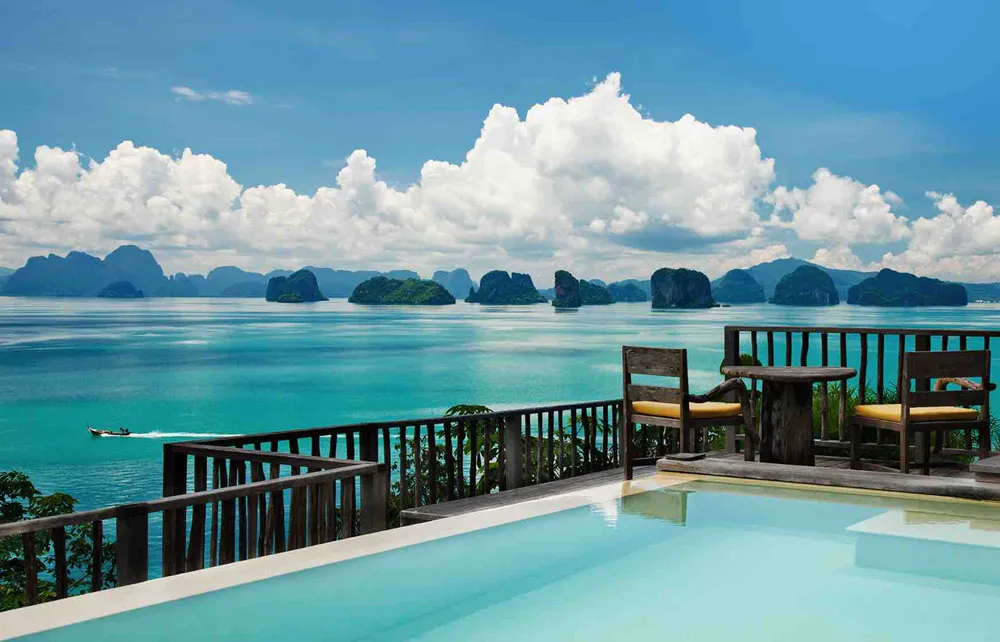
Thailand’s coastline is famous for dramatic limestone cliffs, emerald waters, and picture-perfect islands. In the south, Phuket combines vibrant beach life with luxury resorts, while Koh Phi Phi offers iconic turquoise lagoons. The Similan Islands and Koh Lipe are world-class for diving and snorkelling.
Thailand’s beaches tend to be more polished and tourism-ready, with beach clubs, water sports centers, and nightlife just steps away from the sand.
Verdict:
-
If you want rugged beauty and space to breathe – Vietnam wins.
-
If you prefer Instagram-worthy, tropical perfection with full amenities – Thailand takes the crown.
Activities: from water sports to cultural immersion
Vietnam – a mix of adventure and local life
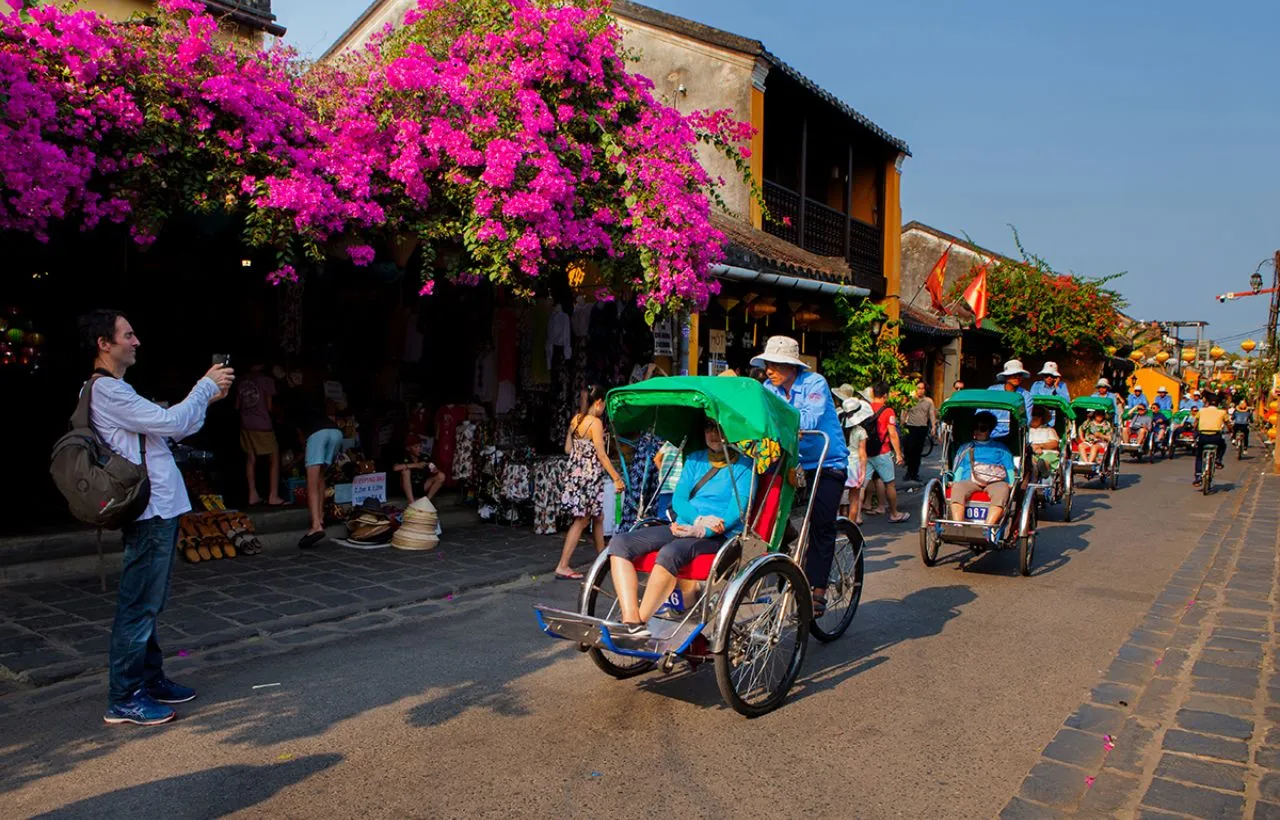
In Vietnam, beach activities go beyond sunbathing. You can try kitesurfing in Mui Ne, snorkelling in Phu Quoc, or diving in Nha Trang. But perhaps Vietnam’s most unique offering is how easily you can blend beach time with cultural exploration — think visiting ancient Hoi An after a swim, or enjoying fresh seafood in a local fishing village.
Evenings tend to be quieter, with beachside BBQs and night markets replacing loud clubs.

Thailand – a water sports and party paradise
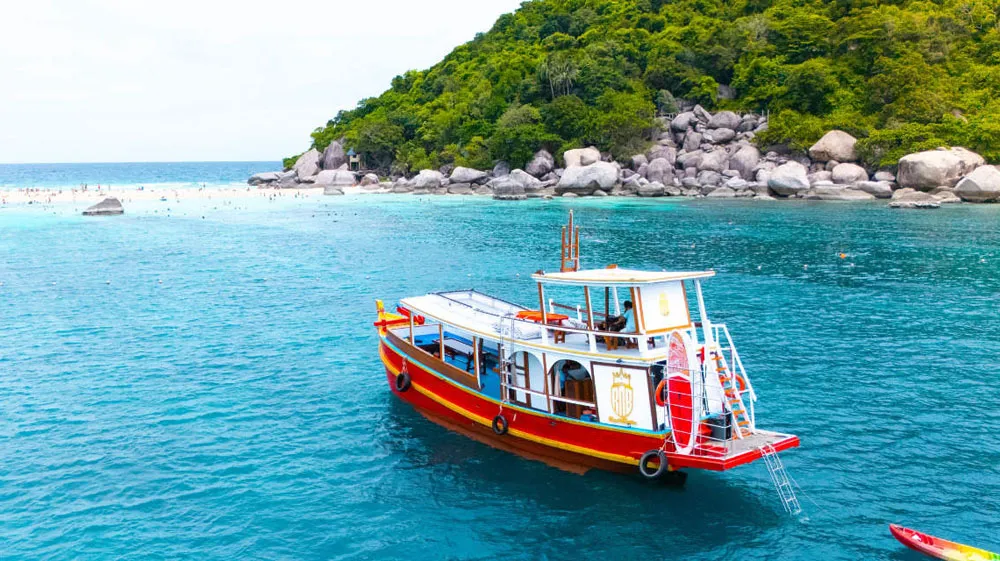
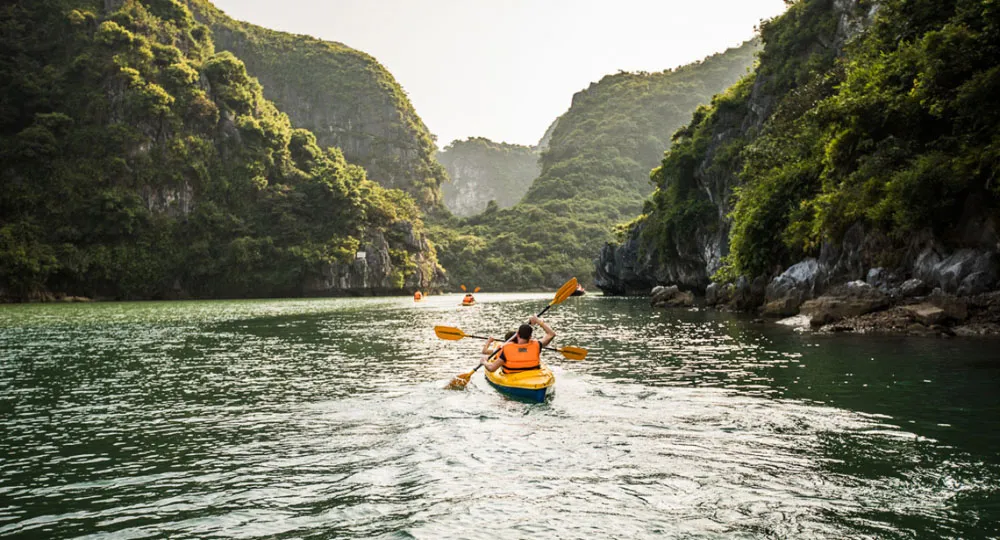
Thailand’s beaches are hubs for water sports, diving schools, and island-hopping tours. You can kayak around Krabi’s caves, snorkel with whale sharks in Koh Tao, or join a legendary Full Moon Party on Koh Phangan.
If nightlife and entertainment are your beach trip priorities, Thailand delivers with vibrant bars, fire shows, and DJ events right on the sand.
Verdict:
-
For a laid-back beach holiday with cultural depth – Vietnam shines.
-
For non-stop fun, activities, and nightlife – Thailand is unbeatable.
Accessibility and travel ease
Vietnam – growing infrastructure, less tourist-heavy
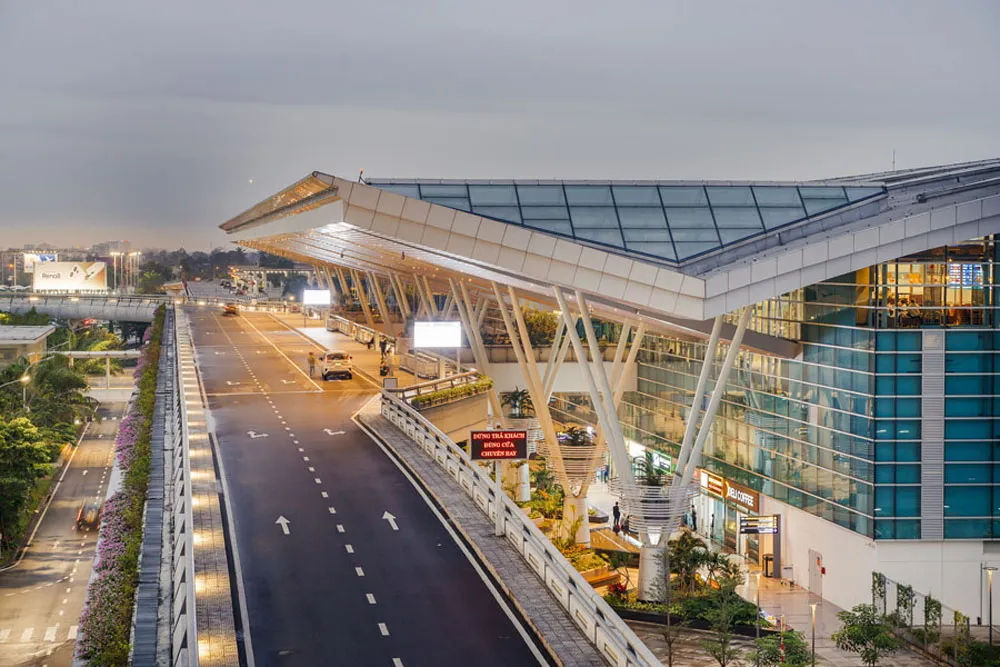
Vietnam’s beach hubs like Da Nang, Nha Trang, and Phu Quoc are connected by modern airports, but some smaller gems require more effort to reach. Public transport between beach destinations is improving, though domestic flights are still the fastest option.
The plus side? Many beaches are less crowded, and you can easily combine them with inland attractions like mountains and historical sites.
Thailand – tourist-friendly and well-connected
Thailand’s tourism infrastructure is highly developed. Major beach spots have international airports (Phuket, Krabi, Koh Samui) and frequent ferry connections to nearby islands. Getting between islands is straightforward, with travel agencies offering seamless transfers.
However, the ease of travel also means more tourists, especially in peak season.
Verdict:
Accommodation and budget considerations
Vietnam – affordable luxury and hidden gems
Vietnam is generally more budget-friendly than Thailand for beachfront stays. You can find mid-range hotels for $30–$50 per night and luxury resorts under $150. Dining is also affordable, with fresh seafood feasts for a fraction of the price you’d pay in other beach destinations.
Many beaches are not yet overdeveloped, so you might score a beachfront bungalow with fewer neighbours.

Thailand – a wide range, but higher demand
Thailand offers everything from $10 hostels to $1,000-per-night villas, but in popular areas, prices can spike during peak season. Upscale resorts in Phuket or Koh Samui often cost more than similar-quality options in Vietnam.
Still, the variety of stays — from chic boutique hotels to wellness retreats — means there’s something for every style and budget.
Verdict:
Best time to visit each country’s beaches
-
Vietnam: The prime beach season varies by region. Central beaches (Da Nang, Hoi An, Nha Trang) shine from March to August, while Phu Quoc is best from November to April.
-
Thailand: Most beaches are ideal between November and April, when skies are clear and seas calm. The Andaman Sea (Phuket, Krabi) and Gulf of Thailand (Koh Samui, Koh Tao) have slightly different rainy seasons, so you can often find sunshine year-round somewhere in the country.
Which should you choose in 2026?
Choose Vietnam if you want:
-
Less crowded, scenic beaches
-
Lower prices and better value
-
Easy access to local culture and heritage
Choose Thailand if you want:
-
Highly photogenic, tropical island scenery
-
Plenty of water sports and nightlife
-
Seamless transport between beach destinations
Final thoughts: both are worth visiting at least once
When comparing Vietnam vs Thailand beaches, the “better” choice depends entirely on your travel style. Vietnam offers serenity, authenticity, and affordability, while Thailand excels in tropical glamour, activities, and tourist convenience.
Whichever you choose, you’ll find warm waters, golden sands, and a welcome that makes Southeast Asia’s beaches truly unforgettable.
Ready to plan your perfect beach escape?
Whether you’re dreaming of Vietnam’s untouched coves or Thailand’s lively island scenes, our expert travel planners can craft the ideal itinerary for your style, budget, and season.
Contact us today to start your journey to the tropical paradise that’s perfect for you.












 View trip map