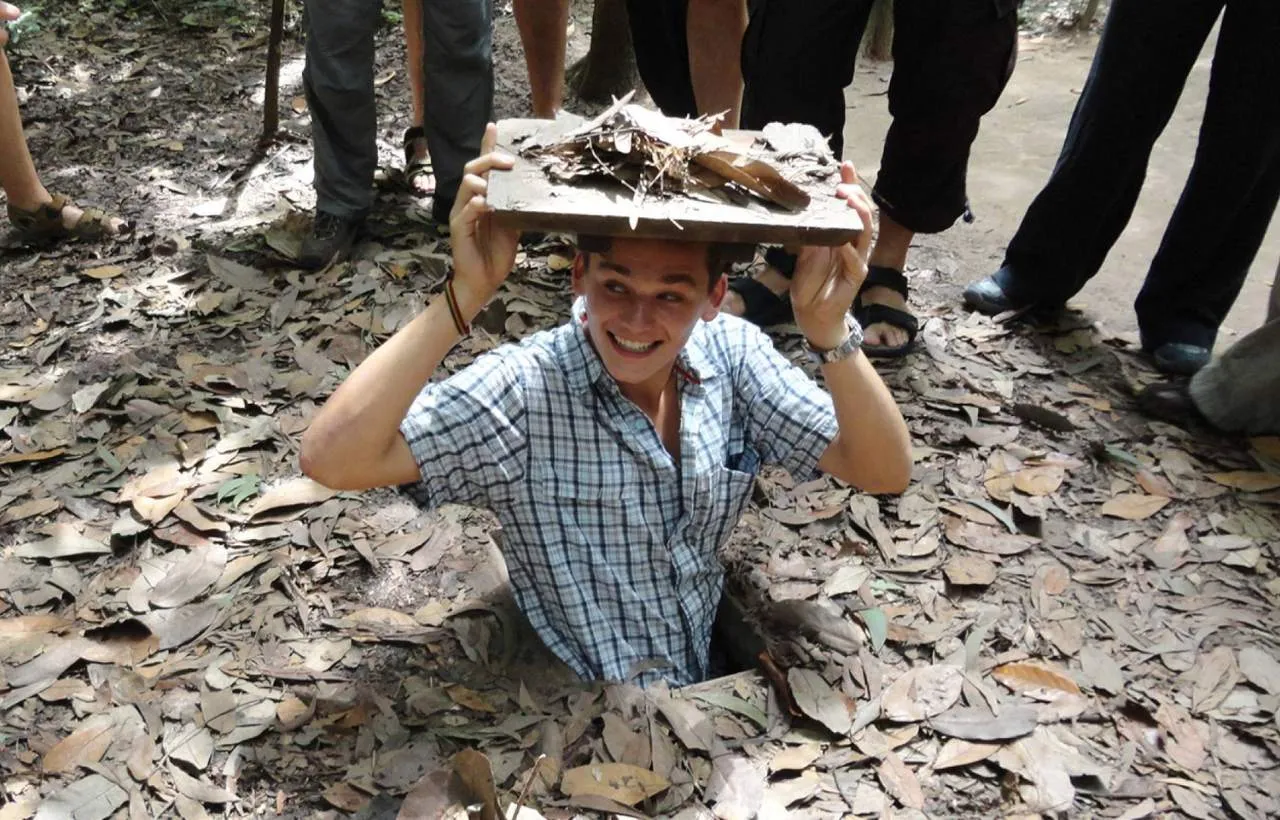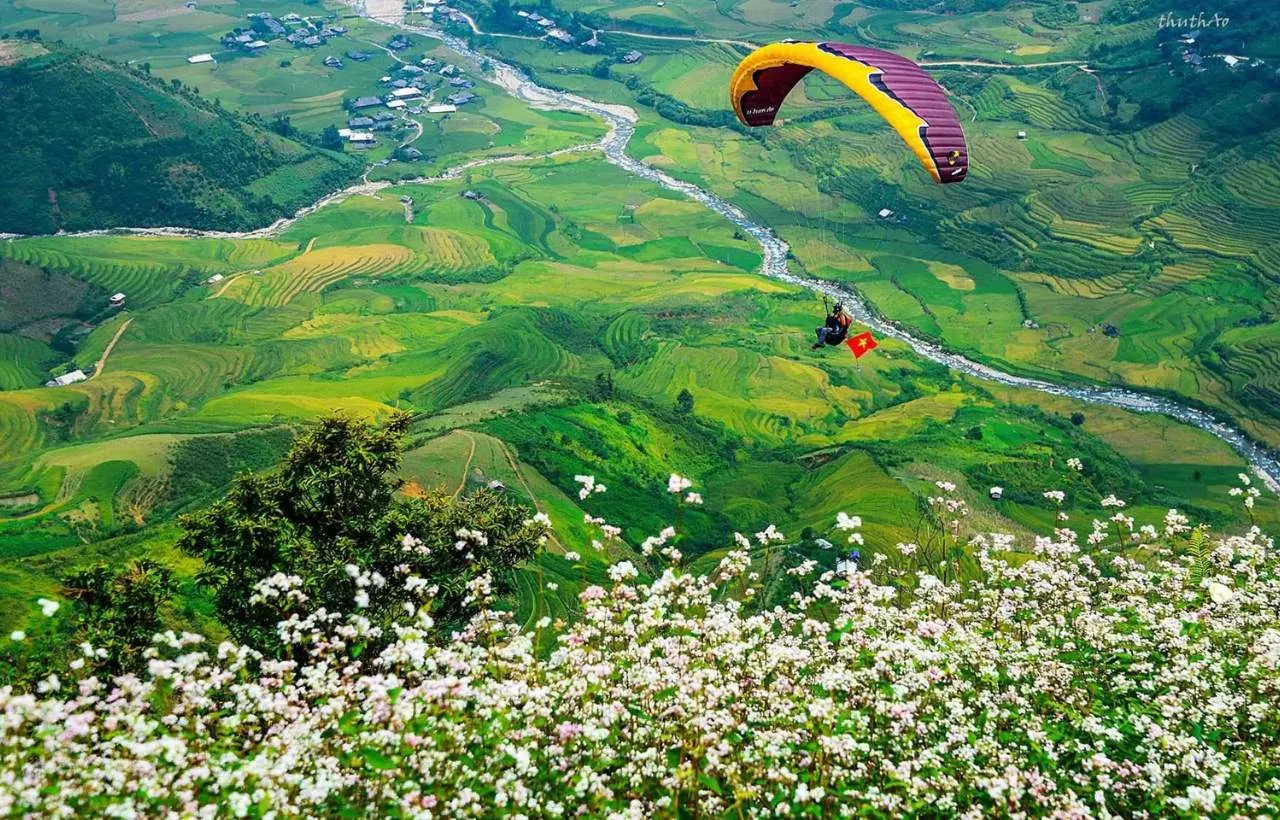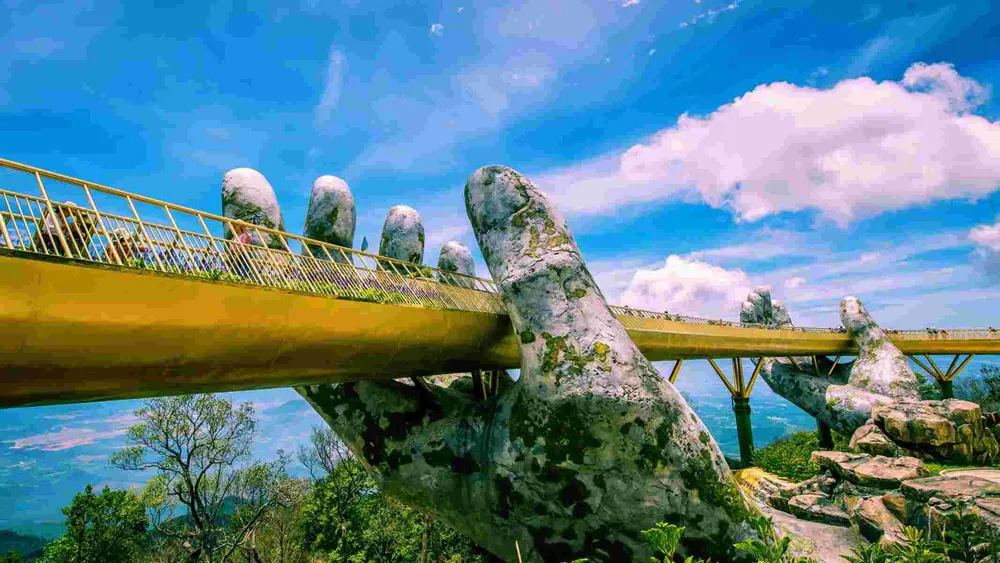
Days 1–3: Hanoi – A cultural introduction
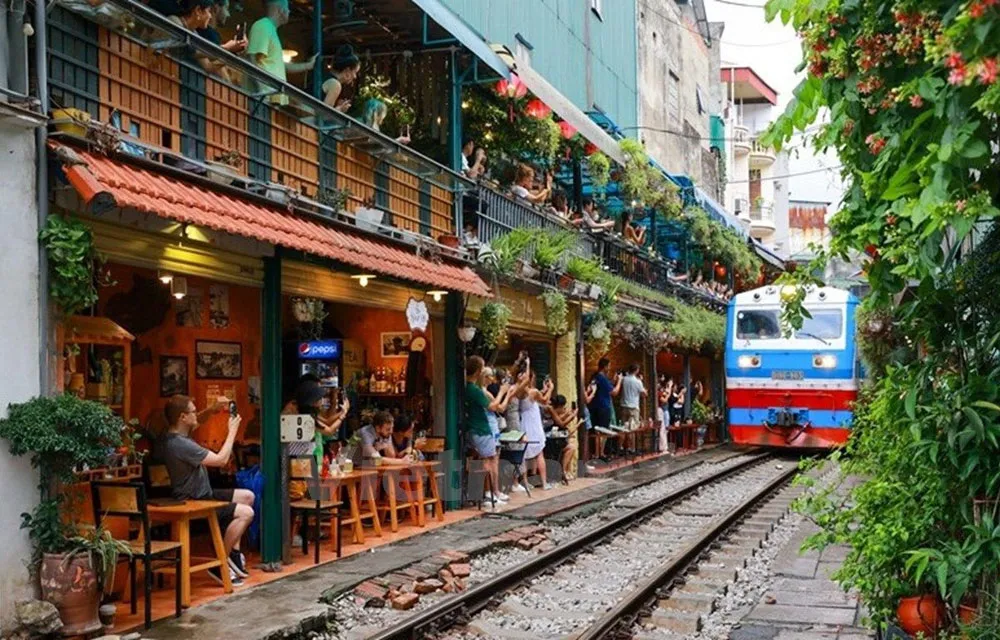
Day 1: Arrival in Hanoi
Arrive in Vietnam’s buzzing capital and transfer to your hotel in the Old Quarter, where maze-like streets overflow with shops, scooters, and street food stalls. Start gently with a walk around Hoan Kiem Lake, visiting Ngoc Son Temple via the red-painted Huc Bridge. For dinner, try pho at Pho Bat Dan or bun cha at Bun Cha Huong Lien (Obama’s bun cha spot). In the evening, join the locals in sampling Hanoi’s nightlife—grab a bia hoi (fresh beer) at the street-side pubs or sip the iconic egg coffee at Café Giang.
Travel tip: Staying in the Old Quarter is convenient for first-time visitors, but book a boutique hotel for more comfort and quieter nights.
Day 2: Historical highlights
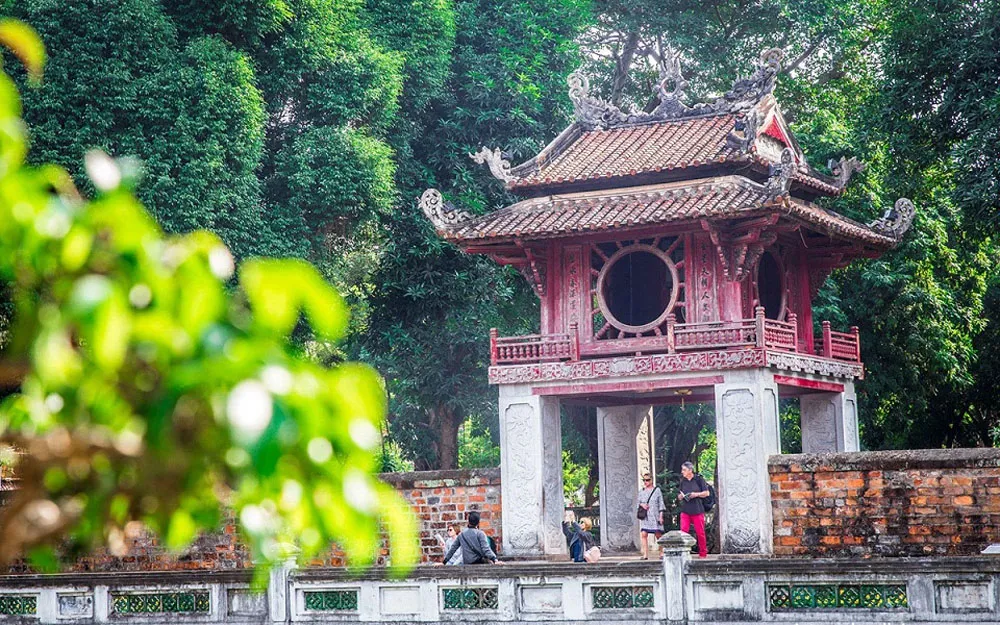
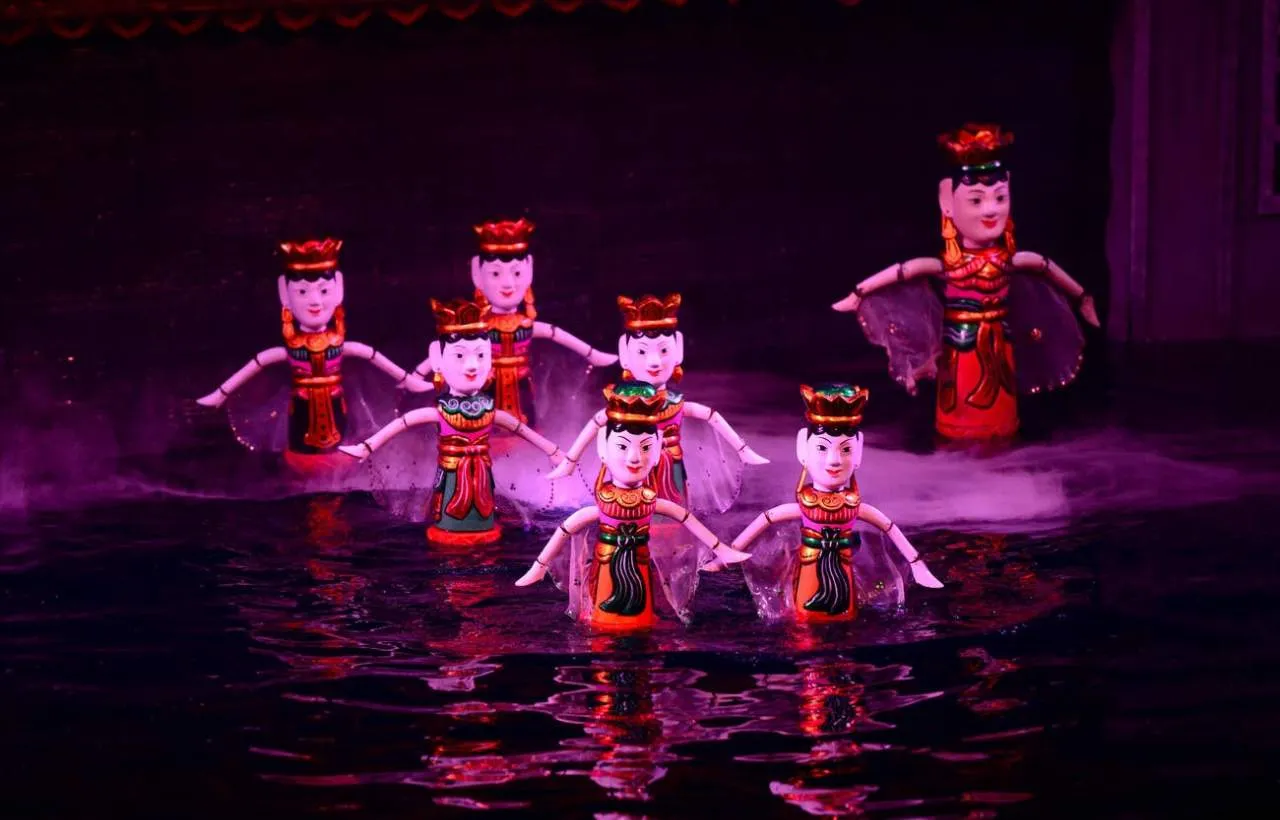
Begin your day early at the Ho Chi Minh Mausoleum Complex to beat the crowds, then tour the Presidential Palace and Ho Chi Minh’s humble stilt house. Nearby, the One Pillar Pagoda is one of Vietnam’s most unique temples. Afterward, visit the Temple of Literature, Vietnam’s first university and a peaceful spot with ancient courtyards. For lunch, stop at Huong Lien for authentic bun cha. In the afternoon, explore the Vietnam Museum of Ethnology or enjoy a walk through the French Quarter. Wrap up the day with a water puppet show at Thang Long Theatre and dine at a rooftop restaurant with views over Hoan Kiem Lake.
Travel tip: Most attractions close by 5 PM, so plan indoor museums earlier and save your evening for shows and dining.
Day 3: Hidden corners and local life
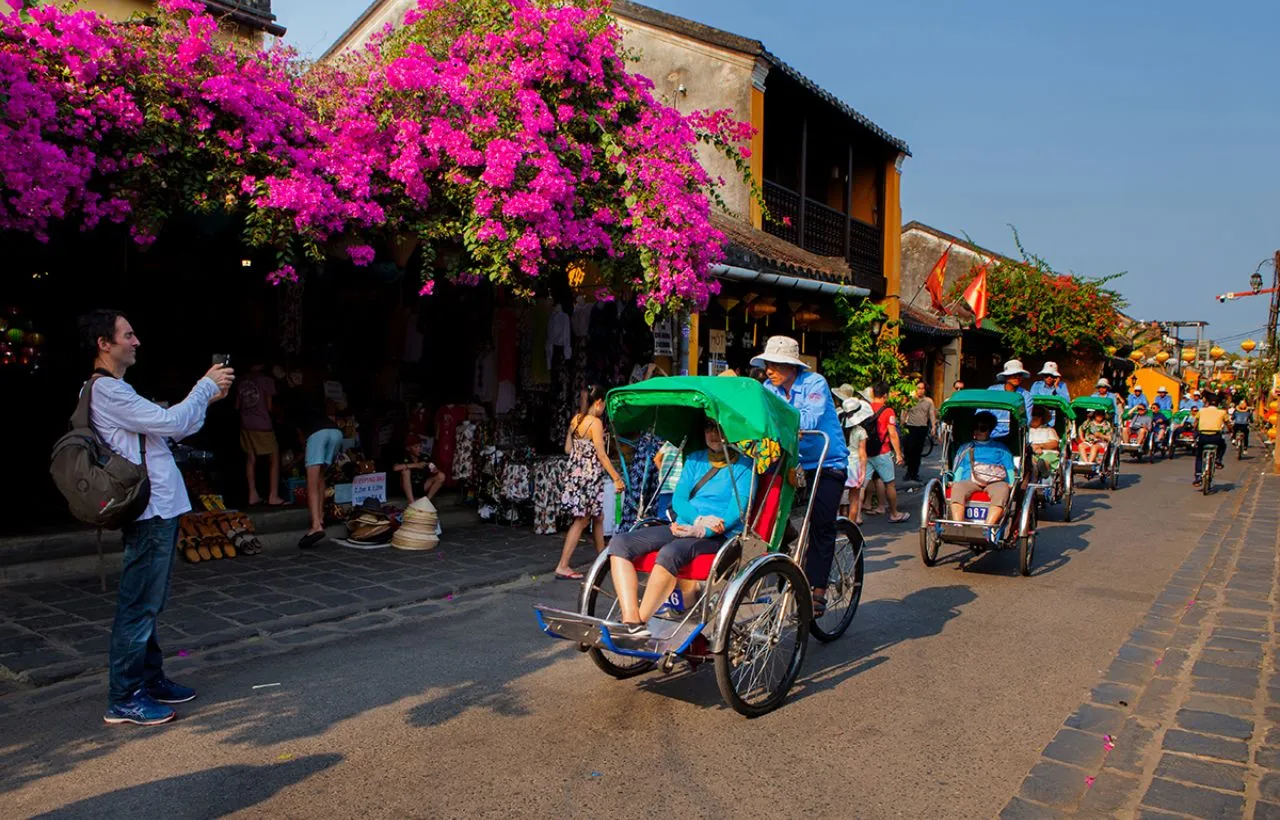
Hop on a cyclo ride through the Old Quarter to witness morning markets, flower stalls, and hidden temples. Visit Dong Xuan Market for souvenirs and street snacks like banh cuon (steamed rice rolls). For a cultural deep dive, head back to the Museum of Ethnology if you skipped it, or discover Hanoi’s thriving contemporary art scene at the Vietnam Fine Arts Museum. In the evening, wander the wide boulevards of the French Quarter, stopping at colonial cafés or dining at Press Club for a fine dining experience.
Optional: Join a half-day street food tour with a local guide for insider tips on where to eat.
Days 4–6: Sapa – Highland adventures
Day 4: Journey to Sapa
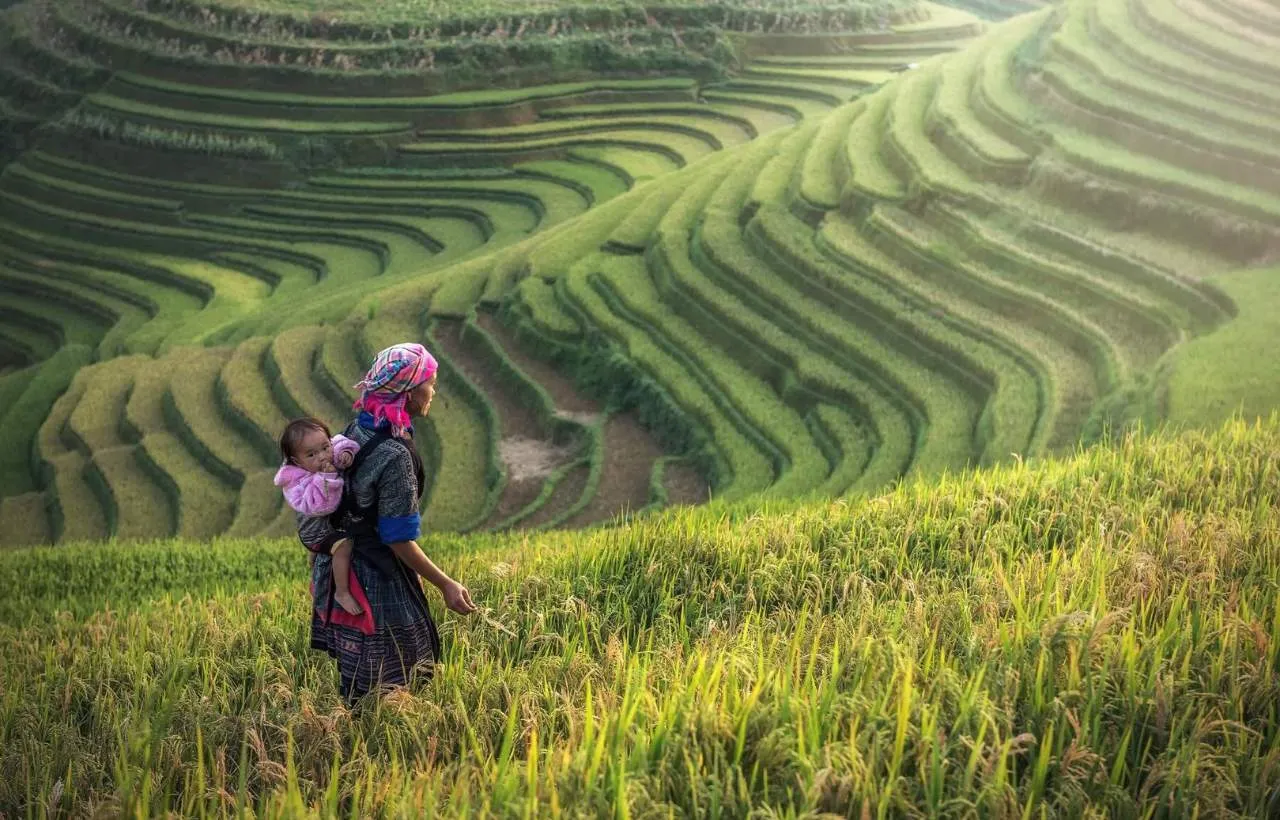
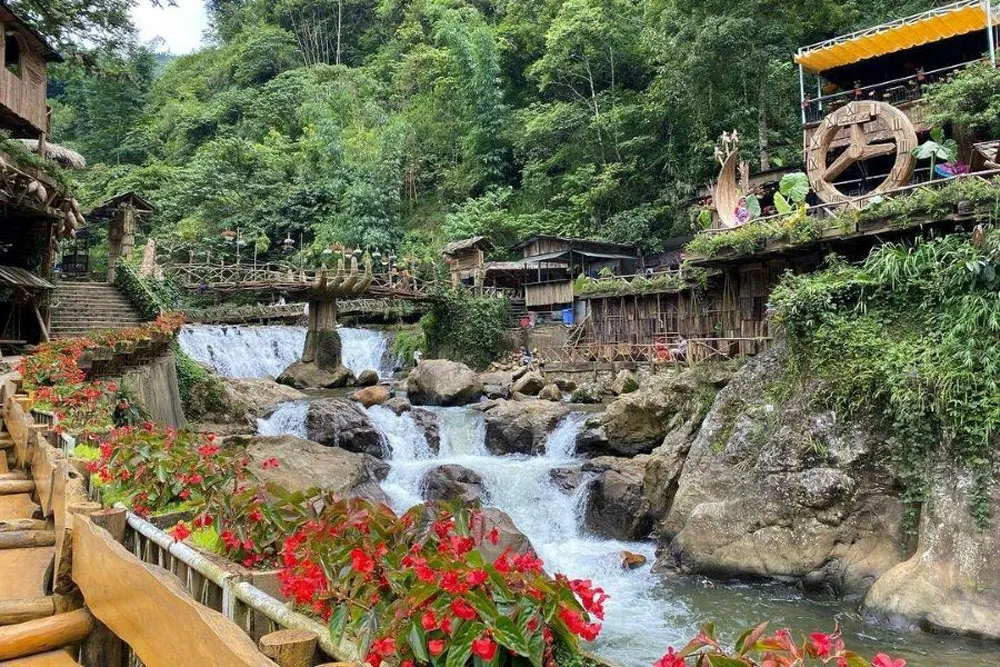
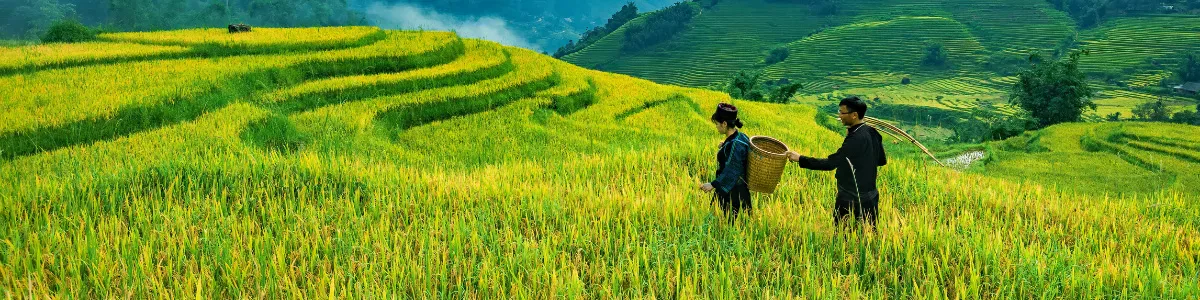
Take the overnight train or luxury sleeper bus to Sapa, a cool mountain town known for terraced rice fields and ethnic diversity. Upon arrival, wander the town’s lively market, where Black Hmong, Red Dao, and Dzay people trade handicrafts and fresh produce. Try local dishes like salmon hotpot or grilled skewers at the night market.
Travel tip: If you prefer comfort, book a private transfer from Hanoi instead of the train—it’s faster and smoother.
Day 5: Trekking and homestay
Begin a trek through stunning terraced valleys, visiting Lao Chai, Ta Van, or Giang Ta Chai villages. Along the way, learn about the traditional clothing, crafts, and farming techniques of the ethnic communities. End the day at a homestay, where you’ll share dinner and rice wine with your hosts and experience authentic highland hospitality.
Optional: Hire a local guide—often from the Hmong or Dzay community—for a more immersive experience and direct income support for locals.
Day 6: Sunrise and return
Wake up to breathtaking mist rolling over the valleys. Take a short walk to nearby viewpoints before heading back to Sapa town. Spend free time shopping for handwoven textiles or relaxing in a local café. In the afternoon, return to Hanoi to prepare for the next stage of your trip.
Days 7–8: Mai Chau – Valley of peace
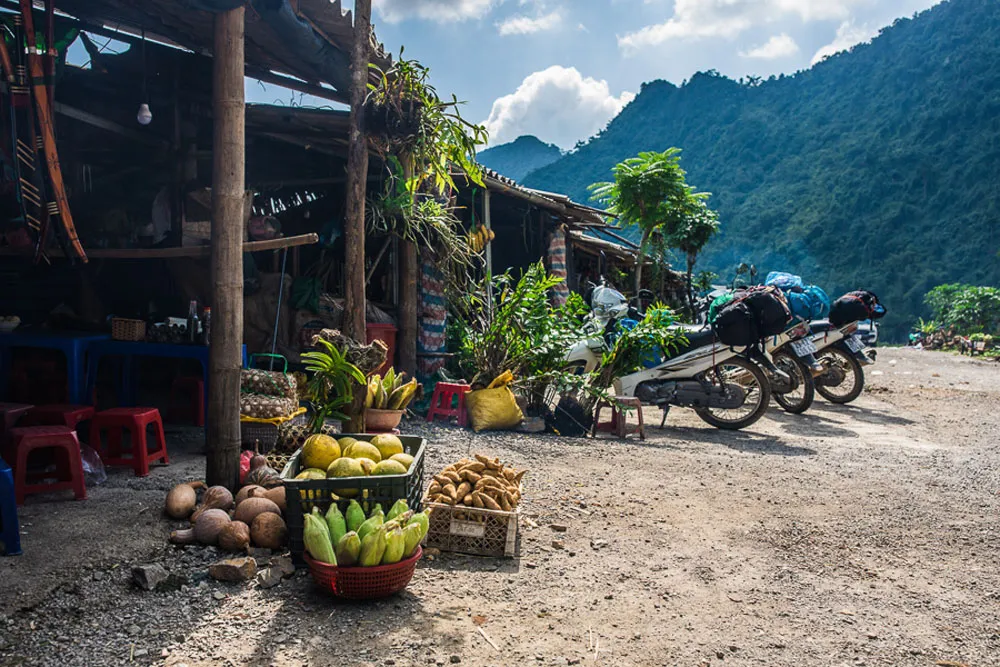
Day 7: Arrival in Mai Chau
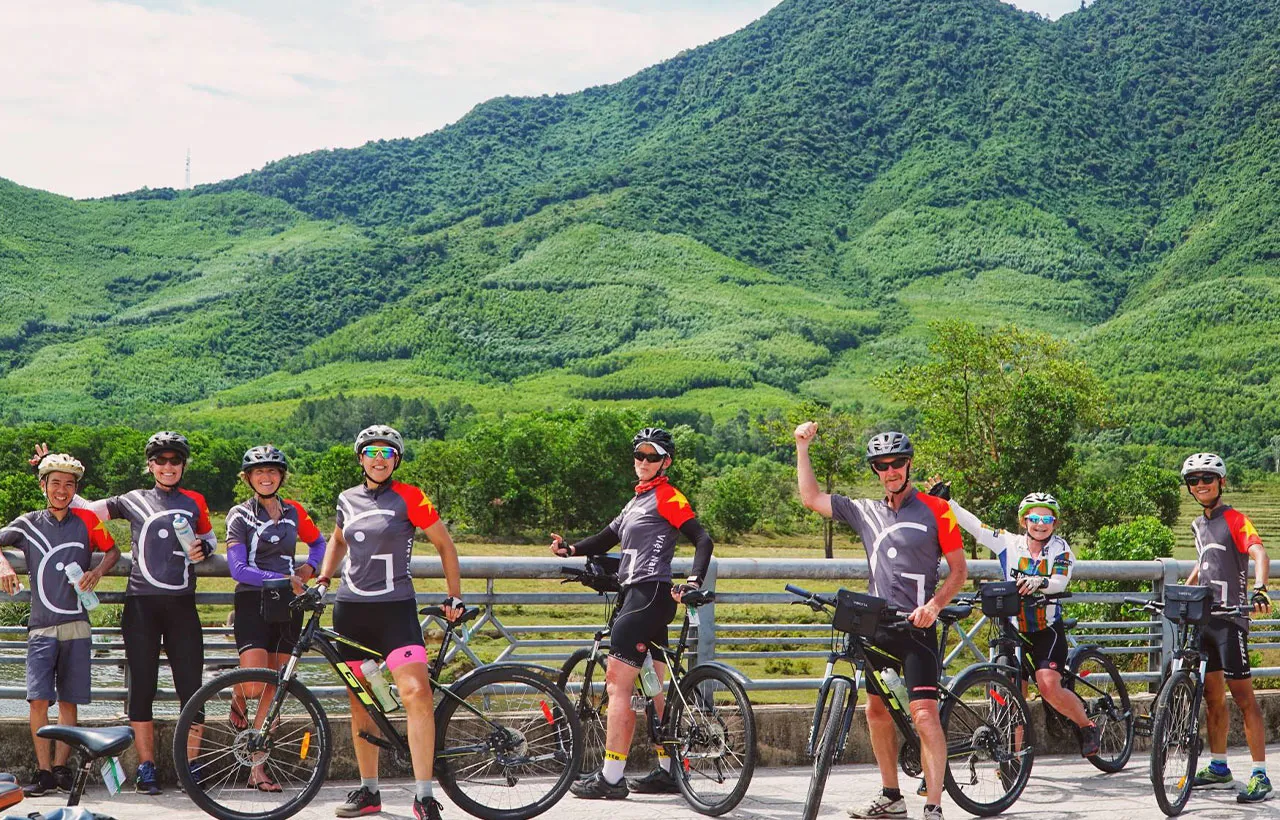
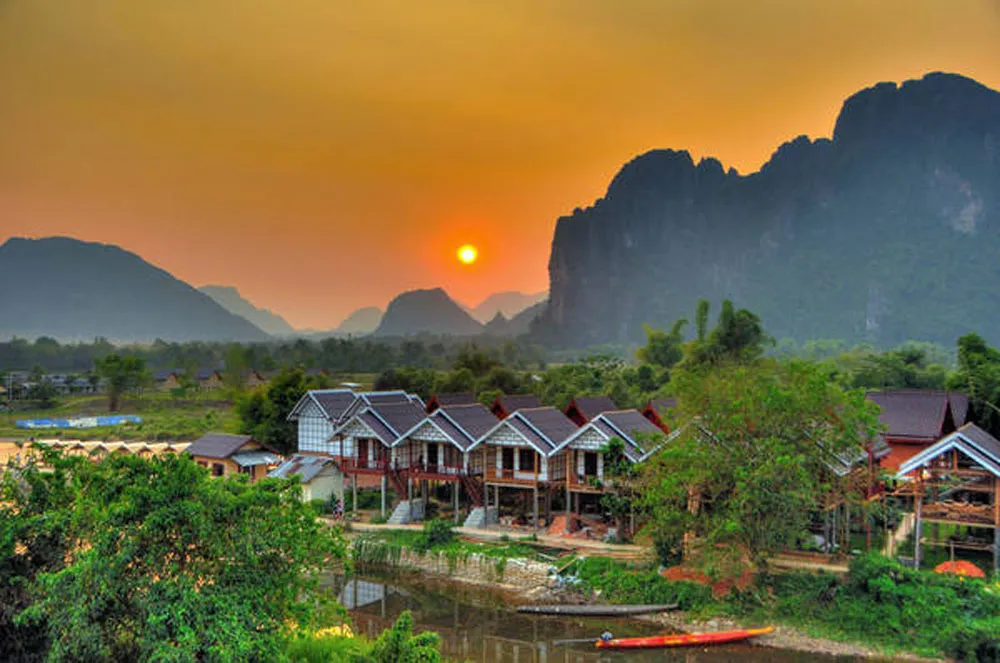
Drive southwest from Hanoi to Mai Chau Valley, a peaceful region of rice paddies and stilt houses. Spend your afternoon cycling through Thai ethnic minority villages, stopping for a home-cooked lunch. Stay overnight in a traditional stilt house, where you may be treated to music and folk dances in the evening.
Day 8: Countryside immersion
Wake up to mountain views and fresh air. Join in daily activities such as weaving, rice planting, or bamboo crafting, depending on the season. After lunch, enjoy a relaxed stroll before heading back to Hanoi in the evening.
Travel tip: Mai Chau is less crowded than Sapa, making it perfect for travelers who prefer authentic, off-the-beaten-path cultural experiences.
Days 9–10: Ha Long Bay – Emerald waters
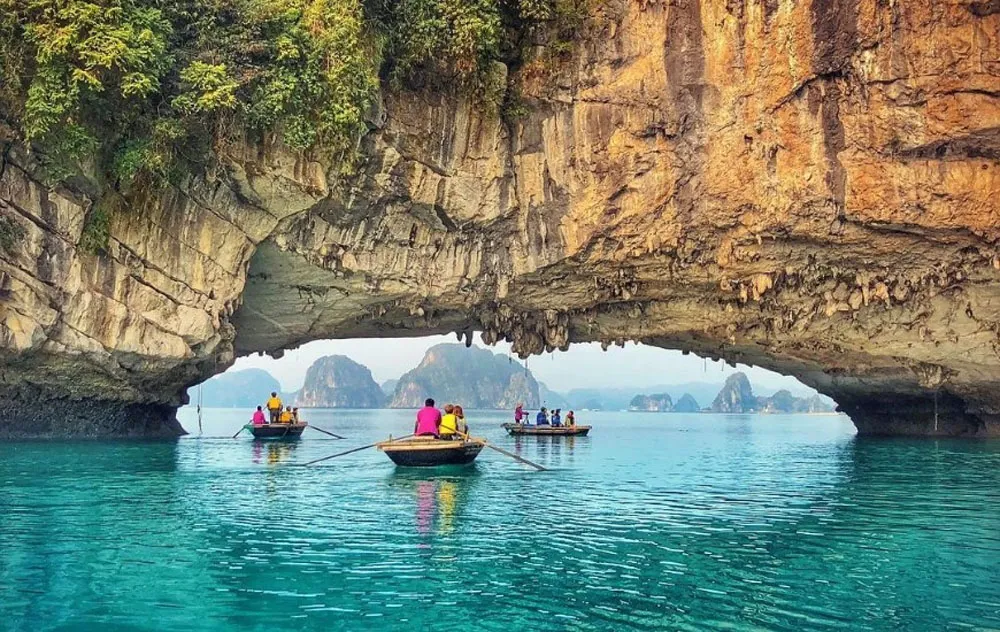
Day 9: Overnight cruise
Travel east to Ha Long Bay, a UNESCO World Heritage Site dotted with limestone karsts. Board a luxury cruise, stopping for kayaking, swimming, or visiting floating villages. Watch the sunset over the emerald waters before a fresh seafood dinner under the stars.
Travel tip: Book a mid-range or luxury cruise (2D1N) for comfort; budget cruises often cut corners on food and safety.
Day 10: Sunrise and caves
Start your morning with Tai Chi on deck. Visit Sung Sot Cave or hike to Titov Island for panoramic bay views. Disembark by late morning and travel back to Hanoi to catch the overnight train south to Dong Hoi.
Days 11–12: Phong Nha – The cave kingdom
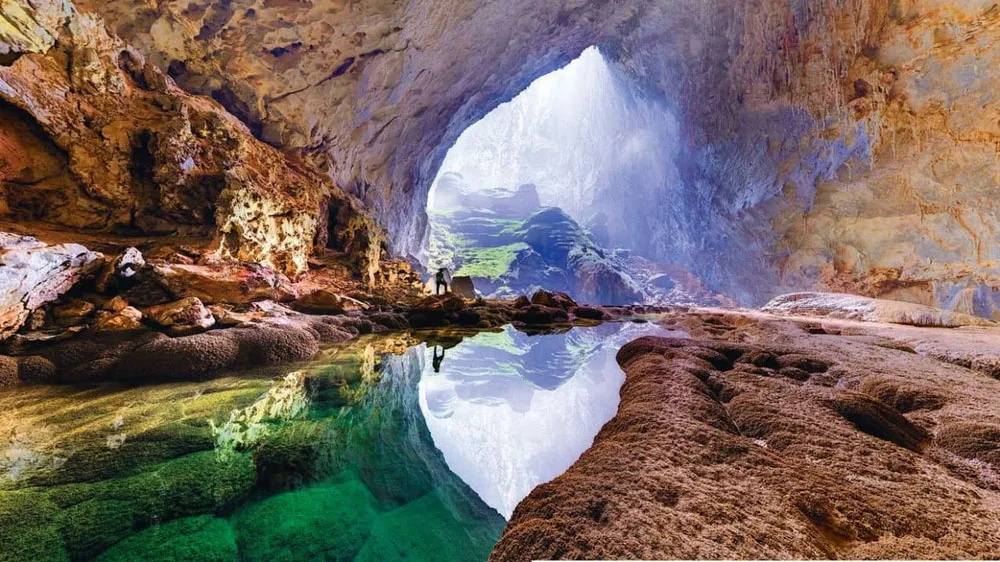
Day 11: Arrival in Phong Nha
Arrive at Phong Nha-Ke Bang National Park, home to some of the world’s largest caves. Explore the majestic Paradise Cave, walking along wooden stairways that showcase dramatic stalactites and stalagmites. Overnight in a riverside ecolodge.
Day 12: Caving adventure
Take a boat along the Son River to reach Phong Nha Cave. For thrill-seekers, head to Dark Cave, where you can zipline, kayak, and wallow in a mud bath before rinsing off in the river.
Optional: Multi-day treks to Hang En or Son Doong (the world’s largest cave) can be arranged with advance permits, though they require more time and fitness.
Days 13–14: Hue – Imperial grandeur
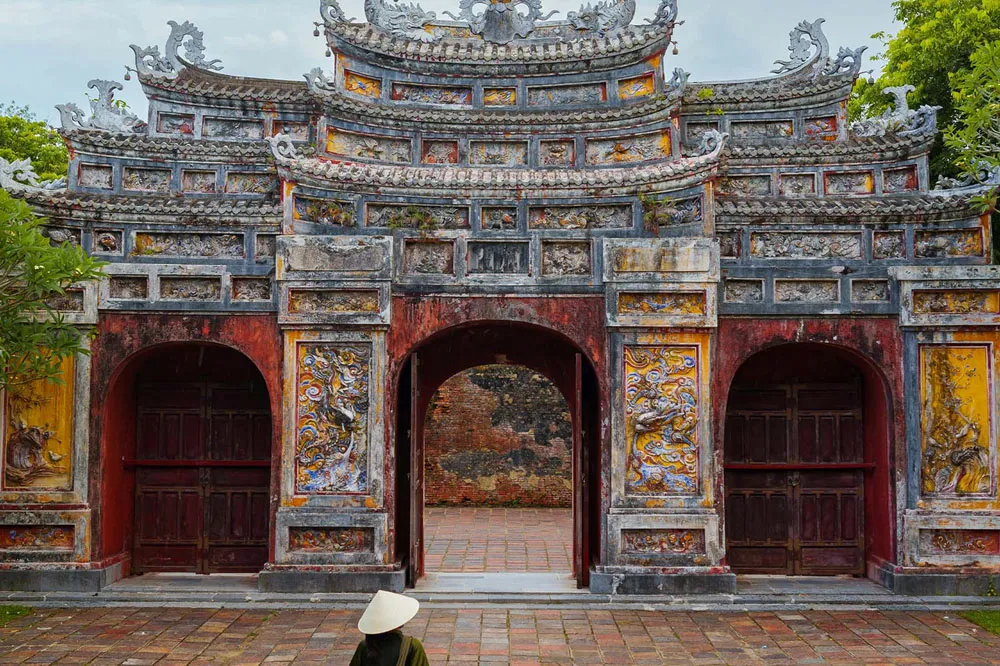
Day 13: The Citadel
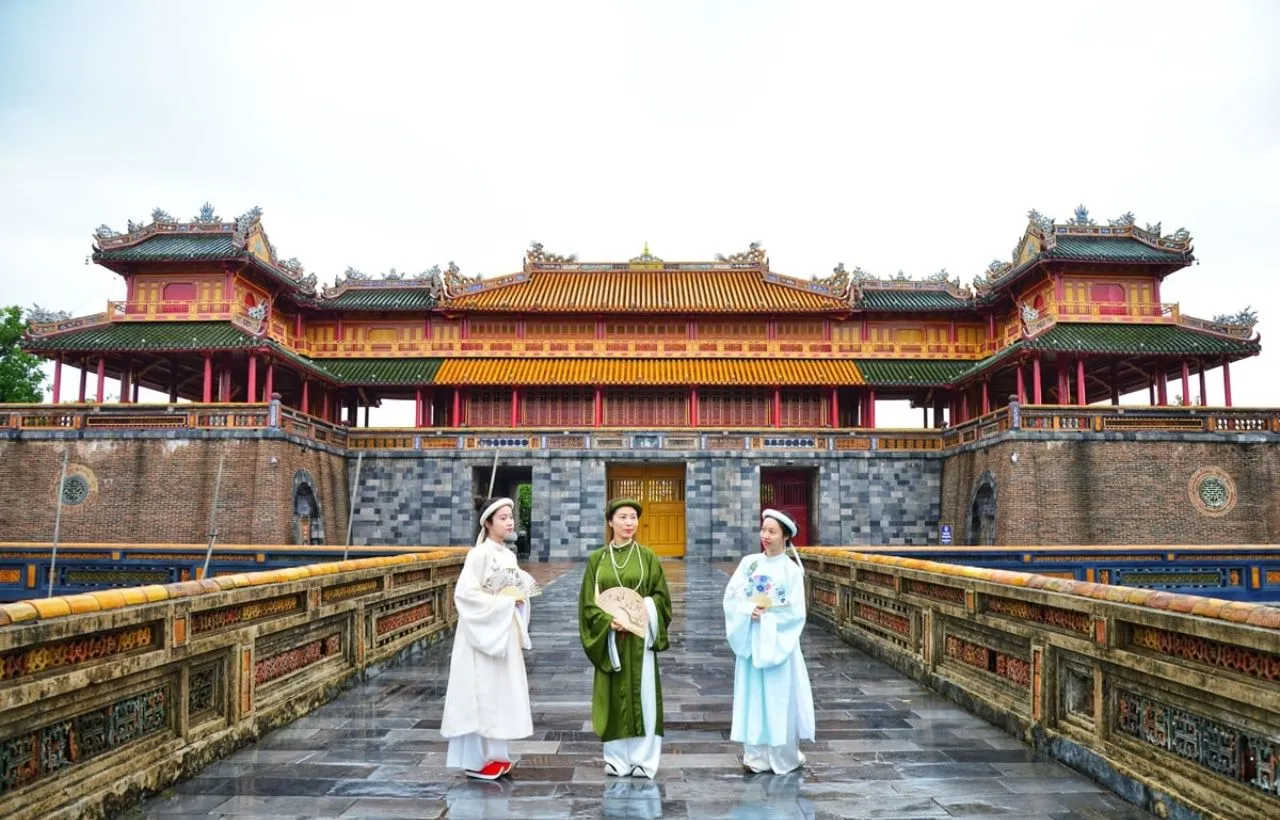
Head south to Hue, Vietnam’s imperial capital. Spend the day exploring the Imperial Citadel, including the Forbidden Purple City, royal gates, and moats. Later, enjoy a dragon boat cruise along the Perfume River at sunset.
Day 14: Tombs and pagodas
Visit the elegant Thien Mu Pagoda, then tour the royal tombs: Tu Duc (romantic, set in gardens and lakes) and Khai Dinh (ornate with European influence). In the evening, sample bun bo Hue, a spicy beef noodle soup that’s the pride of the city.
Days 15–16: Hoi An – Lantern-lit charm
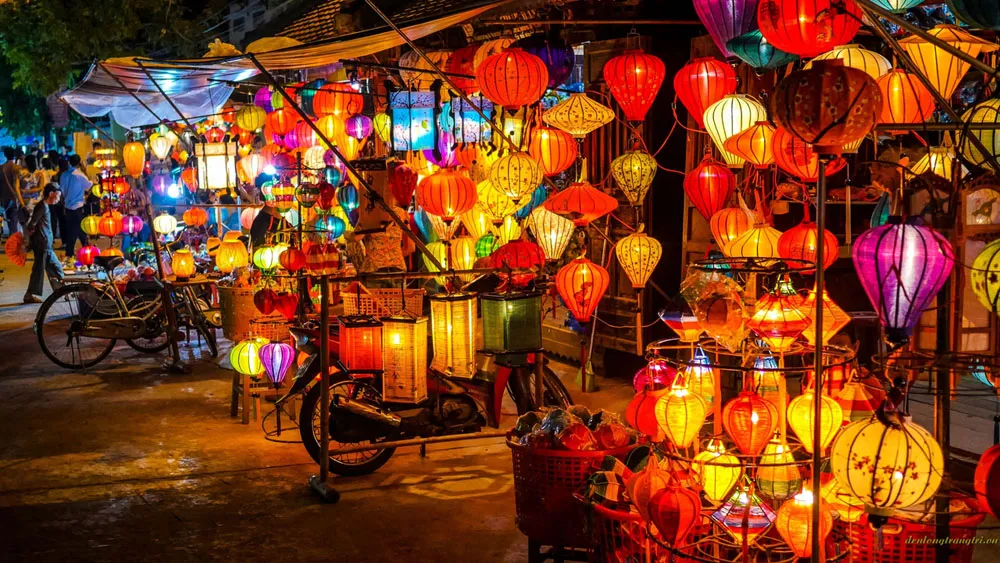
Day 15: Hai Van Pass to Hoi An
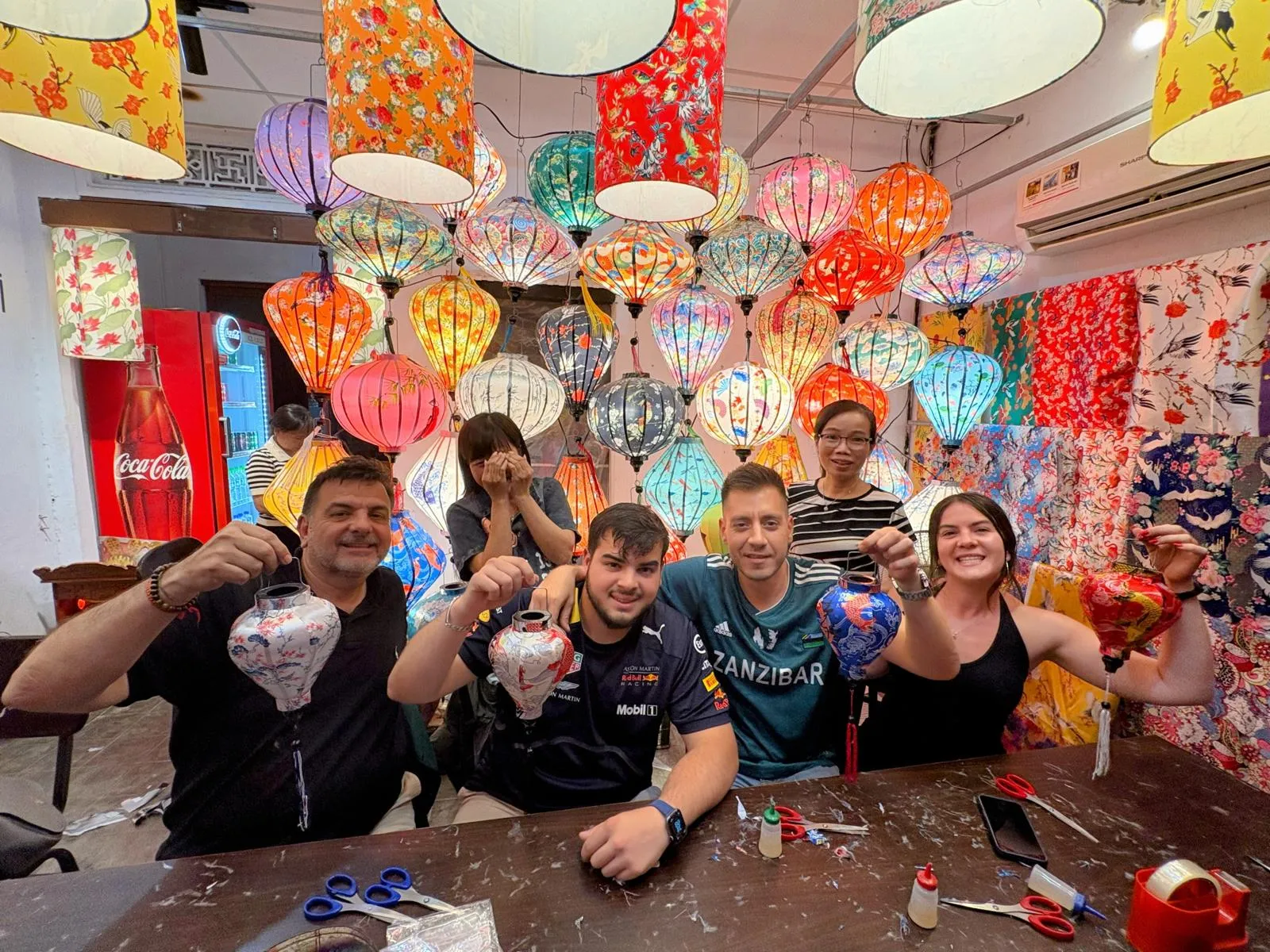
Drive along the breathtaking Hai Van Pass, stopping at Lang Co Beach for photos. Arrive in Hoi An Ancient Town, a UNESCO site where lanterns light up the riverside streets. Visit the Japanese Covered Bridge and explore preserved merchant houses.
Day 16: Cycling and cooking
Join a cooking class that begins with a market tour and a boat ride. Prepare dishes like cao lau noodles and fresh spring rolls. In the afternoon, cycle to Tra Que Vegetable Village or relax at An Bang Beach.
Days 17–18: Ho Chi Minh City & Mekong Delta
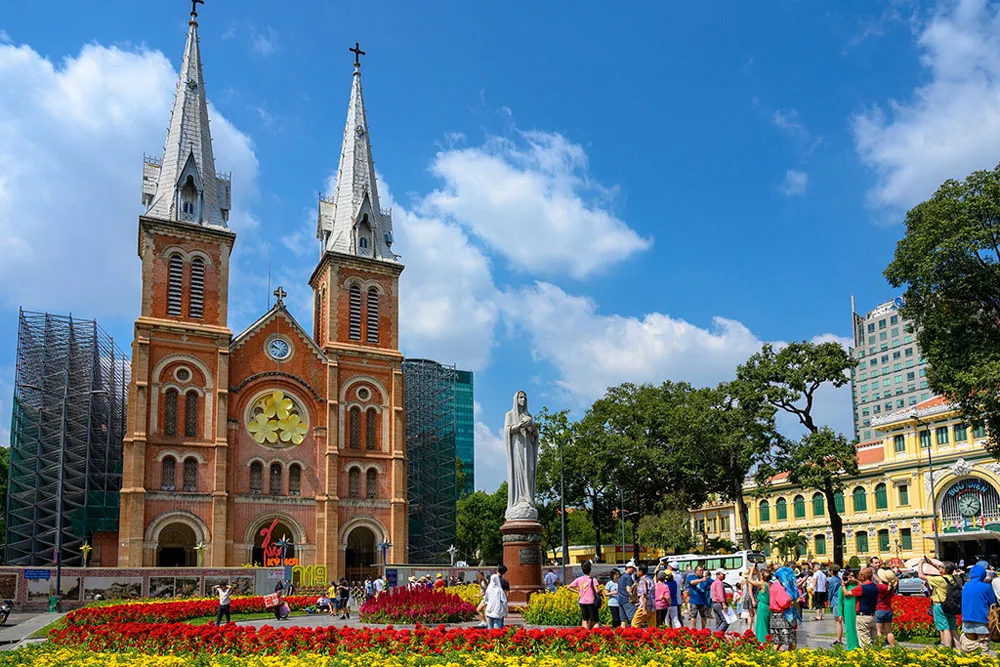
Day 17: Exploring Saigon
Fly south to Ho Chi Minh City, Vietnam’s dynamic metropolis. Visit the War Remnants Museum, Reunification Palace, Notre-Dame Cathedral, and Central Post Office. In the evening, stroll Nguyen Hue Walking Street and sample dishes like com tam (broken rice) and banh xeo (crispy pancakes).
Day 18: Mekong Delta day trip
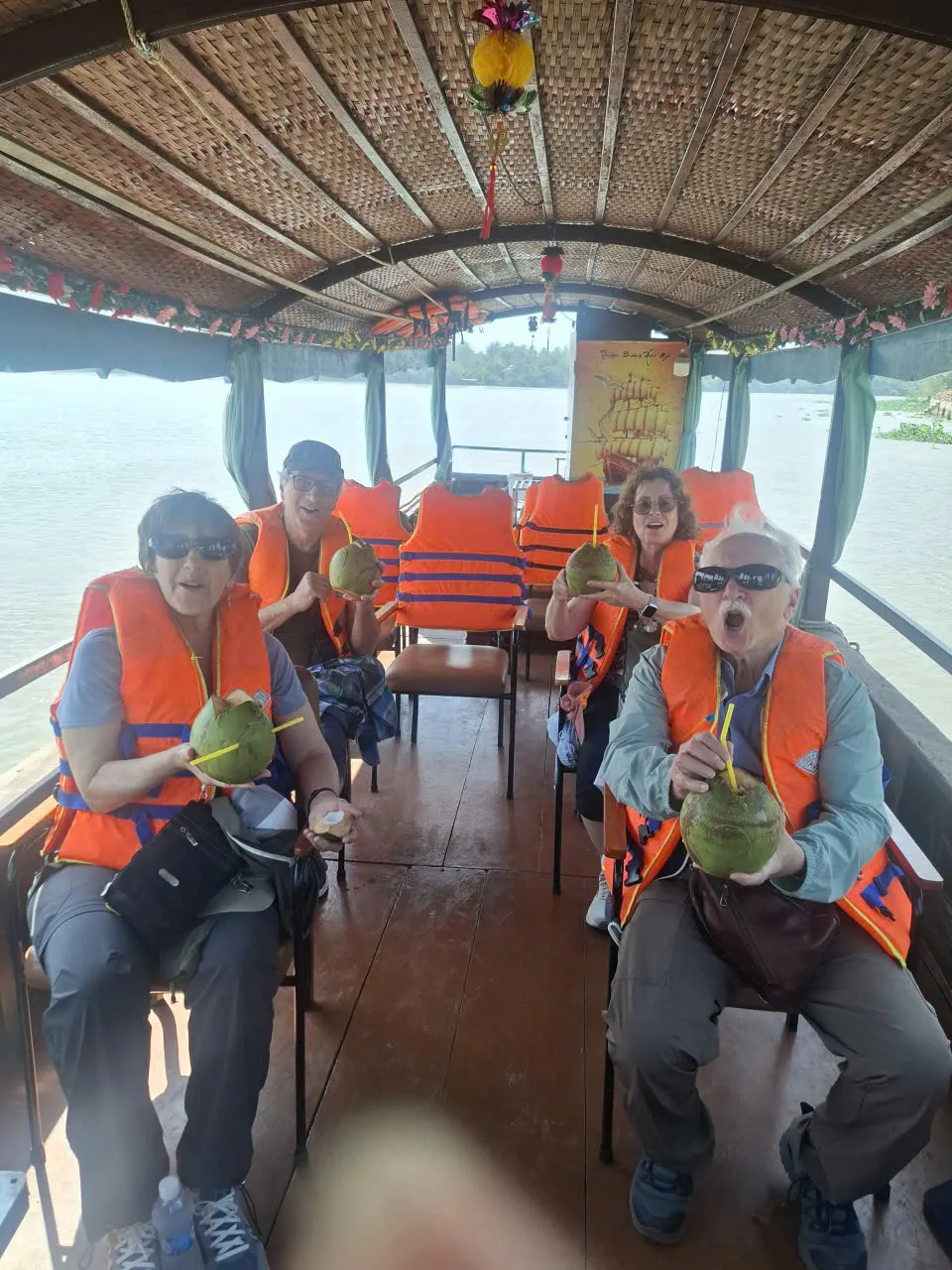
Take a day trip to the Mekong Delta, visiting Ben Tre or Cai Be. Cruise narrow canals under coconut palms, watch rice paper and candy being made, and enjoy a rustic lunch at a village home before returning to the city.
Travel tip: For an authentic experience, choose a smaller group or private boat instead of crowded tours.
Day 19: Phu Quoc – Island farewell
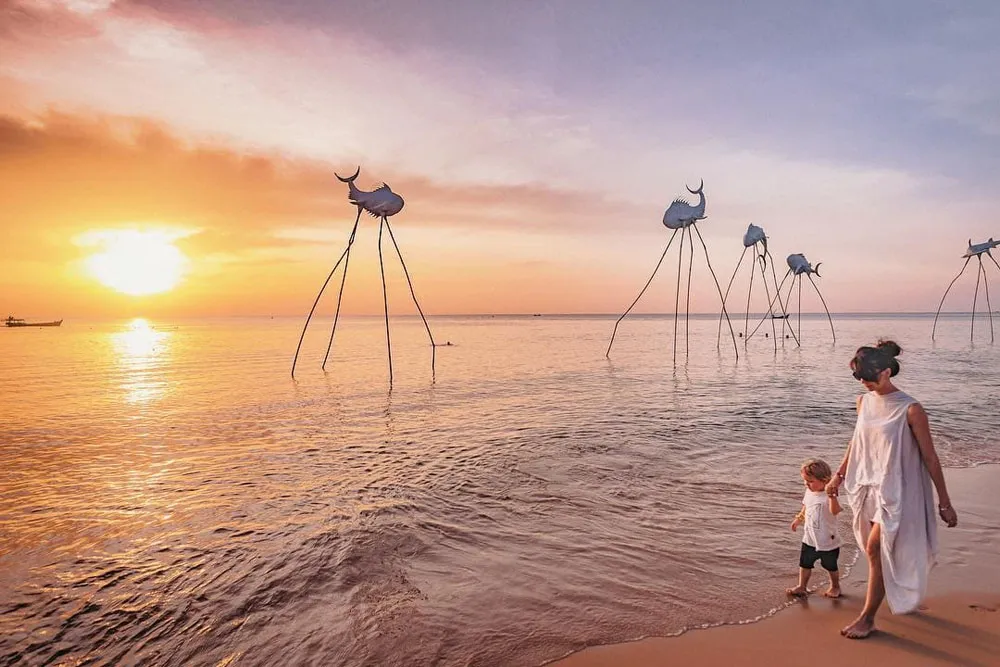
End your adventure with a flight to Phu Quoc Island, famous for its long white beaches and clear waters. Spend your day snorkeling, relaxing on Sao Beach, or exploring local pepper farms and fish sauce factories. Enjoy a seafood dinner by the shore before catching your departure flight.
Travel tips for a 19 days in Vietnam itinerary

-
Best time to go: October to April for pleasant weather; May–August is hot but ideal for beaches.
-
Transport: Use flights for long distances (Hanoi–Saigon, Saigon–Phu Quoc). Take trains or cars for scenic routes.
-
Accommodation: Mix homestays (Sapa, Mai Chau) with boutique hotels (Hanoi, Hue, Hoi An).
-
Food to try: Pho, bun cha, egg coffee, bun bo Hue, cao lau, tropical fruits.
-
Packing: Bring light clothes, sturdy trekking shoes, and a rain jacket.
Conclusion
This 19 days in Vietnam itinerary showcases the country’s full diversity, from Hanoi’s cultural heart and Sapa’s terraced mountains to Ha Long Bay’s limestone wonders, Hue’s royal tombs, Hoi An’s lantern-lit streets, and the vibrant Mekong Delta. Ending your journey on the pristine beaches of Phu Quoc creates the perfect balance of adventure and relaxation.
If you’re looking for more travel inspiration, explore more options about our guide of Vietnam itineraries to find the perfect trip length and route for your style of travel.





 View trip map