



Thailand and Vietnam Itinerary: A Perfect Journey Through Culture, Nature, and Contrast
- Before you go
- April 17, 2026
A Thailand and Vietnam itinerary offers a journey filled with contrast, where two neighboring countries reveal completely different rhythms, landscapes, and cultural identities. From the golden temples of Bangkok to the misty mountains of Sapa and the vibrant streets of Ho Chi Minh City, this route blends energy, history, and natural beauty into one seamless experience.
- Overview of Thailand and Vietnam Itinerary
- Day 1–2: Bangkok- Energy, temples, and urban life
- Day 3–4: Chiang Rai – Northern culture and landscapes
- Day 5–6: Southern Thailand – Island escape
- Day 7: Flight to Hanoi – Entering Vietnam
- Day 8–9: Sapa – Mountains and ethnic culture
- Day 10–11: Ha Long Bay – Natural wonder
- Day 12–13: Hoi An – Timeless charm
- Day 14–15: Ho Chi Minh City – Modern Vietnam
- Travel Tips for Thailand and Vietnam Itinerary
Overview of Thailand and Vietnam Itinerary
A well-structured Thailand and Vietnam itinerary often begins in Thailand before moving into Vietnam, creating a natural transition from beaches and temples to mountains and cultural cities.
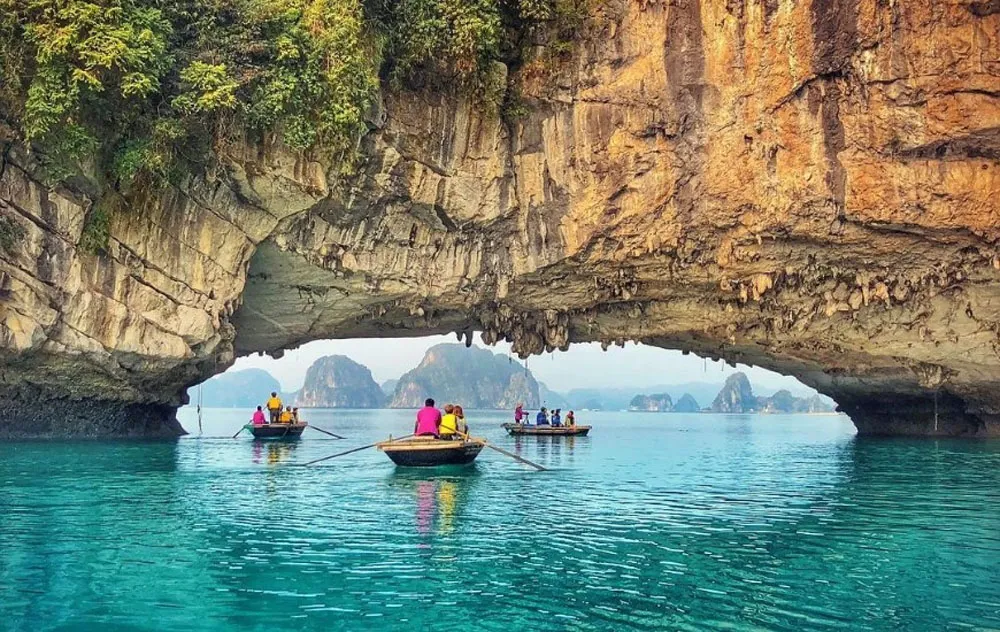
The route typically connects Bangkok – Northern Thailand – Islands – Hanoi – Northern Vietnam – Central Vietnam – Southern Vietnam, offering a wide variety of experiences. By combining flights with scenic overland journeys, the itinerary remains efficient while still feeling immersive. This structure ensures that each destination flows logically into the next without unnecessary backtracking.
The best time for a Thailand and Vietnam itinerary is from November to April, when weather conditions across both countries are generally dry and pleasant. Northern Vietnam and Northern Thailand may be cooler during winter months, while southern regions remain warm and ideal for beaches. Choosing the right season enhances every part of the journey, making it more comfortable and visually rewarding.
Day 1–2: Bangkok- Energy, temples, and urban life
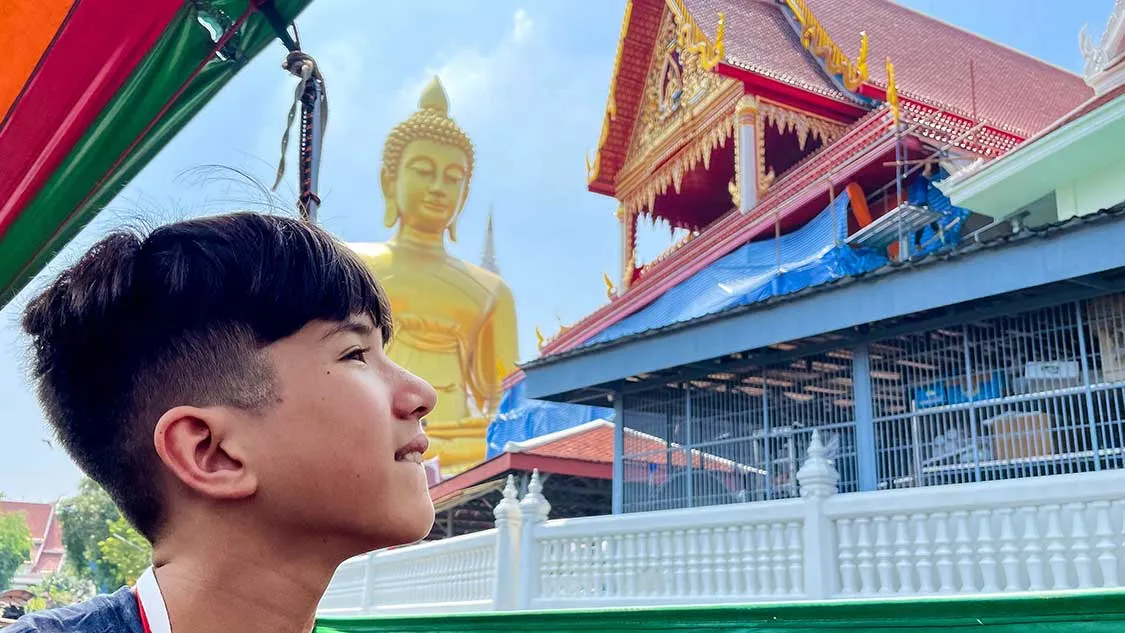
Arriving in Bangkok, you step into a city where tradition and modernity collide, creating an atmosphere that feels both intense and fascinating from the very beginning. Exploring landmarks such as the Grand Palace, Wat Phra Kaew, and Wat Pho introduces you to Thailand’s rich cultural and spiritual heritage. The intricate architecture, golden details, and sacred spaces offer a powerful first impression. At the same time, the surrounding streets remain lively and full of everyday activity.
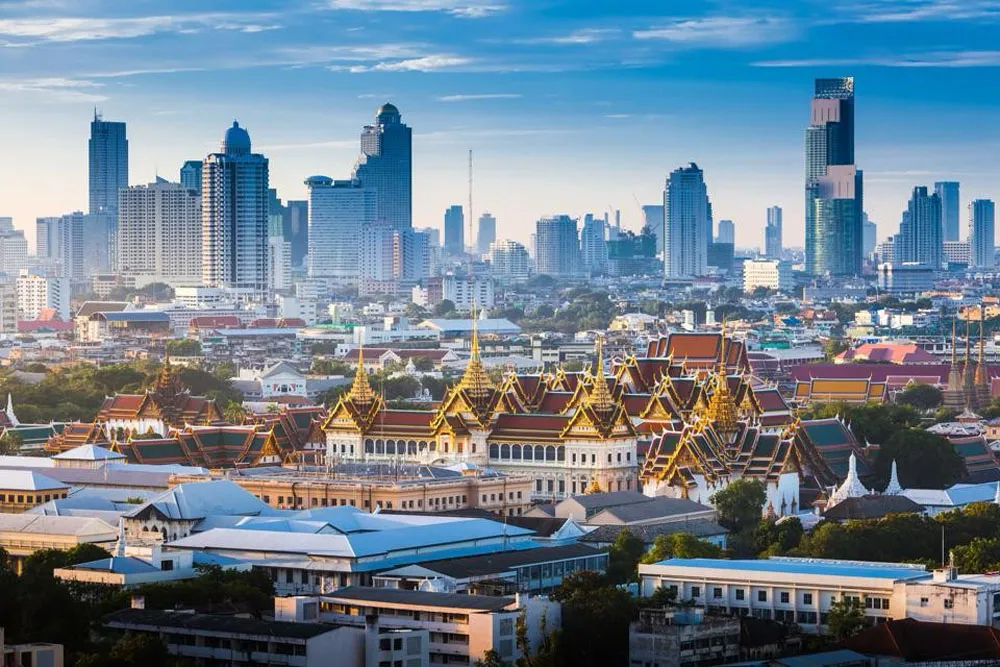
As evening approaches, the energy shifts toward the Chao Phraya River, where city lights reflect on the water and temples glow against the skyline. Whether you choose a dinner cruise or a rooftop view, the experience feels both vibrant and relaxing. Street food markets and night scenes add another layer to the city’s personality. These first days set the tone for your Thailand and Vietnam itinerary, blending excitement with cultural depth.
Day 3–4: Chiang Rai – Northern culture and landscapes
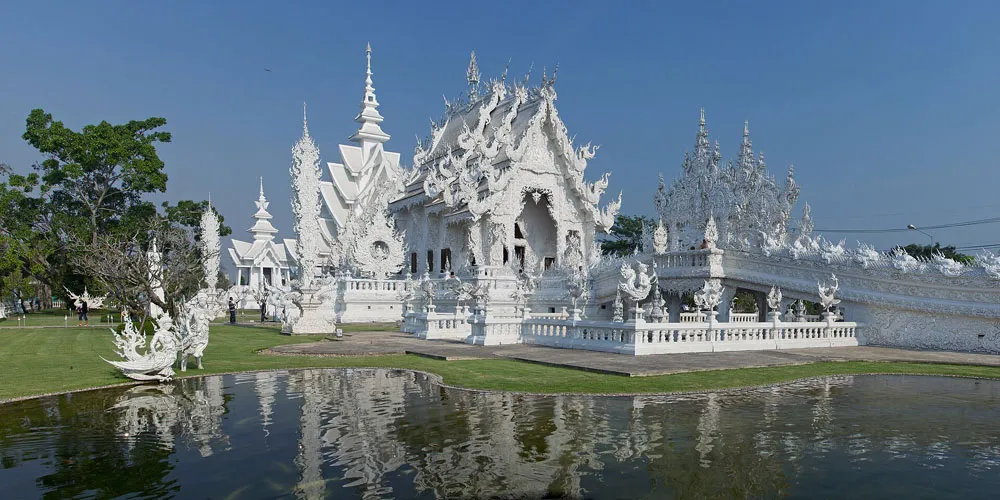
Traveling to Chiang Rai introduces a quieter and more artistic side of Thailand, where landscapes and culture feel more connected. Visiting the famous White Temple (Wat Rong Khun) reveals a modern interpretation of Buddhist architecture, blending traditional symbolism with contemporary design. The surrounding countryside, filled with mountains and open spaces, creates a sense of calm. This shift in pace feels refreshing after Bangkok.
Exploring nearby attractions such as the Blue Temple (Wat Rong Suea Ten) and local villages adds depth to the experience. The region feels less crowded, allowing you to engage more closely with the environment. Daily life here unfolds more slowly, creating a stronger sense of authenticity. This part of the journey adds cultural richness and visual contrast.
Day 5–6: Southern Thailand – Island escape
Heading south to destinations like Krabi or Phuket, the environment changes dramatically into tropical beaches and clear blue waters. Limestone cliffs rise from the sea, creating landscapes that feel almost surreal. Visiting places like Railay Beach or taking a boat trip to the Phi Phi Islands allows you to experience Thailand’s coastal beauty at its best. This transition introduces a more relaxed and scenic phase of the itinerary.
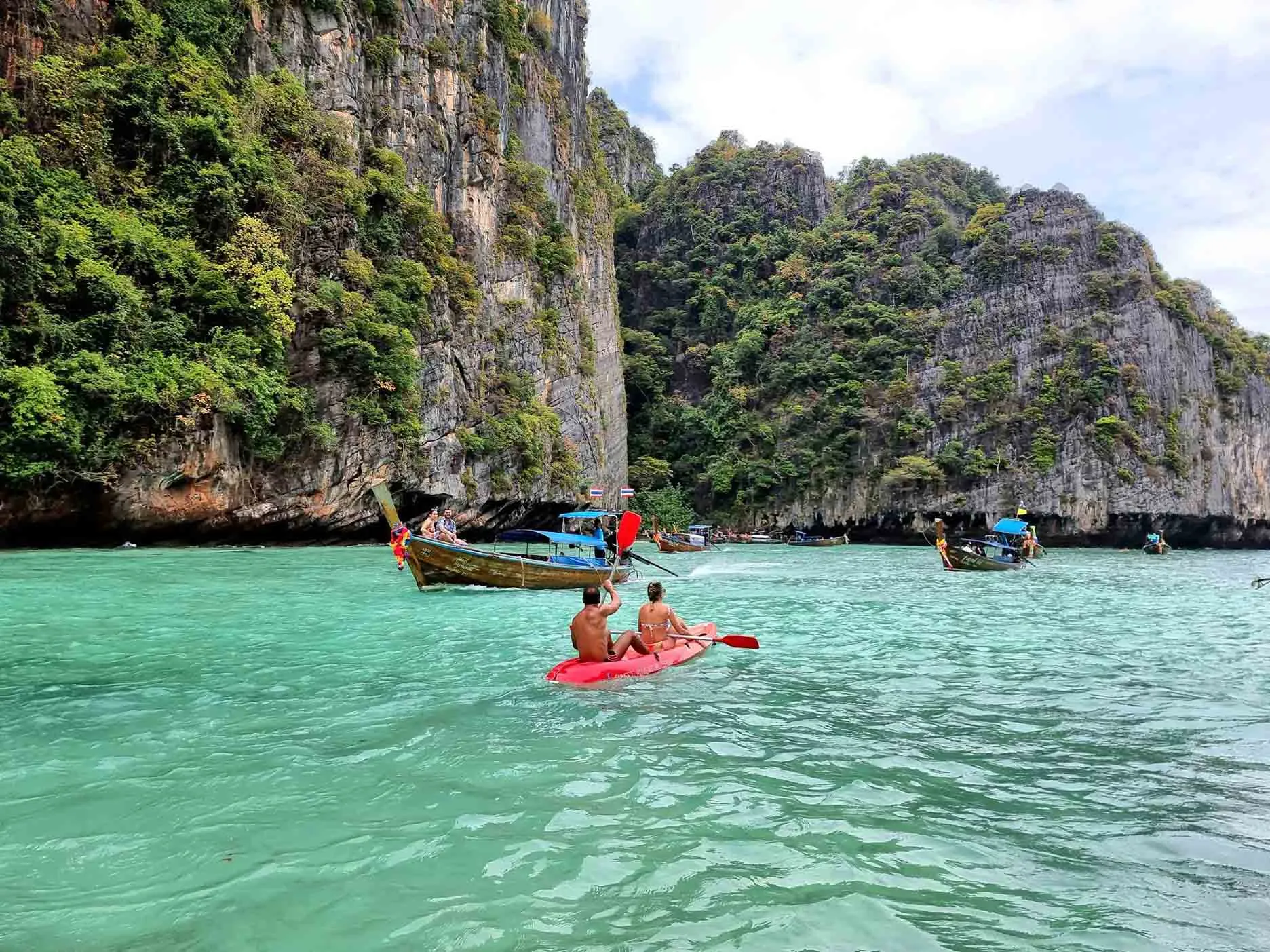
Days here are shaped by the rhythm of the ocean, where time slows and the focus shifts toward relaxation and exploration. Snorkeling, swimming, or simply enjoying the beach creates a sense of balance after earlier cultural experiences. The natural beauty feels effortless and immersive. These moments become some of the most visually memorable in your Thailand and Vietnam itinerary.
Day 7: Flight to Hanoi – Entering Vietnam
Flying to Hanoi marks a clear transition into Vietnam, where the atmosphere becomes more layered and historically rich. The streets of the Hanoi Old Quarter introduce you to a different kind of energy, one that feels both chaotic and deeply cultural. Narrow alleys, street vendors, and motorbikes create a unique rhythm. This shift feels immediate and engaging.
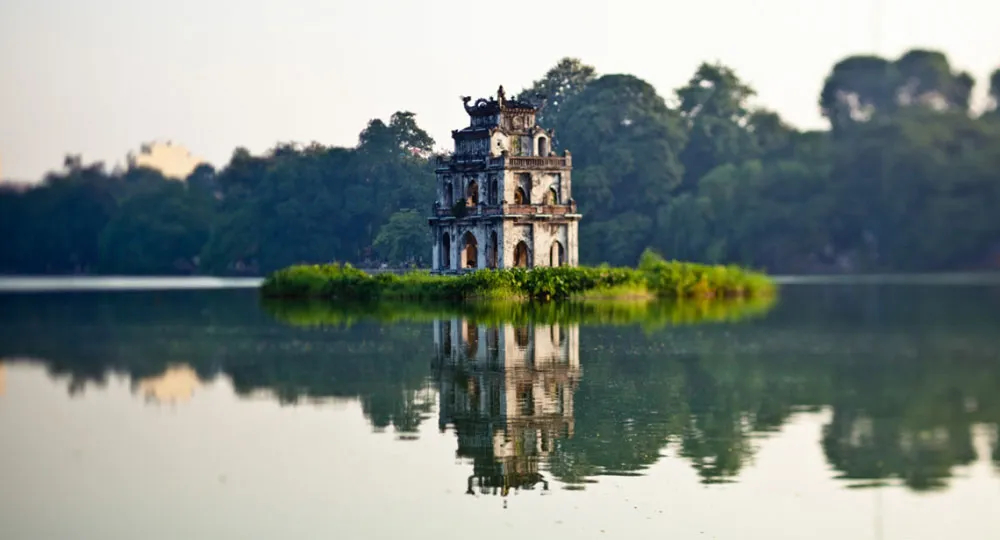
Walking around Hoan Kiem Lake, you begin to notice a calmer side of the city where locals gather and unwind. The balance between movement and stillness defines Hanoi’s charm. Street food becomes an essential part of the experience, offering bold and memorable flavors. This first impression sets the stage for your Vietnam journey.
Day 8–9: Sapa – Mountains and ethnic culture
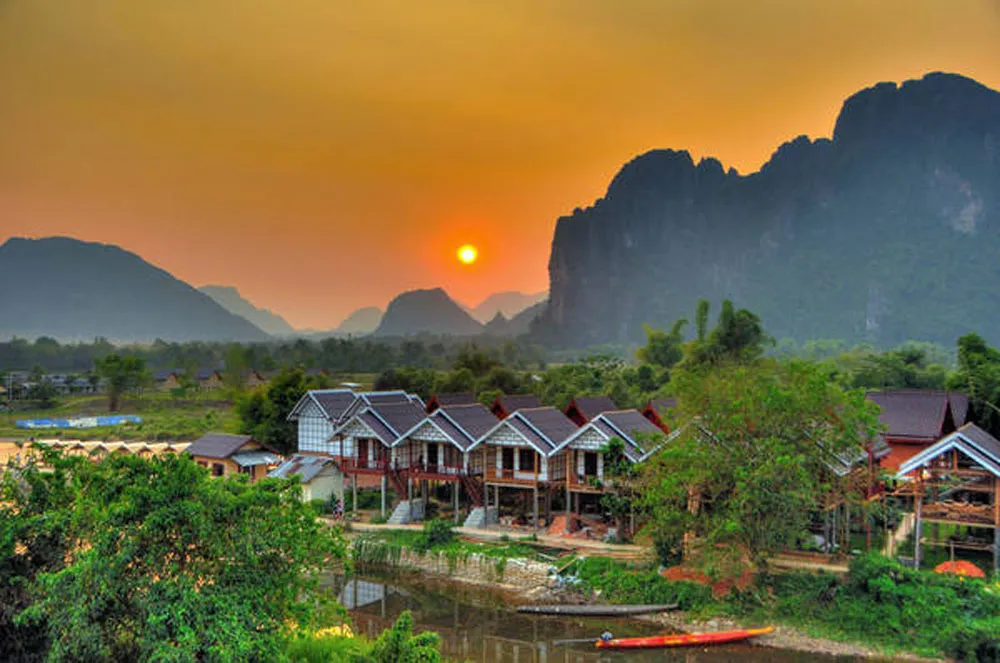
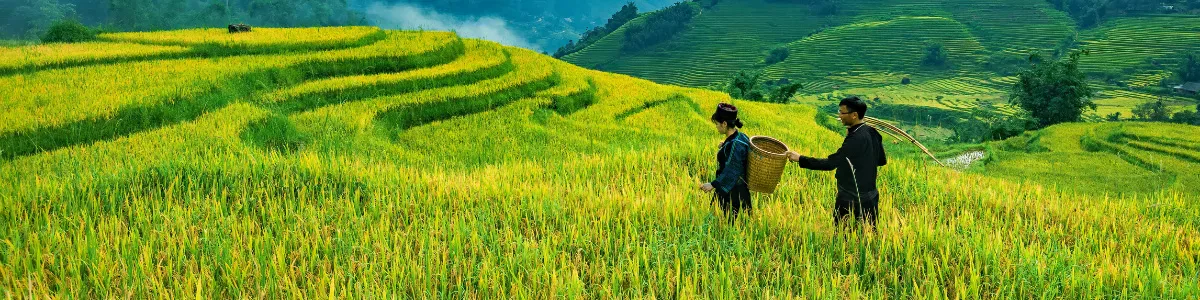
Traveling to Sapa takes you into northern Vietnam’s mountainous region, where terraced rice fields and misty landscapes create a dramatic setting. The journey itself feels like an adventure, moving from city life into remote countryside. Trekking through villages introduces you to ethnic communities and traditional ways of life. This experience feels both personal and immersive.
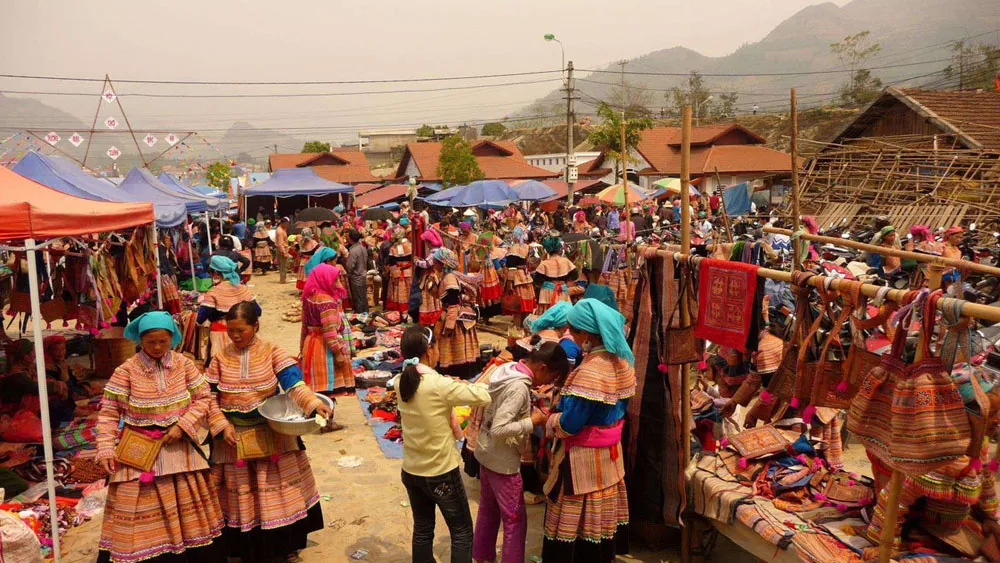
The scenery constantly changes, with valleys, mountains, and small homes creating a peaceful yet dynamic environment. Interacting with locals adds depth to the journey, making it more than just a visual experience. The slower pace allows you to connect with nature and culture. Sapa becomes a highlight of contrast within your itinerary.
Day 10–11: Ha Long Bay – Natural wonder
Returning to the coast, Ha Long Bay offers one of Vietnam’s most iconic landscapes, where limestone karsts rise dramatically from the sea. Boarding a cruise allows you to fully explore this UNESCO-listed destination. The environment feels calm, expansive, and almost otherworldly. This is where the journey slows down again.
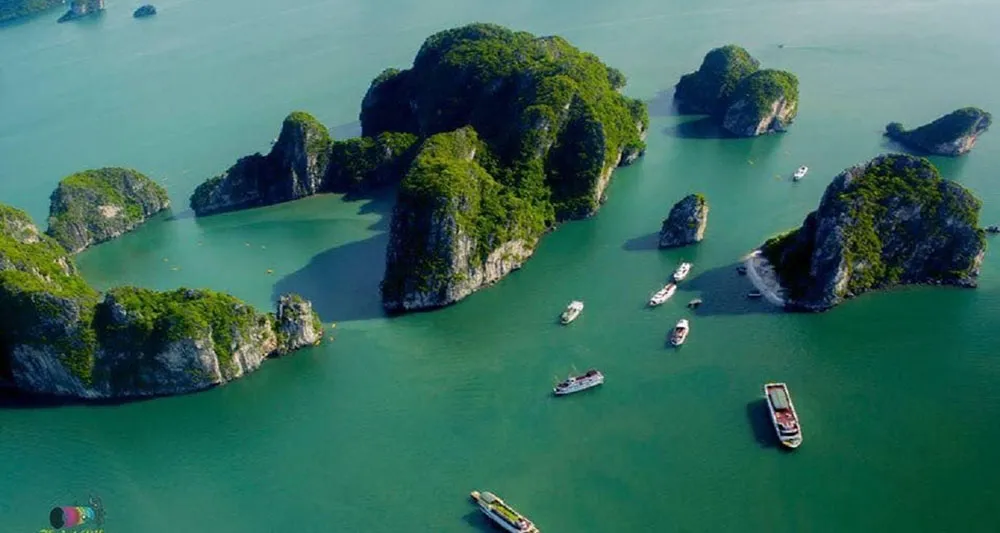
Activities like kayaking, cave exploration, and sunset viewing create a sequence of memorable moments. The peaceful setting contrasts beautifully with the energy of Hanoi and Sapa. Each experience feels connected to the natural surroundings. Ha Long Bay becomes a defining highlight of your Thailand and Vietnam itinerary.
Day 12–13: Hoi An – Timeless charm
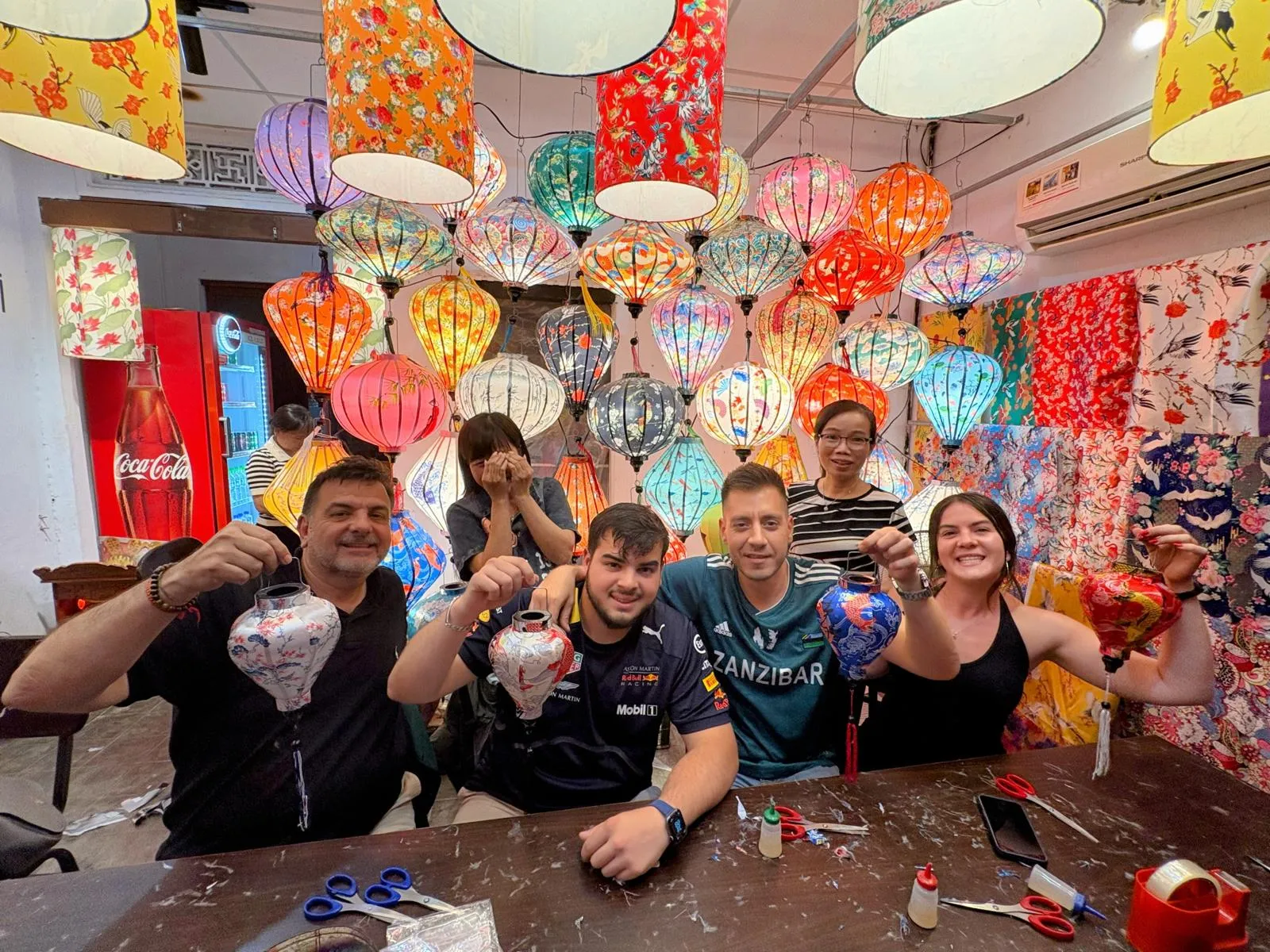
Flying to Hoi An, you enter a town that feels preserved in time, where lanterns, riverside streets, and traditional houses create a unique atmosphere. Walking through Hoi An Ancient Town reveals layers of history shaped by trade and culture. The pace slows naturally, allowing you to explore without pressure. This setting feels both intimate and inviting.
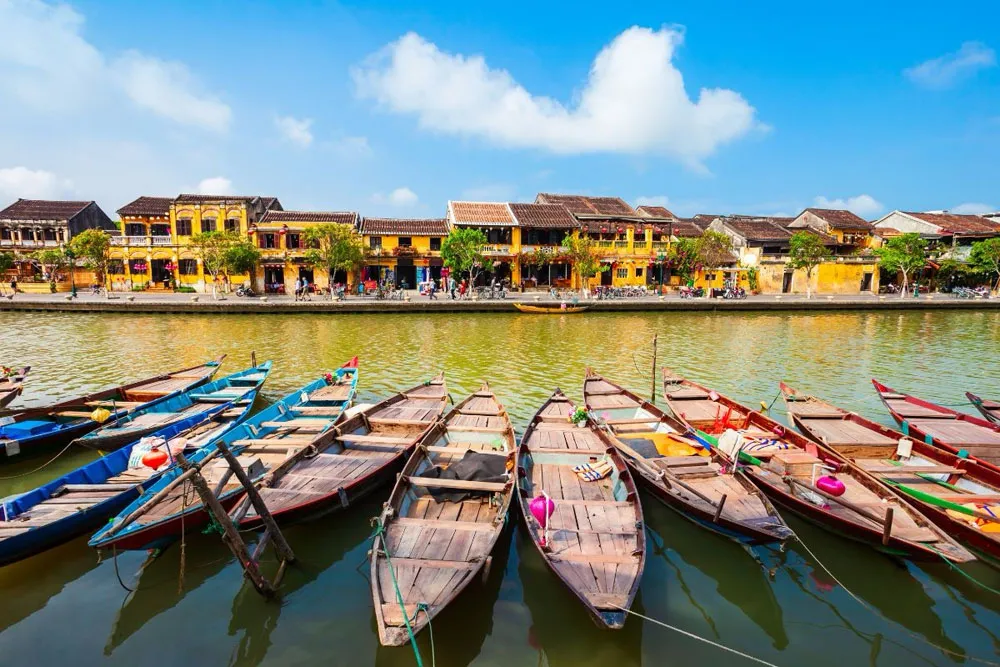
Evenings in Hoi An are particularly special, as the town lights up with colorful lanterns reflecting on the river. Visiting nearby An Bang Beach or local villages adds variety to the experience. Food plays a central role, offering some of Vietnam’s most distinctive dishes. This balance makes Hoi An one of the most enjoyable stops.
Day 14–15: Ho Chi Minh City – Modern Vietnam
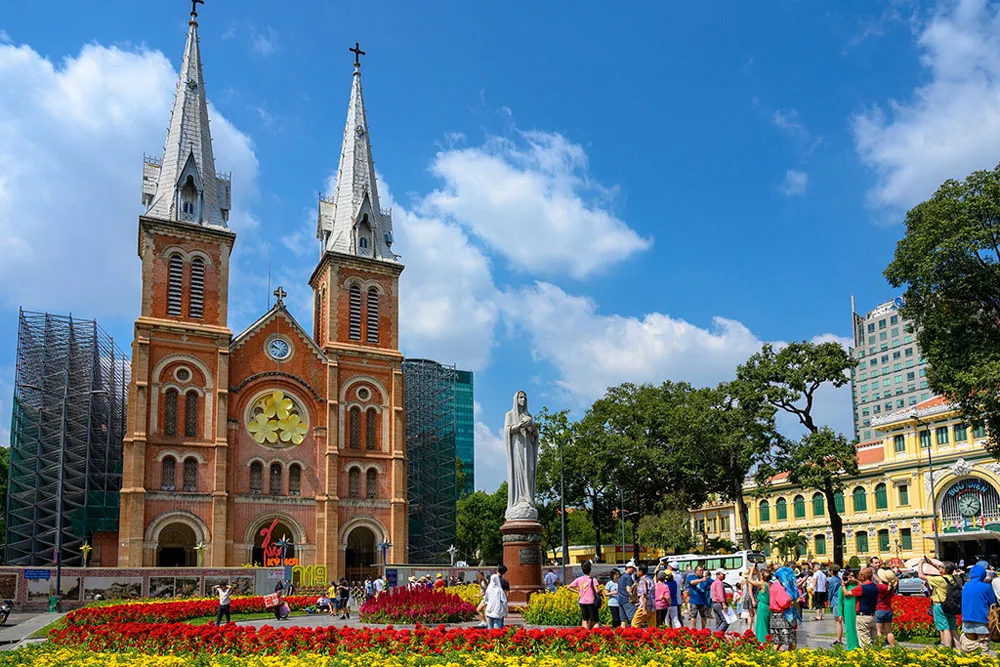
Arriving in Ho Chi Minh City, the energy shifts once again into something fast-paced and modern. The skyline, traffic, and nightlife create a dynamic environment that contrasts with central Vietnam. Visiting landmarks like Notre Dame Cathedral Basilica of Saigon and the War Remnants Museum provides historical context. This combination of past and present defines the city.
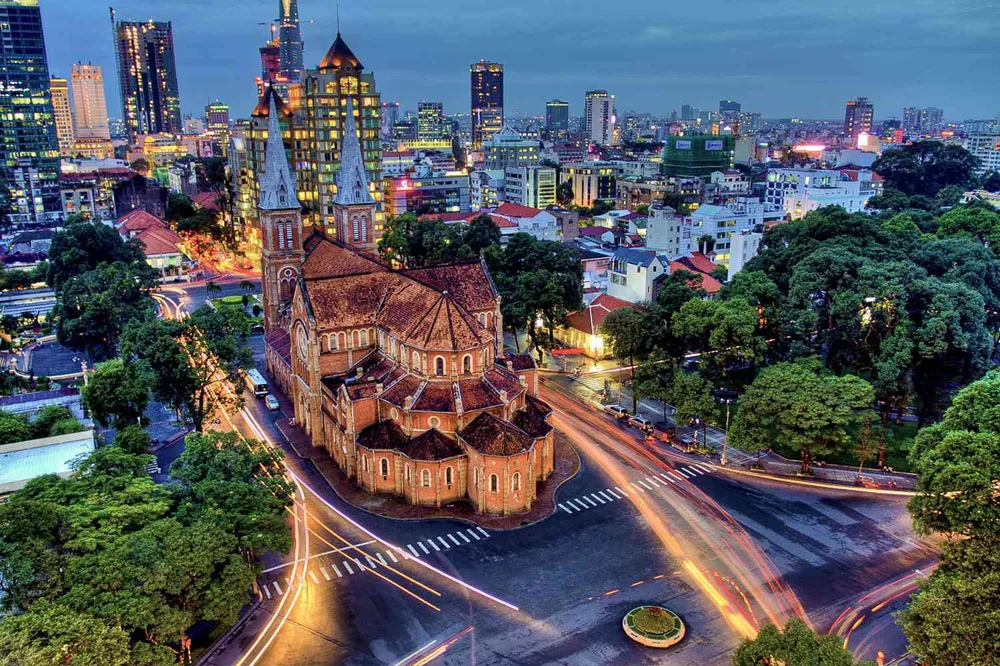
Exploring markets and cafés reveals everyday life in a rapidly developing urban space. The atmosphere feels constantly moving and evolving. This final stage of Vietnam adds excitement and perspective. It completes the journey with a strong urban contrast.
Travel Tips for Thailand and Vietnam Itinerary
-
Plan your route in one direction to avoid unnecessary travel time.
-
Use flights for long distances between regions.
-
Balance busy sightseeing with relaxation days.
-
Prepare visas and travel documents in advance.
A Thailand and Vietnam itinerary offers a rich and diverse journey through two countries that complement each other in surprising ways. From temples and beaches to mountains and historic cities, each destination adds a new layer to the experience.
With the right planning, this Thailand and Vietnam itinerary becomes more than just a trip. It becomes a story of discovery, contrast, and connection across Southeast Asia. Contact Custom Asia Travel now
Don't miss out
Stay up-to-date with our special offers