

Thailand and Vietnam Itinerary 3 Weeks: The Ultimate Southeast Asia Journey
- Before you go
- April 17, 2026
A Thailand and Vietnam itinerary 3 weeks offers the perfect balance between exploration and relaxation, allowing you to experience two of Southeast Asia’s most diverse and captivating countries in one seamless journey.
- Overview of Thailand and Vietnam Itinerary 3 Weeks
- Day 1: Bangkok – First impressions of Thailand
- Day 2: Bangkok – Temples and culture
- Day 3: Bangkok to Chiang Mai – Northern transition
- Day 4: Chiang Mai – Culture and nature
- Day 5: Chiang Mai to Southern Thailand – Beach transition
- Day 6–7: Southern Thailand – Islands and relaxation
- Day 8: Flight to Hanoi – Entering Vietnam
- Day 9–10: Ha Long Bay – Natural wonder
- Day 11: Hanoi to Hoi An – Cultural shift
- Day 12–13: Hoi An – Culture and relaxation
- Day 14: Hoi An to Ho Chi Minh City – Urban energy
- Day 15–16: Mekong Delta – Rural life
- Day 17–21: Flexible ending or extensions
- Travel Tips for Thailand and Vietnam Itinerary 3 Weeks
Overview of Thailand and Vietnam Itinerary 3 Weeks
A well-designed Thailand and Vietnam itinerary 3 weeks typically follows a north-to-south or south-to-north route, combining major highlights with moments of rest to avoid travel fatigue.
The journey usually covers Bangkok – Northern Thailand – Southern Thailand – Hanoi – Central Vietnam – Ho Chi Minh City, creating a natural flow between cultures and landscapes. Distances are managed through a mix of flights and scenic routes, ensuring that travel time does not overwhelm the experience. This structure allows each destination to feel meaningful rather than rushed.
The best time for a Thailand and Vietnam itinerary 3 weeks is generally from November to April, when both countries enjoy relatively dry and pleasant weather conditions. Northern Vietnam and Northern Thailand can be cooler during winter months, while southern regions remain warm and ideal for beach activities. Traveling during this period ensures better visibility for landscapes and more comfortable exploration overall.
Day 1: Bangkok – First impressions of Thailand
Arriving in Bangkok, you are immediately surrounded by a city that blends tradition and modernity in a way that feels both intense and fascinating. The bustling streets, lined with street food vendors and towering buildings, create an energy that defines Thailand’s capital. Exploring areas like Khao San Road introduces you to the city’s vibrant backpacker scene, while nearby markets offer a taste of local life. This first encounter sets the tone for the entire Thailand and Vietnam itinerary 3 weeks.
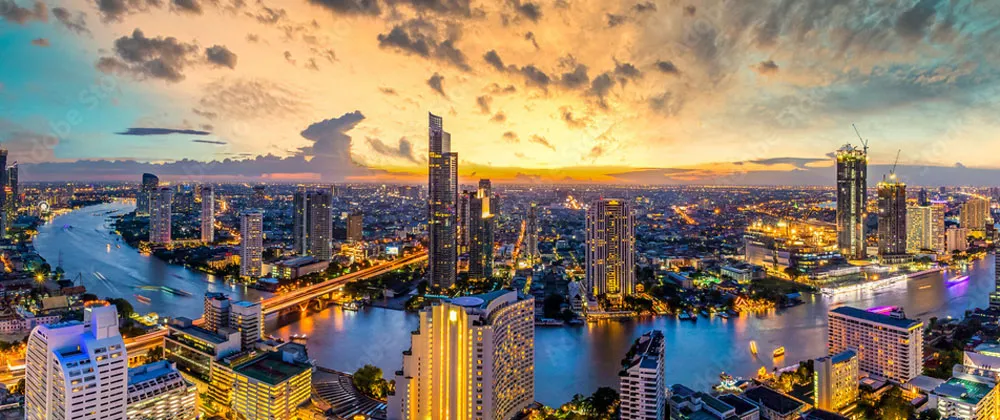
As the evening unfolds, visiting riverside areas along the Chao Phraya River provides a different perspective of Bangkok, where temples and modern buildings reflect beautifully on the water. A dinner cruise or rooftop view allows you to take in the skyline while enjoying the city’s atmosphere. The combination of movement, light, and sound creates a sensory experience that feels uniquely Bangkok. By the end of the day, the city’s energy becomes both overwhelming and exciting in the best way.
Day 2: Bangkok – Temples and culture
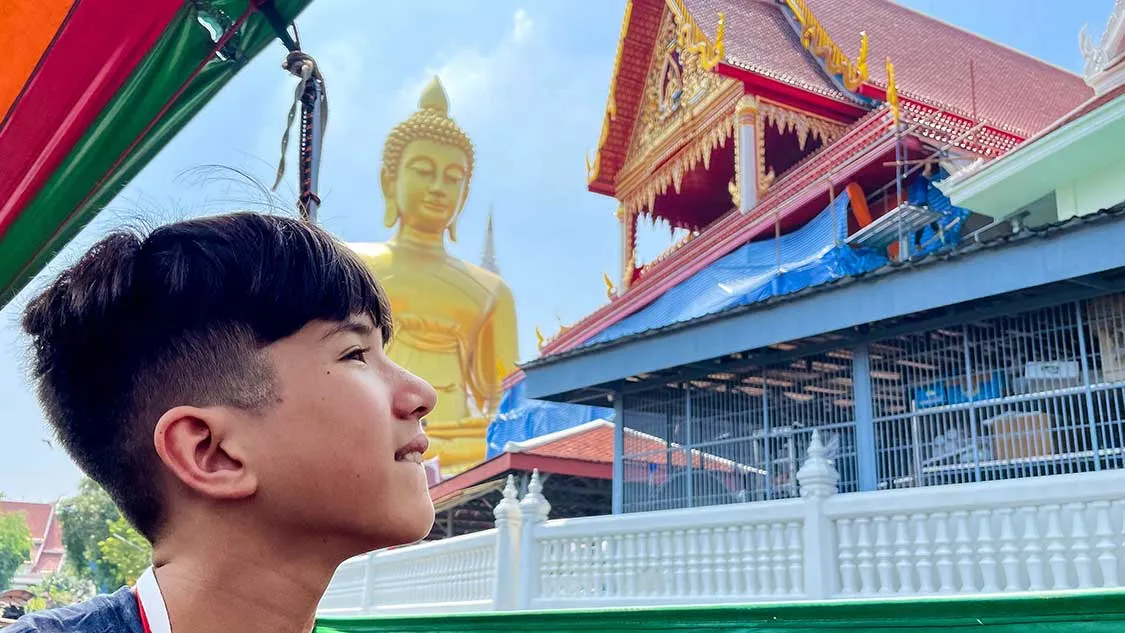
Exploring deeper into Bangkok, the city reveals its spiritual and historical side through its iconic temples and royal landmarks. Visiting the Grand Palace and Wat Phra Kaew introduces you to Thailand’s royal heritage and intricate architectural beauty. Moving on to Wat Pho, you encounter the famous reclining Buddha, which adds another layer to the city’s cultural identity. These sites provide a strong foundation for understanding Thai traditions.
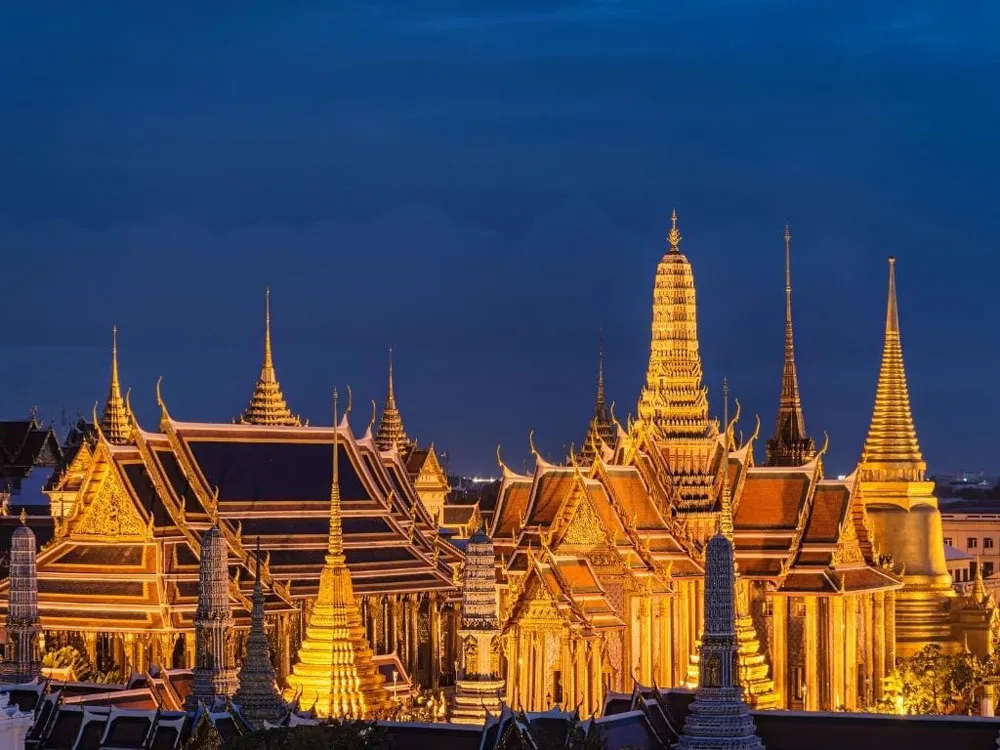
Walking through nearby streets and markets, you begin to see how modern life coexists with these historical spaces. Street food, local shops, and everyday routines continue around these landmarks, creating a dynamic urban environment. The contrast between sacred spaces and daily life makes Bangkok feel both grounded and extraordinary. This day deepens your connection to Thailand before heading north.
Day 3: Bangkok to Chiang Mai – Northern transition
Flying to Chiang Mai shifts the atmosphere from urban intensity to a more relaxed and cultural environment in northern Thailand. Surrounded by mountains, the city feels calmer and more spacious compared to Bangkok. Exploring the Chiang Mai Old City introduces you to ancient temples and quiet streets that reflect a slower pace of life. This transition creates a refreshing change in your itinerary.
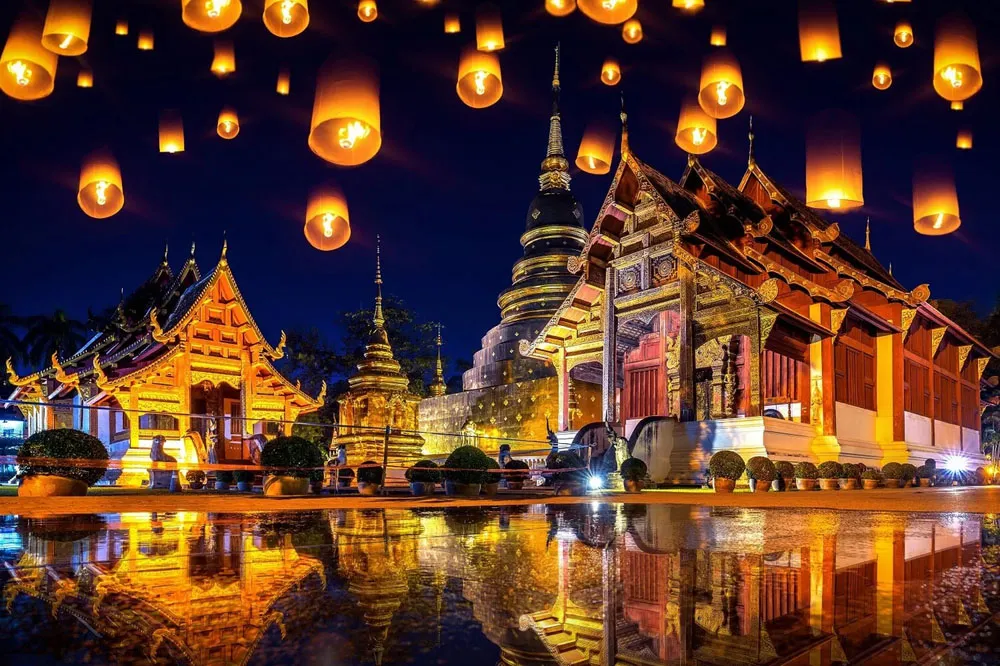
Visiting temples like Wat Phra Singh or climbing up to Wat Phra That Doi Suthep offers stunning views and deeper cultural insight. The combination of nature and spirituality defines Chiang Mai’s unique charm. As the sun sets, night markets bring the city to life in a softer and more local way. This balance makes Chiang Mai an essential stop in your Thailand and Vietnam itinerary 3 weeks.
Day 4: Chiang Mai – Culture and nature
Spending more time in Chiang Mai allows you to explore beyond temples and experience local traditions more deeply. Visiting nearby villages or participating in cultural activities adds a hands-on element to your journey. The surrounding countryside, filled with mountains and forests, creates a peaceful and refreshing environment. This slower pace feels intentional and rewarding.
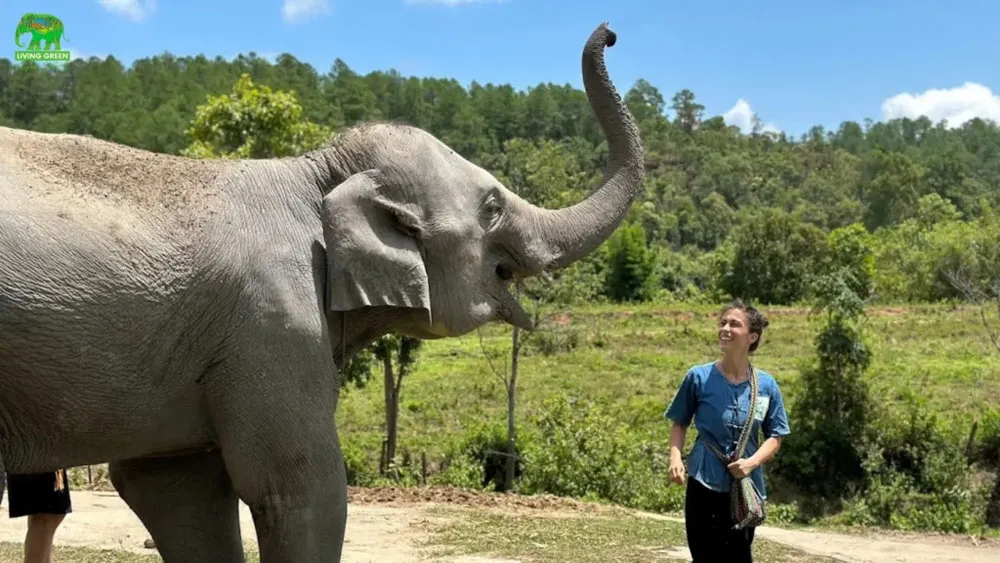
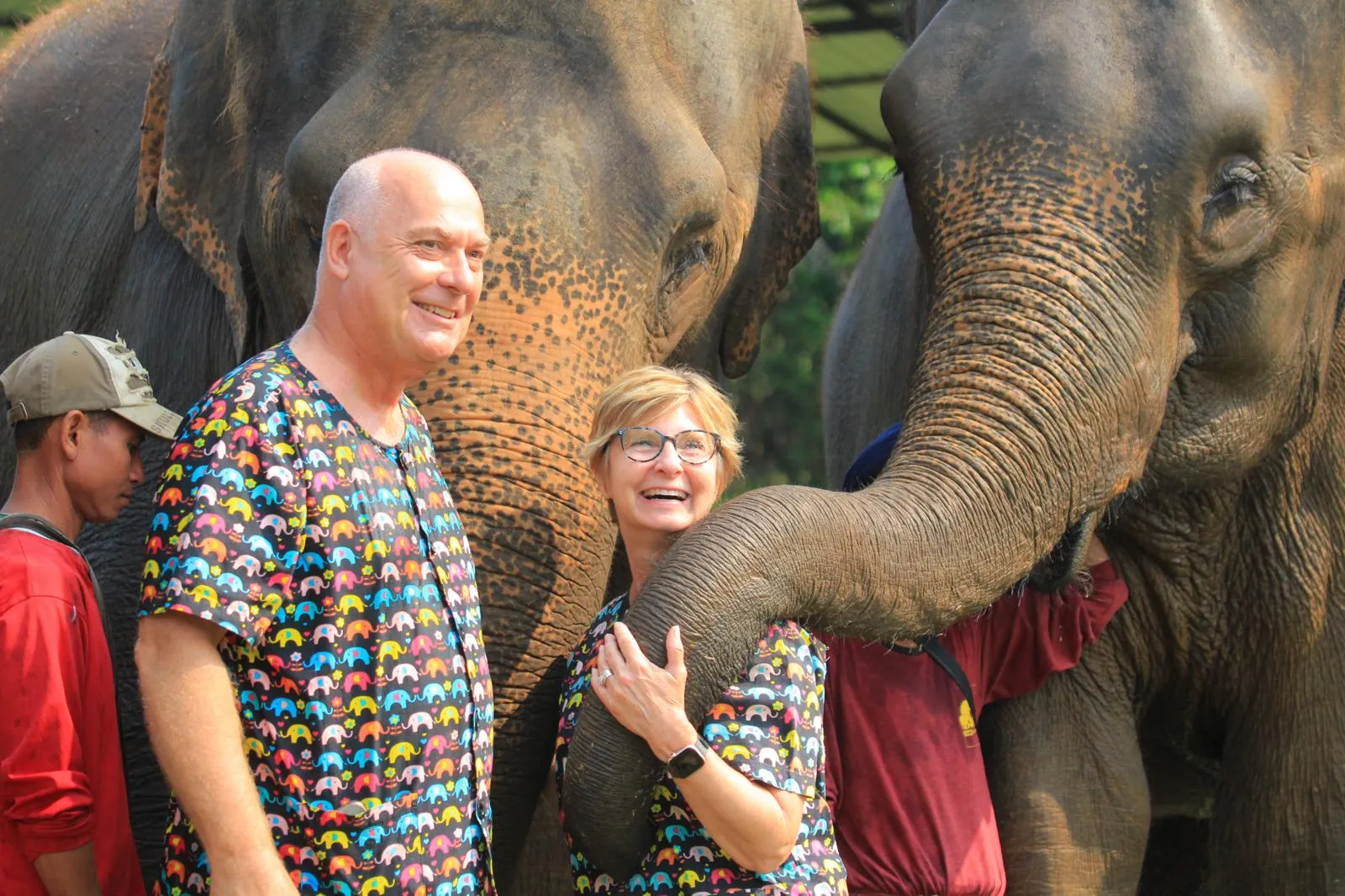
Whether you choose to visit ethical elephant sanctuaries or explore waterfalls, the day offers a strong connection to nature. These experiences provide contrast to the cities visited earlier. The combination of culture and landscape makes Chiang Mai feel both relaxing and meaningful.
Day 5: Chiang Mai to Southern Thailand – Beach transition
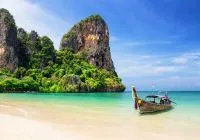
Leaving the mountains behind, the journey to southern Thailand introduces a completely different environment focused on beaches and islands. Destinations like Phuket or Krabi offer clear waters, dramatic limestone cliffs, and a tropical atmosphere. The shift from inland culture to coastal relaxation feels both refreshing and exciting. This transition adds diversity to your Thailand and Vietnam itinerary 3 weeks.
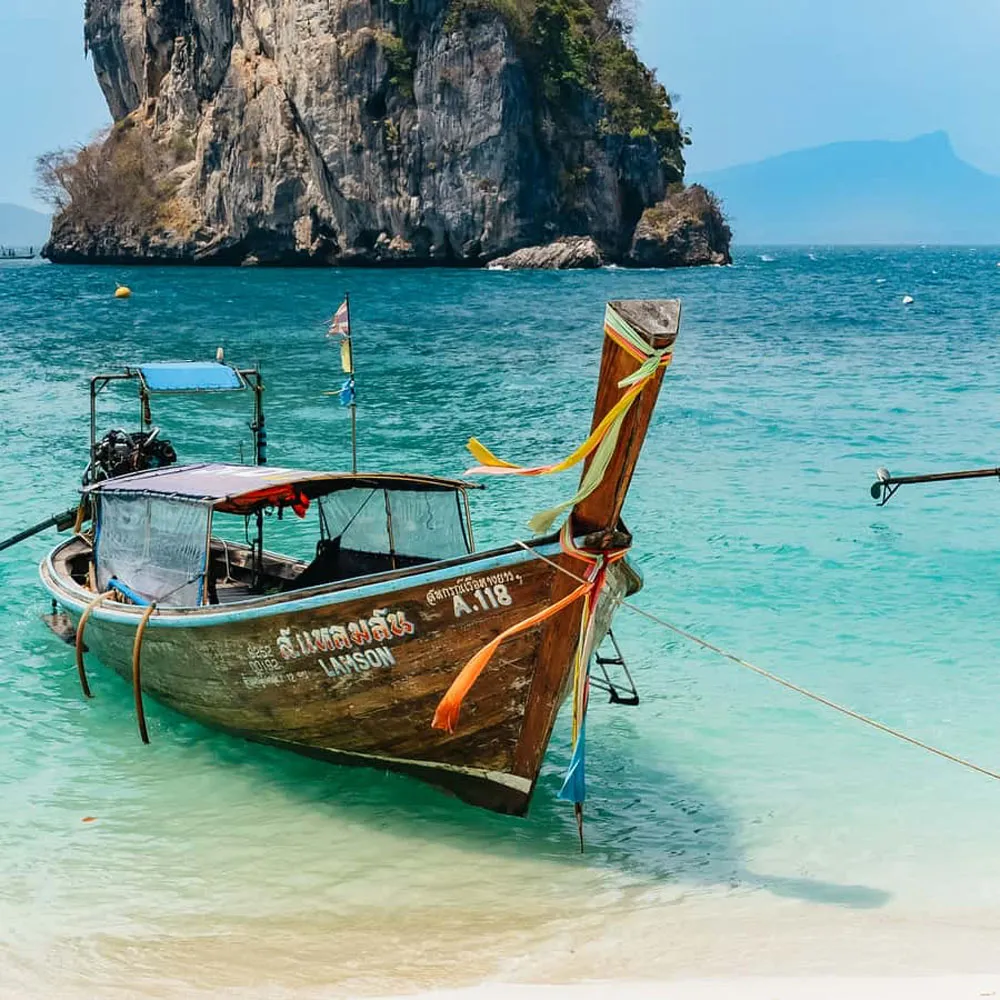
Arriving at the coast, the pace slows as you begin to enjoy beach life and ocean views. Sunset over the Andaman Sea creates a calm and scenic end to the day. The sound of waves replaces city noise, bringing a sense of relaxation. This moment marks a new phase of the journey.
Day 6–7: Southern Thailand – Islands and relaxation
Spending time in destinations like Phi Phi Islands or Railay Beach allows you to fully experience Thailand’s tropical beauty. Boat trips, snorkeling, and beach exploration create a mix of activity and relaxation. The scenery feels almost surreal, with turquoise water and towering cliffs surrounding you. These days are about slowing down and enjoying the environment.
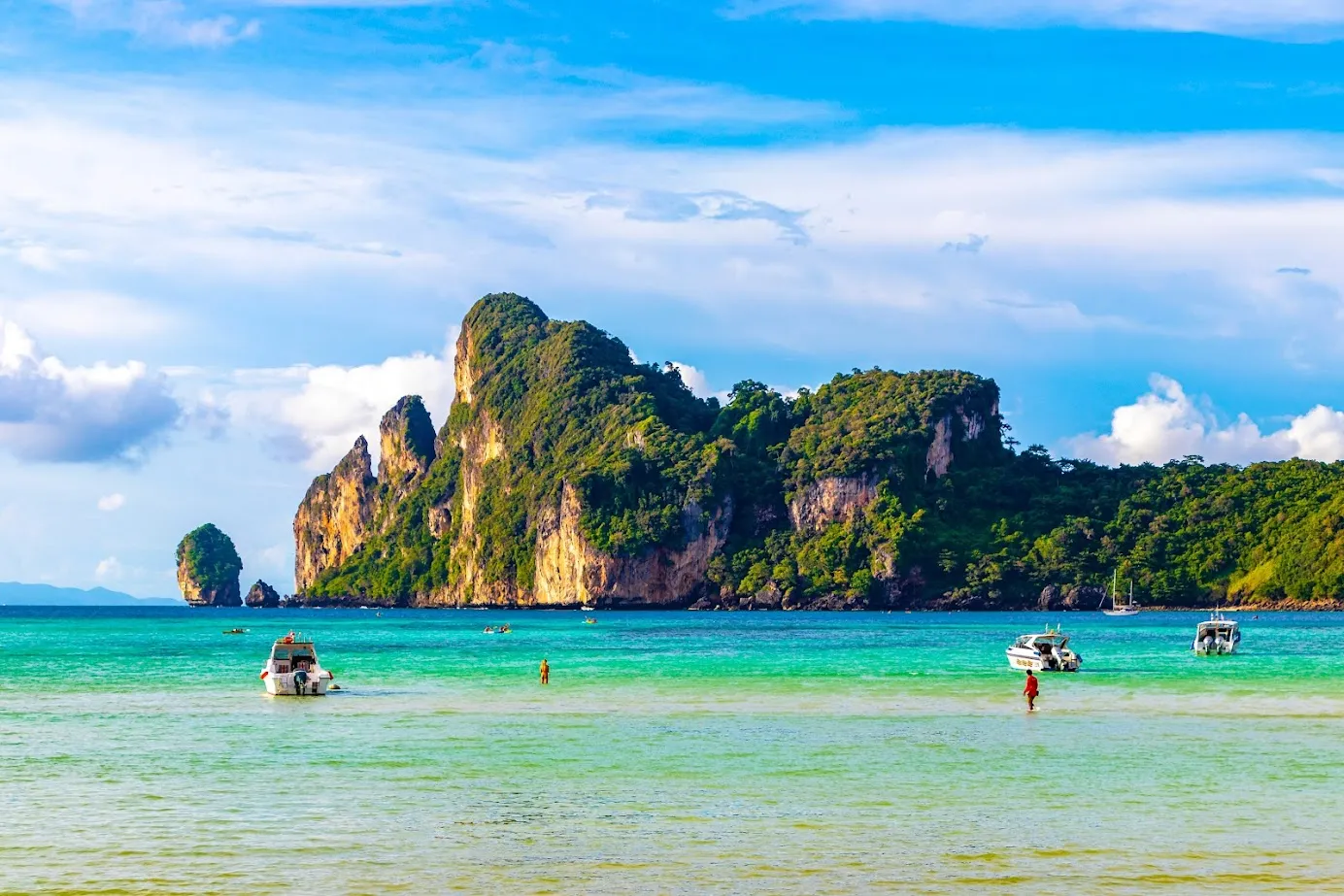
Whether you explore hidden lagoons or simply relax by the beach, the experience feels effortless and enjoyable. The balance between adventure and rest is what makes this part of the trip so satisfying. It provides a break before transitioning to Vietnam. These moments help recharge your energy for the next stage.
Day 8: Flight to Hanoi – Entering Vietnam
Flying to Hanoi marks the beginning of your Vietnam experience, where the atmosphere shifts into something more traditional and layered. The city feels different from Thailand, with a stronger sense of history and a unique urban rhythm. Exploring the Hanoi Old Quarter introduces you to Vietnam’s street culture and daily life. This transition feels both exciting and immersive.
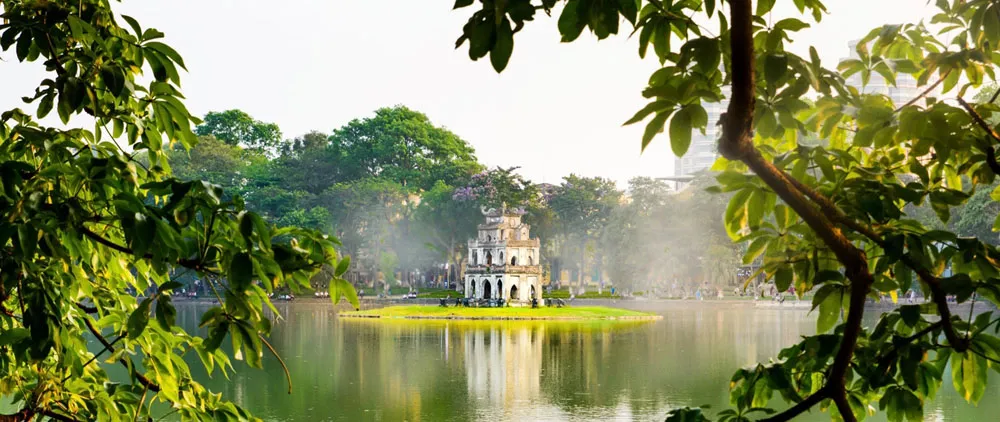
Walking around Hoan Kiem Lake, you notice a calmer side of the city where locals gather and unwind. The mix of movement and stillness creates a balanced environment. Street food becomes an essential part of the experience, offering new flavors and textures. This first day sets the tone for Vietnam.
Day 9–10: Ha Long Bay – Natural wonder
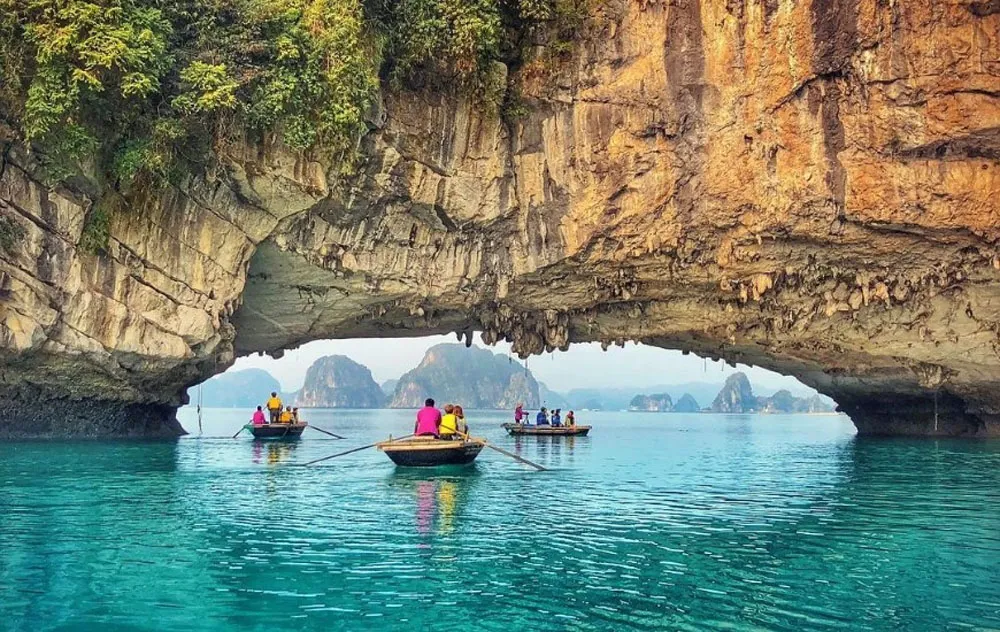
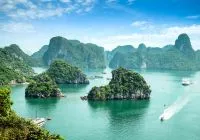
Traveling to Ha Long Bay introduces one of Vietnam’s most iconic landscapes, where limestone karsts rise dramatically from the sea. The transition from city to nature feels refreshing and expansive. Staying overnight on a cruise allows you to fully experience the bay’s beauty. This becomes one of the highlights of the Thailand and Vietnam itinerary 3 weeks.

Kayaking, cave exploration, and sunset views create a sequence of unforgettable moments. The peaceful environment contrasts with Hanoi’s energy, creating a sense of balance. Each activity feels connected to the landscape. This part of the journey feels almost dreamlike.
Day 11: Hanoi to Hoi An – Cultural shift
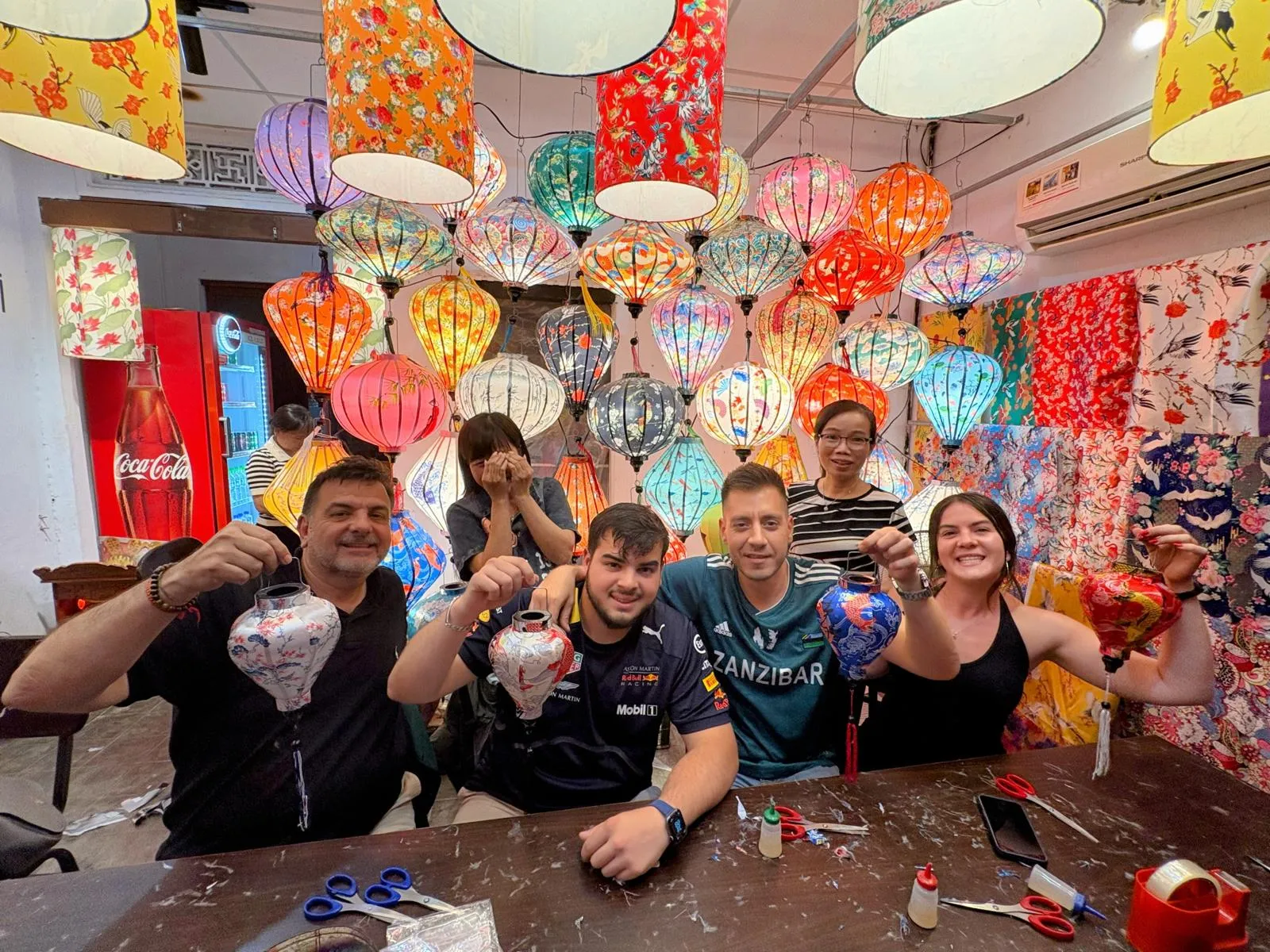
Flying to Hoi An introduces a softer and more intimate atmosphere compared to Hanoi. The town’s preserved architecture and riverside setting create a timeless feeling. Exploring Hoi An Ancient Town reveals lantern-lit streets and traditional houses. This shift adds warmth and charm to your journey.
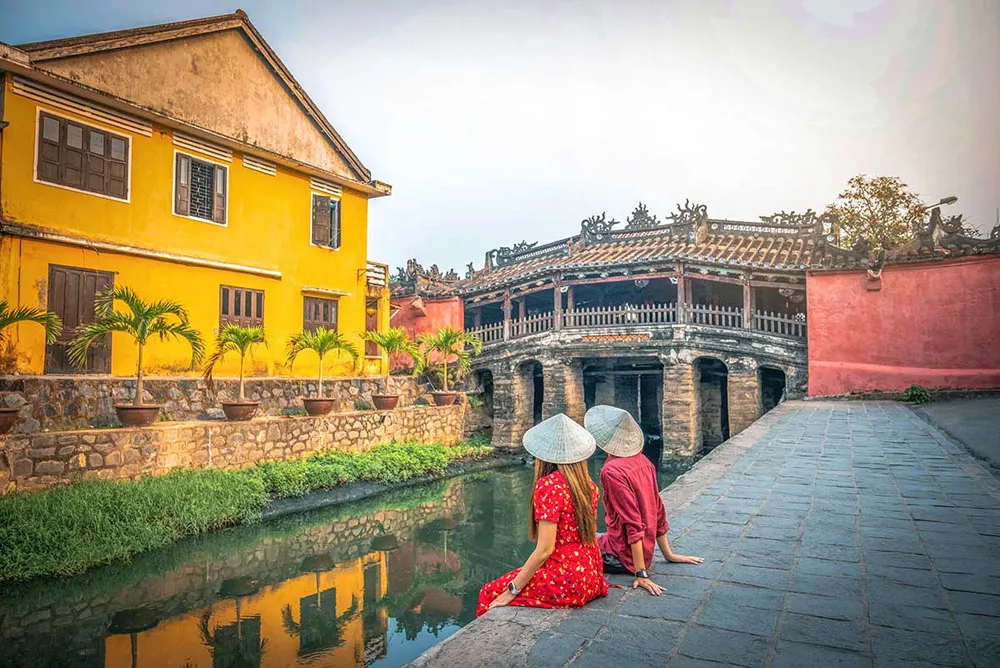
As evening falls, the town transforms into a glowing landscape of colors and reflections. Walking along the river feels calm and immersive. The slower pace invites you to relax and enjoy the moment. Hoi An becomes one of the most memorable stops.
Day 12–13: Hoi An – Culture and relaxation
Spending more time in Hoi An allows you to fully appreciate its unique blend of culture and leisure. Visiting local markets, temples, and nearby villages adds depth to the experience. The environment encourages exploration without pressure. This balance makes the stay enjoyable.
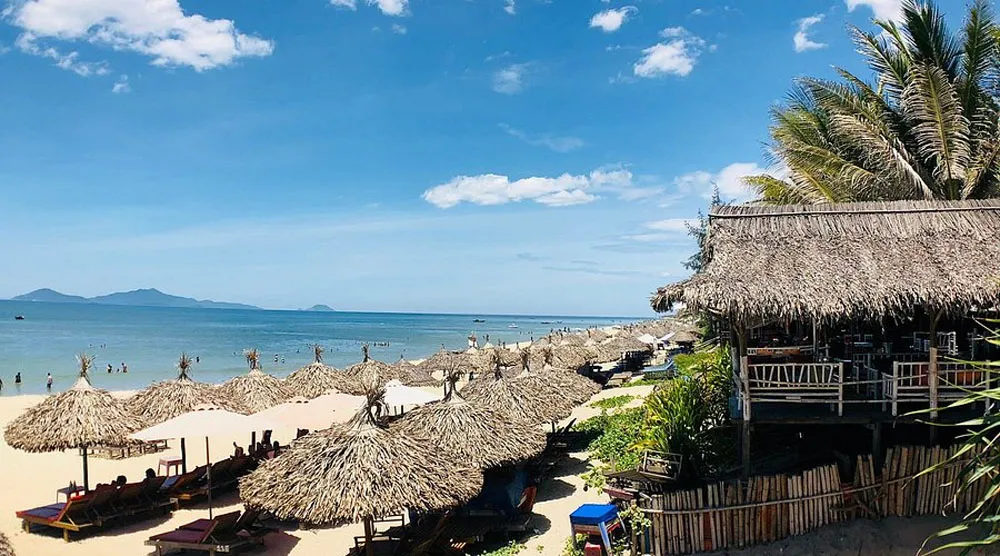
Optional activities like visiting An Bang Beach or joining cooking classes provide variety. Food becomes a central part of the experience, offering rich flavors and local specialties. The relaxed pace continues to define this part of the trip. It creates a perfect midpoint in your itinerary.
Day 14: Hoi An to Ho Chi Minh City – Urban energy
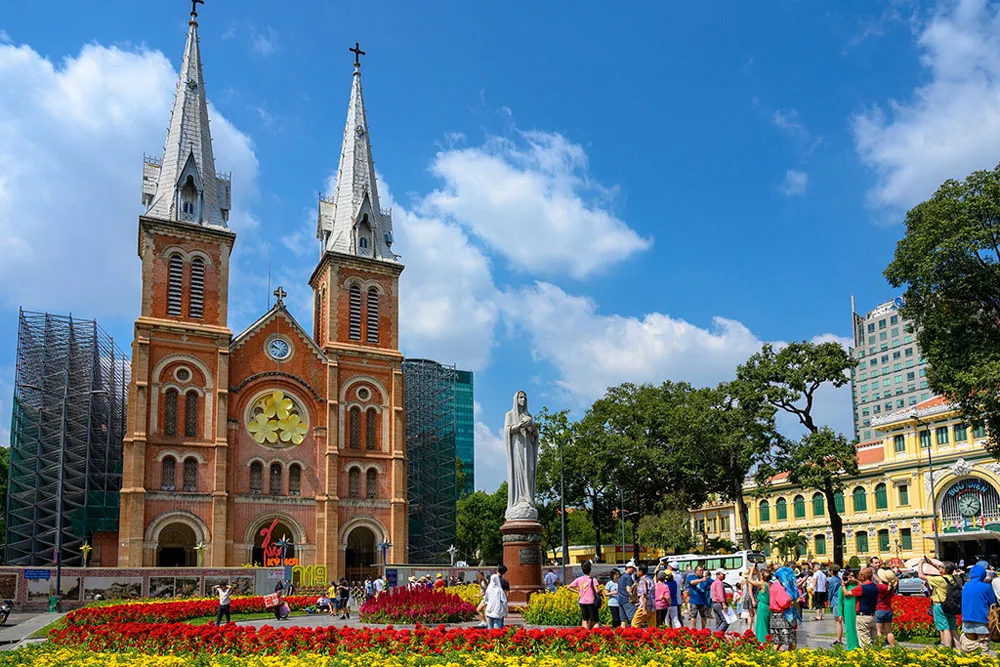
Flying to Ho Chi Minh City introduces a fast-paced and modern environment that contrasts sharply with Hoi An. The city’s skyline, traffic, and nightlife create a dynamic atmosphere. Exploring landmarks like Notre Dame Cathedral Basilica of Saigon adds historical context. This contrast keeps the journey engaging.
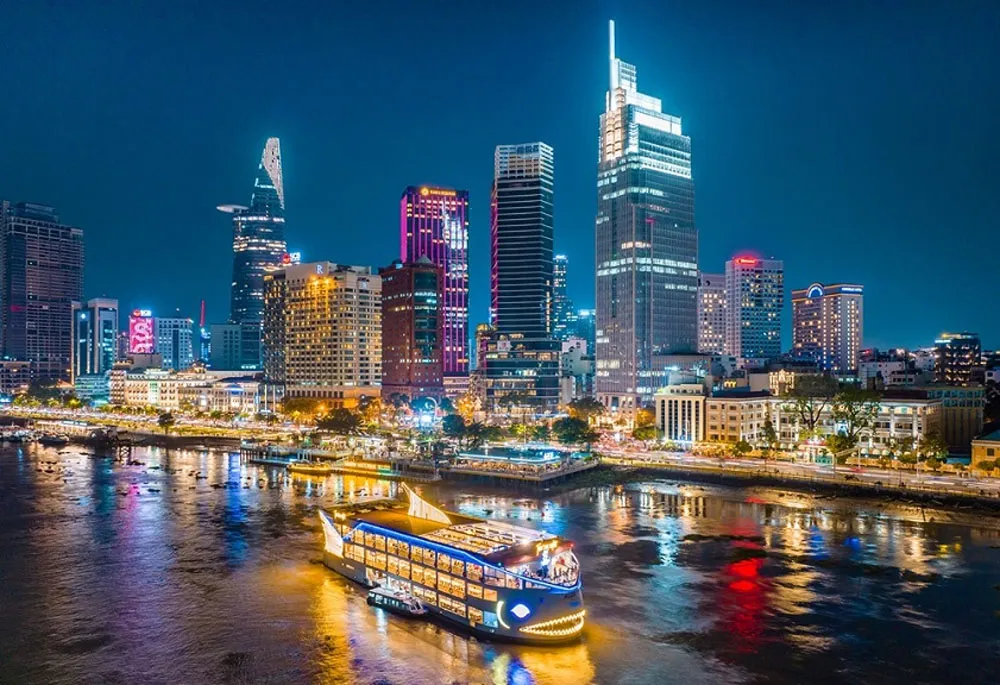
As night falls, rooftop views and busy streets highlight the city’s vibrant character. The energy feels constant and evolving. This shift brings a new perspective to Vietnam. It adds excitement to the final part of your trip.
Day 15–16: Mekong Delta – Rural life
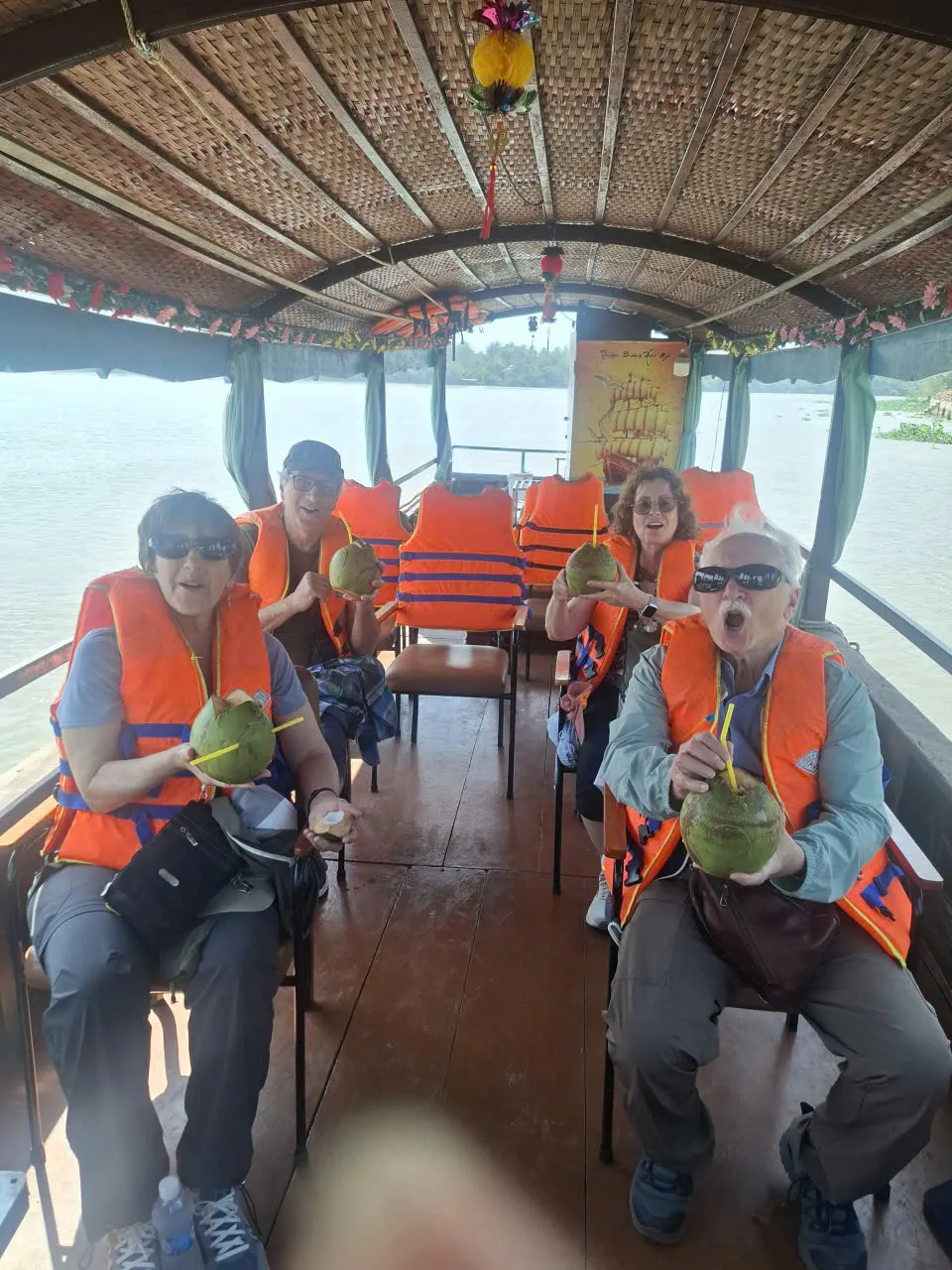
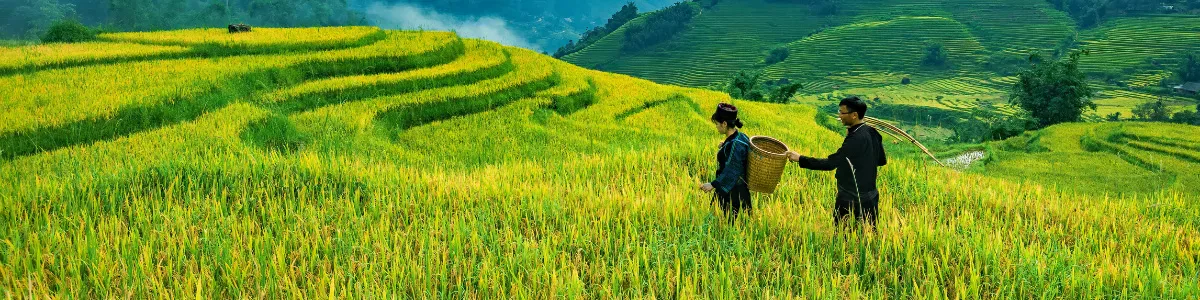
Exploring the Mekong Delta reveals a completely different side of Vietnam, where rivers and agriculture shape daily life. The landscape opens into canals, rice fields, and small villages. Boat trips bring you closer to local communities. This experience feels authentic and grounded.
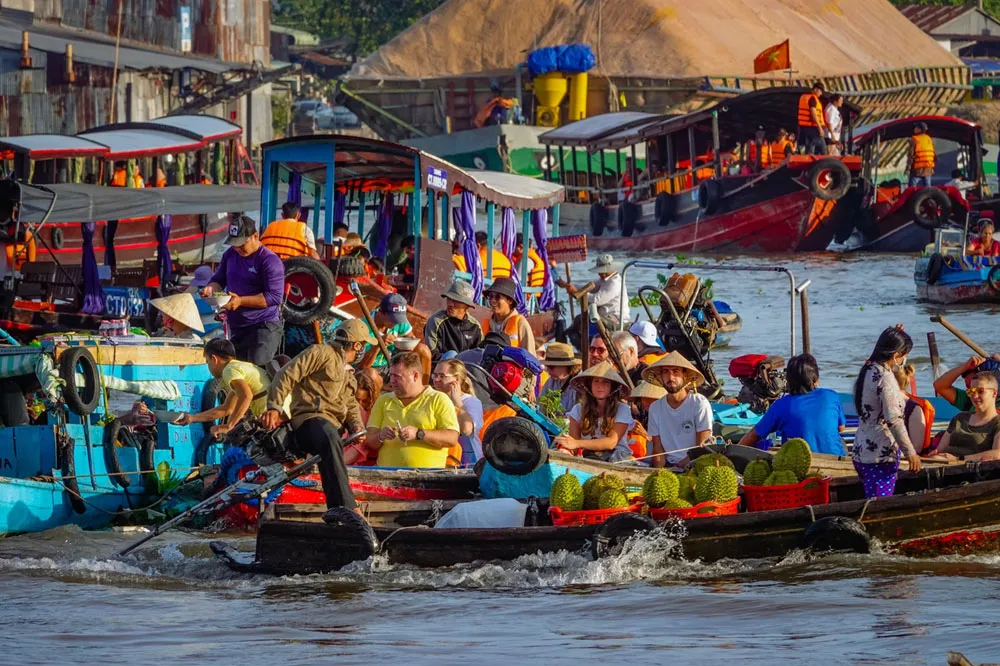
Interactions with locals and visits to workshops add a human dimension to the journey. The slower pace contrasts with city life, creating balance. This part of the itinerary feels personal and immersive. It leaves a lasting impression.
Day 17–21: Flexible ending or extensions
The final days of your Thailand and Vietnam itinerary 3 weeks can be customized depending on your travel style and interests. You may choose to relax further in southern Vietnam or revisit favorite destinations. This flexibility allows the journey to end at your own pace. It ensures a satisfying conclusion.

Whether you extend your stay, explore new areas, or simply unwind, these final days provide space to reflect on everything you’ve experienced. The journey across two countries comes together in a meaningful way. This closing chapter feels both complete and memorable. It leaves you with a lasting connection to Southeast Asia.
Travel Tips for Thailand and Vietnam Itinerary 3 Weeks
-
Travel on a logical route to avoid unnecessary backtracking.
-
Use domestic flights to save time between distant regions.
-
Balance cultural exploration with relaxation days.
-
Prepare visas and travel documents in advance.
This Thailand and Vietnam itinerary 3 weeks offers a complete journey through two countries rich in culture, history, and natural beauty. From bustling cities to peaceful landscapes, each destination adds a new layer to the experience.
If you want a seamless and personalized Thailand and Vietnam itinerary for 3 weeks with private guides, smooth transfers, and carefully designed experiences, working with Custom Asia Travel is the best choice.
Don't miss out
Stay up-to-date with our special offers