Why Spend 2 Months in Vietnam
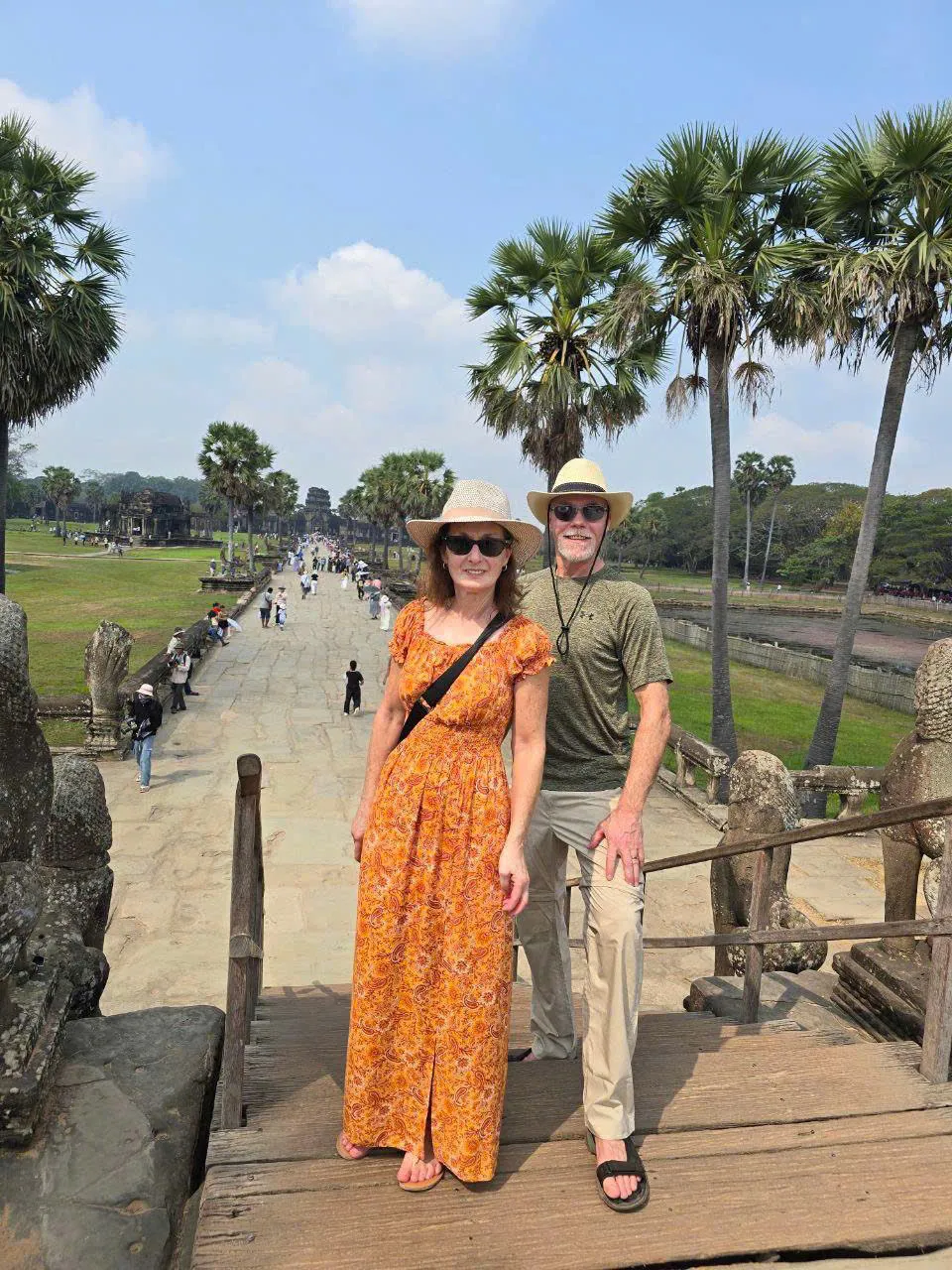
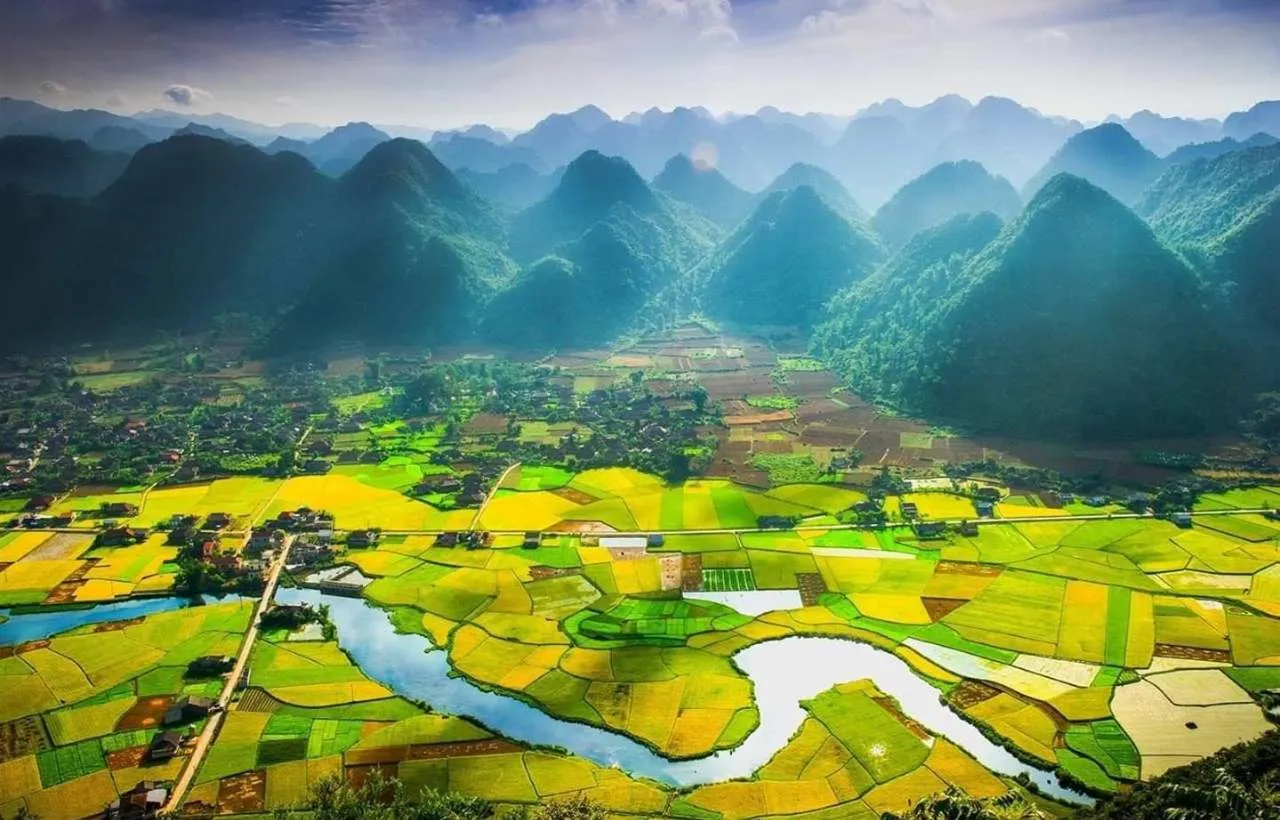
Vietnam is not a country you rush through. It’s a story that unfolds slowly—through the clink of coffee cups in Hanoi, the winding roads of Ha Giang, the soft lantern light in Hoi An, and the sun dipping over the Mekong Delta. Two months give you something rare: time.
-
Move at a relaxed pace—spend more days in each place instead of rushing between highlights.
-
Explore both famous sites and lesser-known gems like Pu Luong, Quy Nhon, and Con Dao.
-
Experience the culture deeply through cooking classes, local markets, and community stays.
-
Enjoy Vietnam’s diverse climates: crisp mountain air, central coast warmth, and tropical beaches.
-
Stretch your budget easily—Vietnam offers affordable stays, delicious meals, and smooth transport connections.
Overview of the 60-Day Vietnam Route
Week 1–2: Northern Vietnam – Hanoi, Ha Giang, and Cao Bang Week 3–4: North-Central Vietnam – Ninh Binh, Ha Long Bay, Phong Nha Week 5: Central Vietnam – Hue, Da Nang, and Hoi An Week 6: Central Highlands – Kon Tum, Buon Ma Thuot, and Da Lat Week 7: Southern Vietnam – Ho Chi Minh City, Mekong Delta Week 8: Southern Islands – Phu Quoc or Con Dao
Weeks 1–2: Northern Vietnam — Mountains, Culture & Frontier Roads
Day 1–4: Hanoi – History, Coffee, and Local Life
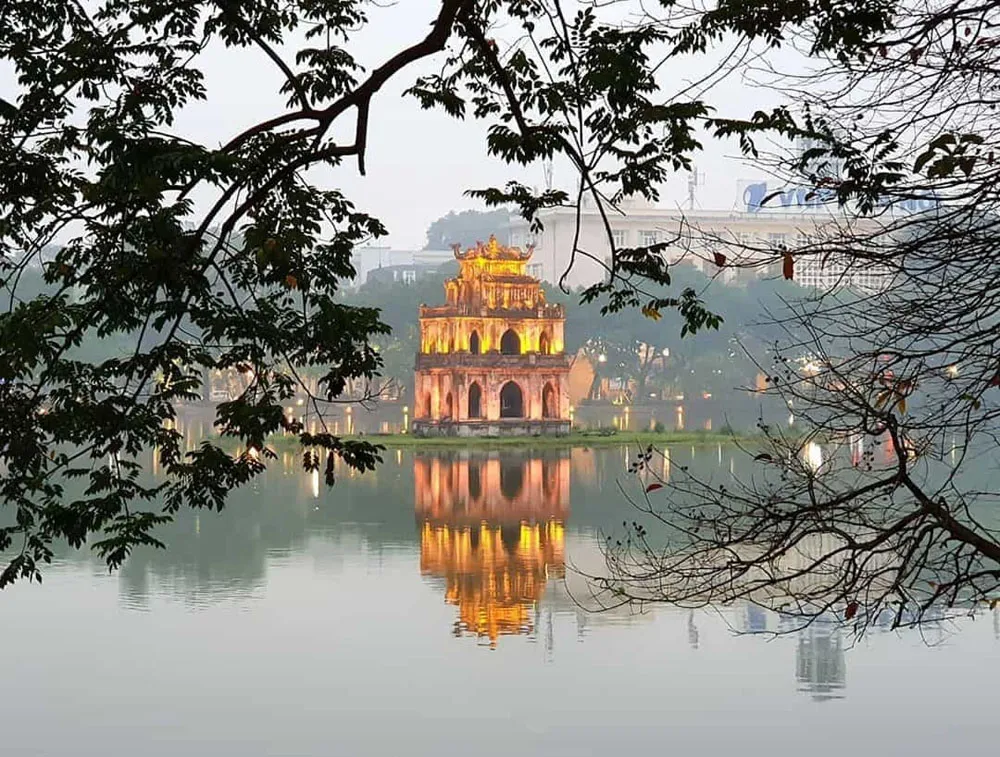
Start in the capital’s heart: wander the Old Quarter’s alleys, taste egg coffee, and visit the Temple of Literature and Ho Chi Minh Mausoleum. Learn about Vietnam’s colonial past at the National Museum of History. Evenings bring food tours and street-side beer (bia hoi). Add a half-day trip to Bat Trang pottery village or Ba Vi countryside for rural charm.

Day 5–10: Ha Giang Loop – The Ultimate Northern Adventure
Head north to Ha Giang and set off on a 5-day motorbike loop through Vietnam’s most dramatic mountains. Highlights include:
-
Quan Ba Heaven’s Gate and the Twin Mountains – The first stop of the Ha Giang Loop offers wide views of misty peaks and valleys. The Twin Mountains, known as the “Fairy Bosom,” stand beautifully against the green karst hills.
-
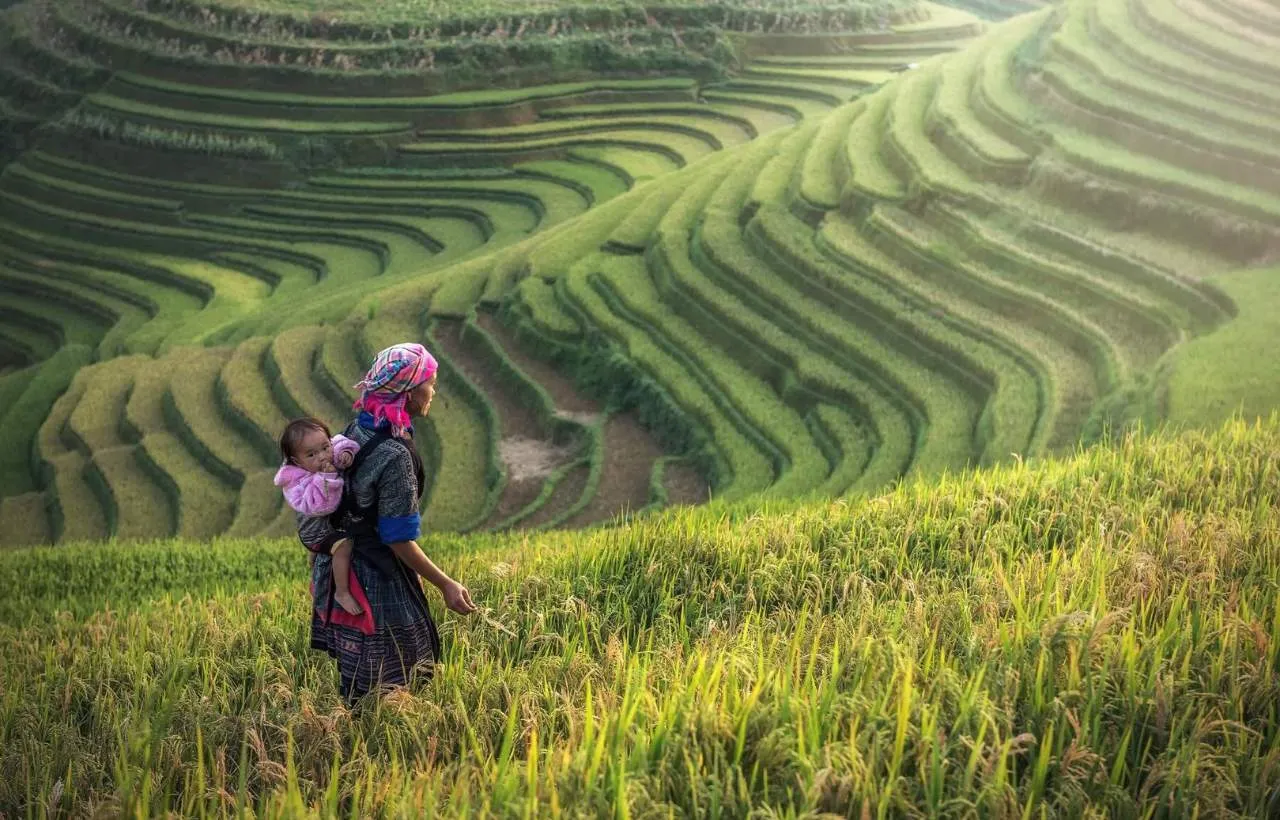
Dong Van Karst Plateau – UNESCO Geopark – A rugged land of limestone peaks and deep valleys, home to Hmong and Lolo communities. Ancient markets and stone houses make this highland both wild and cultural.
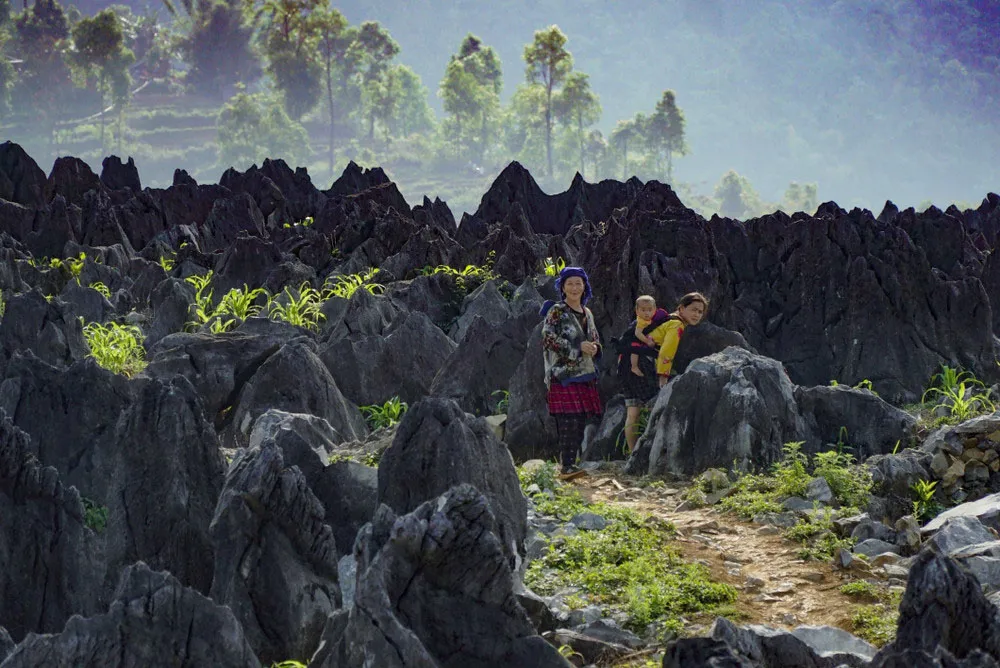
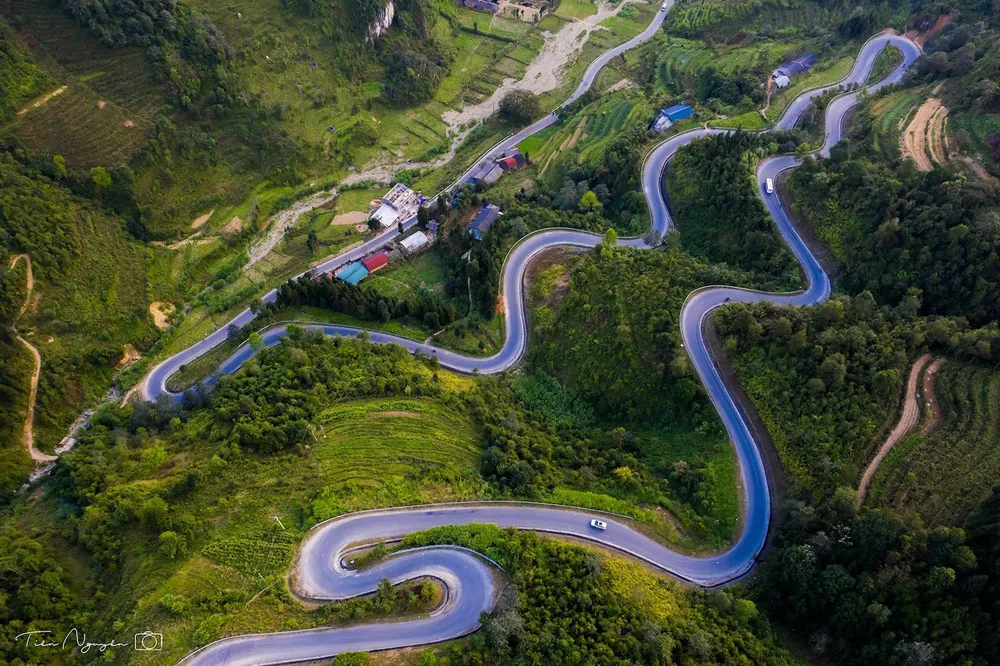
This section is about raw nature, tribal culture, and the feeling of freedom on winding roads.
Day 11–14: Cao Bang & Ban Gioc Waterfall
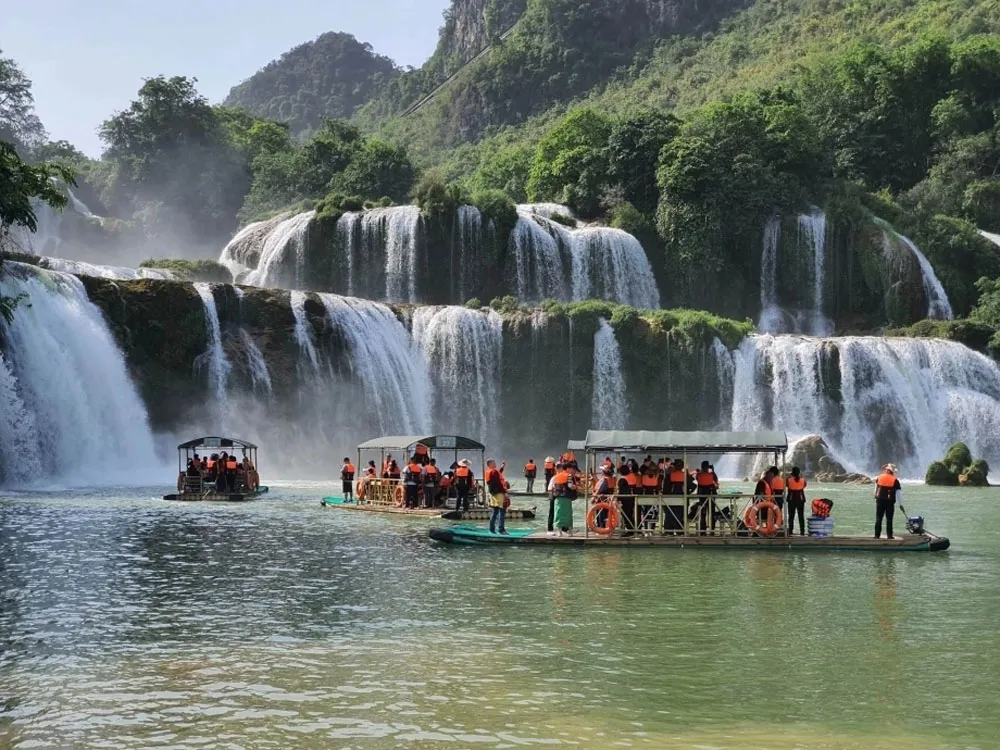
Travel east to Cao Bang, near the Chinese border. Visit Ban Gioc Waterfall, one of Asia’s largest, and Nguom Ngao Cave with its shimmering rock formations. Spend time in Pac Bo, where Ho Chi Minh once lived in exile.
Weeks 3–4: North-Central Vietnam — Rivers, Karsts & Hidden Caves
Day 15–18: Ninh Binh – The Inland Ha Long
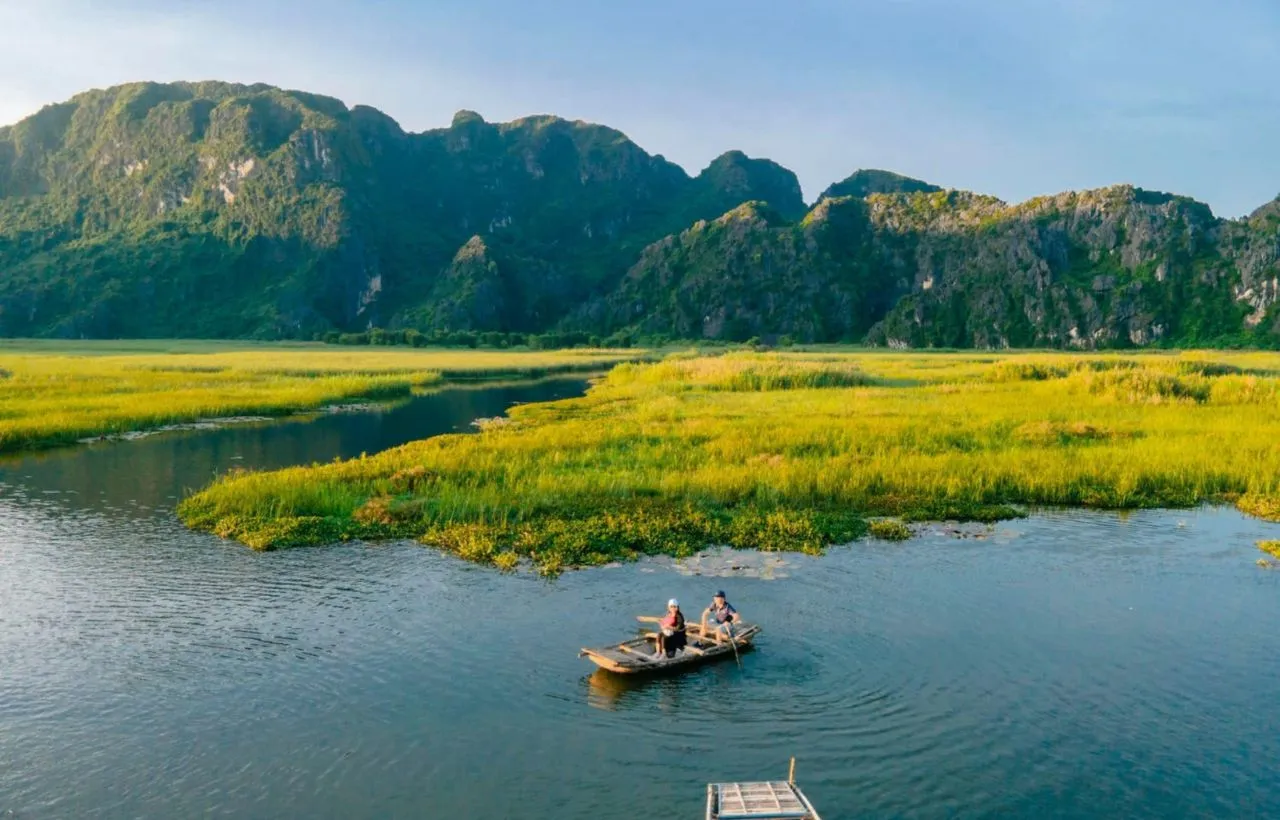
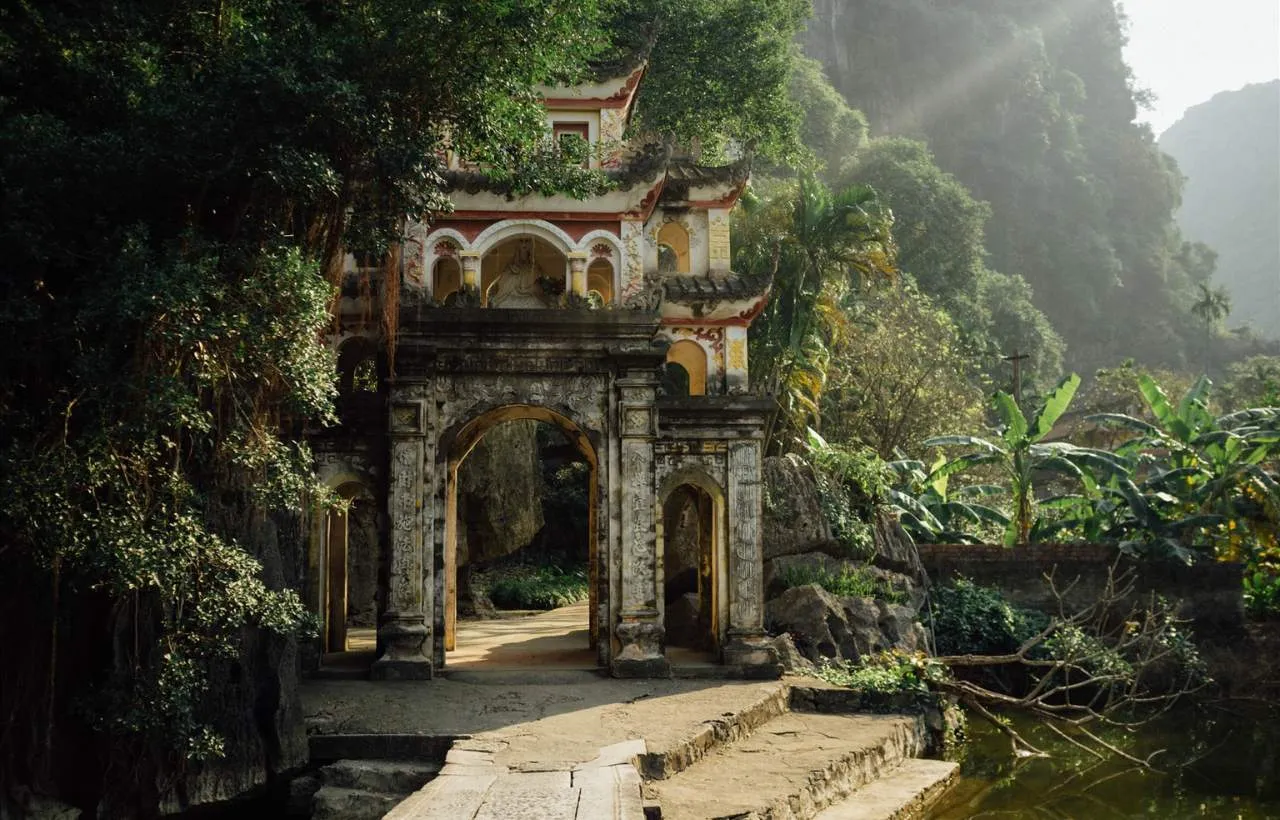
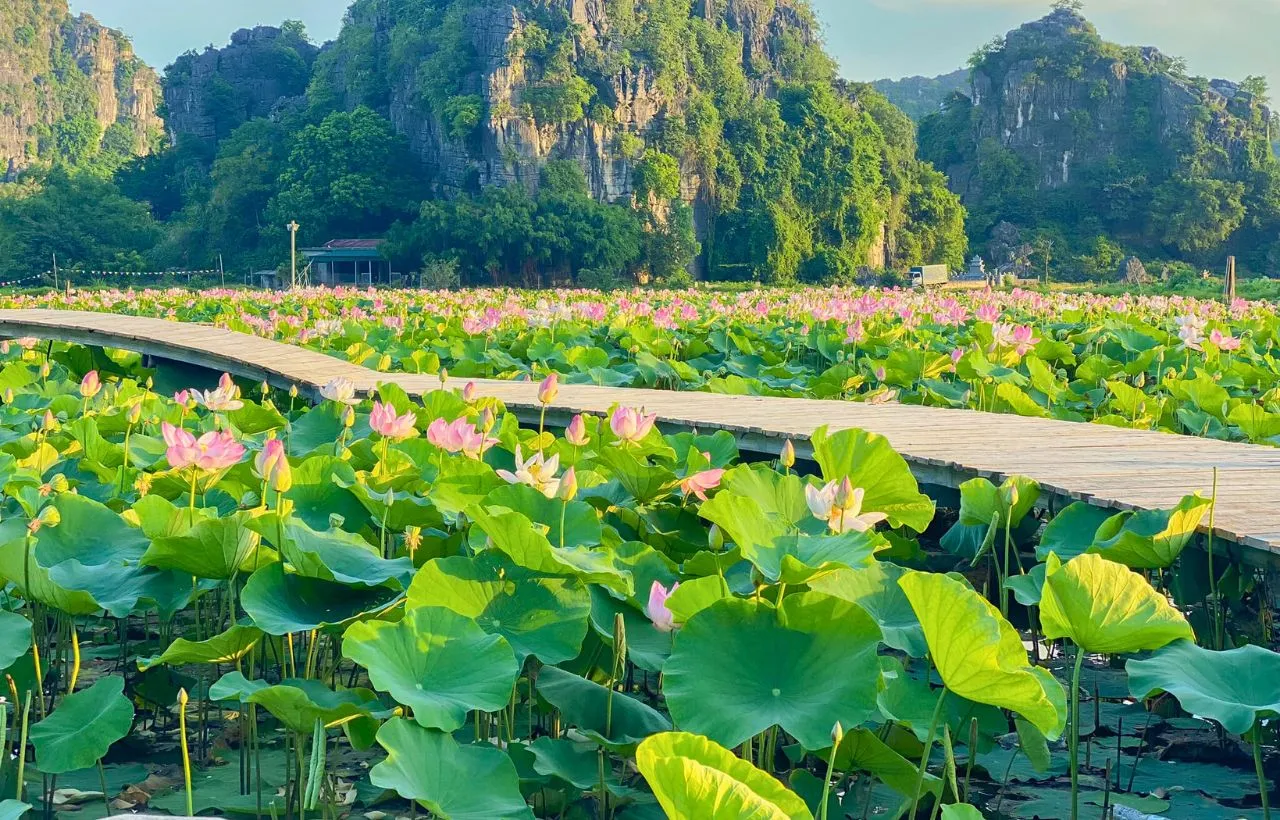
Enjoy peaceful days in Trang An or Tam Coc. Take a sampan boat ride through caves, cycle past rice fields, and climb Hang Mua Viewpoint for panoramic views. Visit Bai Dinh Pagoda—Vietnam’s largest temple complex.

Day 19–22: Ha Long & Cat Ba Island – Bay & Beyond
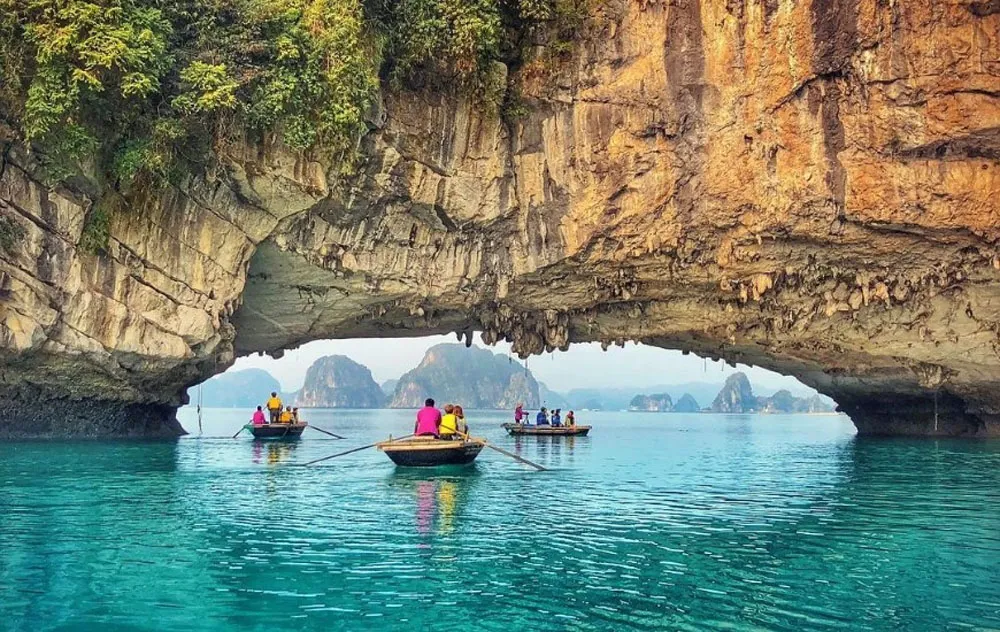
Take a 2-night cruise through Ha Long Bay or Lan Ha Bay, kayaking into hidden lagoons and exploring limestone caves. Then spend two days on Cat Ba Island, hiking in Cat Ba National Park and relaxing on its quiet beaches.

Day 23–26: Phong Nha – Caves & Countryside
Take the train or bus south to Phong Nha-Ke Bang National Park, a paradise for adventure lovers. Explore:
-
Phong Nha & Paradise Cave – giant chambers of stalactites
-
Dark Cave – ziplining, mud baths, and kayaking
-
Botanic Garden Trails – gentle jungle hikes Stay in an eco-lodge and dine by the river under starlight.

Week 5: Central Vietnam — Imperial Cities & Coastal Calm
Day 27–30: Hue – Heritage and Hidden Cafes
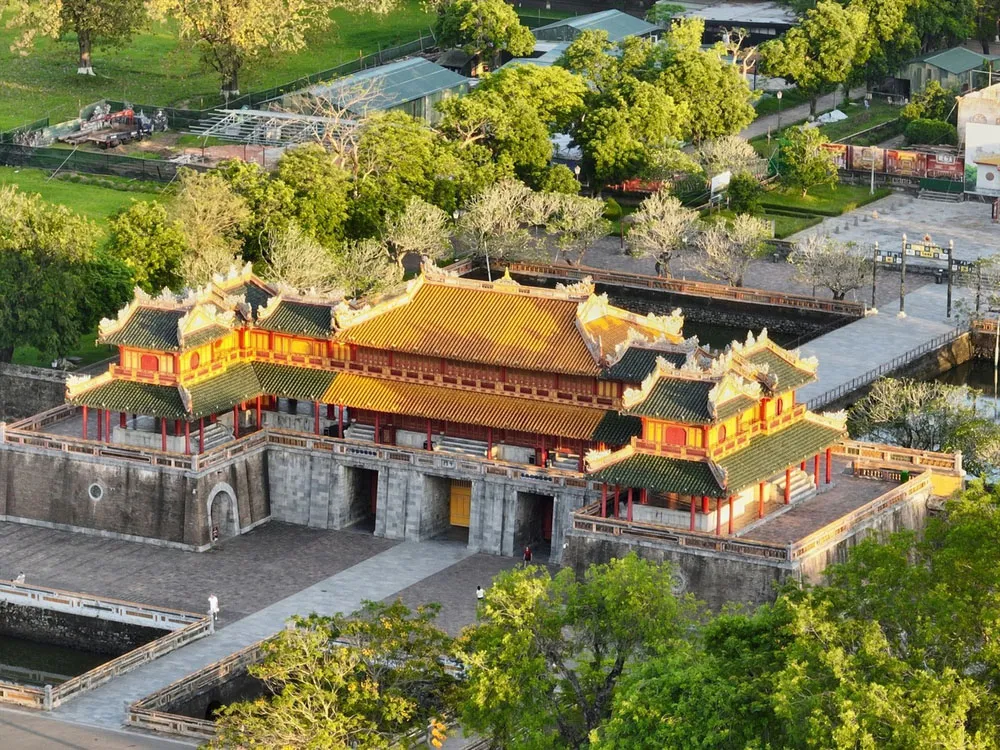
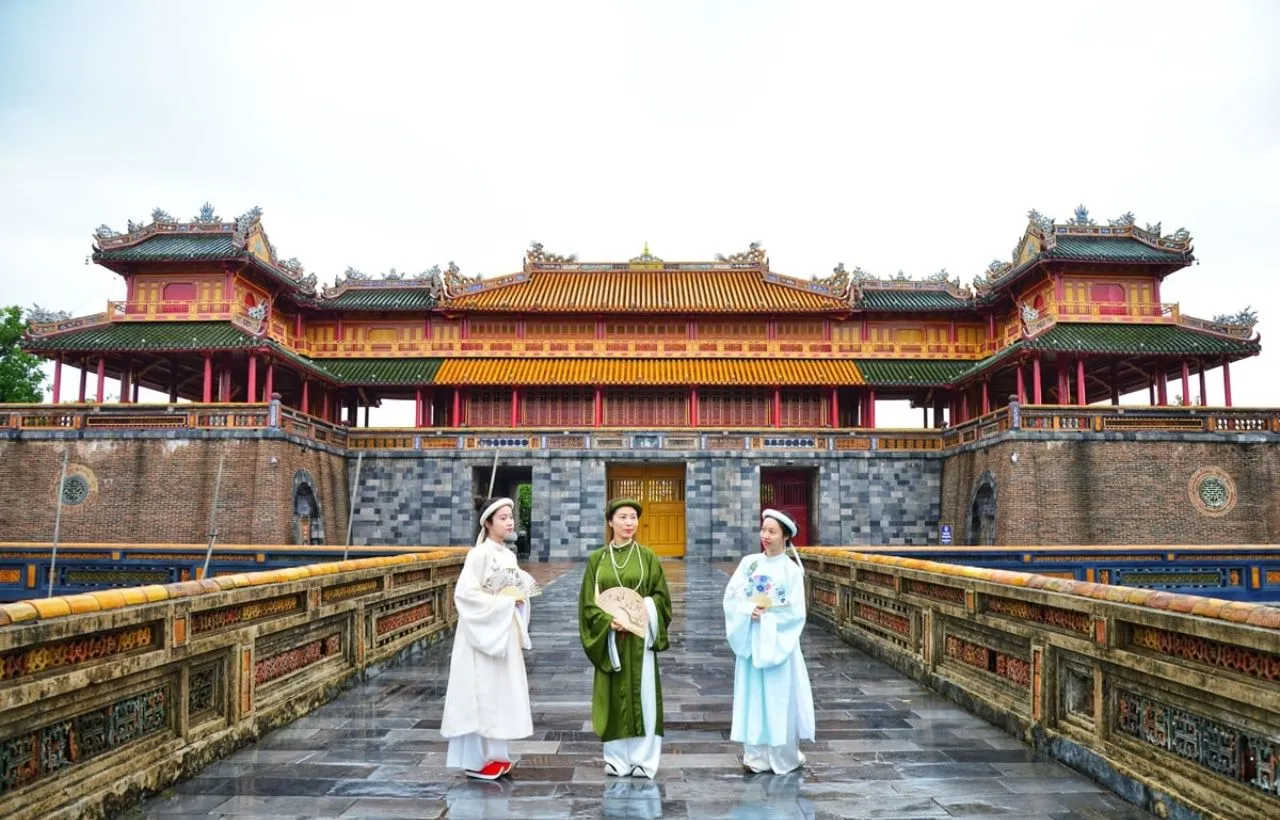
Visit the Imperial Citadel, Thien Mu Pagoda, and the tombs of emperors Khai Dinh and Minh Mang. Cycle along the Perfume River and taste bun bo Hue or banh khoai. Don’t miss a traditional music performance on a dragon boat at night.
Day 31–35: Da Nang & Hoi An – Sun, Sand, and Tailors
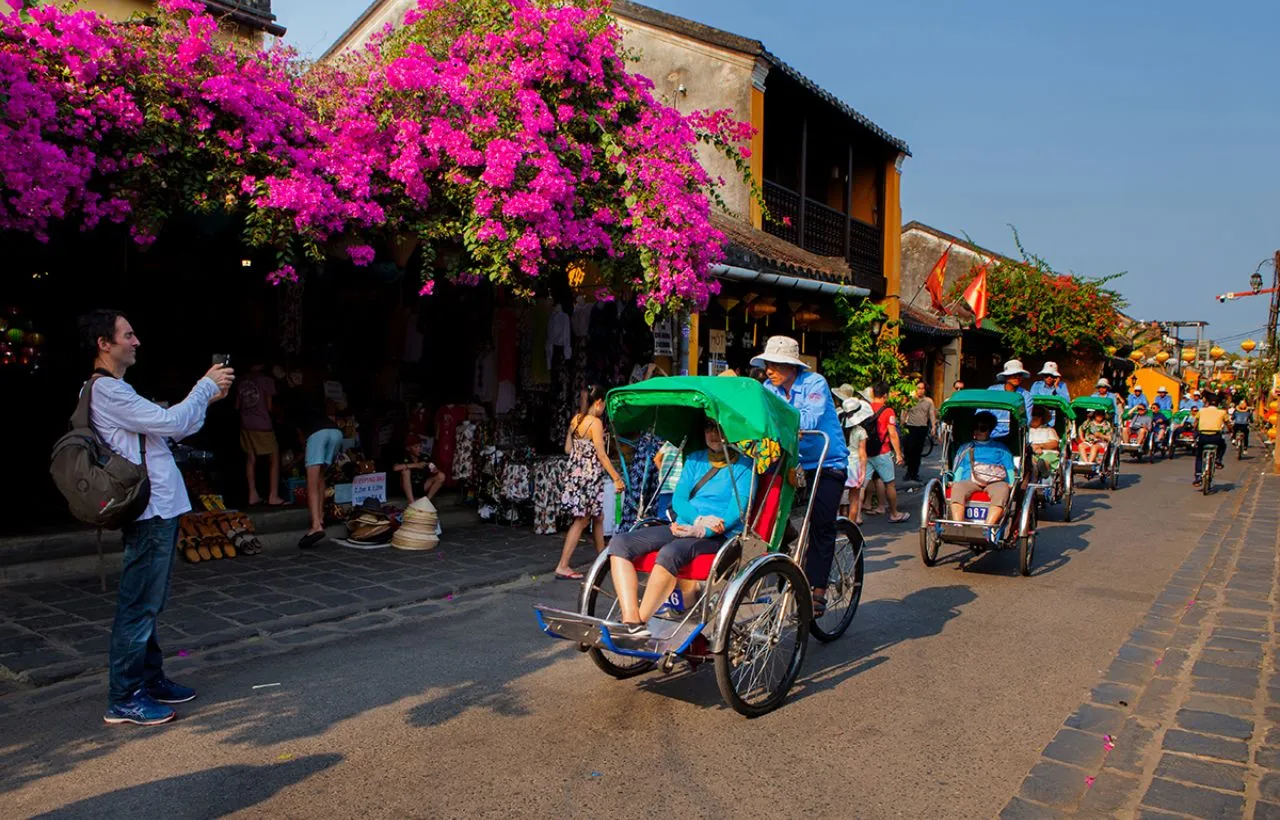
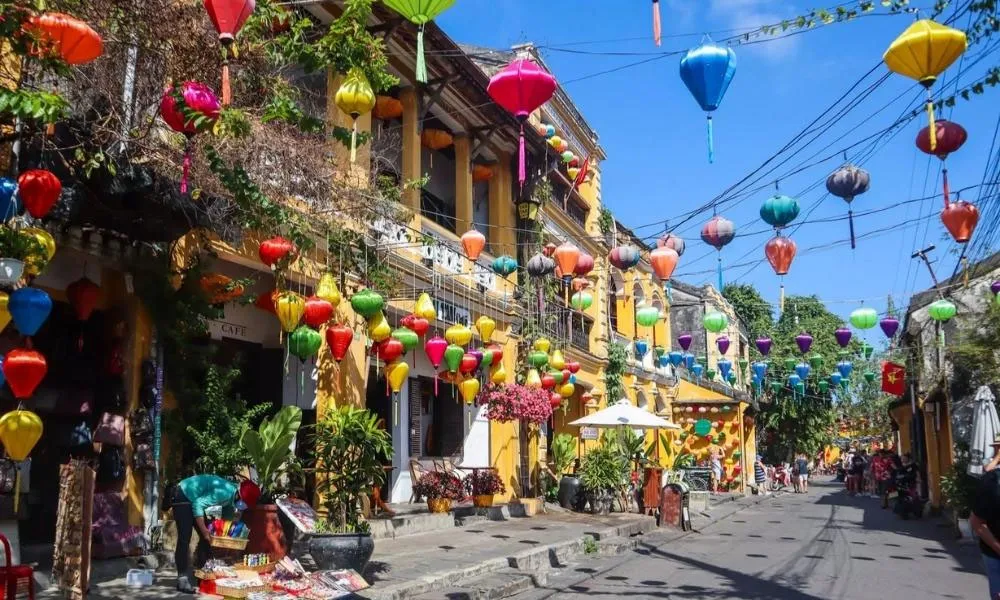
Drive through the Hai Van Pass, stopping for sea views. In Da Nang, climb the Marble Mountains or relax on My Khe Beach. Continue to Hoi An for a slower rhythm—wander the lantern-lit streets, join a cooking class, cycle to Tra Que Village, and spend afternoons at An Bang Beach. Visit My Son Sanctuary for Cham ruins.
Week 6: Central Highlands — Forests, Coffee & Local Life
Day 36–39: Kon Tum & Pleiku – Authentic Highlands
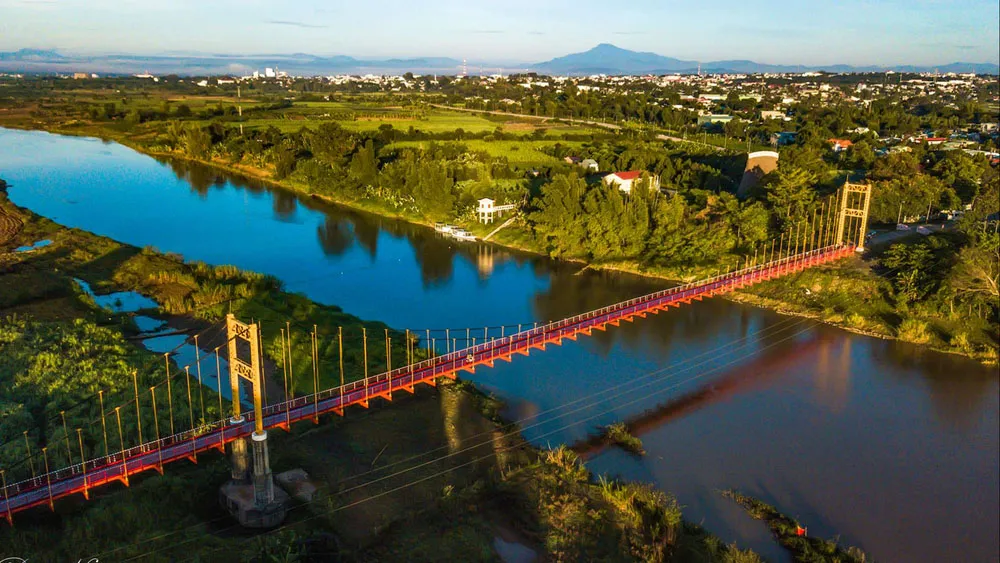
Head inland to Kon Tum, a region rarely visited by tourists. Meet Bahnar and Jarai communities, visit wooden churches, and learn about highland traditions. Continue to Pleiku to see T’Nung Lake and sample fresh coffee from local farms.
Day 40–42: Da Lat – Misty Hills & Waterfalls
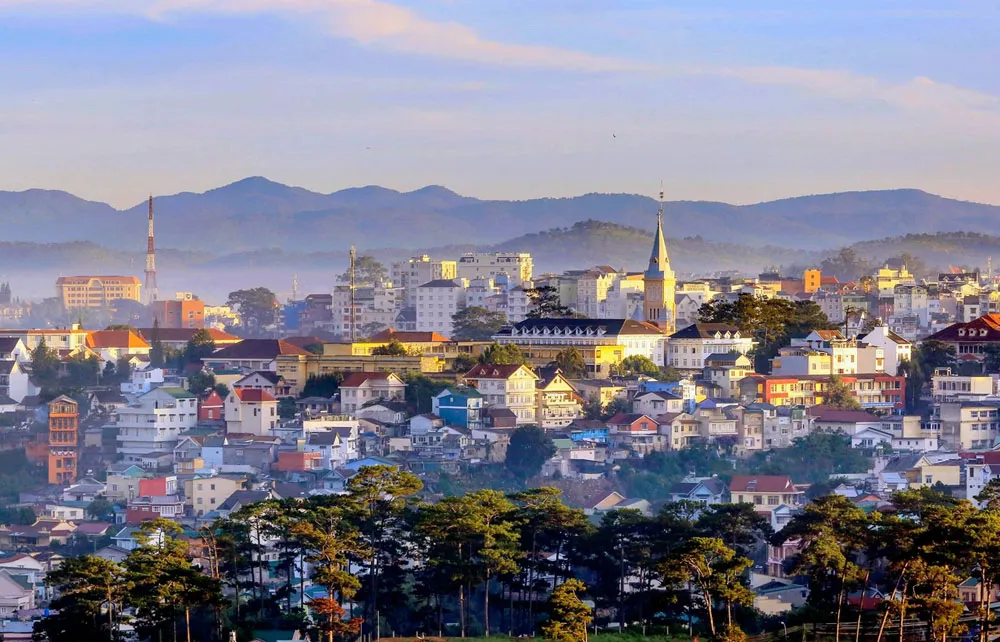
Travel south to Da Lat, a cool highland retreat with pine forests, art cafés, and flower gardens. Explore Datanla Falls, Crazy House, and Xuan Huong Lake. Try adventure sports—ziplining, canyoning, or trekking Lang Biang Mountain.
Week 7: Southern Vietnam — Urban Energy & River Life
Day 43–47: Ho Chi Minh City – Vibrant & Ever-Changing
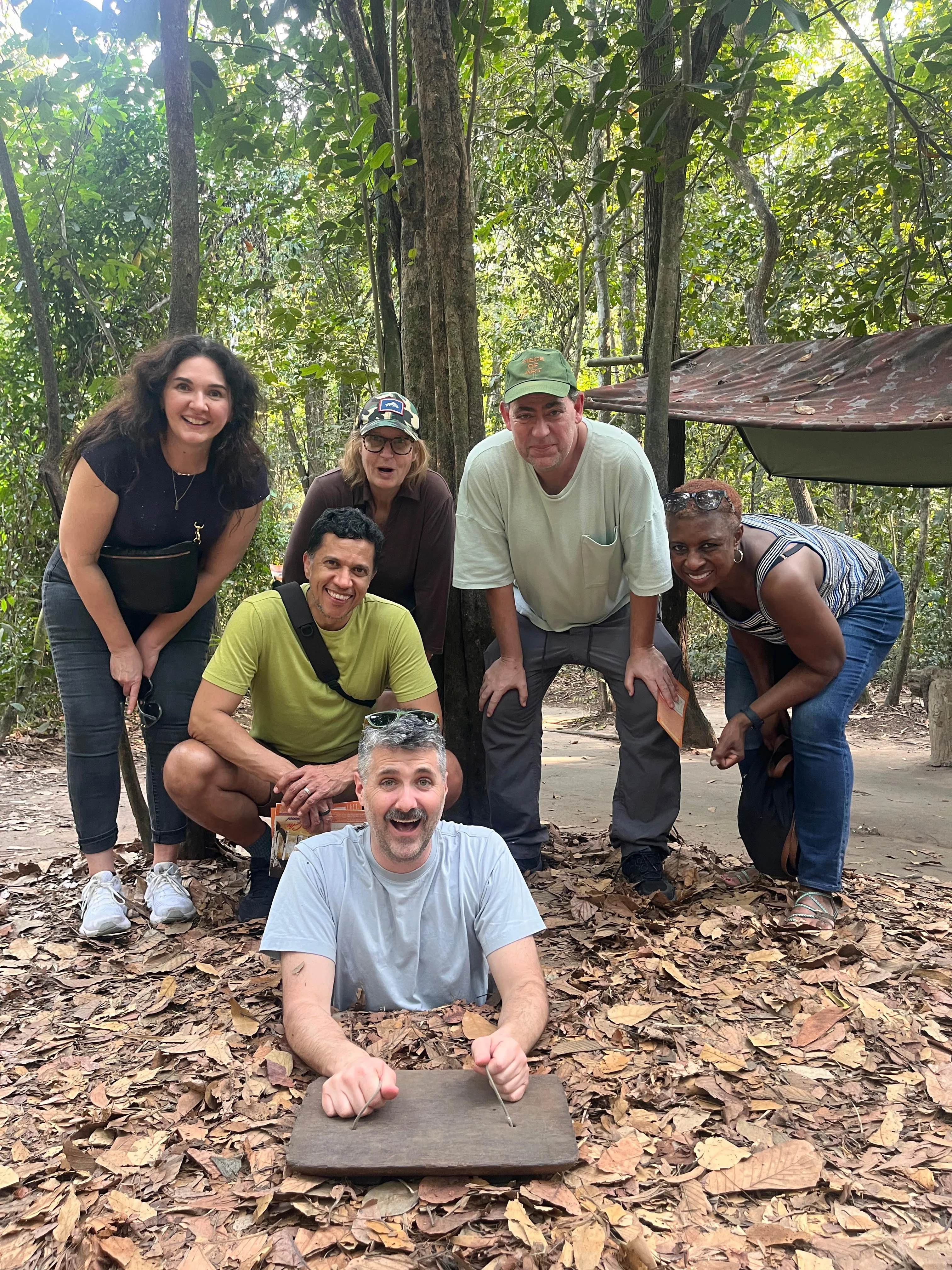
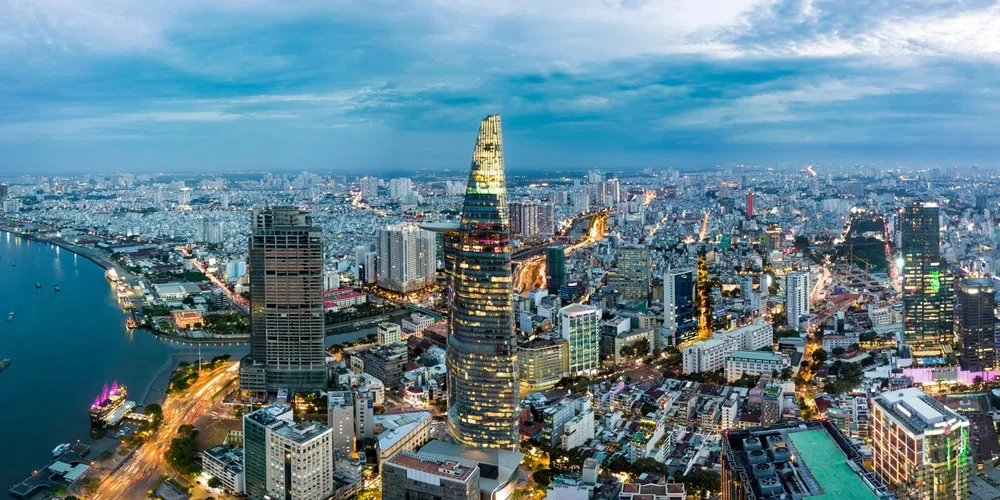
Fly or bus to Ho Chi Minh City (Saigon). Explore:
-
War Remnants Museum & Reunification Palace
-
Notre-Dame Cathedral & Central Post Office
-
District 5 (Cholon) – Chinatown markets Spend evenings at rooftop bars, night markets, or riverside restaurants. Discover hidden cafés and street food gems in District 3.
Day 48–51: Mekong Delta – Floating Life
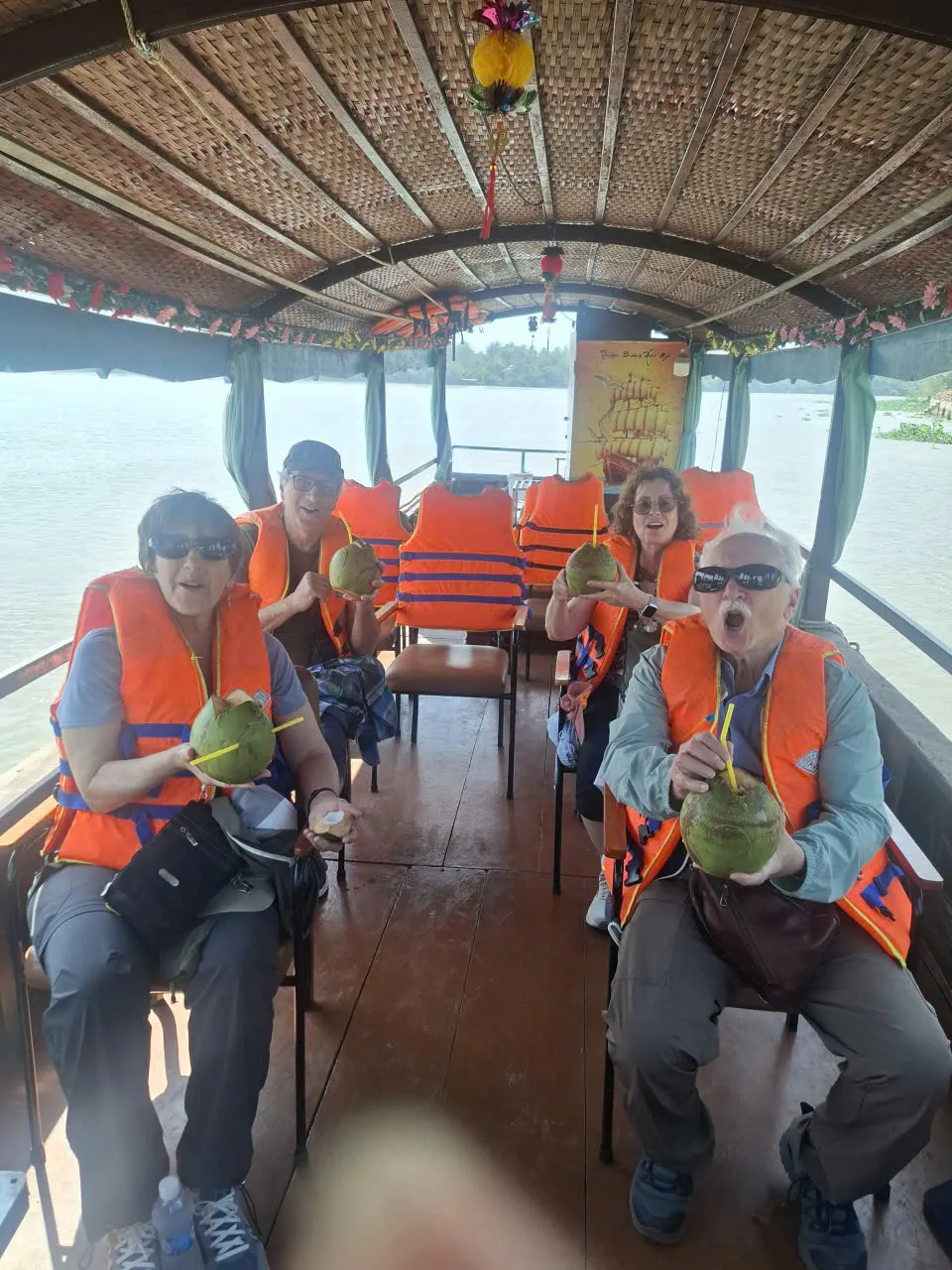
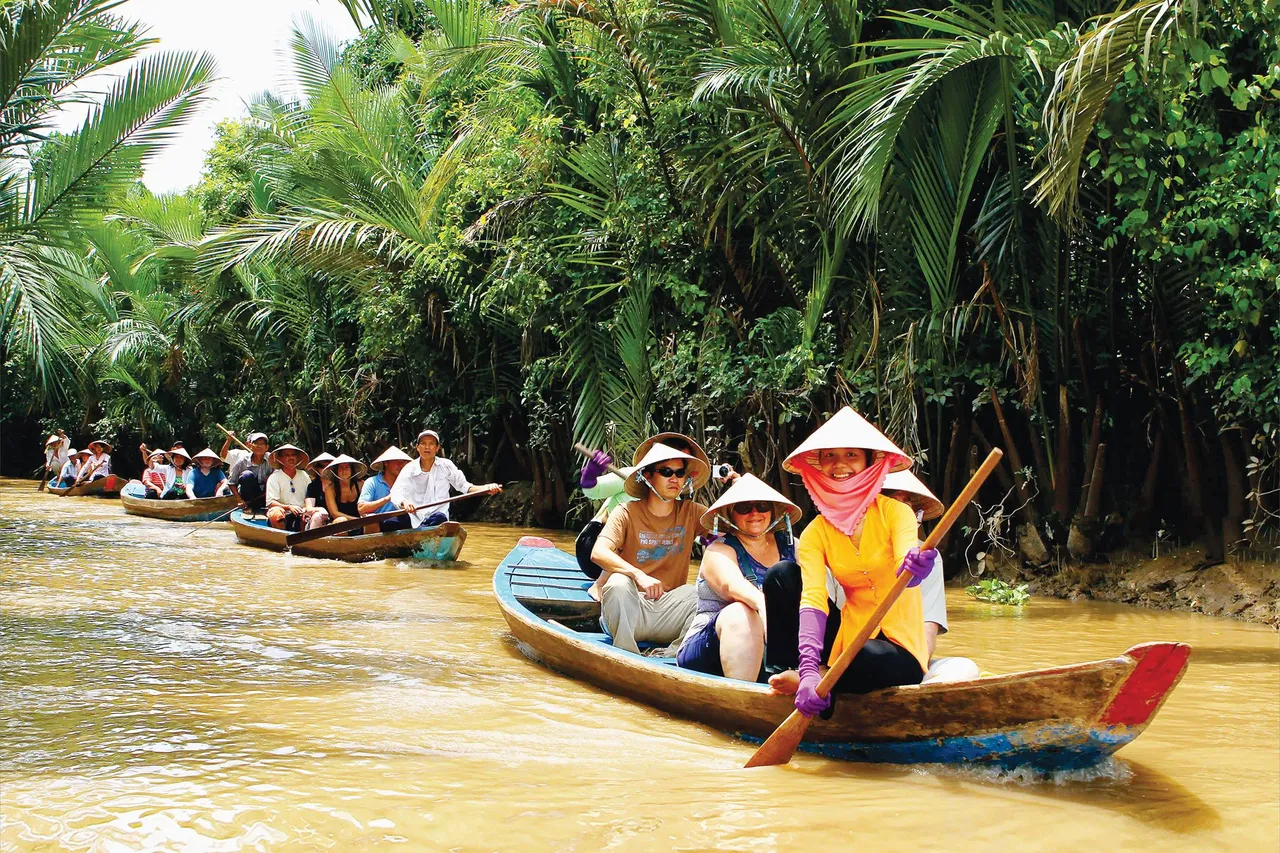
Travel to Can Tho or Ben Tre. Cruise the Mekong River, visit floating markets like Cai Rang, and learn about coconut candy and rice paper making. Stay in a homestay surrounded by fruit orchards and slow village life.
Week 8: Southern Islands — Beaches & Serenity
Day 52–56: Phu Quoc Island – Tropical Ease
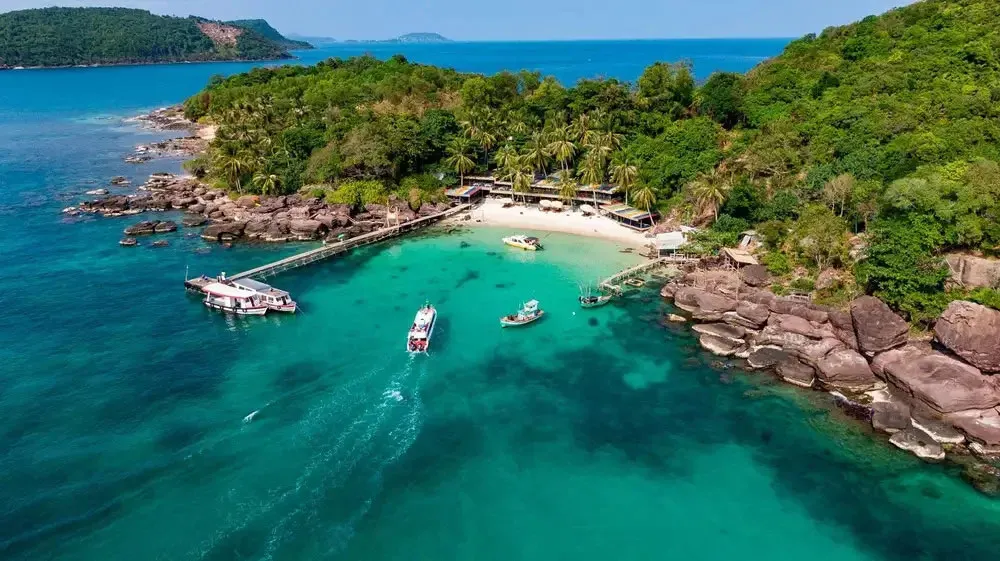
Relax on Sao Beach and Long Beach, snorkel in An Thoi Archipelago, and visit pepper farms or night markets. Indulge in seafood dinners by the sea.
Day 57–60: Con Dao Islands – Final Paradise
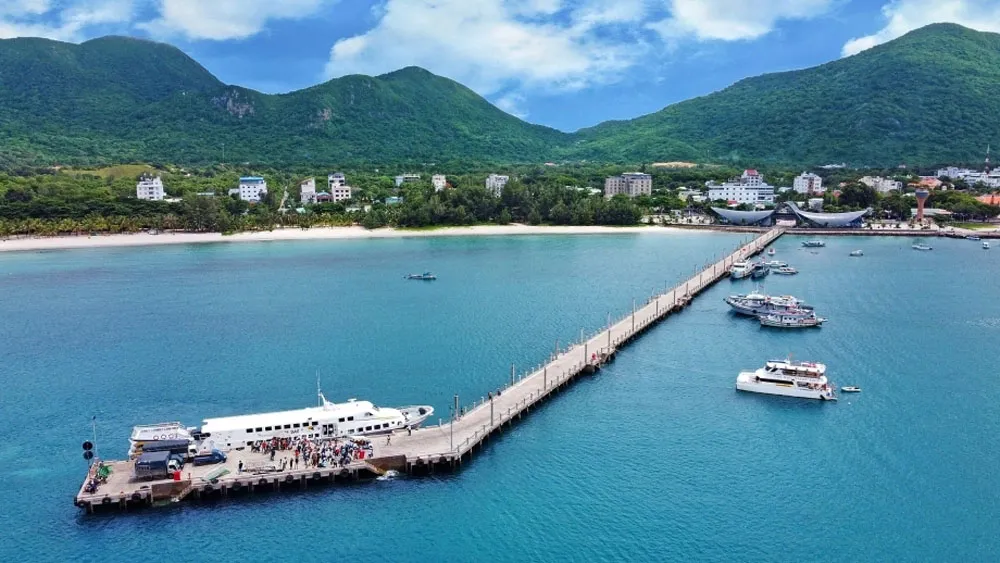
Fly to Con Dao for your last days in quiet beauty. Explore Con Son town, visit historical prisons, snorkel on Bay Canh Island, and enjoy beaches with turquoise water and soft sand. Reflect on your journey and watch your final Vietnamese sunset.

Travel Tips for a 2-Month Vietnam Journey
-
Best Time to Visit: October to April offers ideal weather across most regions.
-
Transport: Mix domestic flights (long legs), trains, and motorbike rides for scenic routes.
-
Visa: Apply for a 90-day e-visa (available for most nationalities).
-
Budget: Around $1,500–2,000 for two months with mid-range comfort.
-
Connectivity: Get a Viettel SIM card for reliable coverage.
-
Local Etiquette: Dress modestly at temples, remove shoes indoors, and smile often—Vietnamese hospitality is unmatched.
Conclusion
This 2 months in Vietnam itinerary captures the country’s full essence—its contrasts, cultures, and charm. From mist-shrouded northern peaks to the golden beaches of the south, every week unfolds a new chapter. You’ll have time to learn local rhythms, build real connections, and uncover hidden corners that short trips miss.
Two months in Vietnam isn’t just travel—it’s immersion.
Let Vietnam change your pace, your palate, and maybe even your perspective.









 View trip map