Day 1–3: Hanoi — Classic Vietnamese City & Culture
Day 1: Arrival & Old Quarter Immersion
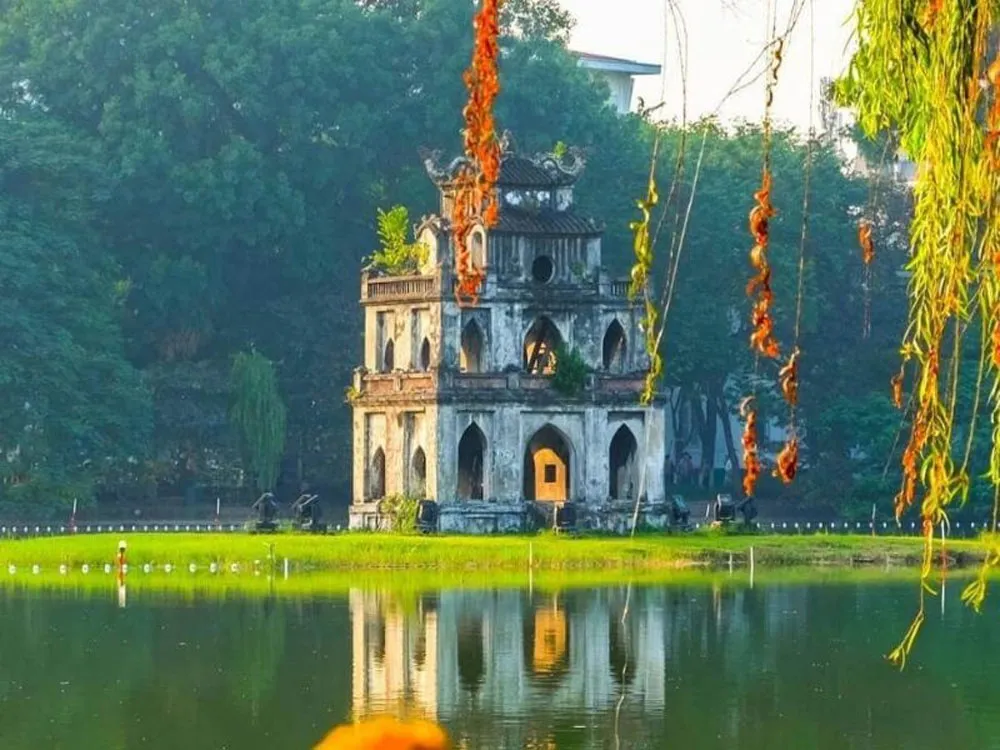
Arrive at Noi Bai International Airport, transfer into central Hanoi. Once you've dropped off your luggage, set out to explore the Old Quarter’s tangled alleys, street vendors, and colonial charm. Wander Hoan Kiem Lake, cross the red iconic Huc Bridge to Ngoc Son Temple and observe locals practicing Tai Chi in the early evening. As dusk falls, seek out a small pho or bun cha stall; taste your first bowl of steaming broth with herbs, and if you have the energy, explore one of the rooftop cafés overlooking the city’s tiled roofs. Night falls on Lantern-lit streets, and perhaps a night walk through the French Quarter reveals colonial architecture, hidden bars, or street art.
Day 2: History & Perspectives
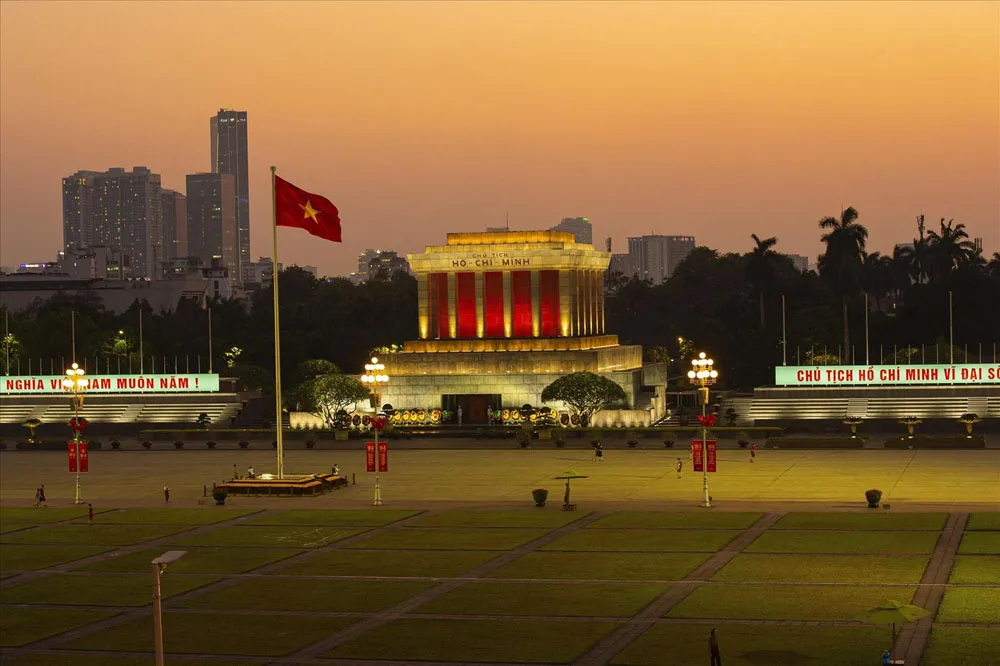
Wake early to avoid traffic and heat. Visit the Ho Chi Minh Mausoleum complex—see his simple stilt house and the One Pillar Pagoda. Then move on to the Temple of Literature, Vietnam’s first university, rich in gardens and symbolism. Lunch in a street-side eatery known for bun rieu or other northern specialties. In the afternoon, head to the Vietnam Museum of Ethnology, where exhibits of traditional housing, dress, and instruments from Vietnam’s many ethnic groups provide insight for later in your trip. Evening: try egg‐coffee at an old café, explore the night market or sample street snacks like banh mi or fresh spring rolls.
Day 3: Hanoi’s Countryside – Ba Vi or Duong Lam Ancient Village
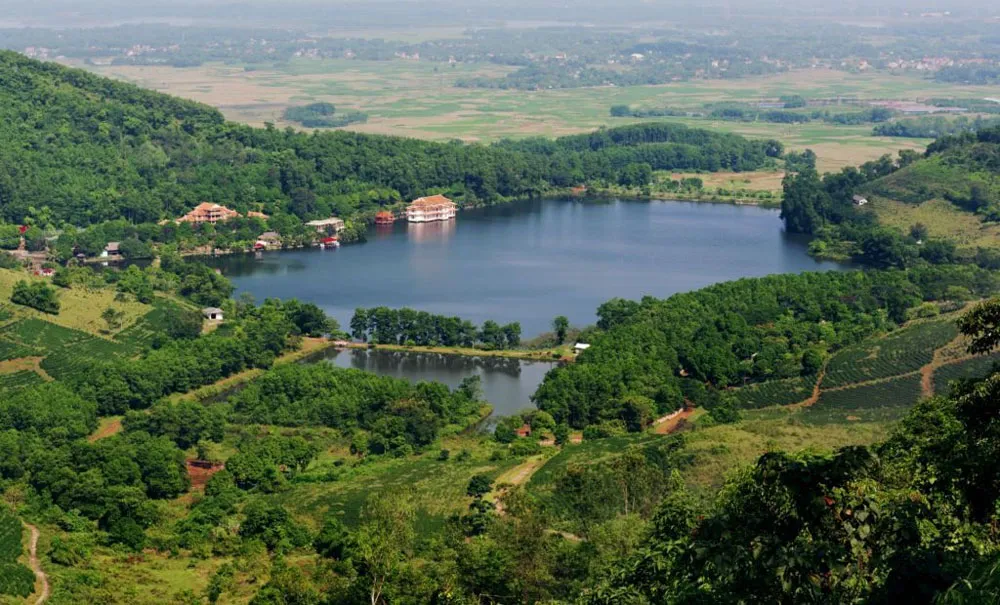
Take a short trip from Hanoi to discover peaceful rural life. In Ba Vi National Park, enjoy fresh air, forest walks, and scenic viewpoints from Tan Vien Peak. If you prefer culture, visit Duong Lam Ancient Village, where time seems to slow among red-brick houses and quiet lanes. Try local specialties like chè lam and peanut candy before heading back to Hanoi in the evening.
Days 4–6: Sapa & Northern Highlands — Mountains, Village Life
Day 4: Arrival & Valley Views
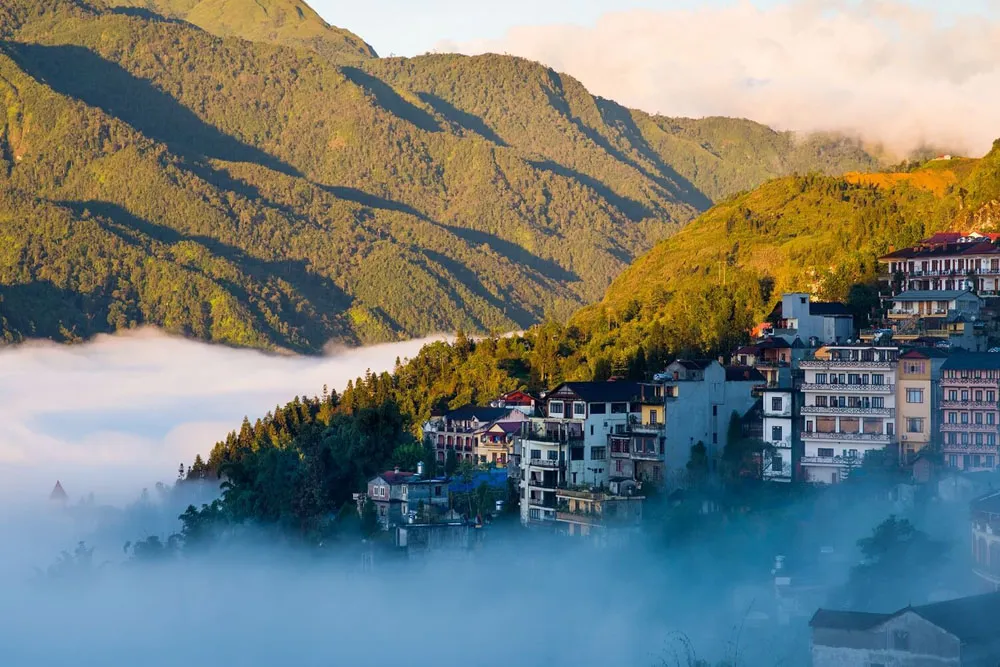
Arrive in Sapa in the morning, check in, and acclimate. Depending on arrival time, have lunch in town, then take a gentle walk to viewpoints like Quan Khê San or Silver Waterfall to get a feel for the scenery. Late afternoon, visit a local market (if market day) or explore town—Stone Church, H’mong & Dao shops. Dinner with local flavours—consider thắng cố or hot pot with mountain herbs.
Day 5: Hidden Valleys & Homestay
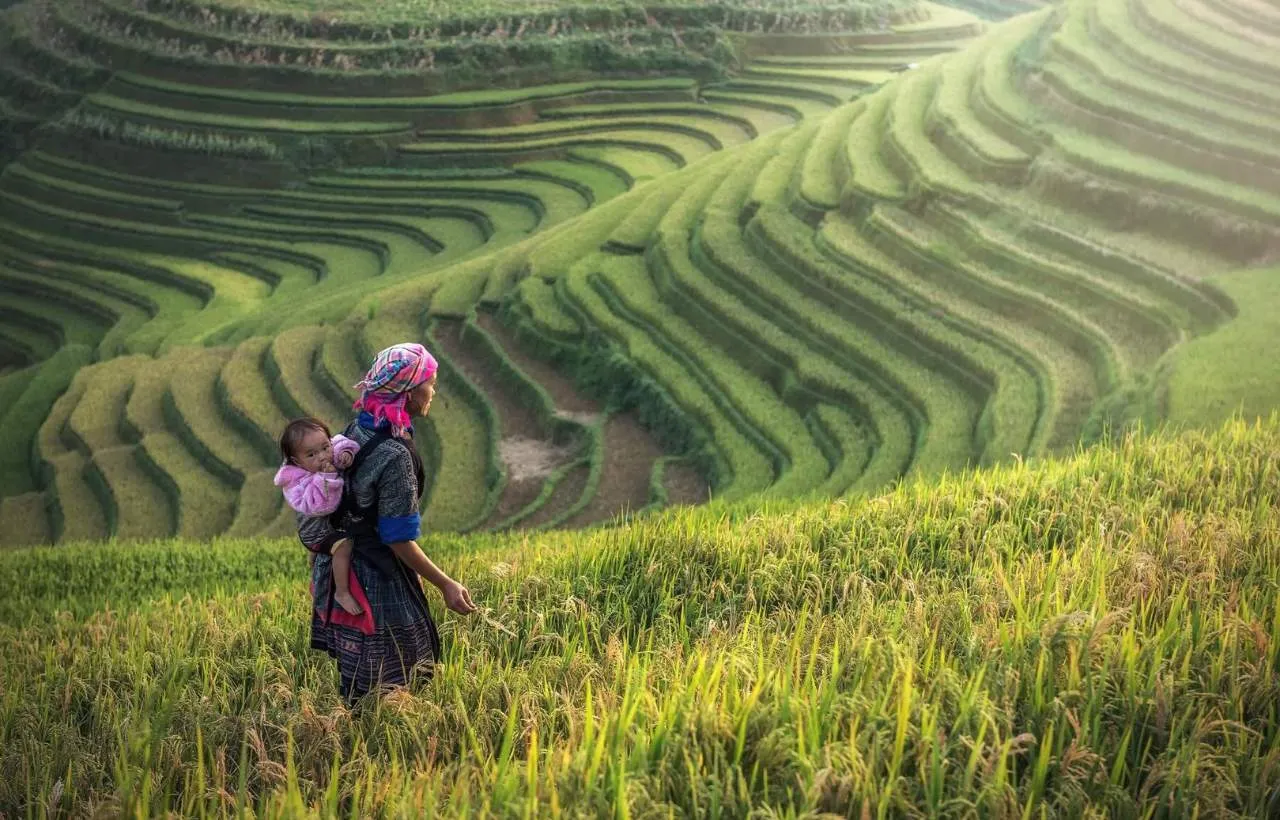
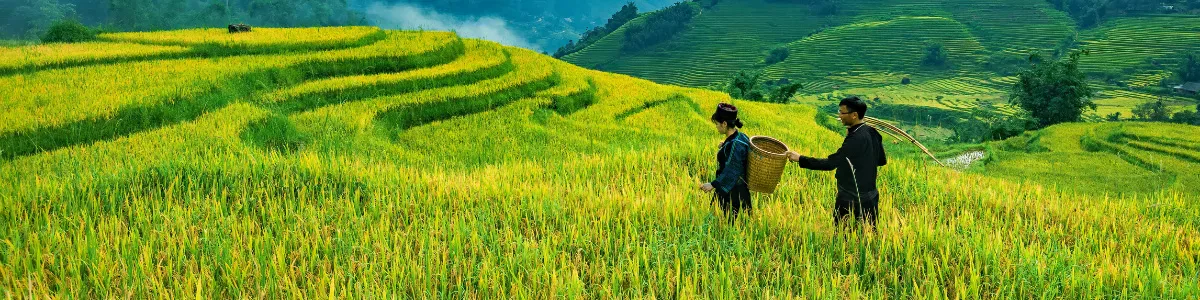
Depart early for a trek to lesser-known valleys (choose a guide familiar with off-the-beaten track trails) through terraced fields, rivers, and forests. Stop at remote H’mong or Dao hamlets—observe weaving, gardening, or children going to school. Lunch may be packed or at a village house. In the afternoon, continue trekking, perhaps cross a small stream or suspension bridge. Stay overnight in a simple homestay; dinner cooked by your hosts, sky full of stars, sounds of the countryside.
Day 6: Market Visit & Scenic Return
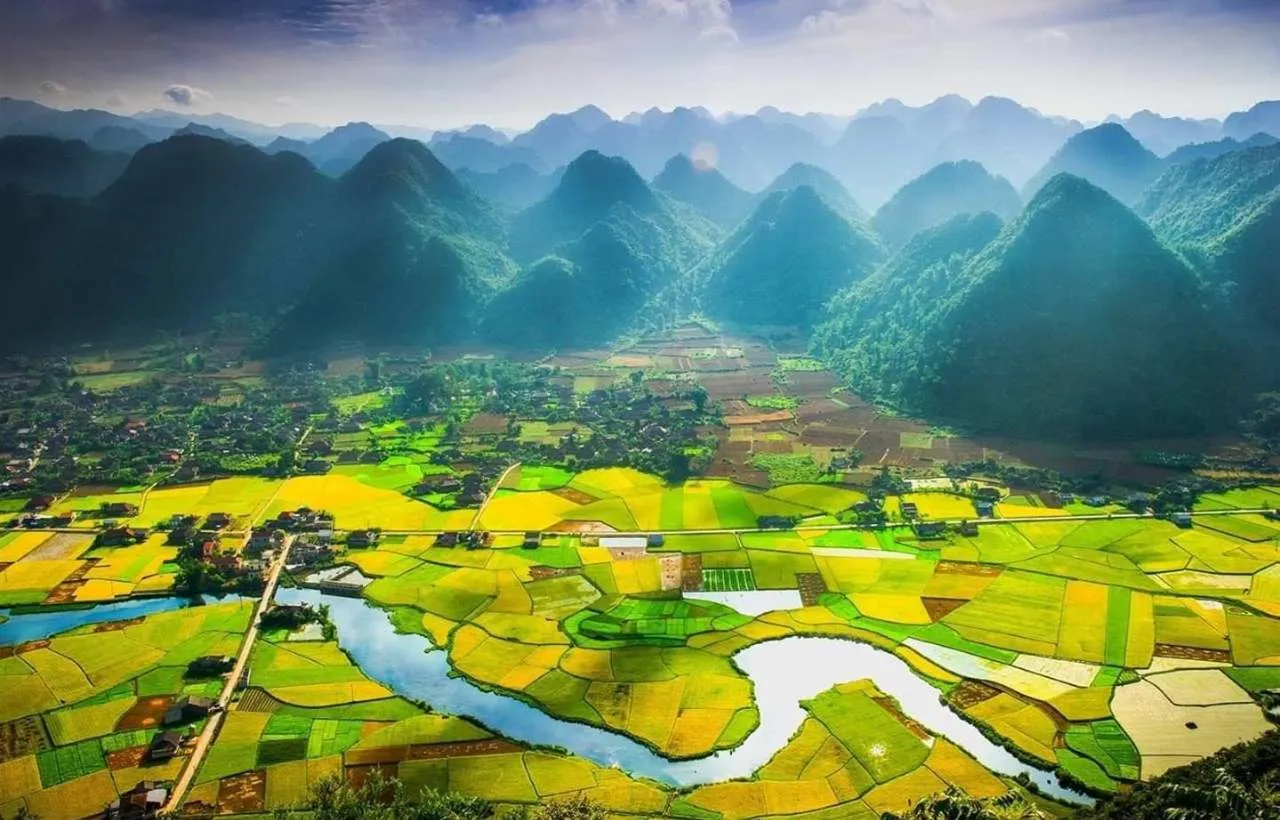
If your timing matches, attend a local hill tribe market (like Bac Ha if possible) in early morning; markets are alive with color, costumes, and traditional trade. Return toward Hanoi or to your next destination, stopping at scenic points along the way. Evening arrival in Hanoi or nearby to rest before heading south.
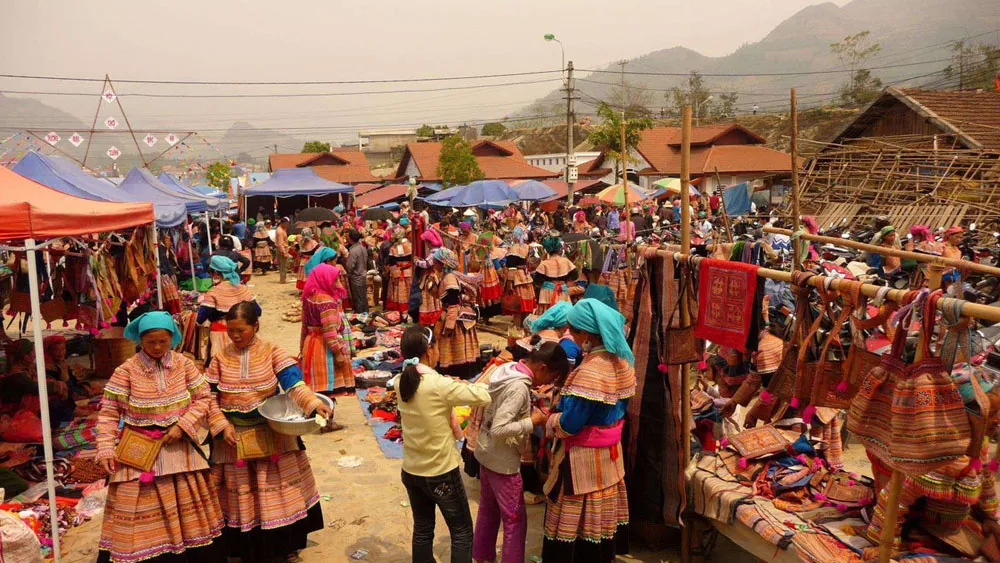
Days 7–8: Ha Long Bay / Lan Ha Bay — Karst Islands & Waterways
Day 7: Cruise Commencement
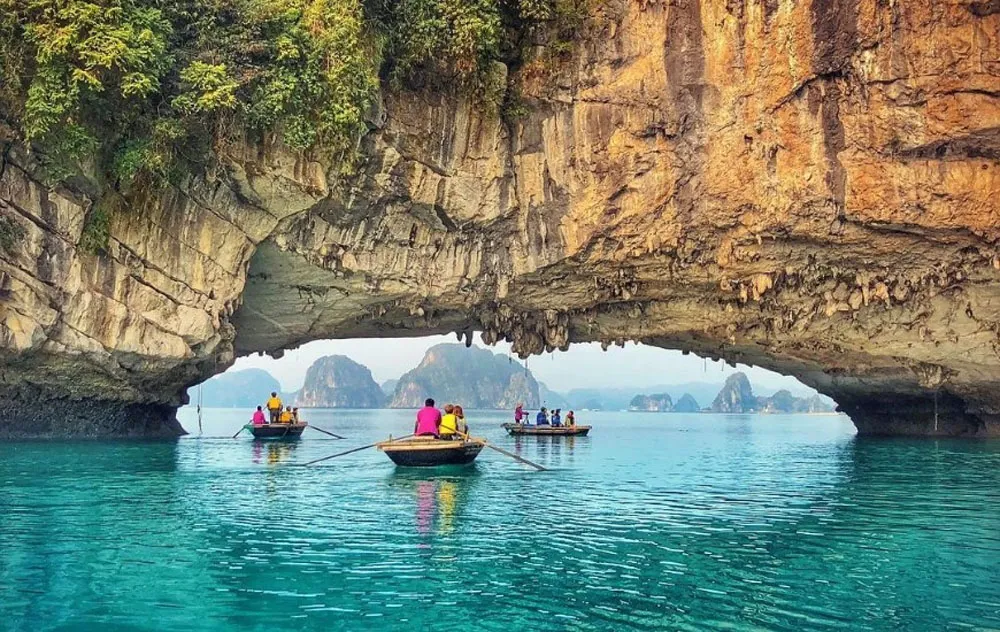
Travel from Hanoi to the Halong / Lan Ha area. Board your cruise in the late morning or early afternoon. Lunch on board as the boat departs into emerald waters. Spend the afternoon kayaking in hidden coves, visiting floating fishing villages, or swimming at secluded beaches. Evening on deck watching sunset, dinner served on board with local seafood. Optional: night squid fishing or simply relaxing under the stars.
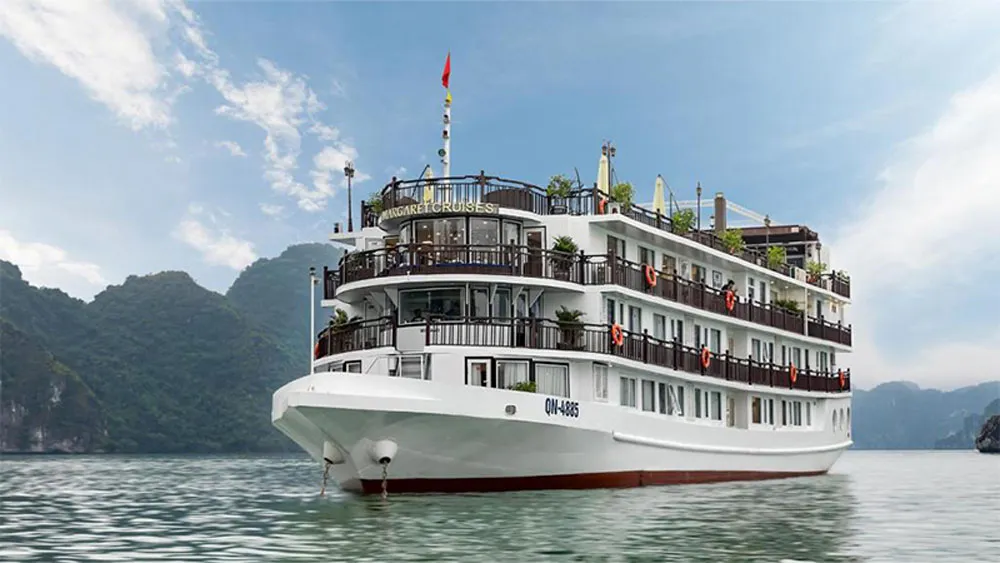
Day 8: Sunrise, Caves & Departure
Morning: rise early for sunrise on deck, perhaps join a tai chi session. After breakfast, visit a grotto or a show cave (Sung Sot or another accessible one), or climb up to Titov or another view point for sweeping views over the bay. Return to shore by mid-to-late morning, then travel back to Hanoi. Depending on schedules, possibly fly or take an overnight route to Central Vietnam.
Days 9–11: Phong Nha – Cave Wonders & Jungle Paths
Day 9: Travel & Settling In
Journey to Phong Nha-Ke Bang National Park (from Hue, Hanoi, or via Dong Hoi). Arrive in the afternoon, check into your guesthouse or eco-lodge, enjoy riverside peace. Evening boat ride on the Son River or riverbank dinner under lanterns.
Day 10: Core Cave Exploration
Visit Phong Nha Cave—one of the region’s most iconic caves, accessible by boat along the Son River. You’ll float past dramatic stalactites, stalagmites, and chambers illuminated in soft light. Optionally add Tien Son Cave, which sits above the water and offers walkable paths and views. Afternoon: if energy allows, explore Paradise Cave (“Thien Duong”), with its long dry corridors and enormous chambers. Soft evening—rest, perhaps visit a local market.
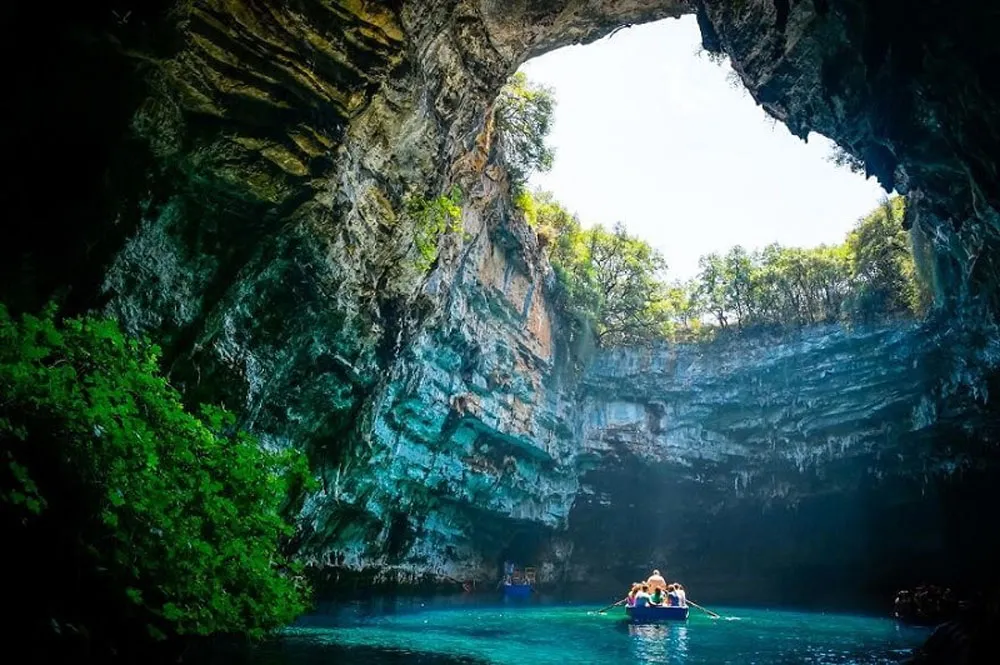
Day 11: Nature & Travel South
Morning kayak on smaller tributaries or walk trails through the forest, spotting endemic flora, birds, and stream crossings. Lunch in Phong Nha town with fresh local fare (river fish, jungle greens). In afternoon, travel toward Hue or Da Nang, crossing the scenic routes or enjoying coastal views.
Days 12–13: Hue — Royal History & Tranquil Atmosphere
Day 12: Imperial Heritage
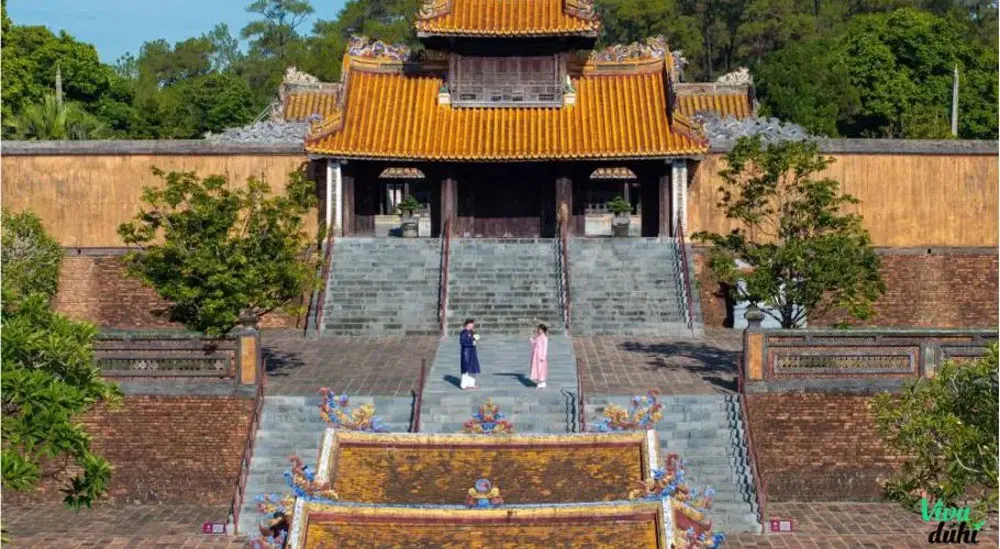
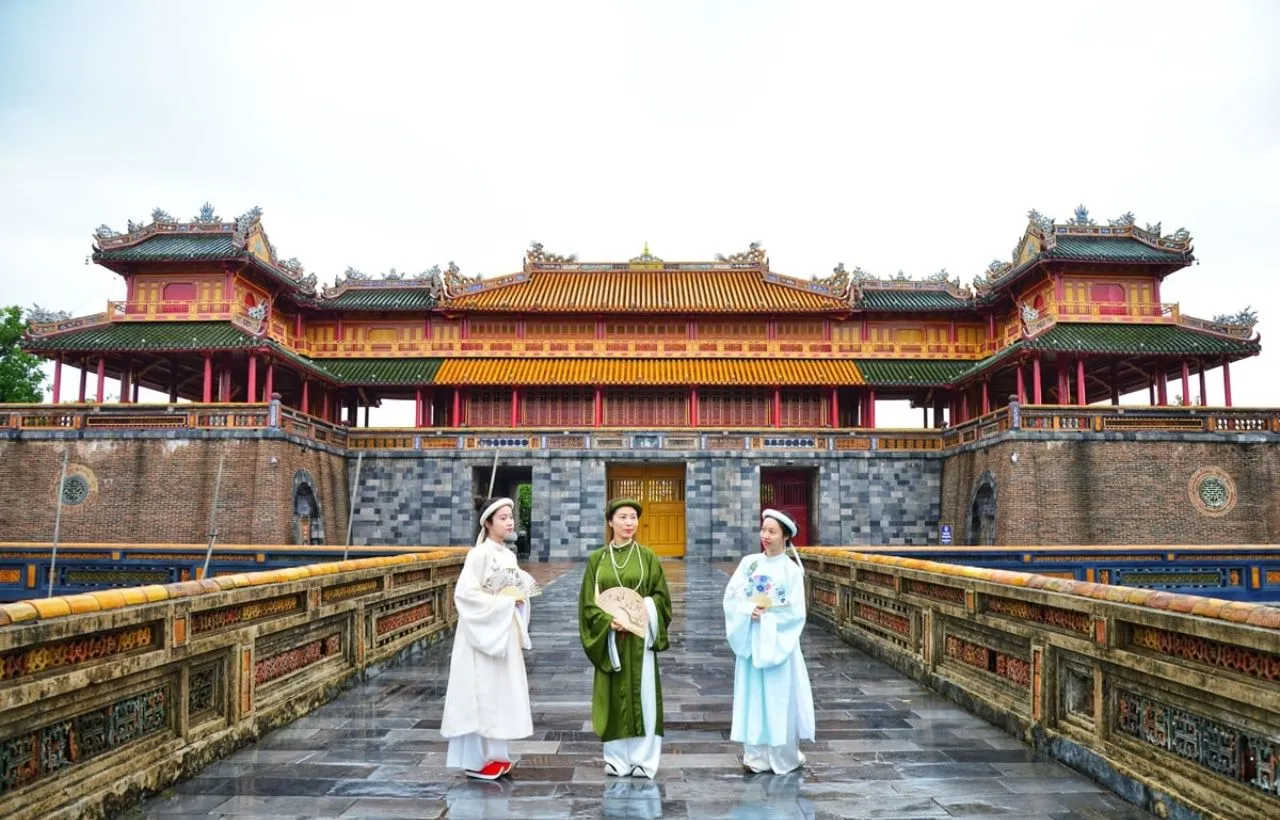
Walk through Huế’s Imperial City (Citadel), exploring gates, palaces, Thai Hoa Hall, and the Purple Forbidden City. Wander the grounds, learn about Nguyen Dynasty life. After lunch, visit the Thien Mu Pagoda, overlooking the Perfume River. Evening: try royal-style cuisine or dine by the riverbank, perhaps a peaceful boat ride.
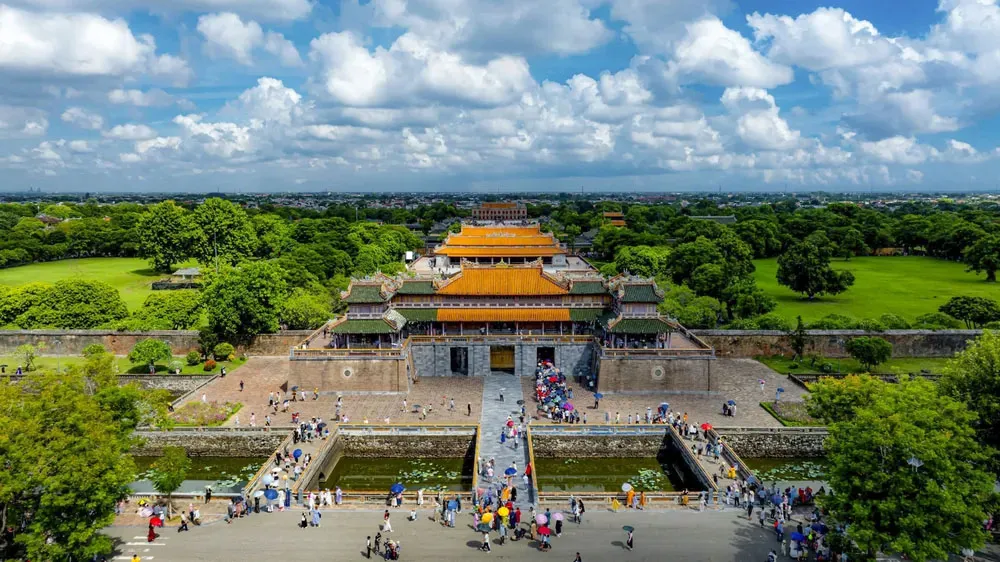
Day 13: Tombs & Cultural Insight
Morning: visit imperial tombs like Tu Duc or Minh Mang; admire architectural elements, gardens, ponds, and how they integrate with the river and landscape. After lunch, explore local craft shops or a quiet café. Late afternoon, depart for Hoi An or Da Nang via coastal highway — ride through Hai Van Pass if possible to see dramatic seaside cliffs.
Days 14–16: Hoi An & Central Coast — Lanterns, Cooking & Beach
Day 14: Ancient Town Magic
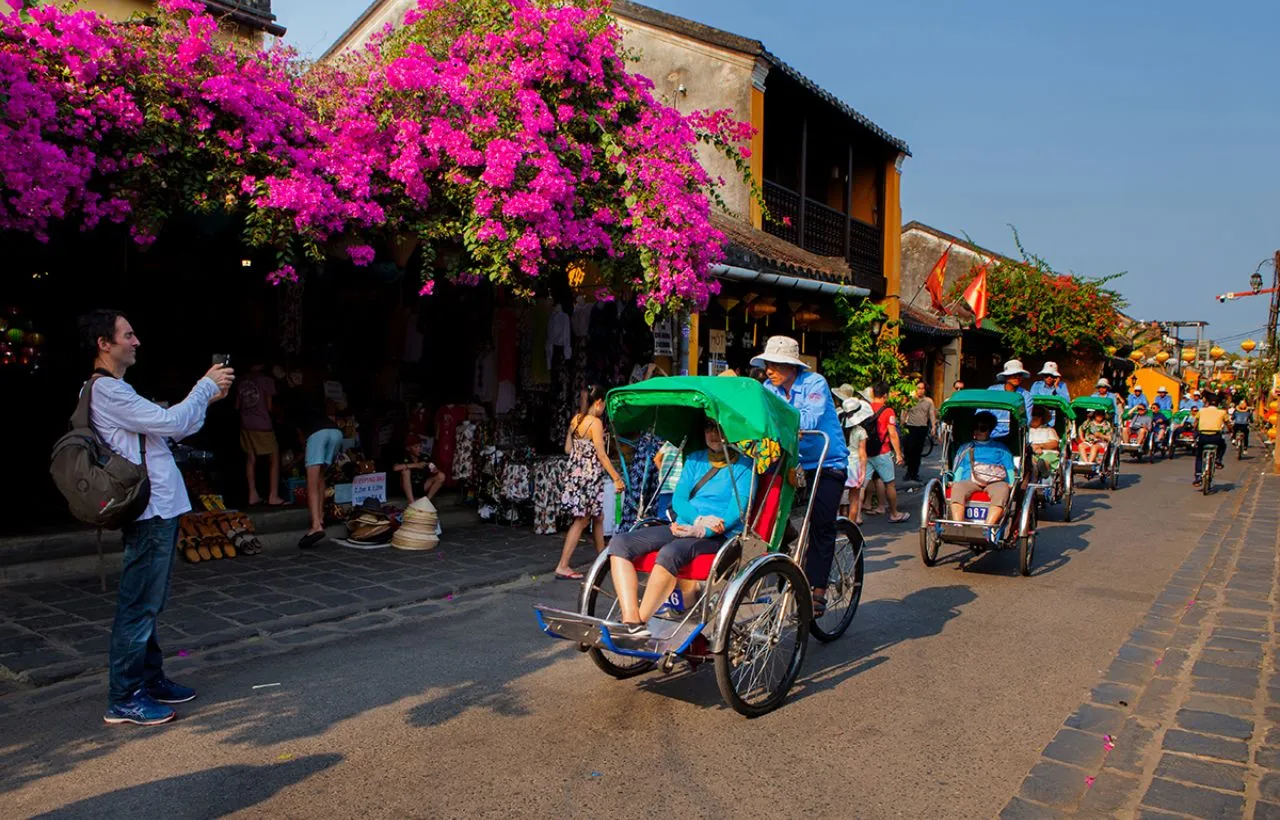
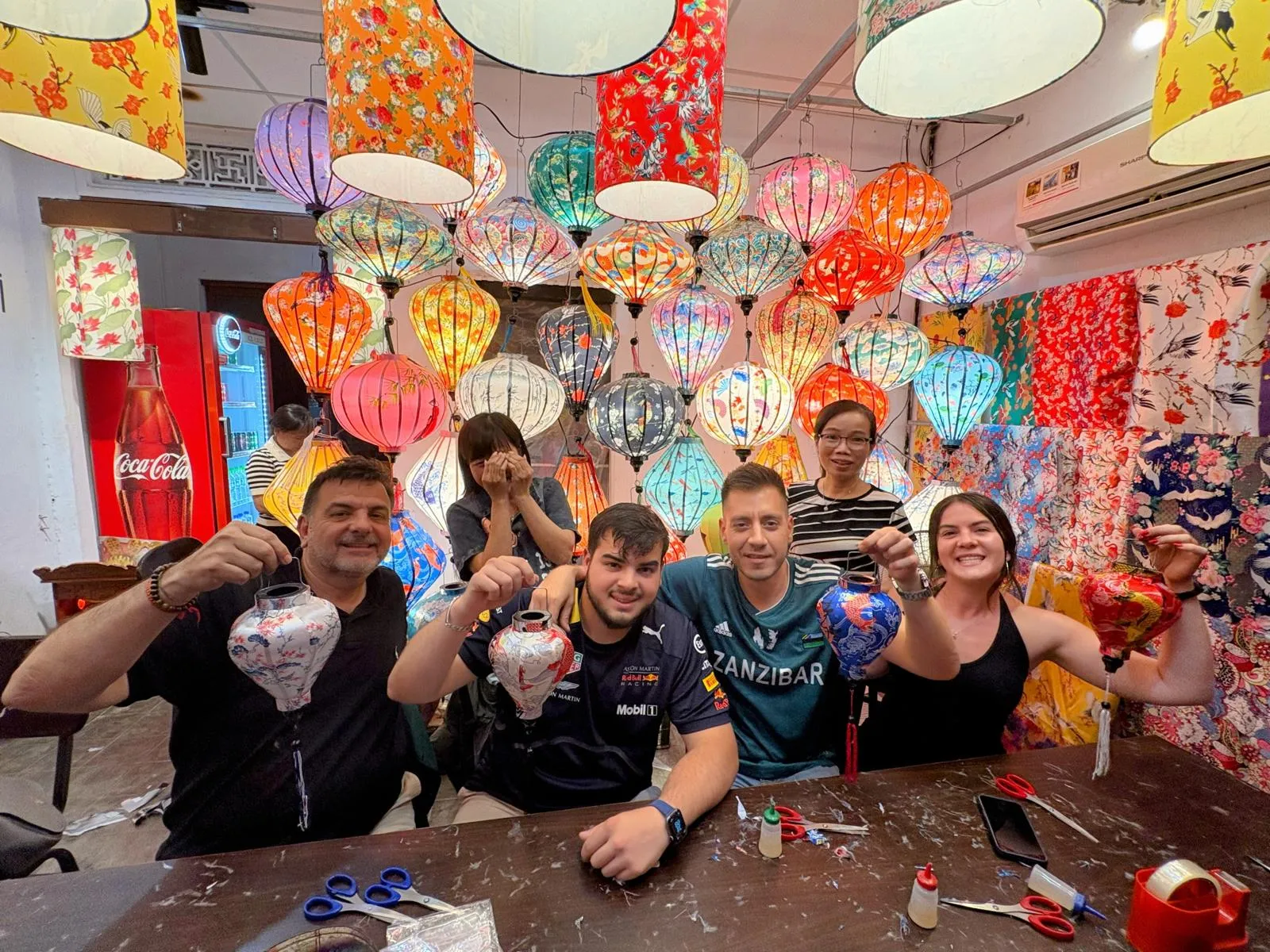
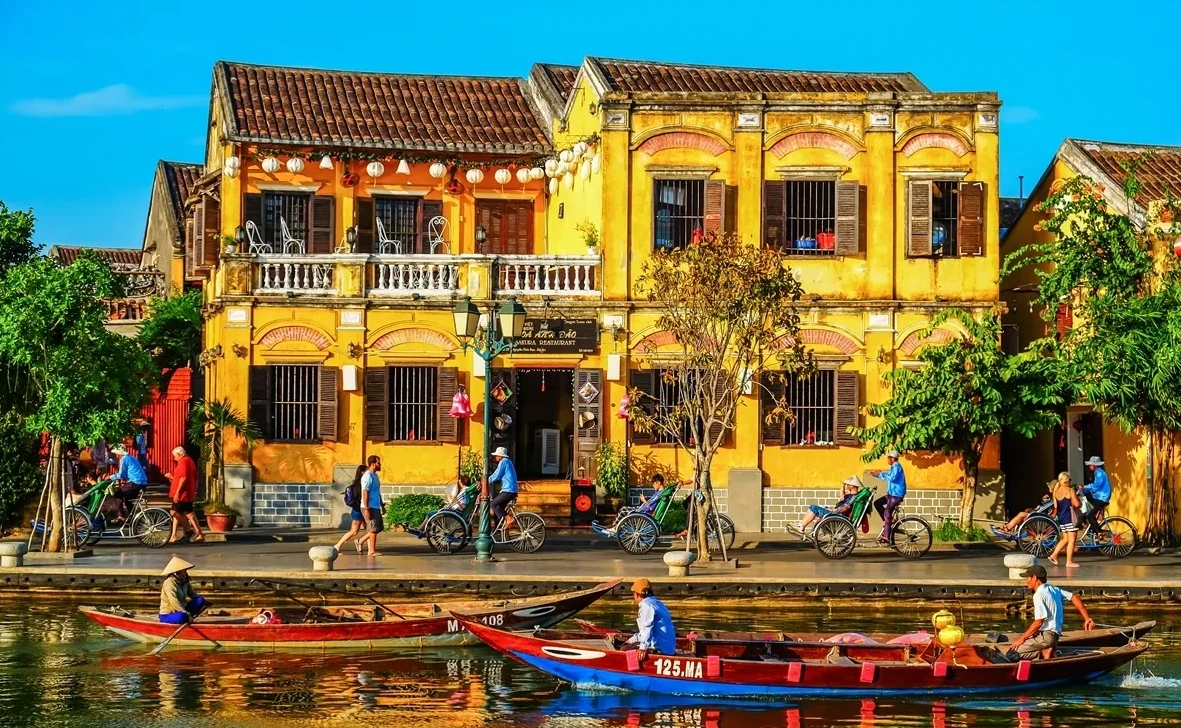
Walk safe in Hoi An’s Ancient Town: Japanese Covered Bridge, assembly halls, merchant houses. Let the lanterns glow in the evening, dine by the river under lighted boats, enjoy local Cao Lầu noodles or white rose dumplings.
Day 15: Food & Farming
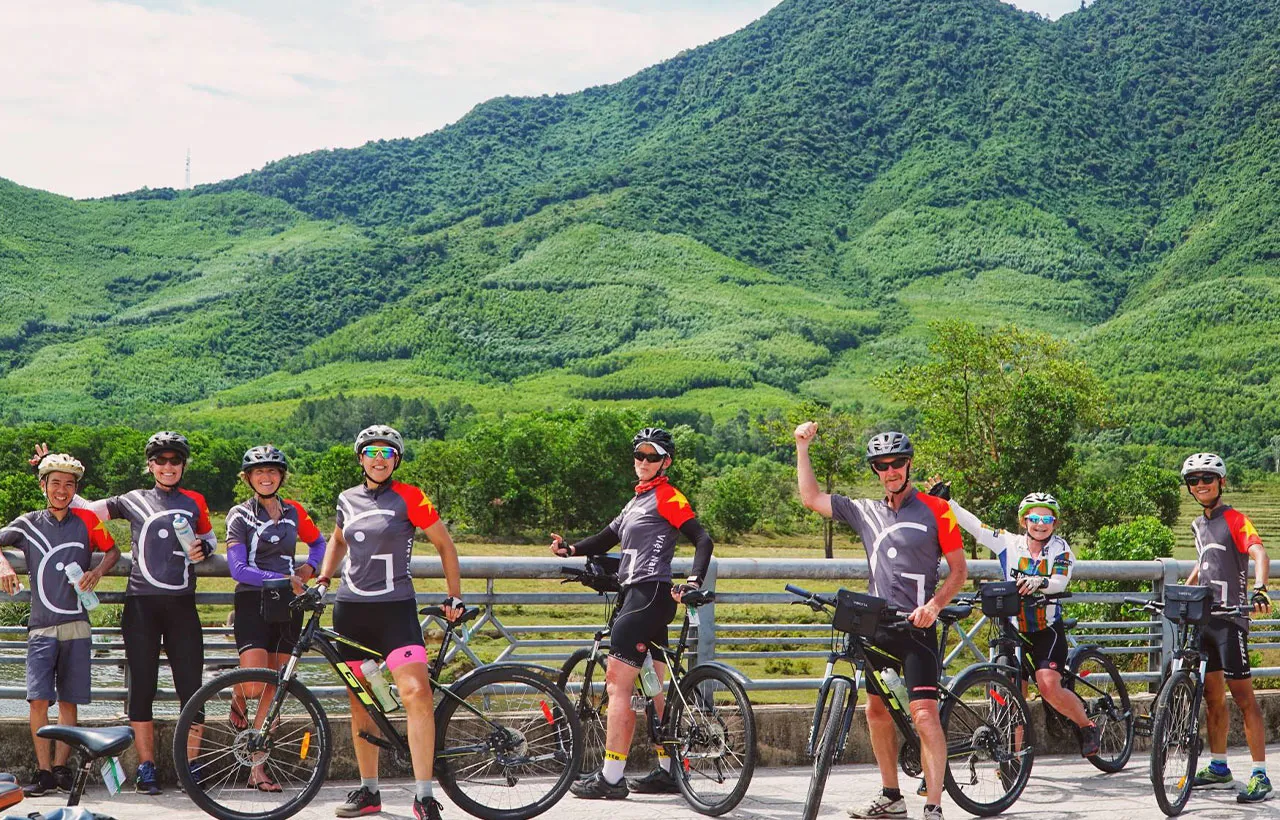
Begin with a market visit to see local catch, vegetables, and handicrafts. Then attend a cooking class—something that starts in the market and ends with you preparing signature dishes. Afternoon: ride a bicycle to Tra Que Village, see local farmers, perhaps pick herbs or lettuces. Evening: beach or riverside dinner.
Day 16: Beach + Cultural Relax
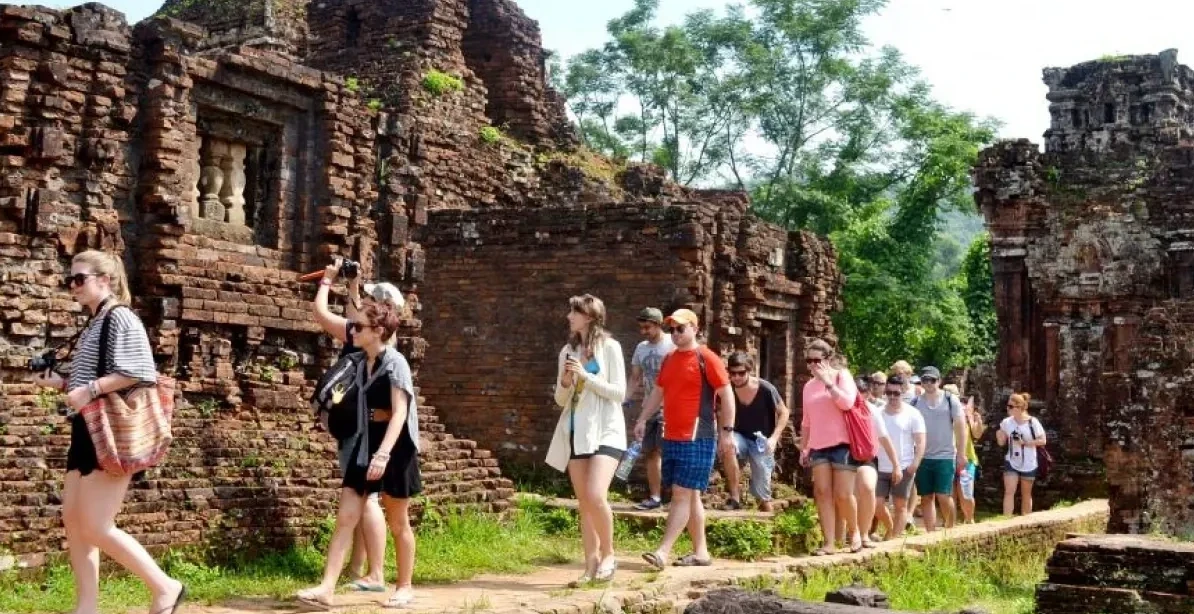
Spend the morning relaxing on An Bang or Cua Dai Beach. After lunch, opt for a visit to My Son Sanctuary if not done previously—ancient Cham ruins set in lush forest. Otherwise, explore more of Hoi An’s side alleys, galleries, tailors, or take a sunset boat ride.
Days 17–18: Central Highlands or Beach Variation
Depending on preference:
Option A — Central Coast: Head to Quy Nhon or Nha Trang for more beach time. Explore undersea life, seafood, and coastal villages.
Option B — Central Highlands (Da Lat or the mountains): Travel inland to cooler climate, pine forests, coffee plantations, waterfalls and smoky markets. Perfect contrast to coastal and northern sections.
Days 19–21: Ho Chi Minh City & Mekong Delta — Southern Finale
Day 19: Arrival in HCMC
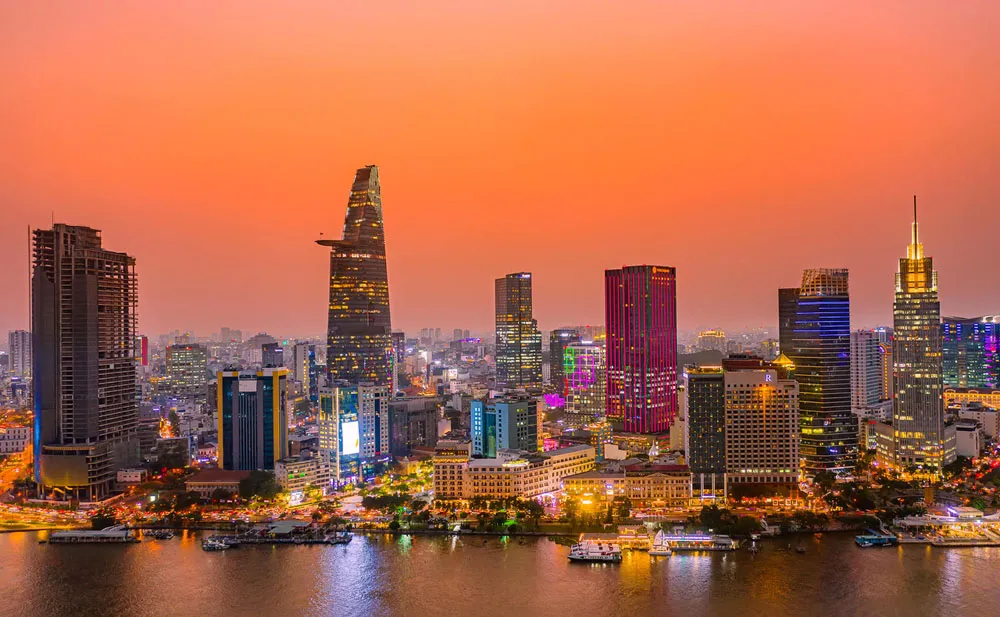
Fly into Ho Chi Minh City, settle in, and then dive into its dynamic energy. Visit the War Remnants Museum, the Notre-Dame and Central Post Office. Eat bánh mì, explore Ben Thanh Market, drink cà phê sân vườn (garden-style coffee house) in District 1 or 3.
Day 20: Mekong Delta Immersed
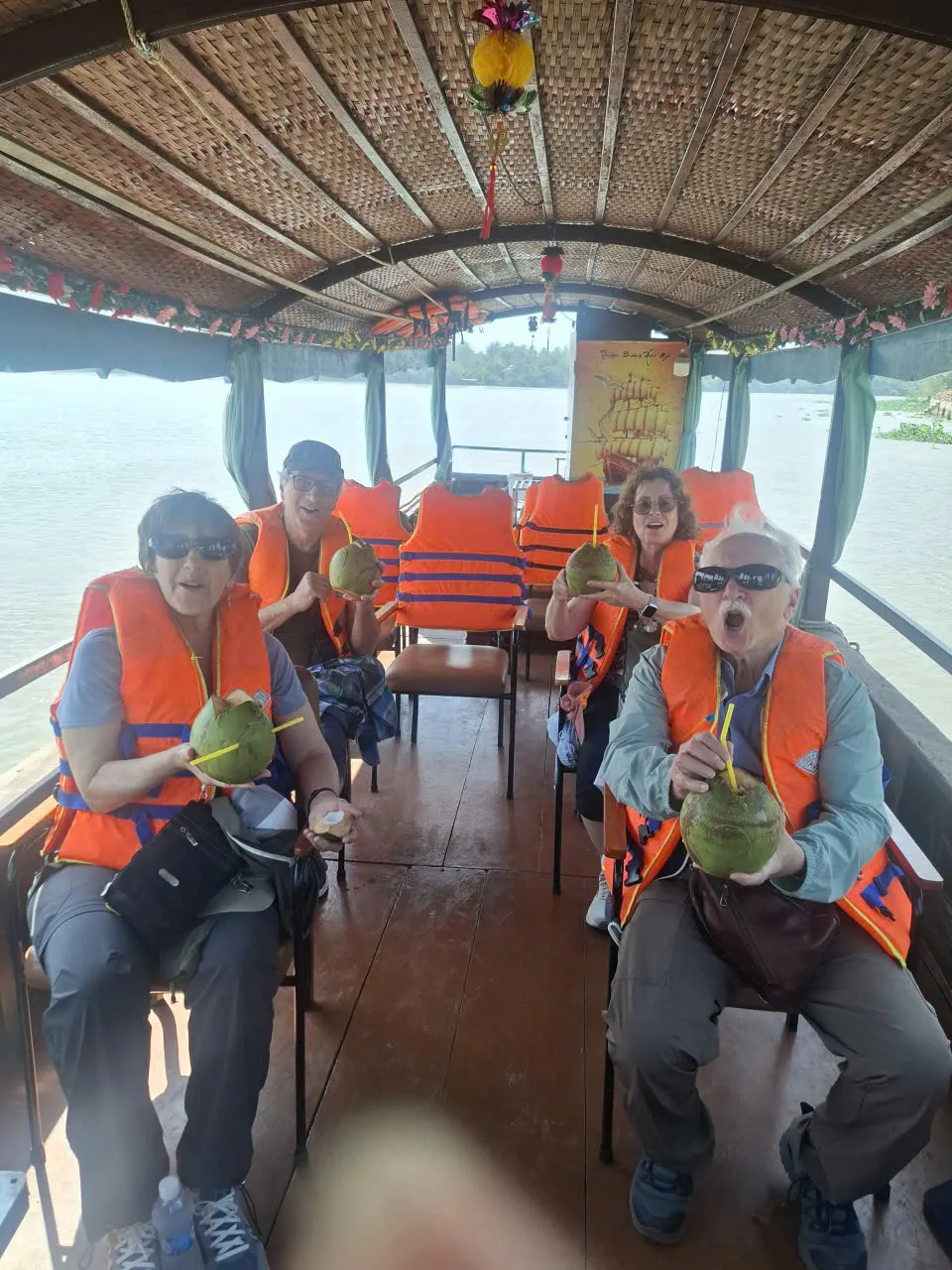
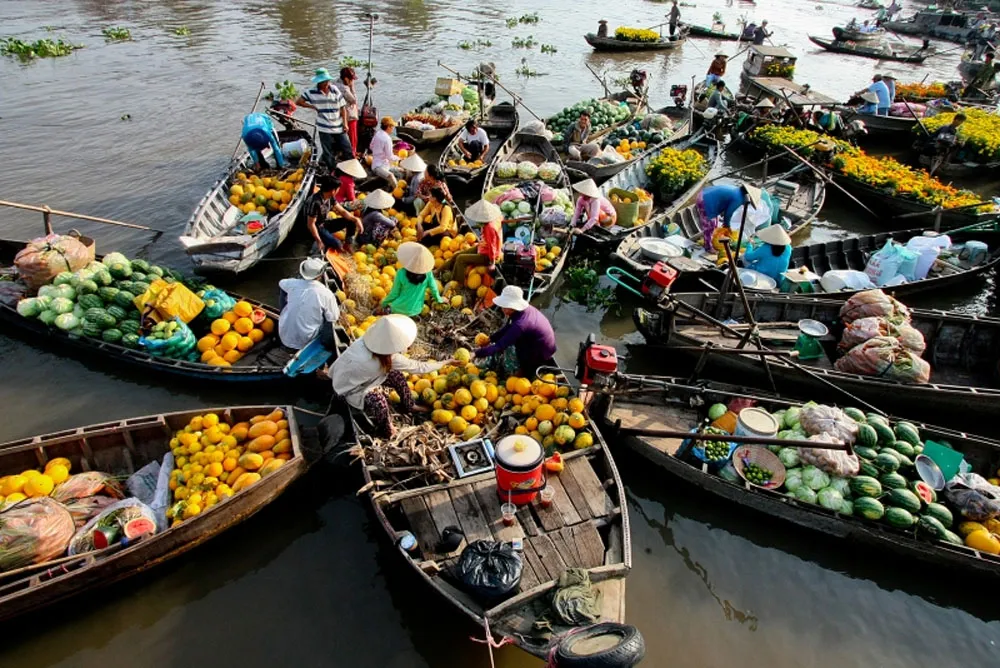
Rise early and head into the Mekong Delta—visit floating markets like Cai Rang (best at dawn), take boat rides through canals, visit fruit gardens, and home-stays in small villages. Try local tropical fruits and food cooked in family homes.
Day 21: Last Day & Departure
Spend your final hours in HCMC—take a cooking class, buy souvenirs, or walk through interesting neighborhoods such as Cholon (Chinatown). Enjoy a farewell dinner—seafood or southern specialties—and transfer to the airport.
Travel Tips for a 3-week-in-Vietnam Journey
Best Time to Visit: The dry season from October to April offers pleasant weather across Vietnam, ideal for outdoor adventures and sightseeing. For fewer crowds and better prices, visit during May or September — the shoulder months with milder weather.
Getting Around: Use domestic flights for long distances, like Hanoi to Da Nang or Ho Chi Minh City, and choose trains or private cars for scenic routes, such as Hanoi–Ninh Binh or the Hai Van Pass.
What to Pack: Bring light, breathable clothes for the southern heat, and a warm jacket for the cooler north during winter. Don’t forget comfortable walking shoes for Sapa treks or Ninh Binh cycling, plus a raincoat for unexpected showers.
Must-Try Dishes: Each region has its own flavor — pho and egg coffee in Hanoi, goat meat in Ninh Binh, bún bò Huế in Central Vietnam, cao lầu in Hoi An, and bánh xèo in Ho Chi Minh City.
Stay Connected: Wi-Fi is available in most hotels and cafés, but a local SIM card makes travel easier for Google Maps and translation apps.
This 3 weeks in Vietnam itinerary is designed to move you through the country’s greatest contrasts—mountain air and rice terraces in the north, epic waterways and caves in the center, lantern-lit lanes and coastal calm in central Vietnam, and the energetic south and Mekong Delta. Move slowly, pick a few deep experiences (a homestay, a cave trip, a cooking class), and leave room for spontaneous discoveries—Vietnam rewards both planning and curiosity.




 View trip map