Best time to visit Central Vietnam
Choosing the right season plays a crucial role in shaping your Central Vietnam itinerary, as weather patterns here differ significantly from the north and south.
-
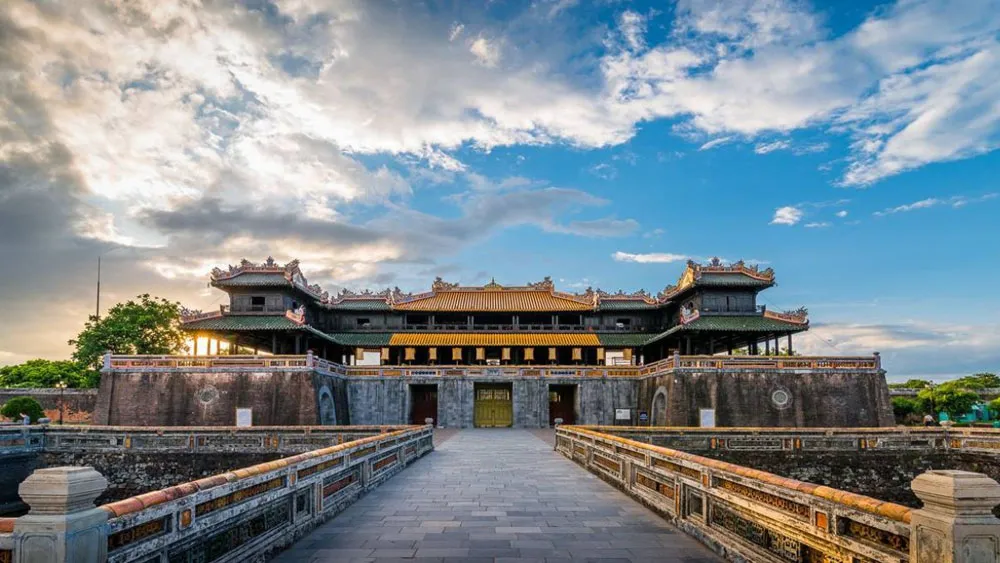
From February to April, Central Vietnam enjoys its most pleasant conditions, with mild sunshine, lower humidity, and minimal rainfall. These months are ideal for walking through Hue’s Imperial City, exploring Hoi An’s Old Town on foot, and enjoying Da Nang’s beaches without the intense summer heat.
-
Between May and August, temperatures rise noticeably, especially along the coast. While midday sightseeing can feel demanding, this season is perfect for travelers who enjoy beach time, early-morning exploration, and lively coastal evenings. With thoughtful scheduling, the heat becomes manageable rather than overwhelming.
-
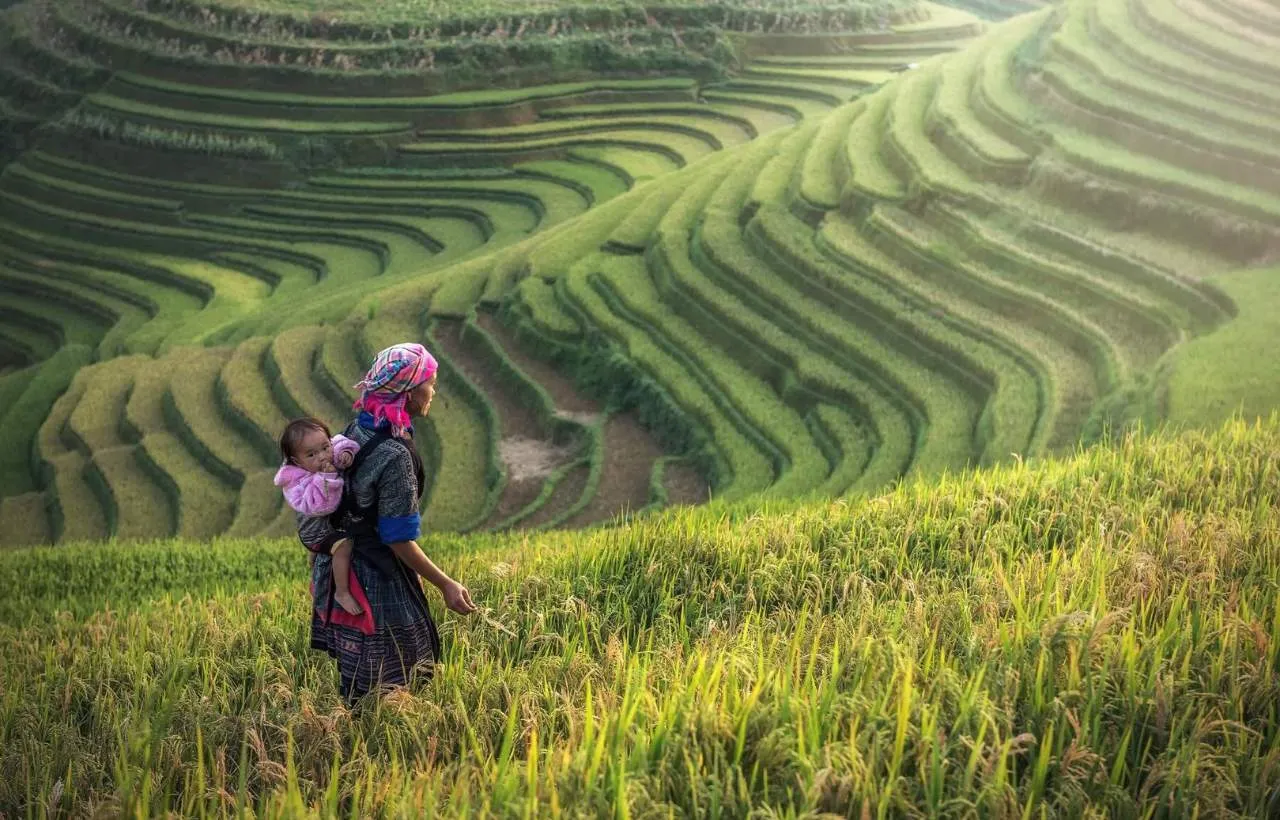
The period from September to November brings heavier rainfall, particularly in Hue and Hoi An, where occasional flooding can affect travel plans. However, this season also transforms the countryside into a lush, green landscape, offering a quieter and more authentic travel experience for those who prefer fewer crowds.
-
During December and January, cooler temperatures and overcast days create a calmer atmosphere that suits slow travelers and cultural exploration. Although rain may appear sporadically, the region feels less hectic and more reflective.
Getting around Central Vietnam
Transportation plays an important role in shaping the rhythm of a Central Vietnam itinerary, as each option offers a different perspective on the region.
-
A private car provides the greatest flexibility, especially for travelers who want to explore royal tombs, countryside villages, or scenic viewpoints that are difficult to reach independently. This option works particularly well for families or small groups.
-
For experienced riders, motorbikes allow close interaction with landscapes, especially on coastal roads or rural routes around Hoi An. However, they are best suited for short distances rather than long transfers.
-
Domestic flights are useful mainly for connecting Central Vietnam with other regions of the country, as distances within the region itself are short enough to make overland travel more enjoyable.

3-day Central Vietnam itinerary – A focused cultural introduction
This short Central Vietnam itinerary is ideal for travelers who want a meaningful introduction to the region while combining it with other parts of Vietnam.
Day 1: Hue – Imperial heritage and riverside calm
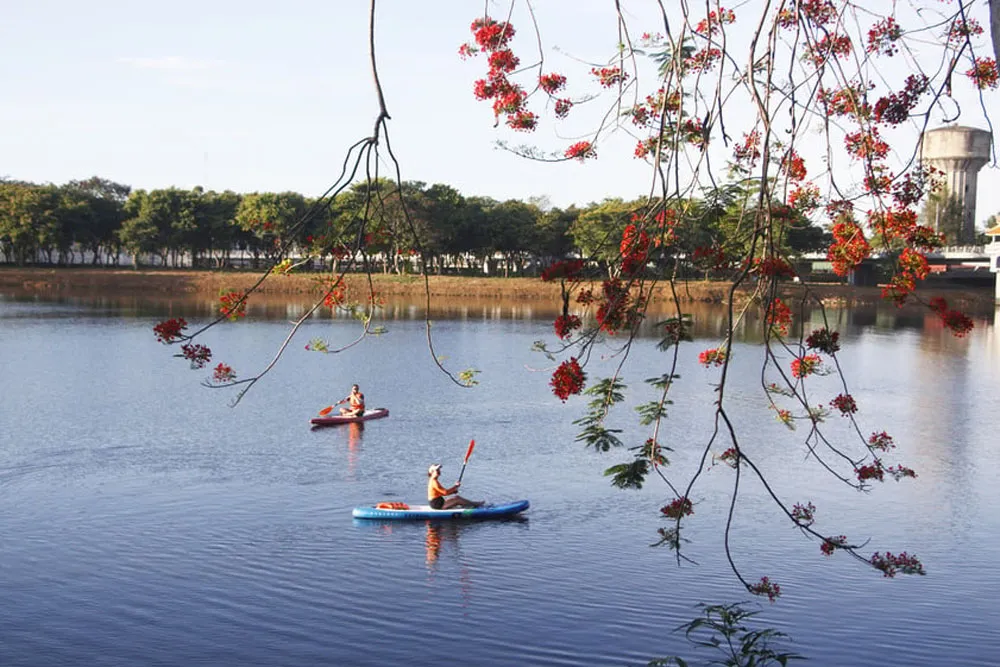
Begin your journey in Hue, a city known for its understated elegance and deep historical roots. Rather than rushing straight into major attractions, take time to walk along the Perfume River, where the pace of life feels noticeably slower than in Vietnam’s larger cities.
In the late afternoon, visit Thien Mu Pagoda, Hue’s most iconic religious landmark, which overlooks the river and reflects the city’s spiritual character. As evening falls, enjoy a relaxed dinner featuring Hue’s signature dishes, allowing food to serve as your first real connection to local culture.
Day 2: Hue to Da Nang via Hai Van Pass
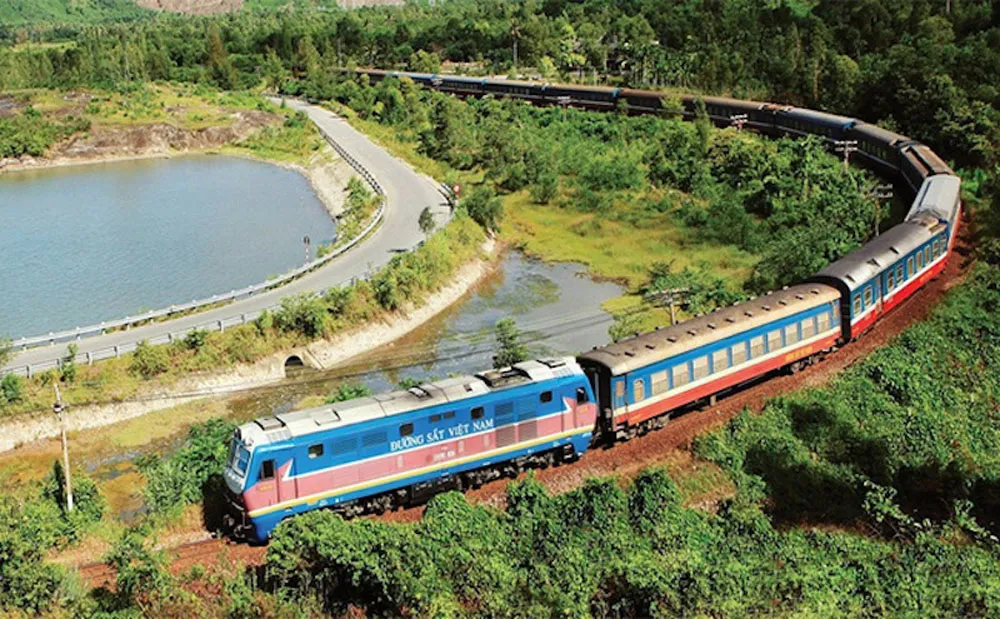
Travel south from Hue to Da Nang using the scenic Hai Van Pass, either by train or private car. The journey itself becomes a highlight, as mountains meet the sea and views shift constantly along the route.
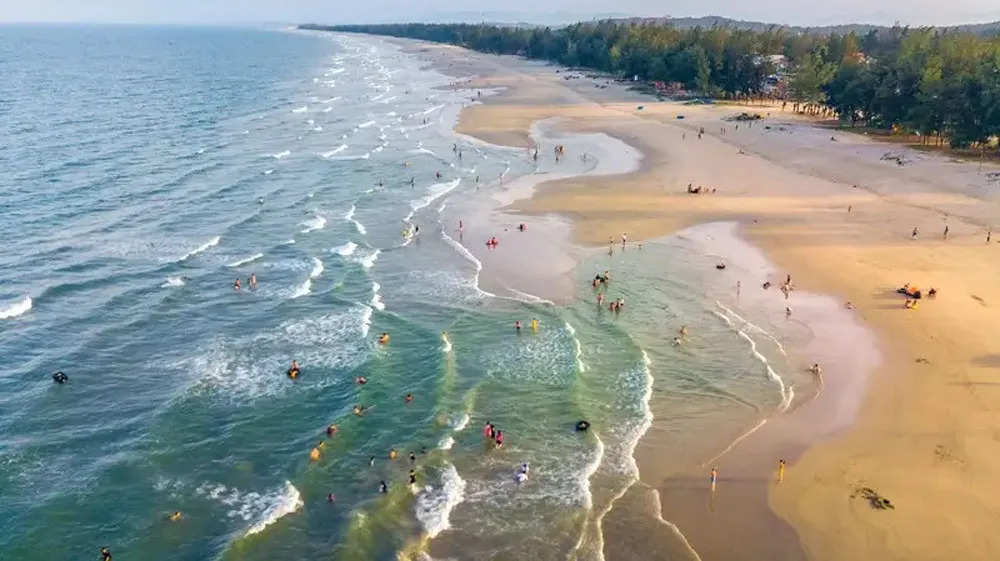
Upon arriving in Da Nang, the atmosphere changes from historical to modern and coastal. Spend the afternoon at My Khe Beach, where wide stretches of sand and gentle waves provide a refreshing contrast to Hue’s formal heritage sites. A simple seafood dinner by the sea completes the day naturally.
Day 3: Da Nang to Hoi An –The Old Town atmosphere
Start the morning with a visit to the Marble Mountains, where caves, temples, and viewpoints combine nature with spirituality. From there, continue south to Hoi An, arriving by early afternoon.

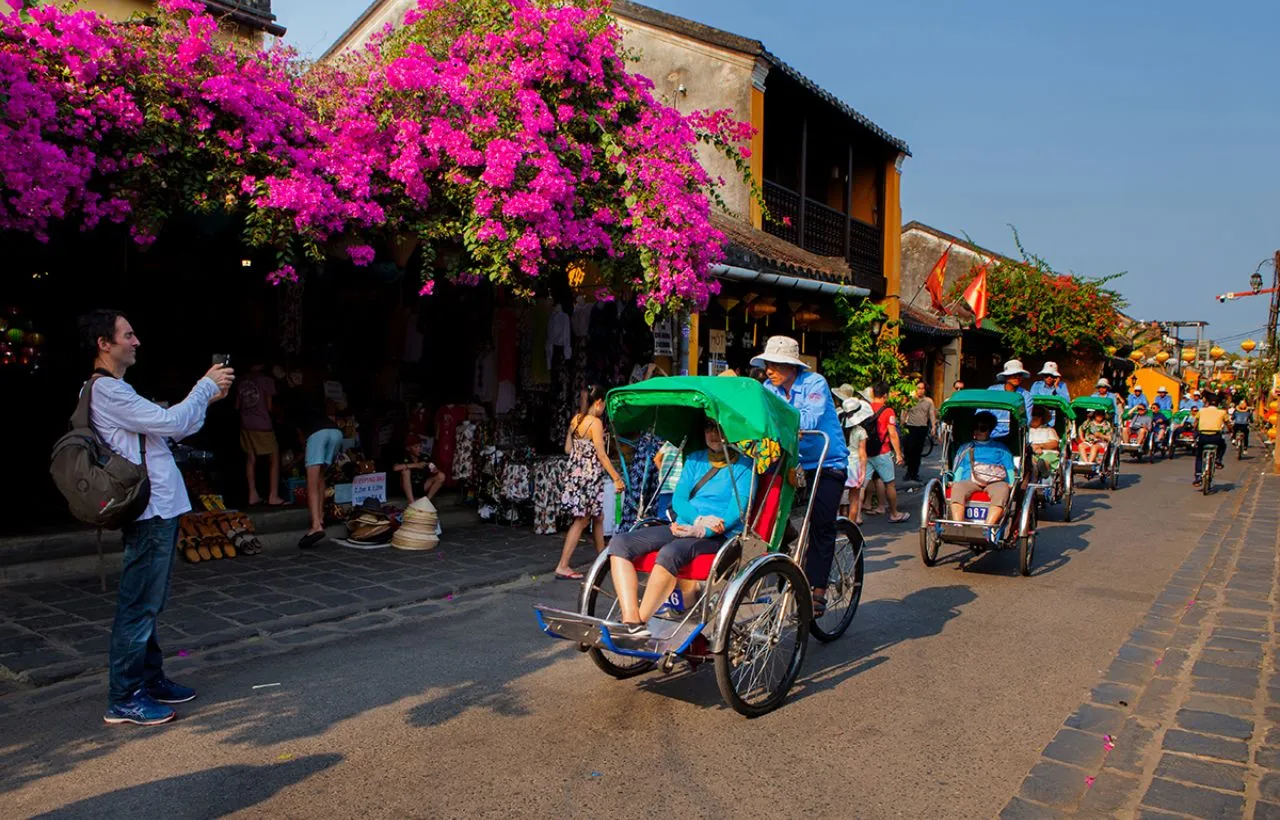
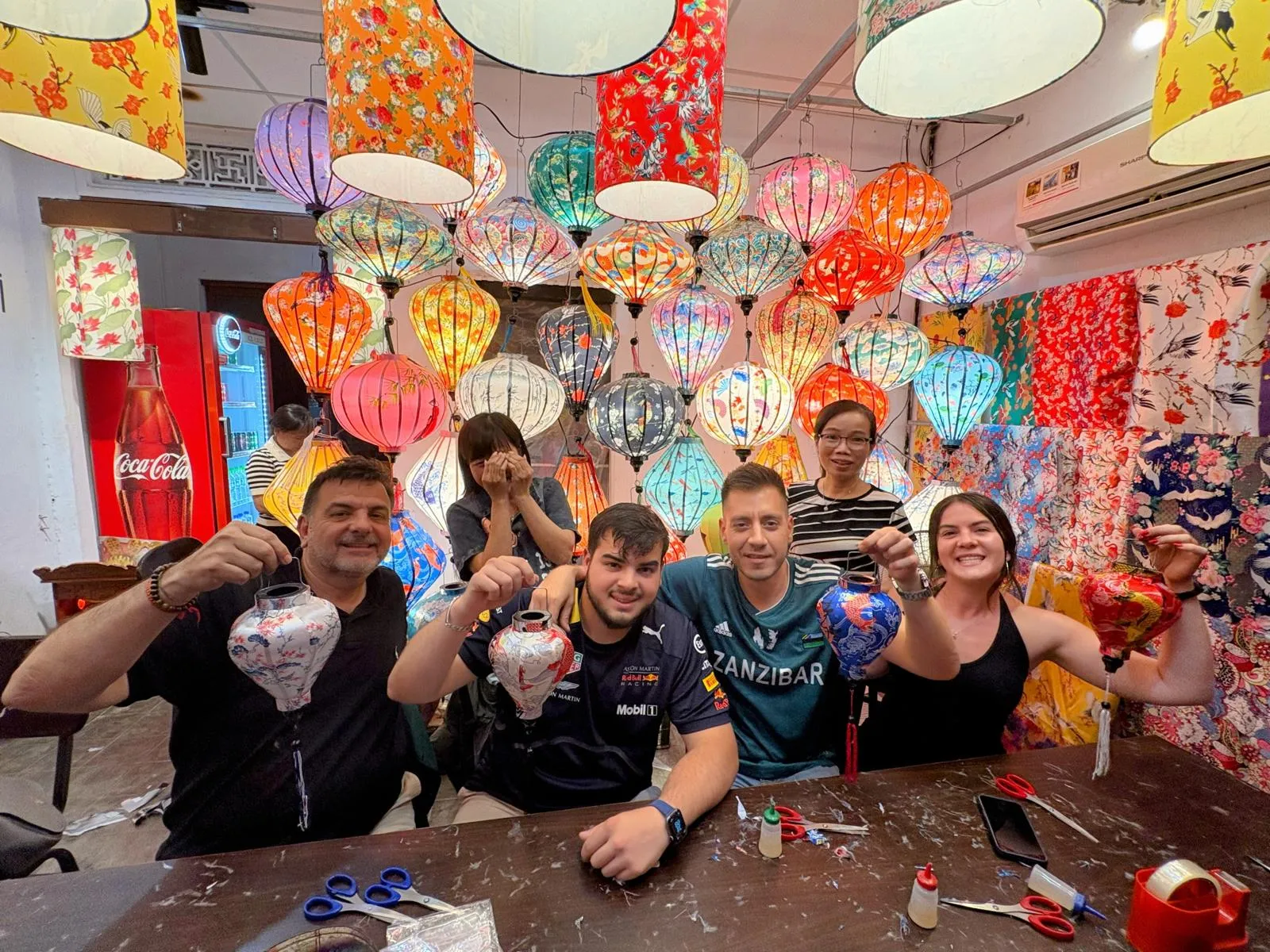
Hoi An’s charm reveals itself gradually, especially as daylight fades. Walking through lantern-lit streets, crossing small bridges, and strolling along the river allows you to experience the town at its most atmospheric, making a fitting end to a short but well-rounded itinerary.
5-day Central Vietnam itinerary – Culture, coast, and countryside
With five days, a Central Vietnam itinerary becomes more balanced, allowing time for both exploration and rest.
Day 1: Arrival in Hue – Gentle introduction
Arrive in Hue and settle into accommodation near the city center or along the river. Spend the afternoon adjusting to the city’s rhythm through short walks, café stops, and casual sightseeing rather than intensive exploration.
In the evening, focus on Hue’s culinary traditions, which are known for their refinement and presentation, offering insight into the city’s imperial past.
Day 2: Hue Imperial City and royal tombs
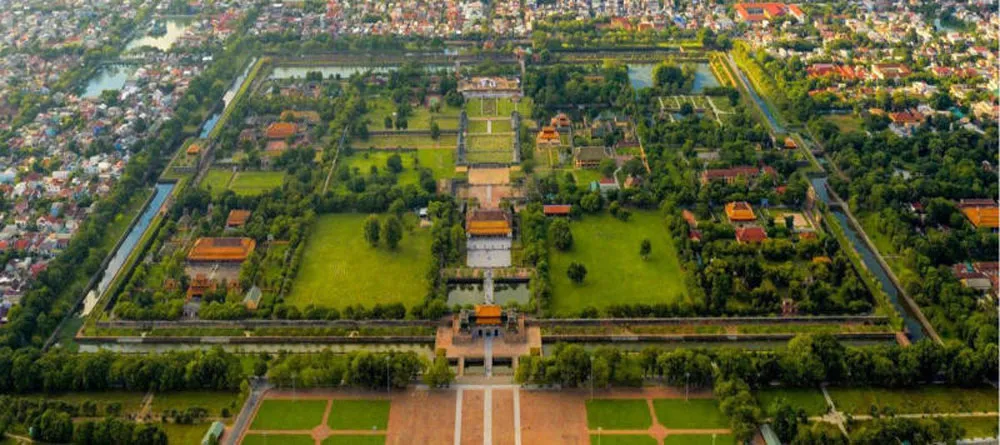
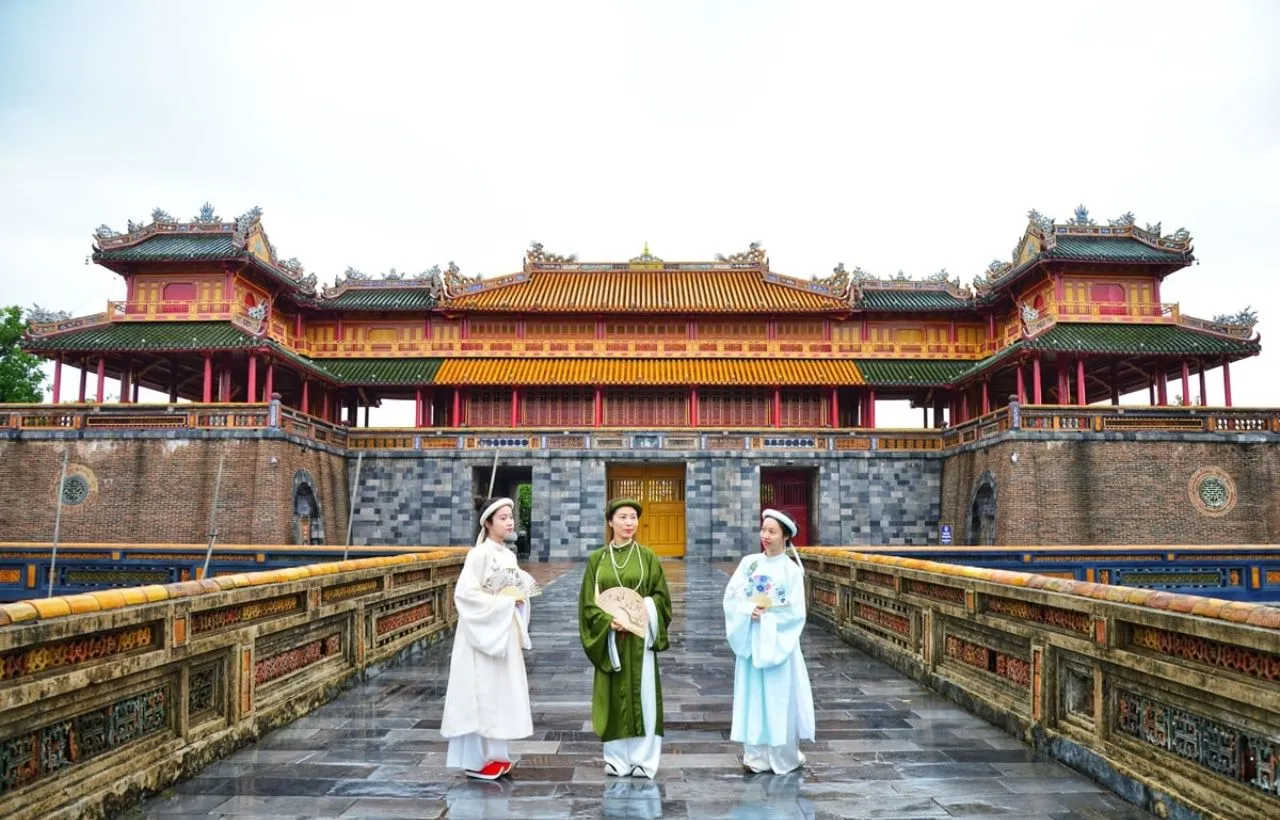
Dedicate the morning to exploring the Imperial Citadel, where gates, courtyards, and palace ruins reveal centuries of Vietnamese history. Moving slowly through the complex helps you understand the scale and symbolism behind its design.
In the afternoon, travel outside the city to visit royal tombs such as Minh Mang or Khai Dinh, which are set within quiet natural surroundings. These sites provide a more personal perspective on the emperors who once ruled from Hue.
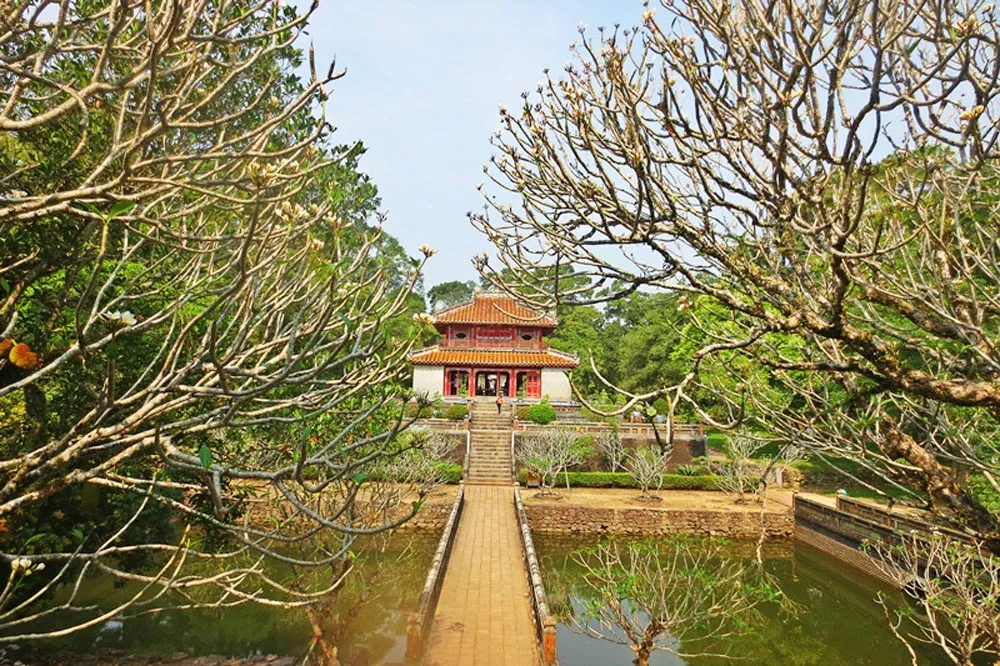
Day 3: Hue to Da Nang – Scenic transition
Leave Hue and travel toward Da Nang via the Hai Van Pass, enjoying coastal viewpoints along the way. Arriving by early afternoon allows time to unwind rather than continue sightseeing.
The remainder of the day is best spent by the beach, where walking along the shoreline or watching the sunset helps reset your pace for the rest of the journey.
Day 4: Da Nang city highlights
Begin the day early at the Marble Mountains to avoid crowds and heat. Exploring the caves and pagodas at a relaxed pace offers both physical movement and quiet reflection.
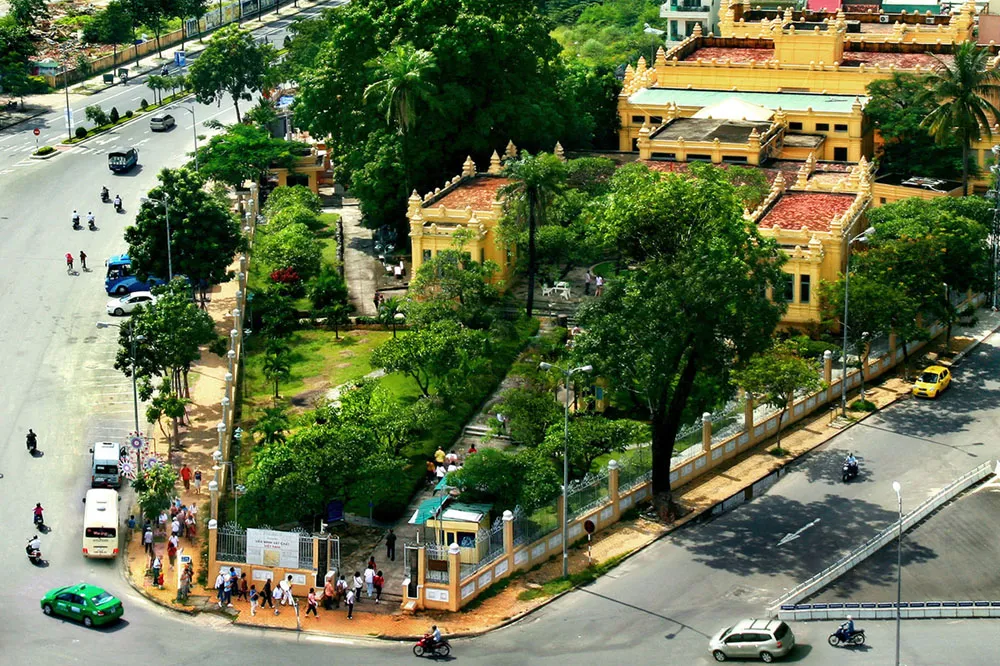
Later, visit the Cham Sculpture Museum to gain historical context about the region’s ancient civilizations before enjoying an evening along the Han River or near the coast.
Day 5: Hoi An Old Town and departure
Transfer to Hoi An and dedicate the day to exploring its Ancient Town. Beyond the main streets, quieter alleys and riverside paths reveal a more intimate side of the town.
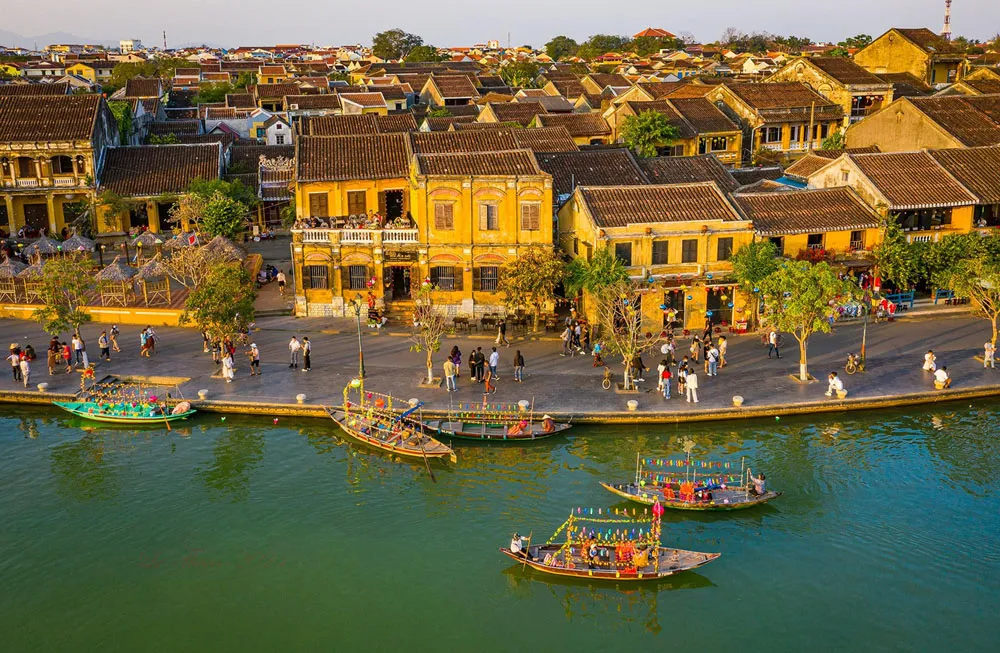
As your journey concludes, enjoy a final coffee or lantern-lit walk, allowing the calm atmosphere to linger before departure.
Practical tips for planning a Central Vietnam itinerary
-
Start sightseeing early in the day to avoid heat and maintain energy
-
Choose scenic land routes over flights whenever possible
-
Balance cultural exploration with beach or countryside downtime
-
Stay near rivers or the coast to enjoy quieter evenings
A well-planned Central Vietnam itinerary highlights why this region is often considered the cultural heart of the country. By combining imperial heritage, coastal relaxation, and historic towns within short travel distances, Central Vietnam encourages a slower, more thoughtful style of travel.
If you would like to turn this route into a personalized Central Vietnam journey, Custom Asia Travel (CAT) can help design a tailor-made itinerary based on your travel style, interests, and preferred pace — with thoughtfully selected routes, accommodations, and authentic local experiences.










 View trip map