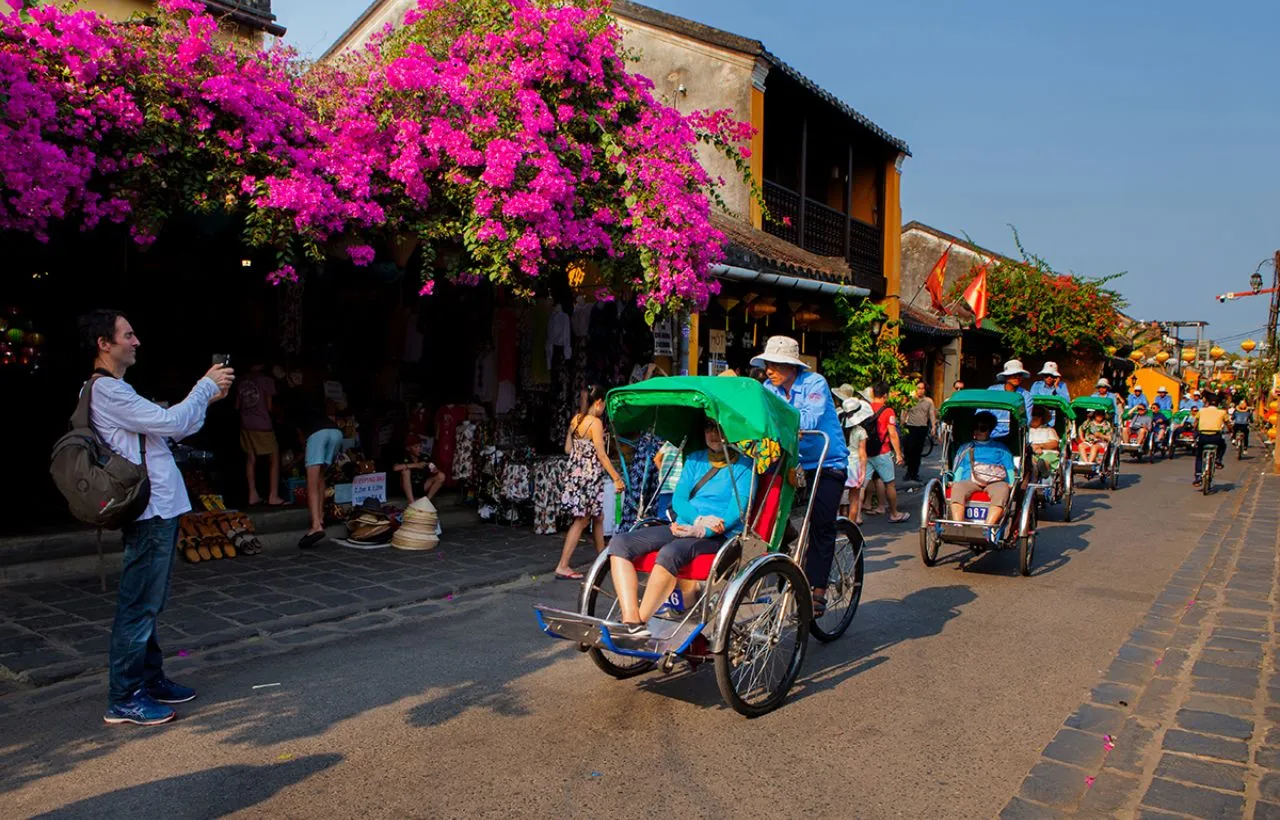
This guide is designed for travelers who want more than quick photo stops. Whether you have two days or five, these itineraries focus on pacing, atmosphere, and meaningful experiences—balancing heritage sites, village life, food culture, and beach time.
Best time to visit Hoi An
Hoi An’s appeal changes with the seasons, and understanding its weather helps you plan activities more comfortably.
-
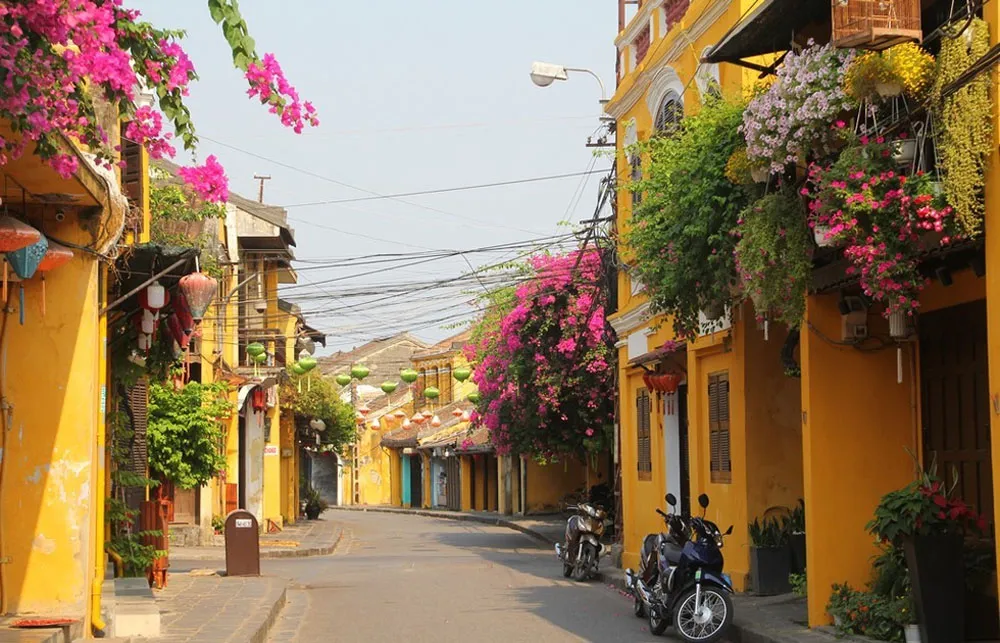
February to April: This is widely considered the best time to follow a Hoi An Vietnam itinerary. Days are warm but not overly hot, humidity is manageable, and rainfall is low. Walking the Old Town, cycling to villages, and spending time at the beach are all comfortable during this period.
-
May to August: Summer brings stronger sunshine and higher temperatures, but also a lively coastal atmosphere. Early mornings are ideal for sightseeing, while afternoons work best for beaches and cafés. This is a great time to include An Bang Beach in your itinerary.
-
September to January: Rainfall increases, especially from October onward, and occasional flooding can affect the Old Town. However, this season offers fewer tourists, softer light for photography, and a more local, everyday feel—appealing to slow travelers and long-stay visitors.
Getting around Hoi An
Hoi An’s compact layout makes transportation simple and enjoyable.
-
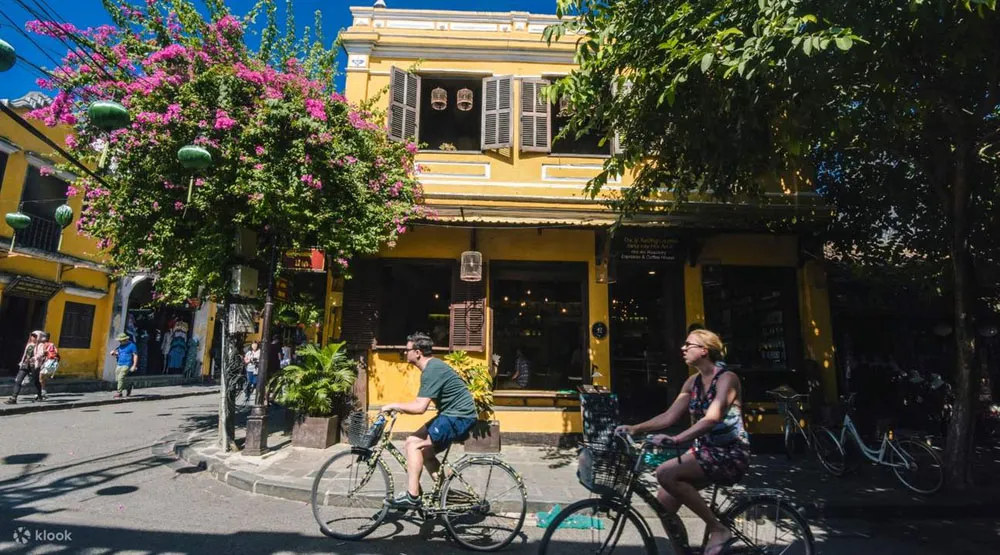
Walking: The Ancient Town is best explored on foot, especially early in the morning or after sunset when traffic is restricted and temperatures are cooler.
-
Bicycle: Renting a bicycle allows you to reach nearby villages, rice fields, and beaches while enjoying flat, scenic roads. It’s one of the most immersive ways to experience the area.
-
Taxi or ride-hailing: Useful for trips to My Son Sanctuary, Da Nang, or for returning from the beach in the evening.
-
Boat rides: Short river cruises offer a relaxing perspective of Hoi An, particularly at dusk when lanterns are lit.
2-day Hoi An Vietnam itinerary – Classic highlights & gentle exploration
This 2-day Hoi An Vietnam itinerary is ideal for first-time visitors or those combining Hoi An with Da Nang or Hue.
Day 1: Ancient Town and lantern evenings
Arrive in Hoi An and check into your accommodation near the Old Town or along the river. Begin your visit with a slow walk through the Ancient Town, allowing time to absorb its architecture and rhythm. Visit key landmarks such as the Japanese Covered Bridge, Tan Ky Old House, and one or two Chinese assembly halls to understand the town’s trading past.

In the afternoon, take a break at a riverside café, watching boats pass and locals go about their routines. As evening approaches, the Old Town transforms—lanterns light up the streets, food stalls appear, and the river reflects soft colors. Enjoy dinner with local specialties like cao lầu or white rose dumplings, followed by a short evening walk or boat ride.
Day 2: Countryside villages or beach escape
Start early and cycle toward Tra Que Vegetable Village, where you can see traditional farming techniques and walk among herb gardens. The calm rural atmosphere contrasts beautifully with the Old Town. Alternatively, head to An Bang Beach for a relaxed morning of swimming and seaside cafés.

Return to Hoi An by early afternoon, allowing time for shopping, tailoring appointments, or a final stroll through quieter streets before departure.
3-day Hoi An Vietnam itinerary – Culture, countryside & coast
With three days, a Hoi An Vietnam itinerary feels more complete and unhurried.
Day 1: Old Town orientation and heritage walk
Spend the morning exploring the Old Town while it’s still quiet. Visit museums, heritage houses, and temples at a comfortable pace, stopping often for photos or coffee. Midday heat is best avoided with a rest or café break.
In the late afternoon, wander smaller lanes away from main streets, then enjoy dinner near the river. Evening lantern walks are ideal for soaking in Hoi An’s atmosphere without a strict schedule.
Day 2: Cam Nam Island – from rural calm to lively experiences
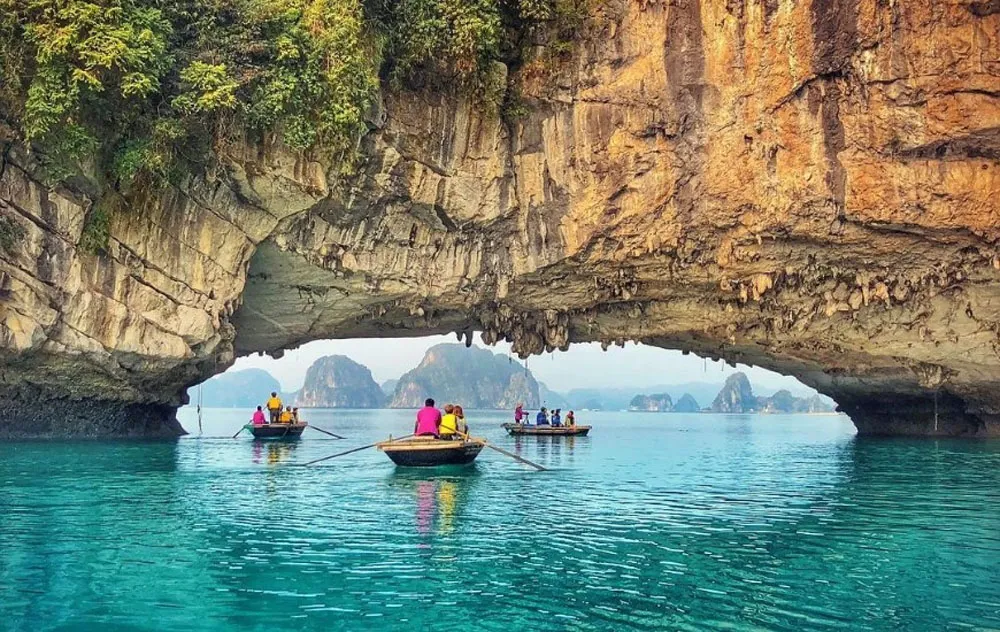
Start your day on Cam Nam Island, where peaceful countryside scenery meets water-filled landscapes. Walk or cycle through quiet village paths, explore the lush Bay Mau coconut forest, and experience traditional basket boat rides that reveal a slower, river-based way of life. This side of Hoi An feels green, open, and refreshingly local, offering a gentle contrast to the Old Town’s historic streets.

As the day continues, shift from calm to color by sampling local dishes such as Mi Quang and banh dap, then spend time discovering nearby cultural and entertainment areas. From folk culture spaces to river-based attractions and water activities, Day 2 blends village charm with dynamic experiences, giving you a fuller picture of Hoi An beyond its heritage core.
Day 3: Beach time or My Son Sanctuary
Choose between relaxation or cultural exploration. Spend the morning at An Bang or Cua Dai Beach, enjoying long breakfasts and ocean views. Alternatively, take a half-day trip to My Son Sanctuary to explore ancient Cham ruins surrounded by forested hills.

Return to Hoi An by mid-afternoon for final shopping, coffee stops, and a farewell dinner.
Practical tips for planning a Hoi An Vietnam itinerary
Plan Old Town visits early or late to avoid crowds and heat. Group countryside activities to reduce travel time, and stay slightly outside the Old Town for quieter evenings. Bicycles offer the best balance of freedom and immersion.
Conclusion
A well-paced Hoi An Vietnam itinerary allows you to experience the town beyond its postcard beauty. By combining heritage, countryside, and coast, Hoi An becomes a place to slow down and truly connect with central Vietnam’s culture and daily life.
Whether you stay for two days or five, Hoi An rewards travelers who move gently—and leave with lasting memories rather than rushed impressions.















 View trip map