Why Northern Vietnam deserves time
Northern Vietnam is defined by contrast and character. Compared to central and southern regions, the north feels more traditional, cooler in climate, and visually dramatic. Roads wind through mountains, markets are still community-centered, and everyday life unfolds slowly.
A complete North Vietnam itinerary offers:
-
Landscapes ranging from karst valleys to high mountain passes
-
Ethnic minority cultures with distinct traditions, clothing, and architecture
-
Cities shaped by centuries of political and cultural history
-
Food that is simple, seasonal, and deeply comforting
This region rewards travelers who observe as much as they move.
Best time to travel in Northern Vietnam
Timing plays a major role in shaping your experience.
-
March to May: Pleasant temperatures and clear skies make this an ideal season. Cities are comfortable to explore on foot, and mountain areas begin turning lush and green.
-
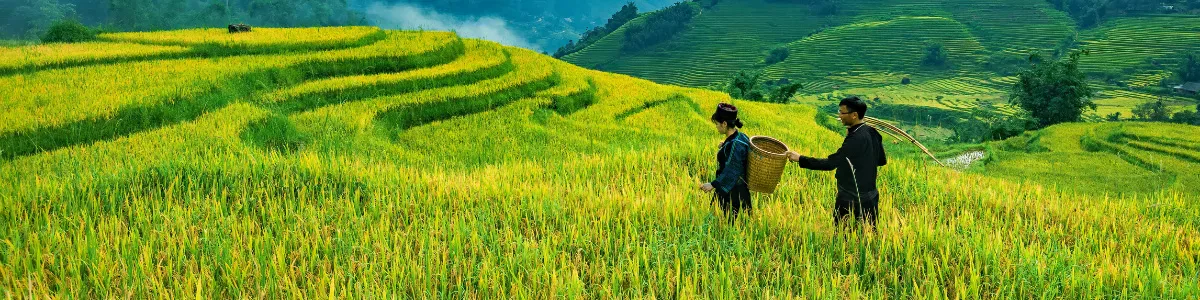
September to November: One of the most beautiful periods in northern Vietnam. Rice terraces glow golden, air is crisp, and trekking conditions are excellent.
-
June to August: Hot and humid with occasional heavy rain, but landscapes are at their most vibrant. Fewer tourists make this season appealing for quieter travel.
-
December to February: Cooler weather brings mist and fog to mountain regions, creating a moody atmosphere. While colder, this season feels intimate and less commercial.
Day 1–2: Hanoi – History, rhythm, and street culture
Hanoi is more than a gateway—it. It sets the emotional tone for your North Vietnam itinerary. The city blends thousand-year-old traditions with modern life in a way that feels organic rather than staged.
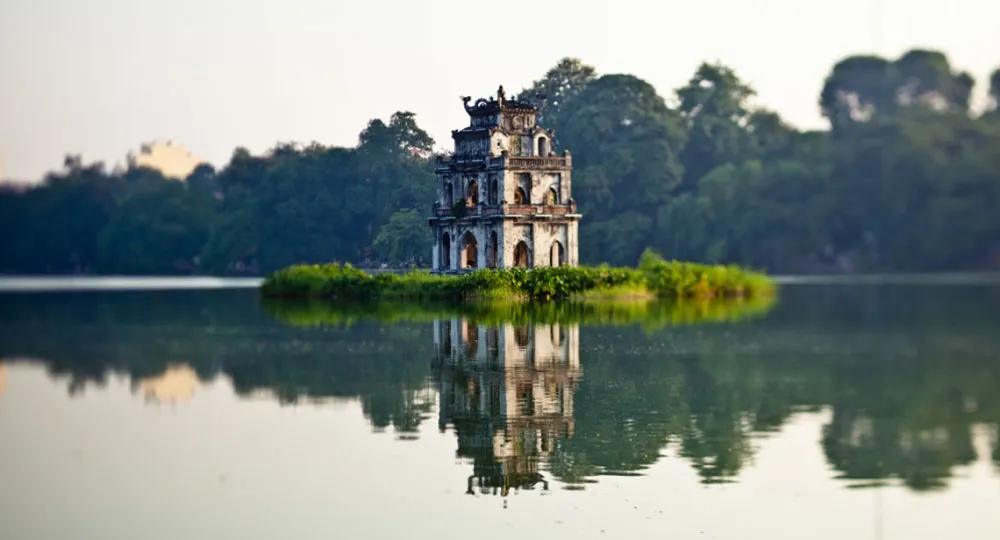
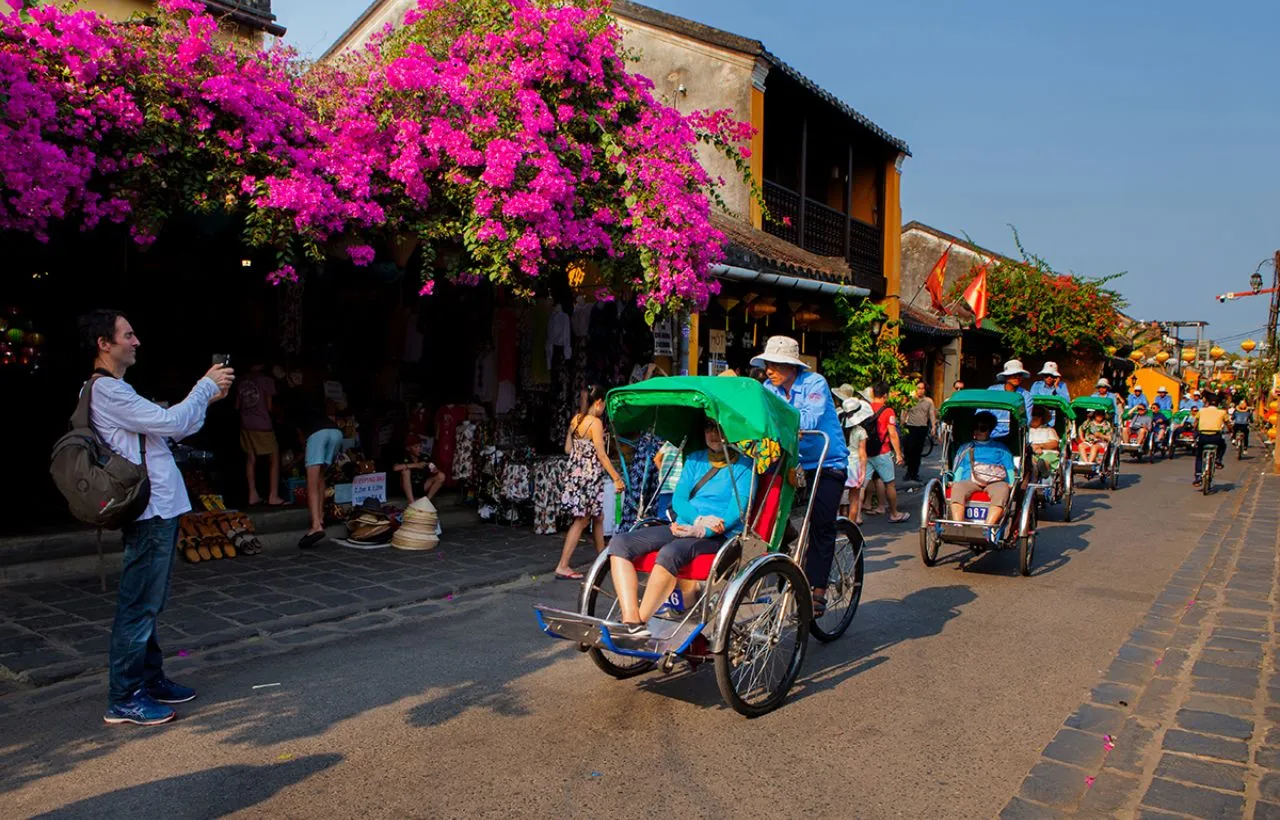
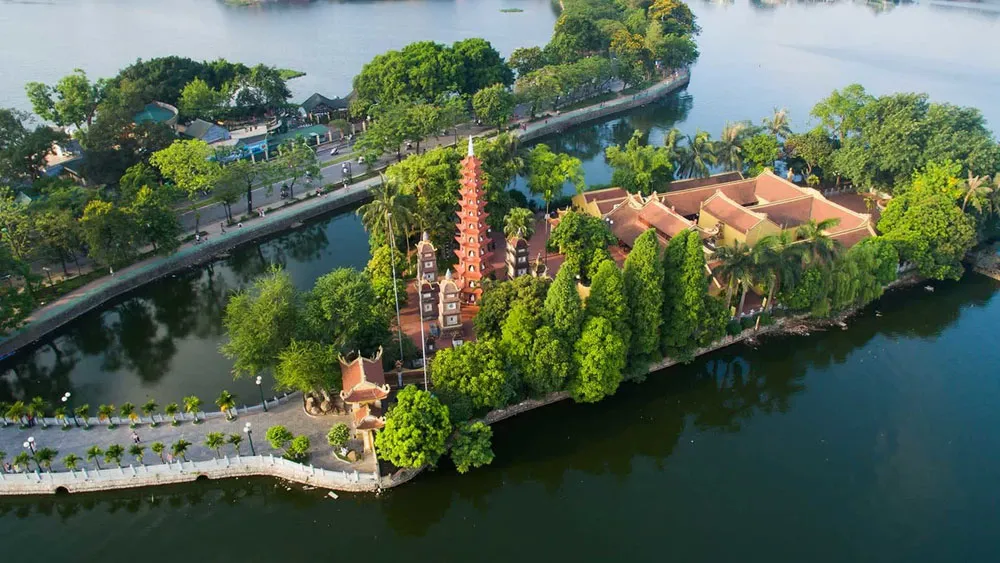
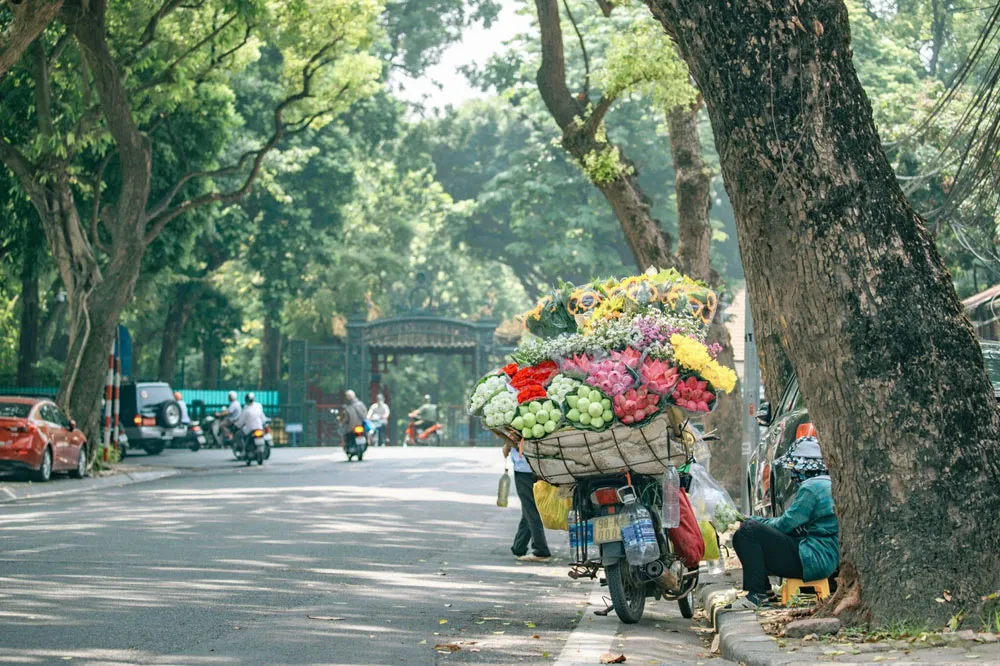
Spend your first day wandering the Old Quarter, where narrow streets follow ancient trade lines. Observe daily routines, stop for sidewalk coffee, and explore hidden courtyards behind busy facades. Visit Hoan Kiem Lake early in the morning to witness locals practicing tai chi or chatting quietly by the water.
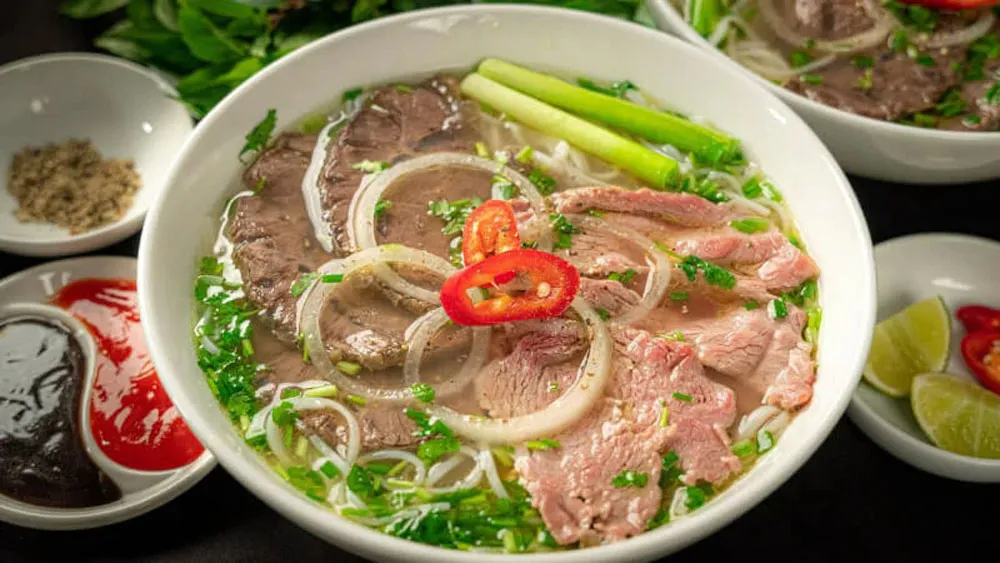
On day two, explore Hanoi’s cultural landmarks. The Temple of Literature offers insight into Vietnam’s scholarly past, while the Ho Chi Minh Complex reveals modern political history. Balance sightseeing with food—bun cha for lunch, pho for breakfast, and egg coffee in the afternoon. Hanoi teaches you how to slow down while staying engaged.
Day 3–4: Ninh Binh – Limestone valleys and rural landscapes
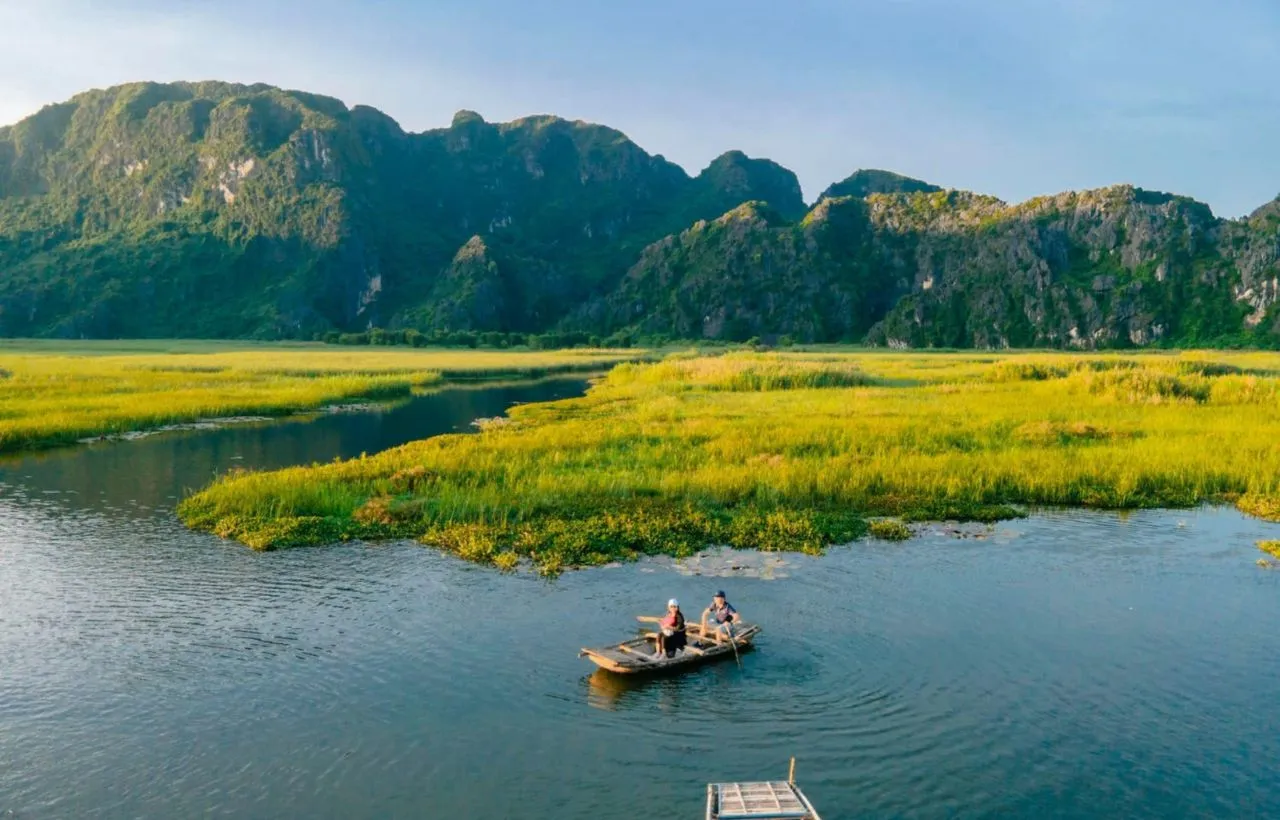
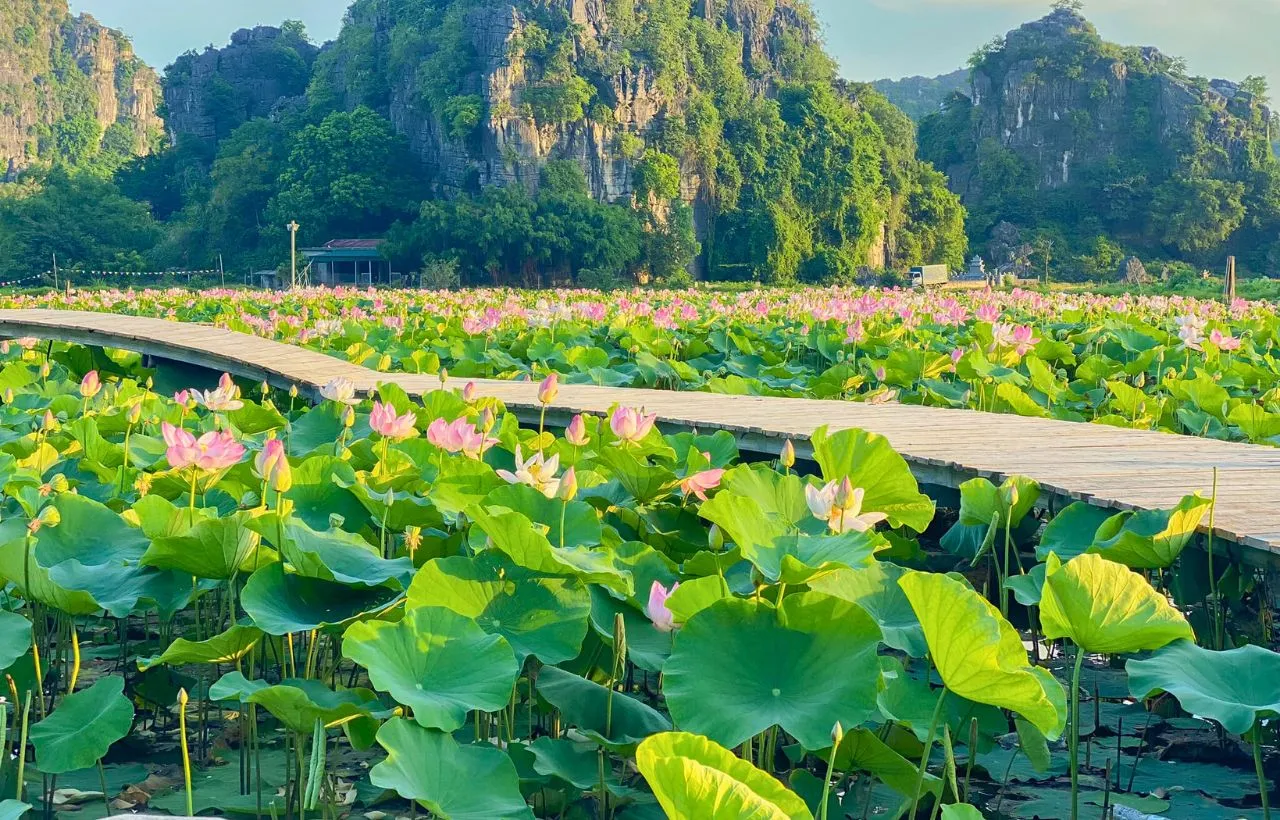
From Hanoi, travel south by train or car to Ninh Binh, where scenery opens into wide fields and towering karst formations. This area feels peaceful and cinematic, offering a complete contrast to city life.
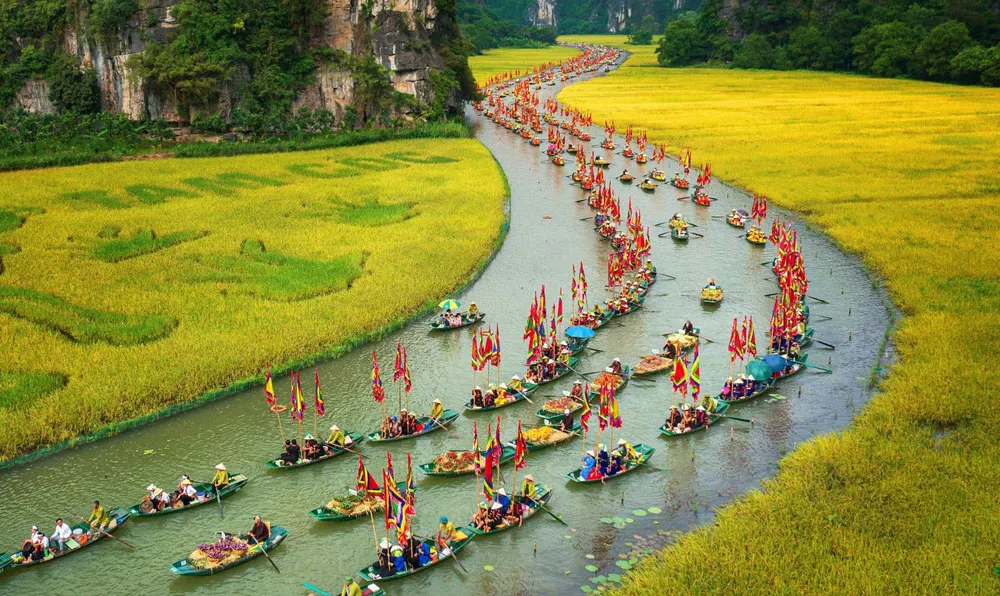
Begin with a boat journey in Trang An or Tam Coc, drifting along calm rivers that wind through caves and cliffs. The silence, broken only by paddles and birds, creates a meditative experience. In the afternoon, cycle through villages, passing buffalo, rice fields, and local homes.
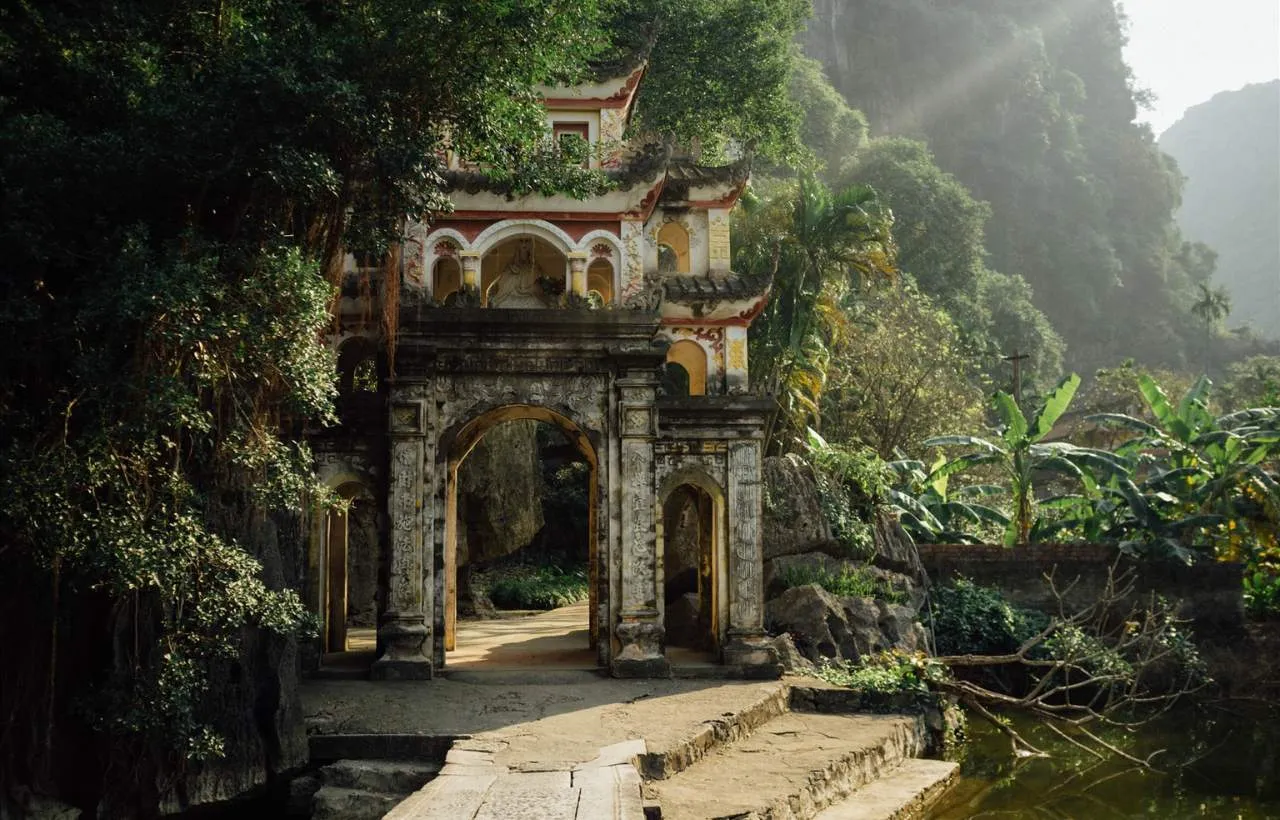
Climb Mua Cave near sunset for panoramic views across the valley, then visit Hoa Lu Ancient Capital to learn about Vietnam’s early dynasties. Evenings in Ninh Binh are quiet—perfect for rest before continuing your journey north.
Day 5–6: Ha Long Bay or Lan Ha Bay – Coastal calm and open horizons
Continue east toward the coast for one of northern Vietnam’s most iconic landscapes. An overnight cruise allows you to experience the bay beyond day-trip crowds.
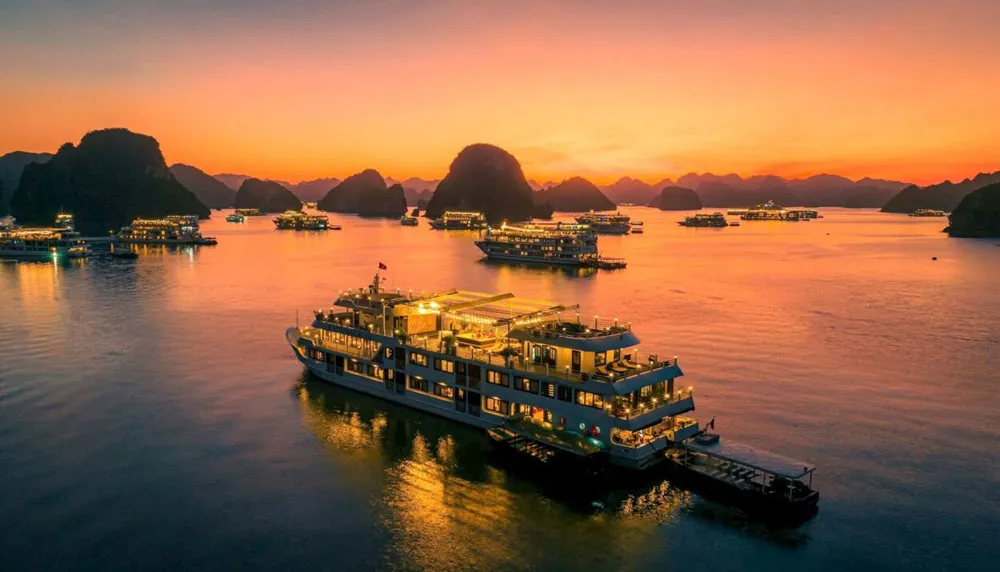
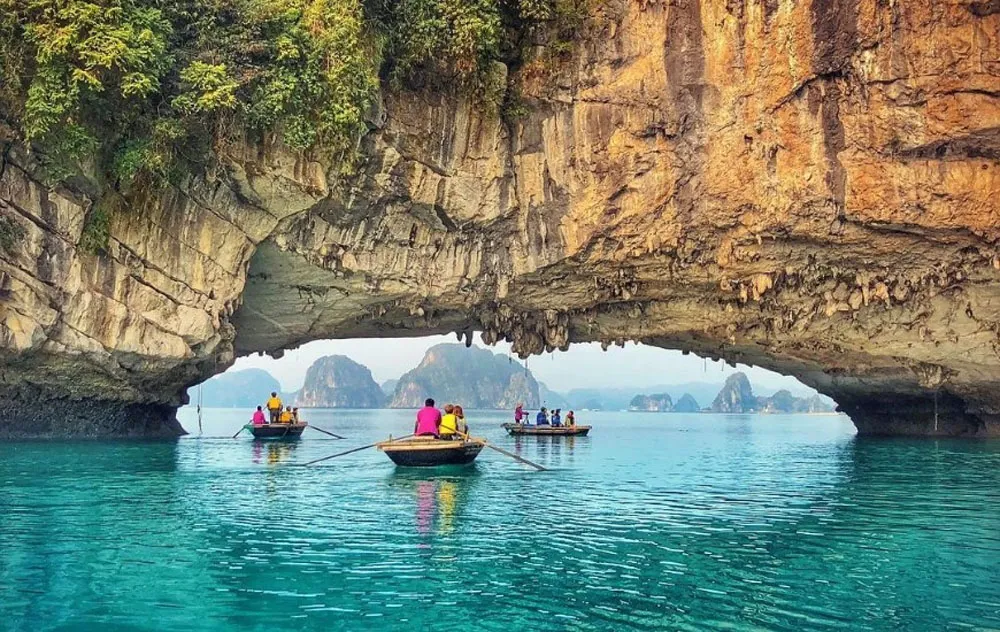
Cruising through limestone karsts feels unhurried and expansive. Spend time kayaking into hidden lagoons, visiting floating villages, and relaxing on deck with uninterrupted views. Meals feature fresh seafood, often enjoyed as the sun sets behind the cliffs.
Ha Long Bay offers classic scenery, while Lan Ha Bay feels quieter and less developed. Both fit naturally into a North Vietnam itinerary, offering a moment of rest between inland journeys.
Day 7–10:
Ha Giang Loop – Mountains, freedom, and raw beauty
For travelers seeking the most powerful landscapes in northern Vietnam, Ha Giang is unmatched. Reached by overnight bus or private transfer, this remote region feels untouched and deeply authentic.
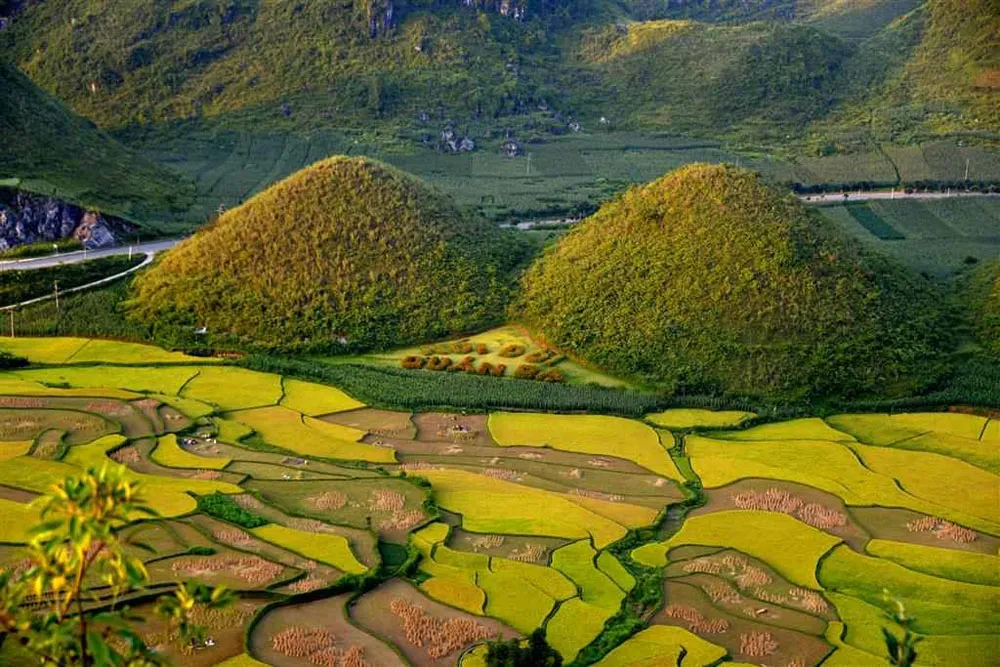
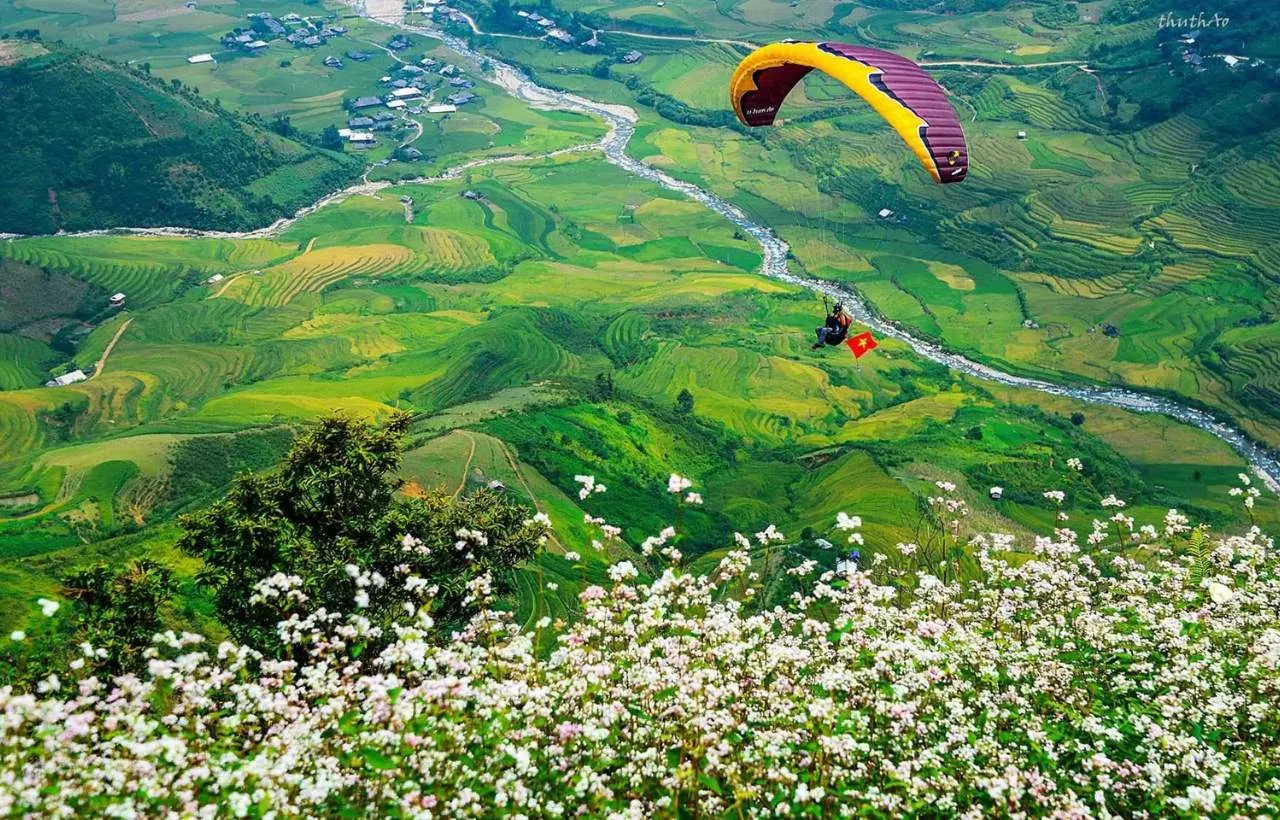
The Ha Giang Loop winds through dramatic mountain passes, terraced valleys, and ethnic villages. Stop at Quan Ba Heaven’s Gate for sweeping views, explore the Dong Van Karst Plateau, and ride along the legendary Ma Pi Leng Pass, where cliffs drop sharply into river canyons below.
Overnight in places like Dong Van and Du Gia Village, staying with local families. Evenings are quiet and communal, often centered around shared meals and stories. This part of the North Vietnam itinerary is about freedom, connection, and nature at its lowest.
Sapa – Terraces, trekking, and village life
If you prefer a more accessible mountain experience, Sapa offers comfort alongside scenery. Reached by train or road, it’s an ideal alternative to Ha Giang.
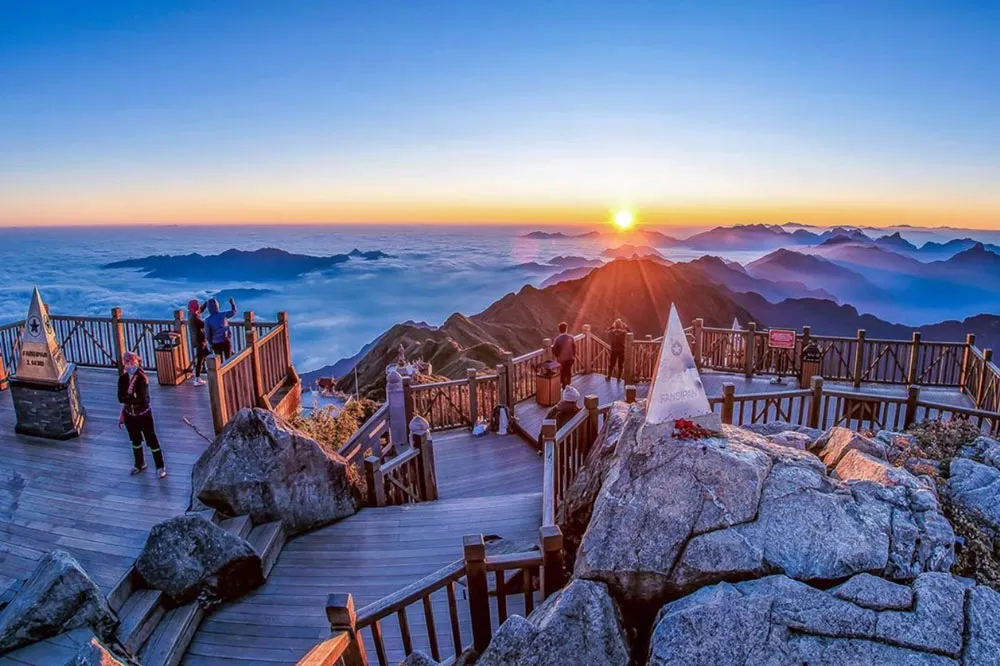
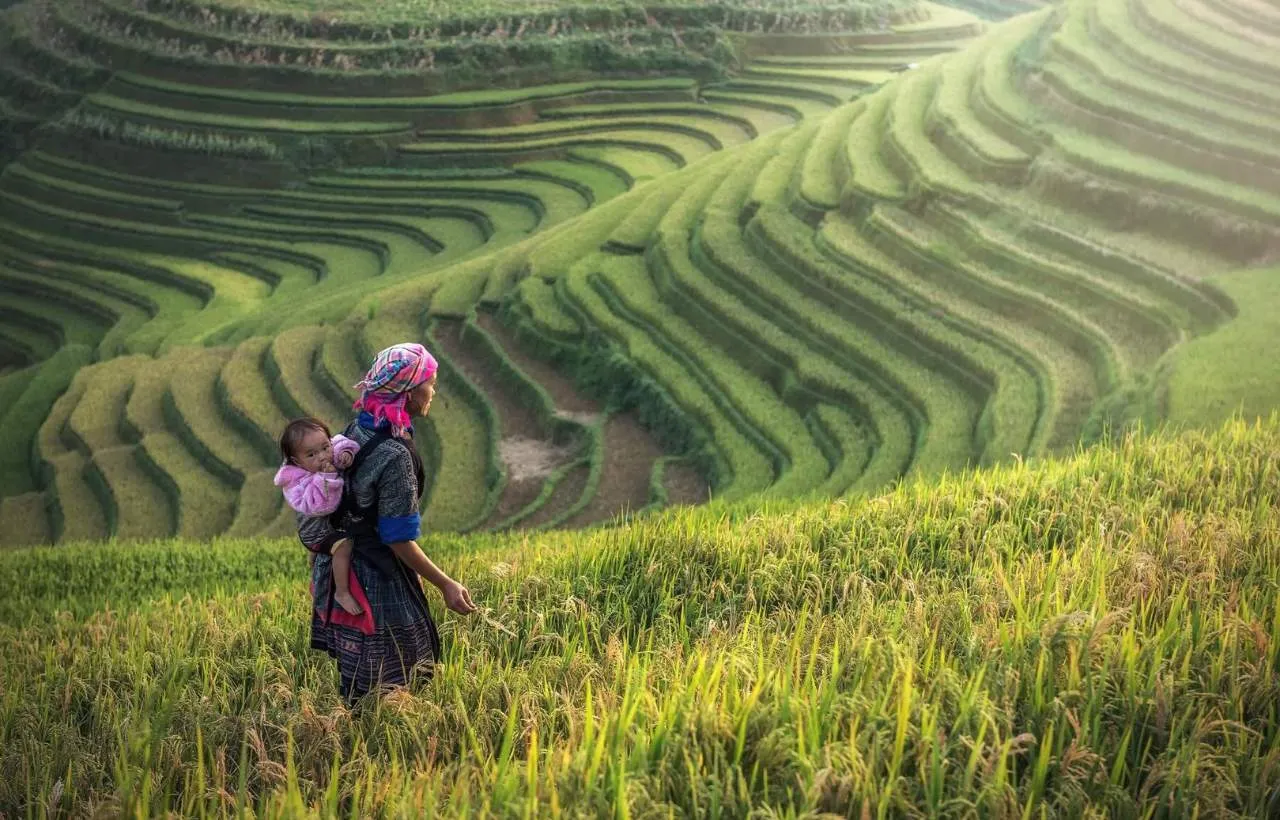
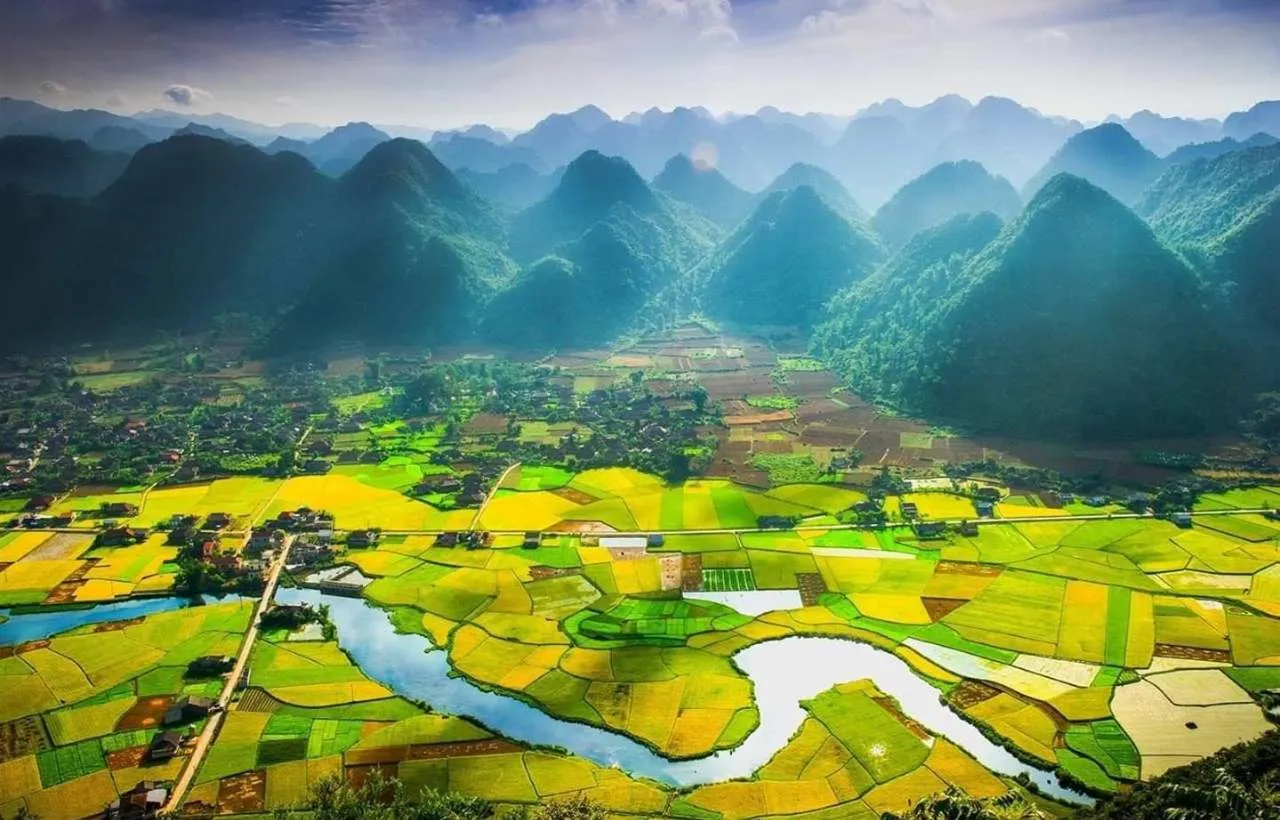
Spend your days trekking through Muong Hoa Valley, crossing suspension bridges and visiting Hmong and Dao villages. Rice terraces stretch across hillsides, changing color with the seasons. Even short walks reveal daily village life—children playing, farmers working, meals prepared over open fires.
Evenings in Sapa are calm and reflective, especially when staying in hillside lodges. While more developed than Ha Giang, Sapa remains a meaningful part of a North Vietnam itinerary for those who value scenery and culture without long road journeys.
Transportation in Northern Vietnam
Traveling through northern Vietnam requires planning but is highly manageable.
-
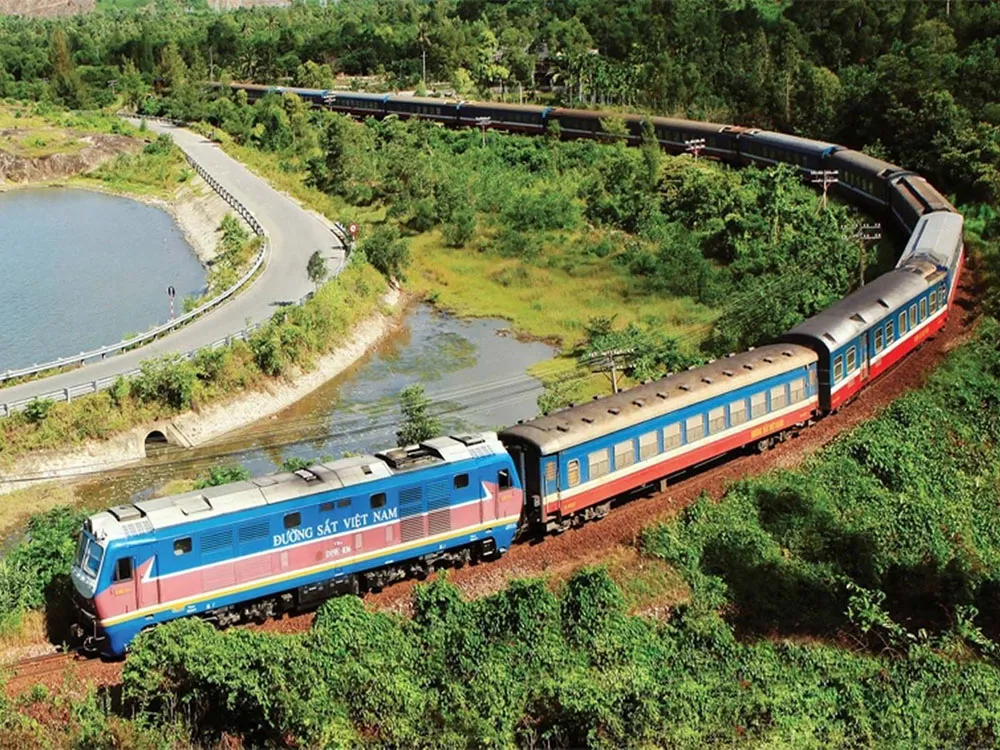
Trains are comfortable for the Hanoi–Ninh Binh and Hanoi–Sapa routes
-
Sleeper buses connect remote regions like Ha Giang
-
Private cars offer flexibility for countryside exploration
-
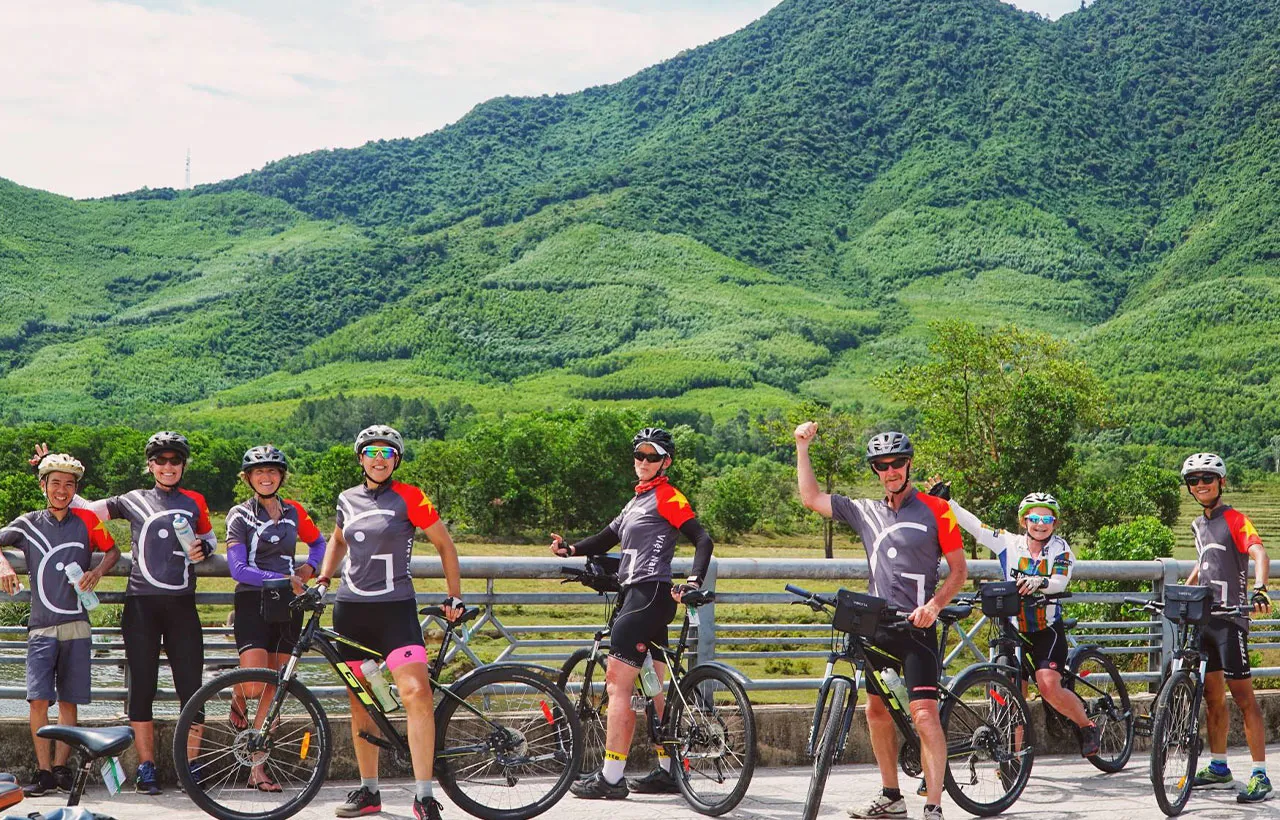
Motorbikes provide unmatched freedom in mountain areas for confident riders
Combining transport types helps balance comfort and adventure.
Food experiences along the journey
Food in northern Vietnam reflects climate and tradition—warm: warm, balanced, and seasonal.
Expect dishes like:
-
Bun cha with smoky grilled pork
-
Banh cuon filled with minced meat
-
Mountain specialties using herbs and local vegetables
-
Fresh seafood near the coast
Each region adds subtle variations, making food an essential part of your itinerary.
A well-paced North Vietnam itinerary is not about covering distance—it’s about building layers of experience. From Hanoi’s street corners to quiet karst valleys and mountain roads, northern Vietnam invites travelers to slow down and engage deeply.
Those who give the region time are rewarded with understanding, connection, and memories that feel earned rather than consumed.







 View trip map