Best time to visit South Vietnam
Choosing the right season is essential when planning a South Vietnam itinerary, as the region follows a tropical climate that differs clearly from northern and central Vietnam.
-
From December to April, South Vietnam enters its dry season, bringing sunny days, lower humidity, and stable travel conditions. This period is ideal for city exploration in Ho Chi Minh City, boat trips in the Mekong Delta, and beach time on islands such as Phu Quoc, where calm seas enhance the experience.
-
Between May and August, temperatures rise and afternoon showers become more frequent, although rain usually passes quickly. While midday sightseeing can feel intense, early mornings and evenings remain comfortable, making this season suitable for travelers who prefer fewer crowds and a more local atmosphere.
-
From September to November, rainfall becomes heavier, especially in delta areas where water levels rise noticeably. However, this season brings lush landscapes, fuller rivers, and a slower pace of travel, offering a more immersive look at southern rural life for those willing to adapt plans flexibly.
Getting around South Vietnam
Transportation strongly influences the rhythm of a South Vietnam itinerary, as distances are longer than in Central Vietnam and travel styles vary widely.

-
Private cars and buses are ideal for journeys between Ho Chi Minh City and the Mekong Delta, where roads are well developed and scenery gradually shifts from urban density to river landscapes. This option works particularly well for travelers seeking comfort and flexibility.
-
Boats and ferries play a central role in delta travel, offering access to canals, floating markets, and riverside villages that cannot be reached by road. These journeys are not simply transfers but essential parts of the experience itself.
3-day South Vietnam itinerary – Urban energy and river culture
This short South Vietnam itinerary is ideal for travelers who want a meaningful introduction while combining it with other regions of Vietnam.
Day 1: Ho Chi Minh City – First impressions and city rhythm
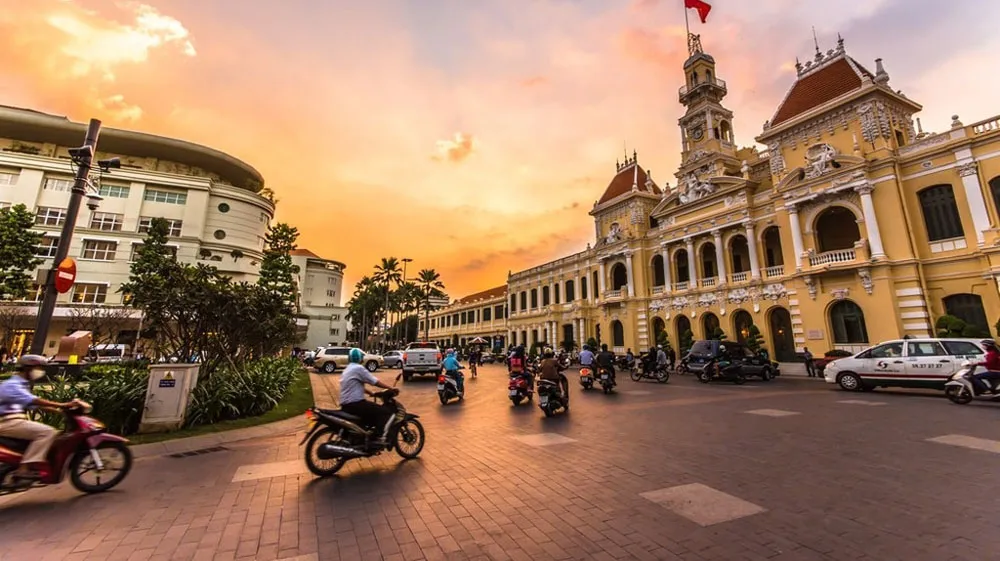
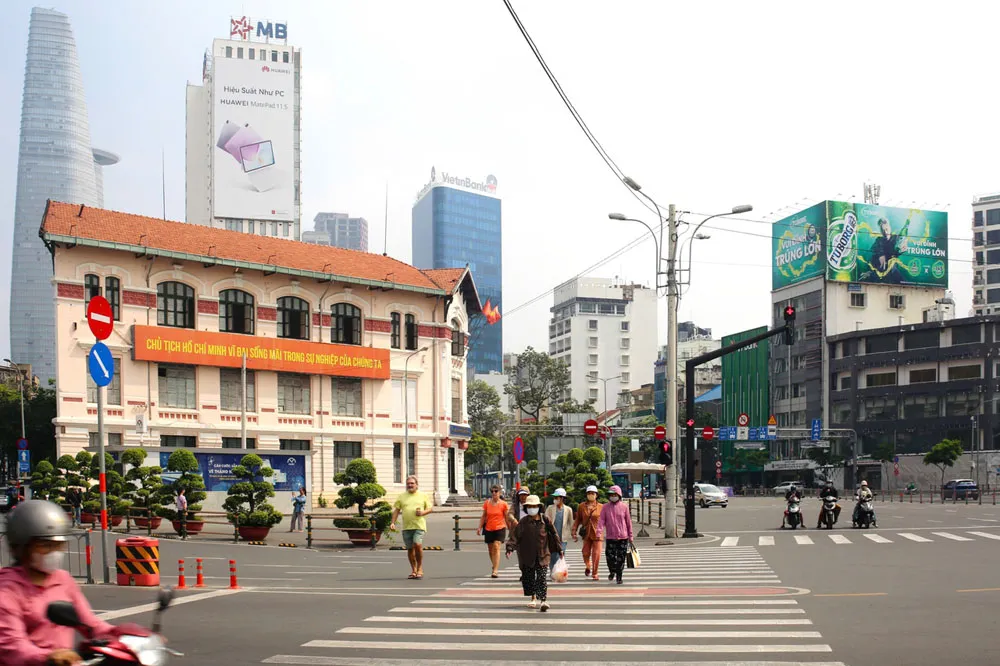
Begin your journey in Ho Chi Minh City, where modern skyscrapers stand alongside colonial architecture and busy street life unfolds from early morning until late at night. Rather than rushing into multiple attractions, take time to walk through central districts, allowing the city’s pace and contrasts to reveal themselves naturally.
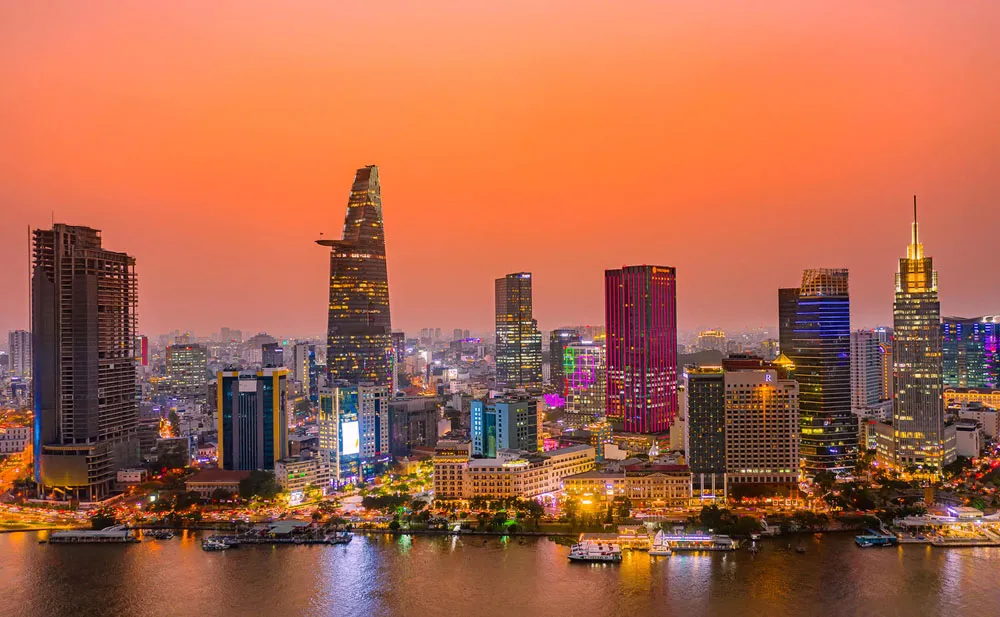
In the late afternoon, visit landmarks such as Nguyen Hue Walking Street or Ben Thanh Market, where food stalls and local commerce reflect the city’s everyday character. As evening arrives, enjoy a relaxed dinner and observe how the city transforms after dark.
Day 2: Ho Chi Minh City to the Mekong Delta
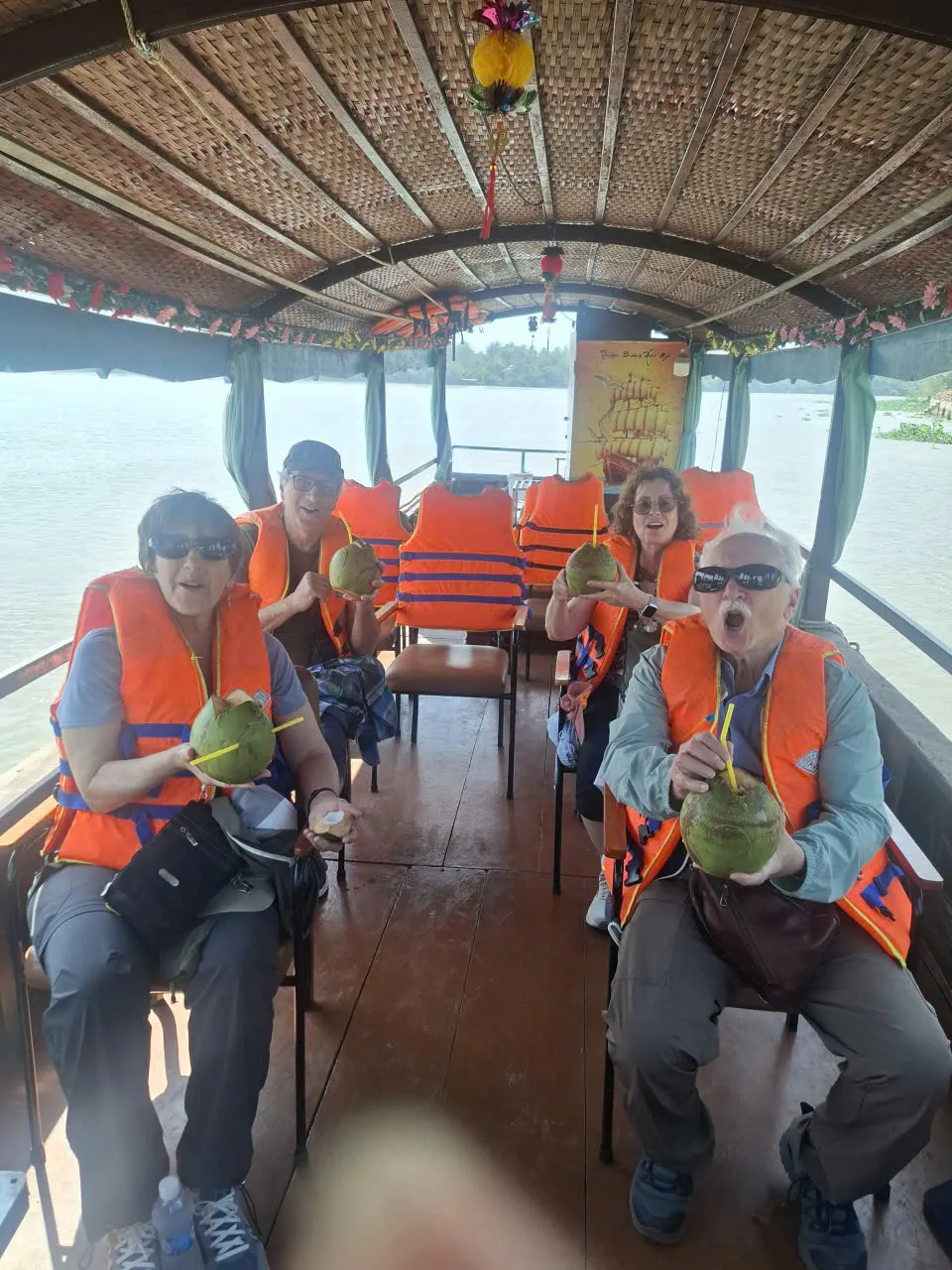
Travel south from the city toward the Mekong Delta, where the atmosphere gradually slows as rivers replace highways. Upon arrival, board a small boat to explore narrow canals lined with coconut palms and traditional homes, offering insight into the region’s water-based lifestyle.
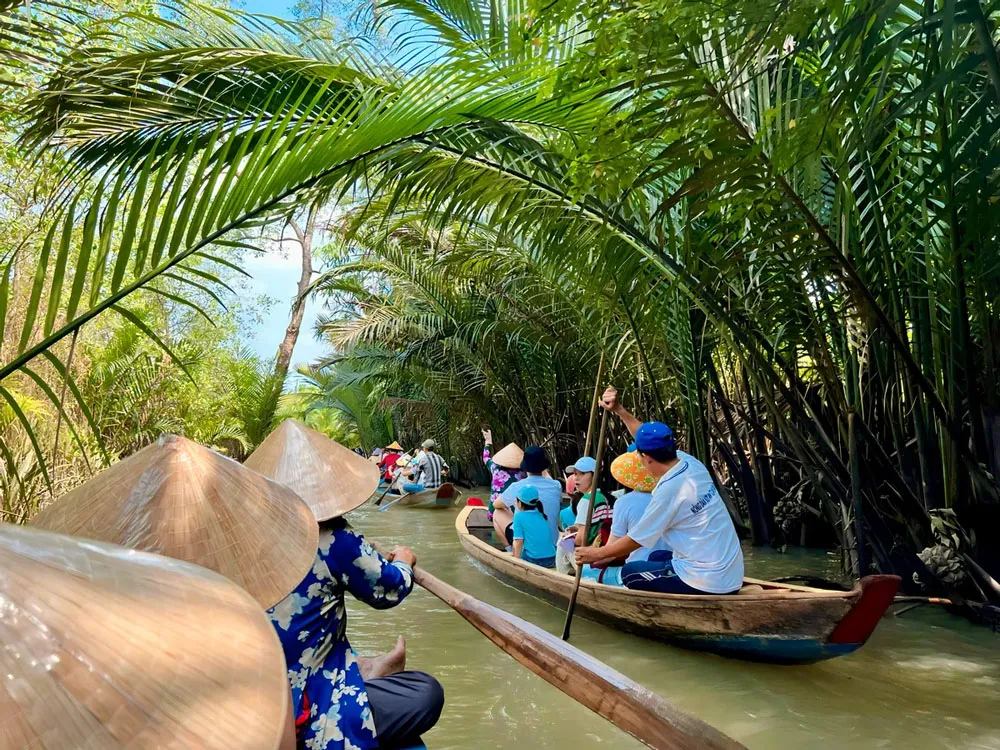
In the afternoon, visit fruit orchards or local workshops, where daily activities continue much as they have for generations. Spending the night in the delta allows you to experience the region beyond a brief day trip.
Day 3: Delta morning and return to the city
Start the day early to observe morning activity along the river, when boats move produce and households begin their routines. This quiet window offers one of the most authentic moments of a South Vietnam itinerary.
After breakfast, return to Ho Chi Minh City in the afternoon, where the contrast between rural calm and urban energy becomes especially noticeable, marking a natural conclusion to a short journey.
5-day South Vietnam itinerary – City life, countryside, and coastal balance
With five days, a South Vietnam itinerary becomes more fluid, allowing time for both exploration and recovery.
Day 1: Arrival in Ho Chi Minh City – Gentle introduction
Arrive and settle into accommodation in a central district, then spend the afternoon adjusting to the climate and rhythm through short walks and café stops. This approach prevents early fatigue while still offering exposure to the city’s character.
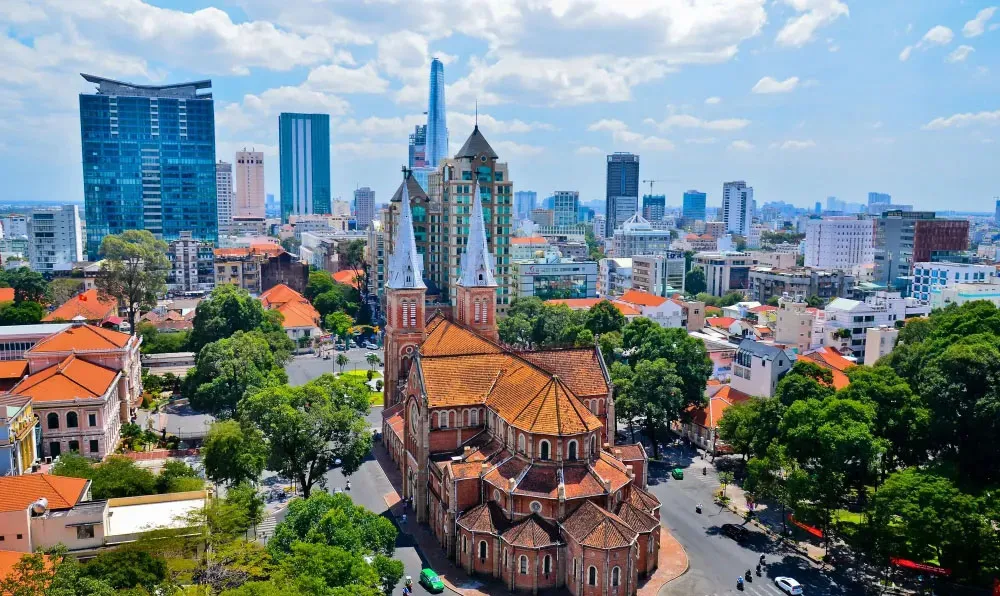
In the evening, focus on southern Vietnamese cuisine, which emphasizes sweetness, freshness, and balance, providing cultural insight through food.
Day 2: Ho Chi Minh City highlights and history
Dedicate the morning to visiting historical sites such as the War Remnants Museum and Independence Palace, which help contextualize the city’s modern identity. Moving between these locations reveals the layers of history embedded within the urban landscape.
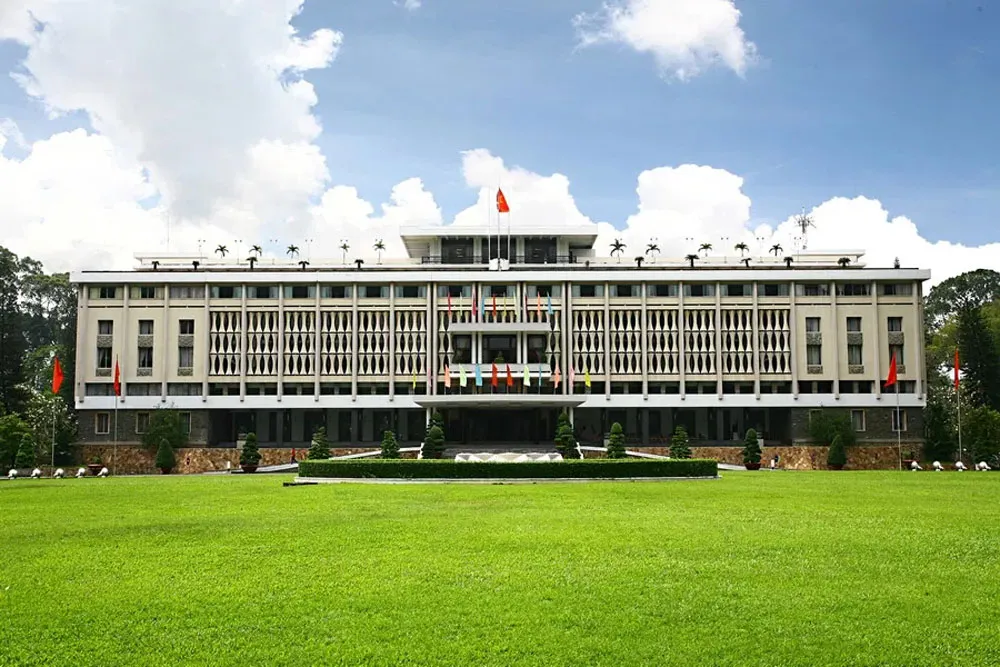
Later, explore local neighborhoods rather than only tourist zones, where daily life unfolds at street level and small eateries dominate the scene.
Day 3: Ho Chi Minh City to Cu Chi – History beyond the city
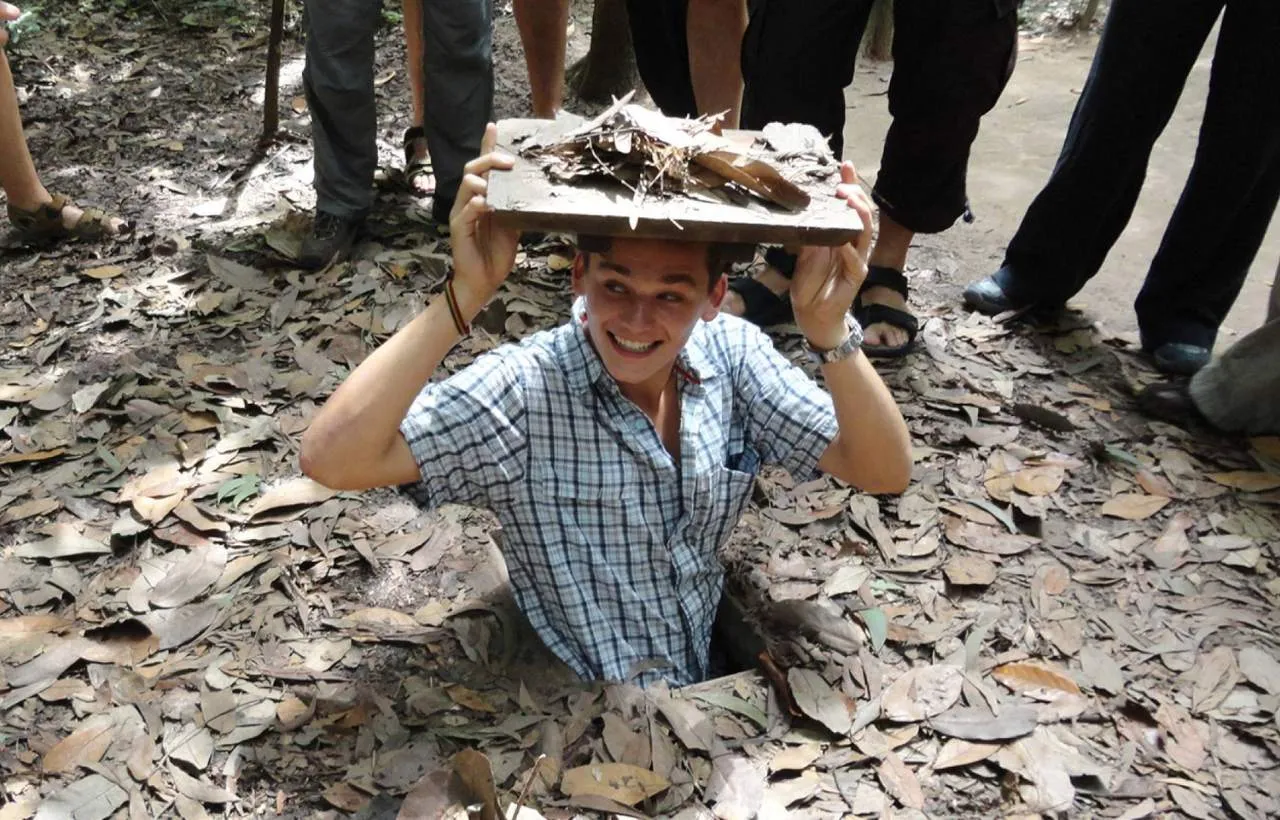
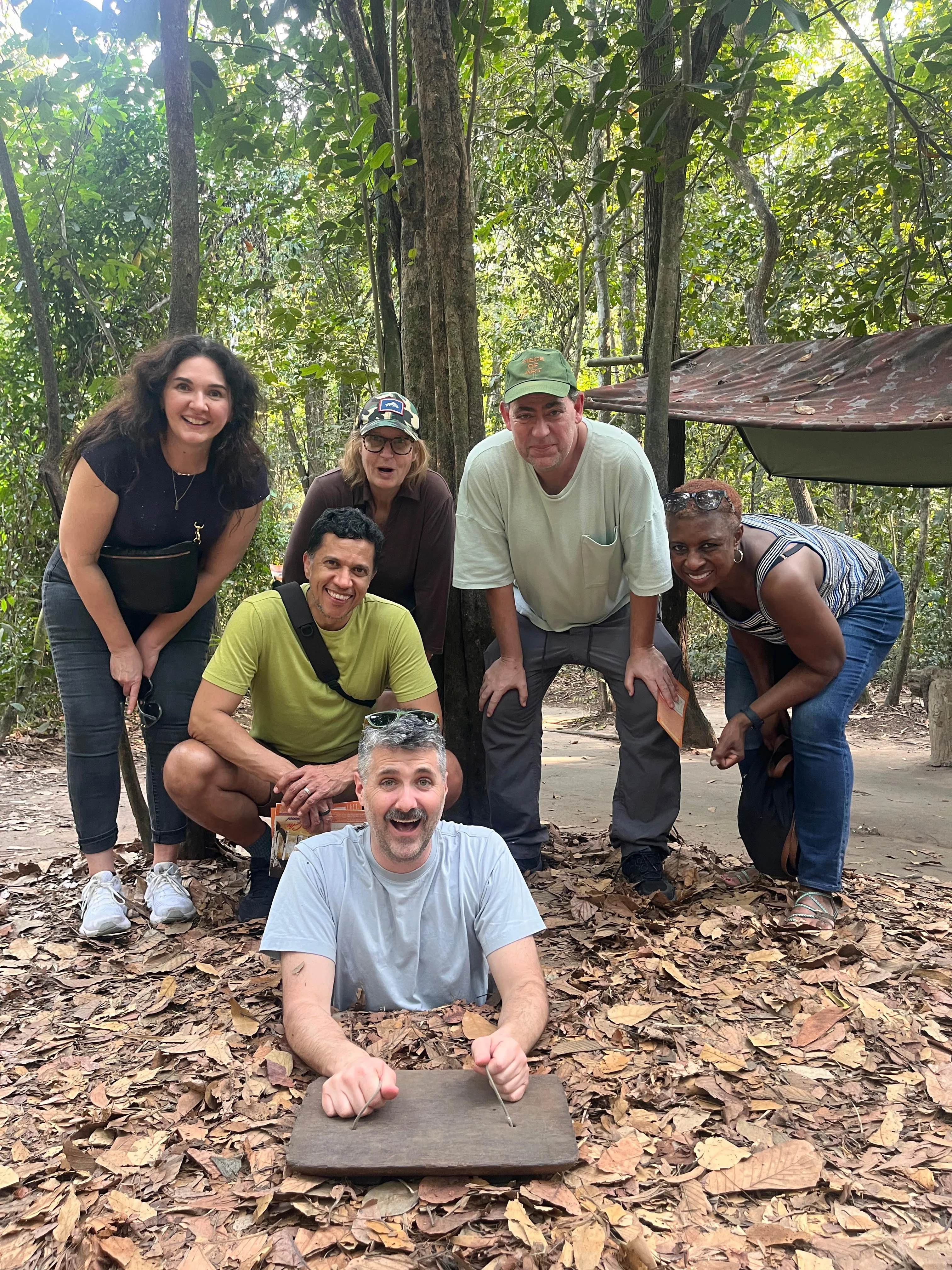
Spend the day exploring the Cu Chi Tunnels, located just outside Ho Chi Minh City, where history is experienced physically rather than through exhibits alone. Moving through underground passages, hidden trapdoors, and reconstructed wartime areas offers a deeper understanding of how resilience and strategy shaped southern Vietnam’s past.
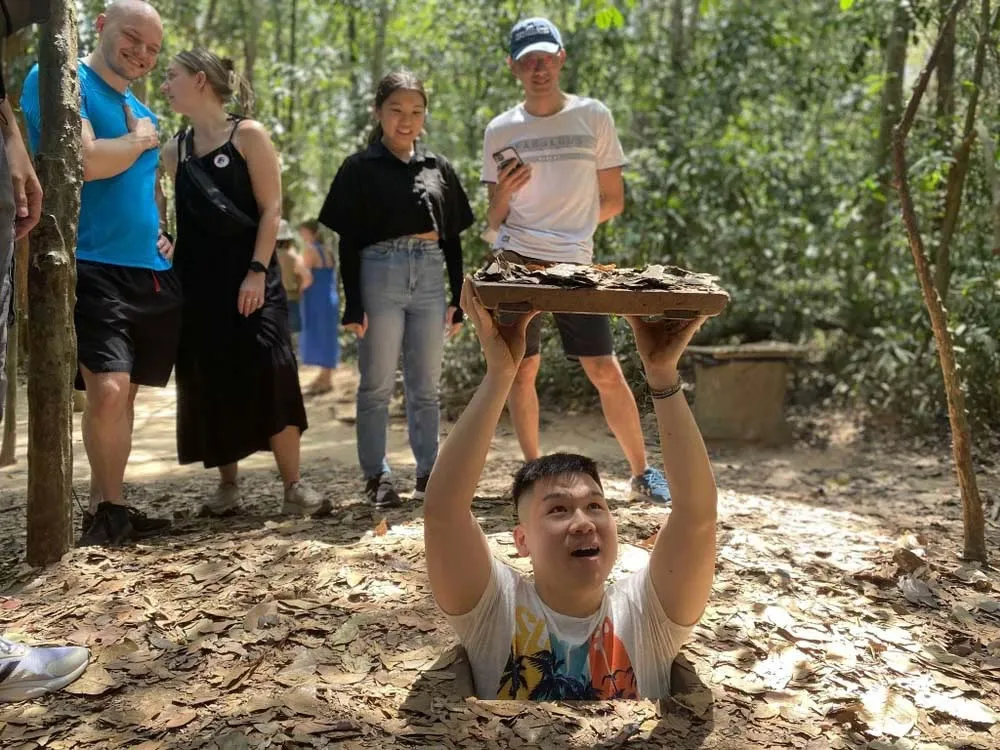
In the afternoon, return to the city and slow the pace with café stops or a relaxed evening walk. This balance between intense historical exploration and lighter urban downtime prevents fatigue before heading south into the Mekong Delta.
Day 4: Ho Chi Minh City to Ben Tre – Entering the Mekong Delta
Leave Ho Chi Minh City in the morning and travel toward Ben Tre, where the landscape shifts noticeably from dense streets to coconut-lined canals. The journey itself signals a change in rhythm, preparing you for a more grounded and nature-oriented experience.
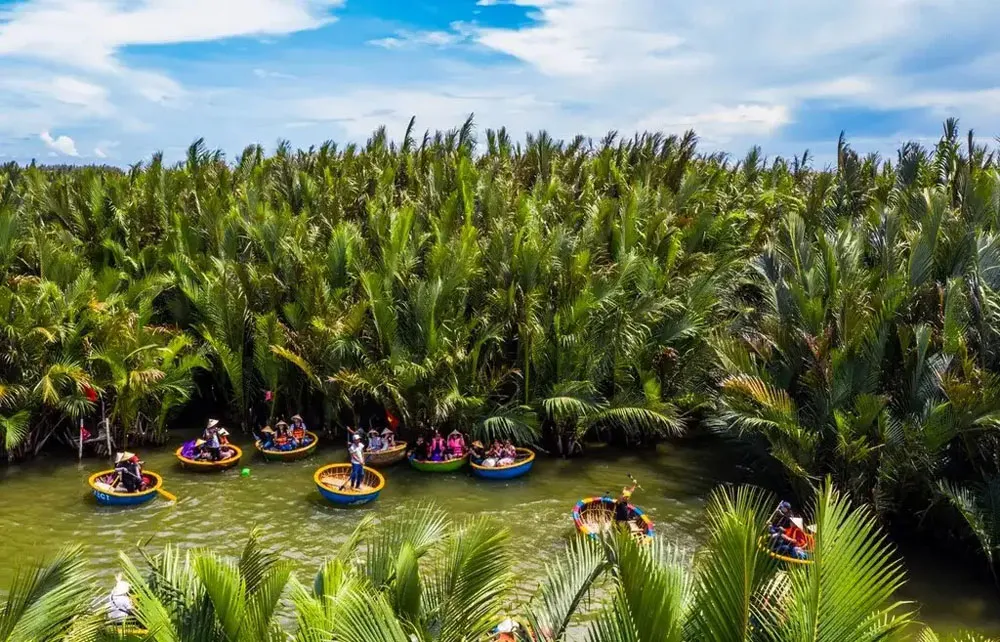
Explore the delta by small boat and on foot, visit local workshops, riverside homes, and orchards that reflect daily life shaped by water. An overnight stay in Ben Tre allows you to experience the quieter evenings of the delta, when the pace slows and the environment feels distinctly removed from the city.
Day 5: Ben Tre to Can Tho – Floating markets and river culture
Continue deeper into the Mekong Delta by traveling to Can Tho, the region’s main hub. An early-morning visit to Cai Rang Floating Market reveals one of Southern Vietnam’s most iconic scenes, where trade unfolds entirely on the river as boats gather at dawn.
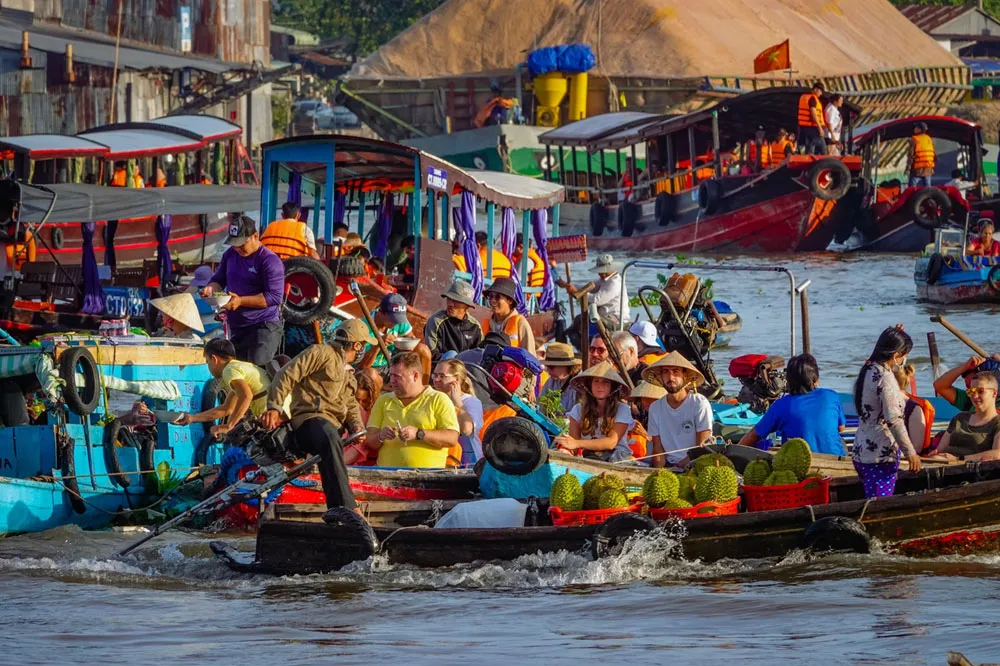
After breakfast on the water, begin the return journey toward Ho Chi Minh City, arriving by late afternoon. Ending the day back in the city creates a natural transition point, whether you are concluding your southern itinerary or continuing onward to other regions.
Practical tips for planning a South Vietnam itinerary
-
Plan outdoor activities early in the morning or late afternoon
-
Allow buffer time for traffic and transfers
-
Balance urban days with countryside or island downtime
-
Stay centrally in cities to reduce daily travel fatigue
A well-planned South Vietnam itinerary highlights the region’s openness, diversity, and constant movement. By combining fast-paced city life with river-based traditions and coastal relaxation, South Vietnam offers a journey that feels both energetic and grounded.
If you would like to turn this route into a personalized Central Vietnam journey, our CAT travel specialists can help design a tailor-made itinerary based on your travel style, interests, and preferred pace — with thoughtfully selected routes, accommodations, and authentic local experiences.








 View trip map