Best time to visit South Vietnam
Choosing the right season plays a key role in shaping your South Vietnam itinerary, as the region follows a tropical climate with clear differences from northern and central Vietnam.
-
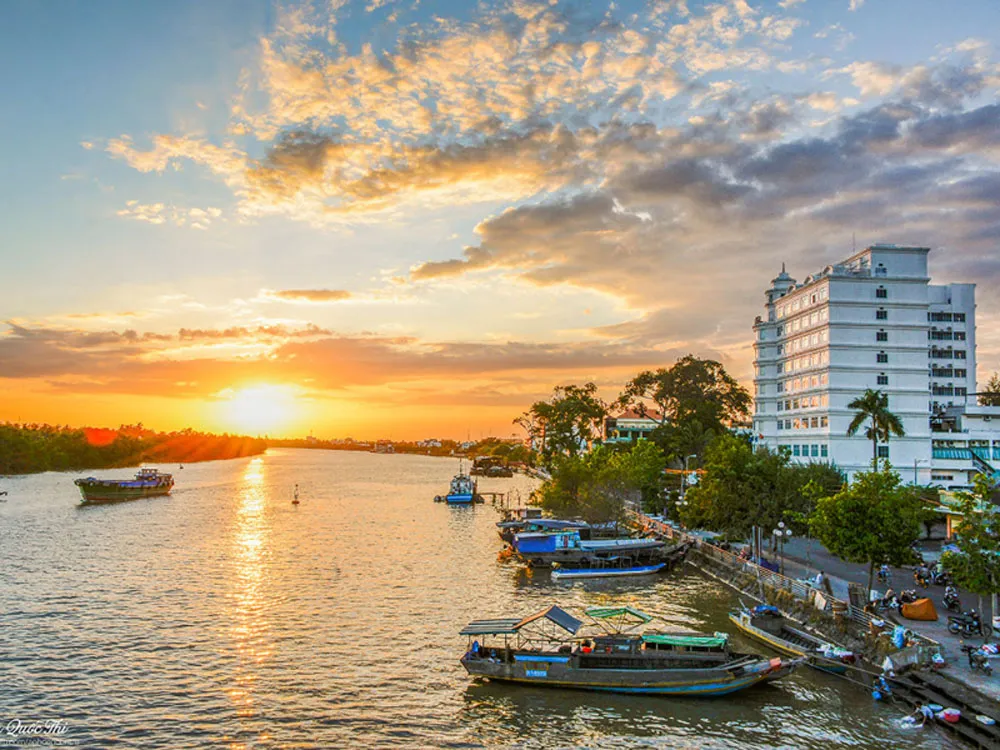
From December to April, South Vietnam enters its dry season, offering sunny skies, low humidity, and stable travel conditions. This is the most comfortable time for city walking in Ho Chi Minh City, boat trips through the Mekong Delta, and island stays in Phu Quoc, where calm seas enhance snorkeling and beach relaxation.
-
Between May and August, temperatures rise and short afternoon showers become common. While midday exploration can feel intense, mornings and evenings remain pleasant, and the reduced number of visitors creates a more local and relaxed atmosphere, especially in the delta and coastal areas.
-
From September to November, rainfall increases, particularly in river regions where water levels rise. However, this season brings lush scenery, fuller canals, and a slower rhythm of life, offering a deeper look into rural southern Vietnam for travelers who value atmosphere over convenience.
Getting around South Vietnam
Transportation directly affects the rhythm of a South Vietnam itinerary, as distances are longer and landscapes change dramatically between cities, rivers, and islands.

-
Private cars and buses are ideal for routes between Ho Chi Minh City and the Mekong Delta. Roads are well developed, and the gradual shift from urban density to river landscapes becomes part of the experience rather than a simple transfer.
-
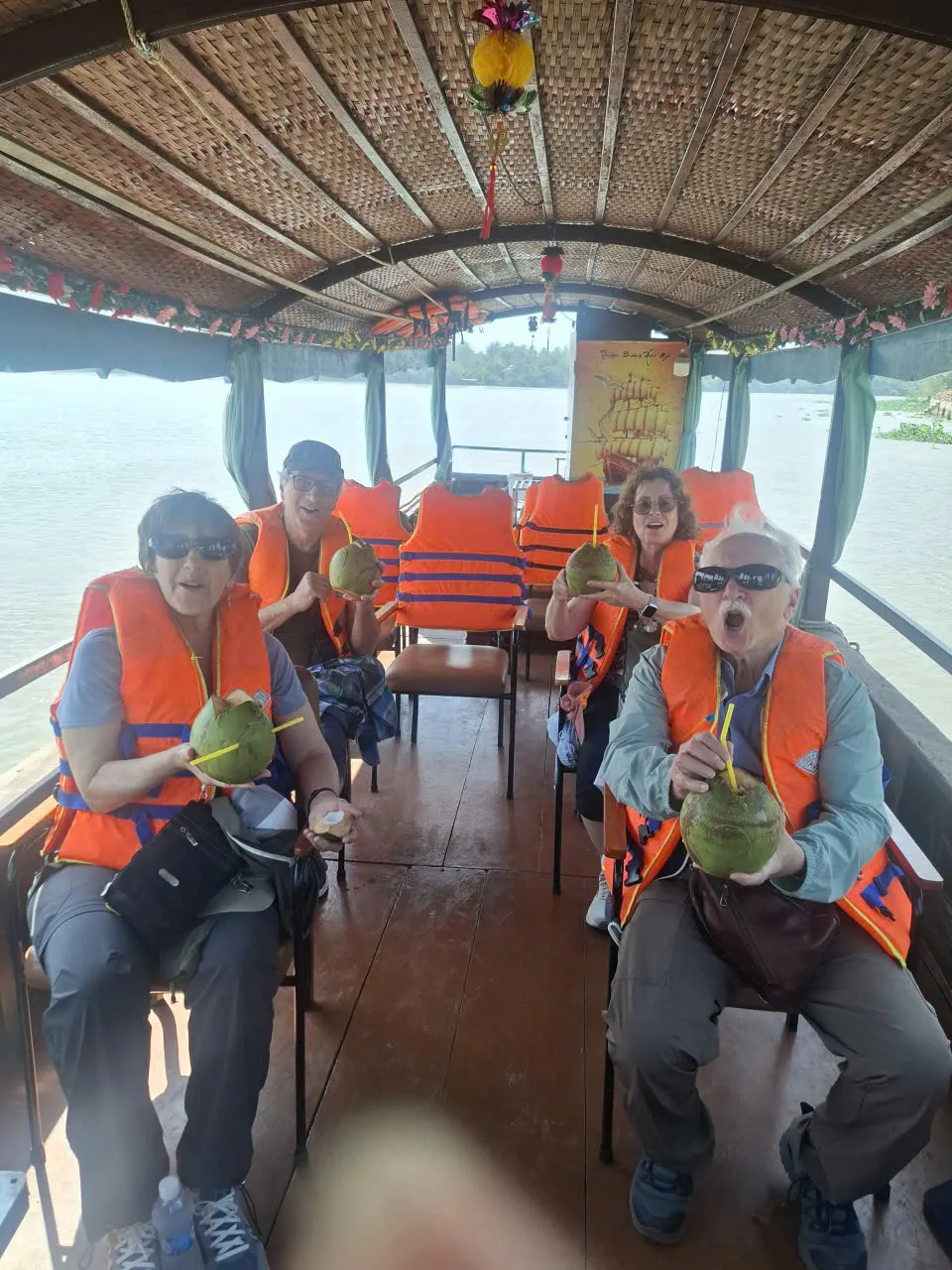
Boats and ferries are essential within the delta, providing access to canals, floating markets, and riverside villages. These journeys are not just transportation but core cultural experiences that define southern Vietnam.
7-day South Vietnam itinerary – Cities, rivers, and island life
Day 1: Ho Chi Minh City – Arrival and urban rhythm
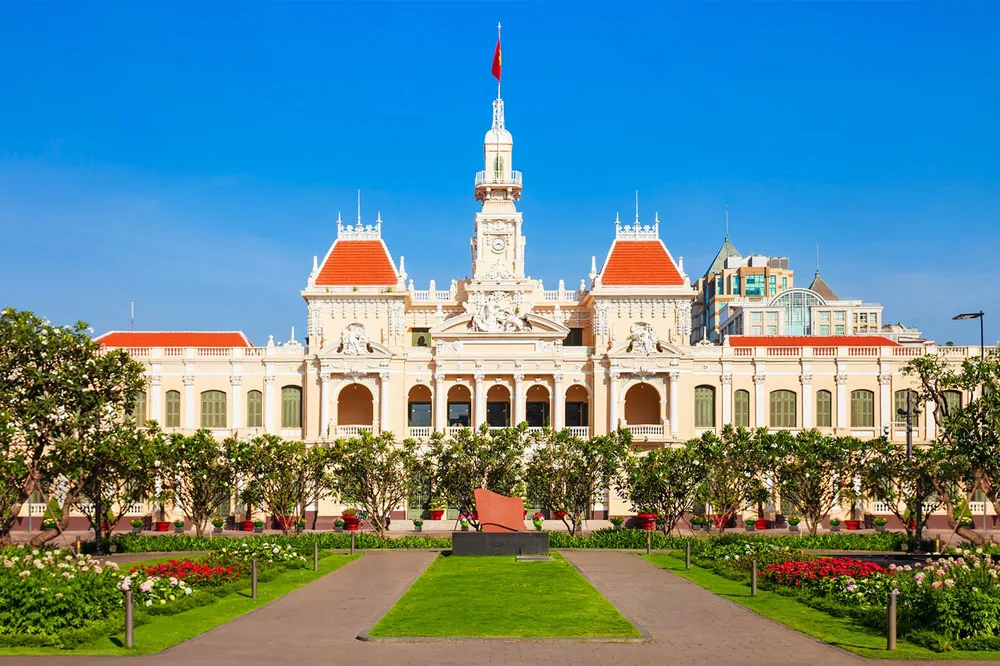
Arrive in Ho Chi Minh City and settle into accommodation in central areas such as District 1 or District 3, where most landmarks, cafés, and local neighborhoods are within easy reach.
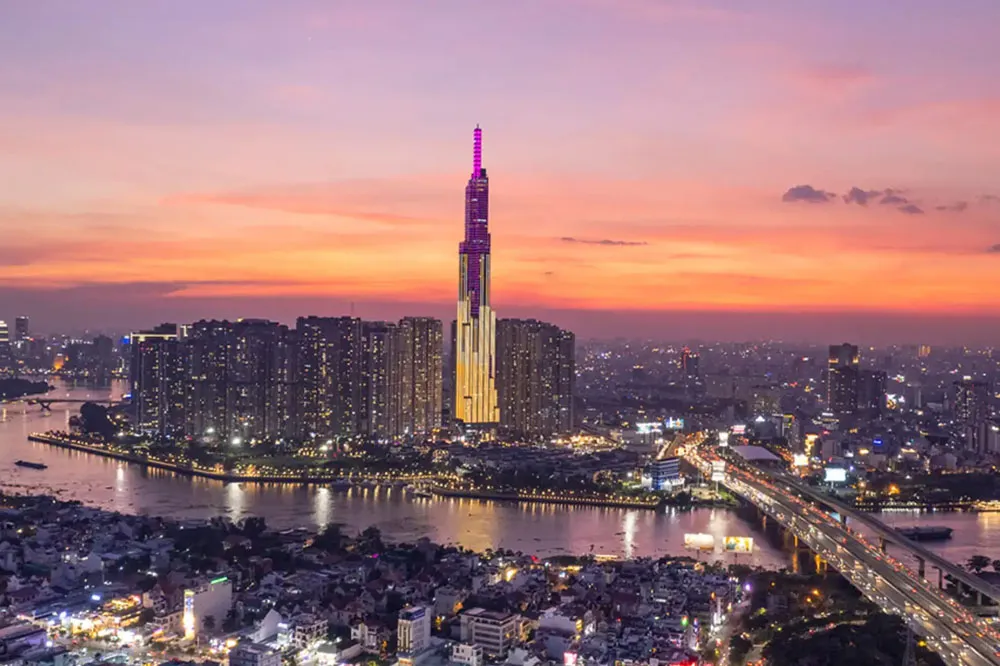
Instead of immediately visiting museums or attractions, spend the afternoon walking nearby streets, noticing how the city moves—motorbikes flowing endlessly, cafés filled with conversation, and small food stalls operating from morning until late night. This gentle start allows your body to adjust to the heat and pace while offering an authentic first impression of southern urban life.
In the evening, begin exploring the city through food, which is one of the most direct ways to understand southern culture. Dishes such as cơm tấm, bánh xèo, or hủ tiếu highlight the region’s preference for fresh herbs, balanced flavors, and a subtle sweetness.
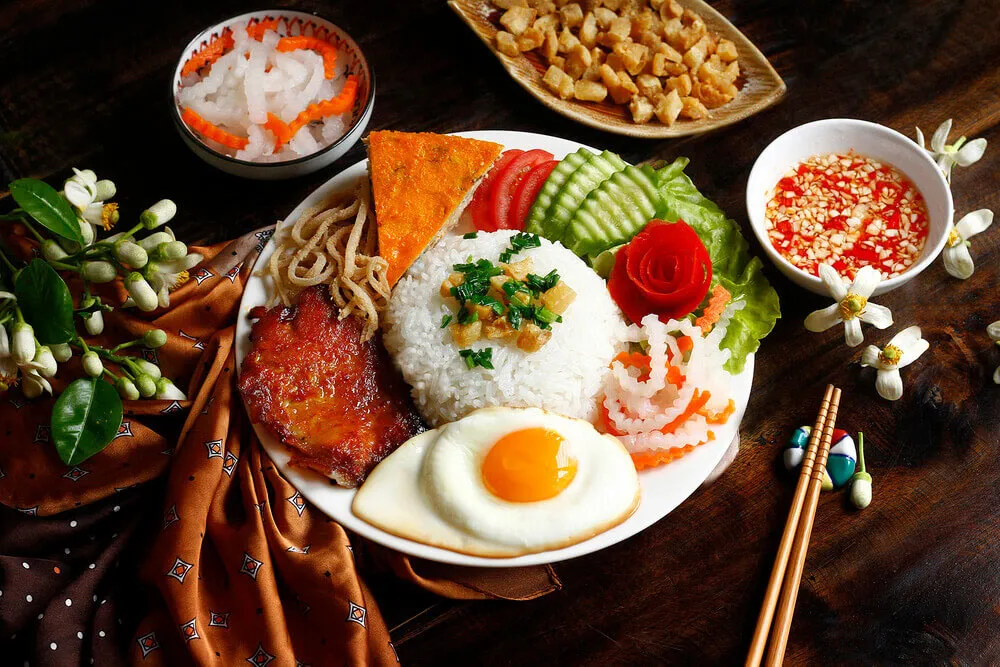
As darkness falls, the city becomes even more animated, and simply observing local life from a sidewalk restaurant or night street can be as memorable as any formal attraction.
Day 2: Ho Chi Minh City – History, culture, and local neighborhoods
Dedicate the morning to key historical landmarks such as the War Remnants Museum and Independence Palace, which together provide essential context for understanding Vietnam’s recent past and the forces that shaped the modern south. Visiting early helps avoid crowds and heat, allowing time to absorb the exhibitions and architecture without feeling rushed or overwhelmed.
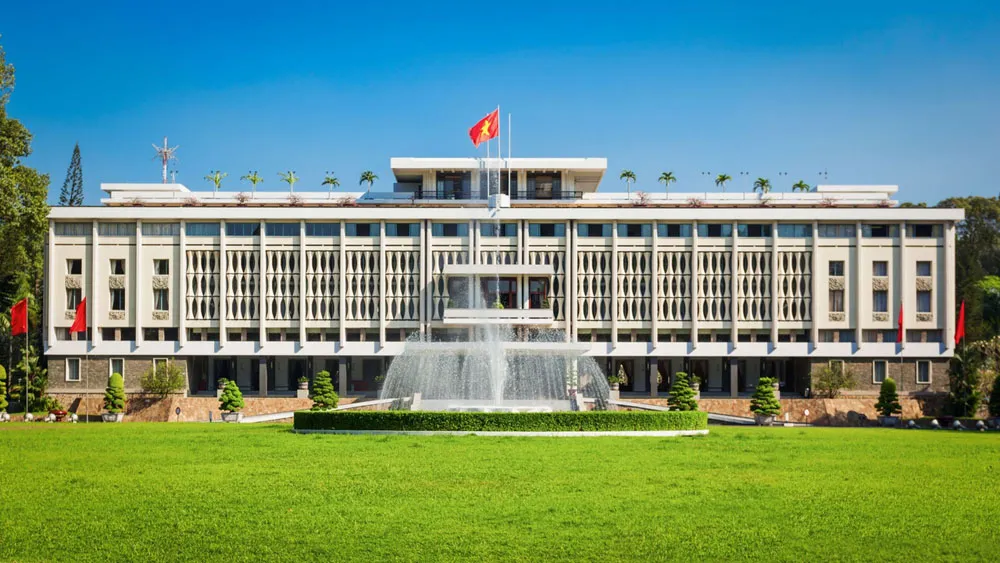
In the afternoon, shift focus away from major sights and toward everyday neighborhoods, where Ho Chi Minh City’s true personality becomes clearer. Explore local markets, independent cafés, and residential streets where family-run shops and street vendors dominate daily life. This contrast between formal history and informal routine creates a fuller picture of the city, showing how the past and present coexist naturally rather than feeling separated.
Day 3: Ho Chi Minh City to Cu Chi – History beyond the city
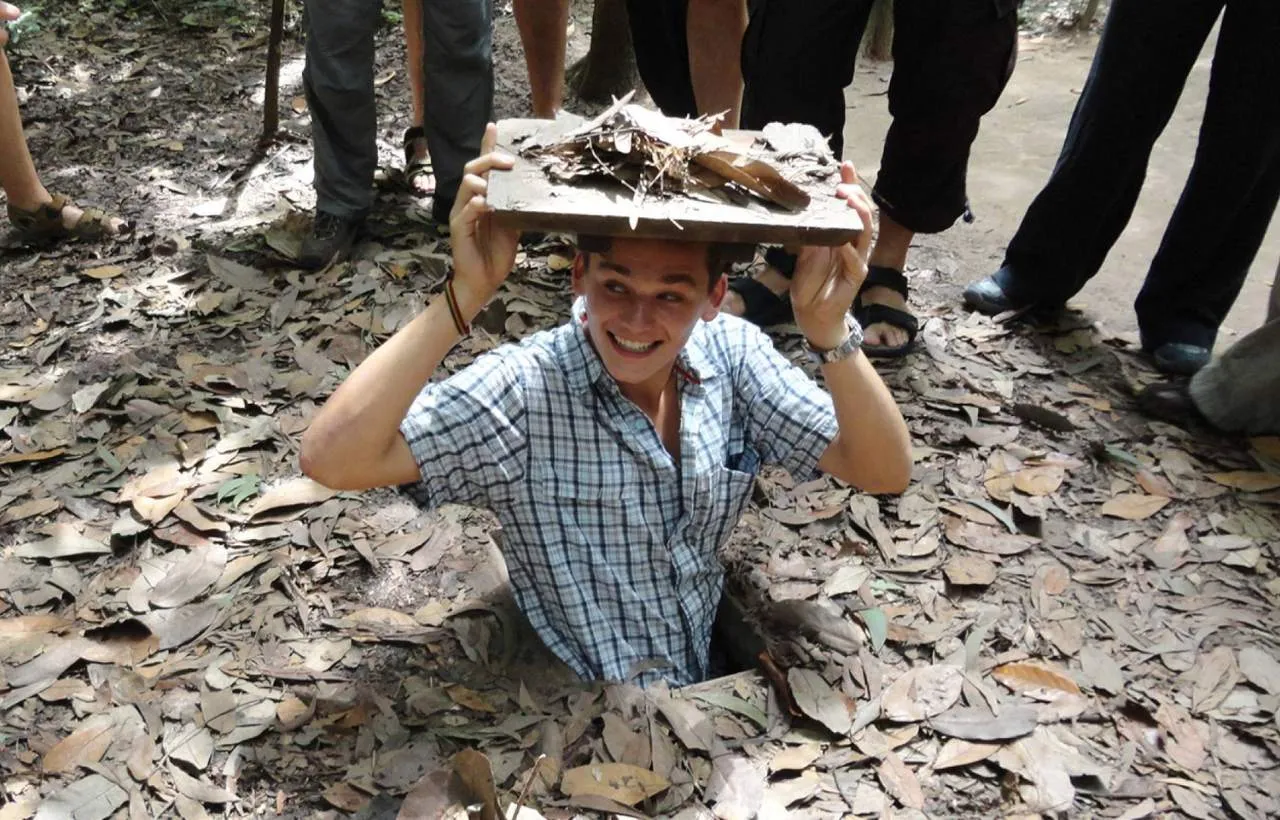
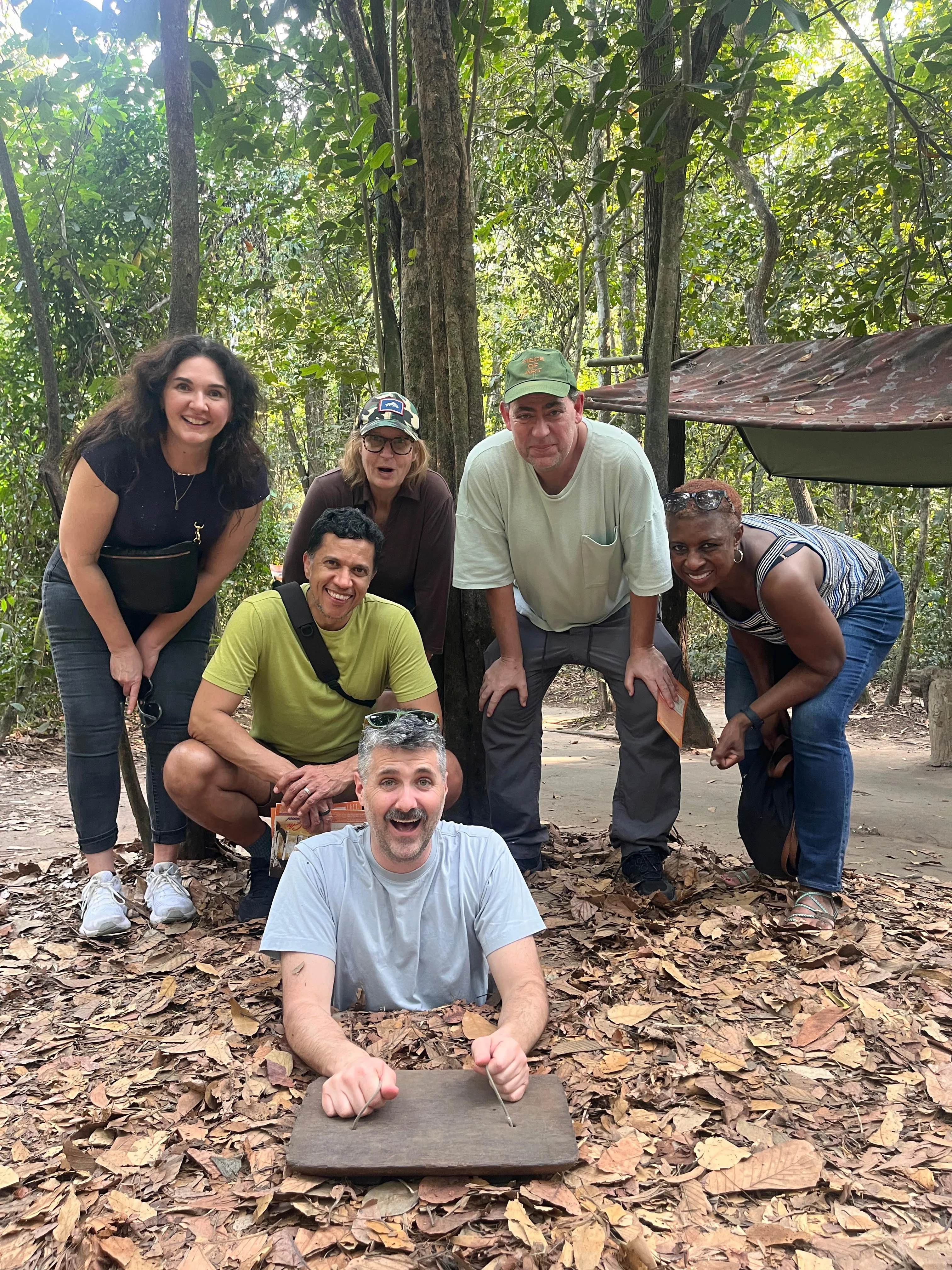
A full-day trip to the Cu Chi Tunnels fits comfortably within a 7-day South Vietnam itinerary and adds depth without disrupting pacing. Located outside the city, Cu Chi offers a hands-on historical experience, where history is understood through physical spaces rather than museum displays alone. The journey itself also provides a glimpse of suburban and rural landscapes that surround Ho Chi Minh City.

Walking through underground tunnels, concealed entrances, and reconstructed living areas reveals how strategy, resilience, and adaptation defined life during wartime. After returning to the city in the afternoon, the remainder of the day is intentionally kept light, allowing time to rest, reflect, or enjoy a calm evening walk—an important pause before transitioning into the Mekong Delta.
Day 4: Ho Chi Minh City to Ben Tre – Entering the Mekong Delta
Leave Ho Chi Minh City in the morning and travel south toward Ben Tre, where the urban environment gradually dissolves into coconut palms, narrow canals, and river-fed villages. This slow change in scenery prepares you mentally for a different rhythm of travel, one shaped by water and agriculture rather than traffic and concrete.
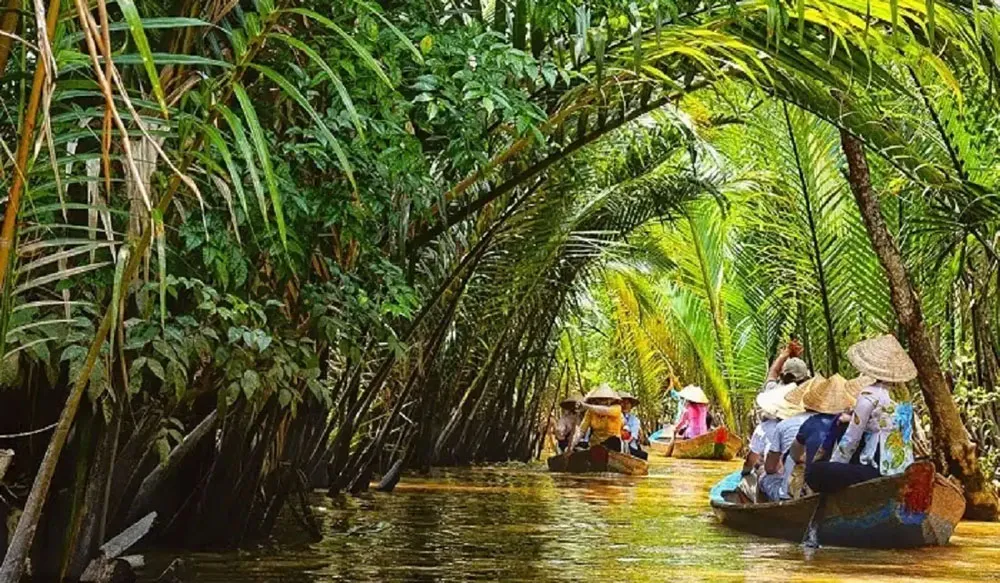
Upon arrival, explore the delta by small boat and bicycle, visit coconut candy workshops, fruit orchards, and riverside homes that reflect a lifestyle closely tied to nature. Unlike faster-paced city days, this experience emphasizes observation and interaction. Spending the night in Ben Tre allows you to experience the delta after sunset, when evenings become quiet and the pace slows dramatically.
Day 5: Ben Tre to Can Tho – Floating markets and river culture
Continue deeper into the Mekong Delta toward Can Tho, the region’s largest and most dynamic river city. The highlight of the day is an early-morning visit to Cai Rang Floating Market, where boats gather at dawn to trade fruit, vegetables, and everyday goods directly on the water. This scene captures one of the most iconic images of southern Vietnam and remains deeply connected to real commerce rather than performance.
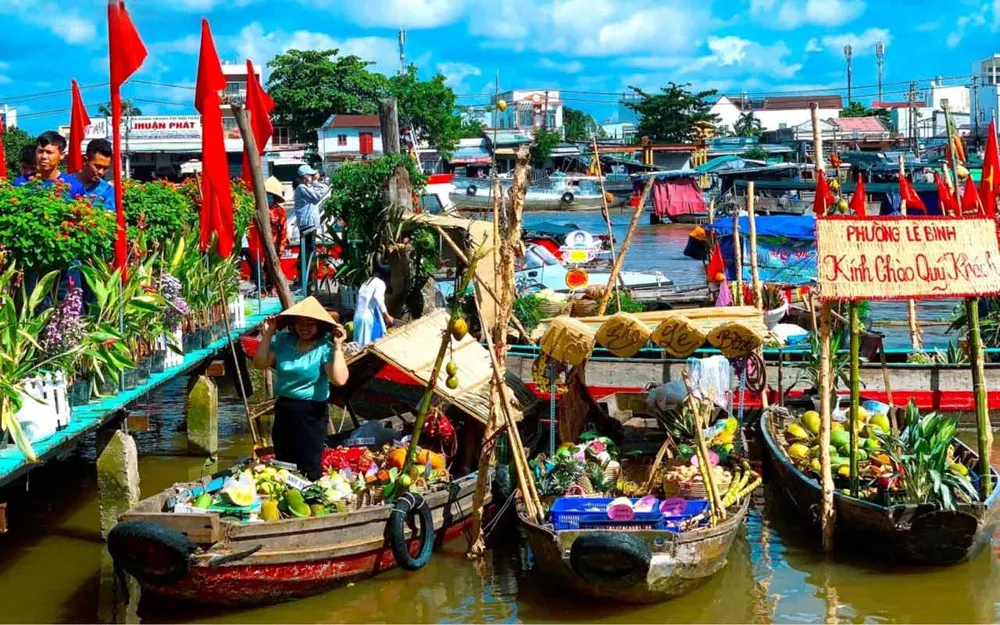
After enjoying breakfast on the river, spend the remainder of the day exploring nearby canals or relaxed riverside neighborhoods. Instead of packing in multiple attractions, this day prioritizes time and space, allowing river life to unfold naturally. The slower pace reinforces the contrast between delta life and the urban intensity experienced earlier in the journey.
Day 6: Can Tho to Phu Quoc – From rivers to the sea
Fly from Can Tho (or return briefly to Ho Chi Minh City before flying onward) to Phu Quoc Island, marking a clear transition from inland river culture to coastal and island life. The shift in landscape—from, from brown waterways to turquoise seas—feels dramatic and refreshing after several days of travel.
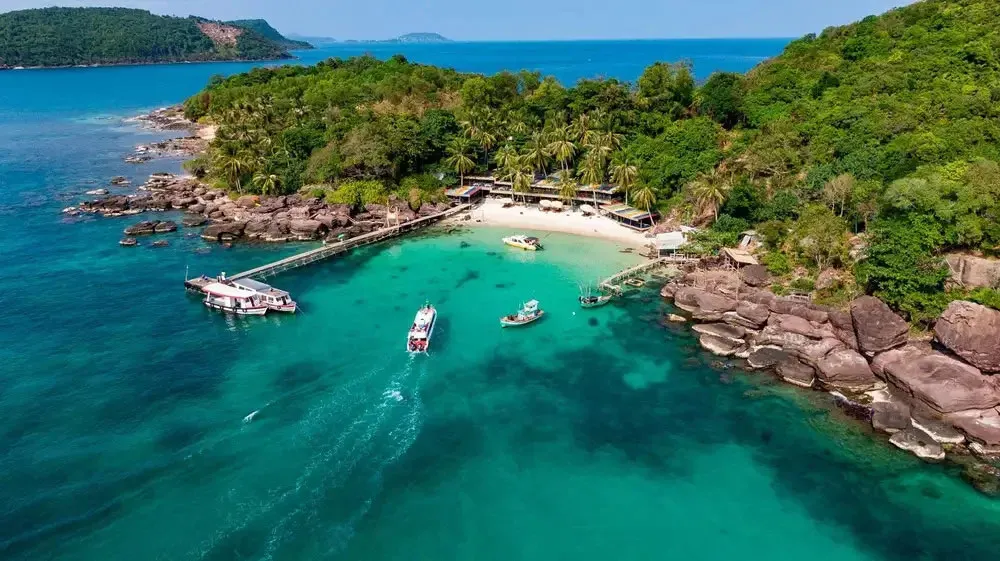
Spend the afternoon resting on the beach, swimming, or simply enjoying the open horizon. This day is deliberately light in activity, serving as a recovery period that allows both body and mind to slow down and fully embrace island time without pressure or structured sightseeing.
Day 7: Phu Quoc – Coastal relaxation and farewell
Use your final day for unhurried relaxation or optional low-effort activities such as snorkeling, visiting a fishing village, or browsing local night markets. Phu Quoc’s atmosphere encourages slowing down, making it an ideal place to reflect on the journey rather than rushing through final checklists.
Enjoy fresh seafood prepared simply with local ingredients, and take time to appreciate how southern Vietnam transitions seamlessly from city streets to rivers and finally to the sea. Ending the itinerary on the island creates a calm and satisfying conclusion to an otherwise dynamic journey.
Practical tips for planning a South Vietnam itinerary
-
Schedule outdoor activities early in the morning or late afternoon to avoid heat
-
Allow buffer time for traffic and transfers, especially in Ho Chi Minh City
-
Balance intensive sightseeing days with lighter recovery days
-
Choose centrally located accommodation to reduce daily travel fatigue
A thoughtfully paced South Vietnam itinerary 7 days highlights the region’s diversity without overwhelming travelers. By combining vibrant urban life, immersive river culture, and genuine coastal relaxation, the south reveals itself as dynamic yet approachable. When experienced at the right rhythm, Southern Vietnam feels not chaotic, but deeply alive and remarkably cohesive.
If you would like to turn this route into a personalized Central Vietnam journey, our CAT travel specialists can help design a tailor-made itinerary based on your travel style, interests, and preferred pace — with thoughtfully selected routes, accommodations, and authentic local experiences.






 View trip map