Day 1: Ho Chi Minh City – Urban energy and first impressions
Arrive in Ho Chi Minh City, Vietnam’s largest and most energetic city, where modern skyscrapers stand beside colonial buildings and traditional street life continues at full pace. The city immediately immerses you in its rhythm, with motorbikes flowing endlessly and street vendors filling every corner. District 1 is the best place to stay, offering easy access to cultural landmarks and nightlife.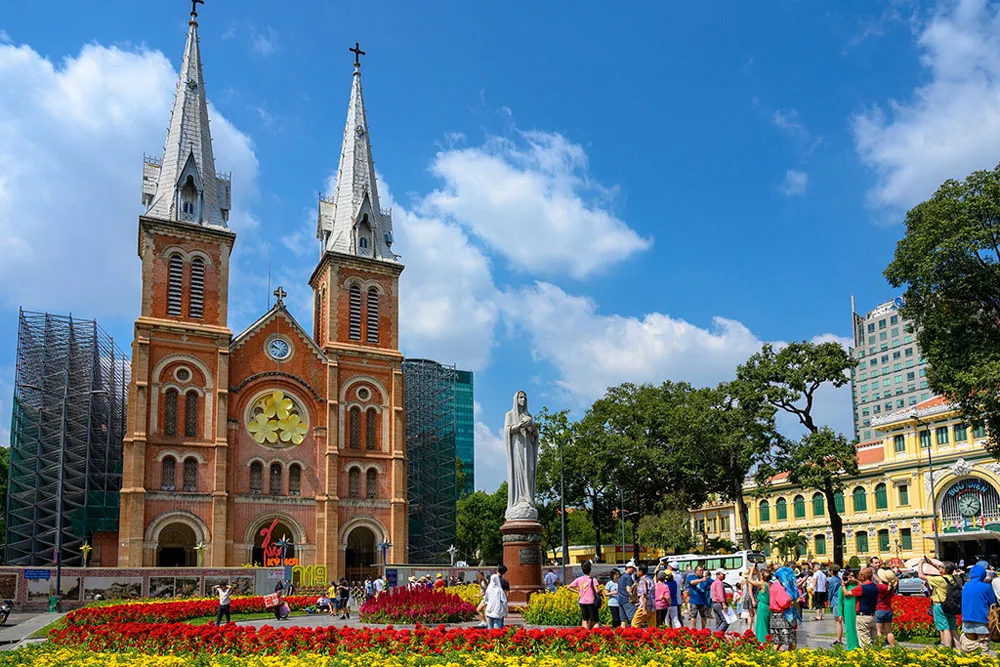 The day is best spent exploring the historic center, walking past Notre Dame Cathedral and the Central Post Office to see French architectural influence. Continuing toward Nguyen Hue Walking Street introduces a more modern side of the city, where locals gather in the evening. A visit to Ben Thanh Market brings your first taste of Vietnamese street food, while ending the day at a rooftop café gives you a panoramic view of the city’s vibrant skyline.
Day 2: Ho Chi Minh City – Cu Chi Tunnels and historical depth
The second day shifts from modern life to history with a trip to the Cu Chi Tunnels, located outside the city. The journey gradually transitions from dense urban streets to quieter suburban and rural landscapes. This contrast already hints at the complexity of Vietnam’s past and present.
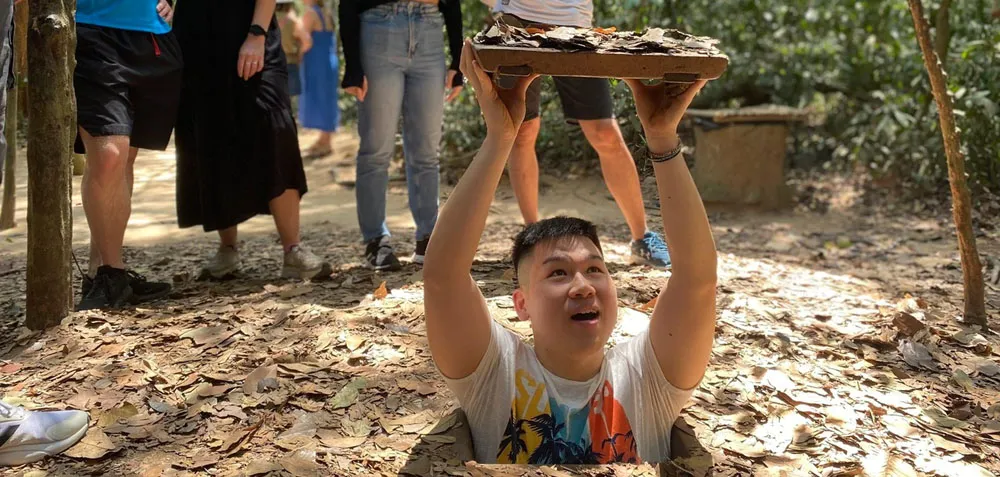
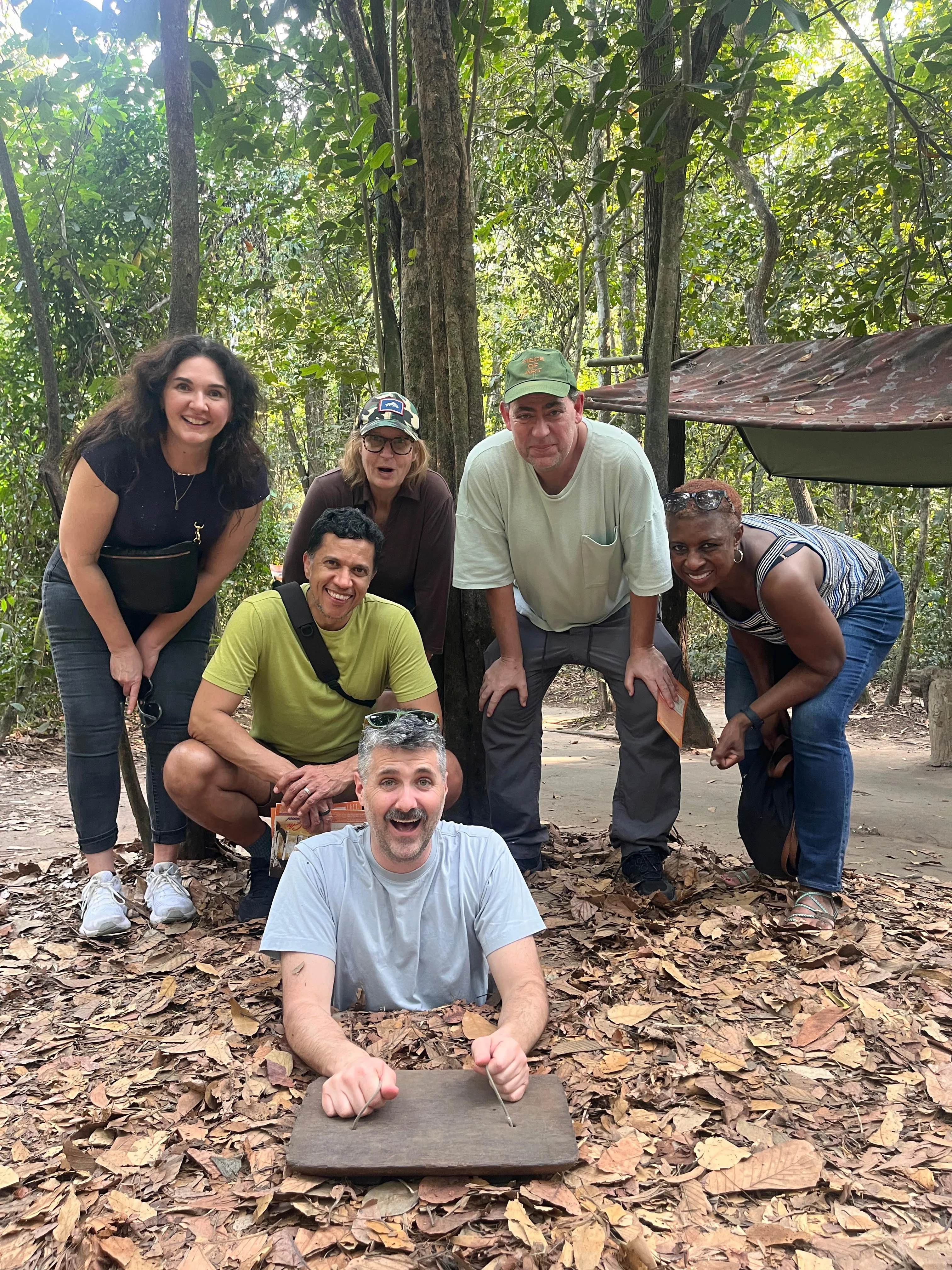
At Cu Chi, exploring the underground tunnel system offers a powerful and physical understanding of wartime survival. Crawling through narrow passages and seeing hidden trapdoors reveals the reality of guerrilla warfare. Returning to the city in the afternoon, you can visit the War Remnants Museum or simply reflect in a quiet café, allowing the experience to settle emotionally.
Day 3: Ho Chi Minh City to Mekong Delta – River life and rural transition
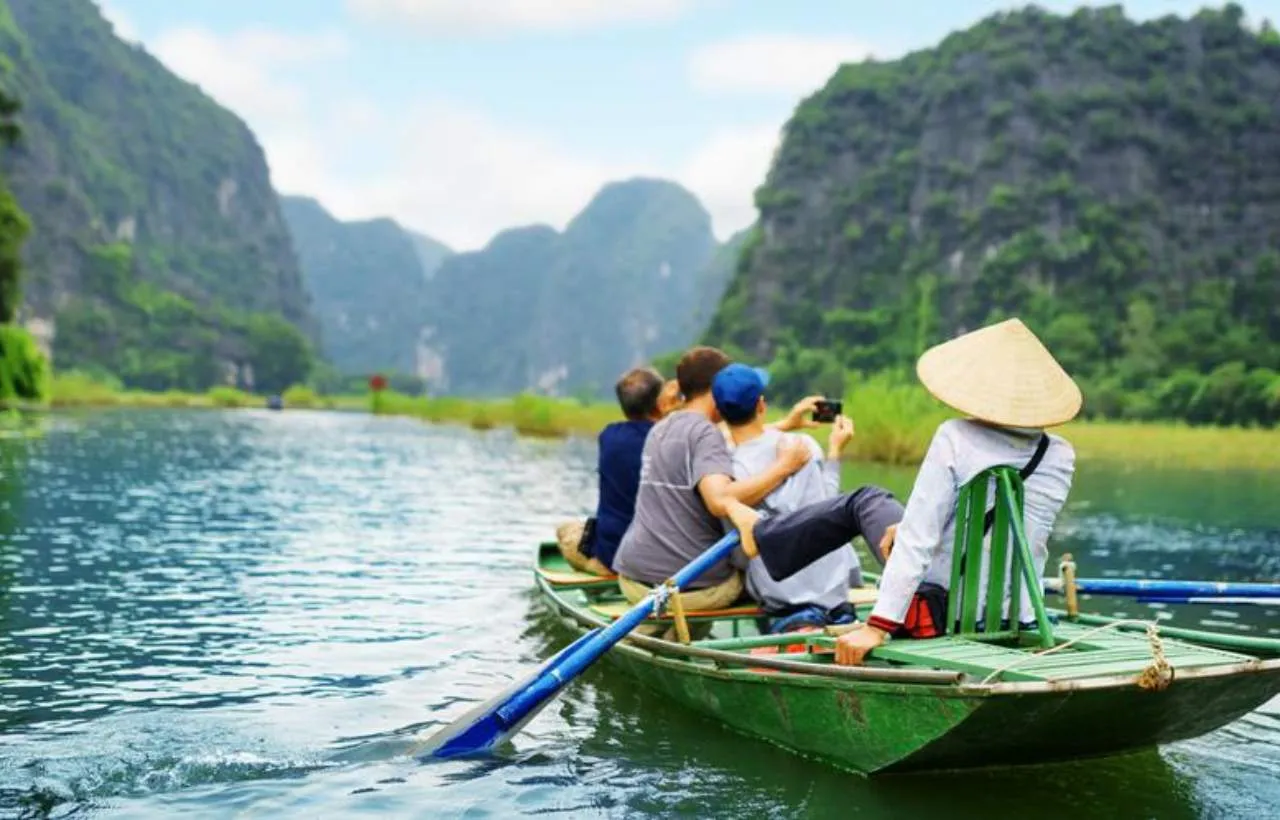
Leaving the city behind, the journey moves into the Mekong Delta, where life revolves around water, agriculture, and community. The scenery changes dramatically into rice fields, coconut trees, and canals connecting small villages. This shift creates a slower, more grounded atmosphere.
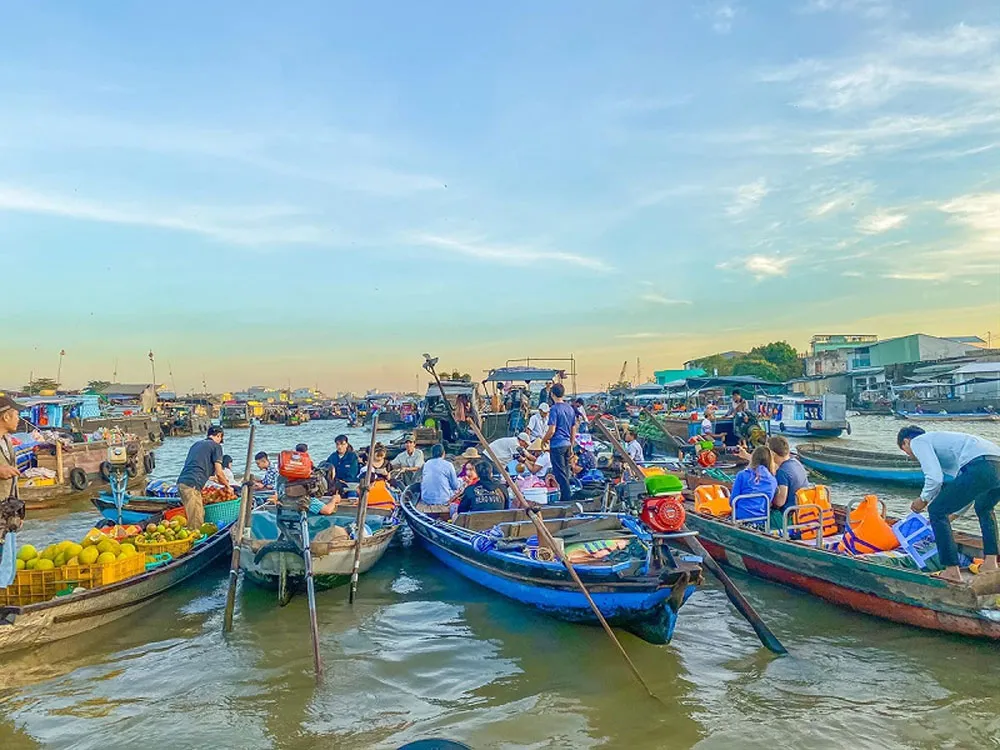
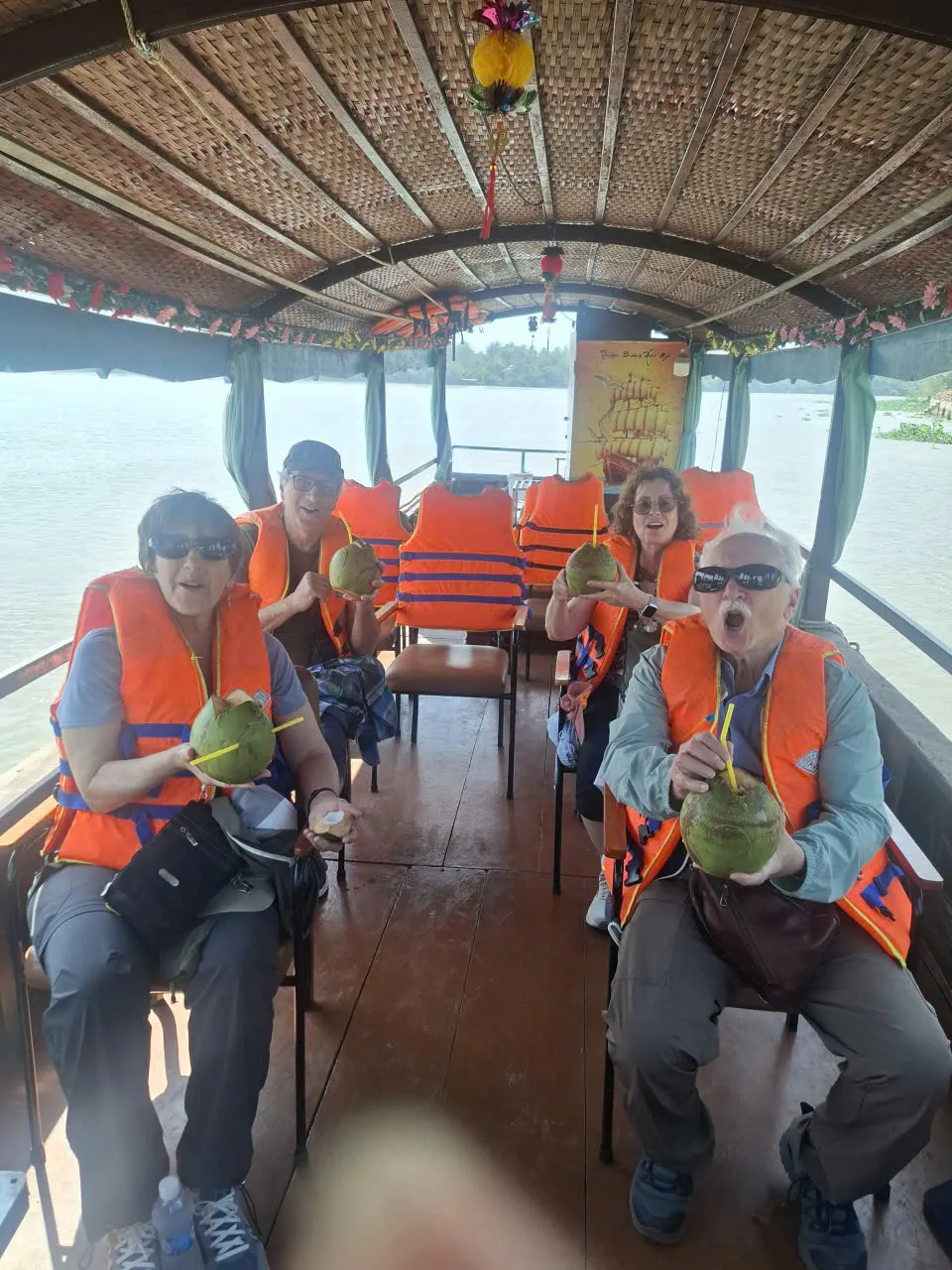
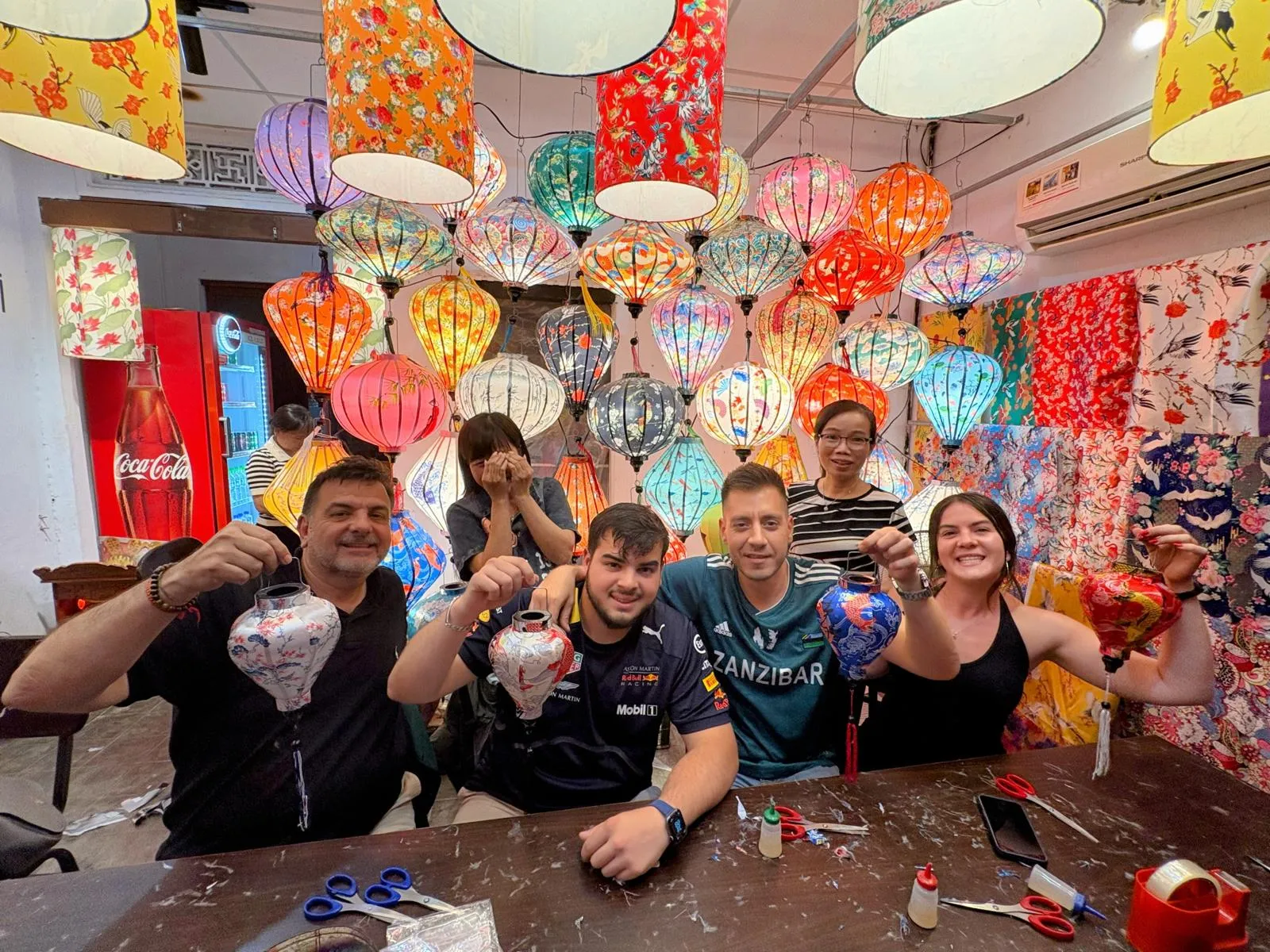
A boat trip through narrow canals reveals floating houses and riverside farms, offering a closer look at daily life. Visiting fruit orchards and traditional workshops adds a hands-on element to the experience. Walking or cycling through villages shows how people live in harmony with the river, making this day feel deeply connected to local culture.
Day 4: Mekong Delta to Phnom Penh – Crossing into Cambodia
This day marks the transition from Vietnam to Cambodia, both geographically and culturally. Traveling to Phnom Penh introduces a noticeable shift in language, architecture, and atmosphere. The pace feels calmer, and the city carries a strong sense of history.
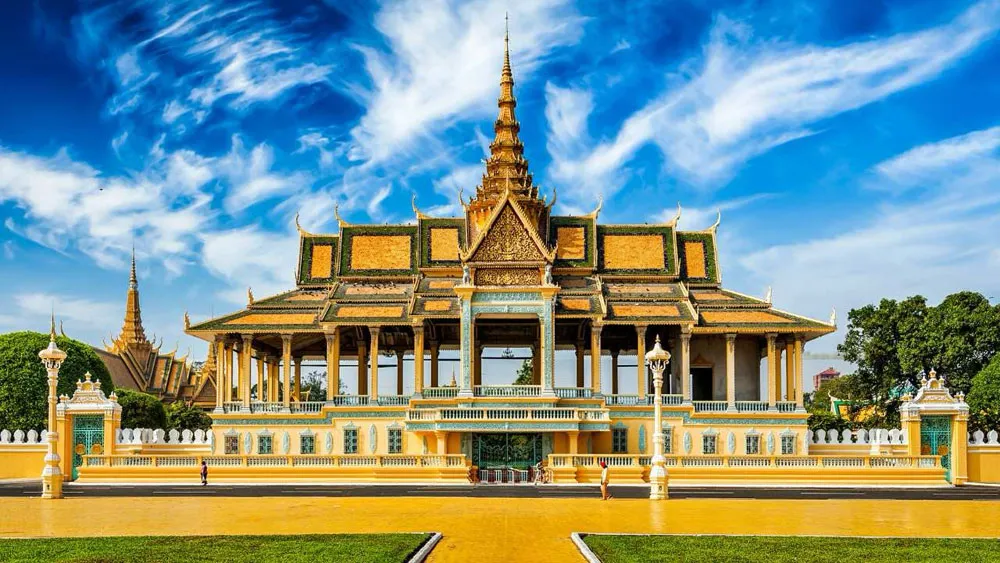
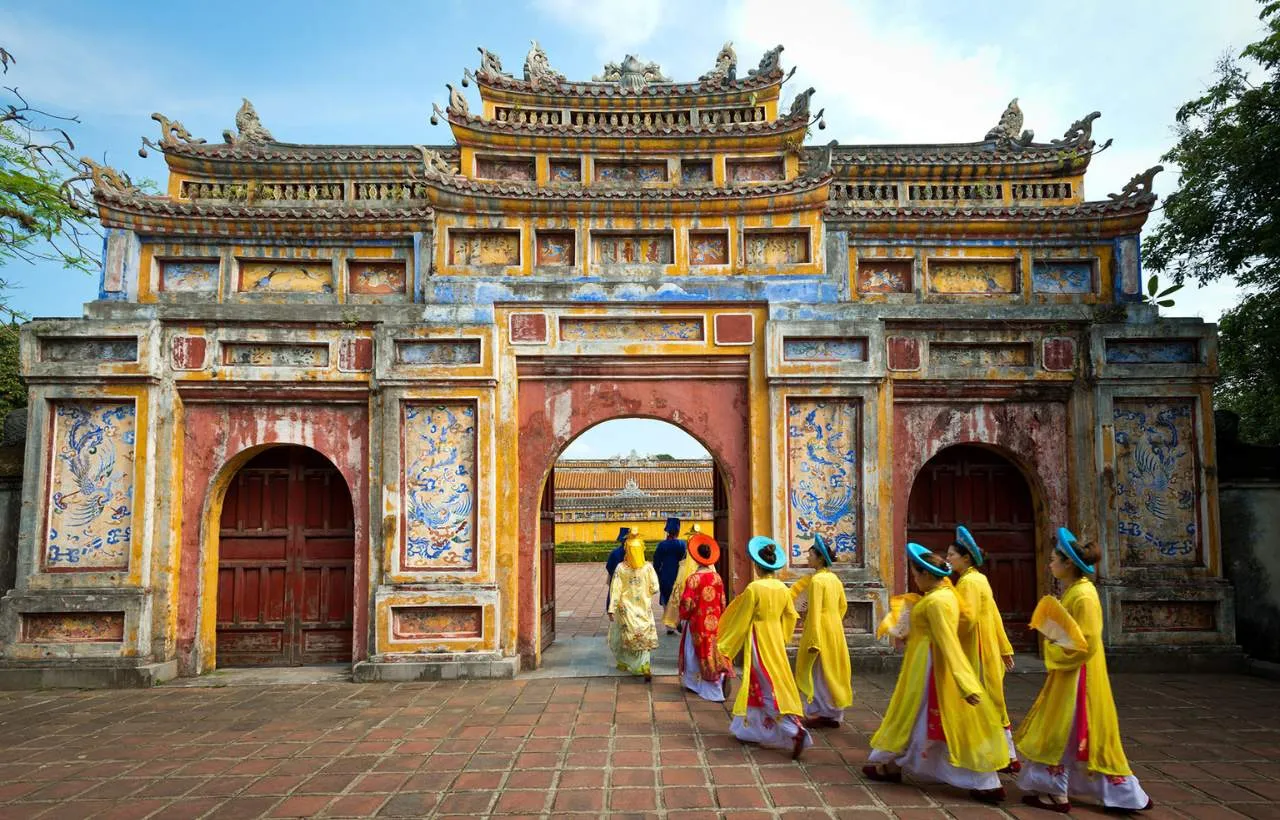
After arrival, visiting the Royal Palace and Silver Pagoda reveals Cambodia’s royal and spiritual traditions. Walking along the riverside at sunset allows you to observe local life in a relaxed setting. This transition helps you adjust to Cambodia’s unique rhythm.
Day 5: Phnom Penh – History, memory, and resilience
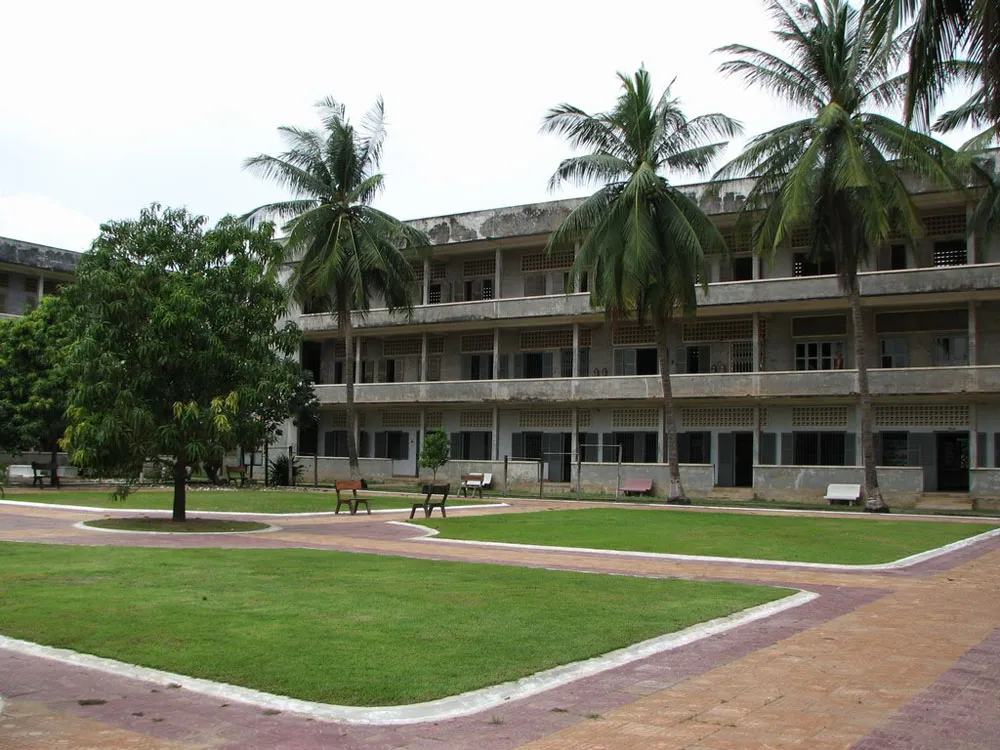
Phnom Penh’s identity is shaped by its recent history, and this day focuses on understanding that past. Visiting the Tuol Sleng Genocide Museum and the Killing Fields provides insight into the Khmer Rouge era. These sites are deeply emotional but essential for understanding Cambodia’s resilience.
In the afternoon, the atmosphere softens as you explore markets or relax in cafés. The contrast between past and present becomes clear, showing how the city continues to rebuild. Phnom Penh feels both reflective and hopeful.
Day 6: Phnom Penh to Siem Reap – Gateway to ancient Cambodia
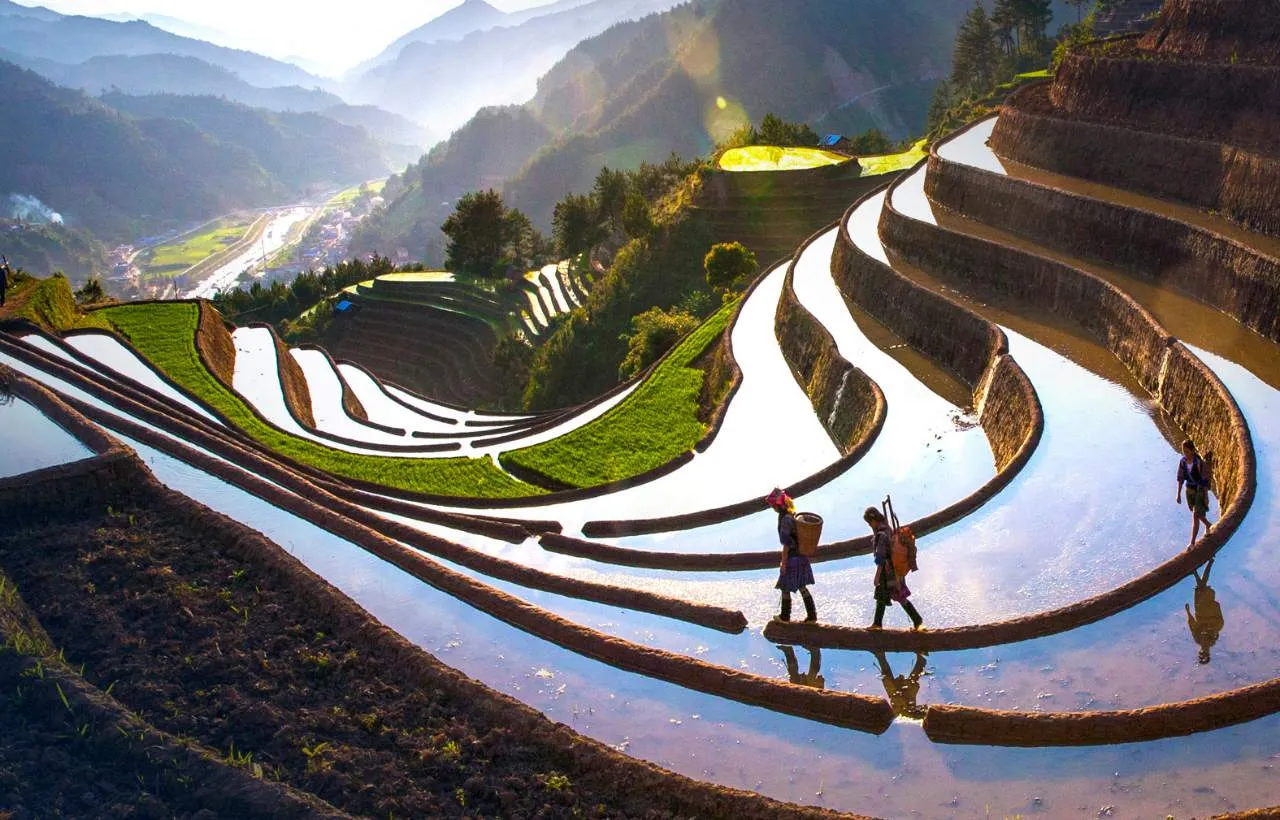
Traveling north to Siem Reap takes you through rural Cambodia, where rice fields and stilt houses define the landscape. Life here appears slower and more traditional, offering a glimpse into everyday living beyond the capital.
Arriving in Siem Reap, the atmosphere becomes lively yet relaxed. Night markets and local restaurants create a social environment that blends tourism with local culture. This day prepares you for the historical highlights ahead.
Day 7: Siem Reap – Angkor temples and ancient civilization
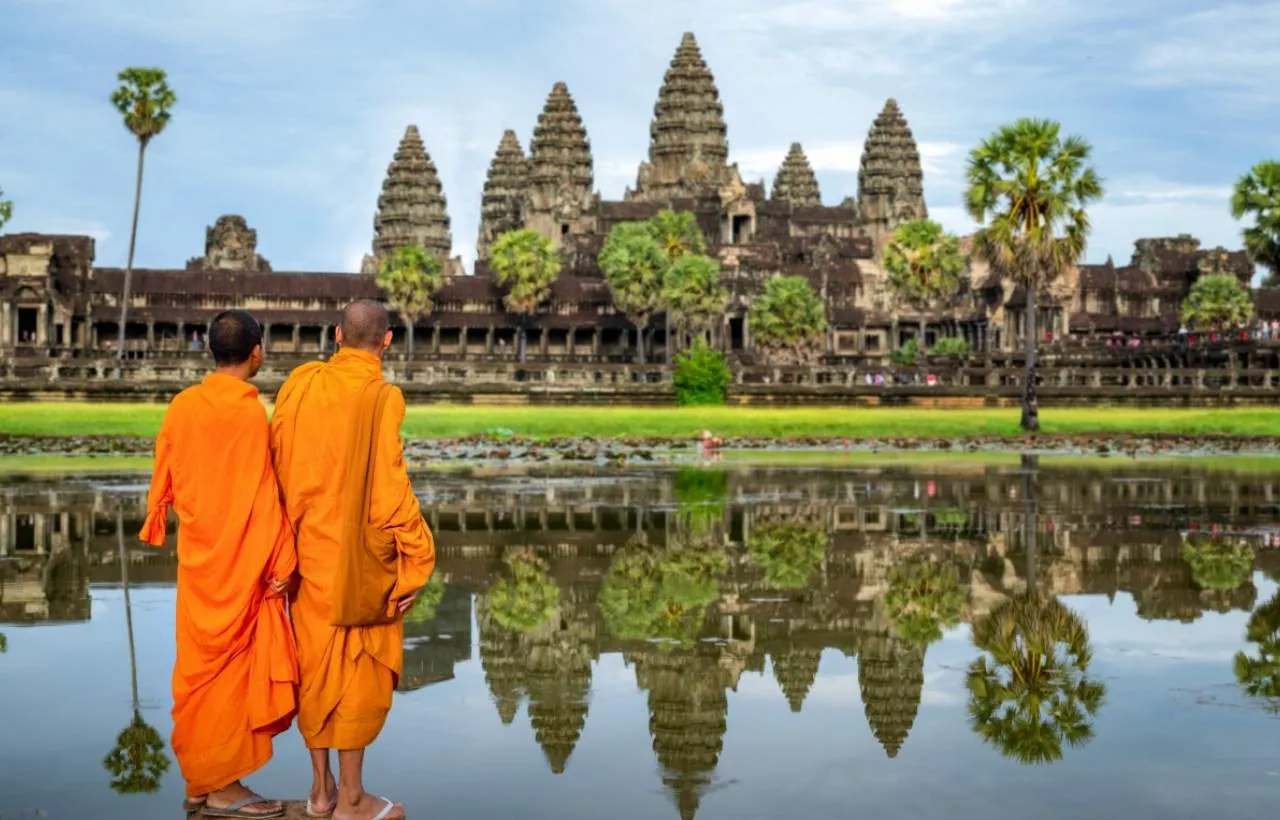
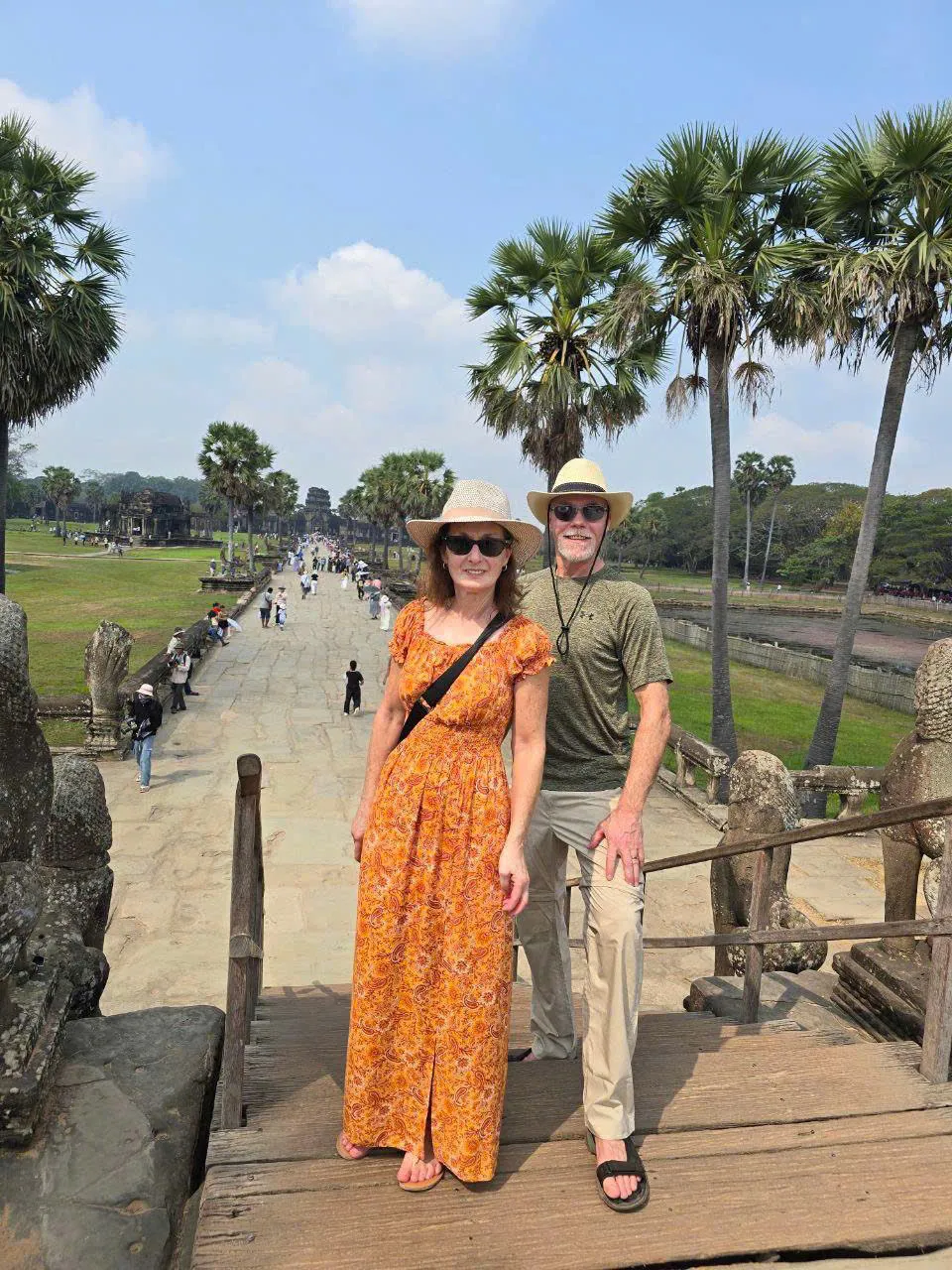
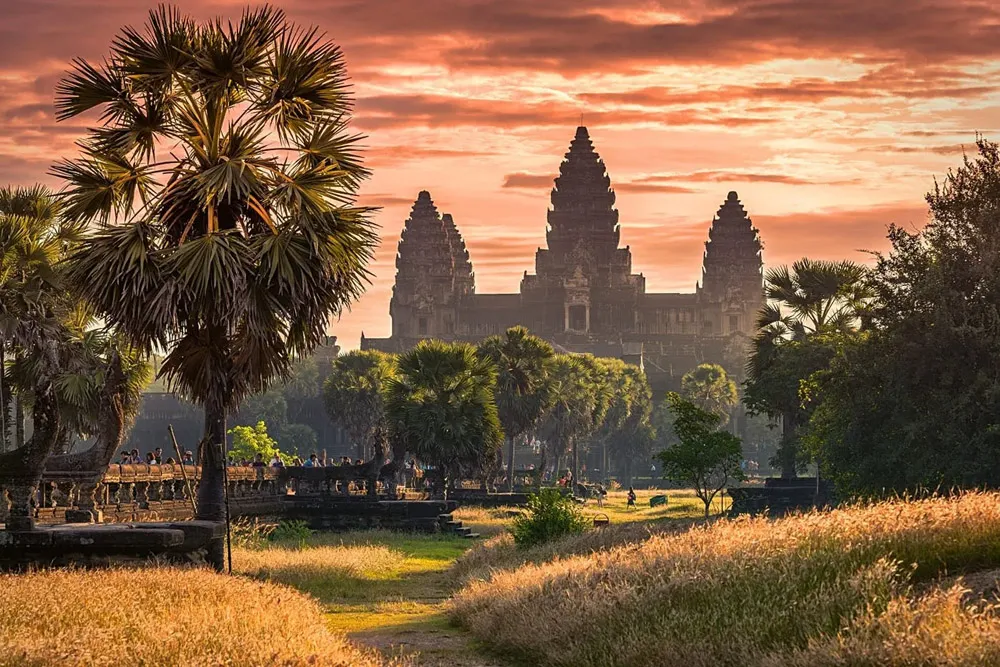
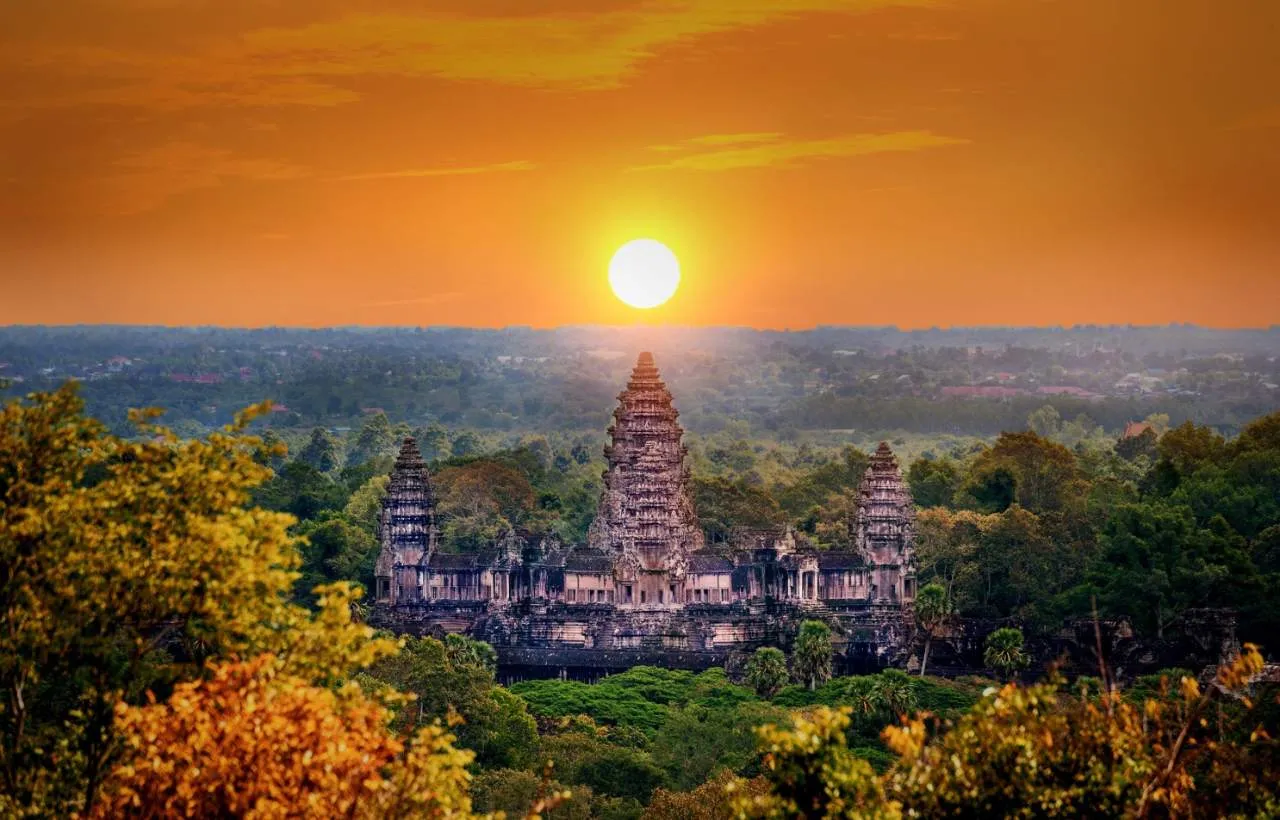
This is the highlight of the Vietnam Cambodia Laos itinerary 10 days. Watching sunrise at Angkor Wat creates a powerful visual moment as the temple slowly emerges in golden light. The experience feels both spiritual and awe-inspiring.
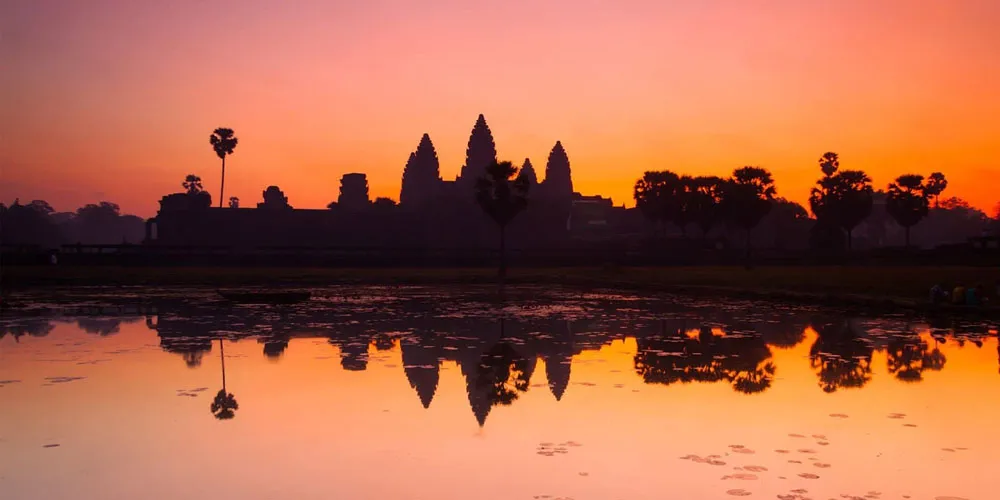
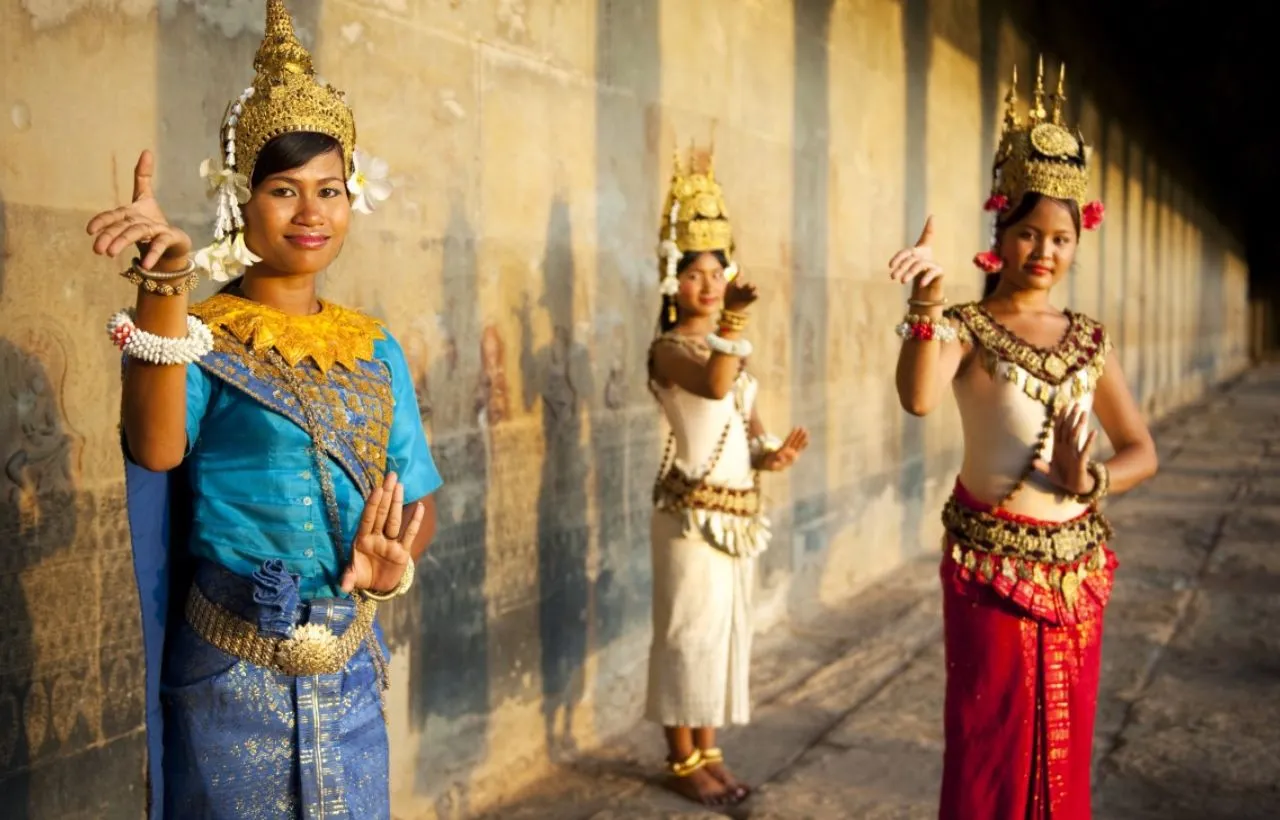
Exploring Angkor Thom and Ta Prohm reveals the scale and complexity of the Khmer Empire. Stone carvings, ancient faces, and jungle-covered ruins create a sense of stepping back in time. This day connects history, architecture, and mythology in a way few places can.
Day 8: Siem Reap to – Transition to Laos
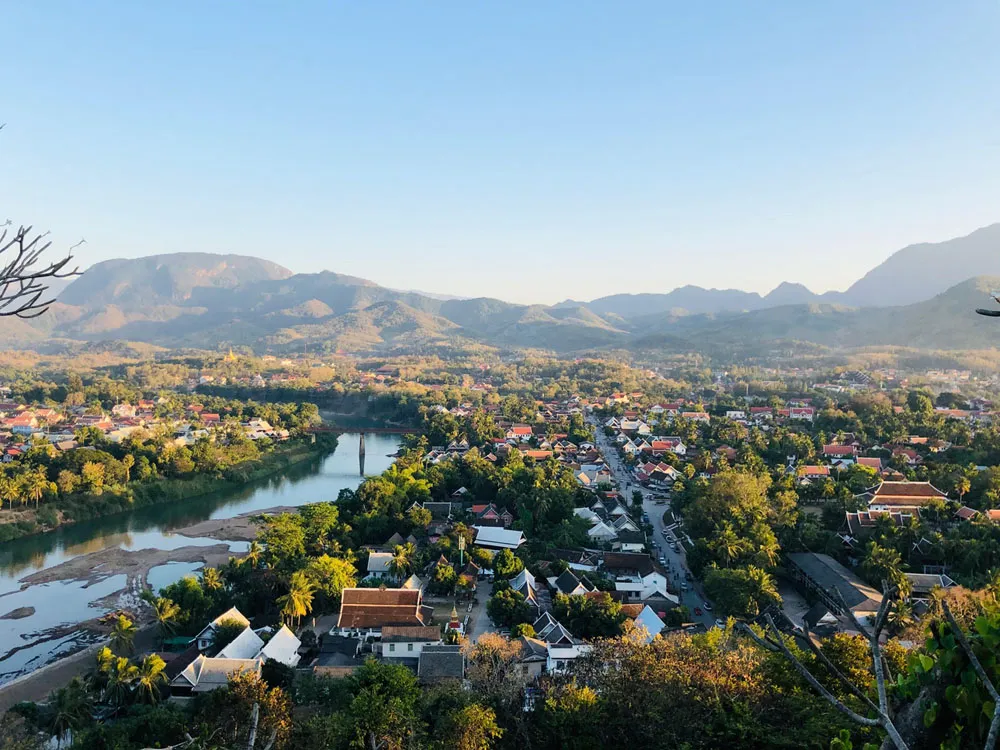
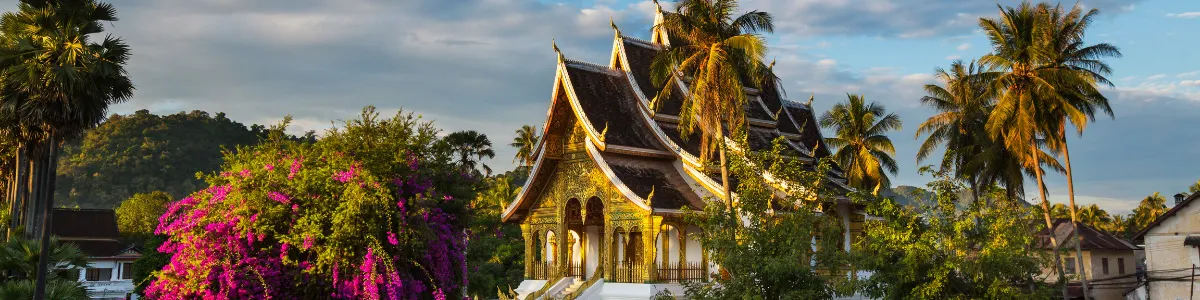
Flying to Luang Prabang introduces a completely different atmosphere. The town feels calm, spiritual, and almost timeless compared to previous destinations. The Mekong River and surrounding mountains create a peaceful setting.
In the evening, exploring the night market offers a relaxed introduction to Lao culture. The slower pace becomes immediately noticeable. This transition allows you to shift from exploration to reflection.
Day 9: Luang Prabang – Culture, nature, and slow travel
The day begins with the traditional alms-giving ceremony, where monks collect offerings at sunrise. This quiet ritual reflects the spiritual heart of Laos. It’s a respectful and meaningful experience when observed properly.
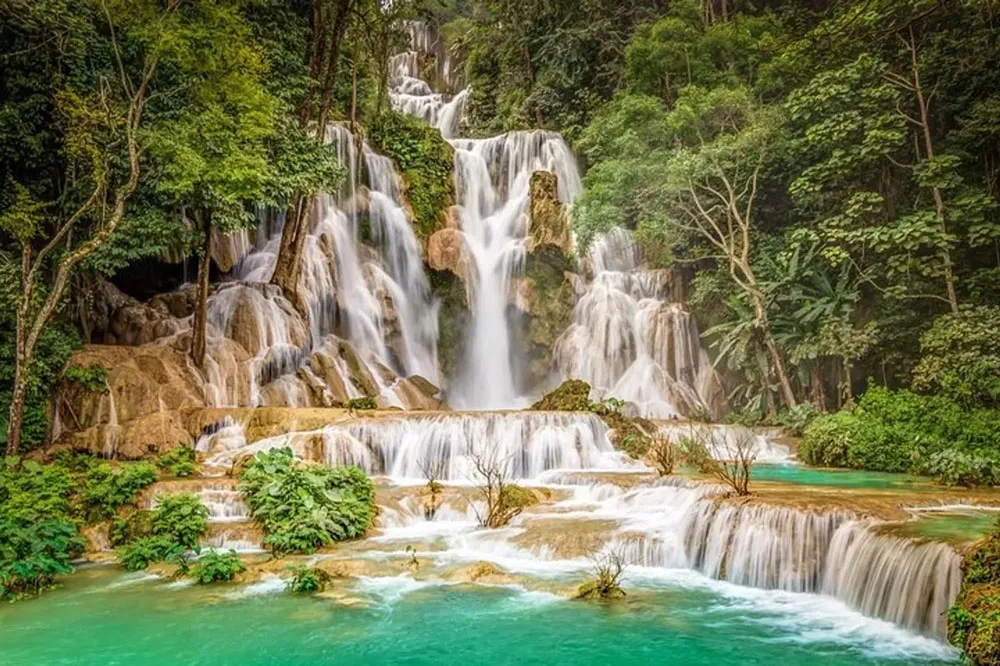
Later, visiting Wat Xieng Thong and Kuang Si Waterfalls combines cultural and natural beauty. The waterfalls provide a refreshing contrast to temple visits. This balance makes the day feel complete and relaxed.
Day 10: Luang Prabang – Reflection and departure
The final day of the Vietnam Cambodia Laos itinerary 10 days is intentionally slow. Spending time in cafés, walking along the river, or revisiting favorite spots allows you to absorb the journey. The calm atmosphere of Luang Prabang makes it the perfect place to end the trip.
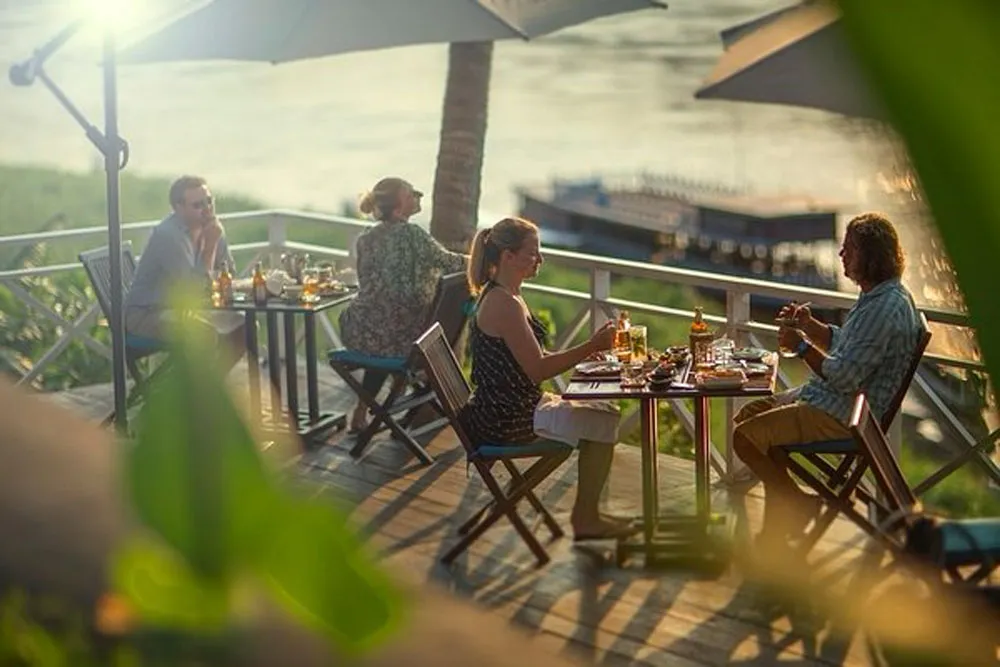
This closing moment brings together everything you’ve experienced—from urban energy to ancient history and peaceful landscapes. It leaves you with a sense of completion rather than rush.
Travel Tips for Vietnam Cambodia Laos Itinerary 10 Days
-
Travel in one direction to avoid unnecessary backtracking.
-
Use flights between countries to save time.
-
Prepare visas in advance for smoother border crossings.
-
Balance cultural visits with relaxation to avoid fatigue.
This Vietnam Cambodia Laos itinerary 10 days is more than a travel plan—it’s a connected journey through three countries shaped by history, culture, and geography. Each destination adds a new layer, creating an experience that feels rich, balanced, and meaningful.
If you want a seamless and personalized Vietnam Cambodia Laos itinerary 10 days with private guides, smooth transfers, and carefully designed experiences, working with Custom Asia Travel is the best way to do it.
With the right structure and support, this Vietnam Cambodia Laos itinerary 10 days can become one of the most unforgettable journeys in Southeast Asia.




 View trip map