How to plan a Vietnam and Cambodia itinerary
When planning a combined itinerary, keep three core principles in mind:
-
Geography first: Vietnam stretches north to south, while Cambodia’s highlights are more centralized. Logical routing avoids unnecessary backtracking.
-
Pacing matters: Moving countries too quickly reduces depth. Fewer bases with longer stays create a better experience.
-
Border crossings: Most travelers combine flights with either land or river crossings for variety.
Most routes begin in Vietnam and finish in Cambodia, though the reverse also works depending on flight availability.
10-day Vietnam and Cambodia itinerary – Essential highlights
A 10-day itinerary is ideal for travelers with limited time who still want to experience both countries’ most iconic destinations.
Days 1–3: Hanoi and northern Vietnam
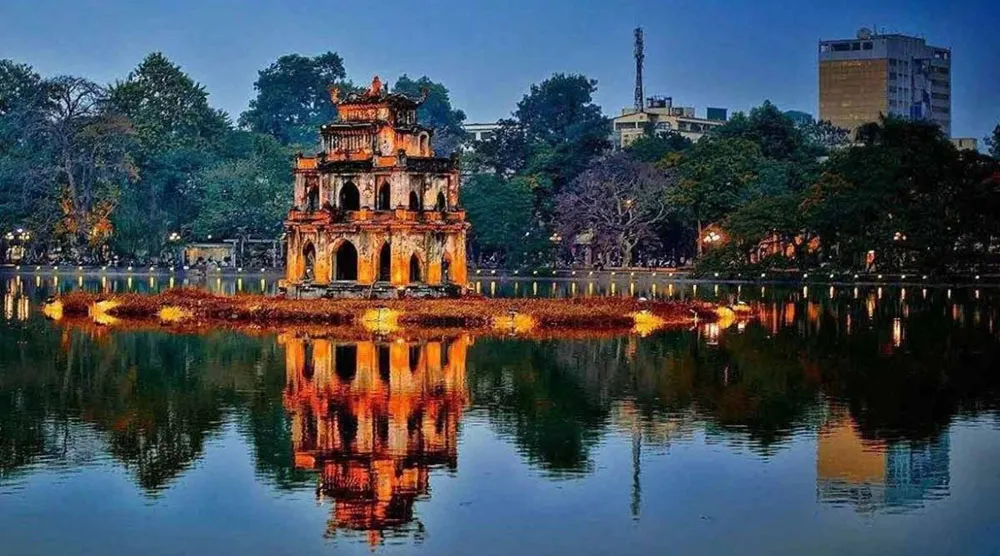
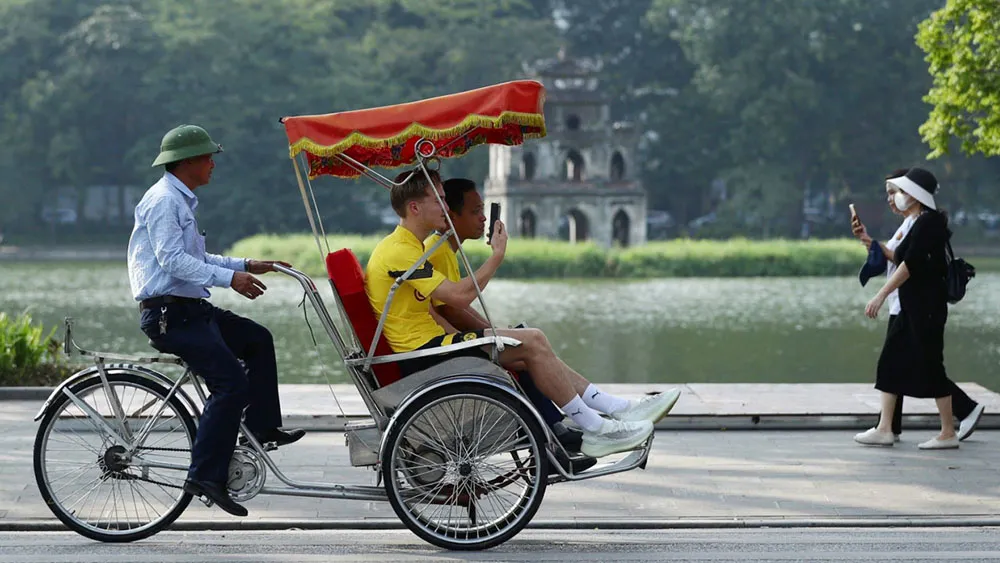
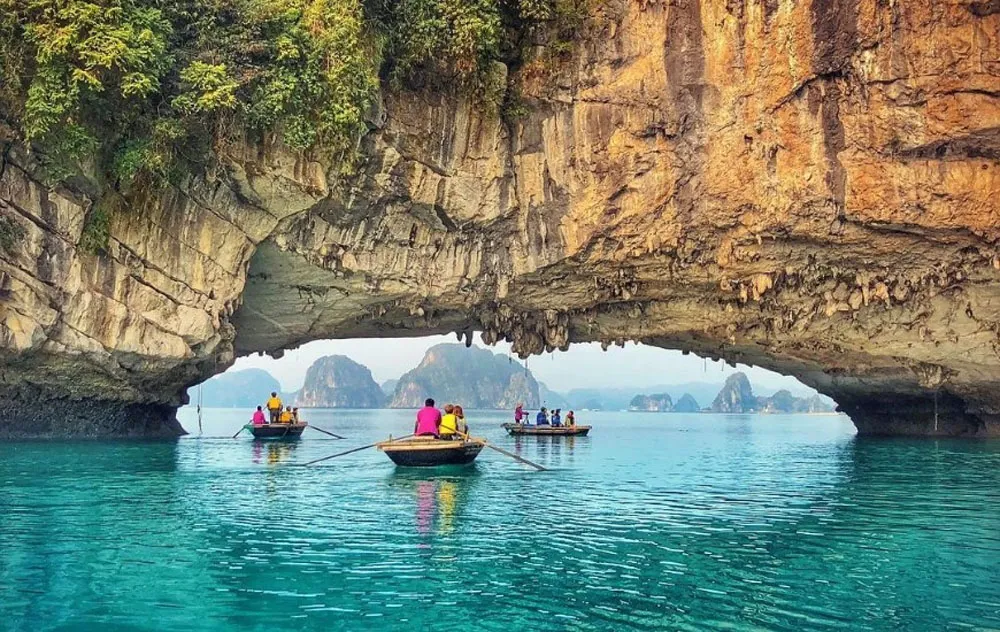
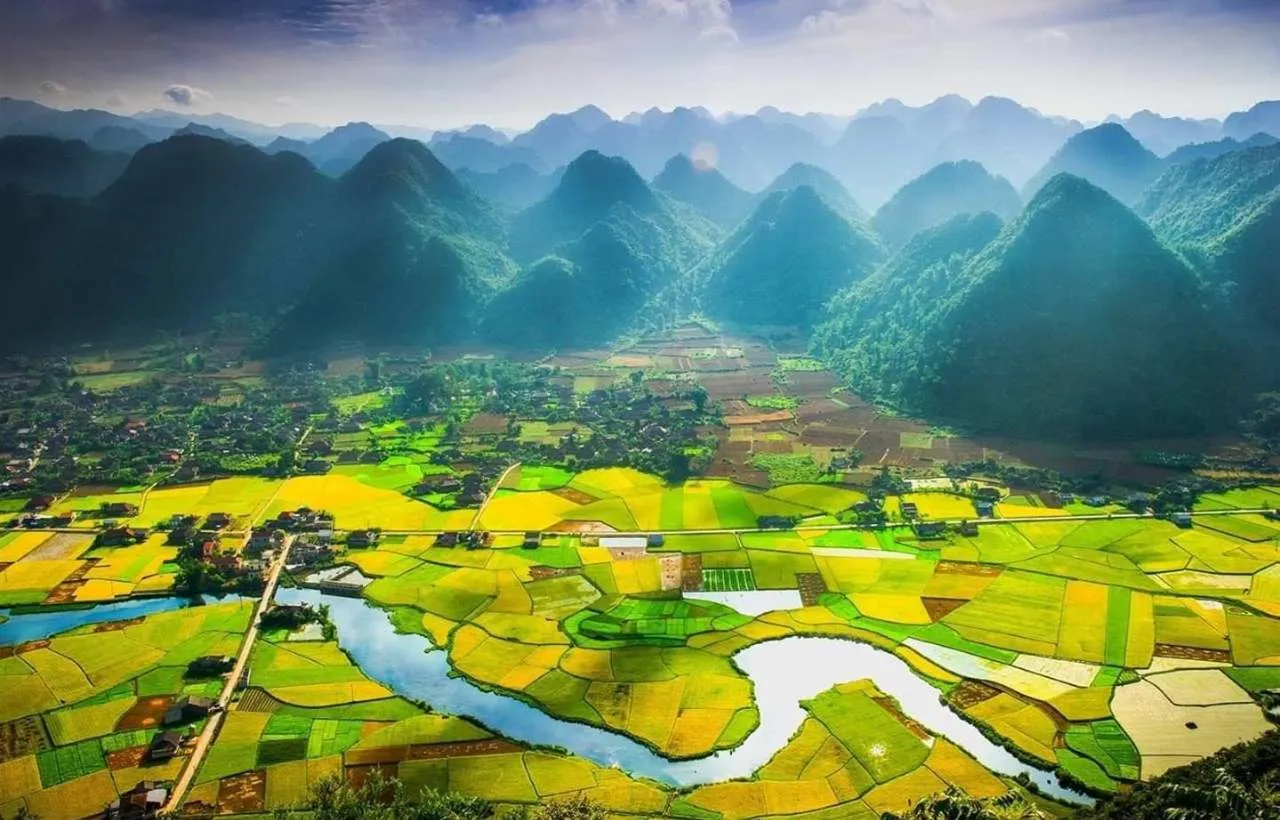
Begin in Hanoi, Vietnam’s cultural capital. Spend your days exploring the Old Quarter, Hoan Kiem Lake, colonial streets, museums, and food culture. If time allows, include a short trip to Ninh Binh or Ha Long Bay for limestone landscapes.
Days 4–5: Central Vietnam – Hoi An
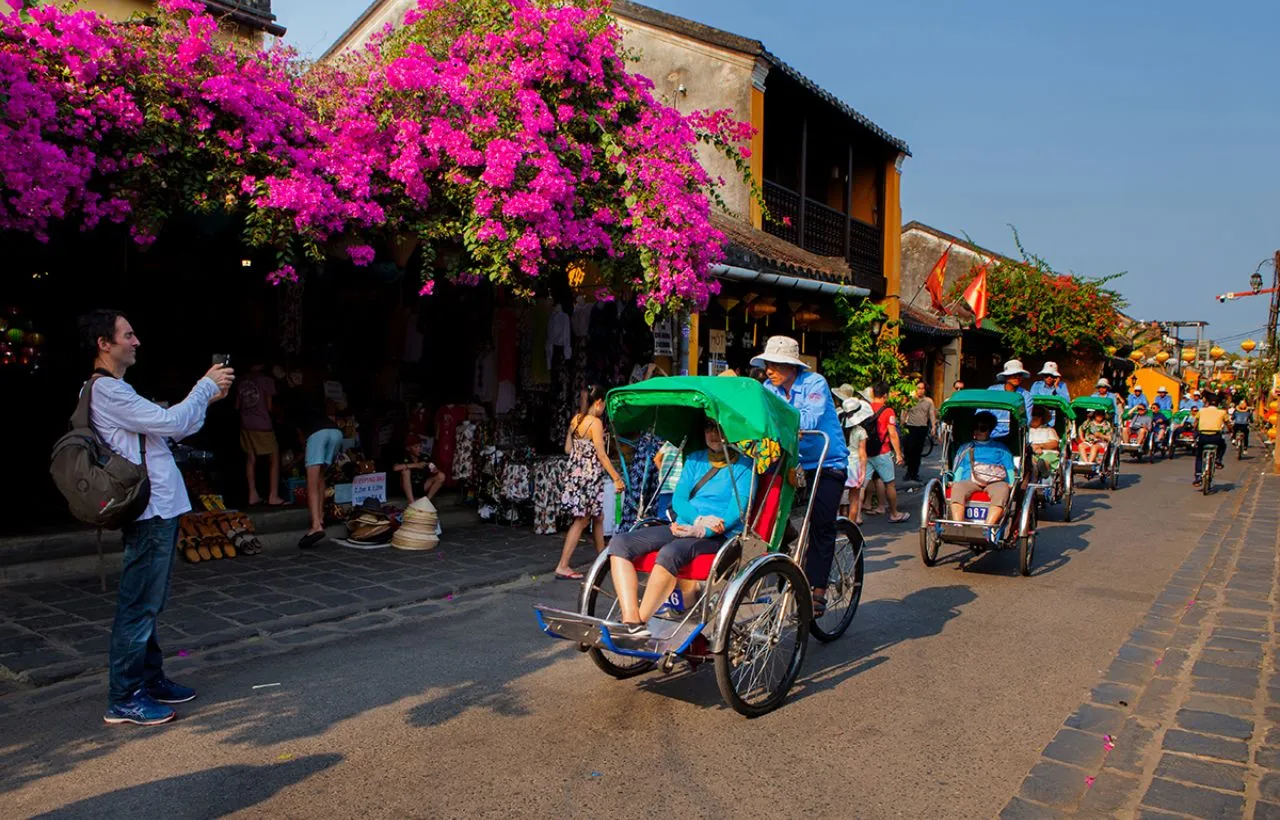
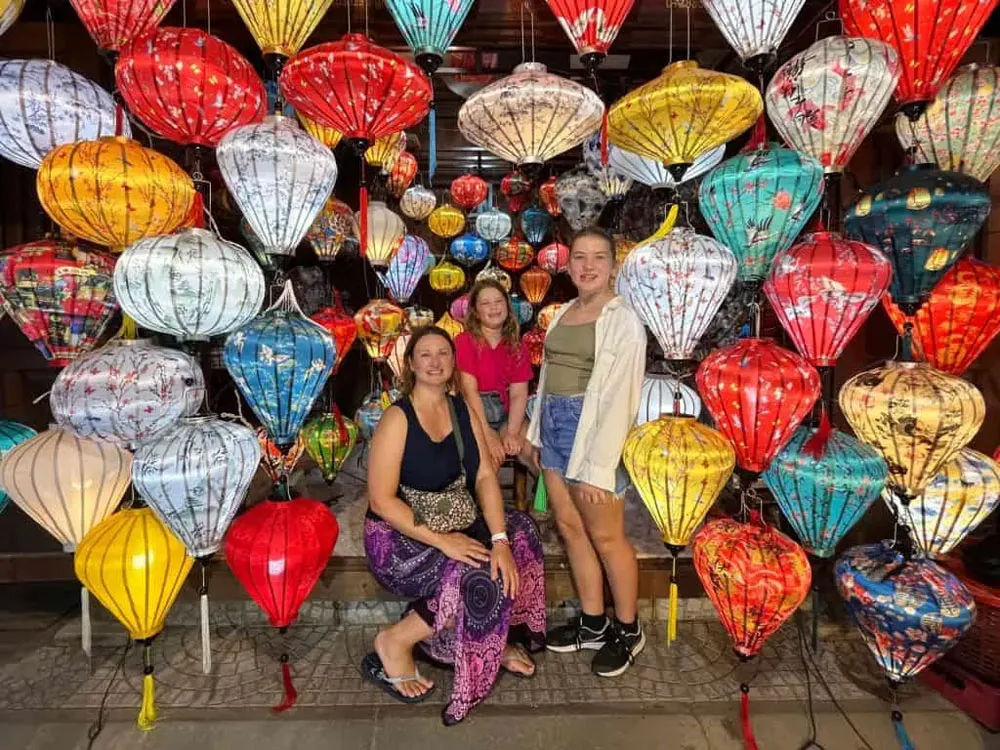
Fly south to Da Nang and continue to Hoi An. Explore the Ancient Town, riverside lantern streets, traditional houses, and nearby countryside. This short central stop adds balance between city life and heritage.
Days 6–7: Ho Chi Minh city and
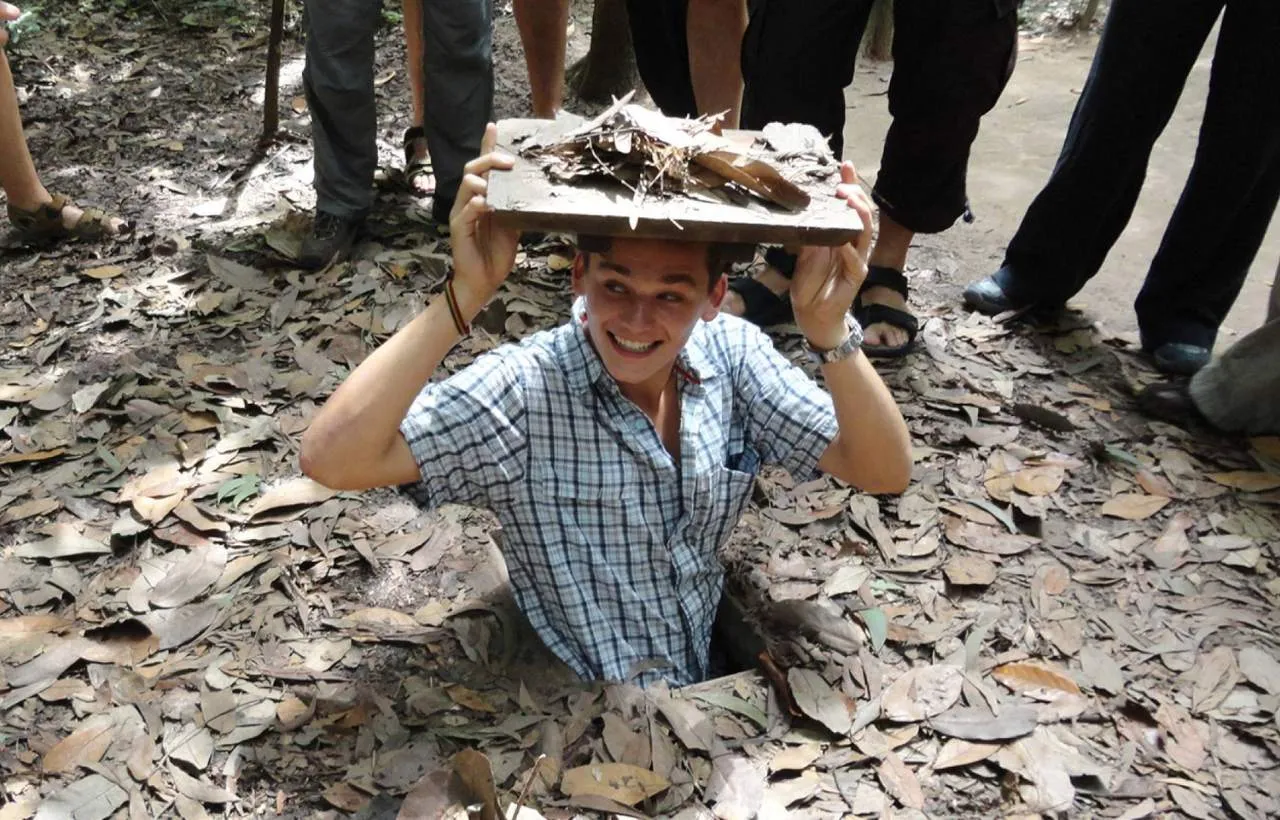
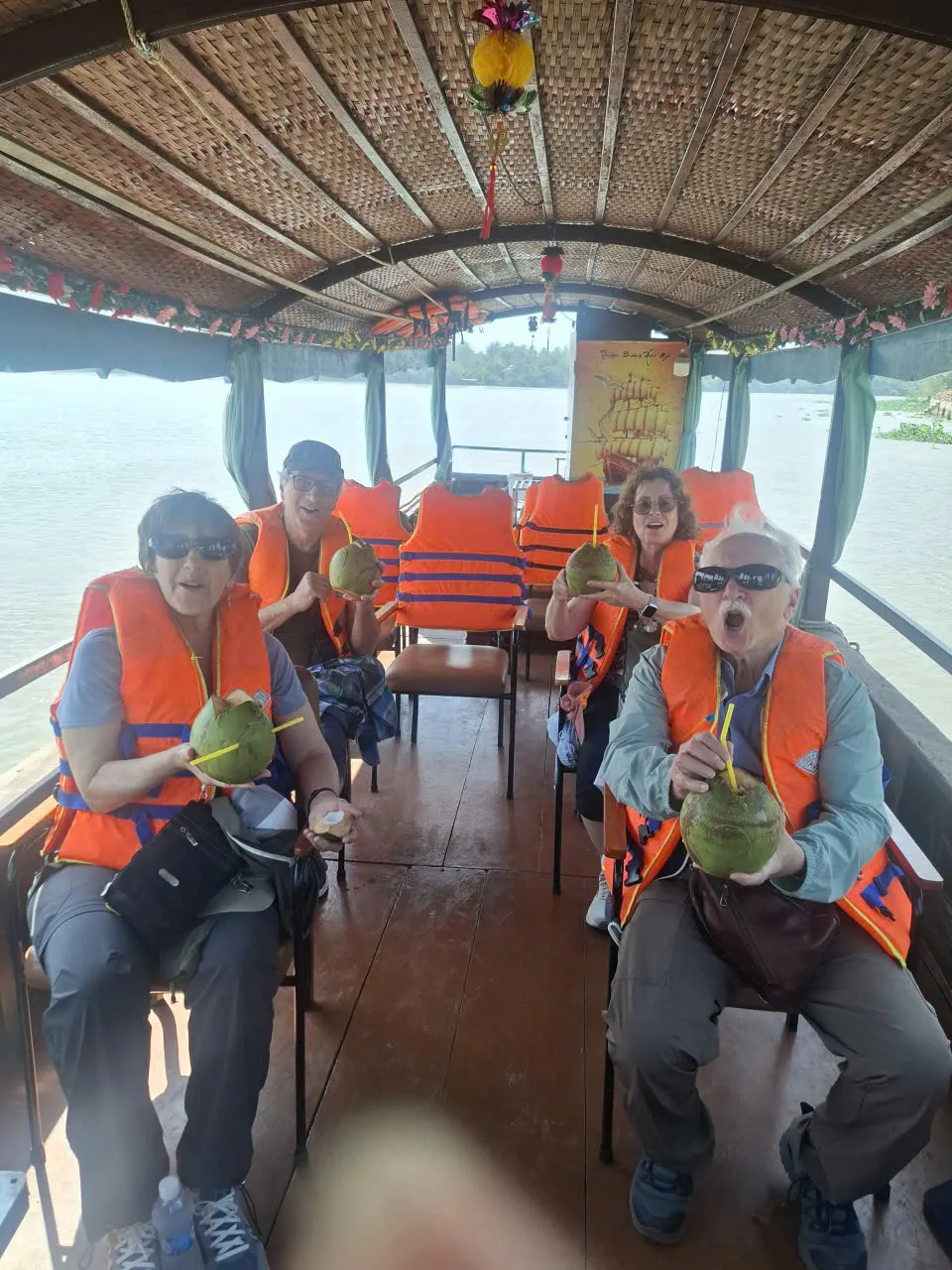
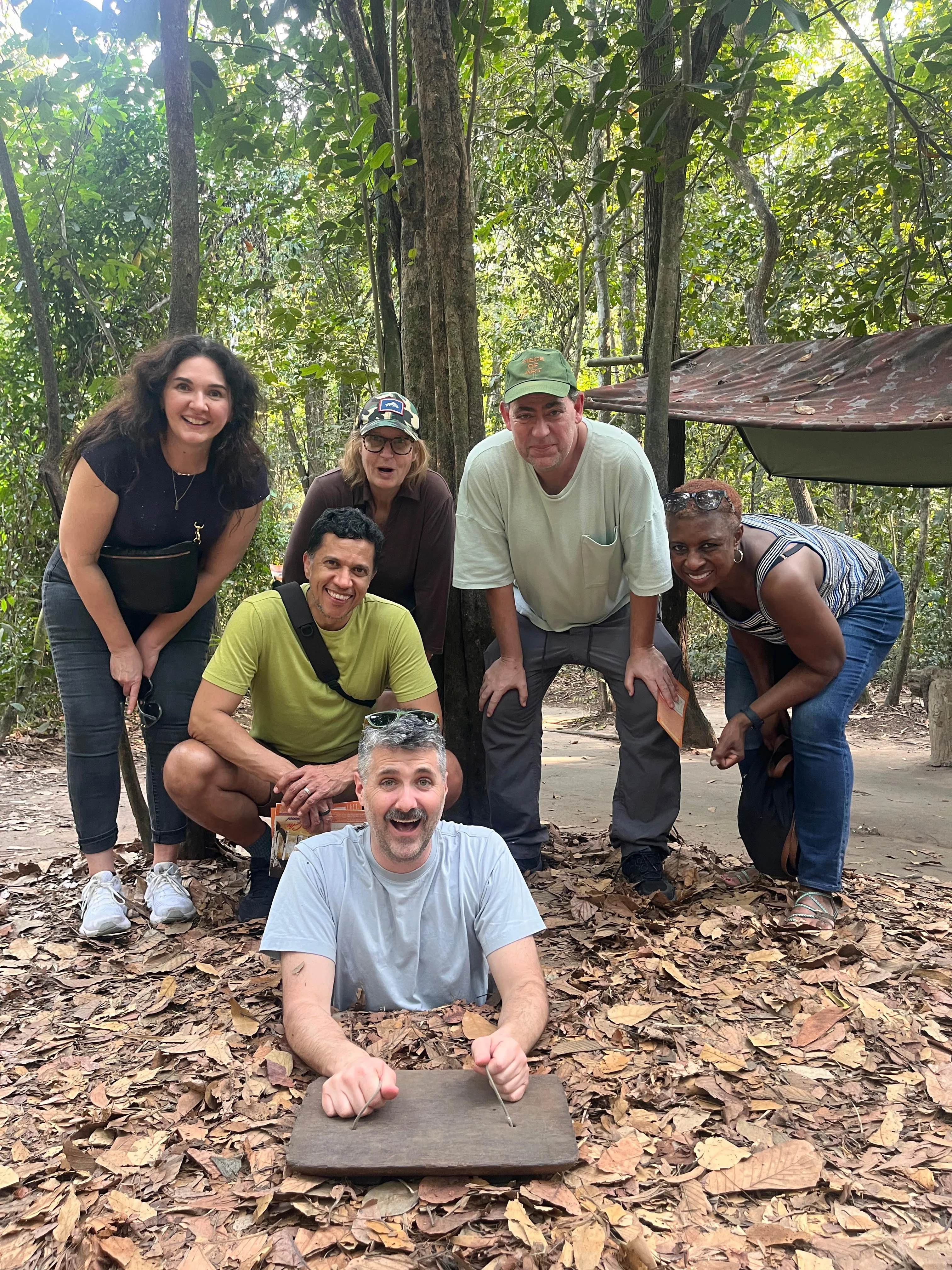
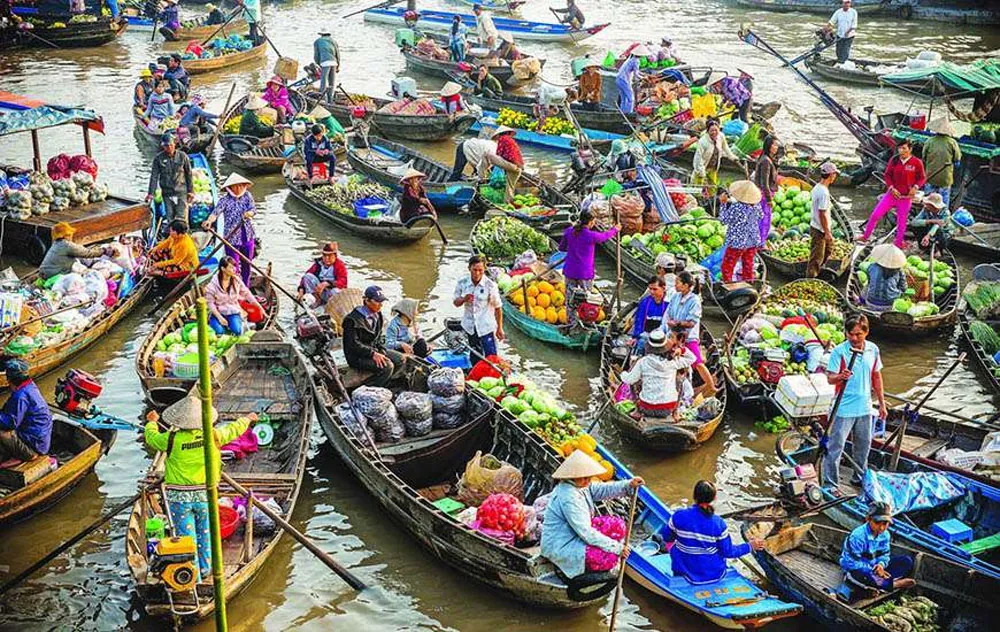
Continue south to Ho Chi Minh City. Visit key historical landmarks, markets, and café districts. Dedicate one day to the Mekong Delta, cruising canals and visiting villages in Ben Tre or Cai Be.
Days 8–10: Cambodia – Siem Reap and Angkor
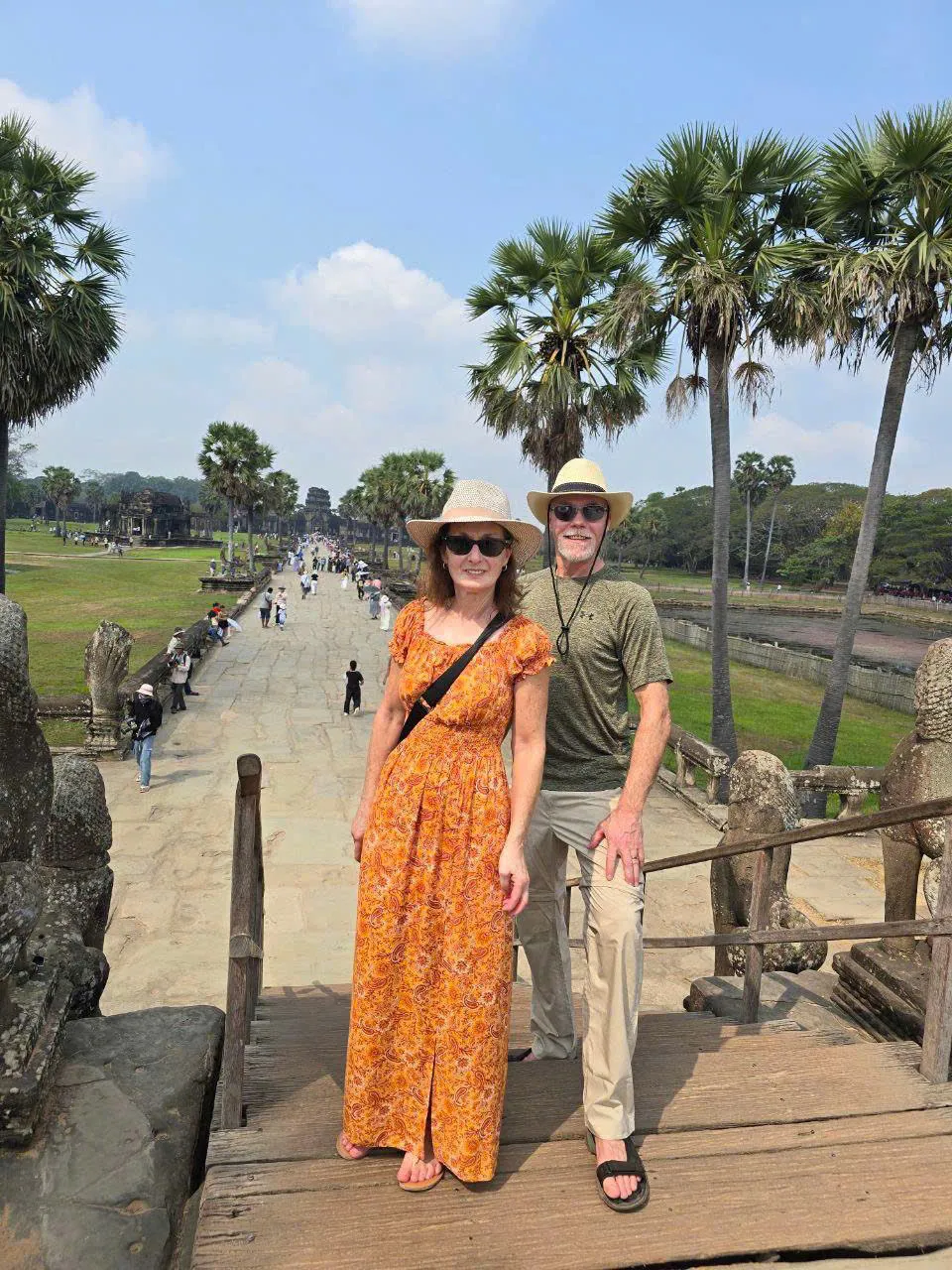
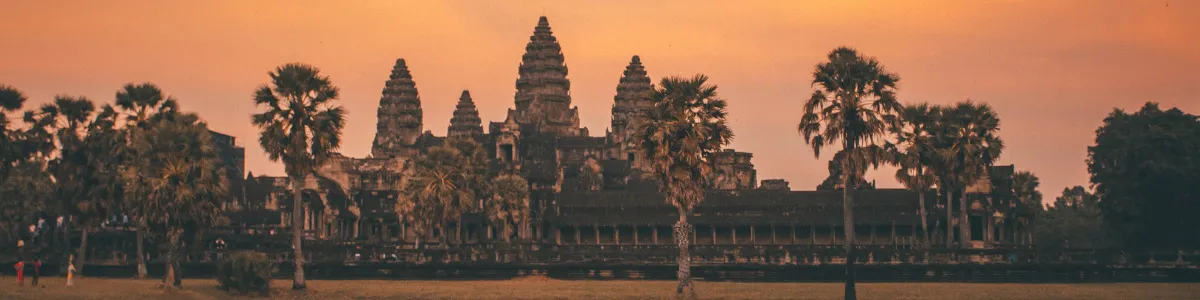
Fly to Siem Reap. Spend two to three days exploring the Angkor temple complex, including Angkor Wat, Bayon, and Ta Prohm. End with local markets or a cultural performance.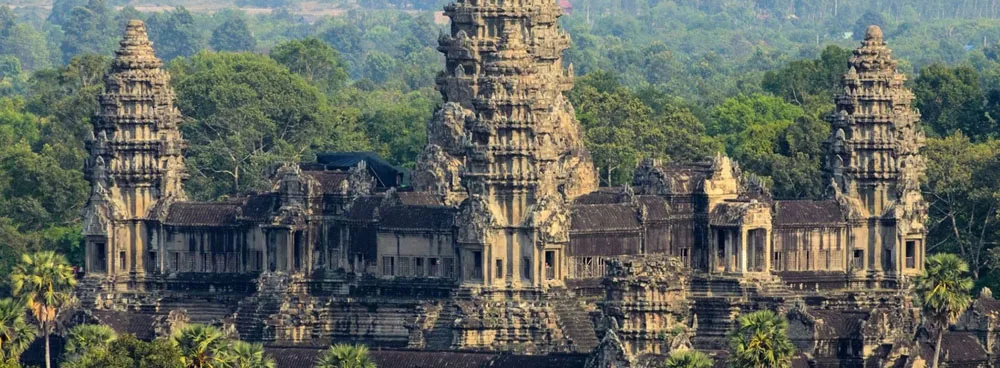 Best for: First-time visitors, fast-paced travelers, limited vacation time Focus: Highlights, major landmarks, minimal backtracking
14–15 day Vietnam and Cambodia itinerary – Balanced and comfortable
Two weeks is an ideal timeframe to explore Vietnam and Cambodia without rushing. This itinerary allows you to experience major cultural regions, balance cities with nature, and keep travel days manageable.
Days 1–4: Northern Vietnam – Hanoi and surroundings
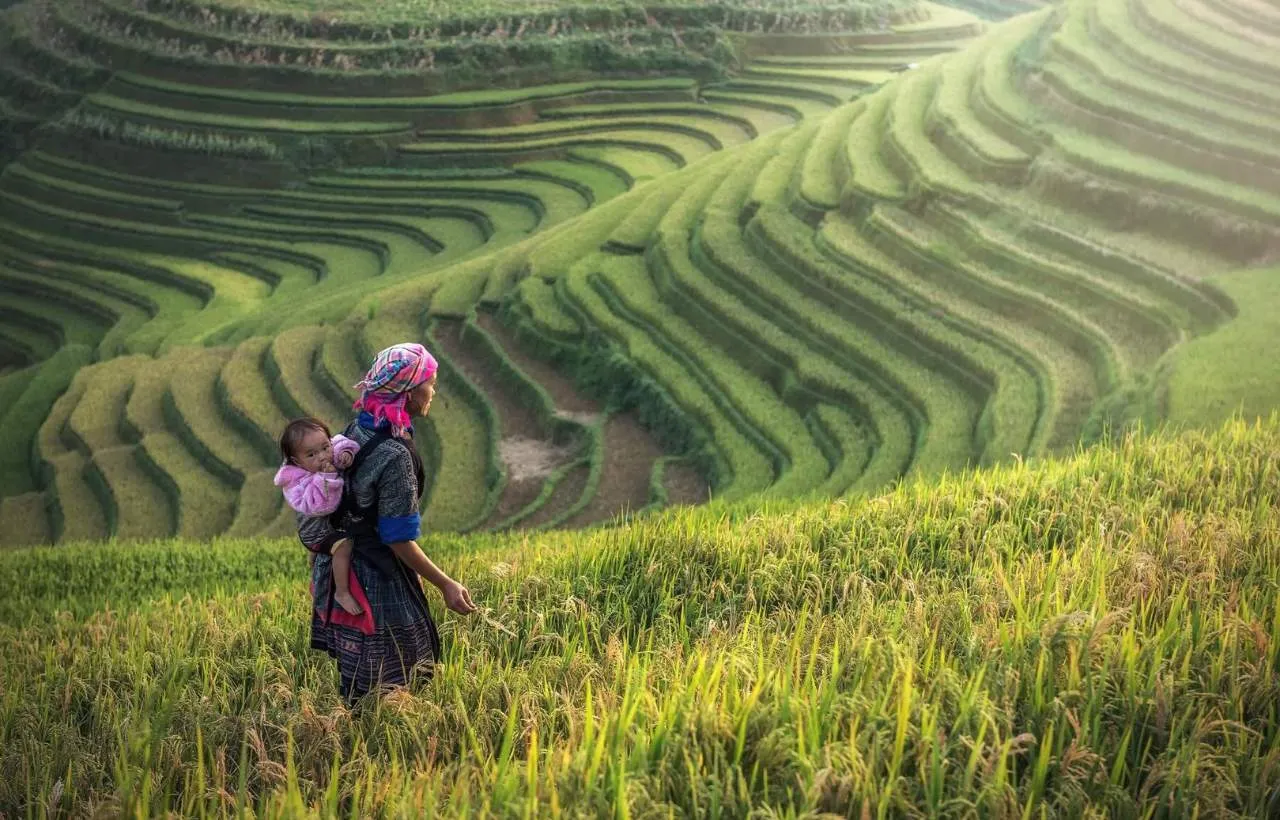
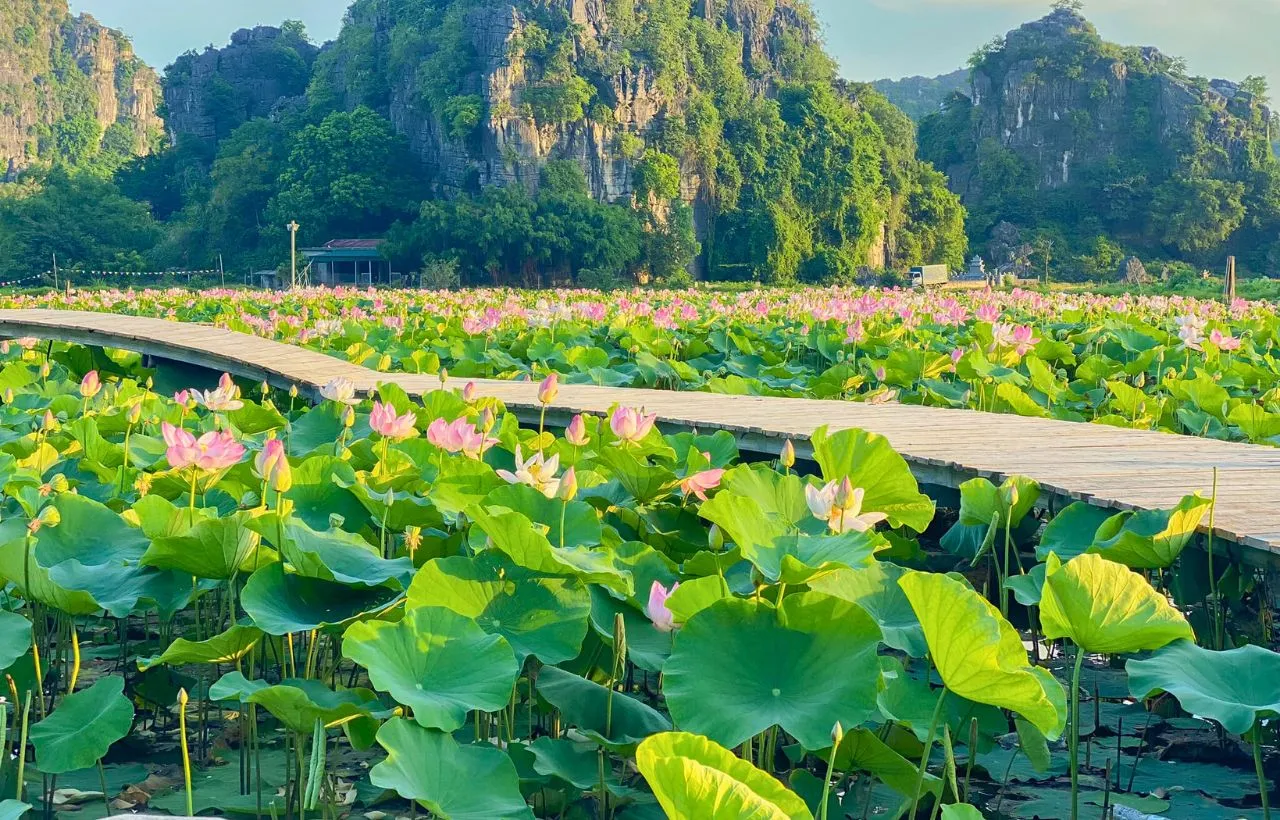
Start in Hanoi, spending time in the Old Quarter, around Hoan Kiem Lake, and at key museums and cafés to understand daily life. Add one overnight escape outside the city, choosing either a Ha Long Bay cruise for iconic scenery or Ninh Binh for countryside cycling and river caves. This early nature break creates a strong contrast to city life.
Days 5–7: Central Vietnam – Hue and Hoi An
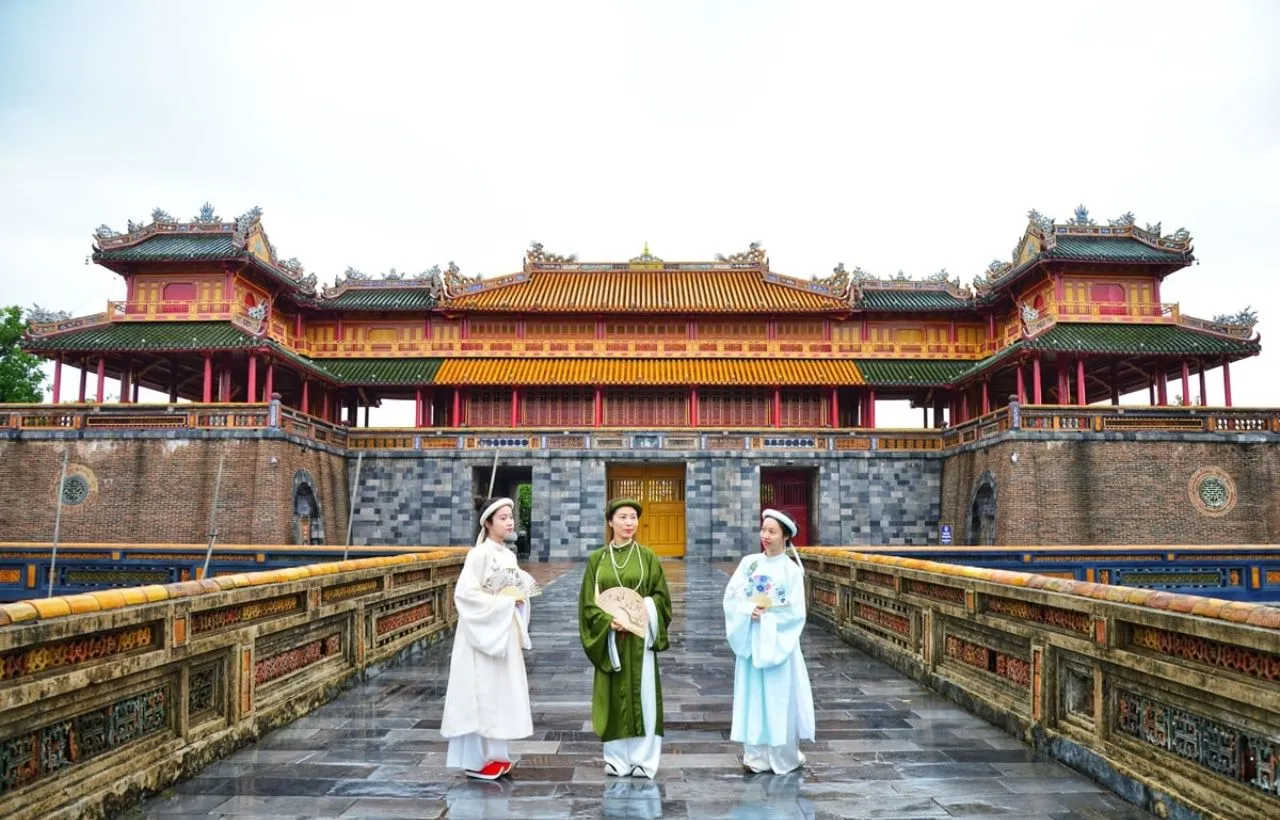
Fly south to Hue and explore the Imperial Citadel, royal tombs, pagodas, and riverside areas at an unhurried pace. Continue by scenic road to Hoi An, where heritage walks, countryside cycling, cooking classes, and nearby beaches fill relaxed days. Evenings are best spent enjoying lantern-lit streets and riverside dining.

Days 8–10: Southern Vietnam – Ho Chi Minh city and Mekong delta
Arrive in Ho Chi Minh City and explore gradually, spreading museums, markets, and neighborhoods over several days. Dedicate at least one day to the Mekong Delta. A day trip introduces canal life, while an overnight stay offers quieter mornings and deeper village experiences.
Days 11–15: Cambodia – Siem Reap and Phnom Penh
Travel to Siem Reap and spend several days exploring the Angkor temples at different times of day to avoid fatigue. Continue to Phnom Penh for royal sites, museums, riverfront walks, and historical landmarks before departure.

Best for: Culture lovers, couples, travelers wanting depth without pressure Focus: Heritage cities, food culture, river life, balanced pacing
20-day Vietnam and Cambodia itinerary – In-depth regional experience
A 20-day Vietnam and Cambodia itinerary moves beyond highlights and creates space for regional character, daily life, and flexible pacing. You still follow a logical north-to-south route, but with fewer rushed transitions and more meaningful time in each place.
Vietnam (Days 1–12)
Northern Vietnam (Days 1–5)
Begin in Hanoi, using it as both an introduction and a stable base. With extra days, you can divide your time between history, food culture, and residential neighborhoods rather than sightseeing only. Add two separate countryside experiences instead of just one:

This pacing allows recovery days and flexibility if weather changes.
Central Vietnam (Days 6–9)
Fly south to Hue and slow the pace. Instead of visiting tombs and the Citadel in one long day, spread them across multiple mornings with free afternoons. Continue to Hoi An and stay long enough to mix heritage walks, countryside cycling, cooking experiences, and beach time. With extra days, Hoi An becomes a lived-in town rather than a tourist stop.
Southern Vietnam (Days 10–12)
Arrive in Ho Chi Minh City and explore it by district, not checklist. Divide time between historical sites, modern neighborhoods, markets, cafés, and riverfront areas. Spend at least one night in the Mekong Delta, allowing early-morning river scenes, village cycling, and quieter evenings that day trips cannot provide.

Cambodia (Days 13–20)
Siem Reap and Angkor region (Days 13–17)
With more time, temple exploration becomes layered instead of exhausting. Visit Angkor temples across several days, alternating major sites with smaller, less-visited complexes. Include countryside visits, Tonle Sap Lake villages, or market mornings between temple days to avoid burnout.
Phnom Penh (Days 18–20)
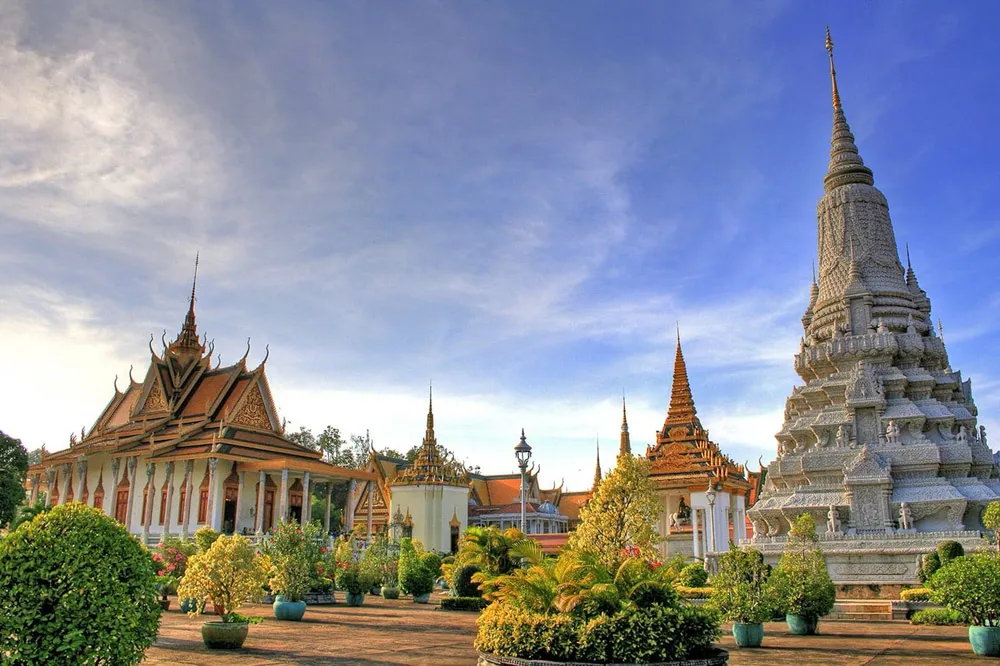
Continue to Phnom Penh, staying long enough to understand its contrasts. Balance cultural sites with riverfront walks, cafés, and neighborhood exploration. This slower ending creates reflection rather than information overload.
Best for: Travelers who want depth without long-term commitment Focus: Regional identity, smoother transitions, cultural context, comfort
30-day Vietnam and Cambodia itinerary – Complete cross-country journey
A 30-day Vietnam and Cambodia itinerary is the most complete and flexible way to experience both countries. This is where travel shifts from “seeing” to understanding. You move less often, stay longer in each place, and allow the journey to adapt naturally.
Vietnam (Days 1–18)
Northern Vietnam (Days 1–7)
Spend a full week in the north, with Hanoi as a long-term base. Instead of stacking excursions, rotate between:
This structure allows you to absorb culture, recover between travel days, and revisit areas you enjoy rather than rushing onward.
Central Vietnam (Days 8–13)
Divide time evenly between Hue and Hoi An, adding flexibility for rest days and optional detours. With longer stays, you can:
Optional extensions such as nearby villages, lagoons, or caves fit easily without stress.
Southern Vietnam (Days 14–18)
Base yourself in Ho Chi Minh City but treat it as several micro-destinations rather than one city. Extend time in the Mekong Delta to experience village routines, morning markets, and river life beyond tourist schedules. This section feels grounded and unhurried rather than transit-heavy.
Cambodia (Days 19–30)
Siem Reap and rural cambodia (Days 19–24)
Explore Angkor in short sessions spread across multiple days. With time available, you can:
-
Visit temples at different light conditions
-
Include countryside villages and rural roads
-
Take rest mornings between intensive days
This approach prevents fatigue and deepens historical understanding.
Battambang and countryside (Days 25–27)
Add Battambang for colonial architecture, cycling routes, countryside life, and food culture. This region offers a slower, more local Cambodia that contrasts with Angkor’s scale.
Phnom Penh (Days 28–30)

Finish in Phnom Penh with time to settle into neighborhoods, river walks, cafés, and cultural institutions. Ending slowly allows reflection and smooth departure planning.
Best for: Long-haul travelers, culture-first journeys Focus: Depth, flexibility, minimal travel stress, lived-in experience
Why Vietnam and Cambodia work well together
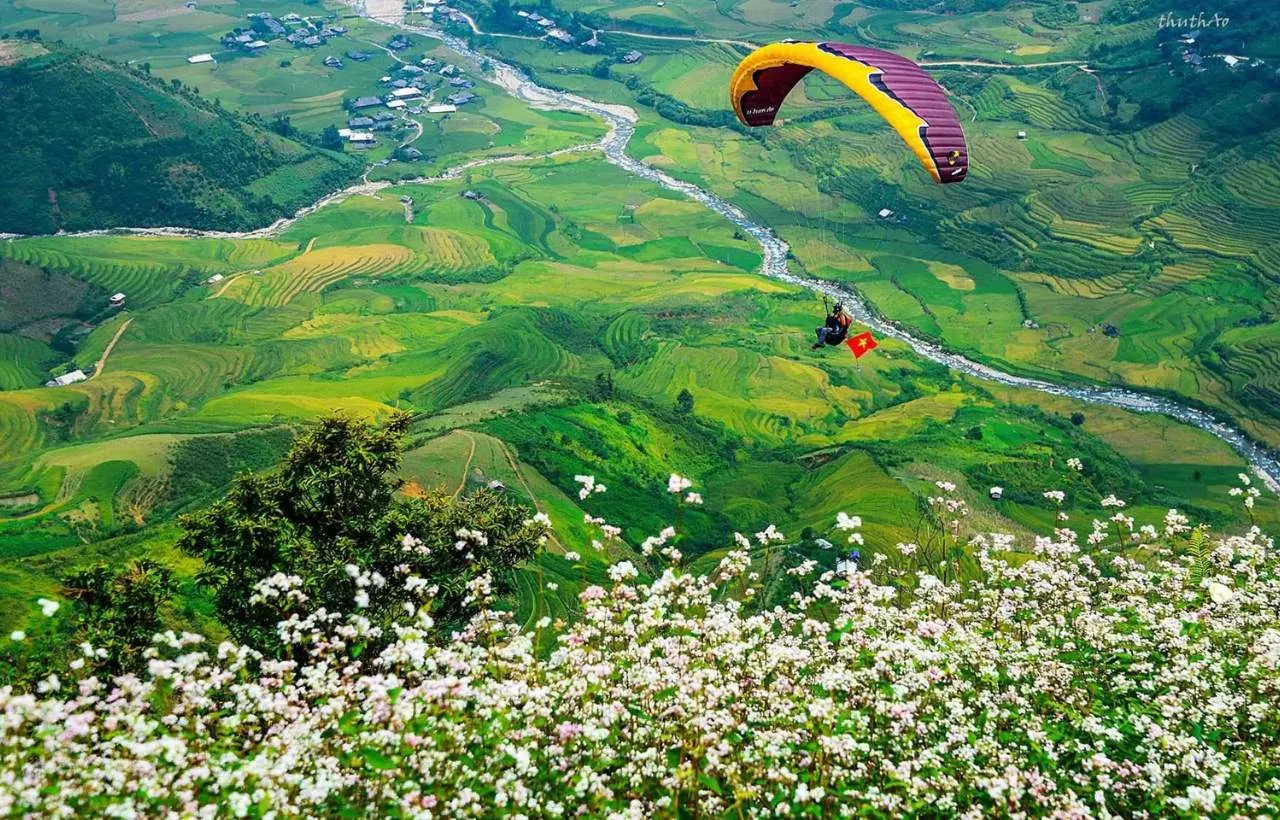
Vietnam offers diversity from mountains to deltas, while Cambodia adds spiritual depth through Angkor and a quieter countryside rhythm. Together, they create a journey that blends movement and stillness, urban life and ancient heritage, and food culture and river traditions.
Conclusion
A well-planned Vietnam and Cambodia itinerary works best between 10 and 30 days, depending on how deeply you want to explore. Shorter trips focus on highlights, while longer journeys allow true immersion and balance.
If you want help designing a route that matches your time, pace, and interests, our travel specialists can tailor a Vietnam and Cambodia itinerary that fits you perfectly — from essential highlights to extended cross-country journeys.











 View trip map