Week 1 – Vietnam: Culture, Heritage, and Landscapes
Day 1–3: Hanoi
Hanoi is the cultural and political heart of Vietnam, making it the ideal starting point for a Vietnam Bali itinerary. The city reflects centuries of history through its Old Quarter, colonial architecture, and traditional temples, where narrow streets and family-owned shops preserve everyday rituals that have existed for generations. Walking around Hoan Kiem Lake and exploring streets like Hang Gai and Hang Bac allows travelers to observe how daily life blends seamlessly with historical surroundings.
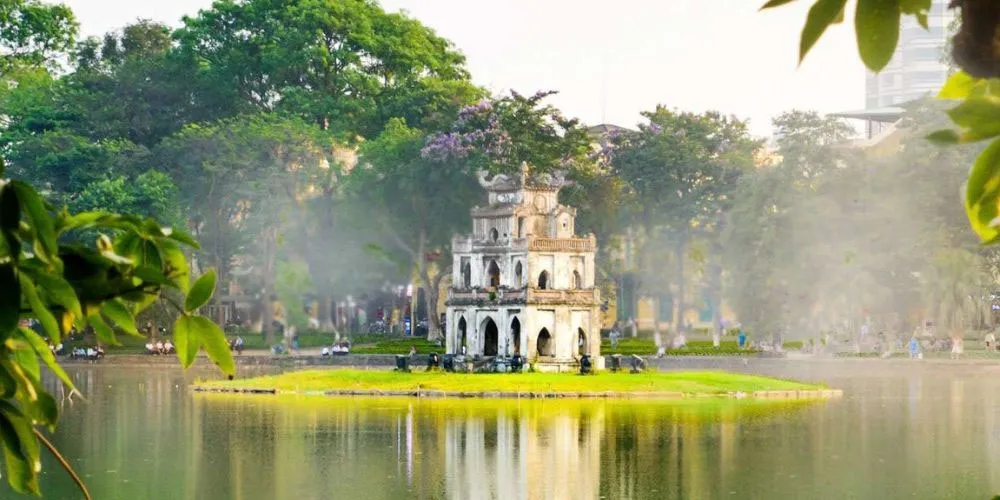
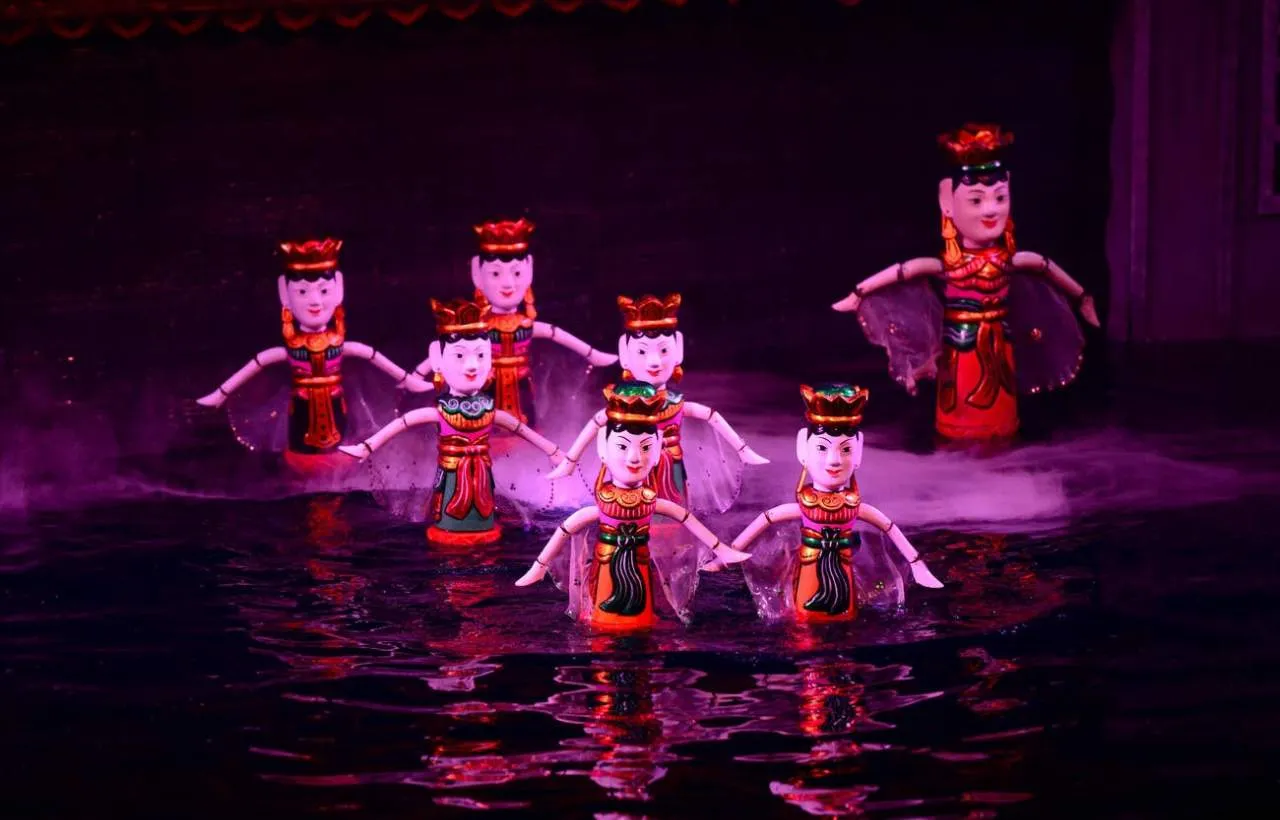
Beyond architecture, Hanoi is best experienced through food and social culture, which define the city’s identity more than formal attractions. Street dishes such as pho, bun cha, and cha ca represent northern flavors shaped by climate and tradition, while small sidewalk cafés encourage conversation and people-watching. Visiting the Temple of Literature and attending a water puppet show adds intellectual and artistic depth. As a result, Hanoi provides a strong cultural foundation for the Vietnam Bali itinerary.
Day 4–5: Ninh Binh
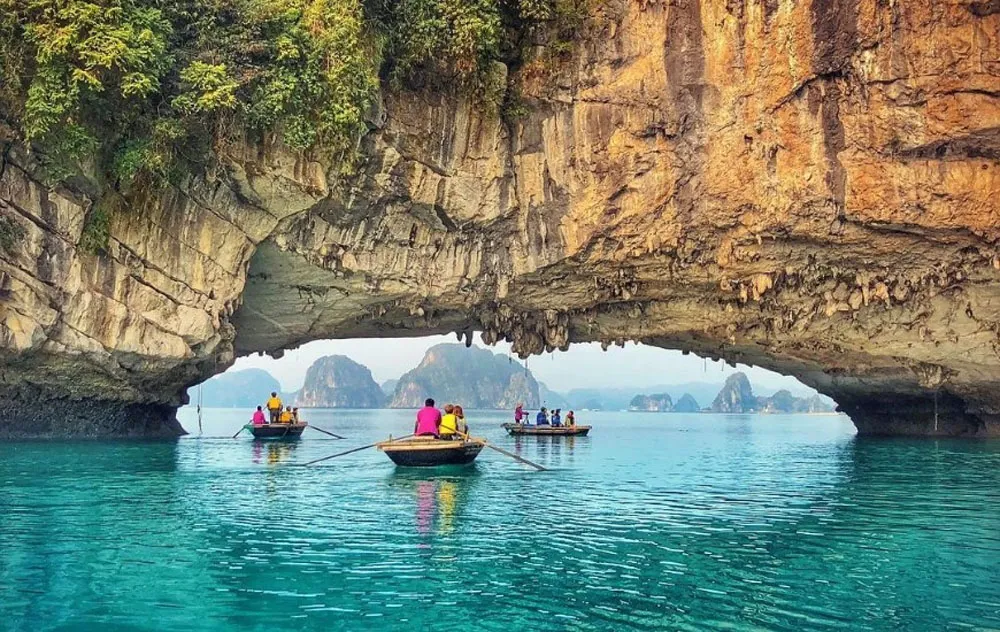
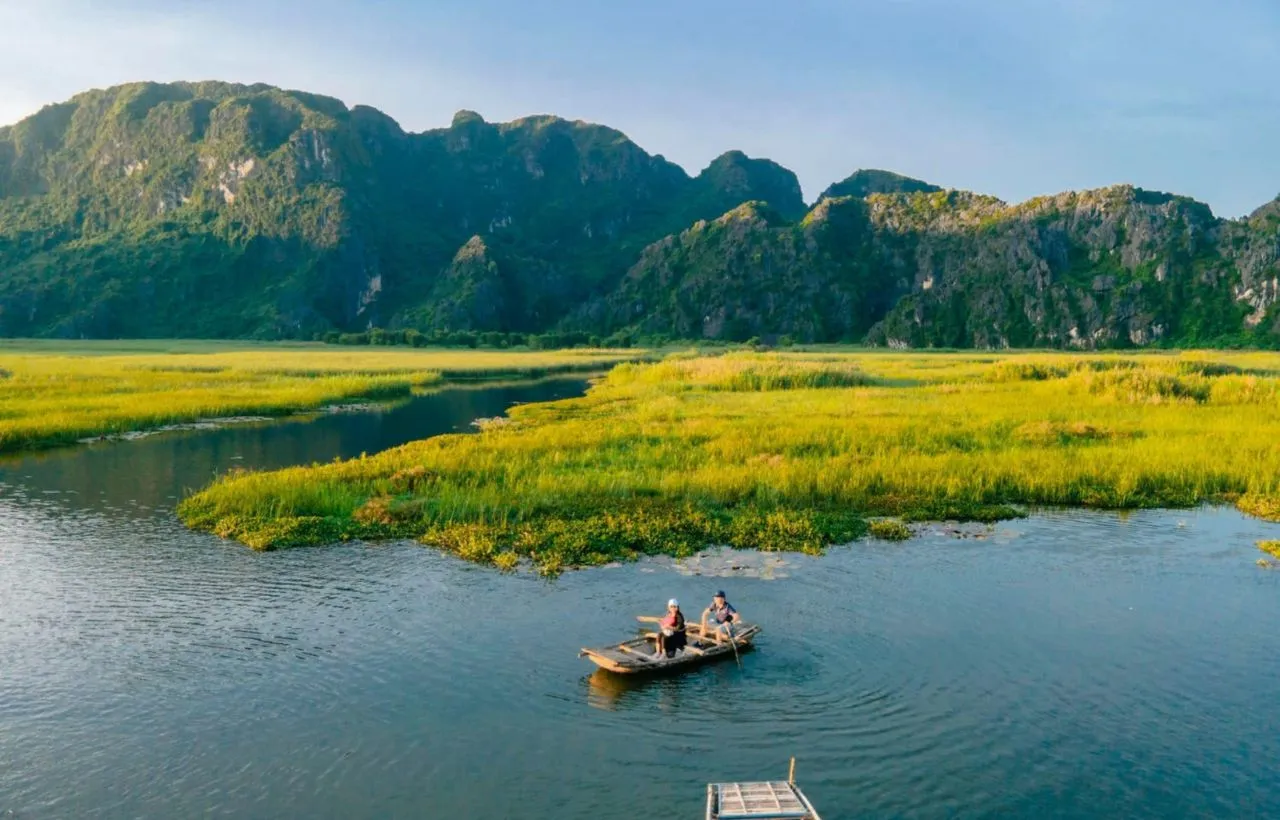
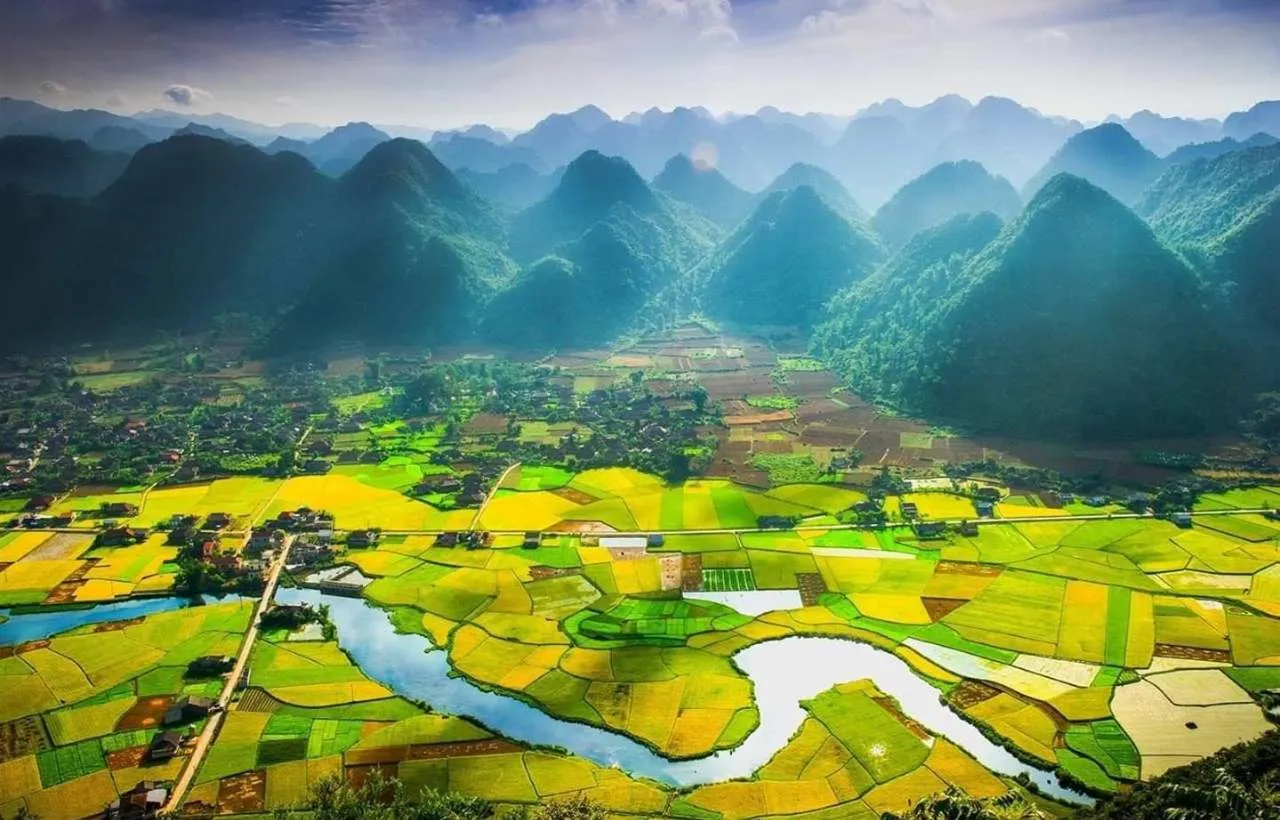
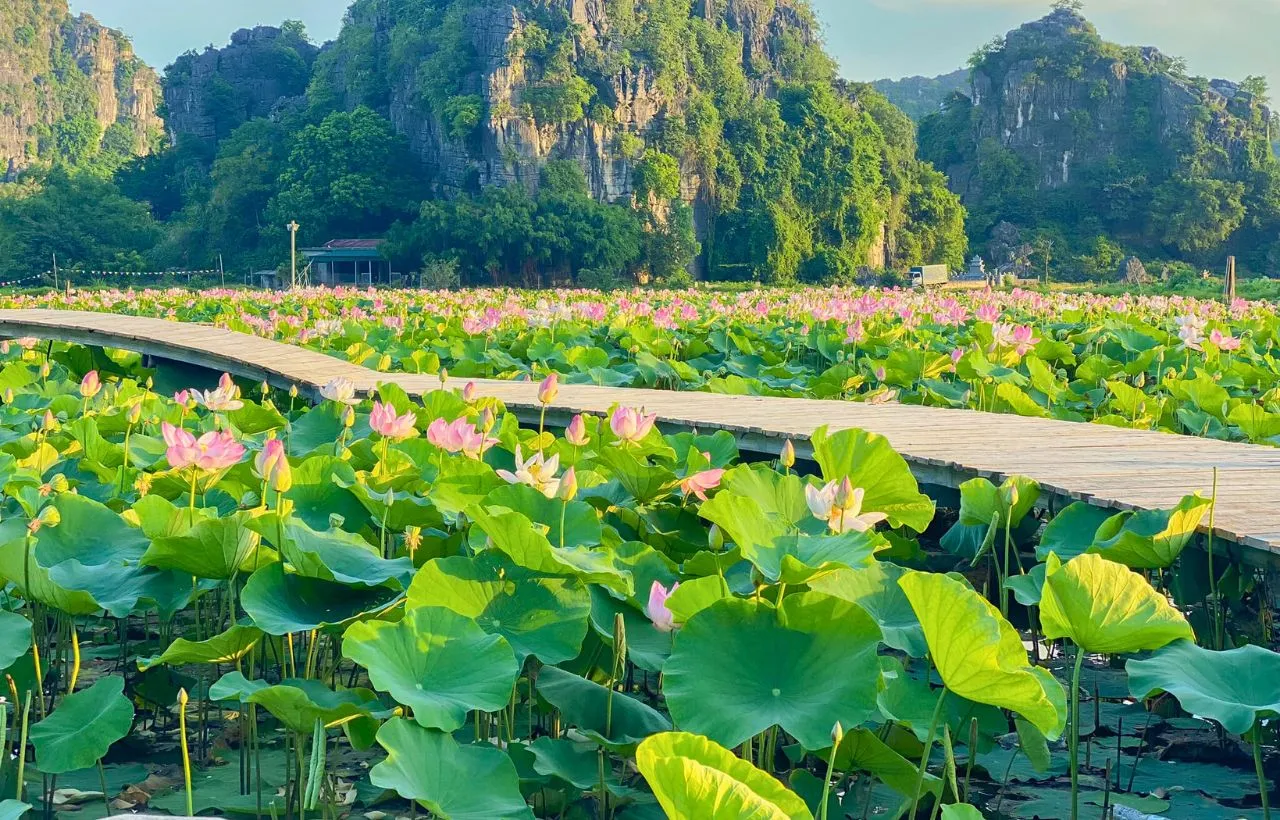
Leaving Hanoi, the journey continues to Ninh Binh, a region known for limestone karsts, river valleys, and spiritual landscapes. Often called “Ha Long Bay on land,” Ninh Binh represents Vietnam’s natural beauty at its most cinematic, where dramatic mountains rise from rice fields and quiet waterways. Boat rides through Trang An or Tam Coc allow travelers to glide through caves and valleys, creating a peaceful contrast to Hanoi’s urban rhythm.

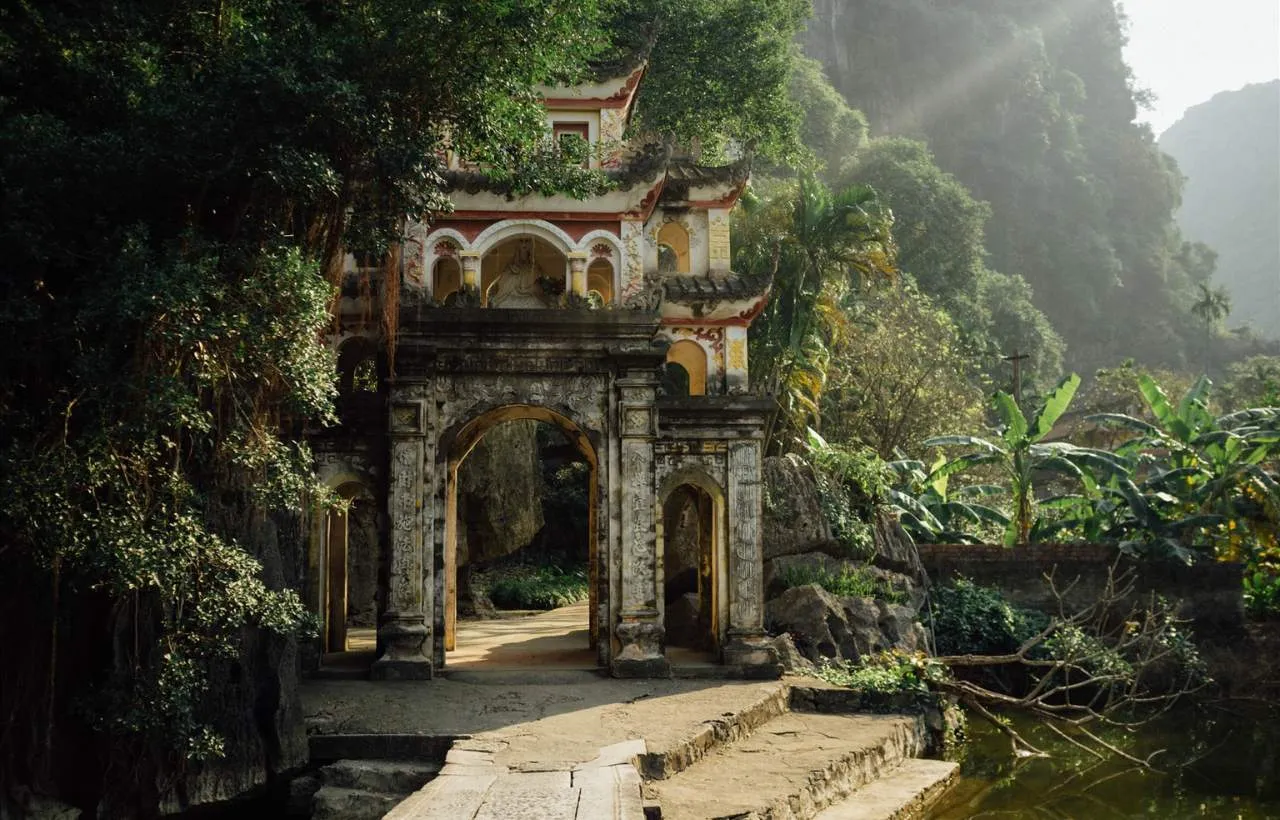
In addition to scenery, Ninh Binh offers spiritual and panoramic experiences that connect nature with culture. Climbing Hang Mua Viewpoint provides sweeping views of the entire region, especially during sunrise or sunset when mist covers the fields. Visiting ancient pagodas like Bich Dong Pagoda reveals how religious life is deeply integrated into natural surroundings. As part of the Vietnam Bali itinerary, Ninh Binh adds balance and tranquility to the journey.
Day 6–7: Hoi An
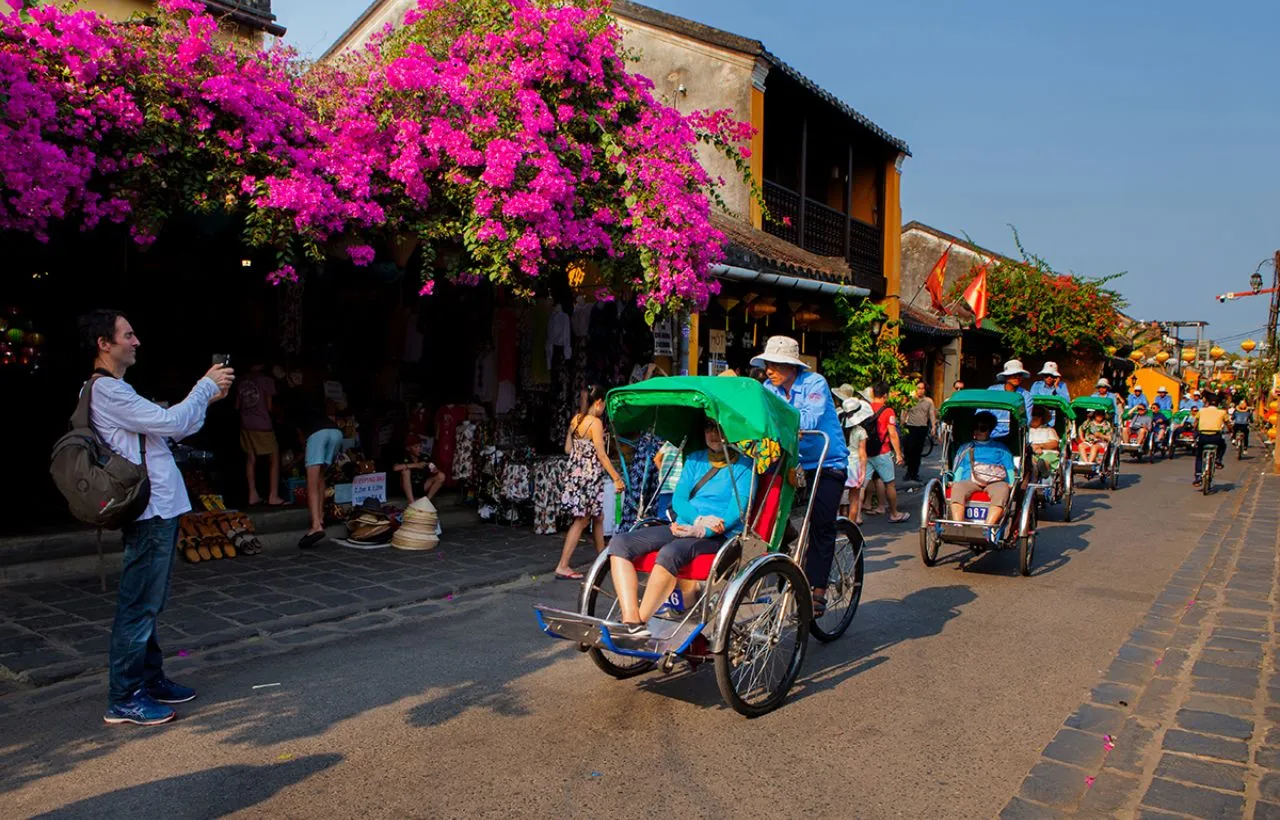
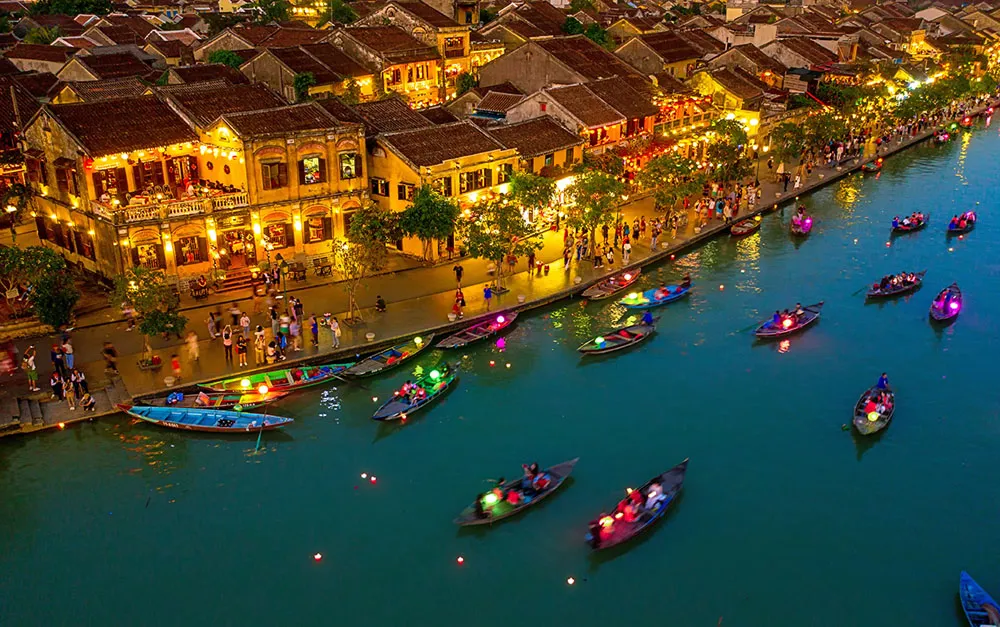
Hoi An is one of Vietnam’s most charming heritage towns and a highlight of any Vietnam Bali itinerary. The town reflects centuries of international trade, where Chinese, Japanese, and European influences remain visible through merchant houses, temples, and assembly halls. Walking through lantern-lit streets along the Thu Bon River creates a romantic and nostalgic atmosphere that feels timeless.
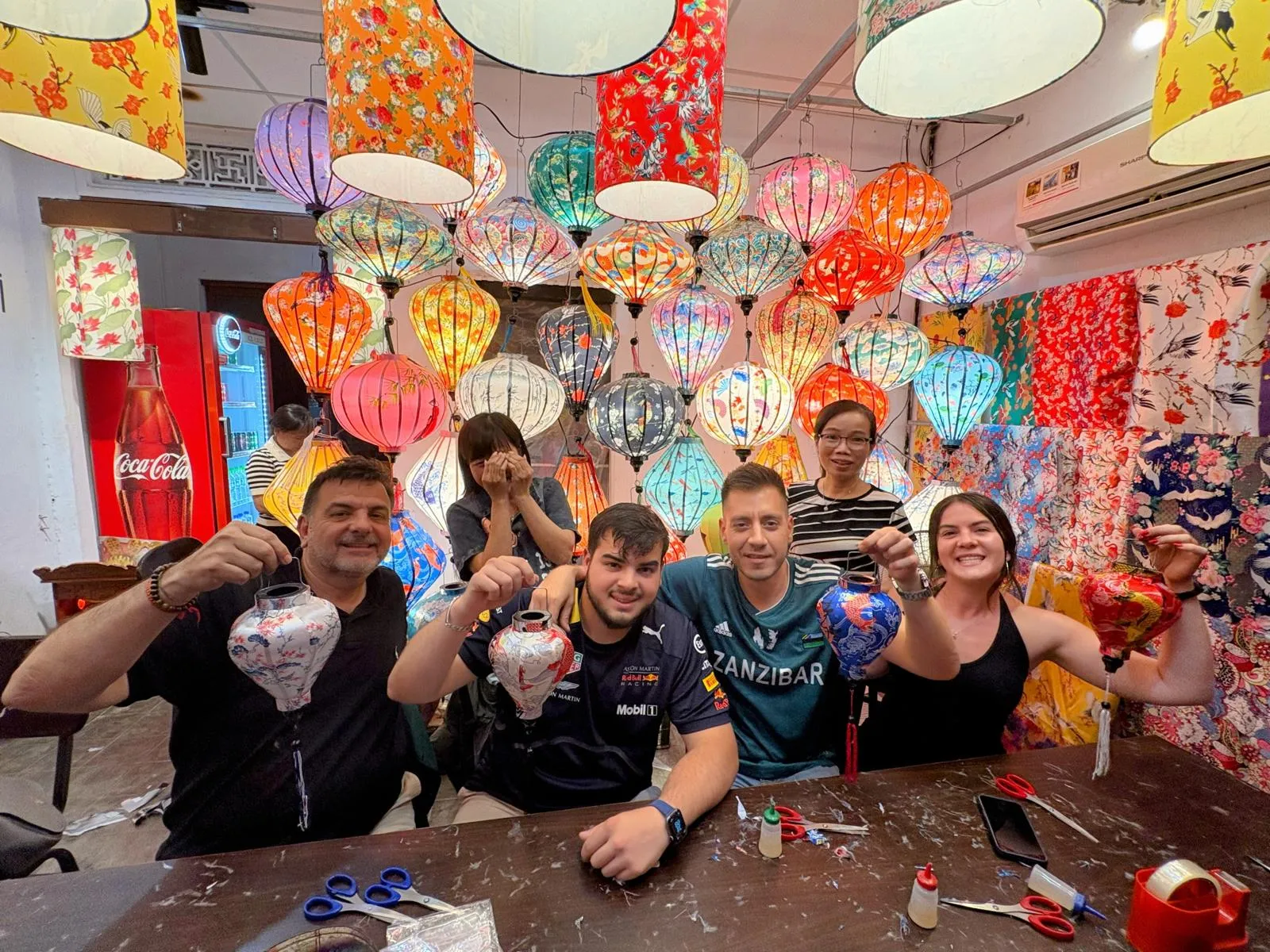
Beyond its visual appeal, Hoi An offers hands-on cultural experiences that deepen travel engagement. Participating in cooking classes, lantern-making workshops, or cycling through nearby fishing villages helps travelers understand traditional lifestyles. An Bang Beach provides a relaxing coastal escape that balances heritage with nature. Because of this combination, Hoi An acts as a bridge between cultural exploration and leisure.
Week 2 – Bali: Spirituality, Nature, and Island Life
Day 8–10: Ubud
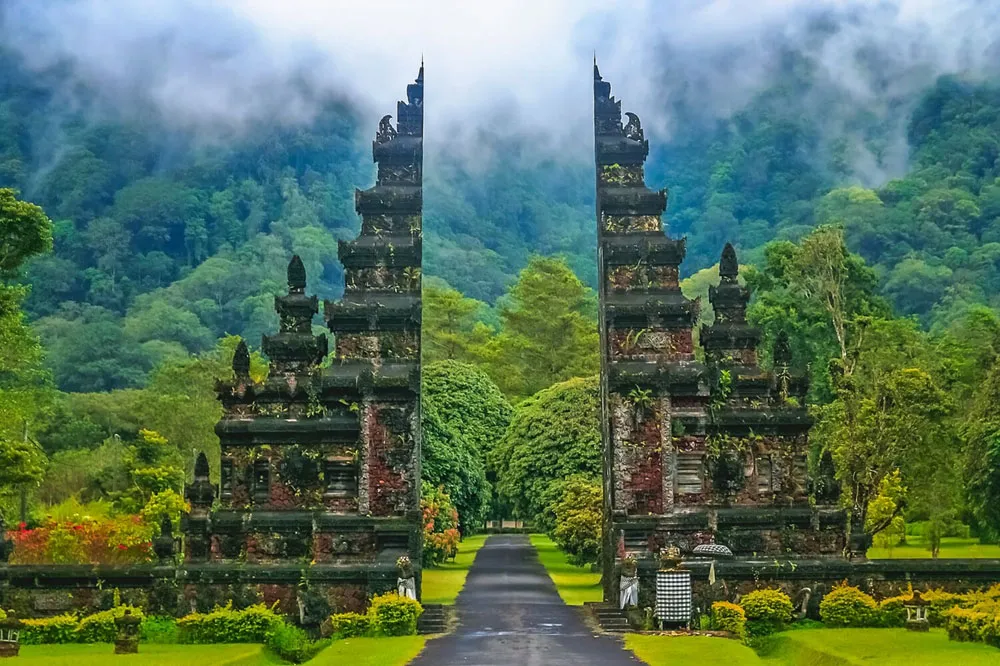
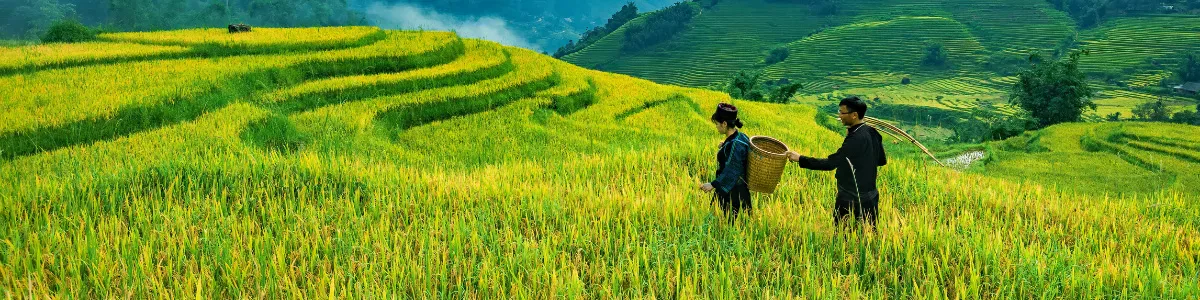
Arriving in Bali, Ubud introduces travelers to the island’s spiritual and artistic heart. Surrounded by rice terraces, forests, and temples, Ubud reflects Bali’s strong connection between religion, nature, and daily life. Visiting Tegallalang Rice Terraces and Sacred Monkey Forest reveals how landscapes and spirituality are intertwined.
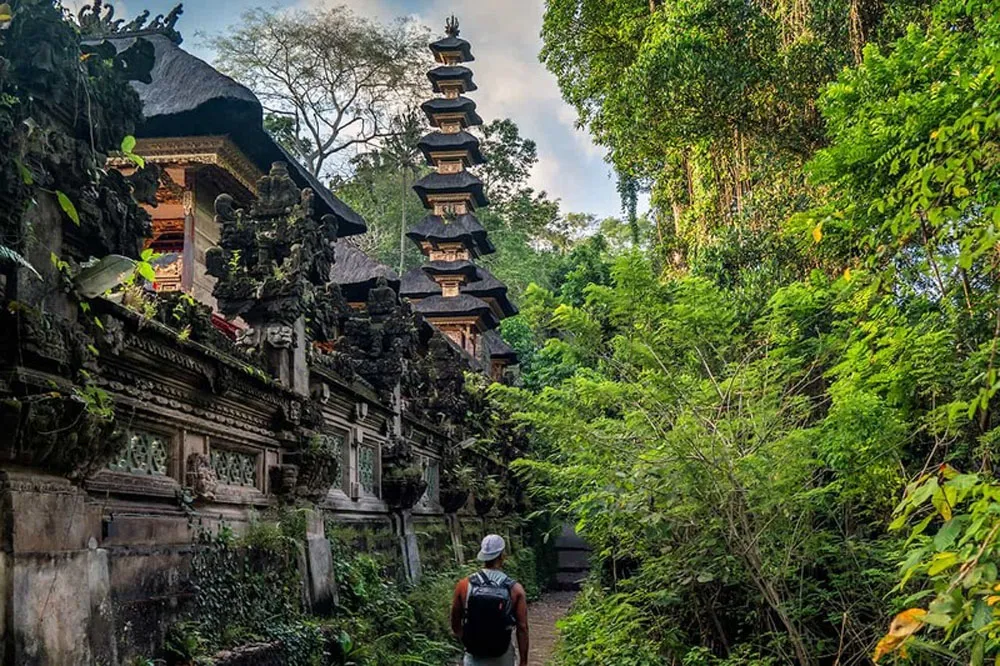
Beyond scenery, Ubud is known for wellness culture and creative expression. Yoga retreats, meditation centers, and art galleries attract travelers seeking inner balance and reflection. Participating in traditional dance performances and visiting local markets adds cultural depth. As part of the Vietnam Bali itinerary, Ubud marks the emotional transition from exploration to relaxation.
Day 11–13: Seminyak & Canggu
Moving south, Seminyak and Canggu represent Bali’s modern coastal lifestyle. These areas are known for stylish cafés, boutique shopping, beach clubs, and surf culture, creating a youthful and energetic atmosphere. Spending time at Double Six Beach or Echo Beach allows travelers to enjoy sunsets, swimming, and social beach life.
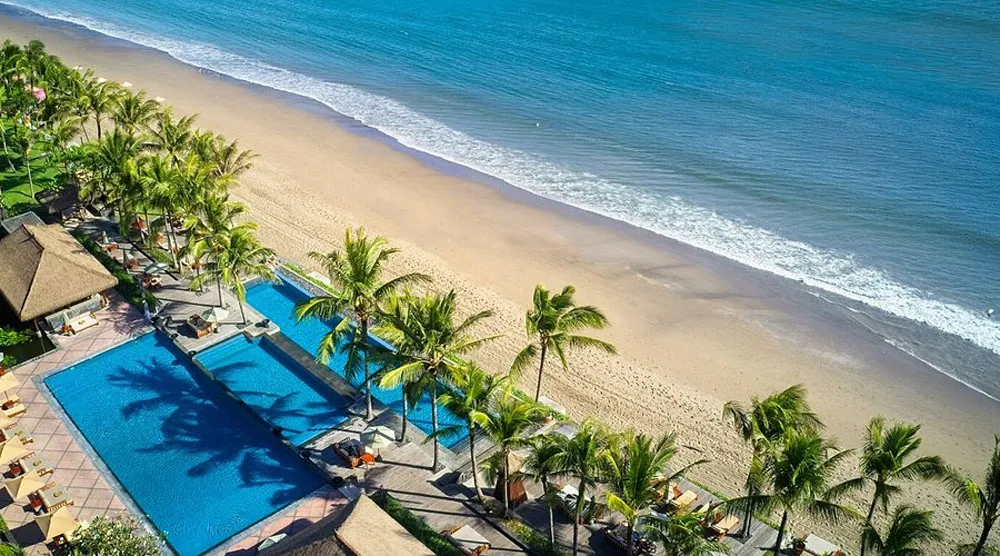
In addition to leisure, these coastal towns offer a strong food and nightlife scene. International restaurants blend with local warungs, offering both global flavors and traditional Balinese cuisine. Yoga studios and wellness cafés create a balance between indulgence and healthy living. As a result, Seminyak and Canggu bring contemporary energy into the Vietnam Bali itinerary.
Day 14–16: Uluwatu
Uluwatu is famous for dramatic cliffs, white-sand beaches, and spiritual landmarks. The Uluwatu Temple, perched above the Indian Ocean, offers one of Bali’s most iconic sunset views and reflects the island’s deep religious roots. Watching the Kecak fire dance against the backdrop of the ocean creates a powerful cultural experience.
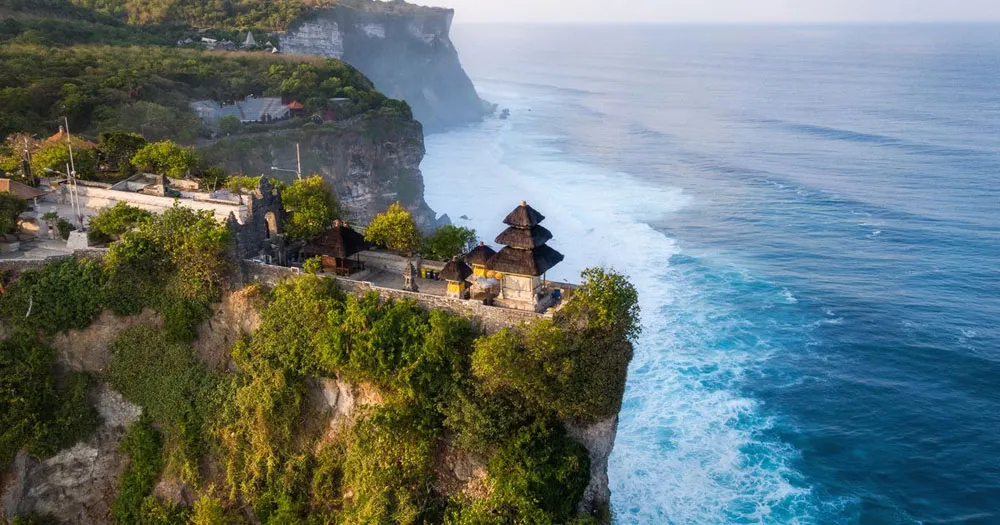
Beyond temples, Uluwatu is a paradise for beach lovers and surfers. Beaches like Padang Padang, Bingin, and Suluban offer crystal-clear water and peaceful surroundings. The slow pace and natural beauty encourage relaxation and reflection. Ending the trip here allows the Vietnam Bali itinerary to conclude with serenity and scenic beauty.
Travel Tips for Vietnam & Bali
-
Start in Vietnam and end in Bali for a natural shift from culture to relaxation.
-
Use regional flights (Vietnam–Bali via Singapore or Kuala Lumpur) for efficiency.
-
Pack light clothing and temple-appropriate outfits for both destinations.
-
Mix heritage towns with beach areas to keep energy levels balanced.
-
Book accommodations near town centers or beaches for easier daily travel.
A Vietnam Bali itinerary creates a powerful travel contrast that combines cultural discovery with tropical escape. Vietnam offers depth through history, cuisine, and everyday street life, while Bali provides spiritual calm, wellness culture, and island landscapes. Together, these destinations form a journey that feels both enriching and restorative.
Looking to personalize your Vietnam Bali itinerary with private guides, curated experiences, and seamless travel logistics? Custom Asia Travel (CAT) specializes in tailor-made journeys across Southeast Asia and Indonesia, designed around your travel style, pace, and interests.




 View trip map