A tale of two culinary cultures
Vietnam: The art of balance and freshness
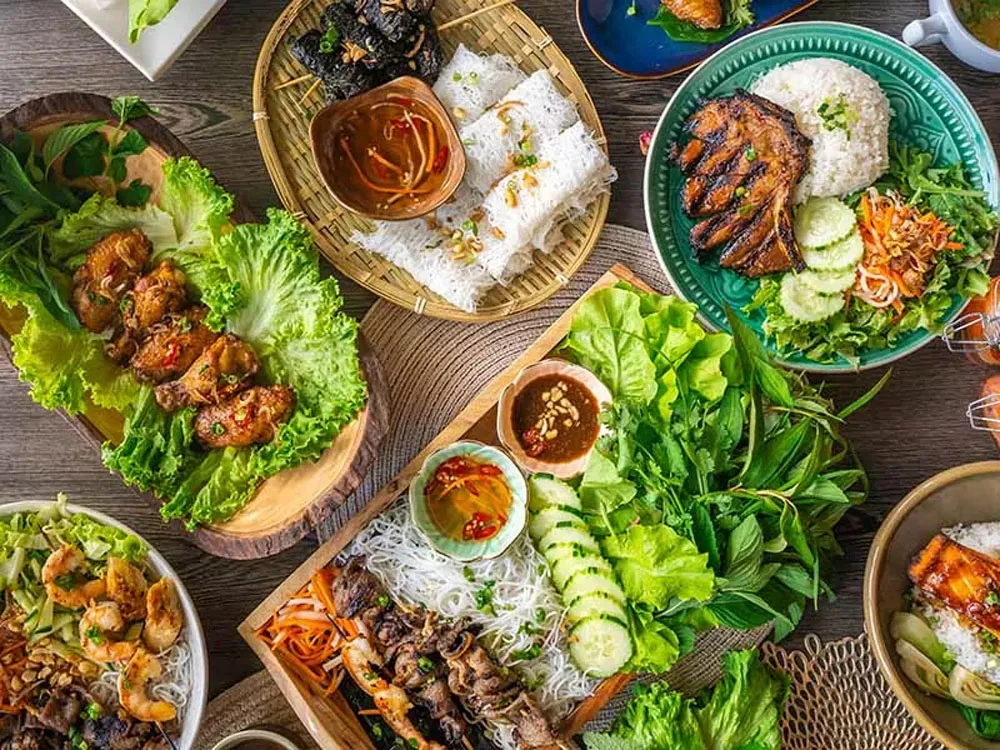
Vietnamese cuisine is all about harmony—balancing salty, sweet, sour, and umami in every bite. Herbs like mint, basil, and coriander are essential, lending a light and refreshing touch. Rice is central, appearing in forms like pho noodles, banh mi baguettes, and rice paper rolls.
The cooking style often involves gentle simmering, steaming, or quick stir-frying, preserving the freshness of ingredients. In Vietnam, every meal feels clean, crisp, and nourishing.
Thailand: A celebration of bold and complex flavors
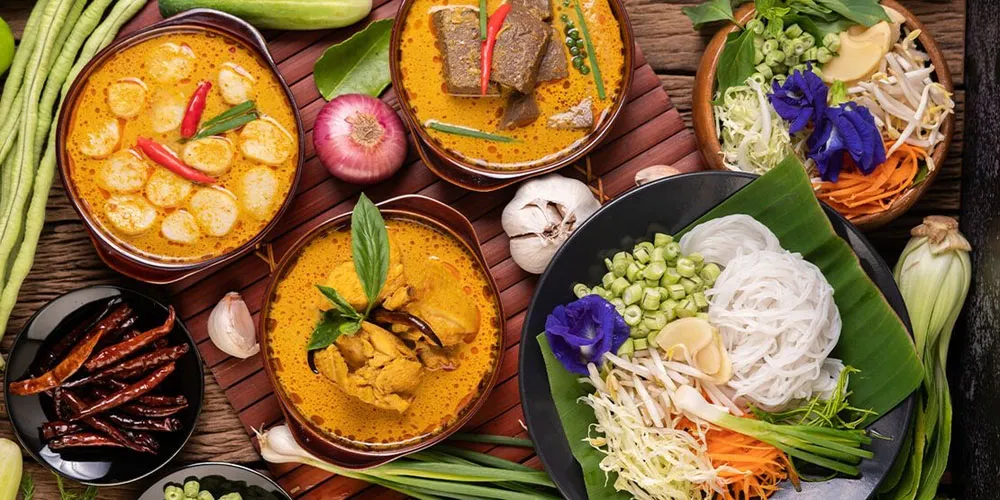
Thai cuisine embraces intensity—sweet from palm sugar, sour from lime, salty from fish sauce, and spicy from chilies. Dishes are layered with depth, often packing a punch in both aroma and taste.
Thai cooking features more curries, coconut-based broths, and wok-fried delicacies compared to Vietnam. The result? Rich, aromatic meals that awaken every corner of the palate.
Signature dishes that define each country
Must-try in Vietnam
-
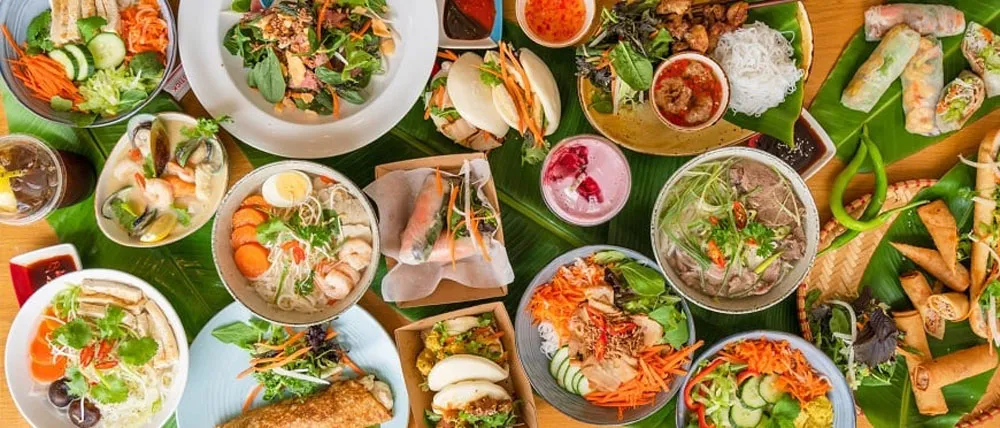
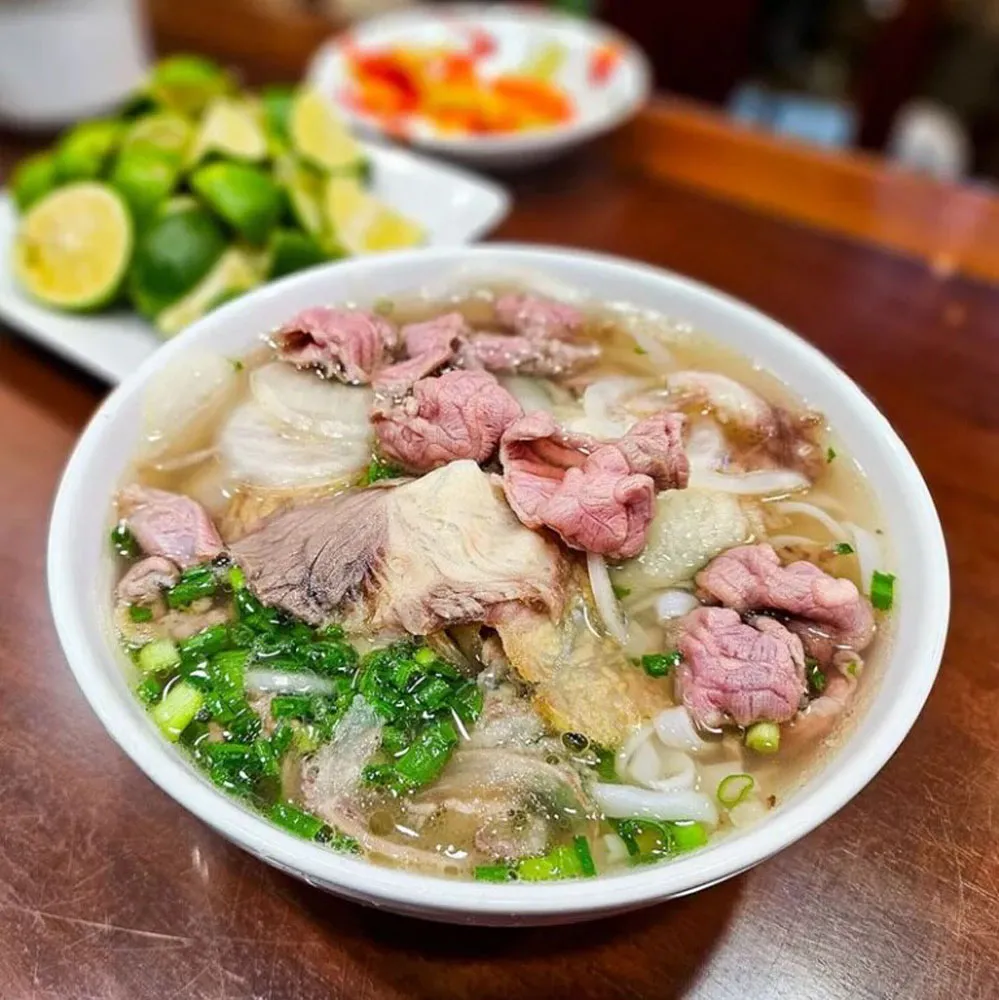
Pho – A fragrant noodle soup with beef or chicken, fresh herbs, and lime.
-
Banh mi – French-inspired baguette stuffed with pickled vegetables, meats, and pâté.
-
Goi cuon (fresh spring rolls) – Rice paper rolls with shrimp, pork, herbs, and vermicelli.
-
Bun cha – Grilled pork served with vermicelli noodles and dipping sauce.
Must-try in Thailand
-
Pad Thai – Stir-fried rice noodles with eggs, tofu, shrimp, and tamarind sauce.
-
Green curry – Coconut milk-based curry with green chili, basil, and vegetables.
-
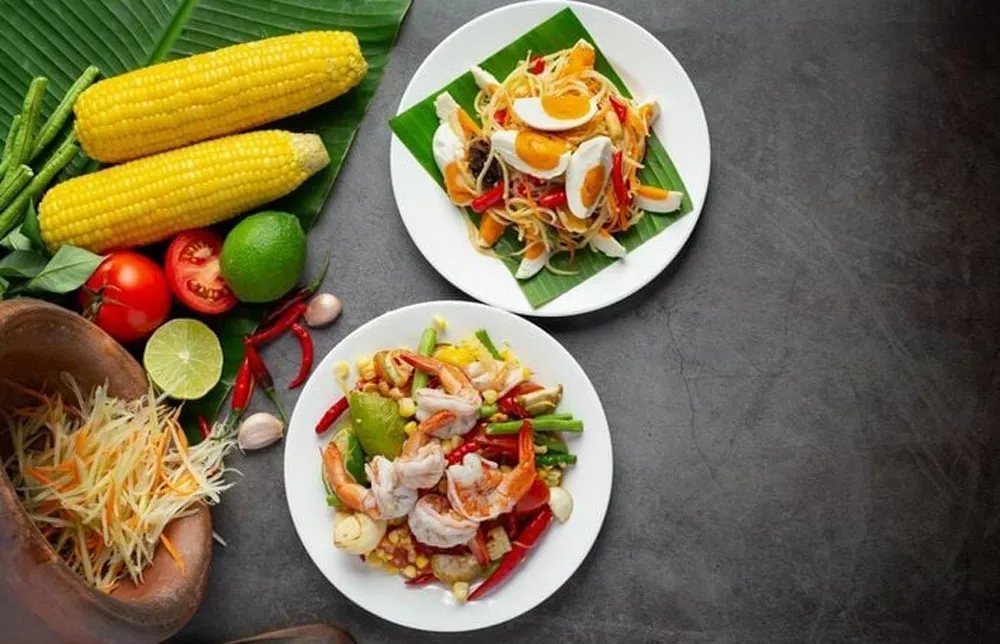
Som tam (papaya salad) – Spicy-sour salad made from shredded green papaya.
-
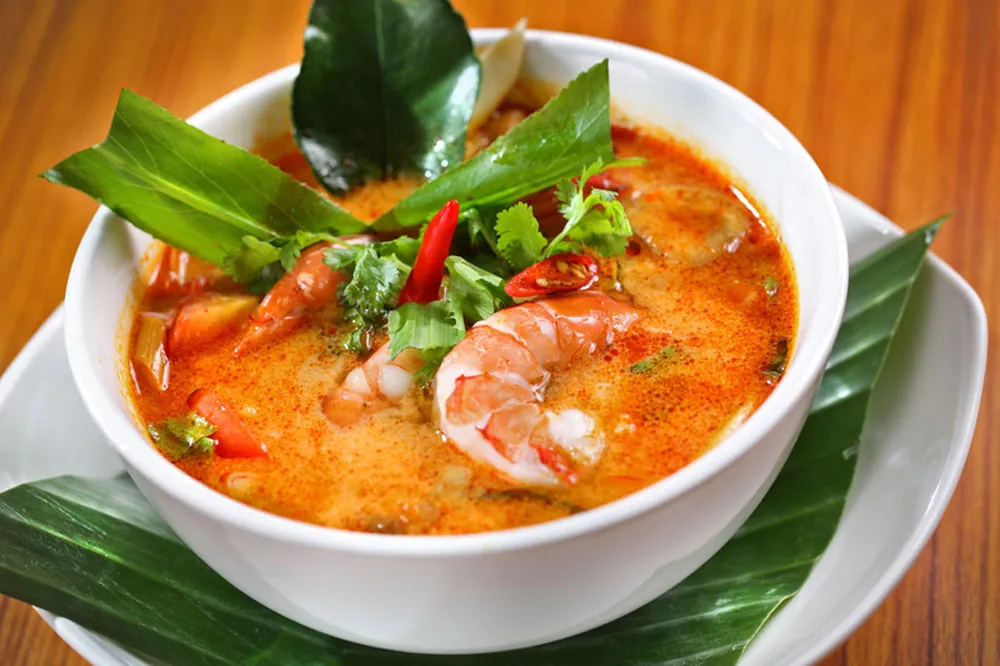
Tom yum – Hot and sour soup with lemongrass, galangal, and shrimp.
Flavor profiles: Light elegance vs bold intensity
If Vietnamese food is a refreshing breeze, Thai food is a vibrant festival.
-
Vietnam: Lighter seasoning, fresh herbs, subtle use of spice, and plenty of vegetables.
-
Thailand: Rich sauces, heavier spice levels, generous coconut milk, and bold aromatics.
Travelers who prefer mild, delicate, and fresh flavors may lean toward Vietnam, while those who love spicy, robust, and creamy tastes will find Thailand irresistible.
Street food culture: Where the soul of cuisine lives
Vietnam: Simple yet soulful
Vietnam’s street food scene is intimate and community-driven. Small plastic stools line the sidewalks, with locals slurping pho before work or enjoying late-night banh mi. Prices are low, portions are modest, and flavors are consistently satisfying.
Popular hubs: Hanoi Old Quarter, Ho Chi Minh City’s Ben Thanh Market, Hoi An’s night market.
Thailand: Lively and colorful
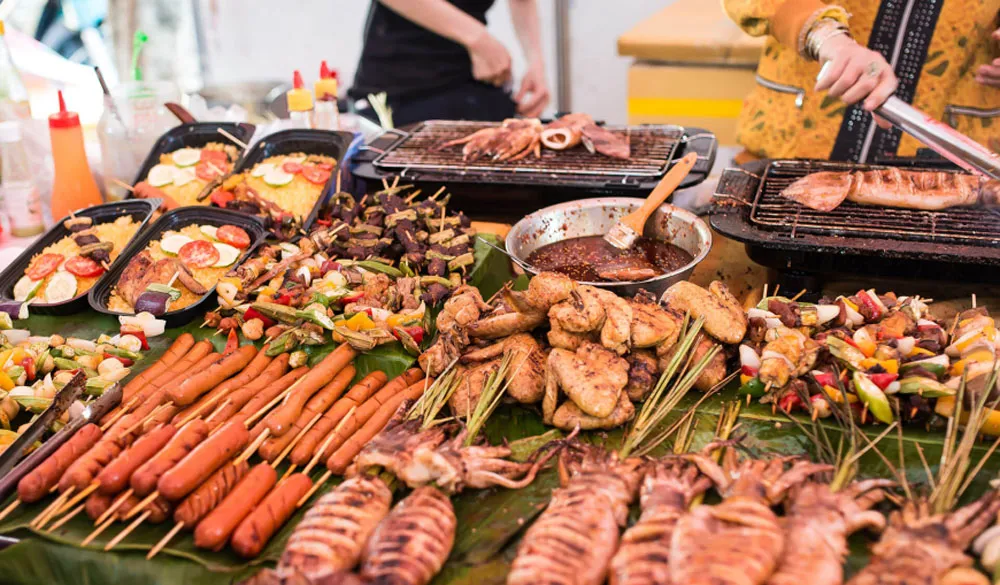
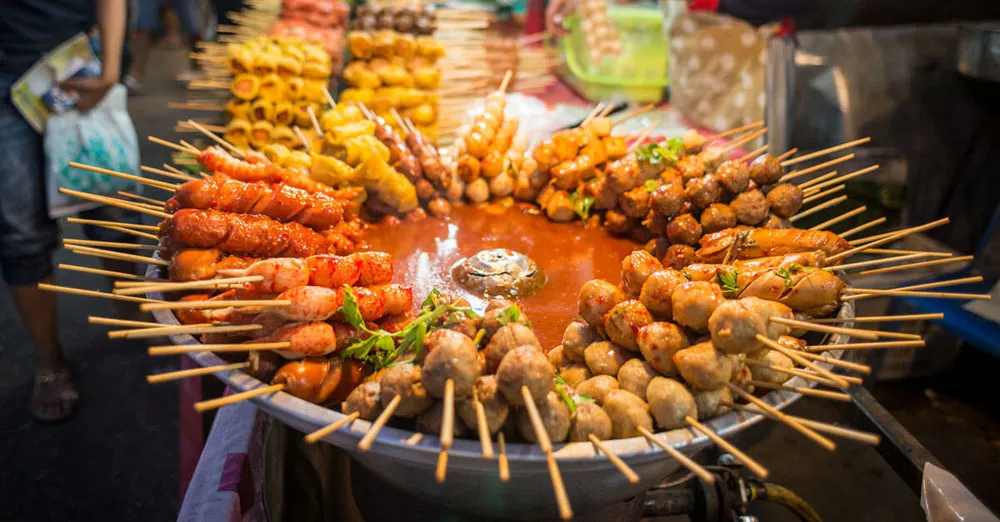
Thailand’s street food is an explosion of sights, smells, and sounds. Vendors cook right in front of you, often with a theatrical flair. The variety is immense—from skewers and fried snacks to steaming curries.
Popular hubs: Bangkok’s Khao San Road, Chiang Mai Night Bazaar, Phuket’s Chillva Market.
Dining experiences: Casual charm vs vibrant indulgence
-
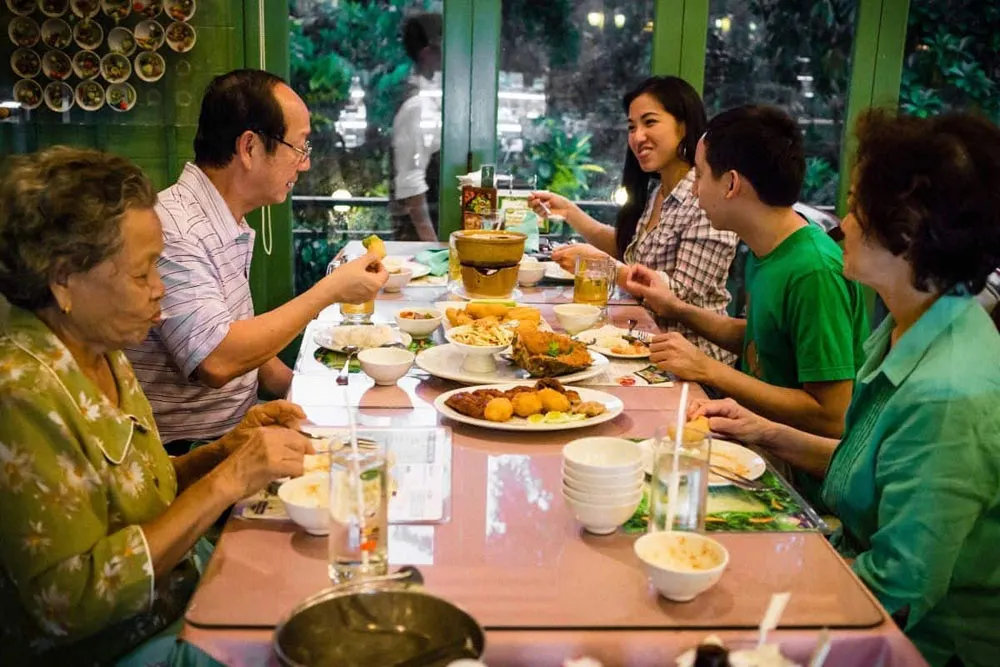
Vietnam: Dining is casual, often centered around fresh ingredients and minimal oil. Even in upscale restaurants, the emphasis is on clean, balanced plates.
vietnam-dining-is-casual
-
Thailand: Meals often feel indulgent, with rich flavors, artistic presentation, and a strong emphasis on spice and aroma. Fine dining in Thailand frequently incorporates fusion elements while preserving traditional taste.
Vegetarian and vegan friendliness
Both countries cater well to plant-based travelers, but with different strengths:
vietnam-naturally-vegetable-heavy-dishes-and-the-influence-of-buddhist-cuisine
Cost comparison for food lovers
-
Vietnam: Street food dishes range from $1–$2, while mid-range restaurants cost $5–$10 per person.
-
Thailand: Street food is similarly affordable at $1.50–$3, but restaurant dining can be slightly higher at $7–$15 per person, especially in tourist-heavy areas.
Which cuisine should you choose?
Your choice may depend on your flavor preferences, spice tolerance, and dining style:
-
Pick Vietnam if you love light, herb-forward meals with balanced flavors.
-
Pick Thailand if you enjoy rich, spicy, and coconut-based dishes.
The truth? Both cuisines are exceptional, and the best way to decide is to taste them in their home countries.
Conclusion: Embark on your Southeast Asian foodie journey in 2025
In the Vietnam vs Thailand food debate, there is no single winner—only two extraordinary culinary worlds waiting to be explored. From the delicate pho of Hanoi to the fiery green curry of Bangkok, each bite tells a story of culture, tradition, and passion for good food.
If you’re planning your next foodie trip, why choose one when you can have both? Combine Vietnam and Thailand in a single itinerary to experience the full spectrum of Southeast Asian flavors.
Ready to taste the best of Vietnam and Thailand? Book your culinary adventure with us today and let our travel experts craft the perfect food-inspired journey for you.
















 View trip map