How to structure a 3 month Vietnam itinerary
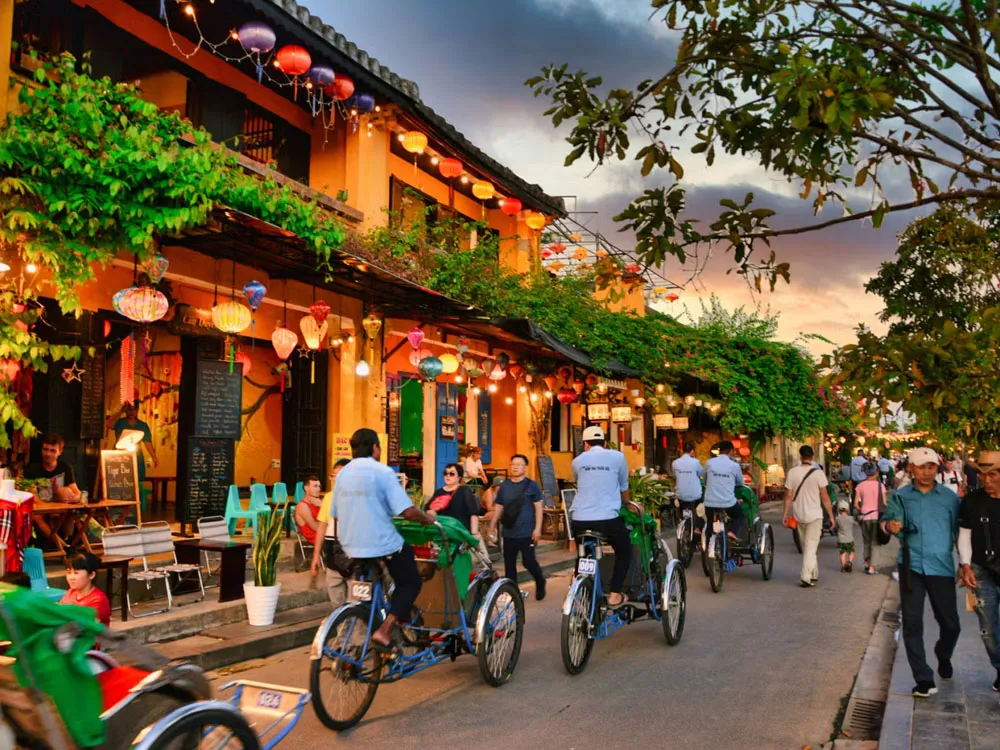
Vietnam stretches over 1,600 kilometers from north to south. For a long stay, the most effective approach is to divide the country into three regional phases, spending roughly one month in each:
-
Northern Vietnam
-
Central Vietnam
-
Southern Vietnam
This structure minimizes unnecessary backtracking and long travel days while giving each region enough time to explore both major destinations and quieter areas.
The itinerary below follows a north-to-south route, which works well for first-time long-stay travelers, though it can easily be reversed.
Month 1: Northern Vietnam – Cities, karst landscapes, and mountain regions

Northern Vietnam is the most diverse region in terms of landscape and culture. Over one month, the goal is to combine urban life, rural scenery, and highland regions while keeping travel distances manageable. This month sets the foundation of your 3 month Vietnam itinerary and should not feel rushed.
Hanoi as a long-stay base (7–10 Days)
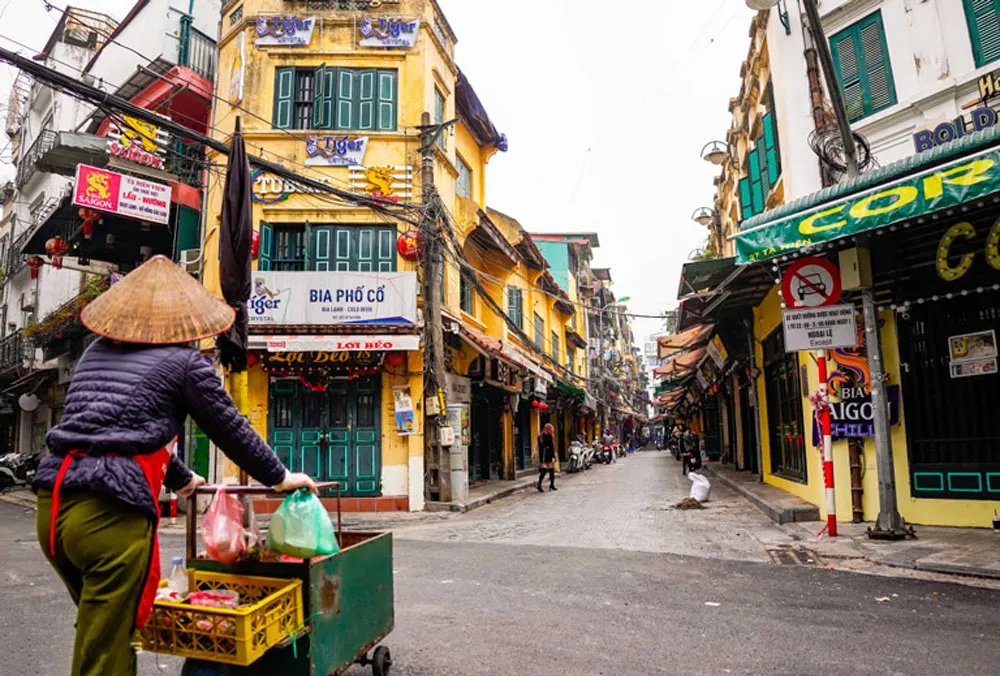
Start your journey in Hanoi, where most international flights arrive and transport connections are strongest. Spending at least one week here allows time to recover from travel, adjust to the climate, and understand Vietnamese daily life before moving on.
Use your Hanoi days to:
-
Explore the Old Quarter slowly, one area at a time rather than in a single day
-
Visit historical landmarks such as temples, museums, and colonial buildings on separate days
-
Experience Hanoi’s food culture through casual street meals, cafés, and local eateries
Hanoi also works well as a base for short trips. You can add half-day or full-day excursions to nearby villages, countryside areas, or nature parks without changing accommodation. This reduces packing and travel fatigue early in the itinerary.
Ninh Binh and Halong Bay (7–8 Days Total)

From Hanoi, travel south to Ninh Binh and stay 4 to 5 days. This region is best explored slowly by bicycle and boat rather than packed into a single overnight stop. Spread activities across several days:
-
Boat rides through river caves and limestone valleys
-
Countryside cycling through rice fields and villages
-
Short hikes to panoramic viewpoints
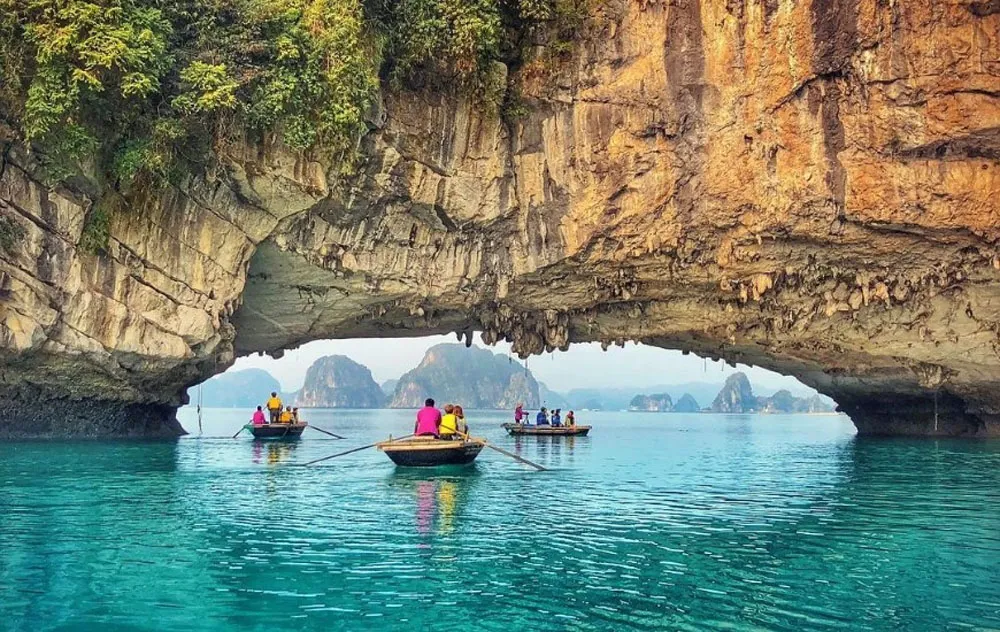
Next, continue to Halong Bay or Lan Ha Bay for 2 to 3 days. With time available, avoid rushed day cruises. An overnight or two-night cruise allows you to experience quieter parts of the bay, with time for kayaking, swimming, and relaxed evenings on board.
Northern Highlands: Sapa or Ha Giang (7–10 Days)
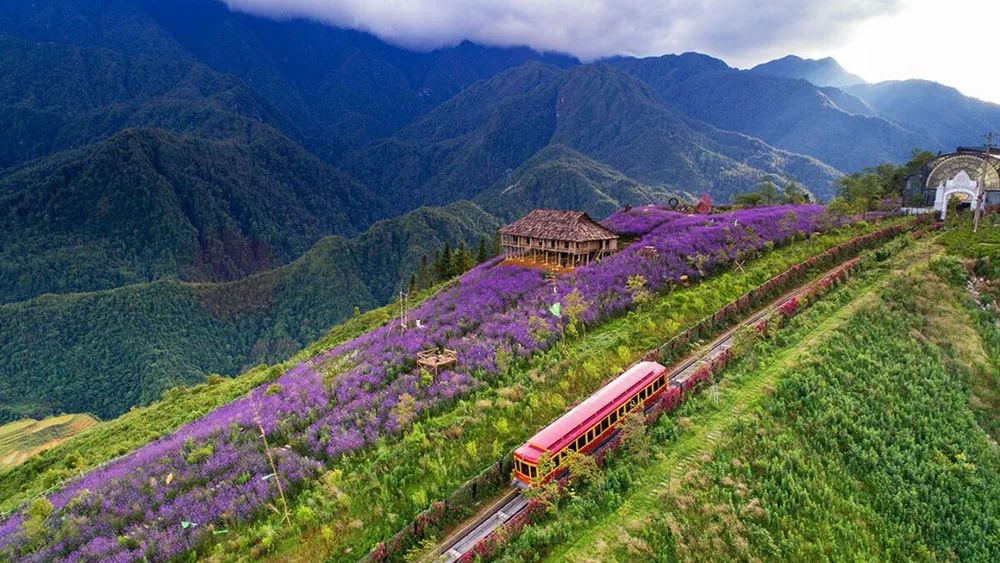
Dedicate one full week or more to Vietnam’s northern highlands. Choose one main region rather than trying to see everything.
In Sapa, base yourself either in town or in a nearby village. Spread trekking routes across several days, mixing longer walks with rest days or village visits. Staying overnight in homestays offers cultural insight without constant movement.
In Ha Giang, allow enough time for travel days and rest. Whether you join a guided loop or arrange private transport, spacing the journey over several days lets you enjoy scenery, markets, and villages without pressure.
Northern wrap-up and transition South (3–5 Days)

Use the final northern days flexibly before moving to central Vietnam. This is where you can:
-
Relax on Cat Ba Island
-
Add a short nature-focused detour such as Cao Bang
-
Return to Hanoi to rest, organize onward transport, and prepare for the next month
Month 2: Central Vietnam – Caves, imperial cities, coastlines, and highlands

Central Vietnam sits between the cultural depth of the north and the energy of the south. Over one full month, this region allows you to combine inland nature, historical cities, and long coastal stretches without constant long-distance travel. The key in Month 2 is to move gradually south while using a few strong bases.
Phong Nha–Ke Bang national park as a nature base (6–8 Days)

Enter central Vietnam via Phong Nha, ideally by overnight train or short flight to Dong Hoi followed by a transfer. Plan to stay nearly a full week in this area, as it works best as a single base rather than a transit stop.
Structure your time by alternating active and light days:
-
One day for major cave visits such as Paradise Cave or Phong Nha Cave
-
One day for river-based activities or kayaking
-
One day for countryside cycling and village exploration
-
One or two rest days for recovery and flexibility
Staying longer reduces pressure to “do all caves” and allows you to choose experiences based on weather and energy.
Hue – Imperial history and river life (5–6 Days)
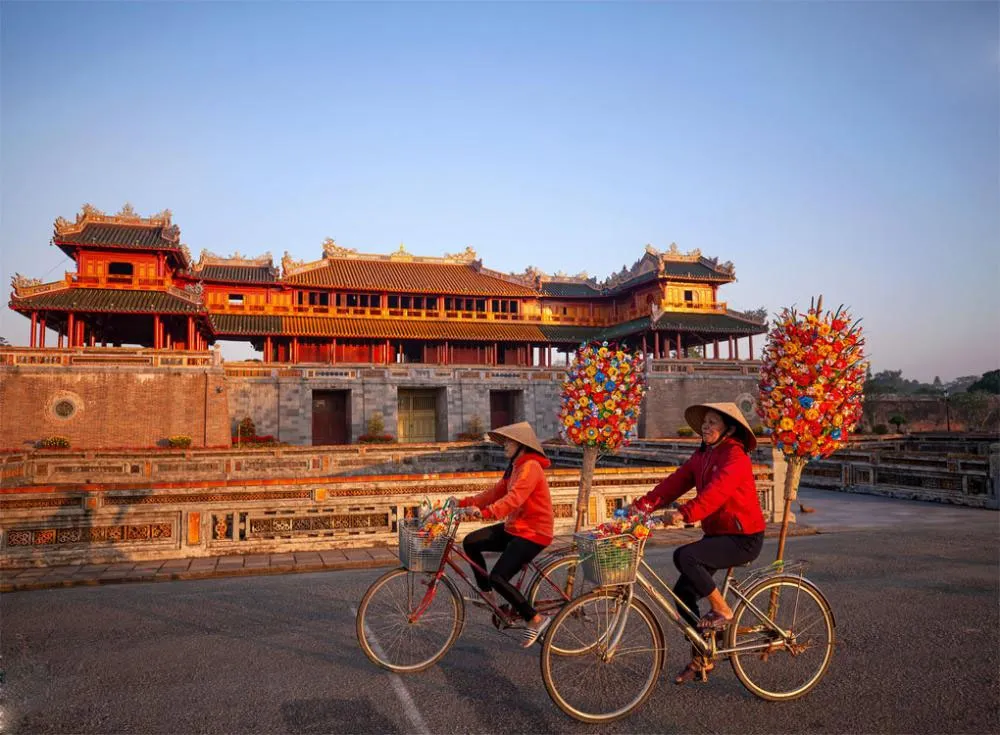
From Phong Nha, continue south to Hue and spend at least five days. Hue should not be rushed, as its historical sites are spread out and best appreciated slowly.
Divide your days logically:
-
One full day for the Imperial Citadel
-
Separate days for royal tombs, pagodas, and river areas
-
One lighter day for markets, food exploration, and walking along the Perfume River
Hue’s compact city center allows you to stay in one place while exploring different historical layers day by day.
Hoi An and Da Nang as a dual base (7–9 Days)
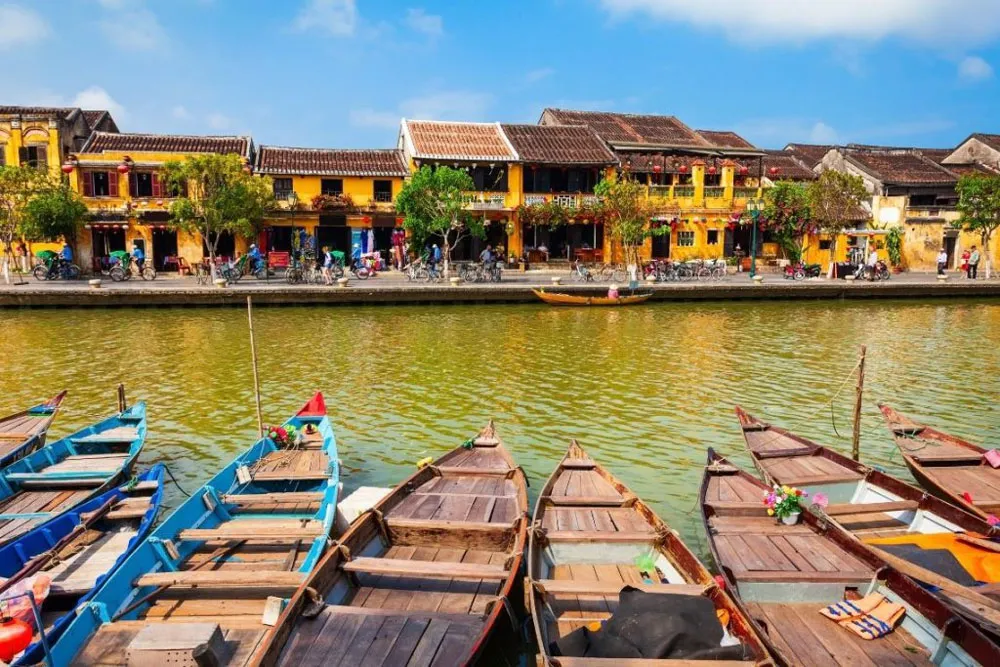
Move south via the Hai Van pass to Hoi An and Da Nang, where you should spend at least one full week, ideally longer.
In Hoi An, spread activities across several days:
-
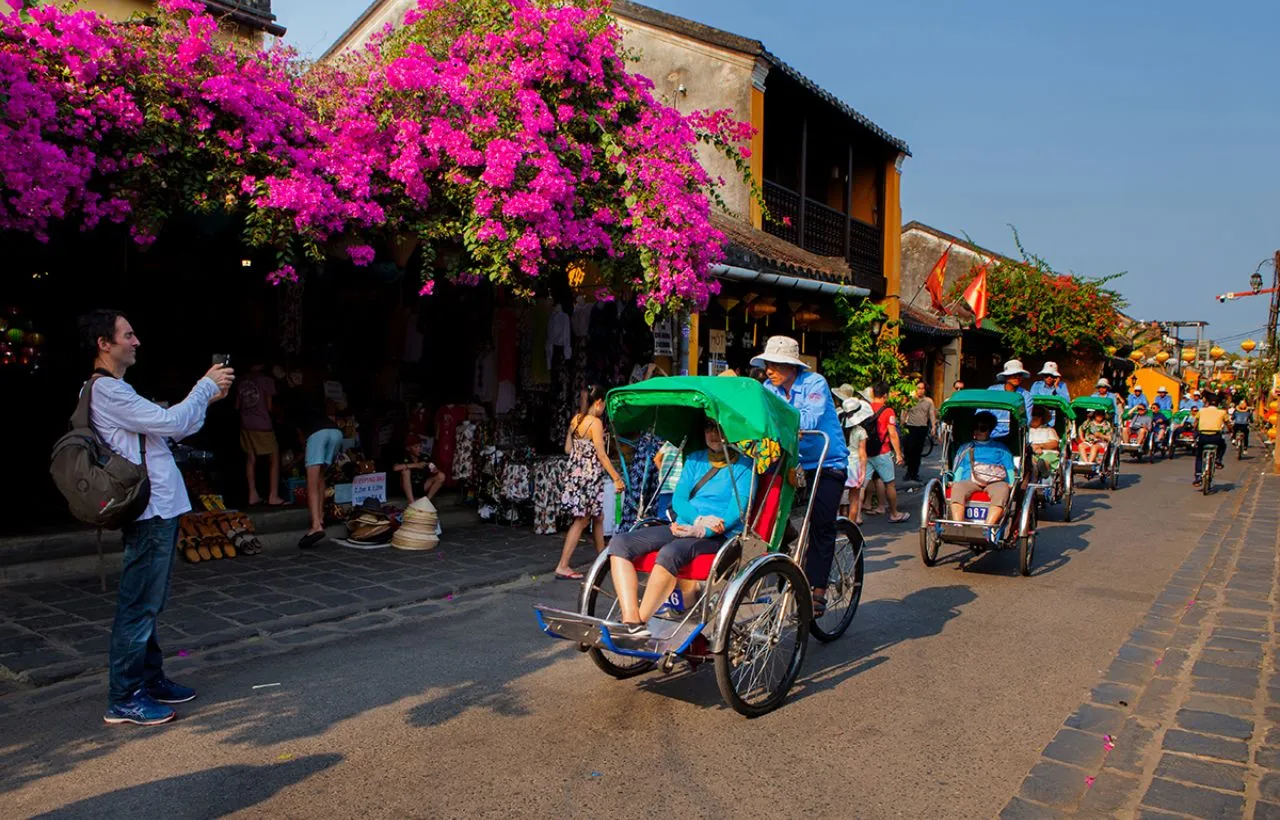
Ancient Town exploration in short sessions
-
Countryside cycling to nearby villages
-
Beach time at An Bang or Cua Dai
-
Optional workshops such as cooking classes or handicrafts
In Da Nang, use lighter days to:
-
Enjoy beach walks and coastal cafés
-
Visit nearby hills or viewpoints
-
Take advantage of modern amenities and rest days
Using one accommodation base and alternating between town, countryside, and coast helps maintain balance.
Central highlands or South-Central coast (6–8 Days)
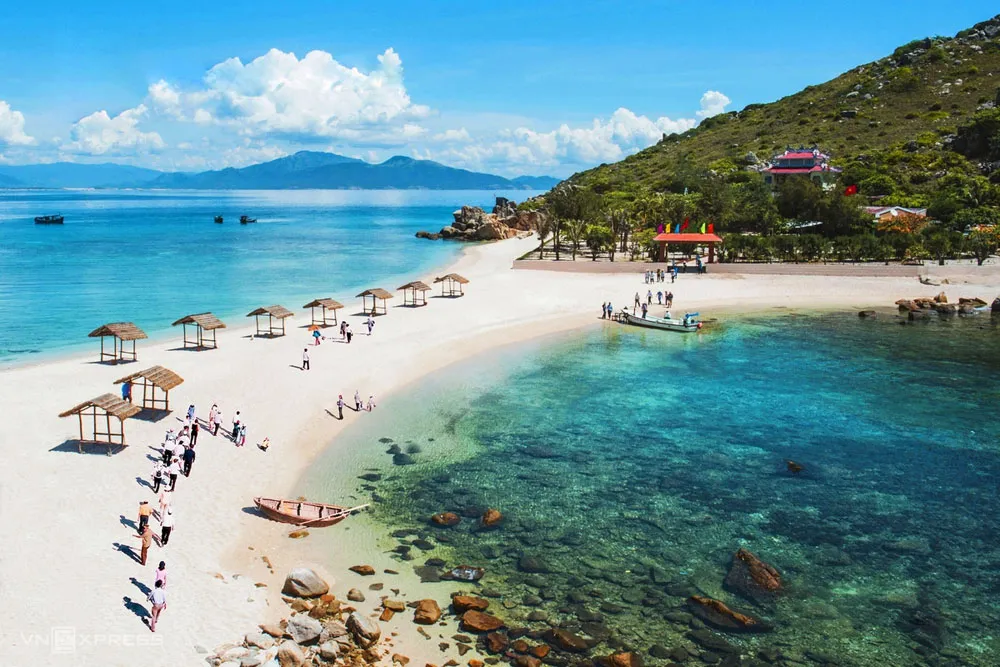
For the final part of Month 2, choose one additional region rather than adding multiple short stops.
Option 1: Da Lat Spend a week exploring forests, waterfalls, coffee farms, and cooler-climate neighborhoods. Da Lat works well as a longer base with short day trips.
Option 2: Quy Nhon or Nha Trang Base yourself near the coast and focus on beach time, relaxed mornings, and short excursions rather than packed sightseeing.
End Month 2 with at least one rest-focused destination before entering the busier south
Month 3: Southern Vietnam – Cities, delta life, and island time

Southern Vietnam is flatter, warmer, and easier to travel through. A full month allows you to divide time between urban exploration, river regions, and extended island stays, avoiding rushed transitions.
Ho Chi Minh city as an urban base (8–10 Days)
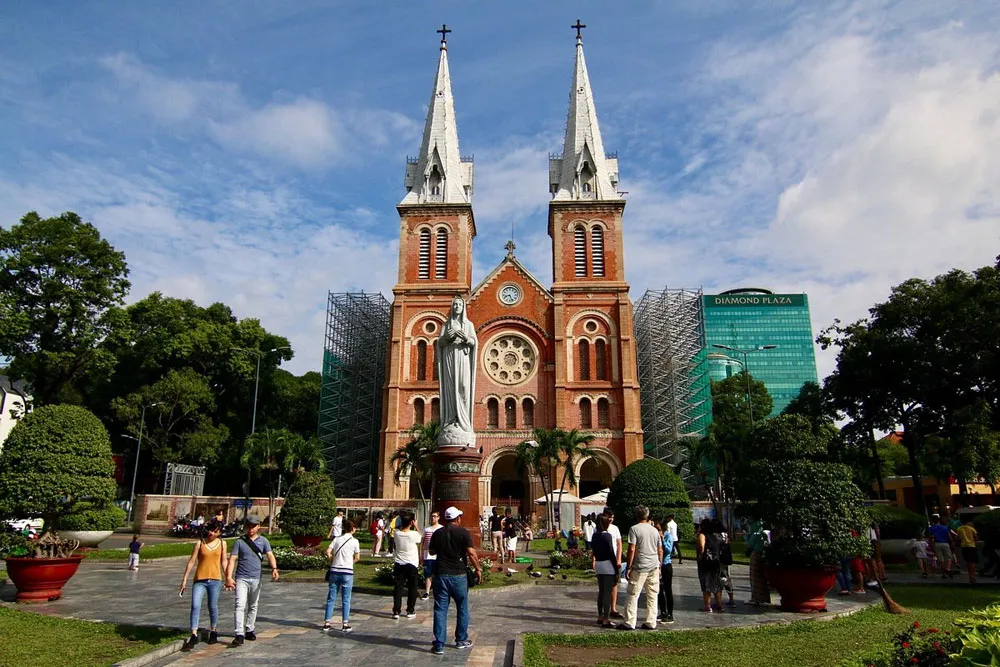
Begin Month 3 in Ho Chi Minh city and plan at least 8 to 10 days. The city is best experienced by neighborhood rather than attraction hopping.
Organize your days by theme:
-
History-focused days with museums and landmarks
-
Market and food days exploring different districts
-
Café culture and creative spaces
-
Light days for rest, spas, or casual walks
Short excursions such as nearby historical sites can be added without changing accommodation, keeping logistics simple.
Mekong Delta – River life and rural Vietnam (7–9 Days)
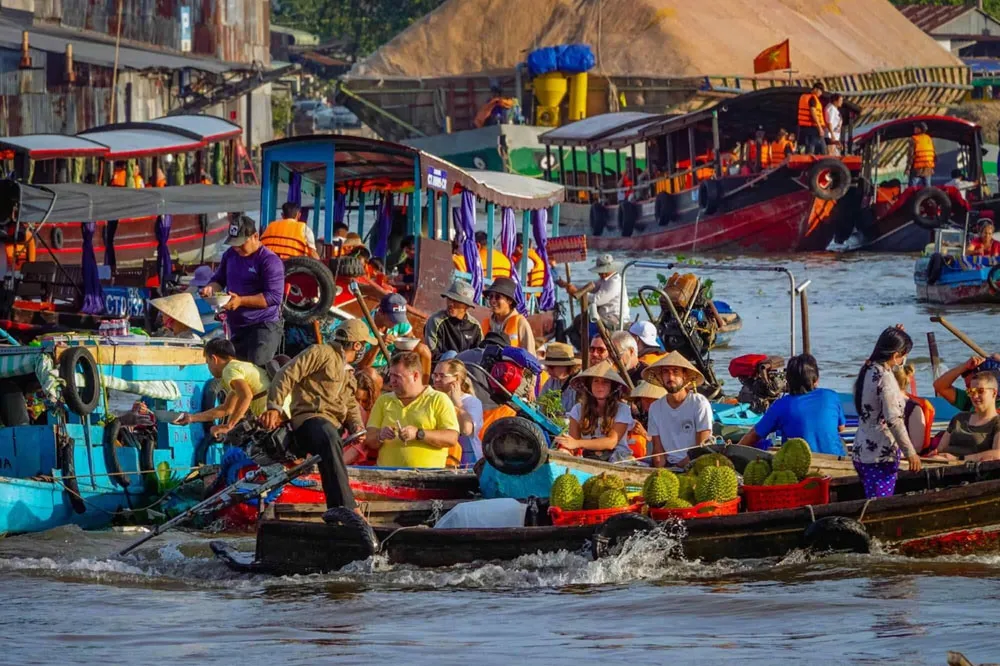
Move into the Mekong Delta and plan to stay about a week or more, dividing time between two bases.
In Can Tho, focus on:
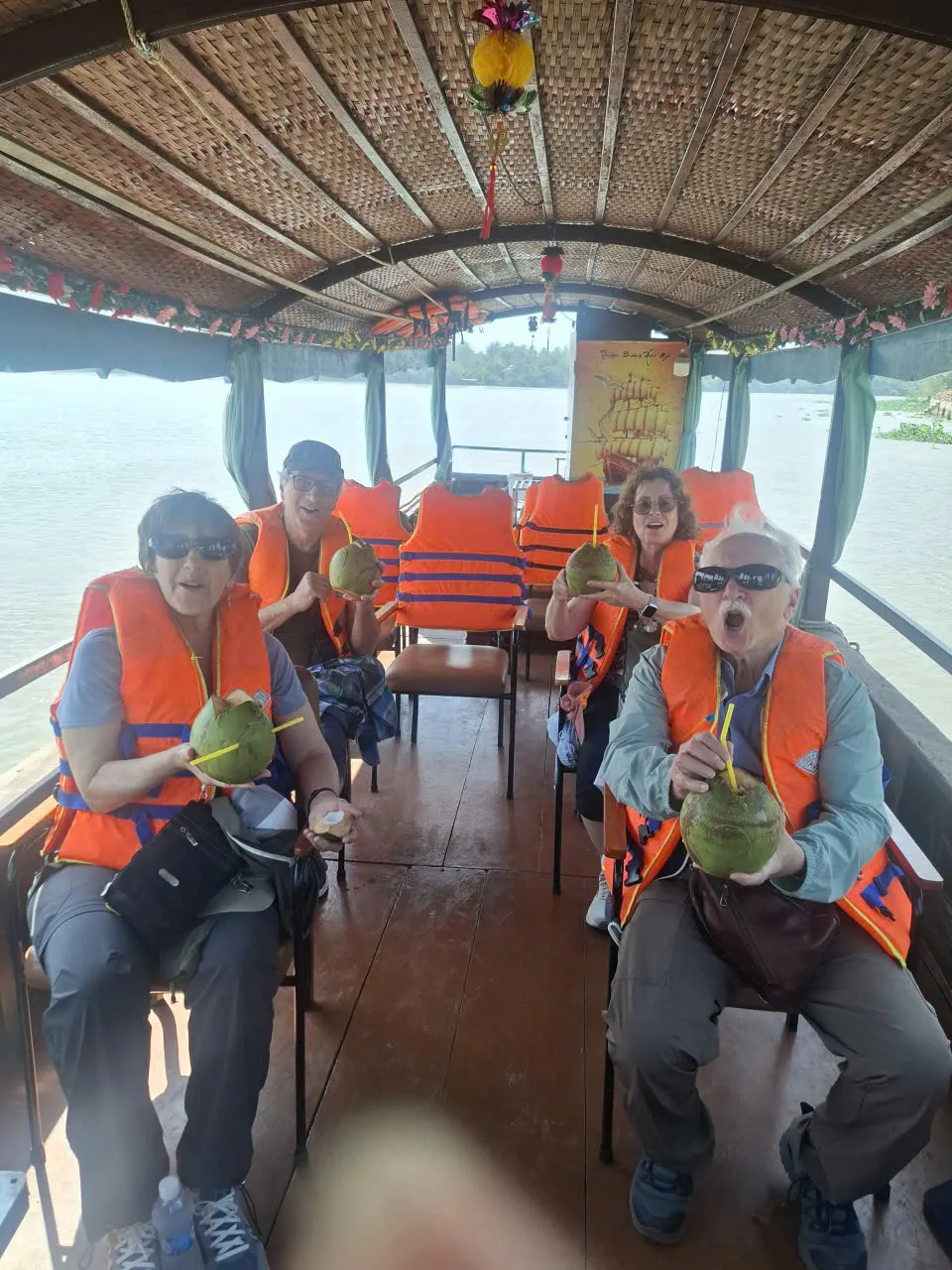
In Ben Tre or Cai Be, slow down further:
-
Cycle through villages and orchards
-
Visit family-run workshops
-
Stay overnight to experience quiet evenings and early mornings
Overnight stays are essential here, as they allow you to see the delta outside of busy daytime tours.
Southern islands – Long stay and recovery (7–10 Days)
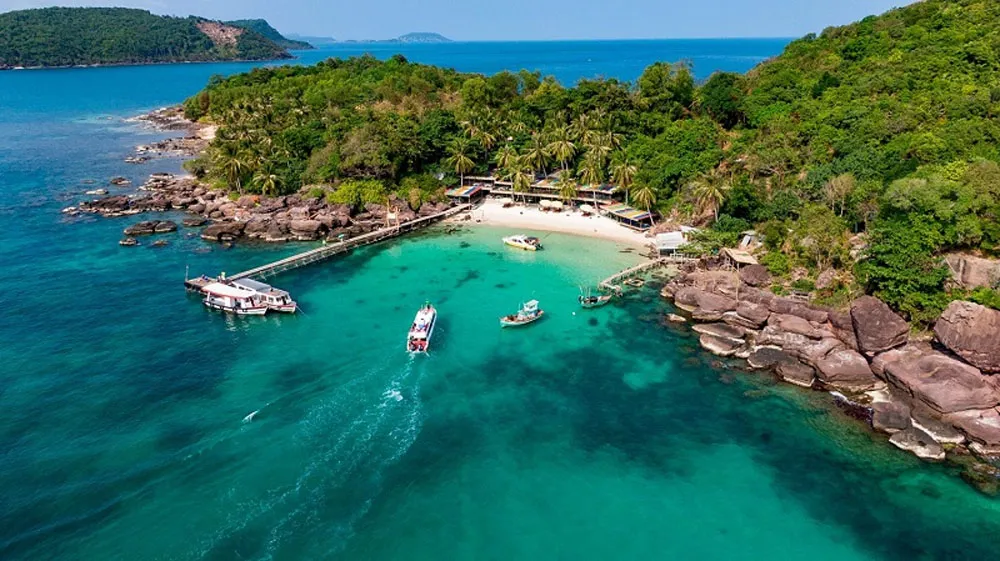
Finish your journey with an extended island stay. This is not just leisure time, but also recovery after two months of movement.
Choose one main island:
-
Phu Quoc for easy transport, beaches, and comfortable long stays
-
Con Dao for quieter surroundings, nature, and reflection
Plan at least one full week, ideally longer, to enjoy unstructured days before departure.
Final buffer and departure preparation (4–6 Days)
Reserve the final days of your 3 month Vietnam itinerary as a buffer. Use this time to:
-
Return to Ho Chi Minh City or another departure hub
-
Revisit favorite places
-
Organize flights, packing, and logistics calmly
Ending the journey with flexibility ensures you do not feel rushed in the final stretch.
Vietnam visa considerations for a 3 month stay

Visa planning is essential for a 3 month Vietnam itinerary. Many travelers use a Vietnam e-visa, which allows stays of up to 90 days depending on nationality and entry type.
If staying longer, options may include visa extensions, renewals, or combining Vietnam with neighboring countries before re-entry. Always check official sources or consult a travel specialist, as visa regulations change regularly.
Budget planning for a 3 month Vietnam itinerary

Budget planning is a key part of any 3 month Vietnam itinerary, as costs change significantly depending on how you travel and how long you stay in each place. While Vietnam is generally affordable, long-term travel requires a different budgeting approach than short trips.
For a three-month stay, travelers usually spend less per day than short-term visitors because:
-
Monthly or long-stay accommodation rates are cheaper than nightly bookings
-
Eating local food becomes the norm rather than restaurant dining
-
Slower movement reduces transport and flight costs
Main cost categories to plan for
Accommodation
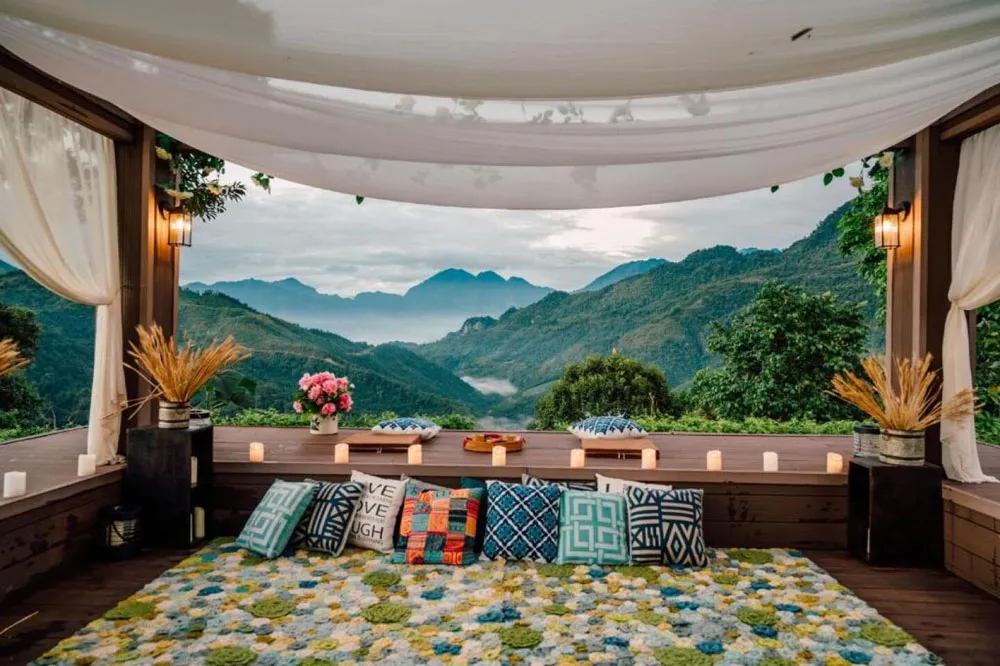
This is your largest expense. Monthly apartments, guesthouses, or long-stay hotels offer much better value than short bookings. Prices vary by region, with major cities and beach destinations costing more than rural areas.
Food and daily expenses
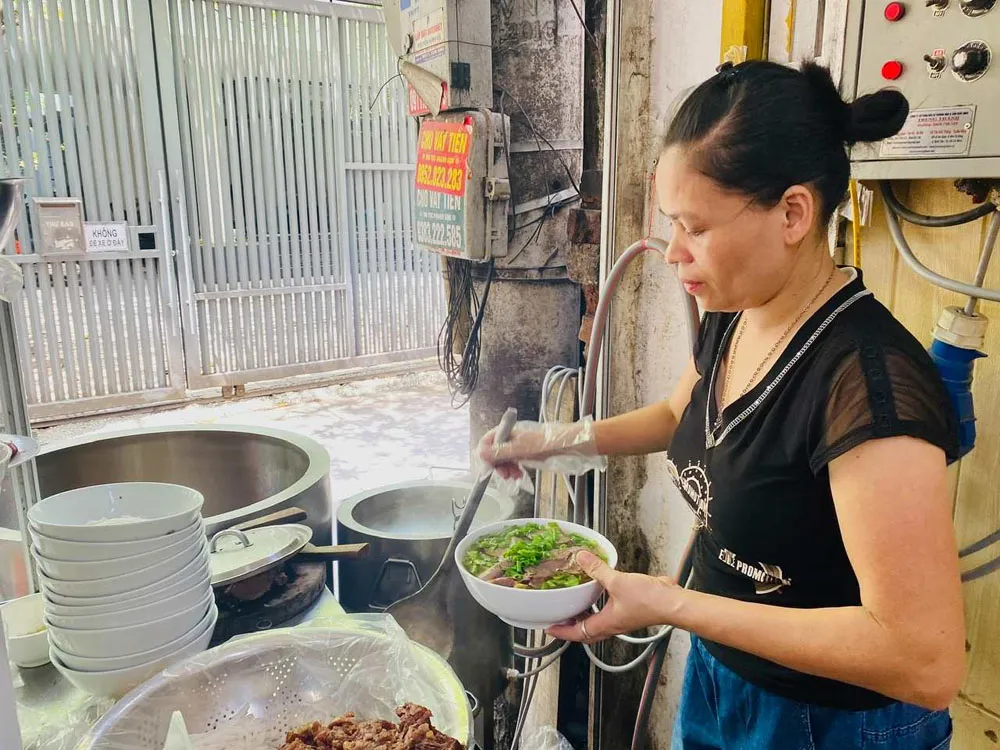
Vietnam offers affordable local meals almost everywhere. Long-stay travelers typically mix street food, local restaurants, and occasional international dining, keeping daily food costs very manageable.
Transportation
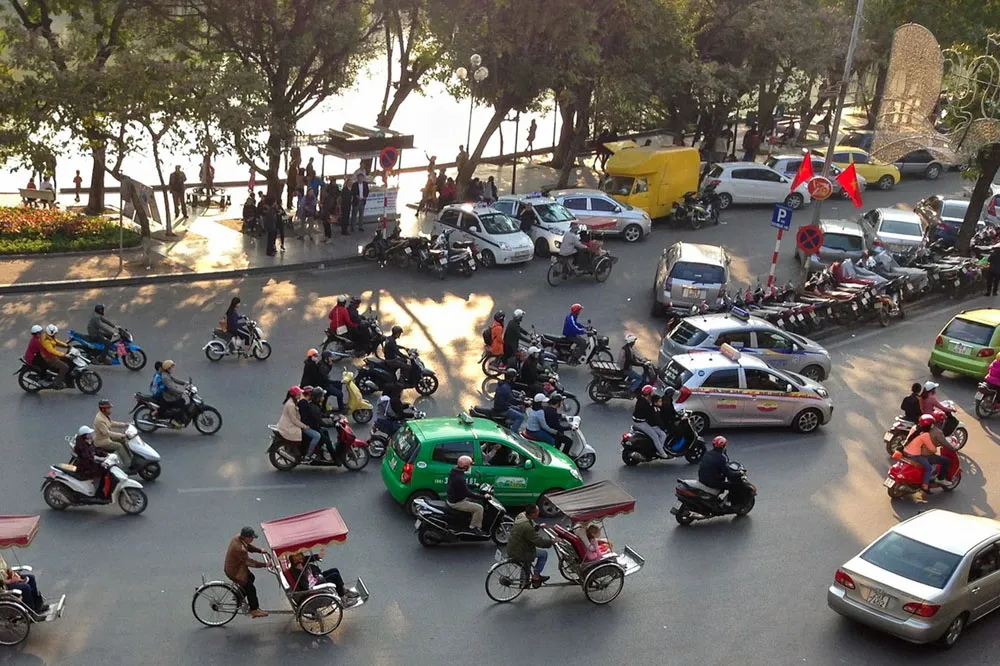
Inter-regional travel adds up over three months. Budget for:
-
Trains or buses between regions
-
Occasional domestic flights for long distances
-
Local transport such as taxis, ride-hailing apps, or motorbike rentals
Activities and Experiences Over three months, most travelers select experiences selectively rather than joining tours everywhere. Budget for:
-
Key highlights such as cruises, cave visits, or guided excursions
-
Entry fees to historical sites and national parks
-
Occasional splurge activities
How to budget more effectively over three months

-
Choose a few long-stay bases instead of changing locations frequently
-
Mix paid experiences with free or low-cost activities
-
Book transport and accommodation in advance during peak seasons
-
Allow flexibility for higher costs in major cities and lower costs in rural areas
For a clearer idea of average daily spending levels, accommodation ranges, and travel styles across Vietnam, read our detailed overview here: Vietnam trip budget guide https://customasiatravel.com/vietnam-trip-budget
Accommodation tips for long stays
For a three-month itinerary, avoid changing accommodation too often. Consider:
-
Monthly apartments in major cities
-
Guesthouses or homestays in regional areas
-
Mixing comfort stays with budget options
Staying longer in fewer places improves comfort and reduces transport stress.
Who a 3 month Vietnam itinerary is best for

This itinerary suits:
Conclusion
A 3 month Vietnam itinerary allows you to explore the country from north to south with balance, flexibility, and depth. With enough time to experience cities, countryside, coastlines, and islands, Vietnam reveals far more than what short trips can offer.
If you want to adapt this journey or explore shorter routes, browse our full Vietnam itinerary collection here: https://customasiatravel.com/vietnam-itinerary
You may also find these guides helpful:
https://customasiatravel.com/1-month-vietnam-itinerary
https://customasiatravel.com/2-months-in-vietnam-itinerary















 View trip map