Week 1 – Laos: Spiritual Landscapes and River Life
Day 1–3: Luang Prabang
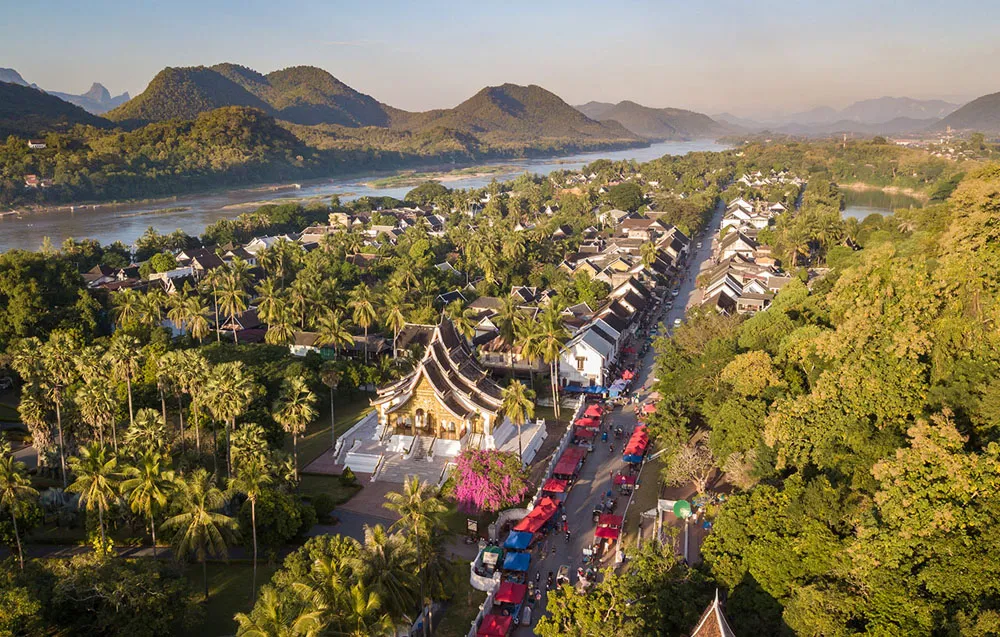
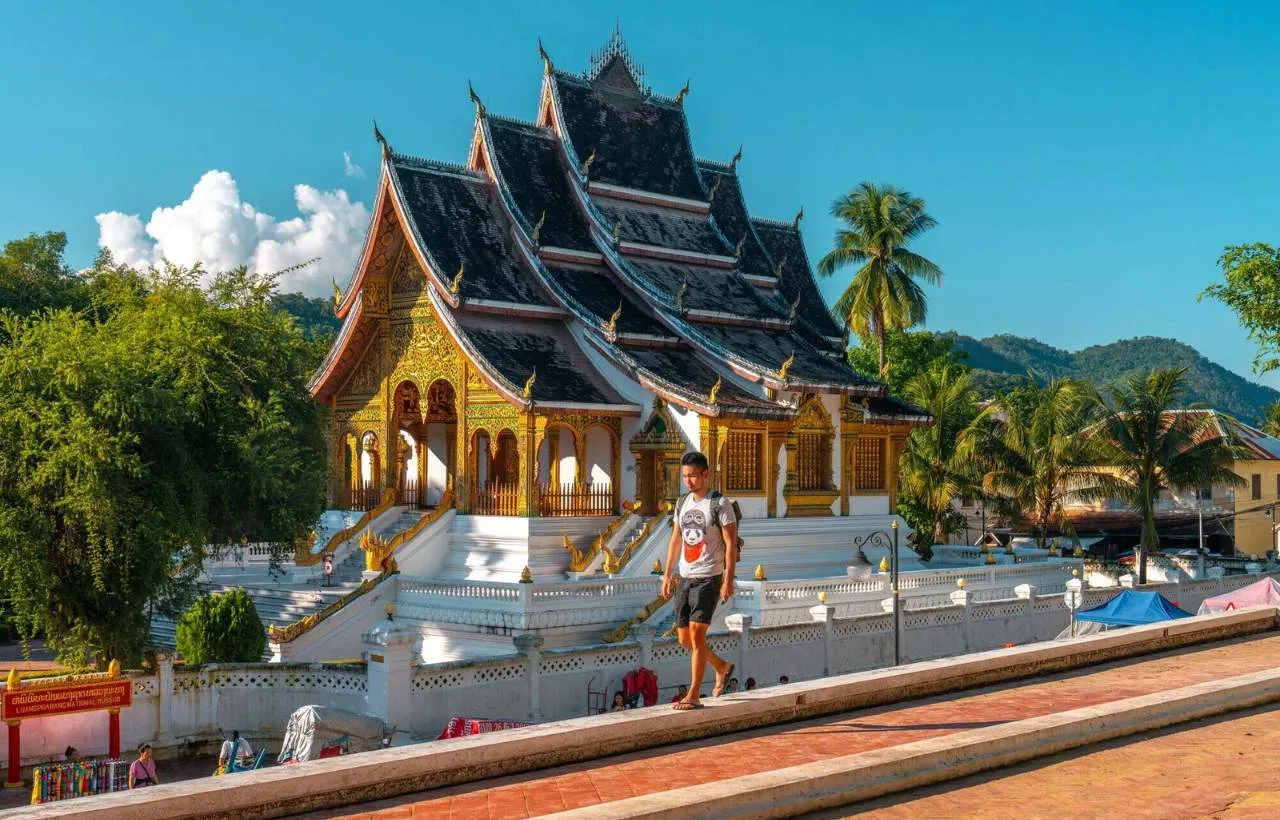
Luang Prabang is the cultural and spiritual heart of Laos, making it the ideal starting point for a Laos and Vietnam itinerary. Surrounded by mountains and located at the confluence of the Mekong and Nam Khan Rivers, the city feels both geographically isolated and deeply symbolic, where Buddhism shapes daily routines and social values. Walking through the old town reveals golden temples, colonial villas, and quiet streets, which together create an atmosphere of calm rarely found in major Southeast Asian cities.
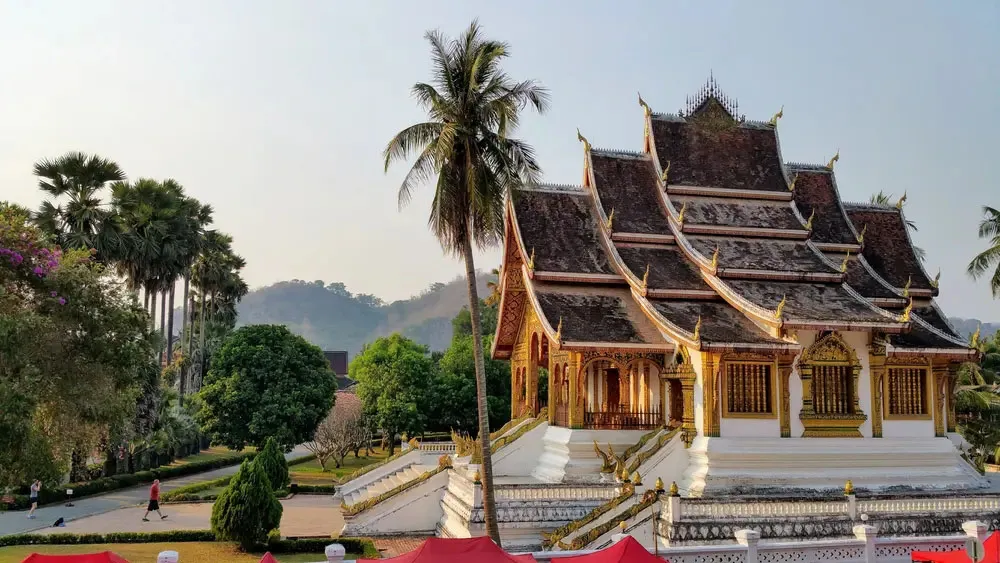
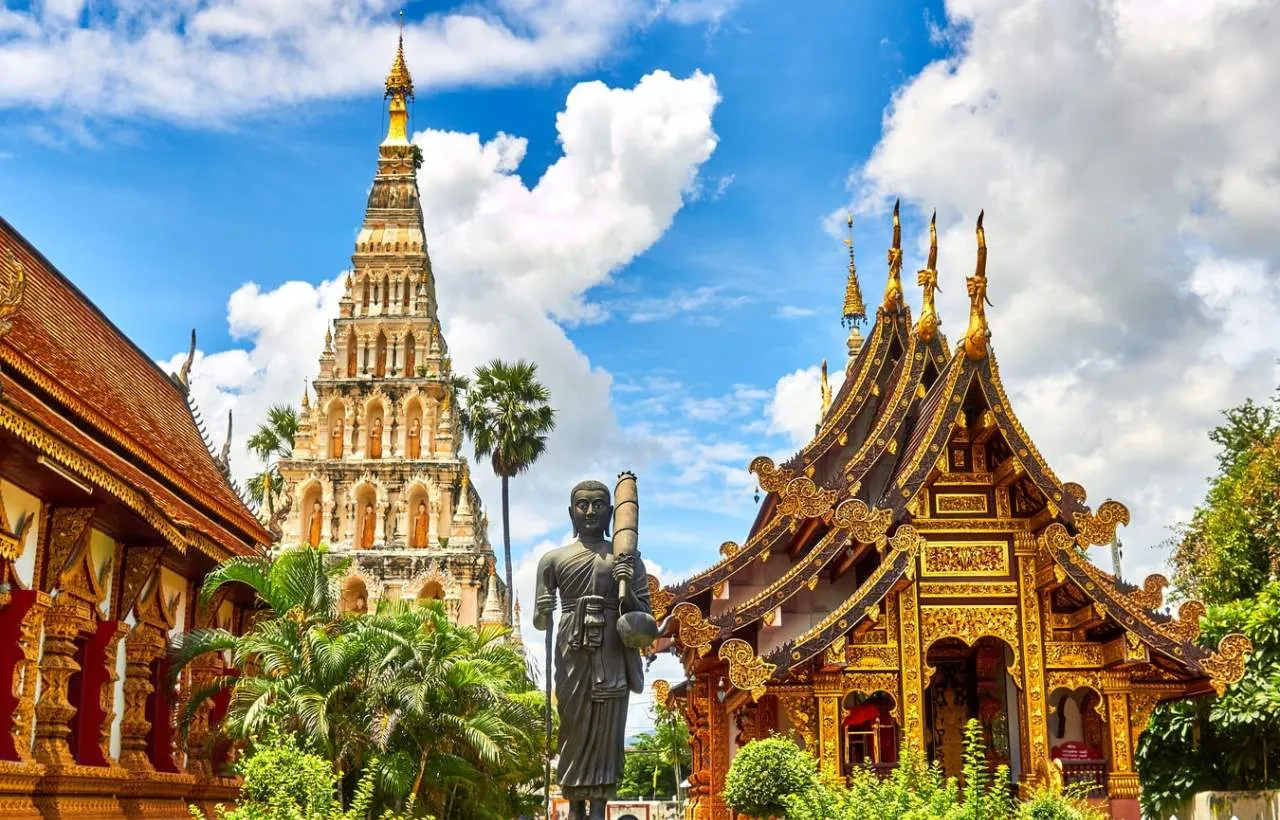
Beyond its visual charm, Luang Prabang offers immersive spiritual experiences that define the Laotian identity. Participating in the morning alms-giving ceremony allows travelers to observe how monks and local residents interact through ritual and respect, while visiting Wat Xieng Thong and Wat Mai provides insight into religious art and architecture. A sunset climb up Mount Phousi offers panoramic views across the city and rivers, reinforcing the sense that Luang Prabang is shaped more by nature and spirituality than commerce.
Day 4–5: Kuang Si Waterfalls & Rural Villages
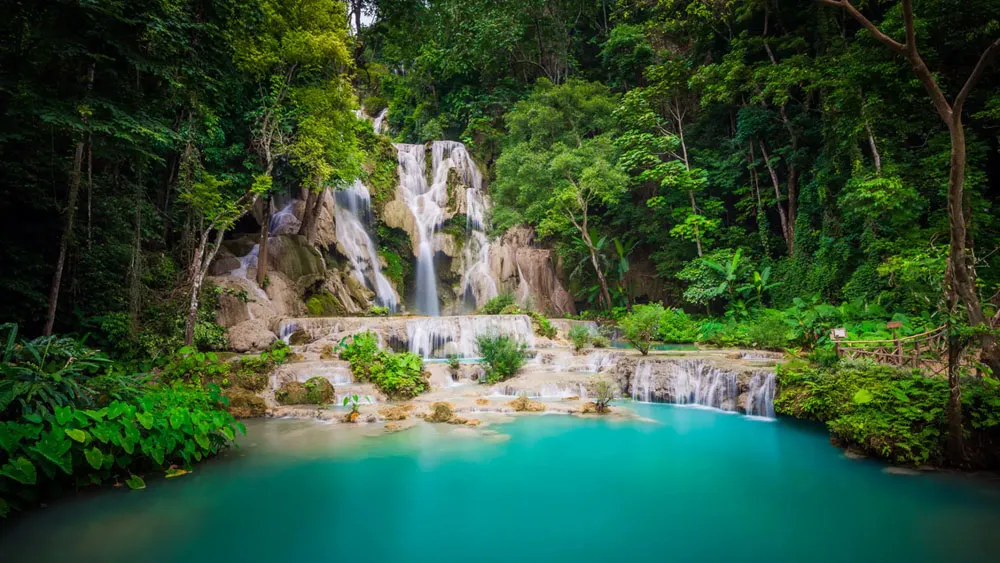
Leaving the center of Luang Prabang, the journey continues into the surrounding countryside, where rural Laos reveals a completely different way of life. The drive toward Kuang Si Waterfalls passes through small villages, rice fields, and forested hills, which highlights how agriculture and nature remain central to daily survival. Upon arrival, the turquoise pools and multi-level cascades create one of the most iconic natural landscapes in Laos.
Beyond swimming and sightseeing, this area offers meaningful cultural encounters with ethnic minority communities. Visiting nearby villages allows travelers to observe traditional weaving, farming techniques, and wooden stilt houses that reflect generations of adaptation to terrain and climate. These interactions feel personal and uncommercialized, especially compared to more developed tourist regions. As a result, this rural segment adds emotional depth and authenticity to the Laos and Vietnam itinerary.
Day 6–7: Vang Vieng
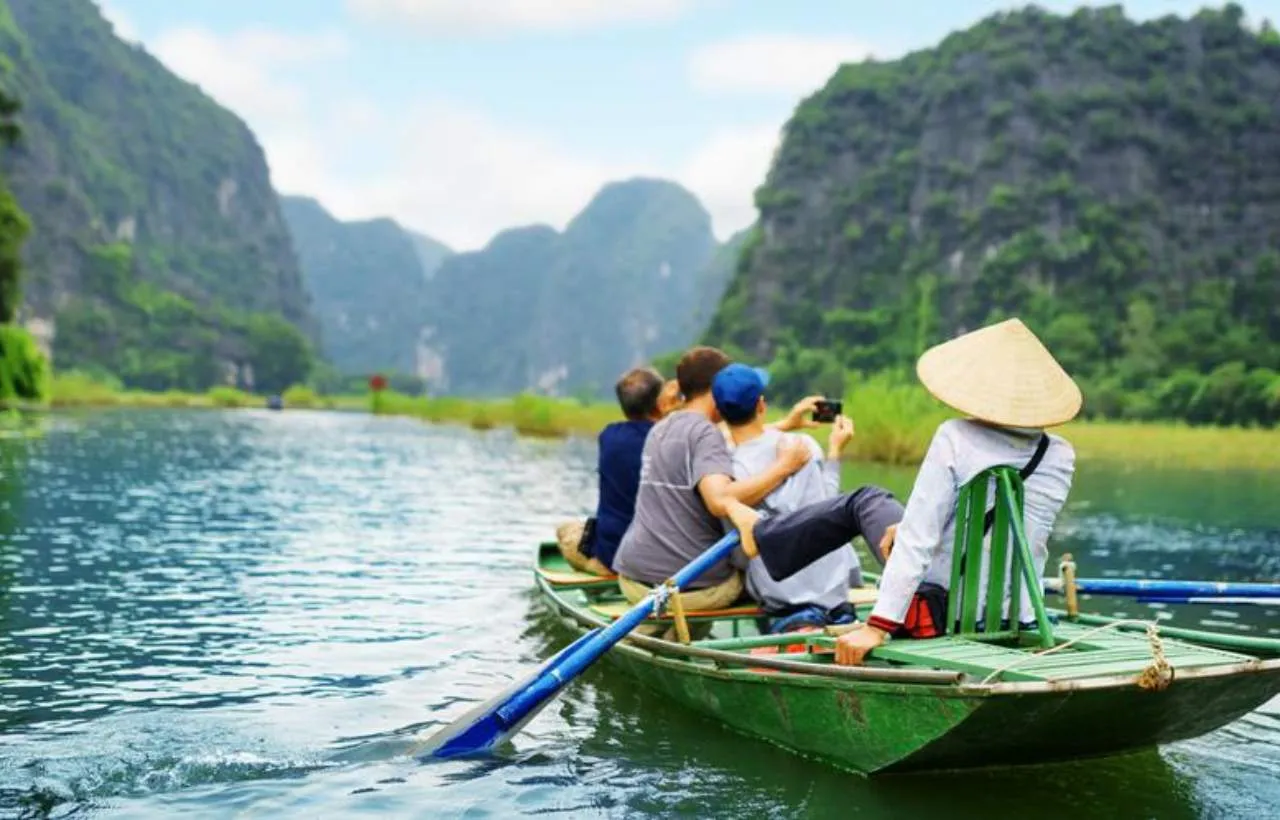
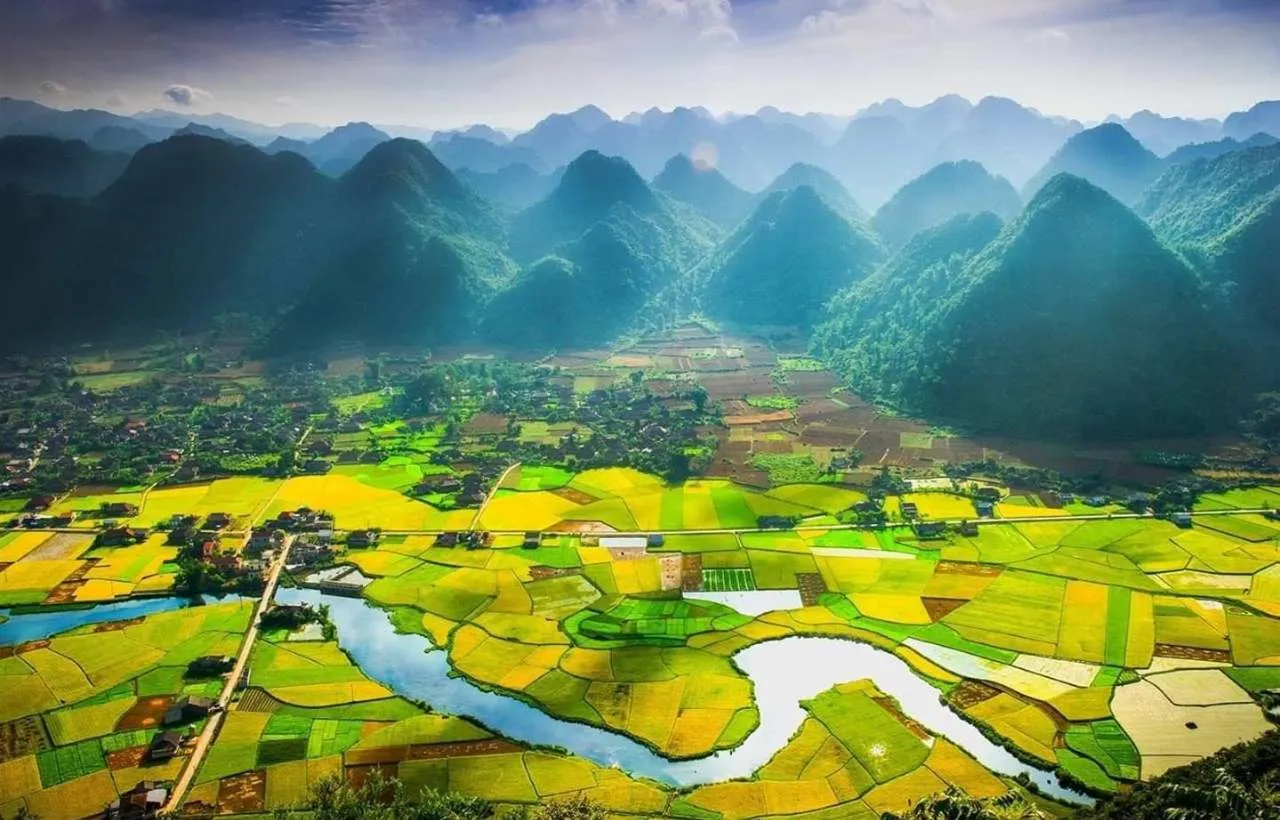
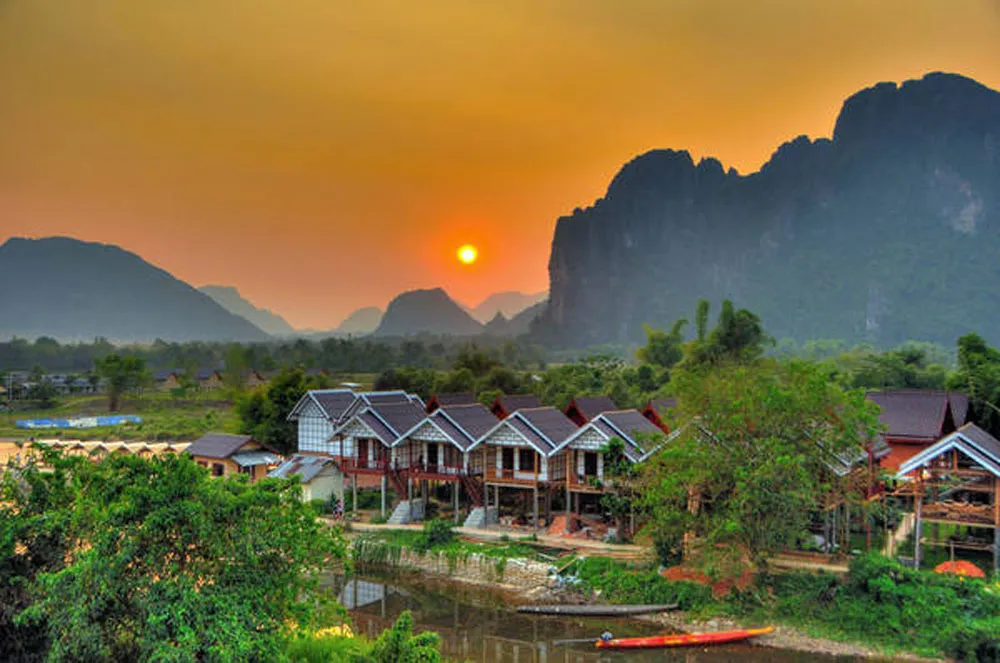
Vang Vieng represents the adventurous side of Laos, where dramatic limestone karsts rise above rivers and green valleys. While the town was once known mainly for backpacker culture, it has evolved into a destination focused on nature, eco-tourism, and outdoor exploration. Activities such as kayaking along the Nam Song River, cycling through countryside roads, and hiking to mountain viewpoints reveal the region’s physical beauty.
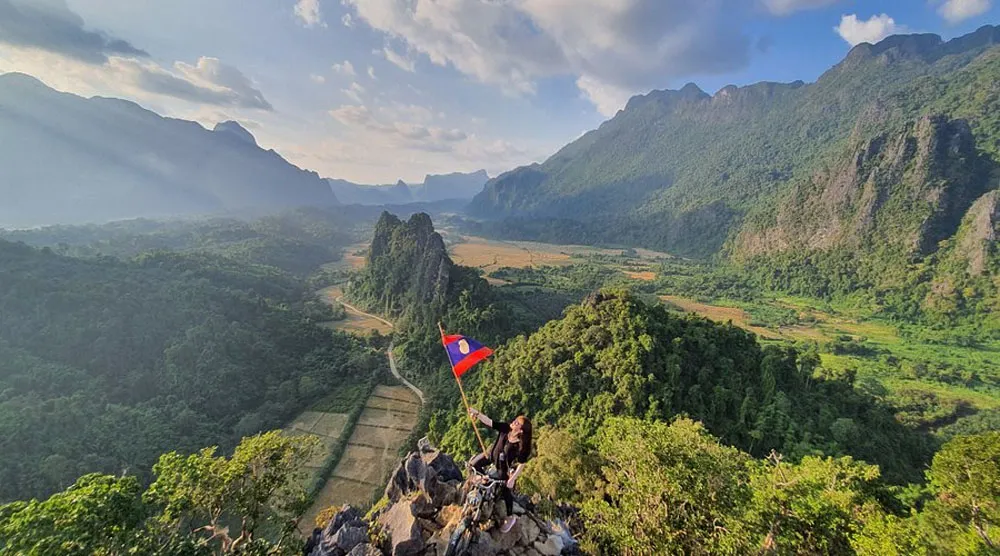
At the same time, Vang Vieng maintains a peaceful atmosphere when experienced at a slow pace. Exploring caves, blue lagoons, and rural landscapes allows travelers to disconnect from urban life and reconnect with nature. Evenings remain calm, with riverside cafés and sunset viewpoints replacing nightlife. This balance between adventure and tranquility makes Vang Vieng an important transition point in the Laos and Vietnam itinerary.
Week 2 – Northern Vietnam: Culture and Mountains
Day 8–10: Hanoi
Crossing into Vietnam, Hanoi introduces a sharp cultural contrast within the Laos and Vietnam itinerary, as the city feels energetic, layered, and socially vibrant. Unlike Laos’ calm rhythm, Hanoi thrives on movement, sound, and dense urban life, where streets are filled with motorbikes, street vendors, and small cafés. The Old Quarter reflects centuries of commercial activity, where each street still carries traces of traditional crafts and family businesses.
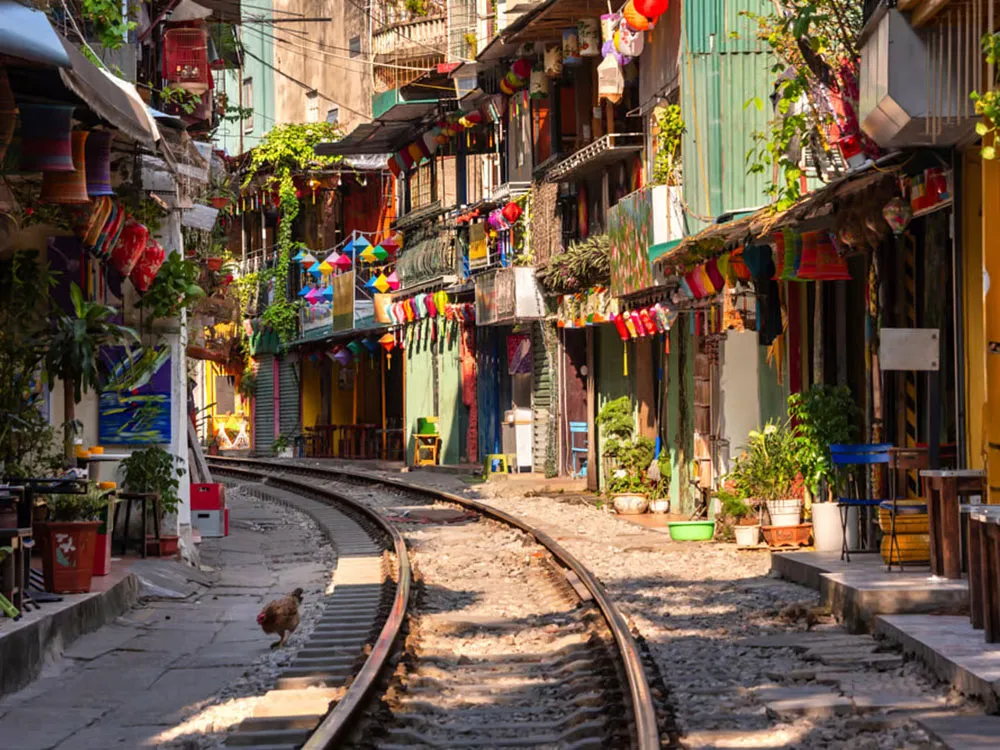
Hanoi is also considered Vietnam’s culinary capital, making food a central part of cultural immersion. Tasting pho, bun cha, cha ca, and egg coffee reveals how northern flavors emphasize balance, freshness, and subtle seasoning. Sitting on low stools along the sidewalk encourages interaction with locals and everyday life. As a result, Hanoi becomes one of the most immersive cultural stops in the Laos and Vietnam itinerary.
Day 11–13: Sapa
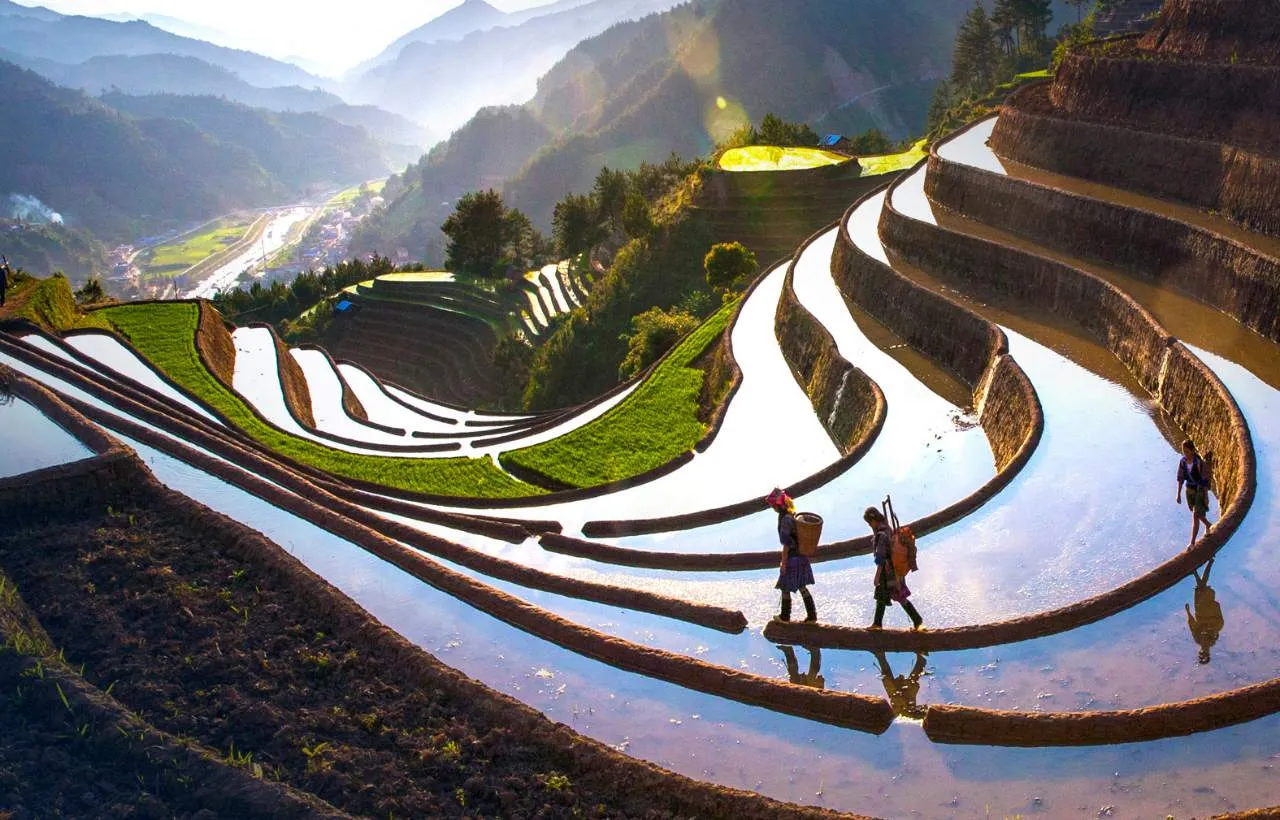
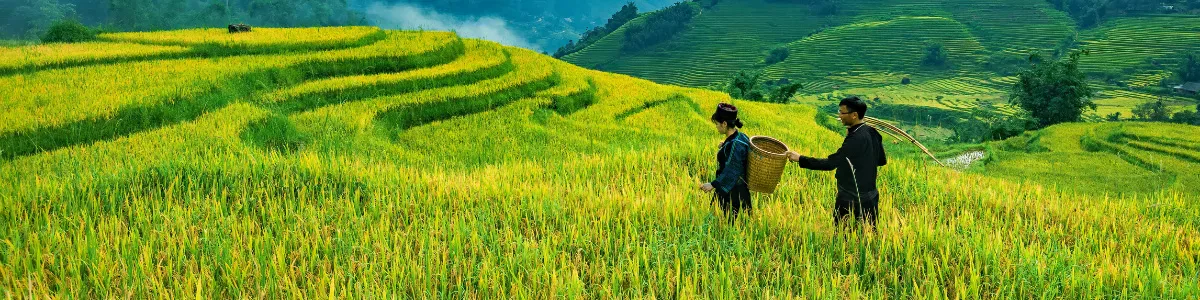
Traveling from Hanoi to Sapa introduces travelers to Vietnam’s highland culture and mountain landscapes. The town sits above misty valleys and terraced rice fields, where ethnic minority communities such as the Hmong and Dao maintain traditional lifestyles shaped by geography and climate. Trekking through Muong Hoa Valley reveals bamboo forests, waterfalls, and remote villages that feel disconnected from modern urban life.
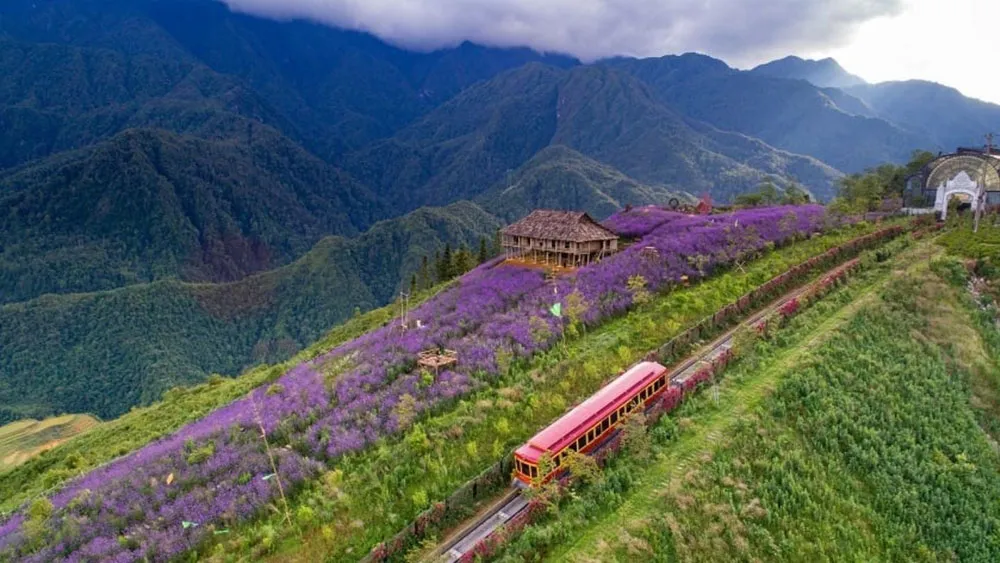
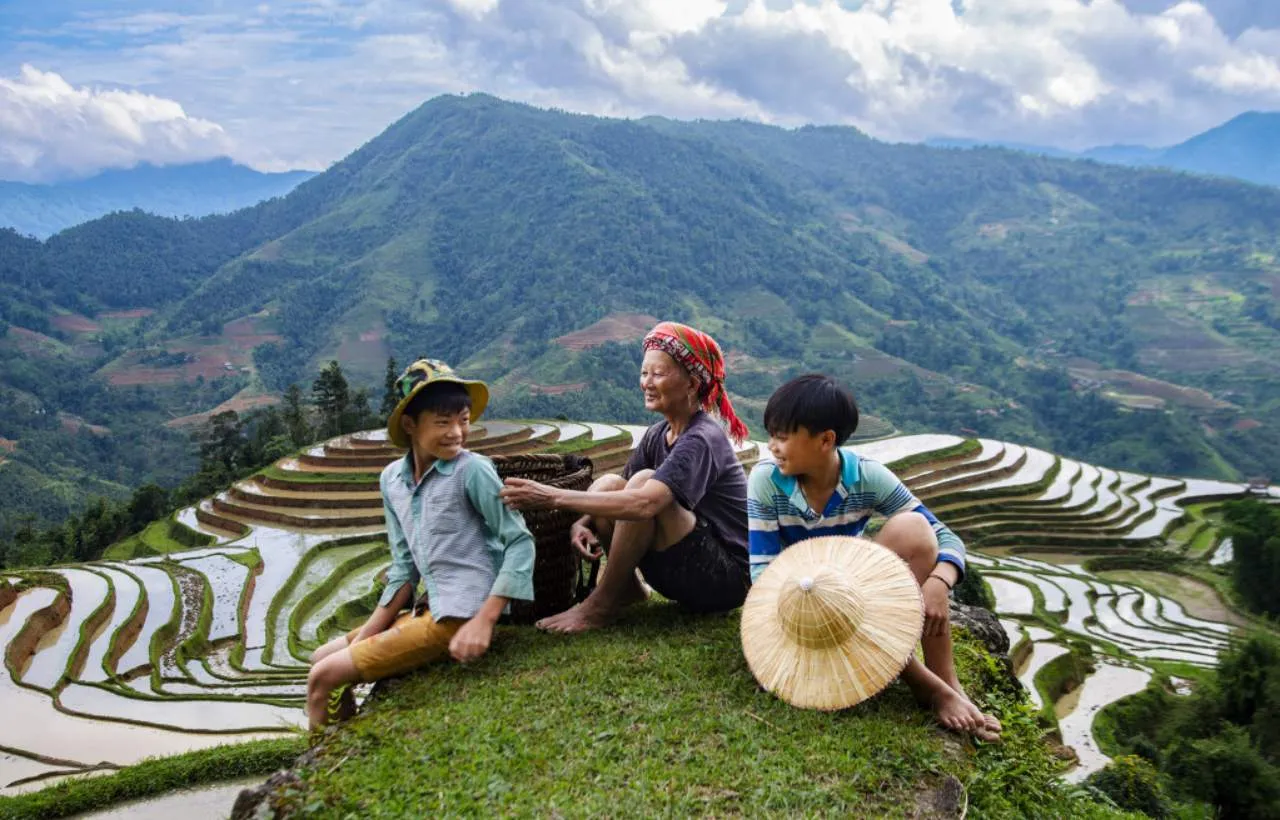
Staying in homestays allows travelers to experience daily routines such as farming, cooking, and weaving, which deepens cultural understanding beyond surface tourism. Conversations with local families provide insight into traditions, education, and community values. As a result, Sapa transforms the Laos and Vietnam itinerary from a sightseeing journey into a human-centered cultural experience.
Week 3 – Central Vietnam: Heritage and Coastlines
Day 14–16: Hoi An
Hoi An is one of the most visually enchanting destinations in Vietnam and a highlight of the Laos and Vietnam itinerary. The town reflects centuries of trade history, where Chinese, Japanese, and European influences merge through architecture, temples, and merchant houses. Walking through lantern-lit streets creates a nostalgic atmosphere that feels timeless and intimate.
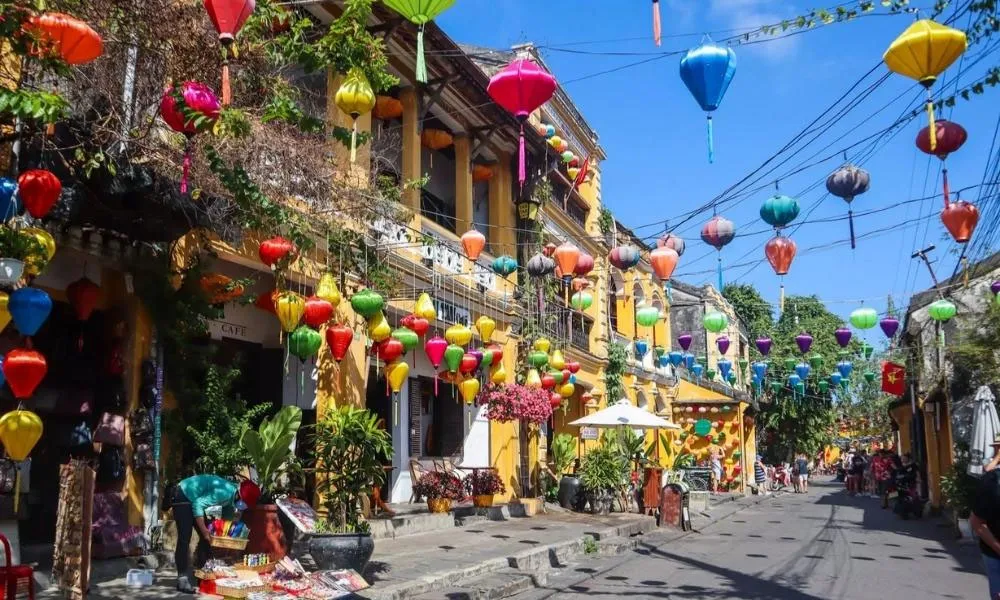
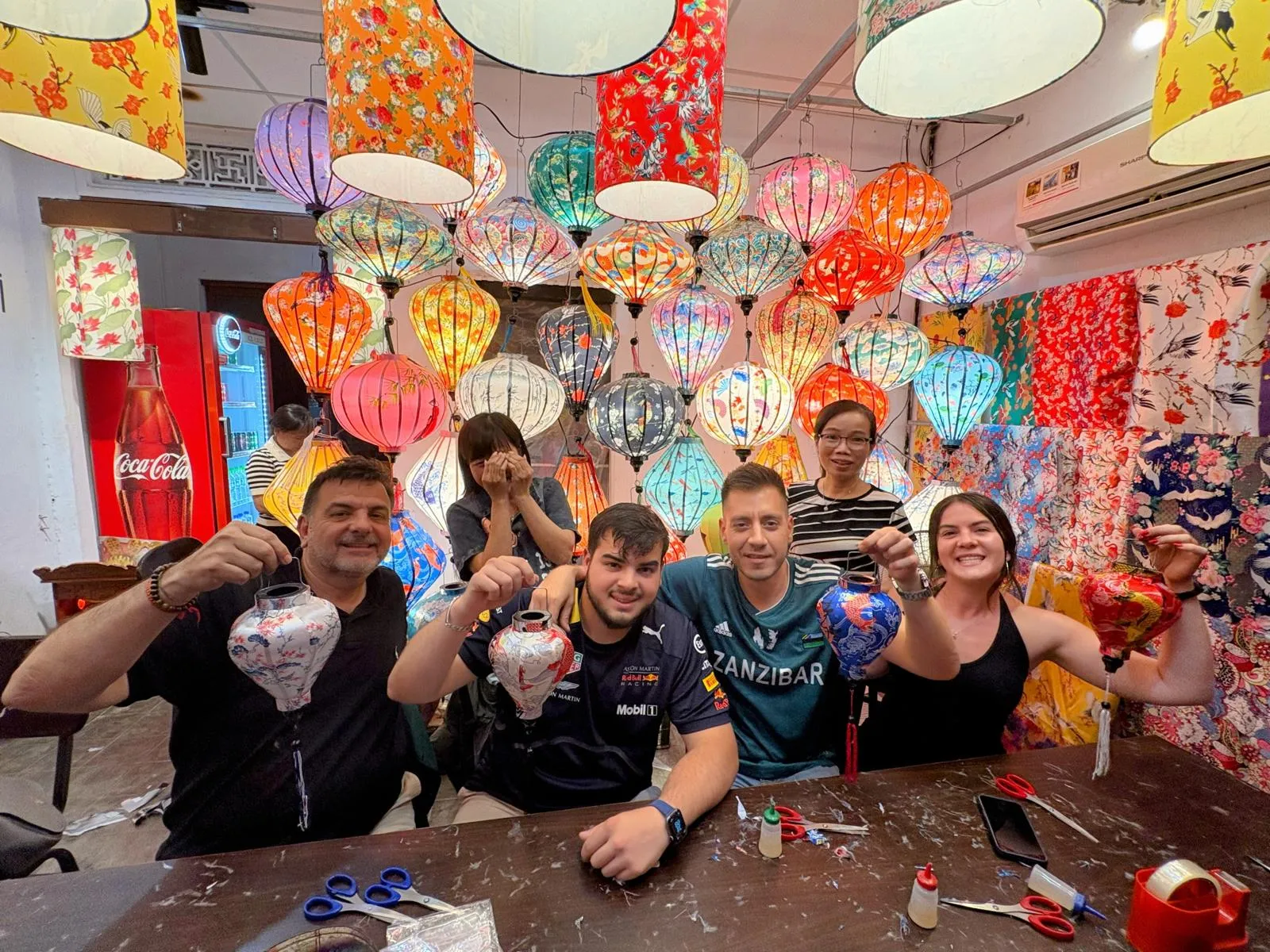
Beyond heritage, Hoi An offers interactive cultural experiences such as cooking classes, lantern-making workshops, and cycling through nearby rice fields and fishing villages. An Bang Beach provides a coastal escape that balances historical exploration with relaxation. Because of this combination, Hoi An offers both emotional and experiential richness within the journey.
Day 17–18: Hue
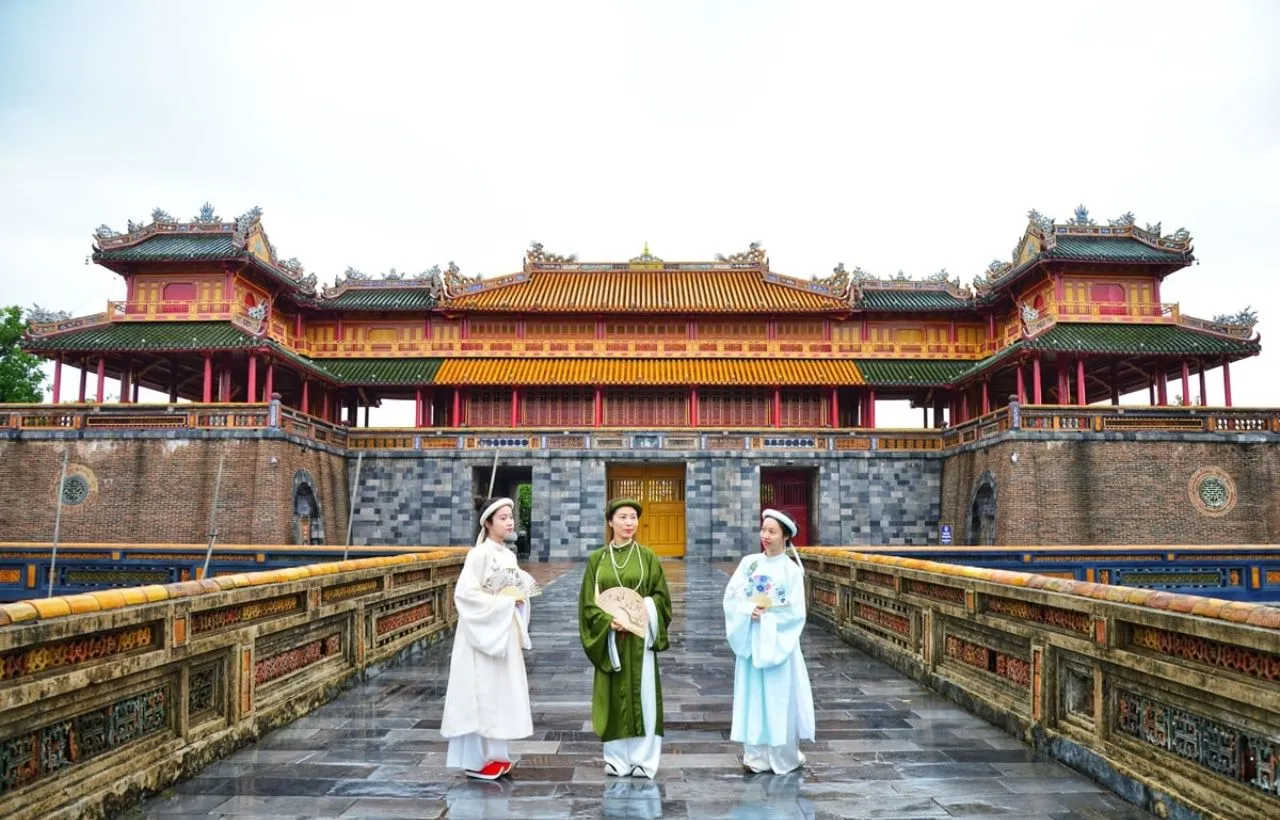
Hue represents Vietnam’s imperial past and adds historical depth to the Laos and Vietnam itinerary. The Imperial Citadel reflects royal architecture and political structure, where palaces, gates, and courtyards symbolize Confucian values and centralized authority. Walking through these spaces offers a tangible connection to Vietnam’s feudal history.
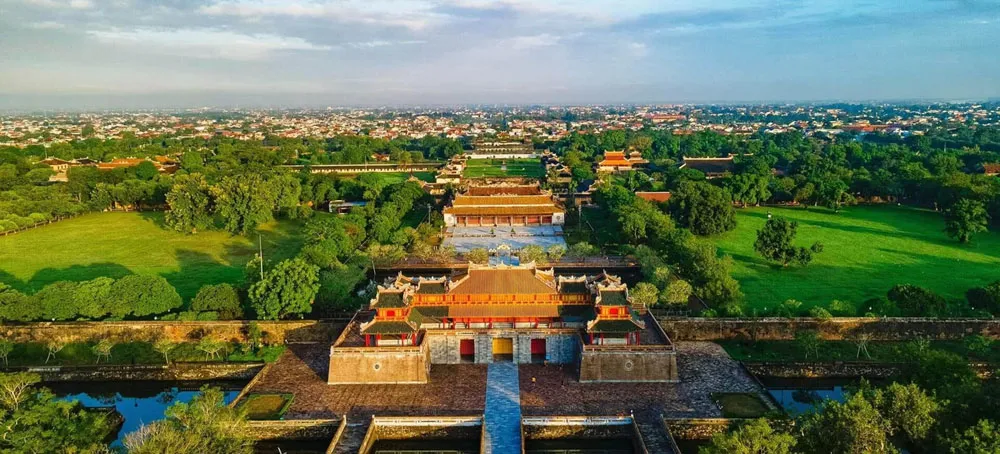
Royal tombs along the Perfume River create a spiritual and poetic experience, blending architecture with gardens, lakes, and temples. A boat ride during sunset enhances the emotional atmosphere of the city. Hue feels reflective and introspective, making it a powerful contrast to modern urban destinations.
Day 19–21: Ha Long Bay
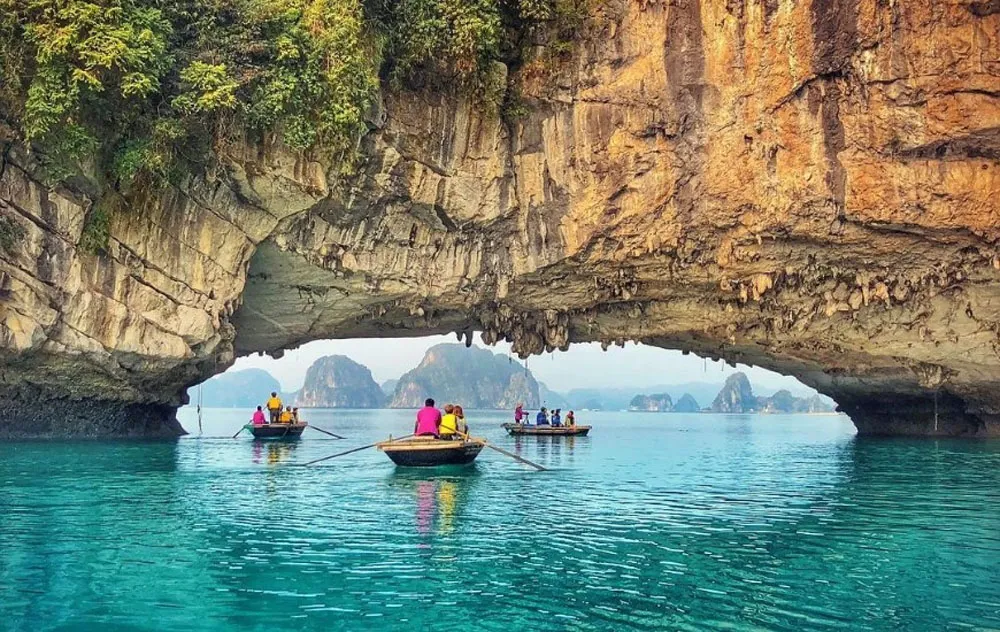
Ending the journey at Ha Long Bay provides a visual and emotional climax to the Laos and Vietnam itinerary. The bay features thousands of limestone islands rising from emerald waters, creating one of Southeast Asia’s most iconic seascapes. A two-day cruise allows travelers to explore caves, lagoons, and floating villages while enjoying slow, scenic travel.
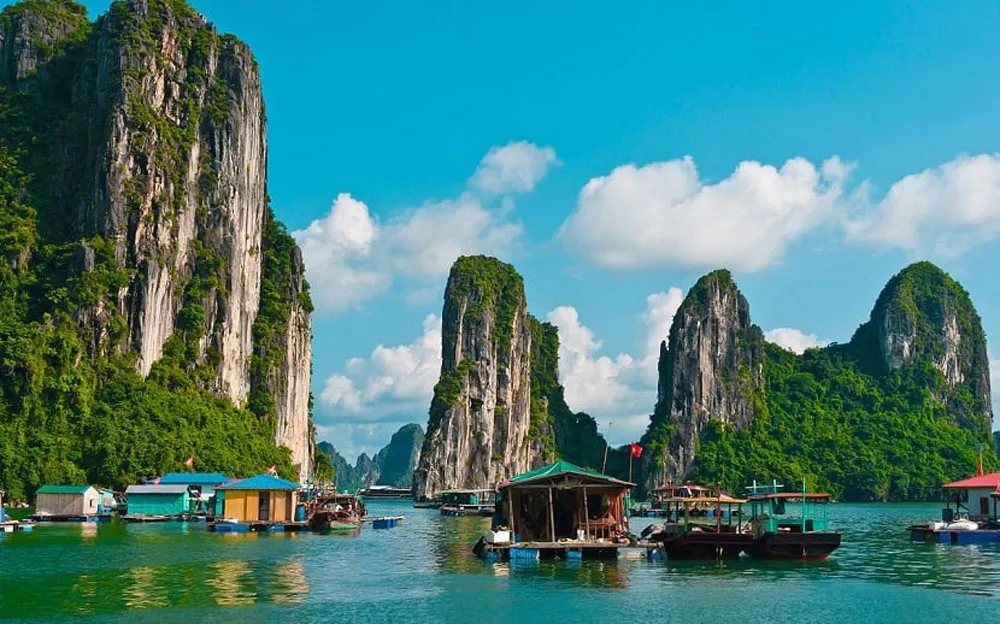
Activities such as kayaking, swimming, and watching sunrise from the deck deepen the connection with nature. Unlike city experiences, Ha Long Bay encourages silence, reflection, and presence. As a result, the journey concludes with a sense of calm and natural beauty that ties together the entire cross-border experience.
Travel Tips for Laos & Vietnam
-
Travel from Laos to Northern Vietnam for smoother geographical flow and cultural transition.
-
Keep a slow pace, as both countries reward observation rather than rushed sightseeing.
-
Use regional flights for long distances to save time between major hubs.
-
Pack modest clothing for temples and religious sites, especially in Laos.
-
Allow flexible days for trekking, river activities, and local markets, which often become trip highlights.
A Laos and Vietnam itinerary creates one of the most balanced travel experiences in Southeast Asia, combining spiritual calm with cultural vibrancy, and natural landscapes with historical depth. Laos introduces travelers to a slower, more introspective rhythm shaped by Buddhism and river life, while Vietnam adds dynamic energy through cities, cuisine, and layered history. Together, these two countries form a journey that feels emotionally meaningful rather than purely touristic.
Looking to personalize your Laos and Vietnam itinerary with private guides, flexible pacing, and authentic local experiences? Custom Asia Travel (CAT) specializes in tailor-made journeys across Indochina, designed around your travel style, interests, and comfort level.



 View trip map