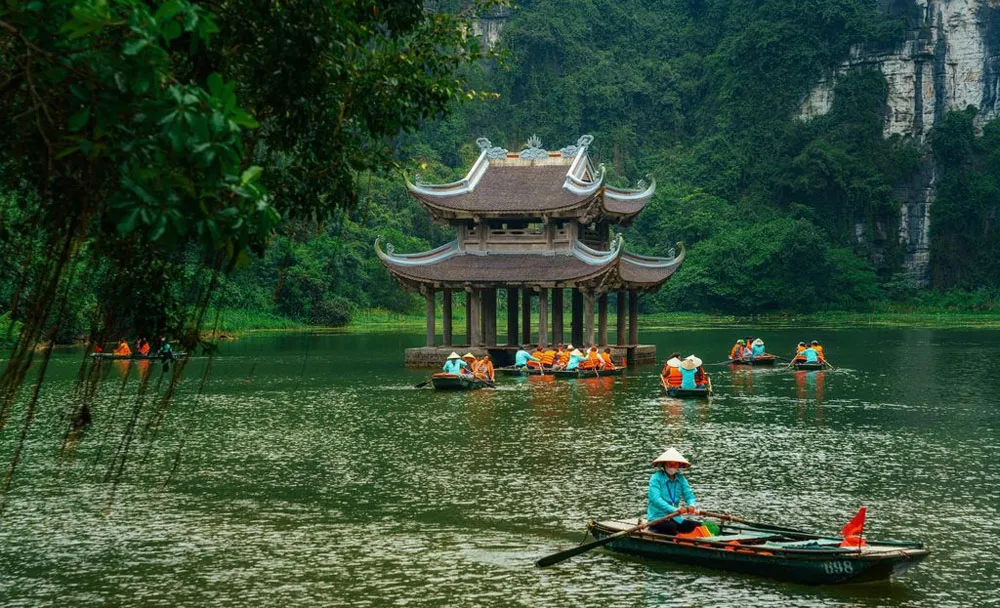
Day 1 – Bangkok, Thailand: First Impressions & Urban Energy
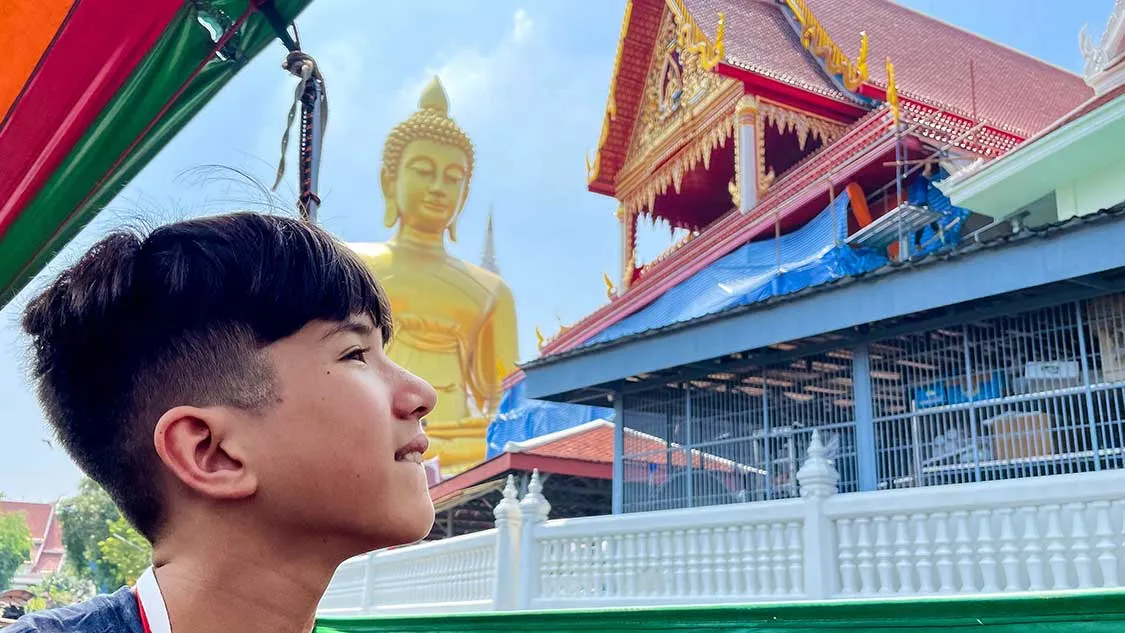
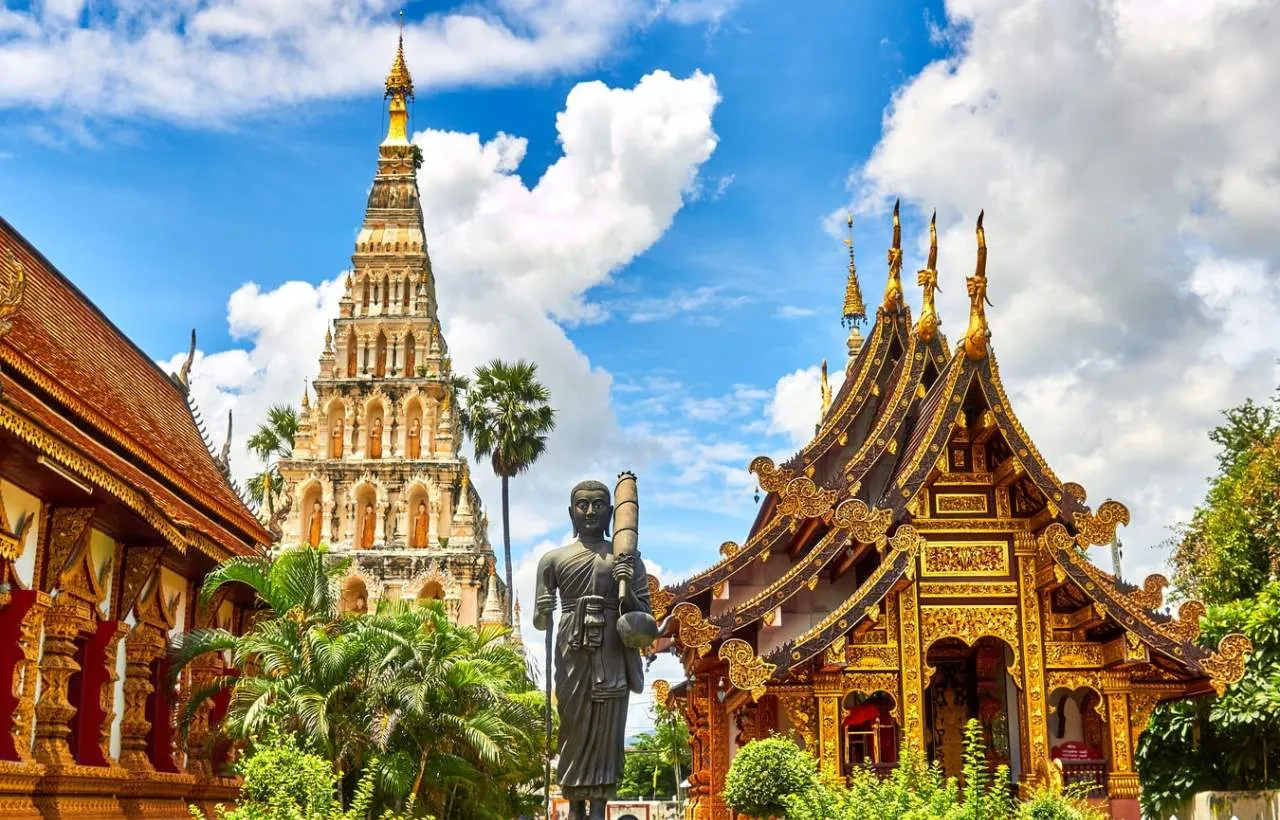
Arriving in Bangkok, you are immediately introduced to the intense energy of Thailand’s capital, where modern skyscrapers stand beside ancient temples and traditional markets. Begin your day with a gentle exploration of the city center, walking along the Chao Phraya River and observing how water continues to shape daily life in this rapidly developing metropolis. Visiting Wat Pho, home to the famous Reclining Buddha, offers your first encounter with Thai spiritual culture and introduces the calm, meditative atmosphere that contrasts with the city’s busy streets.
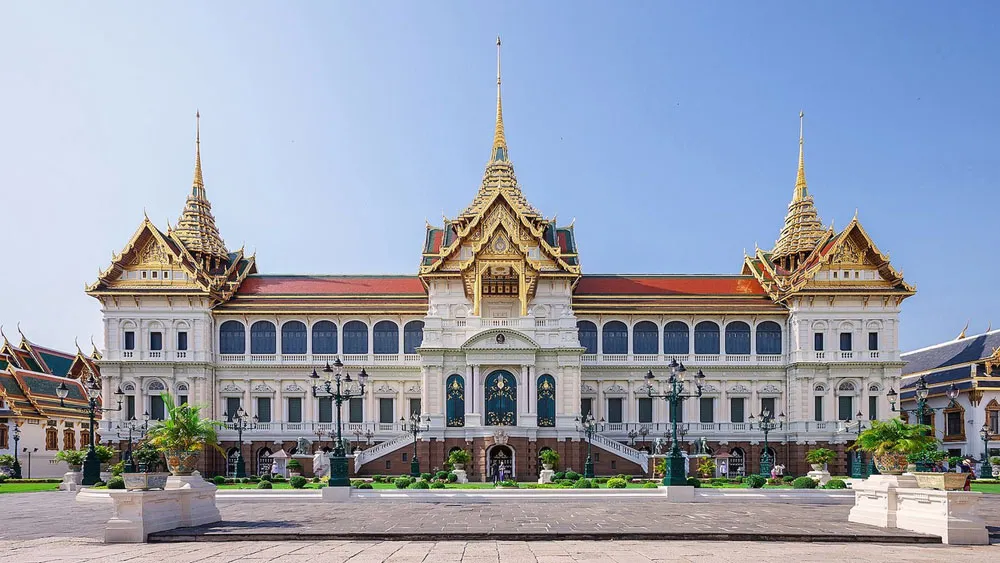
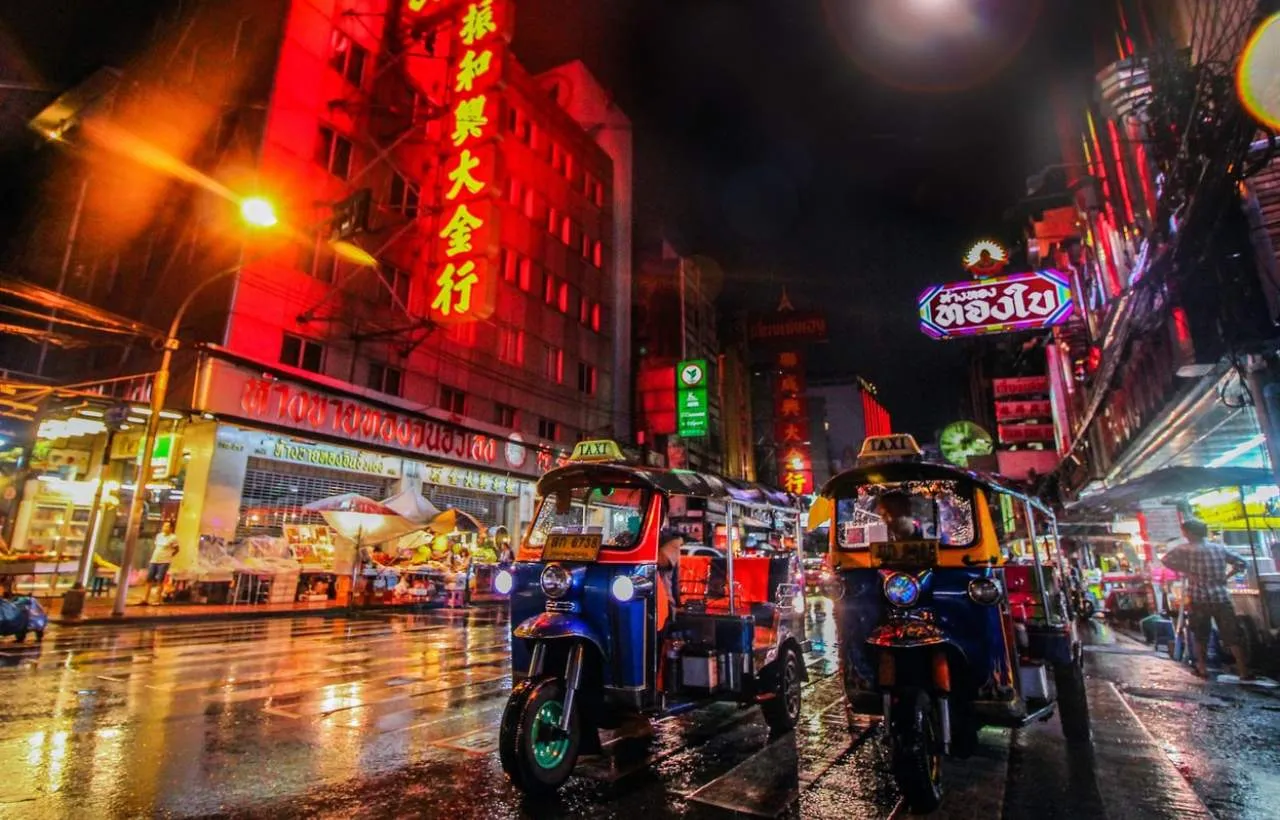
In the afternoon, continue to the Grand Palace and Wat Phra Kaew, where intricate architecture and golden structures reflect the importance of monarchy and religion in Thai identity. As evening approaches, explore local neighborhoods or rooftop bars that overlook the city skyline, which reveals Bangkok’s modern side through panoramic views. Street food stalls serving pad thai, mango sticky rice, and fresh coconut drinks allow you to connect with everyday Thai life through taste and atmosphere. This first day establishes the cultural and emotional tone for the journey ahead.
Day 2 – Bangkok: Temples, Canals & Local Life
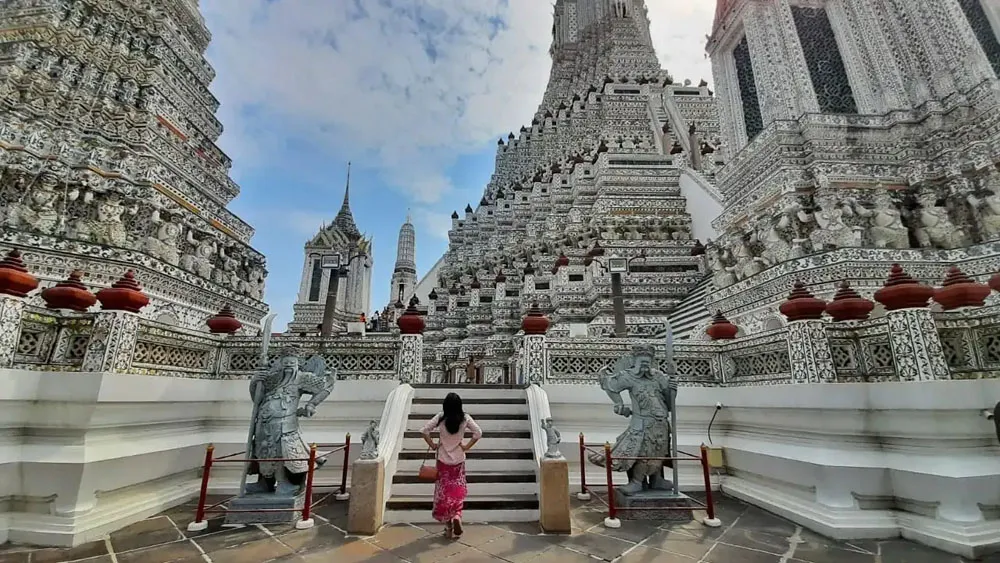
The second day in Bangkok focuses on deeper cultural immersion beyond major landmarks. Start with a boat ride along the city’s canals, known as khlongs, which showcase a quieter side of Bangkok where wooden houses, floating shops, and riverside temples still dominate daily routines. This experience highlights how traditional lifestyles continue to exist alongside modern infrastructure. Visiting Wat Arun, the Temple of Dawn, offers stunning views across the river and introduces Khmer-influenced architecture that reflects regional connections.
Later in the day, explore local markets such as Chatuchak Market or neighborhood street markets, where you can observe everyday shopping culture and interact with locals. The atmosphere feels lively yet personal, as food stalls, clothing shops, and craft vendors create a sensory experience. In the evening, a Thai massage or cooking class adds a hands-on cultural element that goes beyond sightseeing. Bangkok becomes more than just a city; it becomes a living cultural landscape.
Day 3 – Bangkok – Siem Reap, Cambodia: From Modern City to Ancient Civilization
Today you travel from Bangkok to Siem Reap, marking the transition from Thailand to Cambodia and introducing a completely different historical atmosphere. Upon arrival, the city feels quieter and more relaxed, with a strong focus on heritage and tradition. Siem Reap acts as the gateway to the Angkor temple complex, one of the most important archaeological sites in Southeast Asia. The contrast between Bangkok’s modernity and Siem Reap’s ancient identity becomes immediately noticeable.
In the afternoon, begin with smaller temples such as Preah Khan or Ta Prohm, where massive tree roots intertwine with stone structures and create a cinematic environment. These sites reflect the passage of time and the spiritual significance of Angkor civilization. As the sun sets, walking through Siem Reap’s Old Market and night streets introduces local cuisine and artisan culture. The city feels intimate and welcoming, preparing you for deeper exploration.
Day 4 – Angkor Temples, Cambodia: Heritage & Spiritual Legacy
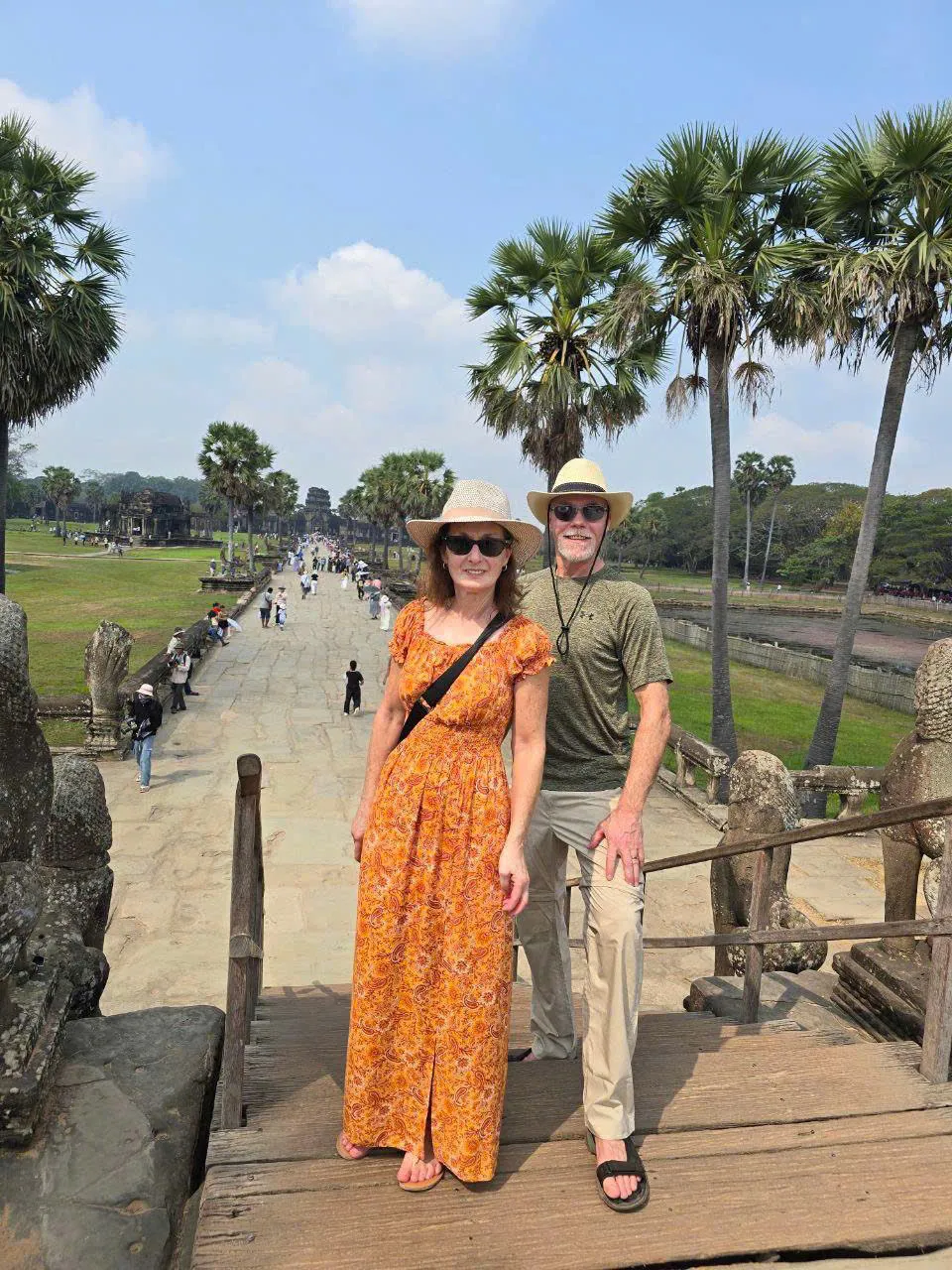
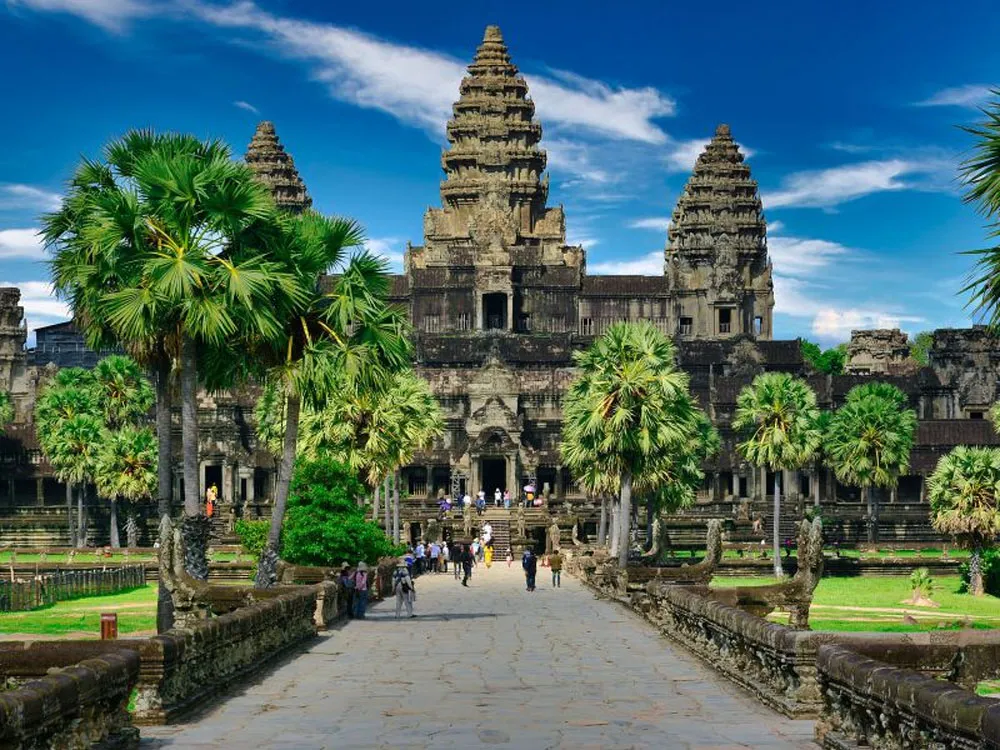
This day is dedicated to exploring the heart of Cambodian history at the Angkor Archaeological Park. Start early at Angkor Wat, the world’s largest religious monument, where sunrise over the temple reflects the deep spiritual symbolism of Khmer architecture. Walking through its corridors and carvings reveals stories of mythology, cosmology, and ancient beliefs. The sheer scale of Angkor Wat creates a sense of awe that defines the entire journey.
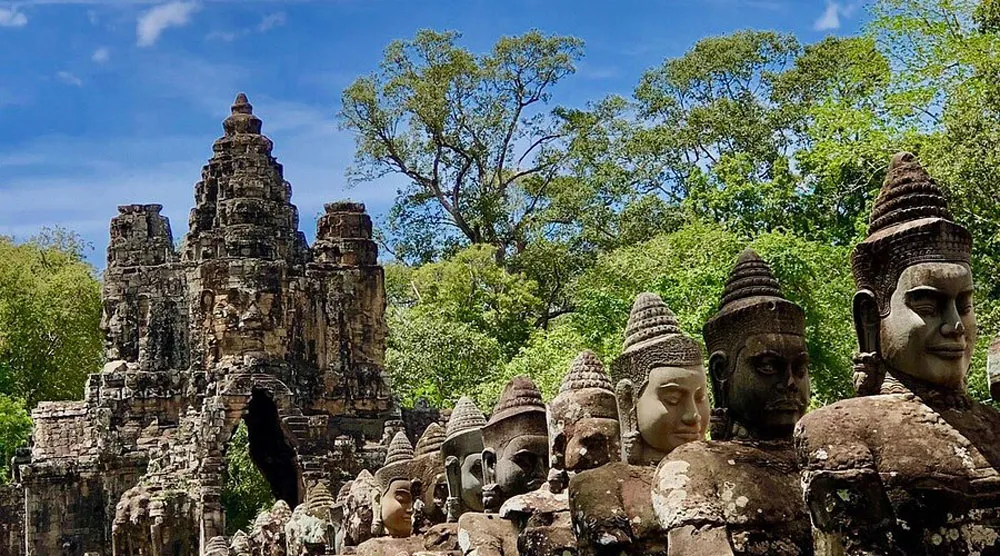
Continue to Angkor Thom, home to the Bayon Temple with its iconic smiling stone faces, which symbolize compassion and spiritual balance. These faces seem to watch over visitors, creating an emotional connection between past and present. In the afternoon, visit quieter temples hidden within the forest, where silence and ruins blend into a peaceful atmosphere. This day offers not only historical insight but also spiritual reflection.
Day 5 – Siem Reap – Phnom Penh: Cambodia’s Past & Present
Traveling to Phnom Penh, Cambodia’s capital, introduces a more complex and emotional dimension to the itinerary. The city reflects both colonial charm and painful modern history, creating a layered cultural identity. Visiting the Royal Palace and Silver Pagoda highlights Cambodia’s royal traditions and artistic heritage. These landmarks represent stability and continuity within a turbulent past.
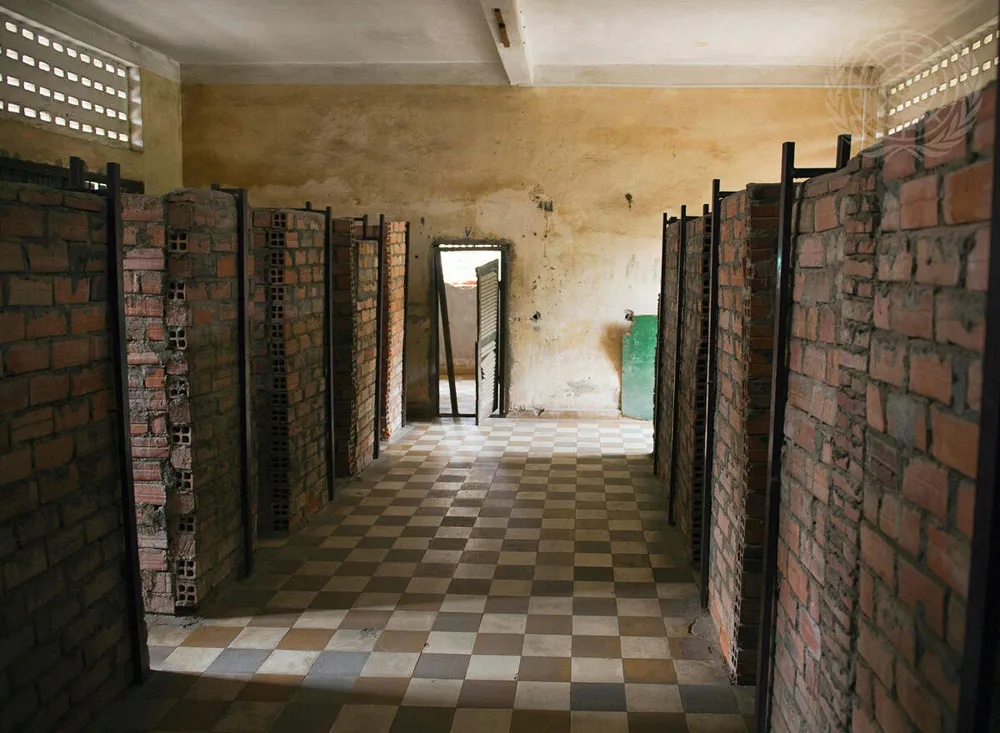
In contrast, visiting the Tuol Sleng Genocide Museum and Killing Fields provides a deeper understanding of Cambodia’s tragic recent history. Although emotionally intense, these sites are essential for understanding the resilience of Cambodian society. In the evening, riverside walks along the Mekong offer quiet moments for reflection. Phnom Penh adds emotional depth and historical realism to the journey.
Day 6 – Phnom Penh – Hanoi, Vietnam: Cultural Transition
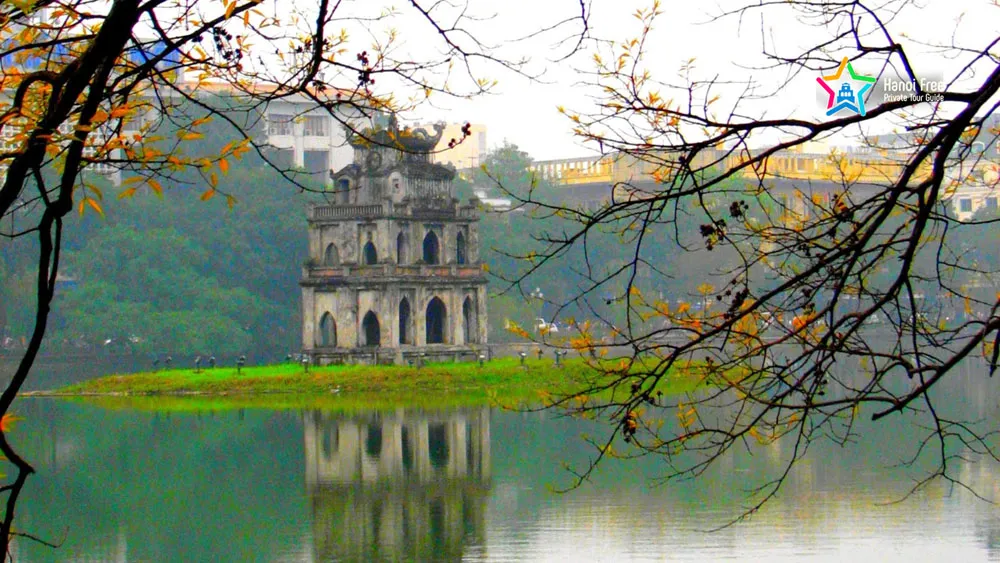
Flying from Phnom Penh to Hanoi marks the transition into Vietnam and introduces a new cultural rhythm. Hanoi feels more traditional and reserved compared to Bangkok or Phnom Penh, with strong influences from Confucian philosophy and French colonial heritage. After arrival, a walk around Hoan Kiem Lake allows you to observe daily routines such as tai chi, street performances, and social gatherings. This slow introduction creates a calm first impression.
In the evening, explore the Old Quarter, where narrow streets, colonial buildings, and street food stalls define Hanoi’s identity. Traditional dishes like pho and bun cha reflect northern Vietnamese culinary culture. The atmosphere feels nostalgic and layered, as history blends seamlessly with everyday life. Hanoi becomes the cultural anchor of your Vietnam experience.
Day 7 – Hanoi: History, Education & Old Quarter Life
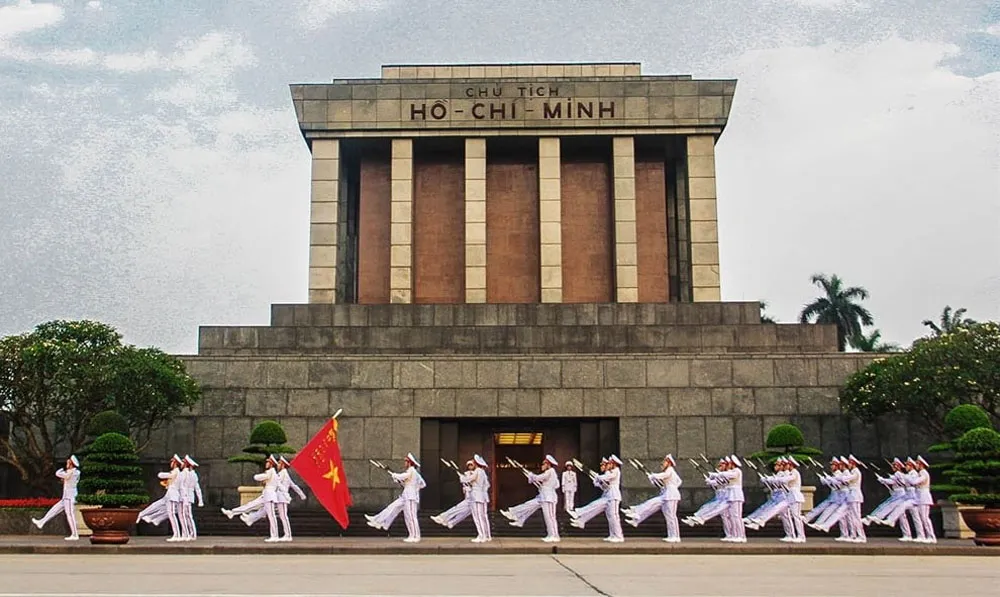
Begin the day by visiting the Ho Chi Minh Mausoleum and Presidential Palace, which represent Vietnam’s modern political identity and revolutionary history. These sites provide essential context for understanding national values and leadership culture. The surrounding gardens and colonial architecture reflect the country’s historical influences. This experience deepens your understanding beyond tourist attractions.
In the afternoon, visit the Temple of Literature, Vietnam’s first university, which highlights the long-standing respect for education and intellectual traditions. Later, wandering through the Old Quarter allows you to observe street vendors, coffee culture, and daily routines. This part of the day feels immersive, as Hanoi reveals itself through ordinary life. Evening cultural performances add emotional depth to the experience.
Day 8 – Hanoi – Ha Long Bay: Coastal Scenery & Limestone Landscapes
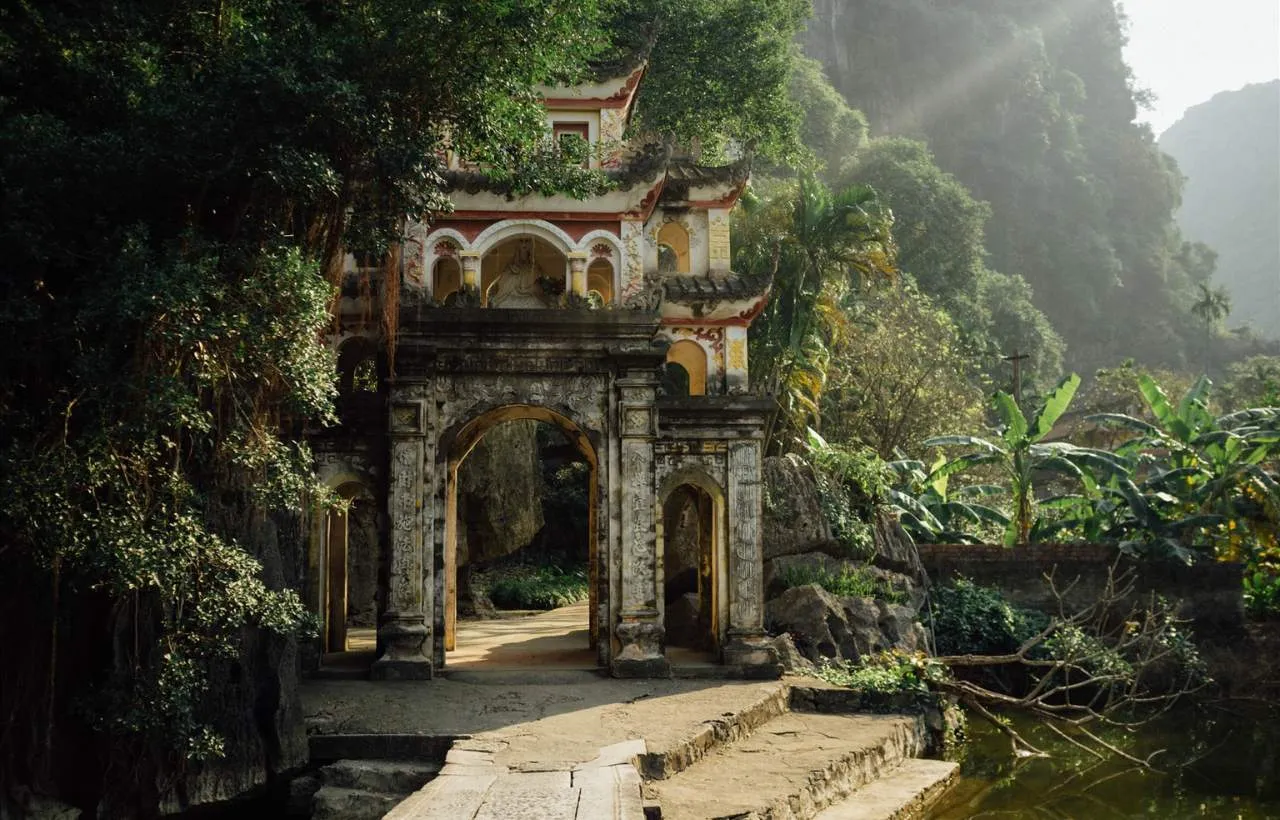
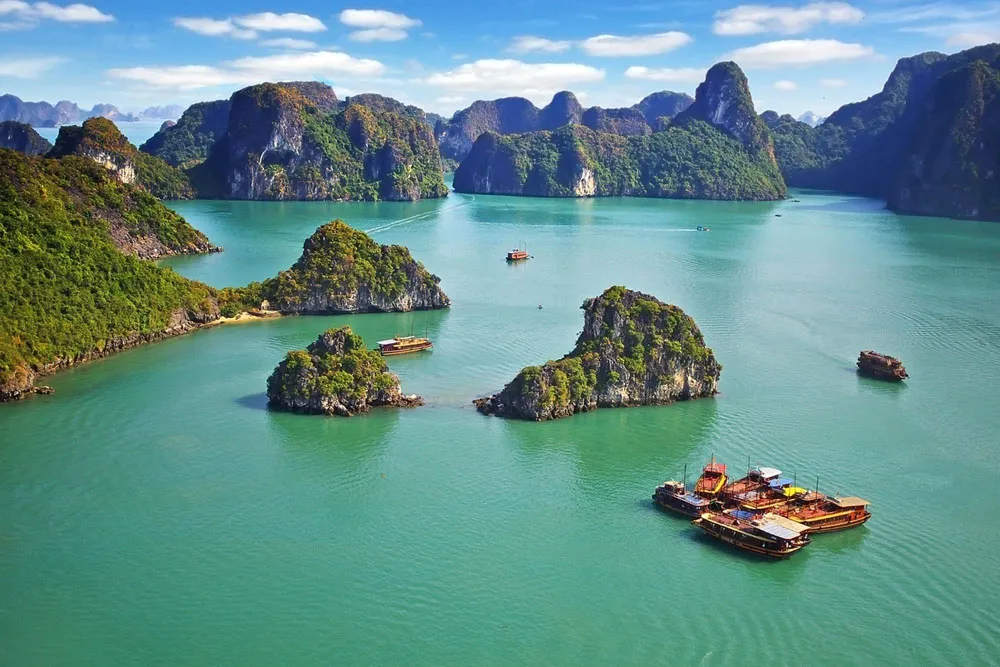
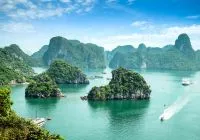
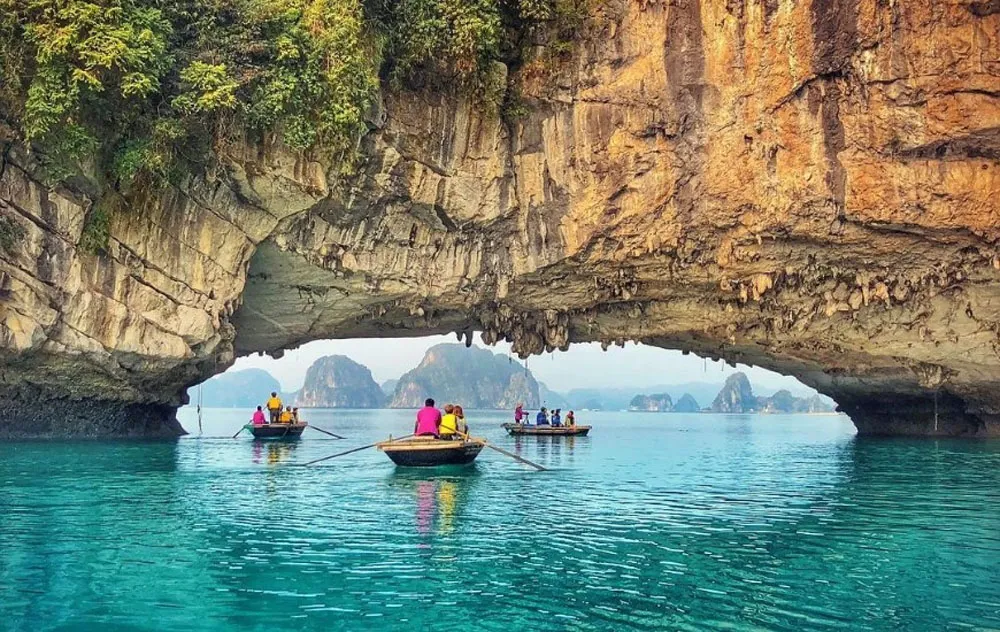
Leaving Hanoi, you travel toward Ha Long Bay, where urban landscapes slowly transform into coastal scenery. Upon boarding the cruise, limestone islands emerge from emerald waters, creating one of Vietnam’s most iconic natural views. Lunch on board allows you to enjoy the scenery while sailing through the bay. The atmosphere feels calm and detached from city life.
In the afternoon, kayaking and cave exploration bring you closer to the bay’s natural formations. These activities emphasize observation and relaxation rather than constant movement. As sunset arrives, the bay becomes softer and more atmospheric. Dinner on the cruise completes a peaceful and scenic day.
Day 9 – Ha Long Bay – Hanoi: Sunrise & Return
Waking up in Ha Long Bay offers a rare moment of silence, as mist drifts between limestone cliffs and the water remains still. Morning tai chi on deck enhances the tranquil atmosphere. After breakfast, the cruise continues through quieter sections of the bay. This slow pace allows final appreciation of the scenery.
Returning to Hanoi, the city feels familiar yet different after time at sea. The afternoon remains flexible for shopping or spa visits. This balance between nature and urban life refreshes your energy. Hanoi now feels like a comfortable cultural base.
Day 10 – Hanoi – Ho Chi Minh City: North to South Contrast
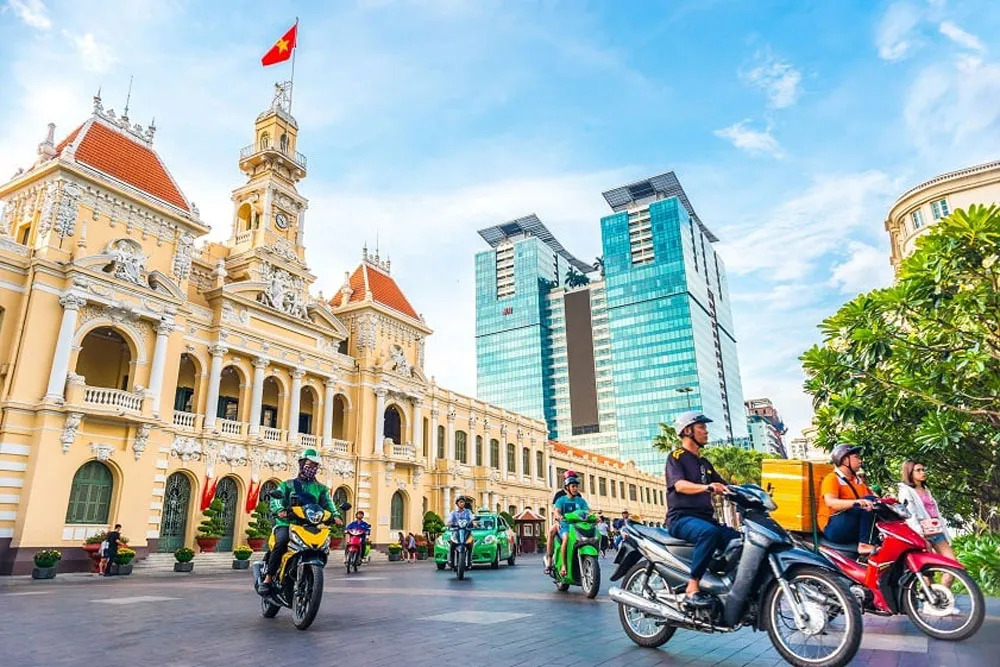
Flying to Ho Chi Minh City introduces a dramatic contrast between northern and southern Vietnam. The city feels dynamic, commercial, and modern, with wide boulevards and lively traffic. Visiting central districts reveals French colonial architecture and contemporary urban life. This shift highlights Vietnam’s regional diversity.
In the evening, rooftop cafés and street food stalls create a vibrant atmosphere. Southern dishes like banh mi and com tam reflect local tastes. The lifestyle feels more open and fast-paced. Ho Chi Minh City adds a youthful dimension to the journey.
Day 11 – Ho Chi Minh City: War History & Urban Culture
The day begins at the War Remnants Museum, offering insight into Vietnam’s recent history through emotional narratives. Visiting the Reunification Palace continues this historical theme. These sites deepen your understanding of Vietnam’s modern identity. They also highlight the country’s resilience.
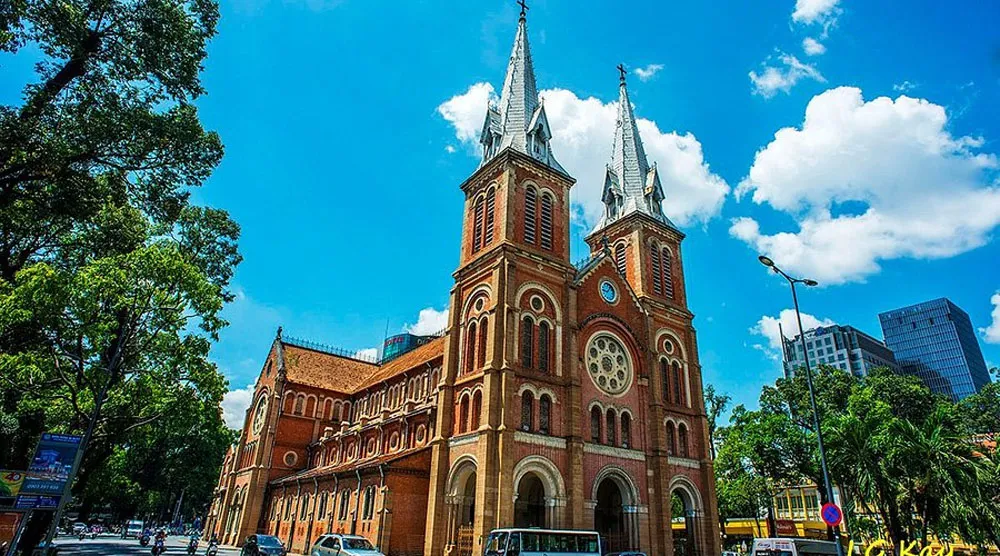
In the afternoon, explore Notre Dame Cathedral and Central Post Office, which showcase French colonial heritage. Walking through nearby streets reveals cafés, bookstores, and galleries. The city feels creative and energetic. This combination of history and modern life defines Ho Chi Minh City.
Day 12 – Mekong Delta: Rivers & Rural Life
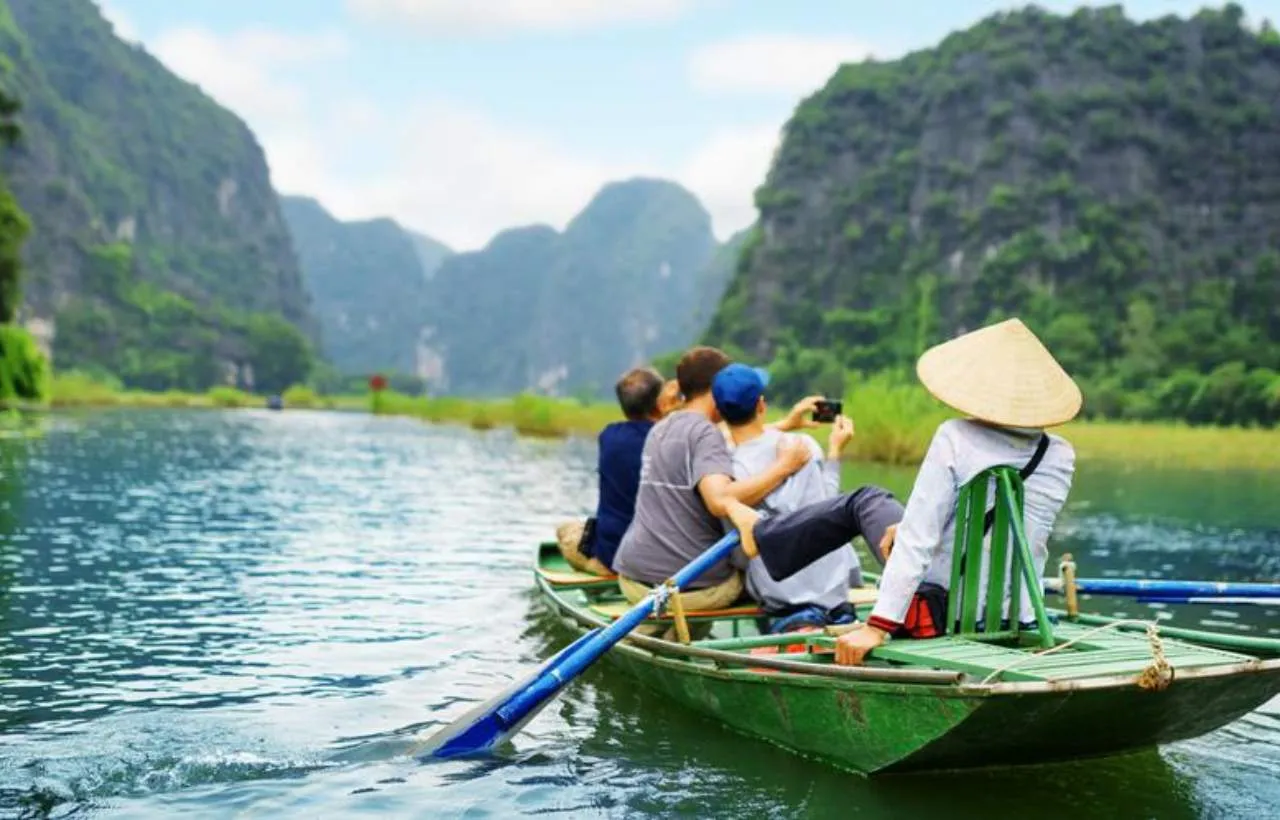
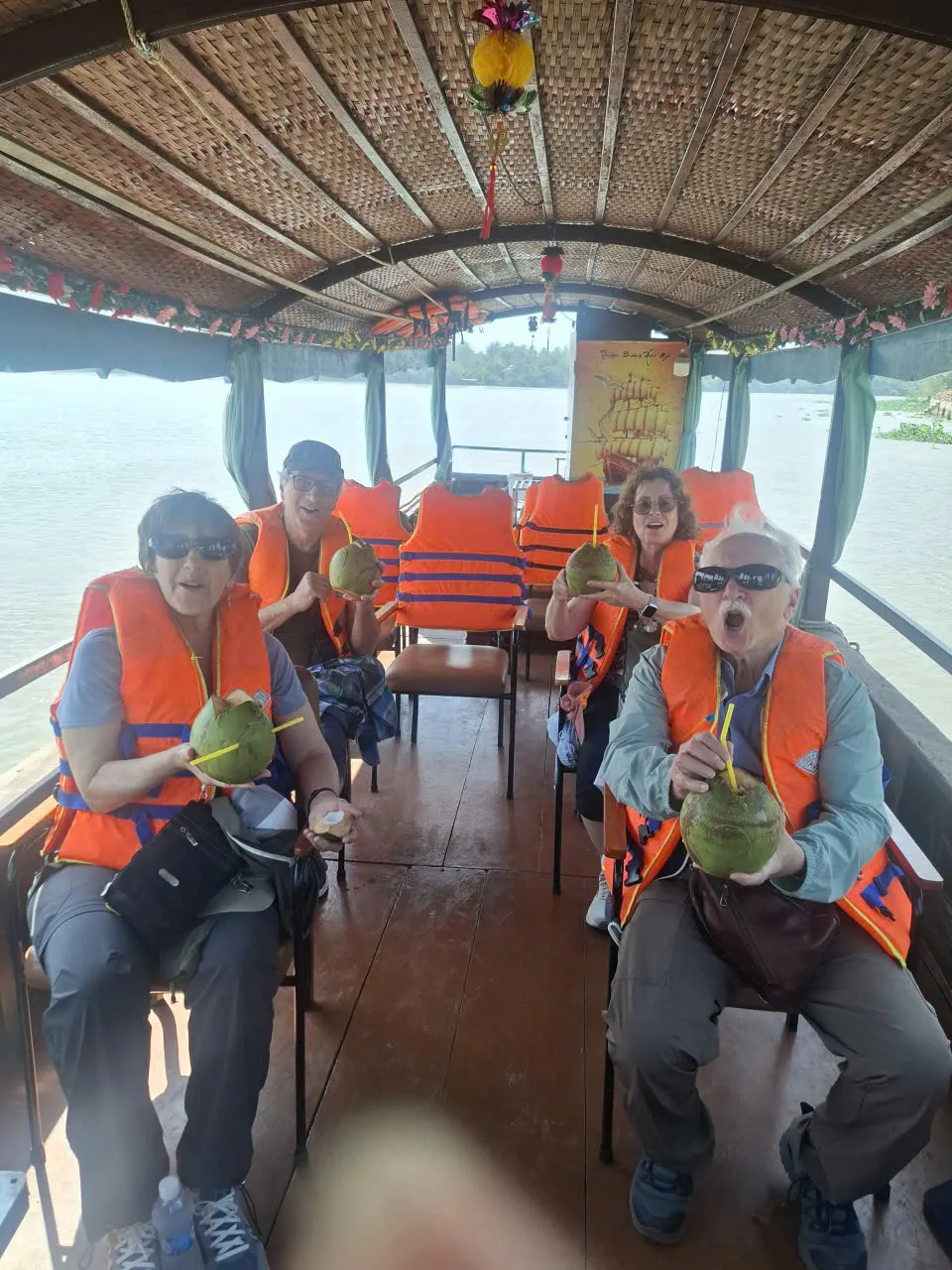
Travel to the Mekong Delta, where rivers shape every aspect of daily life. Boat rides through canals reveal floating markets and village communities. This environment contrasts sharply with urban centers. It highlights Vietnam’s agricultural foundations.
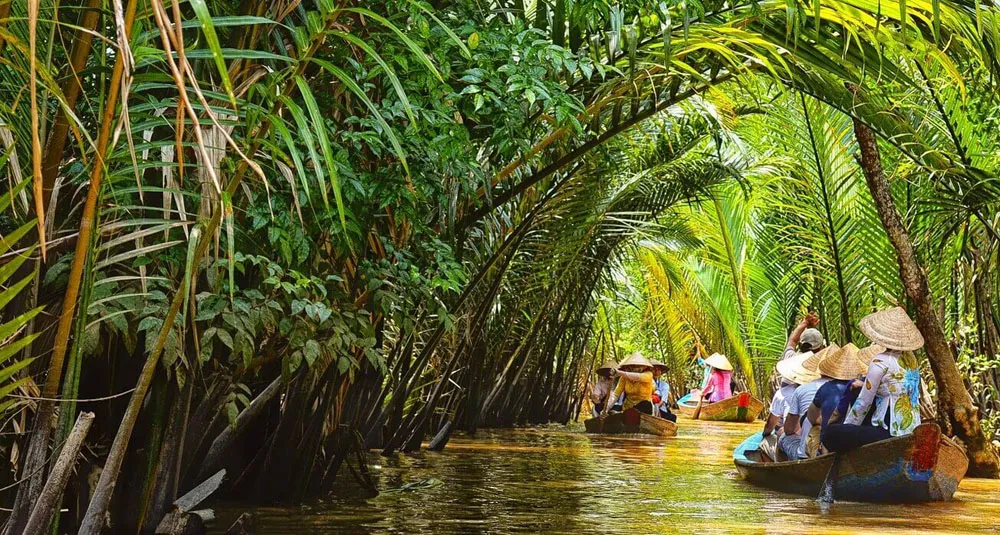
Visiting fruit farms and family workshops provides insight into traditional livelihoods. Local interactions feel personal and authentic. The delta emphasizes simplicity and community. This rural perspective completes your Vietnam experience.
Day 13 – Ho Chi Minh City: Leisure & Reflection
Return to Ho Chi Minh City for a relaxed day. Enjoy shopping, cafés, or spa treatments. The slower pace allows reflection. The city now feels familiar and comfortable.
Day 14 – Departure
Your final day marks the end of a journey across Thailand, Cambodia, and Vietnam. Reflecting on Bangkok’s temples, Angkor’s ruins, Hanoi’s heritage, and Ha Long Bay’s scenery creates a connected travel story. The itinerary offers cultural depth beyond landmarks. It leaves lasting emotional impressions.
Travel Tips
-
Plan flights early to ensure smooth cross-border connections.
-
Pack light layers for changing climates.
-
Mix cultural days with nature-focused days to avoid burnout.
-
Choose centrally located hotels for easier exploration.
-
Allow free time for spontaneous local experiences.
This Thailand Cambodia Vietnam itinerary 14 days offers a balanced and immersive introduction to Southeast Asia, combining cultural heritage, natural landscapes, and authentic local life into one coherent journey. From royal temples and ancient civilizations to modern cities and peaceful river villages, each destination contributes a unique chapter to your travel story.
Want to turn this itinerary into a personalized experience? CAT – Custom Asia Travel designs tailor-made journeys across Southeast Asia, with private guides, curated activities, and flexible pacing based on your travel style. Contact CAT today to start planning your customized Thailand, Cambodia, and Vietnam adventure.


 View trip map