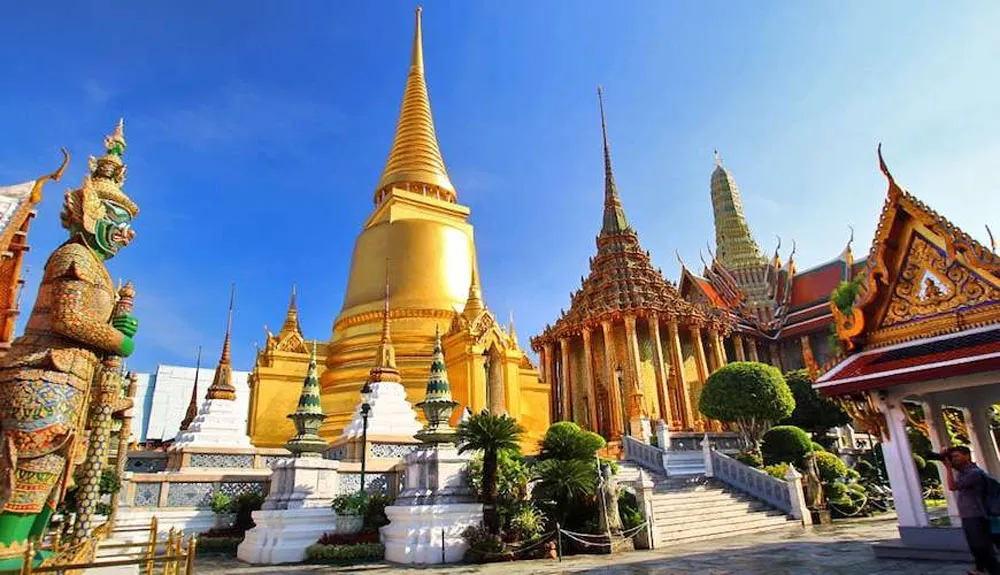
Day 1 – Bangkok, Thailand: First Impressions & Urban Energy
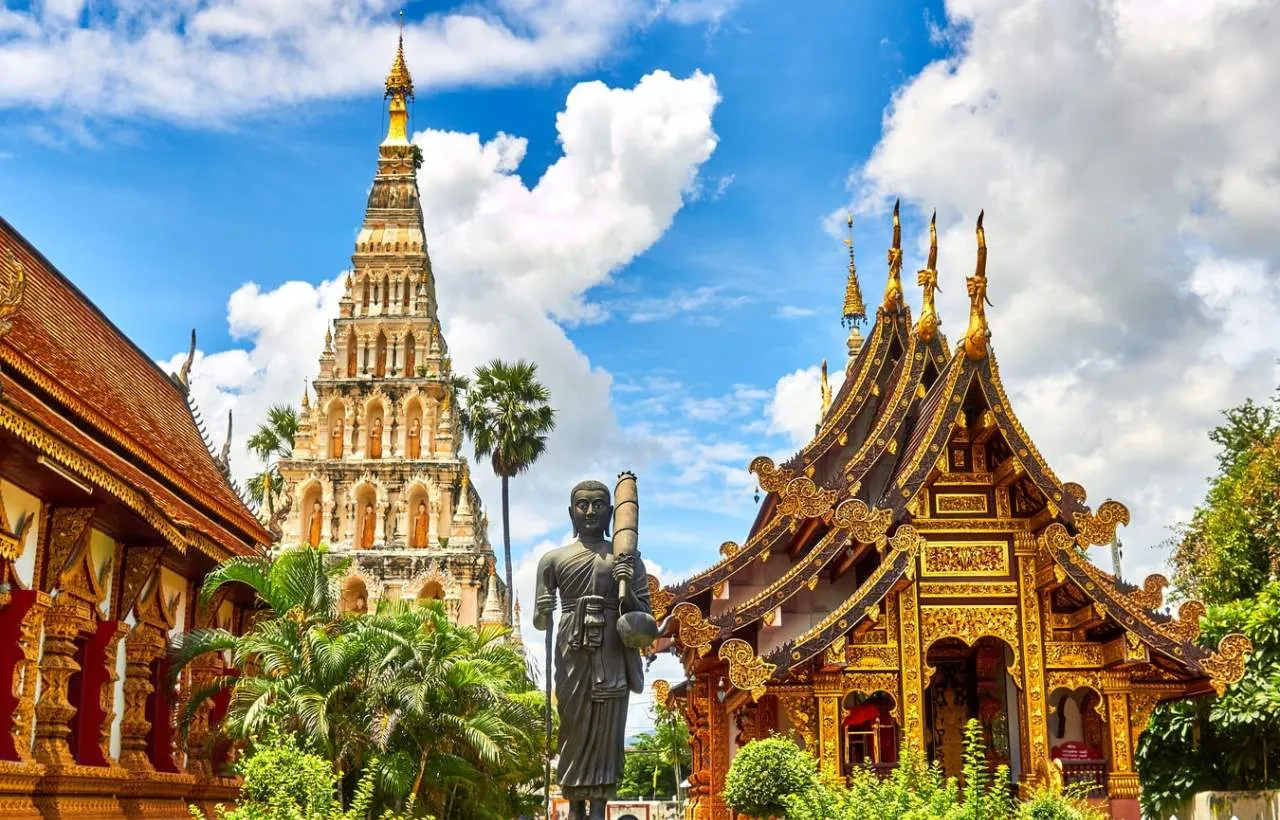
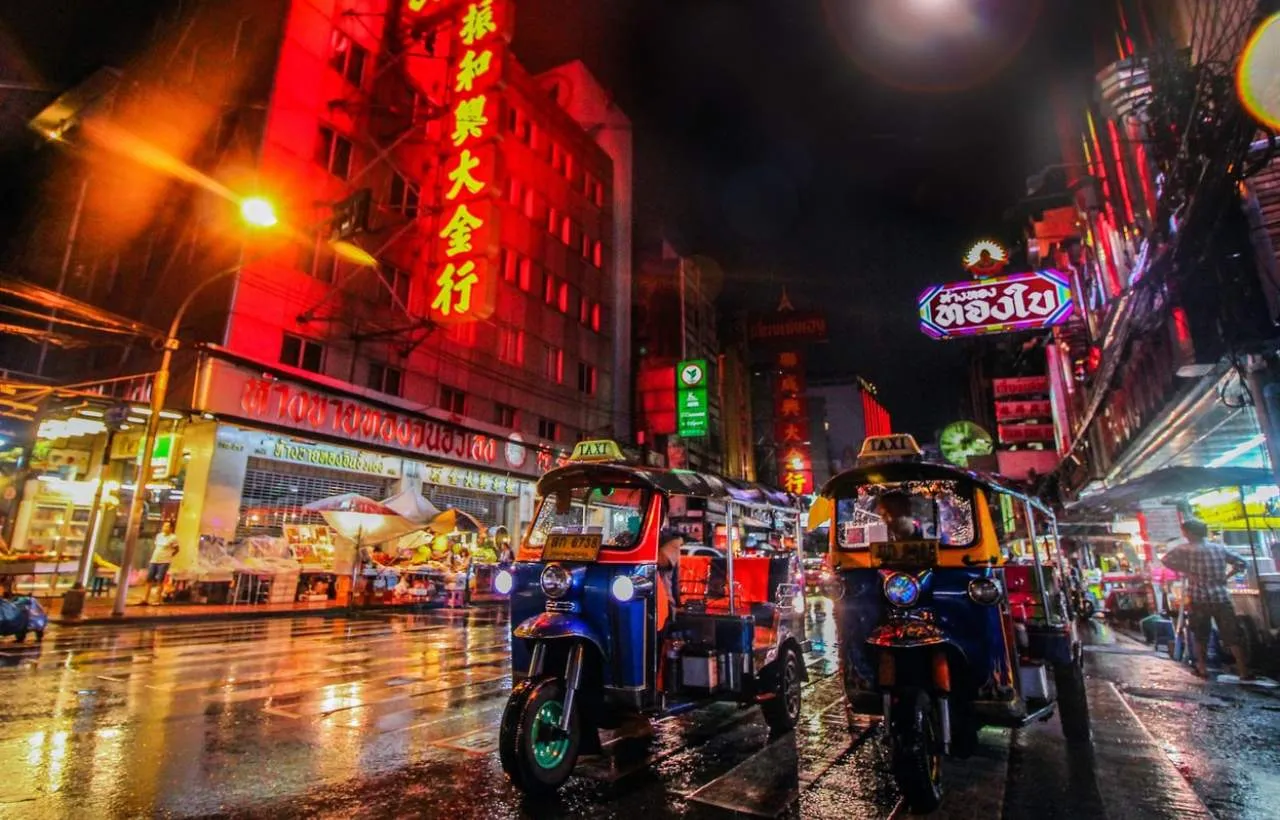
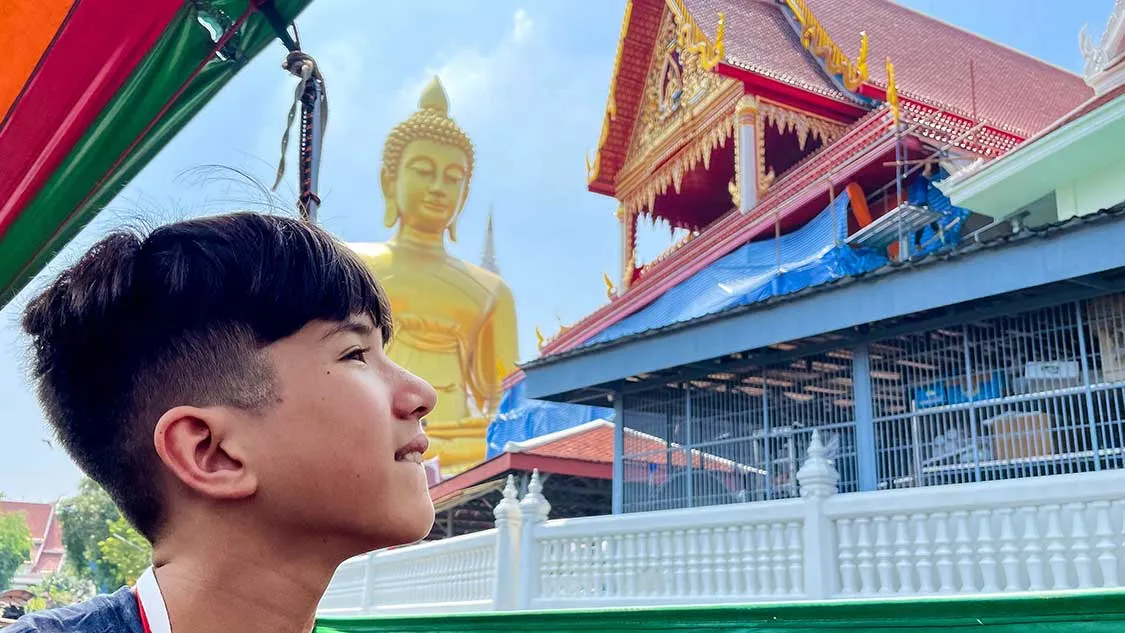
Arriving in Bangkok, you are immediately introduced to the dynamic atmosphere of Thailand’s capital, where skyscrapers stand next to golden temples and traditional markets. Begin with a gentle walk around the city center, especially along the Chao Phraya River, where ferries, street vendors, and riverside communities show how water still plays an important role in daily life. Visiting Wat Pho, home of the famous Reclining Buddha, offers your first encounter with Thai spiritual culture and Buddhist symbolism.
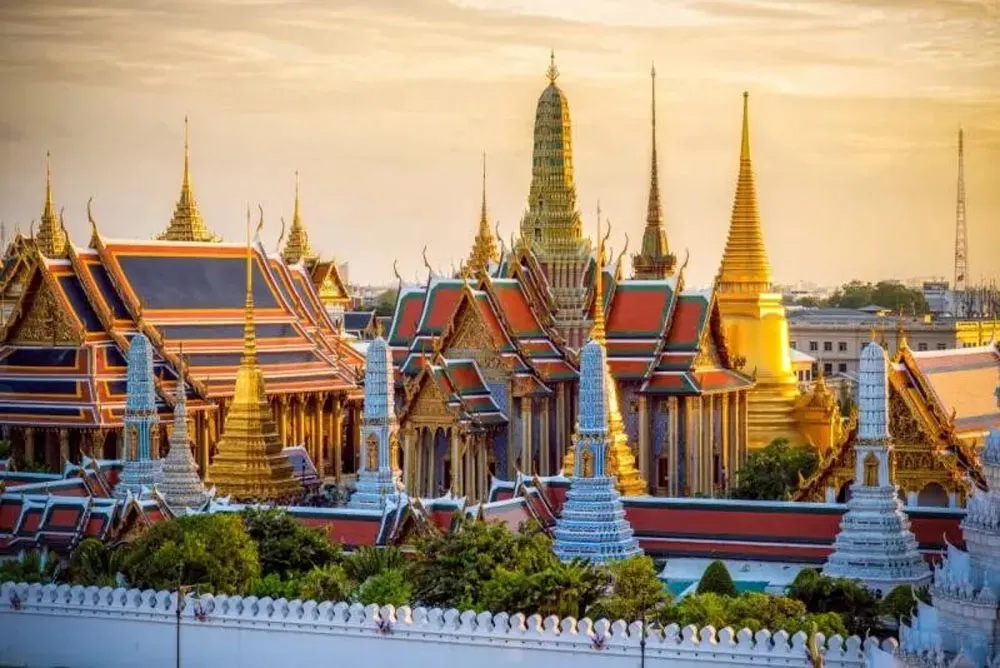
In the afternoon, continue to the Grand Palace and Wat Phra Kaew, which represent the spiritual and political heart of Thailand. The detailed architecture and royal history provide strong cultural context for the rest of your journey. In the evening, explore Bangkok street food areas or enjoy a view from rooftop bars, where modern city life contrasts with traditional heritage.
Day 2 – Bangkok: Temples, Canals & Local Life
The second day in Bangkok focuses on discovering a slower and more local side of the city. Start with a boat ride through the canals (khlongs), where wooden houses, floating shops, and riverside temples reflect traditional lifestyles. This experience shows how many residents still live close to the water despite rapid urban development.
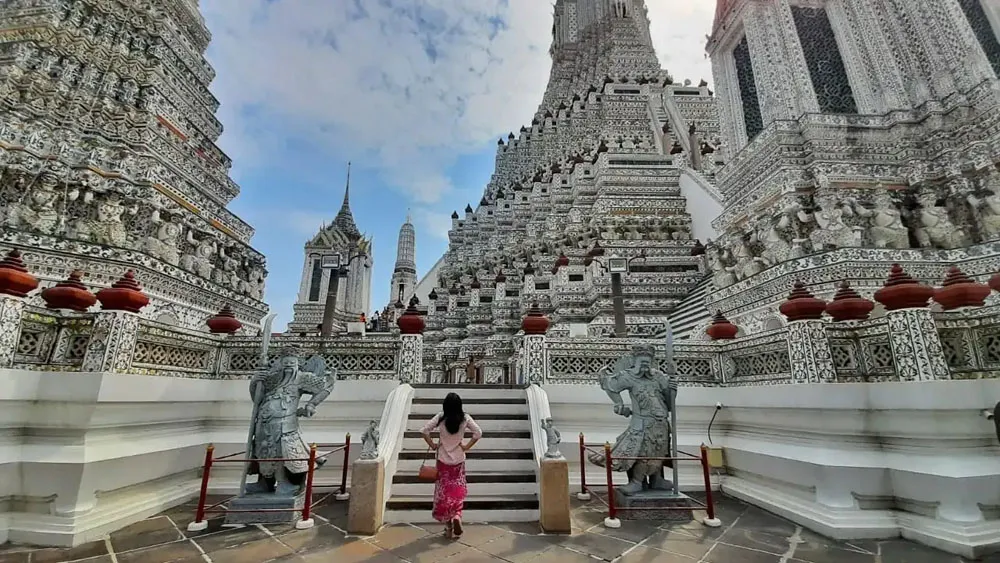
Later, visit Wat Arun, also known as the Temple of Dawn, where the riverside setting creates a peaceful atmosphere away from traffic. In the afternoon, explore local markets such as Chatuchak Market, observing how people shop, eat, and socialize. Ending the day with a traditional Thai massage adds a relaxing cultural element to your Bangkok experience.
Day 3 – Bangkok – Siem Reap, Cambodia: Gateway to Angkor
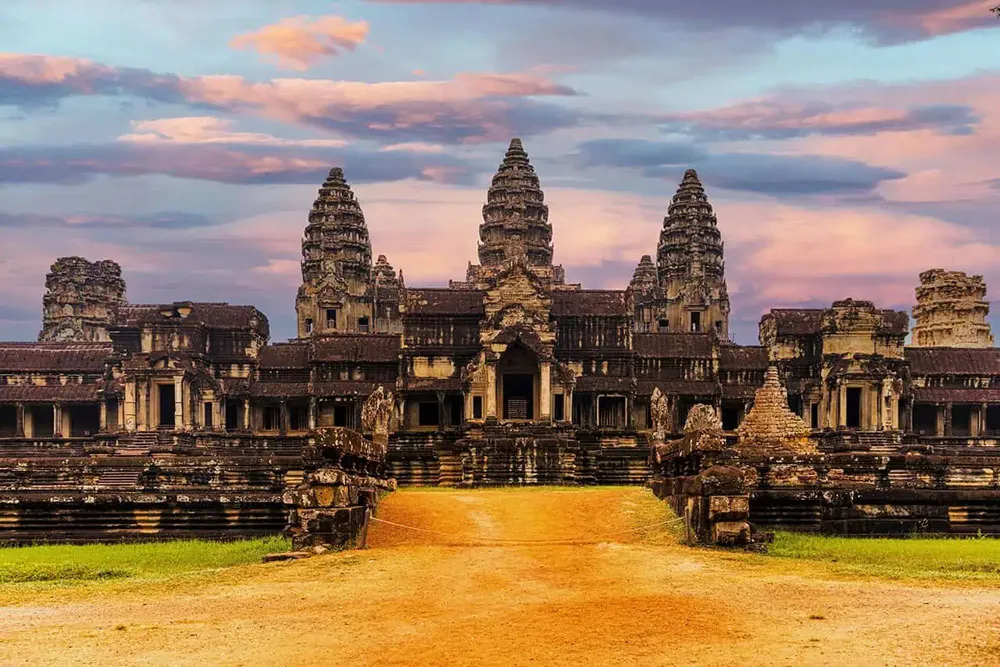
Travel from Bangkok to Siem Reap, marking your entry into Cambodia and a shift toward ancient history. Compared to Bangkok, Siem Reap feels quieter and more focused on cultural heritage. The town serves as the main gateway to the legendary Angkor temple complex, one of the most important archaeological sites in Asia.
In the afternoon, begin with temples such as Ta Prohm or Preah Khan, where massive tree roots grow over stone ruins. These places create a powerful visual impression and symbolize the passage of time. In the evening, explore Siem Reap Old Market and enjoy Cambodian local cuisine, which introduces new flavors and cultural traditions.
Day 4 – Angkor Temples: Ancient Khmer Civilization
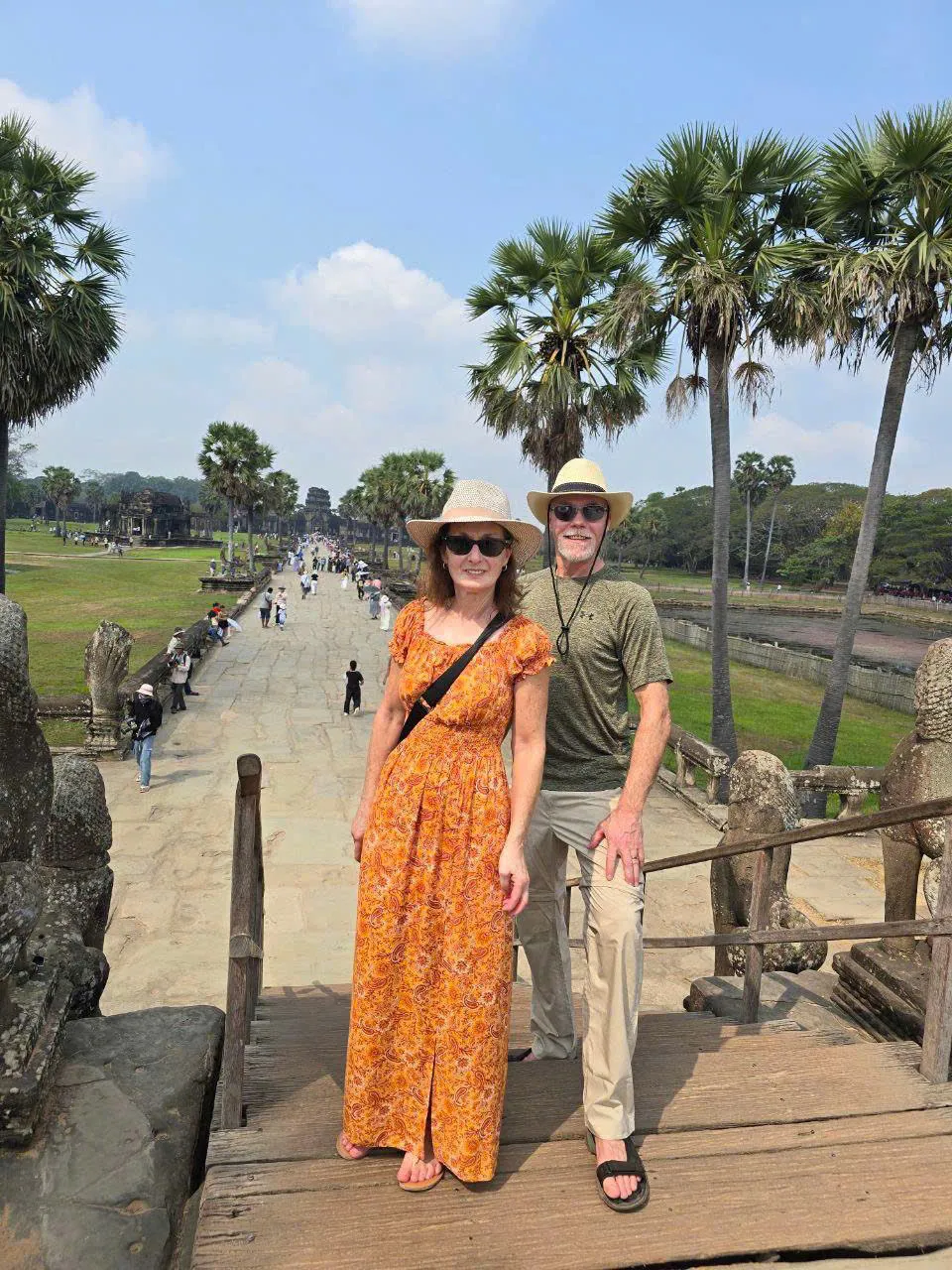
This day is dedicated to exploring Angkor Archaeological Park, the heart of Cambodian history. Start early at Angkor Wat, the largest religious monument in the world, where sunrise creates a magical atmosphere over the temple towers. The carvings and layout reflect deep spiritual beliefs and royal power of the Khmer Empire.
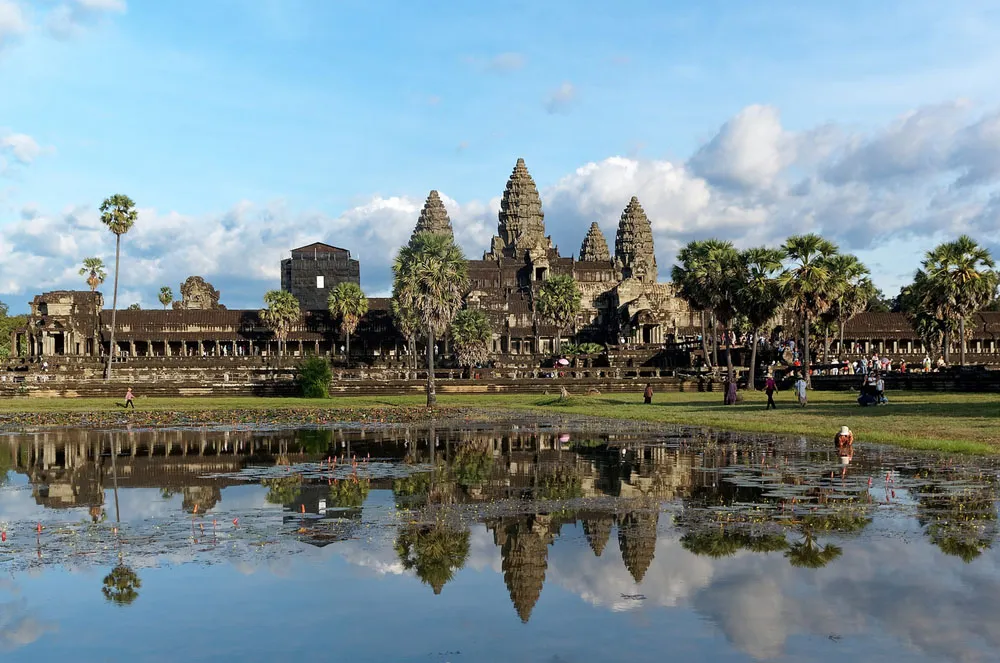
Continue to Angkor Thom and the Bayon Temple, famous for its smiling stone faces that represent compassion and balance. In the afternoon, visit quieter temples hidden in the forest, where silence and ruins create a reflective experience. This day offers both historical knowledge and emotional depth.
Day 5 – Phnom Penh: Cambodia’s Past & Present
Travel to Phnom Penh, the capital of Cambodia, where colonial architecture and modern development mix with complex historical memory. Visit the Royal Palace and Silver Pagoda, which represent Cambodia’s royal heritage and artistic traditions. These landmarks reflect cultural continuity and national identity.
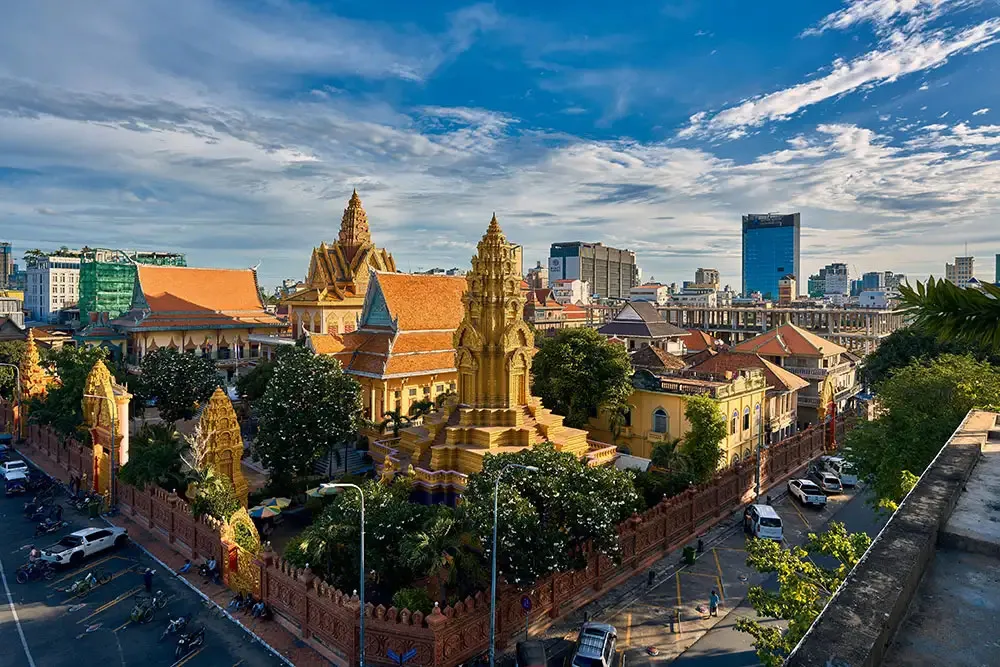
In contrast, visiting the Tuol Sleng Genocide Museum and Killing Fields introduces the tragic history of the Khmer Rouge period. Although emotionally intense, these sites help you understand the resilience of Cambodian society. An evening walk along the Mekong River provides time for reflection.
Day 6 – Phnom Penh – Hanoi, Vietnam: Cultural Transition
Fly from Phnom Penh to Hanoi, the capital of Vietnam, where the atmosphere feels more traditional and calm. Walk around Hoan Kiem Lake, where locals practice tai chi, chat with friends, and relax after work. This setting gives a peaceful introduction to Vietnamese daily life.
In the evening, explore the Hanoi Old Quarter, where narrow streets and colonial buildings create a nostalgic urban landscape. Trying pho and bun cha allows you to connect with Vietnamese food culture, which plays a central role in social life.
Day 7 – Hanoi: History & Education
Visit the Ho Chi Minh Mausoleum and Presidential Palace, which represent Vietnam’s political history and revolutionary identity. These sites provide essential context for understanding modern Vietnam. The surrounding gardens and architecture show strong French influence.
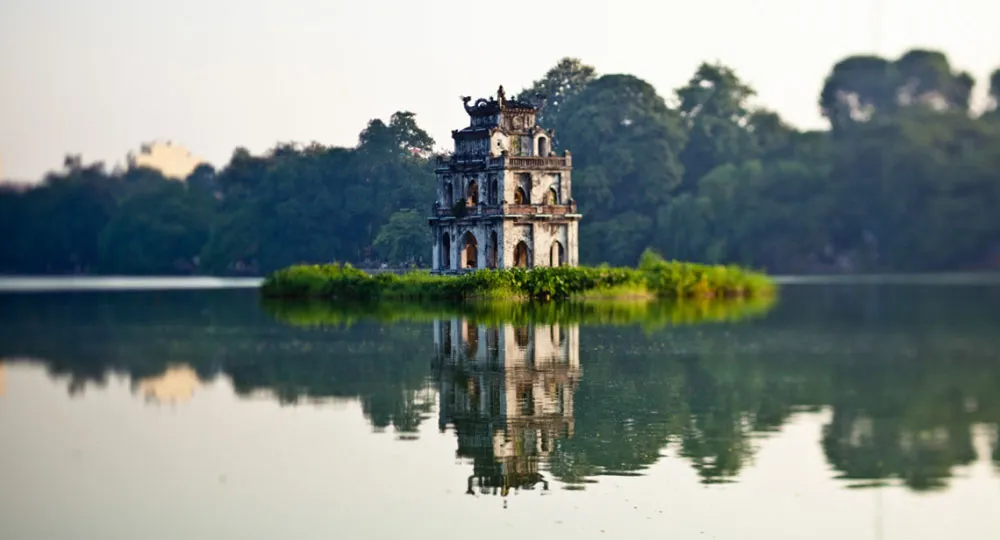
In the afternoon, explore the Temple of Literature, Vietnam’s first university, reflecting Confucian values and respect for education. Walking through the Old Quarter later reveals street vendors, cafés, and everyday urban routines that define Hanoi’s cultural character.
Day 8 – Ha Long Bay: Limestone Islands & Cruise Experience
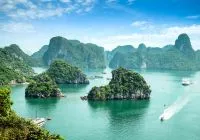
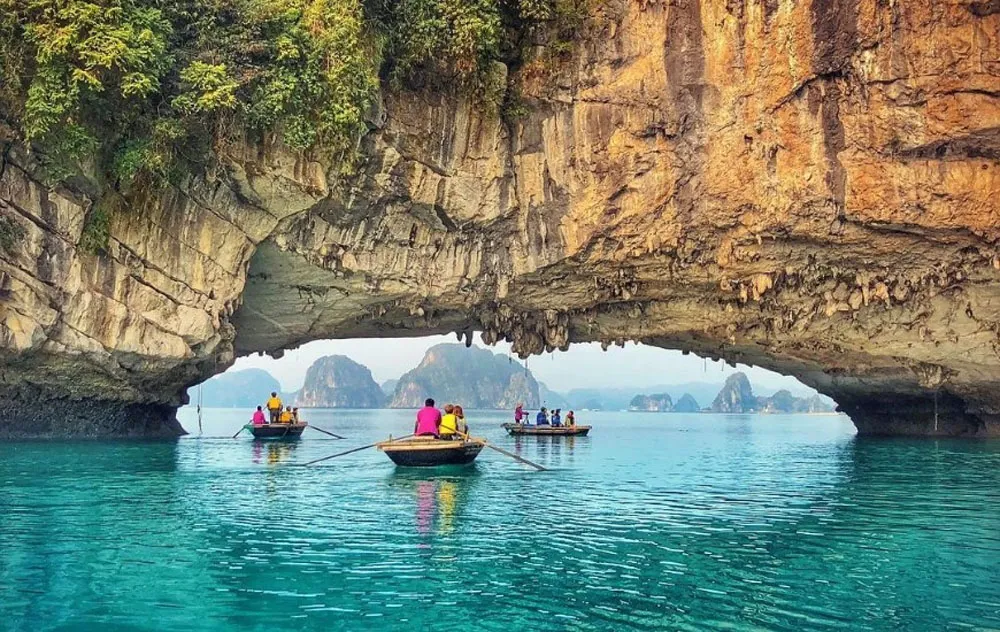
Your journey from Hanoi leads you to Ha Long Bay, a UNESCO World Heritage Site famous for its dramatic limestone karsts rising from emerald waters. Boarding a cruise boat allows you to move slowly through the bay, passing floating villages, hidden caves, and quiet coves that showcase the raw natural beauty of northern Vietnam. The calm atmosphere of the sea creates a strong contrast with the busy energy of the city, making this day feel especially relaxing and refreshing.
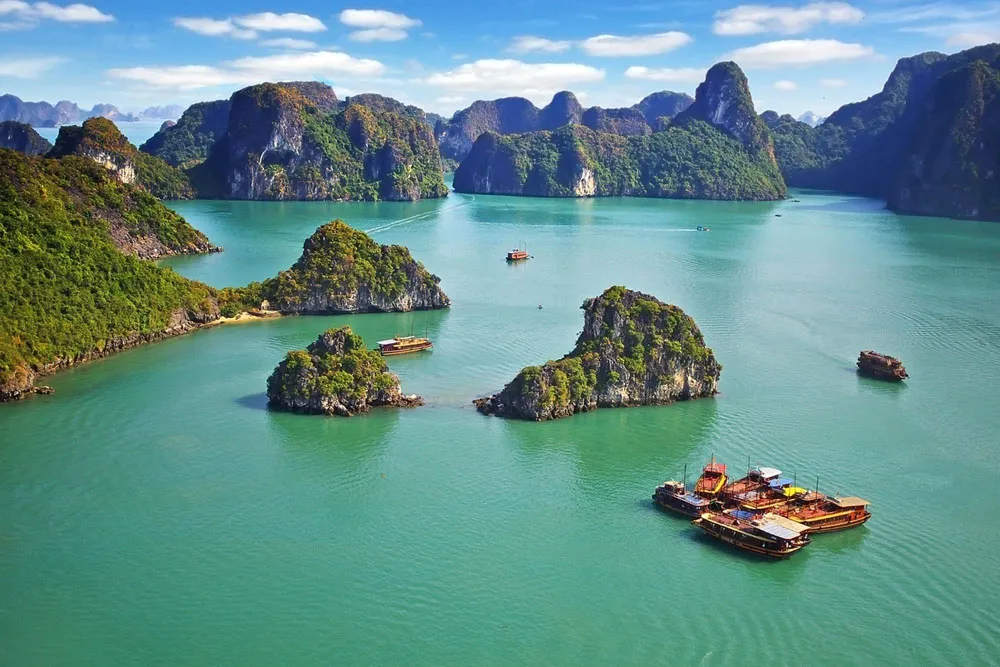
Throughout the day, you can enjoy activities such as kayaking, cave exploration, and relaxing on the deck while watching the scenery change with the light. These moments encourage you to slow down and fully appreciate the surrounding landscape, turning the cruise into a reflective travel experience. Ha Long Bay represents one of the most iconic natural highlights of the entire itinerary.
Day 9 – Ho Chi Minh City: War History & Urban Life
Arriving in Ho Chi Minh City, you immediately experience a shift in atmosphere from peaceful nature to vibrant urban energy. Begin with a visit to the War Remnants Museum, where exhibitions and photographs provide powerful insight into the Vietnam War and its long-term impact on Vietnamese society. This experience helps deepen your understanding of the country’s modern history and emotional resilience.
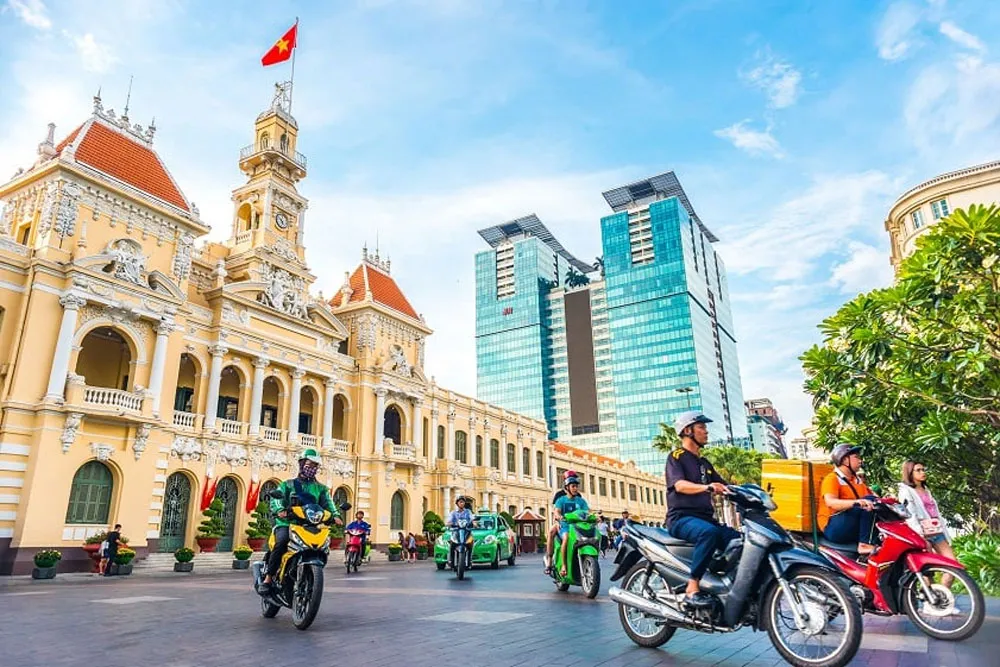
In the afternoon, explore landmarks such as Notre Dame Cathedral, Central Post Office, and Ben Thanh Market, which reflect the city’s blend of colonial architecture and contemporary lifestyle. Walking through crowded streets filled with cafés, street food stalls, and motorbikes allows you to witness everyday urban life in southern Vietnam. This day focuses on historical reflection, city exploration, and cultural contrasts.
Day 10 – Mekong Delta: Floating Markets & Rural Culture
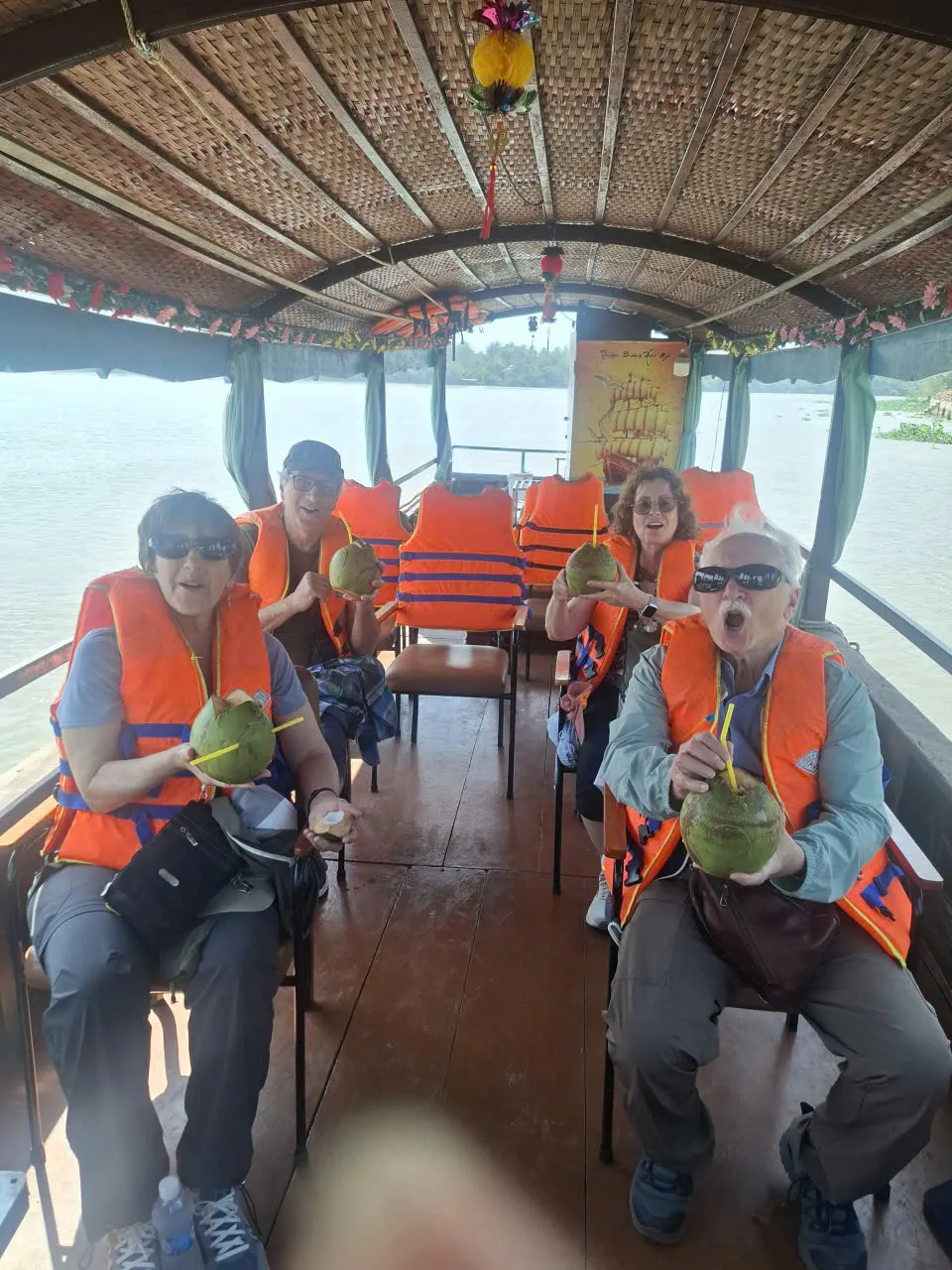
Leave the city behind and travel to the Mekong Delta, often referred to as the agricultural heart of Vietnam. Taking a boat tour through canals and rivers introduces you to a water-based lifestyle where transportation and trade depend heavily on natural waterways. Visiting floating markets offers a unique opportunity to observe local vendors selling fruits and goods directly from their boats.
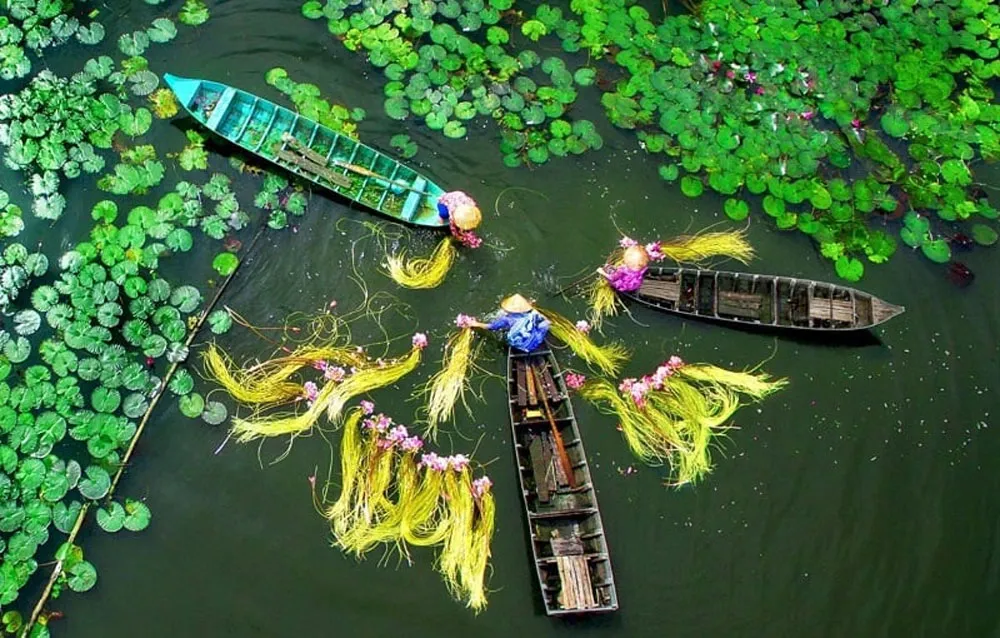
Later, explore rural villages, coconut farms, and traditional houses to understand daily life in the countryside. Interacting with local families provides insight into farming traditions and community values that have been passed down for generations. This day highlights slow travel, local interaction, and cultural authenticity.
Day 11 – Hoi An: Ancient Town & Lantern Nights
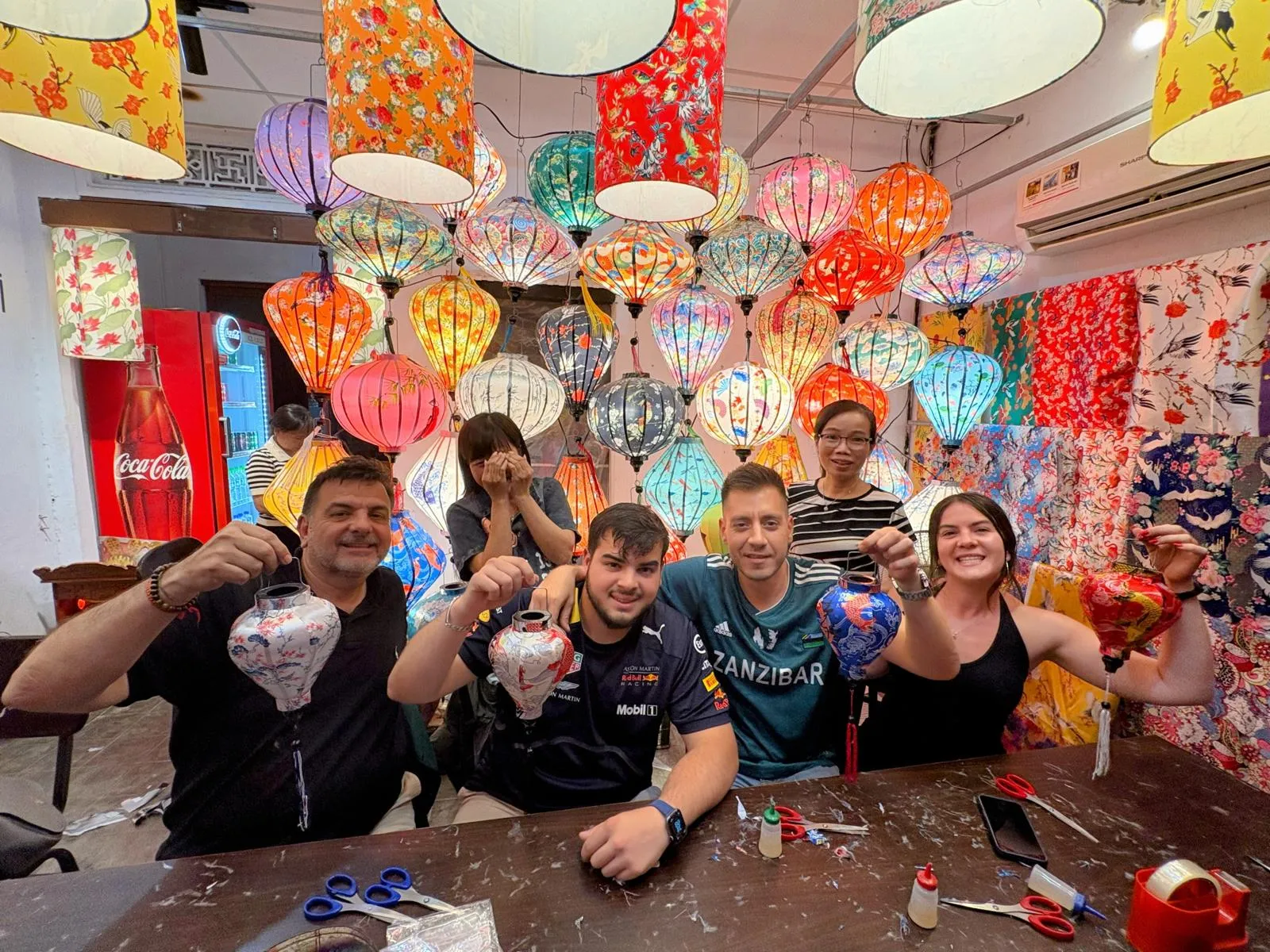
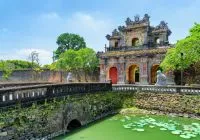
Travel to Hoi An, one of the most well-preserved historical towns in Vietnam, known for its charming Ancient Town. Begin with a walking tour through Japanese Covered Bridge, Chinese Assembly Halls, and old merchant houses that reflect the town’s multicultural trading past. The peaceful atmosphere makes it easy to explore at a relaxed pace and absorb the historical character of the town.
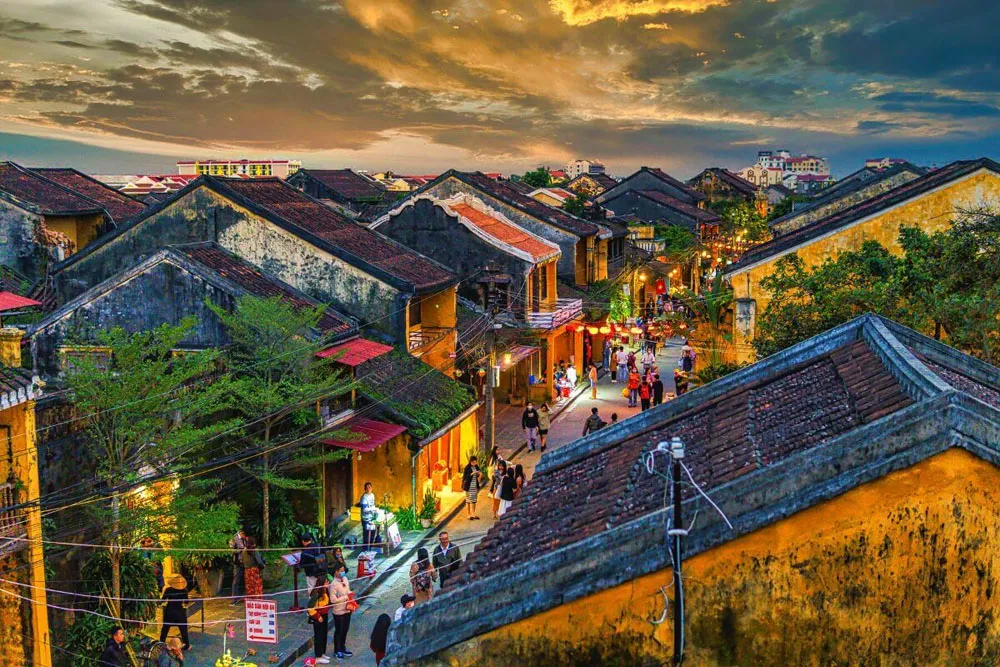
In the evening, enjoy the magical scene of lantern boats on the Thu Bon River, where colorful lights reflect on the water and create a romantic setting. This visual experience is often considered one of the most emotional moments of traveling in Vietnam. Hoi An offers a perfect balance between heritage exploration and aesthetic experiences.
Day 12 – Hoi An: Cooking Class & Countryside Cycling
This day focuses on hands-on cultural experiences, starting with a Vietnamese cooking class. Visiting a local market with a guide helps you learn about fresh ingredients before preparing traditional dishes such as pho, spring rolls, or banh xeo. Cooking and eating with local hosts allows you to connect with Vietnamese culture through everyday practices.
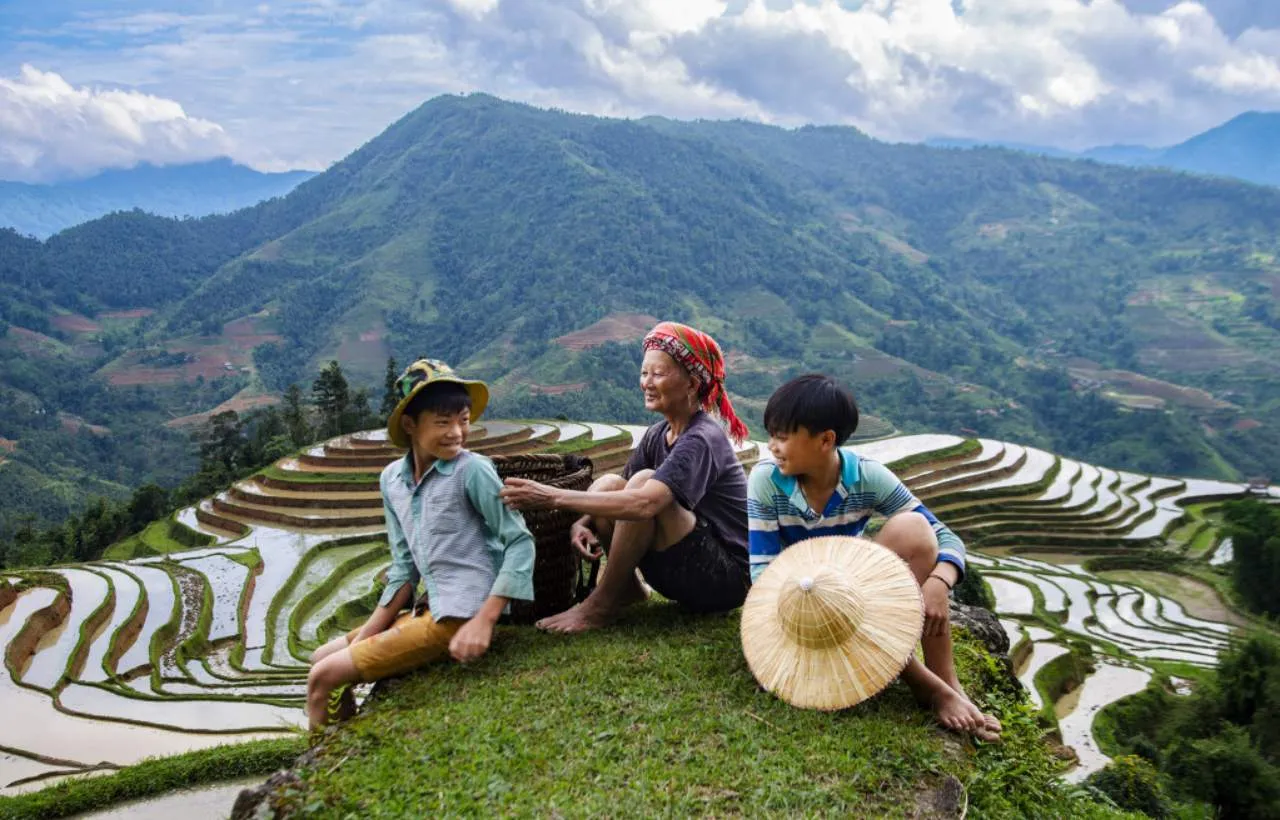
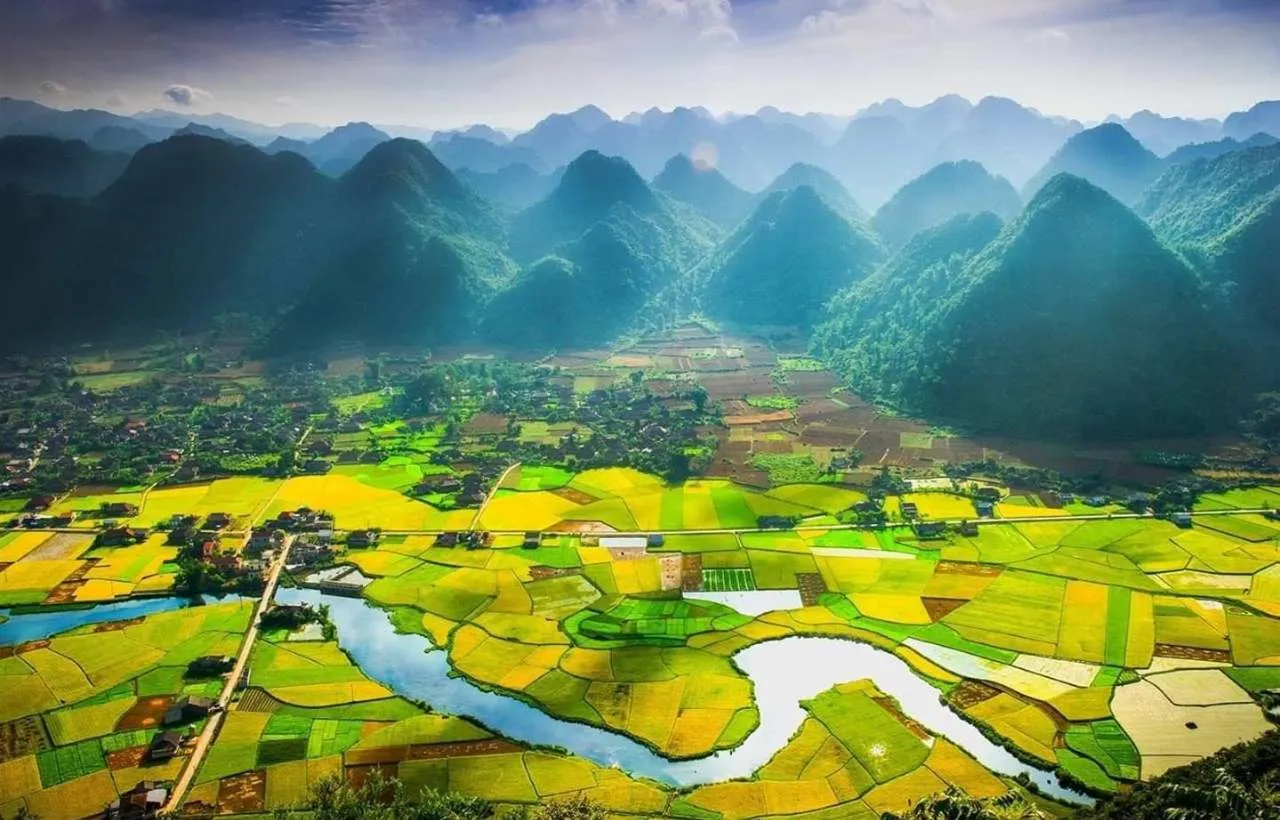
Later, take a cycling tour through the countryside, passing rice fields, rivers, and small villages surrounding Hoi An. Observing rural life and interacting with local residents offers a deeper perspective on traditional farming methods and community life. This day emphasizes culinary discovery, cultural immersion, and experiential learning.
Day 13 – Siem Reap: Khmer Arts & Living Traditions
Begin your day at the APOPO Visitor Center, where trained detection rats are used to locate landmines left from past conflicts. The visit offers a powerful introduction to Cambodia’s post-war recovery and ongoing humanitarian efforts. It provides contemporary context that complements the historical depth of Angkor without repeating temple visits. You gain a clearer understanding of how resilience and innovation shape modern Cambodian society. This experience adds emotional and social perspective to your journey.

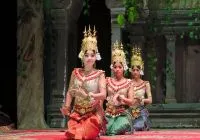
In the afternoon, visit Artisans Angkor to observe traditional Khmer craftsmanship such as stone carving, silk weaving, and wood sculpture. The workshops demonstrate how ancient techniques are preserved while creating sustainable employment for local communities. Later, explore the surrounding countryside by bicycle or jeep, passing rice fields, palm sugar farms, and stilt houses that reflect rural life. In the evening, attend a performance at Phare, The Cambodian Circus, where acrobatics, theater, and music combine to tell contemporary Cambodian stories. This artistic performance provides a meaningful cultural conclusion to the day.
Day 14 – Siem Reap: Tonle Sap Ecology & Culinary Immersion
Start the morning with a visit to Tonle Sap Lake, the largest freshwater lake in Southeast Asia and a vital ecological system for Cambodia. Travel to a less commercial village such as Kampong Khleang to observe authentic daily life. Elevated stilt houses, fishing boats, and floating schools illustrate how communities adapt to dramatic seasonal water changes. The landscape reveals a deep relationship between nature and livelihood. This experience contrasts beautifully with the monumental architecture seen earlier in the trip.
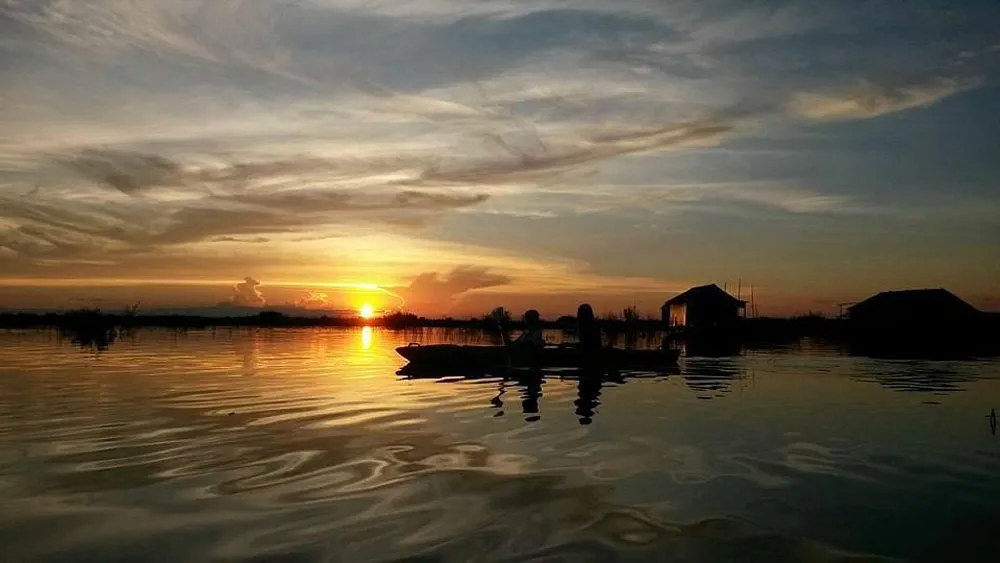
In the afternoon, return to Siem Reap for a Khmer cooking class that begins with a guided visit to a local market. Learning about regional herbs, spices, and fresh produce provides insight into Cambodian food traditions. Under the guidance of a local chef, prepare dishes such as Fish Amok, Lok Lak, or Khmer curry. Cooking and dining together creates a relaxed yet immersive cultural exchange. Conclude the journey with a farewell dinner, reflecting on a two-week exploration shaped by history, landscapes, and living traditions.
Travel Tips
-
Book international flights early for smooth connections.
-
Pack light clothing for tropical climates.
-
Balance culture days with nature days to avoid fatigue.
-
Stay in central locations to save travel time.
-
Leave room for spontaneous local experiences.
This Thailand Cambodia Vietnam itinerary 2 weeks provides a balanced and immersive way to explore Southeast Asia, combining ancient civilizations, modern cities, and everyday cultural life. It is ideal for first-time visitors who want depth without rushing.
CAT – Custom Asia Travel offers tailor-made journeys across Southeast Asia with private guides, flexible schedules, and curated cultural experiences. Contact CAT today to design your personalized Thailand, Cambodia, and Vietnam adventure.


 View trip map