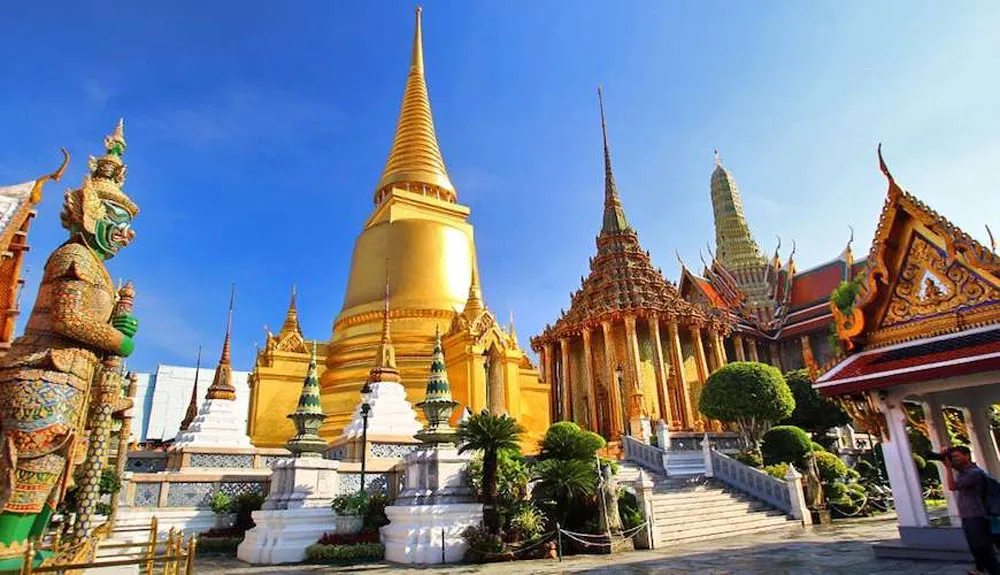
Day 1 – Bangkok: First Encounter with Southeast Asia
Arriving in Bangkok is often overwhelming in the best possible way. The city immediately surrounds you with heat, movement, and contrasts, where luxury malls sit next to street food carts, and modern skyscrapers rise behind golden temple roofs. Your first day should focus on slowly absorbing this atmosphere rather than rushing between too many sites, allowing your senses to adjust to Southeast Asia’s rhythm.
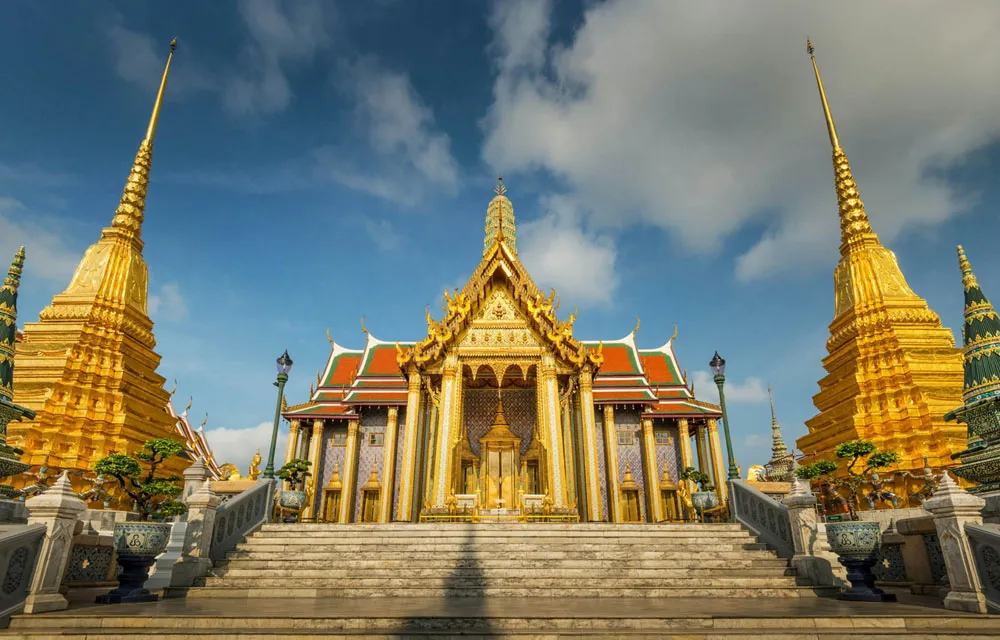
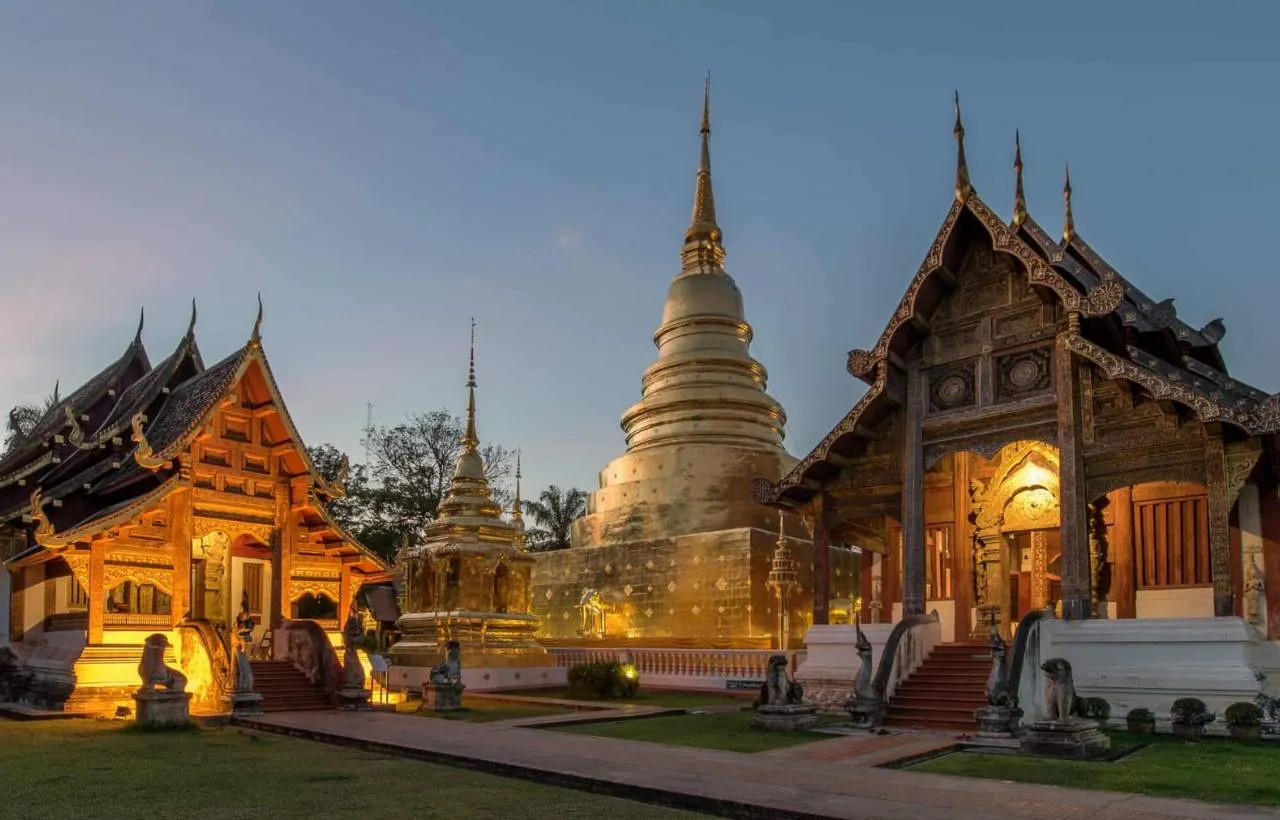
Visiting the Grand Palace and Wat Phra Kaew introduces you to Thai spiritual culture through intricate architecture and sacred symbolism. These landmarks reflect how deeply religion is embedded in Thai identity, not just as belief, but as everyday practice. Walking through Wat Pho, home of the Reclining Buddha, creates a calm counterbalance to the city’s noise, offering a moment of stillness inside one of Asia’s busiest capitals.
Day 2 – Bangkok: Temples, River Life & Urban Culture
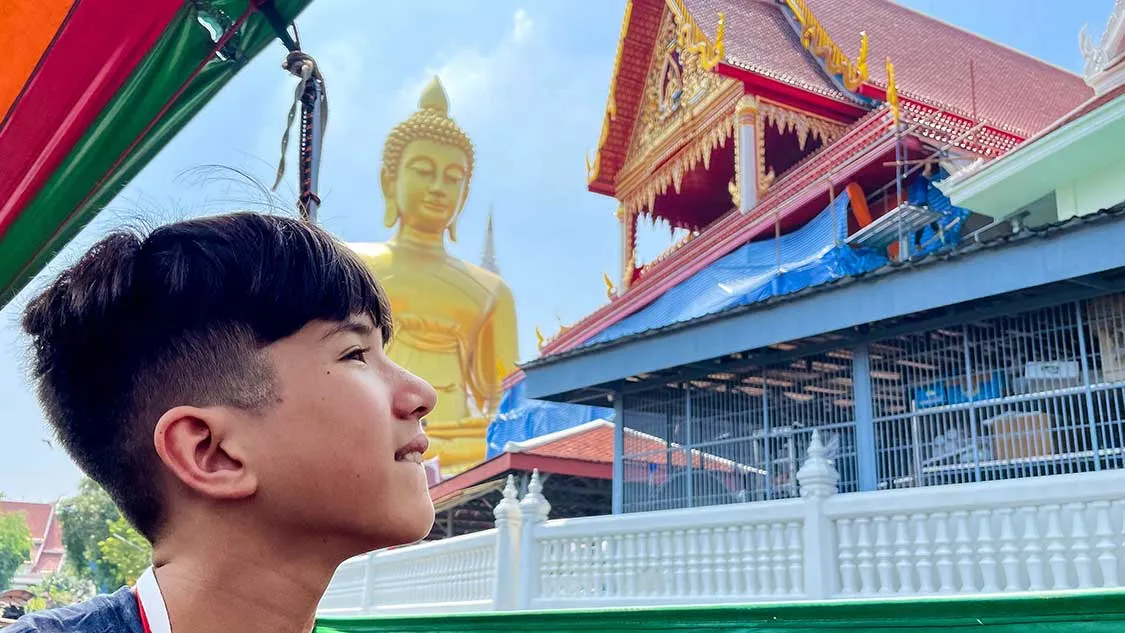
Your second day in Bangkok allows you to see the city beyond its famous landmarks and understand how daily life actually functions. Crossing the Chao Phraya River by boat offers a unique perspective on the city, where temples, local houses, and modern hotels all share the same waterway. Visiting Wat Arun, the Temple of Dawn, highlights how spiritual spaces are integrated into urban environments.
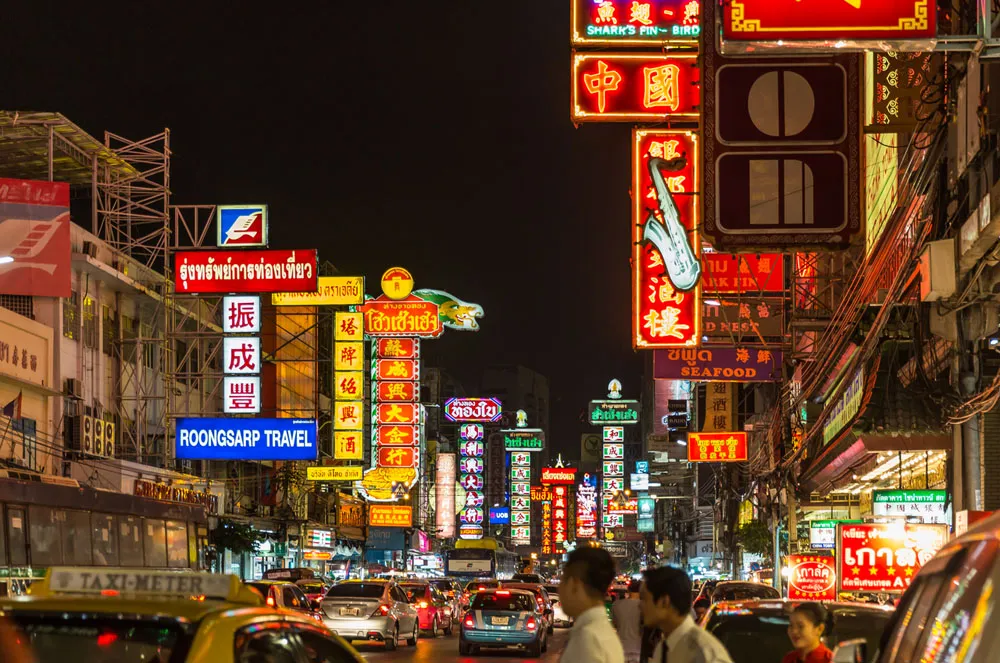
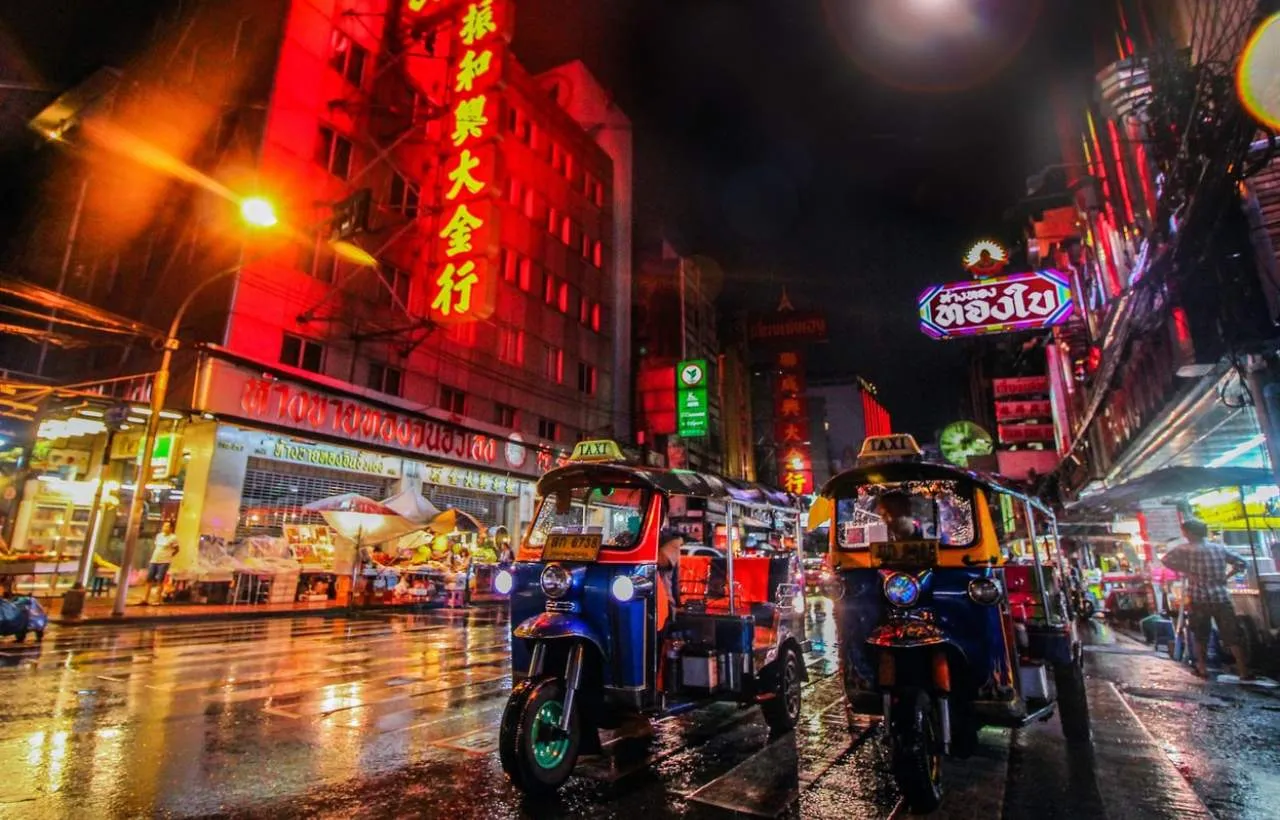
In the afternoon, explore local neighborhoods such as Chinatown (Yaowarat) or shopping districts like Siam, where traditional markets and modern consumer culture exist side by side. Bangkok reveals itself not as a single identity, but as a constantly shifting blend of old and new. This day helps you emotionally connect with Thailand before moving on to a completely different historical world.
Day 3 – Bangkok – Siem Reap: From Modern City to Ancient Civilization
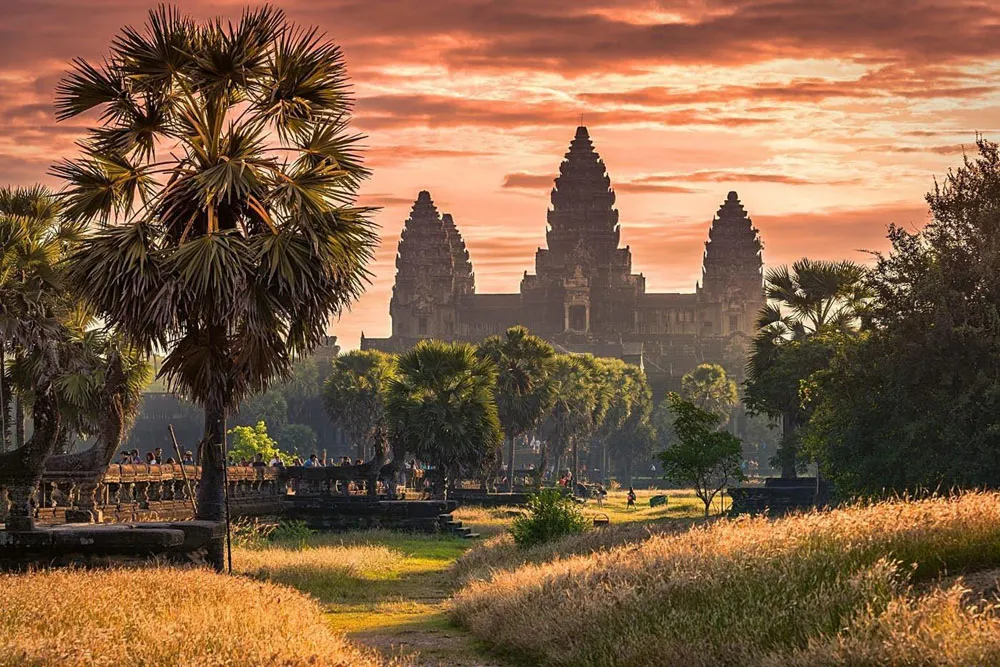
Flying from Bangkok to Siem Reap feels like stepping backward in time. The pace immediately slows, the streets feel quieter, and the entire city seems to revolve around one thing: the legacy of Angkor. Siem Reap acts as a gateway to Cambodia’s ancient civilization, where history feels more present than modern development.
In the afternoon, visiting temples such as Ta Prohm and Preah Khan introduces you to Angkor in a poetic way. Tree roots growing through stone walls symbolize how nature slowly reclaimed human ambition. These ruins feel emotional rather than just impressive, making Siem Reap one of the most atmospheric stops in the Thailand Vietnam Cambodia itinerary .
Day 4 – Angkor Temples: The Soul of Cambodia
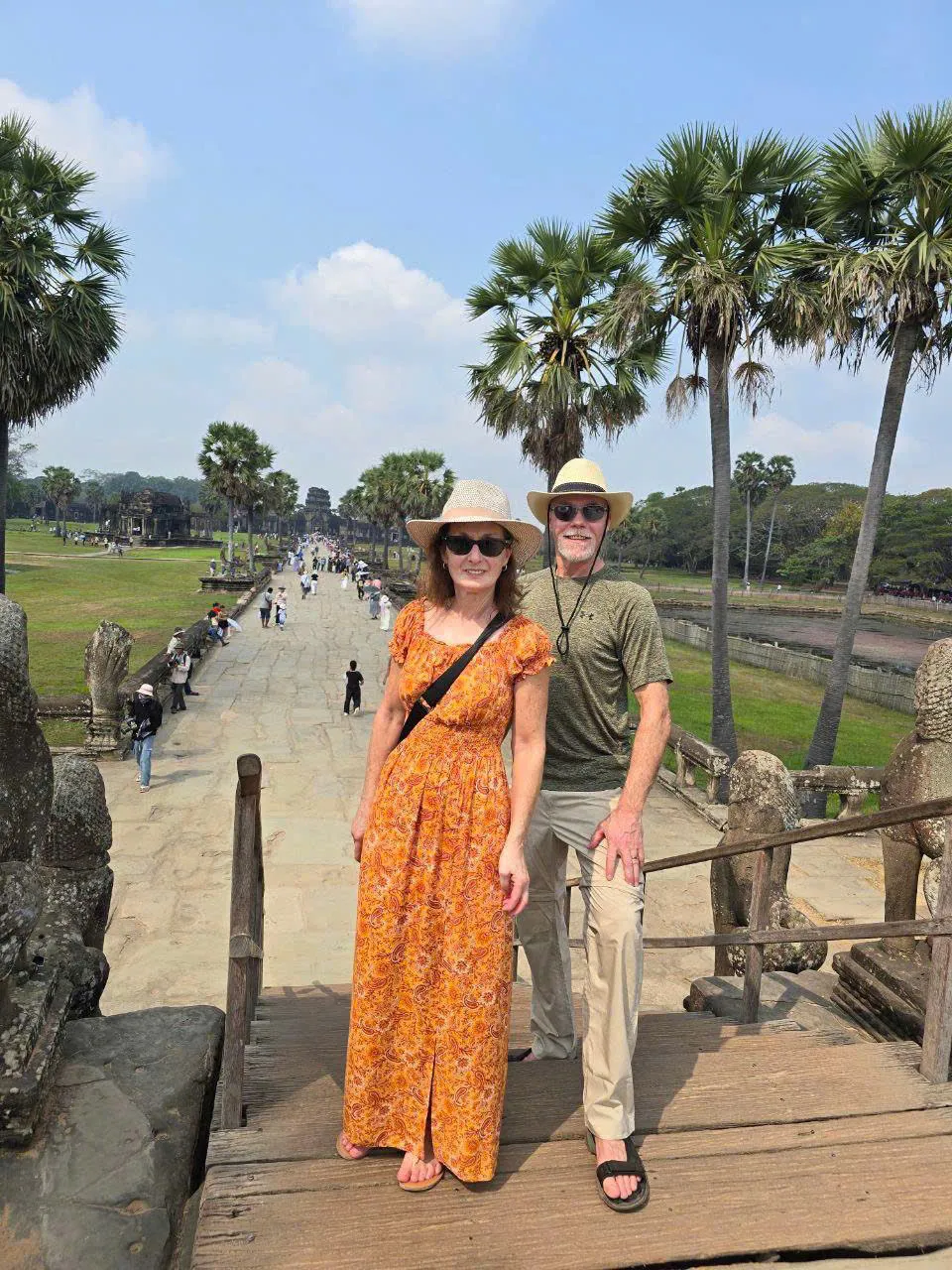
Exploring Angkor Archaeological Park is not just sightseeing, it is a spiritual experience. Starting at Angkor Wat at sunrise creates a powerful emotional moment, as the massive temple complex slowly emerges from the darkness. The carvings and architectural symmetry reflect ancient beliefs about the universe, gods, and human existence.
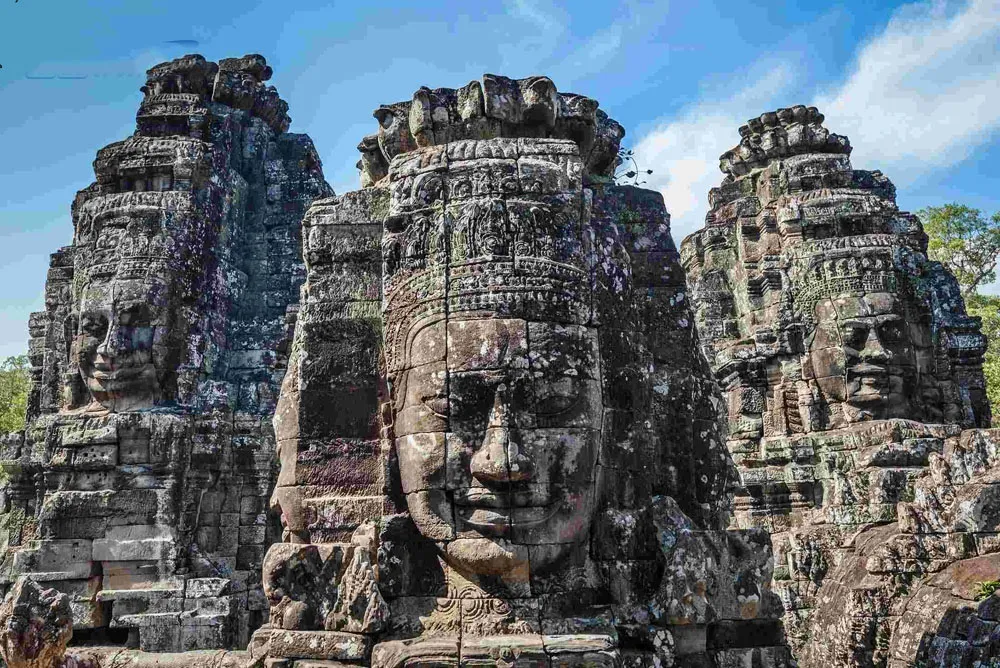
Moving to Angkor Thom and Bayon Temple, the giant stone faces staring in all directions create a feeling of timelessness and quiet reflection. Angkor is not about checking off temples, but about feeling the scale of human history. For many travelers, this becomes the most meaningful cultural memory of their entire Southeast Asia journey.
Day 5 – Siem Reap – Hanoi: Entering Vietnamese Culture
Flying into Hanoi introduces a new cultural atmosphere shaped by Confucian values and French colonial heritage. The city feels nostalgic, intellectual, and emotionally softer compared to Bangkok’s chaos. Walking around Hoan Kiem Lake, where locals gather for exercise and conversation, creates an immediate sense of everyday Vietnamese life.
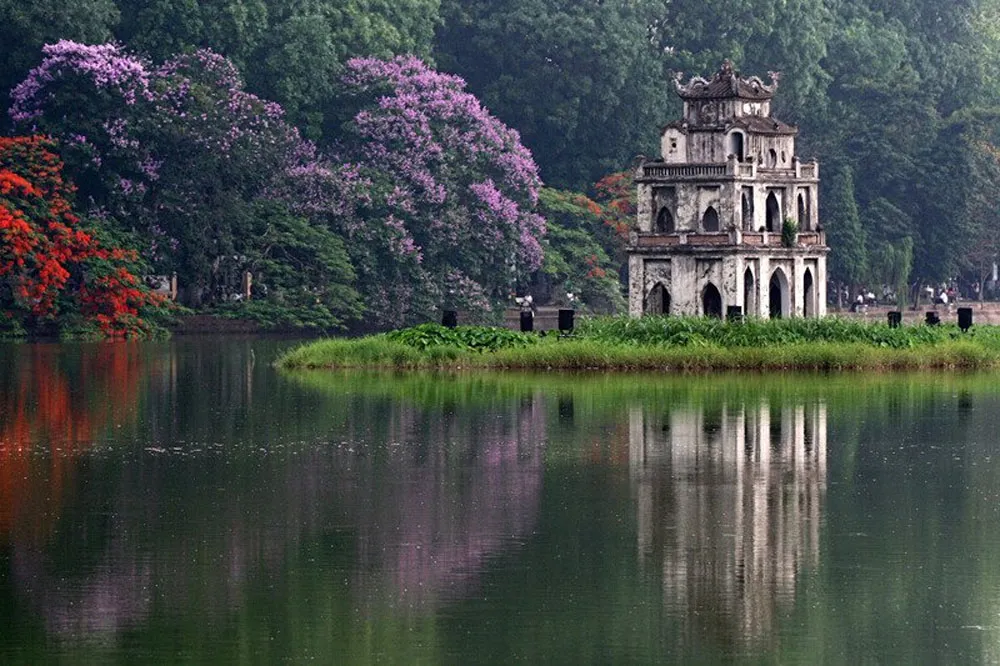
The Old Quarter reveals narrow streets filled with food stalls, bookstores, and hidden cafés. Unlike modern capitals, Hanoi feels deeply human, where small details like morning coffee rituals and street vendors define the city’s identity. This day acts as a gentle cultural transition from Cambodia into Vietnam.
Day 6 – Hanoi: History, Education & Daily Rhythm
Your second day in Hanoi focuses on understanding Vietnam’s political and intellectual roots. Visiting the Ho Chi Minh Mausoleum and Presidential Palace provides insight into modern national identity and revolutionary history. These spaces feel serious, symbolic, and emotionally important for understanding Vietnam’s past.
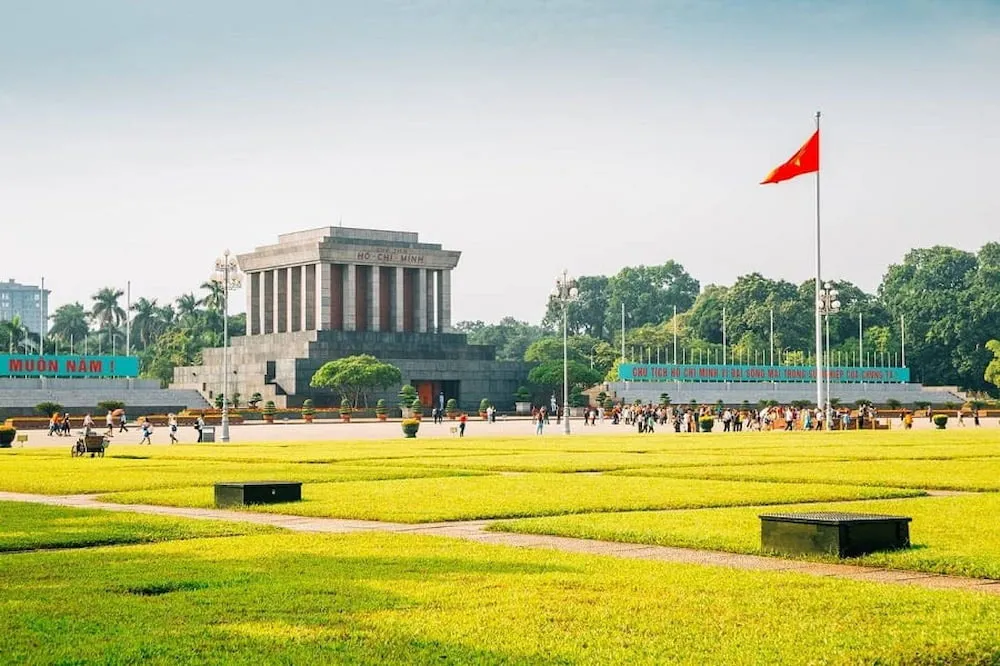
Later, the Temple of Literature reveals how education and knowledge have shaped Vietnamese society for centuries. Wandering again through the Old Quarter allows deeper observation of daily routines, from elderly men playing chess to students studying in cafés. Hanoi slowly becomes less of a destination and more of a living environment.
Day 7 – Hanoi – Ha Long Bay: Nature as Emotional Pause
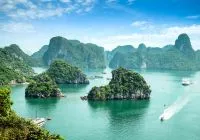
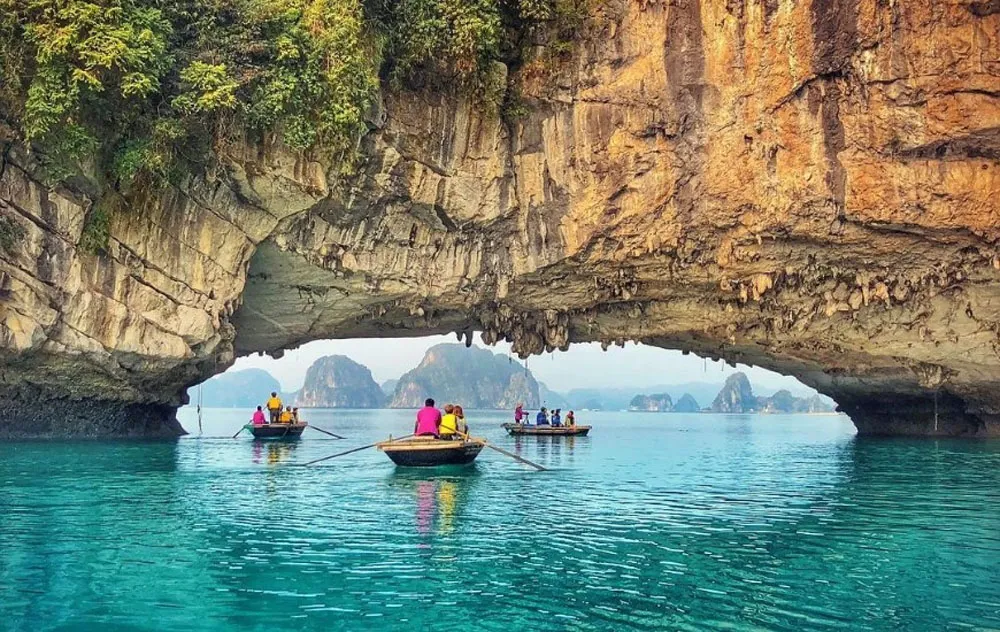
Traveling to Ha Long Bay feels like entering a completely different world. The limestone islands rising from emerald waters create a surreal landscape that contrasts sharply with urban life. Boarding a cruise allows you to move slowly, without noise, schedules, or traffic.
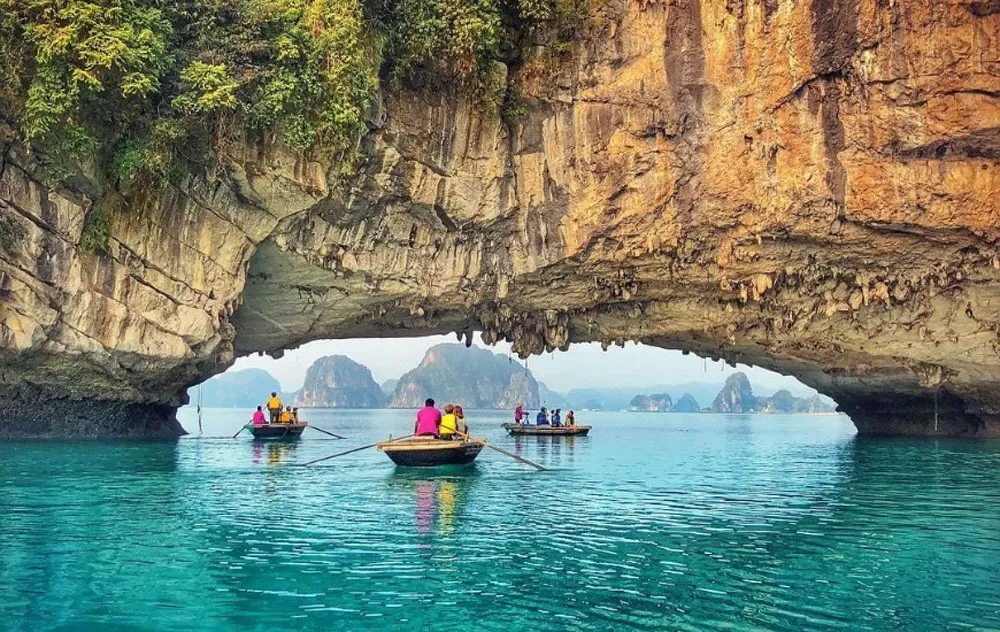
Kayaking through hidden lagoons, visiting caves, and watching the sunset from the deck creates emotional stillness. Ha Long Bay becomes the moment where the journey pauses, allowing reflection and mental rest. This day often feels like the most peaceful chapter of the entire itinerary.
Day 8 – Ha Long Bay – Hanoi – Ho Chi Minh City
Waking up on the bay offers one last moment of silence before returning to city life. After flying to Ho Chi Minh City, the energy shifts dramatically. The city feels ambitious, modern, and constantly in motion, shaped by business culture and global influences.
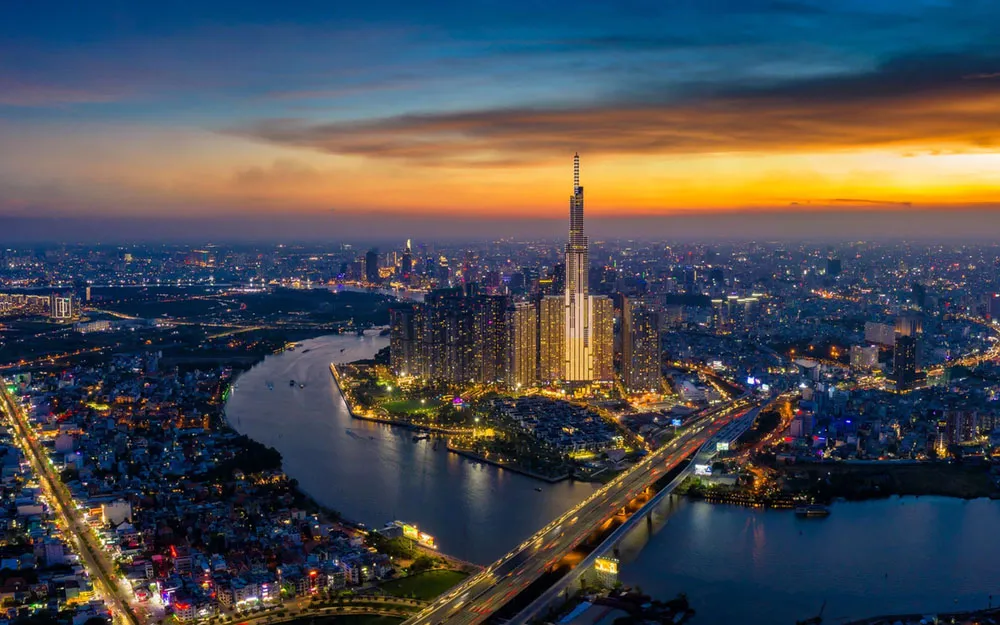
Evening walks along Nguyen Hue Walking Street or rooftop cafés introduce Saigon’s youthful identity. Compared to Hanoi’s nostalgia, Ho Chi Minh City feels future-oriented, entrepreneurial, and socially dynamic.
Day 9 – Ho Chi Minh City: War Memory & Modern Reality
Visiting the War Remnants Museum and Reunification Palace provides emotional understanding of Vietnam’s recent history. These places explain not only political events, but also the human cost behind them. The experience is heavy but essential for cultural awareness.
Later, colonial landmarks like Notre Dame Cathedral and Central Post Office show how Western influence shaped urban identity. The contrast between war memory and modern cafés reveals Vietnam’s resilience and transformation.
Day 10 – Mekong Delta: Ending with Human Connection
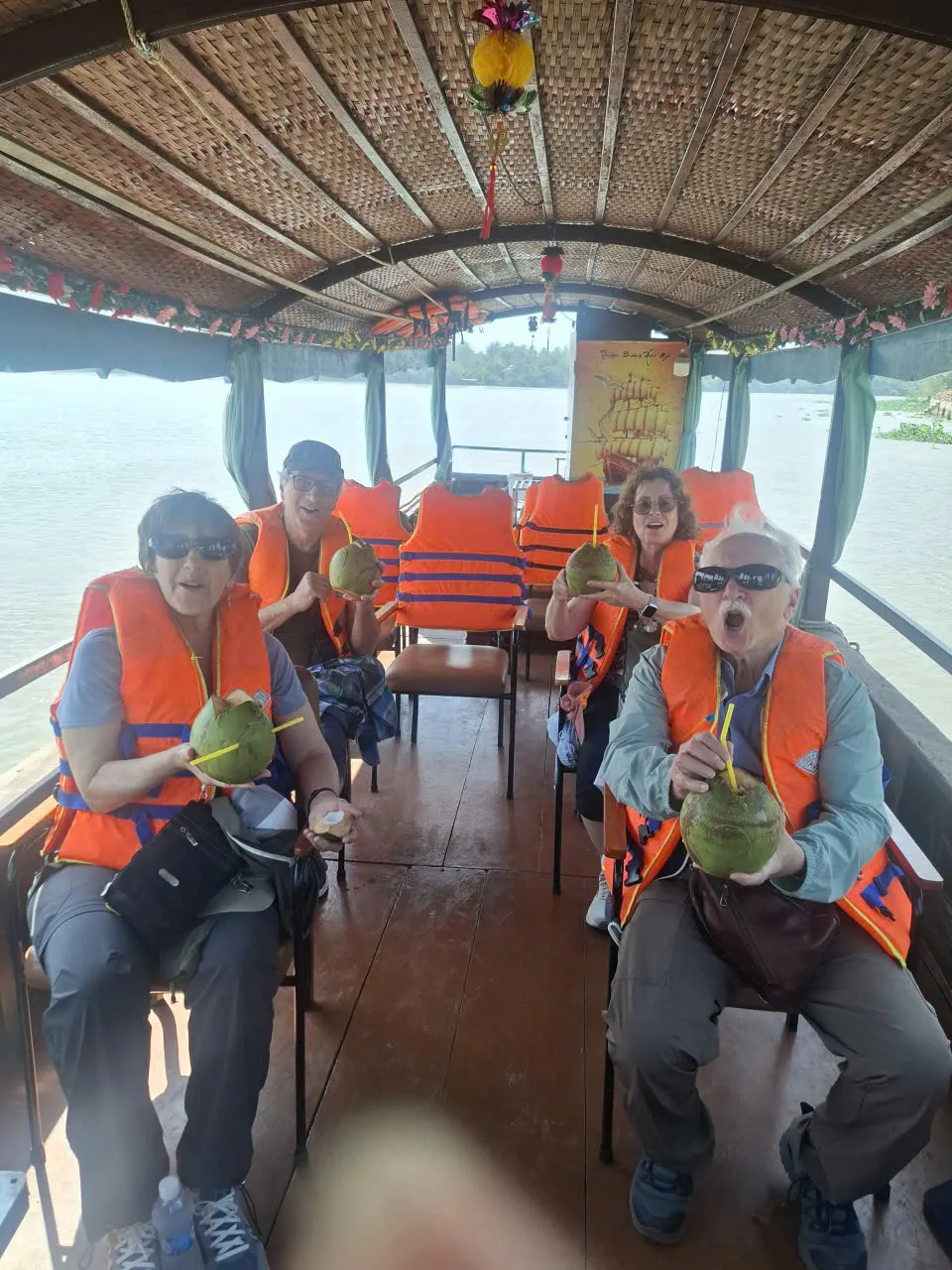
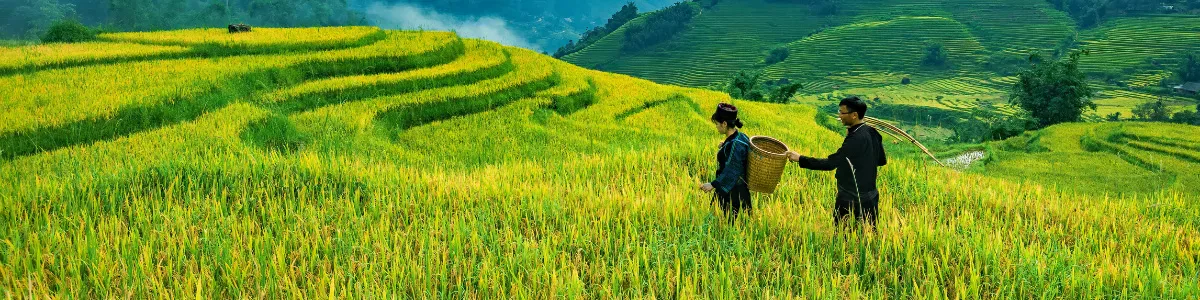
Ending your journey in the Mekong Delta brings you into Vietnam’s rural heart. Boat rides through canals in My Tho or Ben Tre reveal floating houses, fruit farms, and village life built entirely around water.
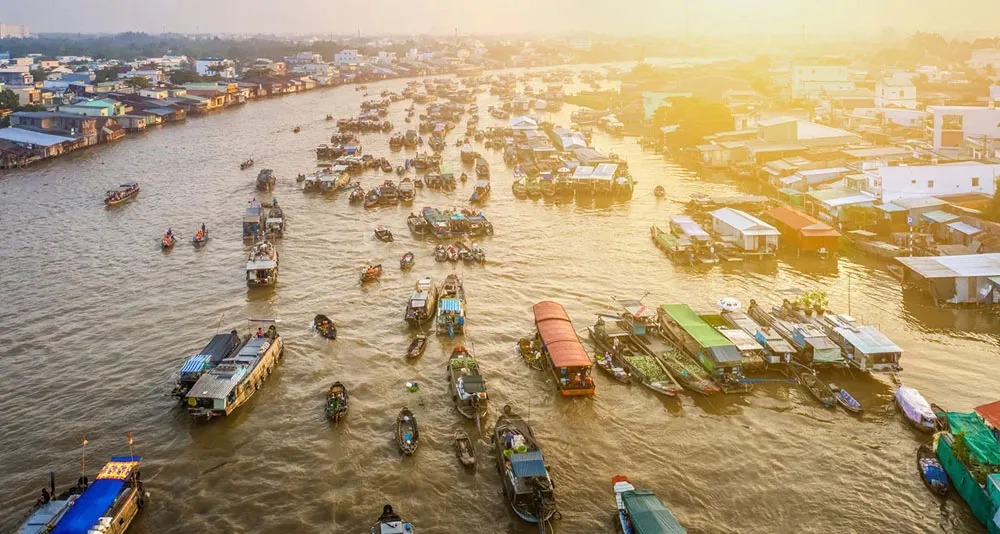
This final day feels warm, grounded, and personal. Instead of monuments, you experience people, families, and daily routines. The Thailand Vietnam Cambodia itinerary ends not with a landmark, but with human connection.
Travel Tips
-
Prioritize flights between countries to save time.
-
Start early each day to avoid heat and crowds.
-
Stay central to reduce transport stress.
-
Travel light, you change cities often.
-
Focus on experience, not perfection.
A Thailand Vietnam Cambodia itinerary is not about seeing everything. It is about understanding Southeast Asia through culture, memory, landscapes, and daily human life. In just ten days, you move across civilizations, political histories, spiritual worlds, and emotional environments. Few travel routes in the world offer this level of cultural density in such a short time.
If you want a fully customized version of this itinerary with private guides, hotels, and seamless transfers, Custom Asia Travel (CAT) can design a personalized trip based on your travel style and budget. Contact CAT today to start planning your unforgettable Thailand, Cambodia, and Vietnam adventure.



 View trip map