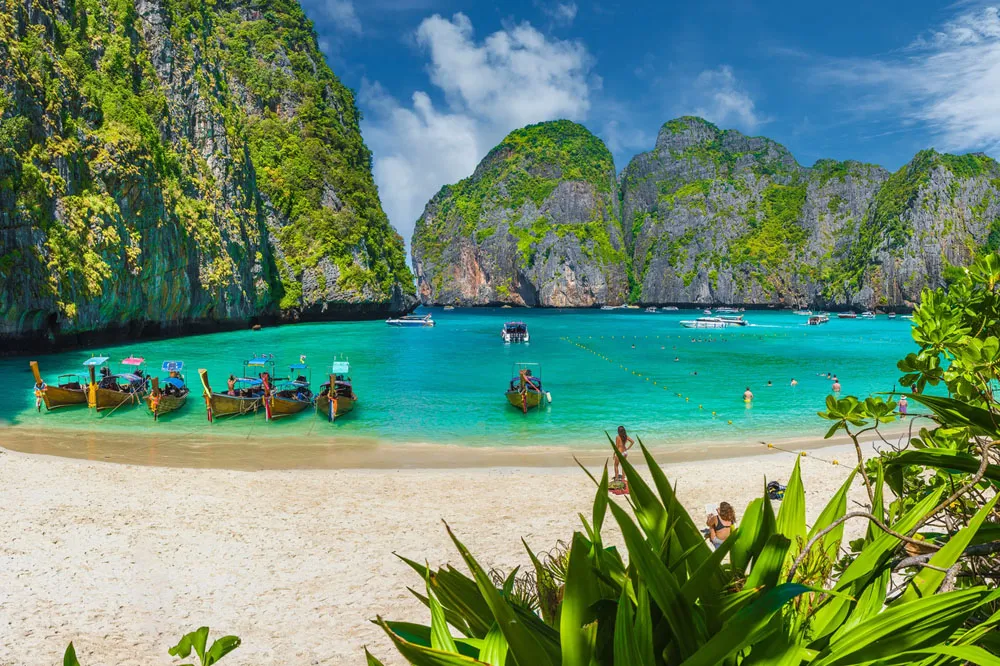
Day 1 – Bangkok | Arrival & Urban Energy
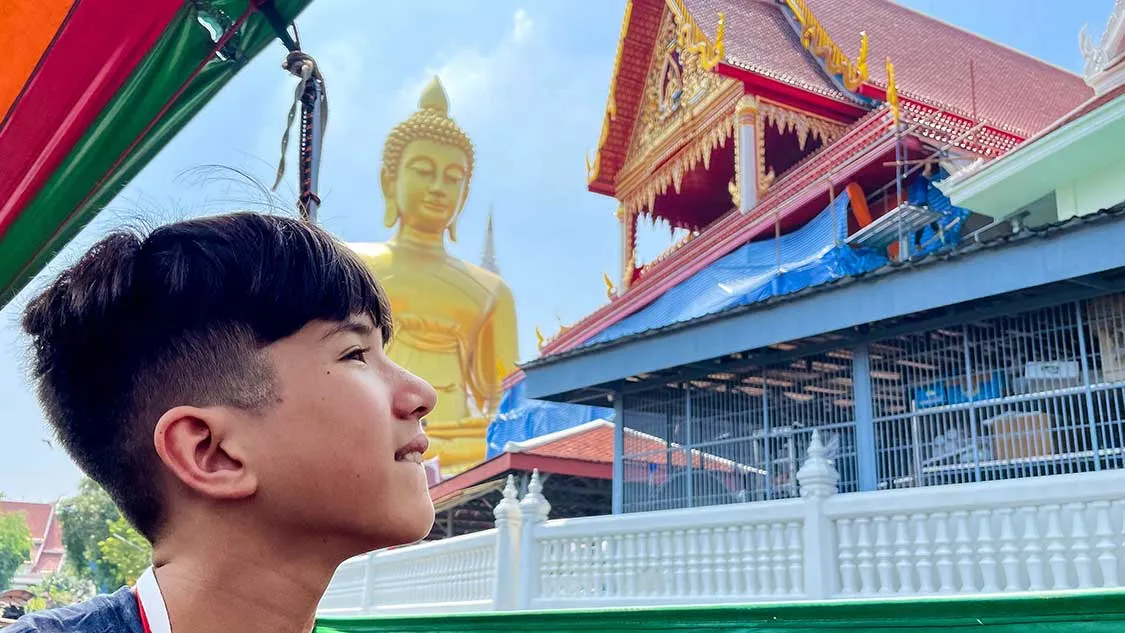
Arriving in Bangkok, you immediately feel the contrast between modern skyscrapers and historic temples, which together create a city that feels both chaotic and deeply cultural at the same time, especially when observed through its constant movement and layered street life. After checking into your hotel, a short walk around Sukhumvit or along the Chao Phraya River helps you understand how the city’s rhythm is shaped not only by traffic and crowds but also by water, commerce, and everyday rituals that continue despite rapid urban growth.
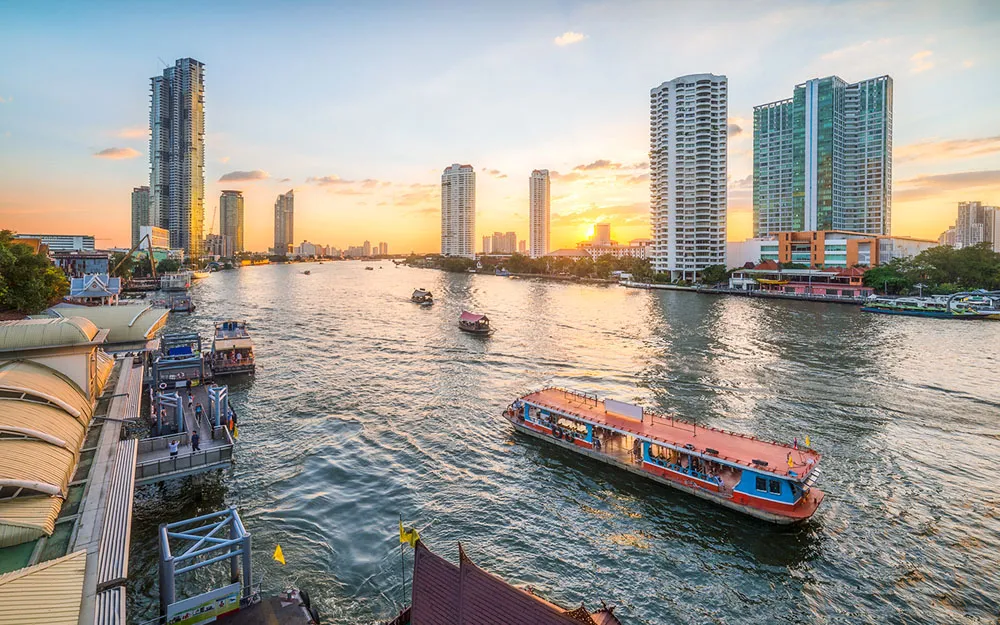
In the evening, exploring a local night market introduces you to Thai street food culture, where dishes like pad thai, grilled satay, and mango sticky rice represent the balance of sweet, salty, and spicy flavors that define Thai cuisine. At the same time, a river cruise or rooftop bar visit allows you to observe Bangkok’s skyline from above, which creates a gentle transition from travel fatigue to cultural immersion while setting the tone for the journey ahead.
Day 2 – Bangkok | Royal Heritage & Temples
Today is dedicated to Bangkok’s spiritual and historical core, starting with the Grand Palace and Wat Phra Kaew, which reflect Thailand’s royal identity through golden architecture, detailed murals, and sacred symbolism that continue to influence national culture. As you walk through these complexes, you begin to understand how monarchy, religion, and social values are deeply intertwined in Thai society, shaping both daily rituals and long-standing traditions.
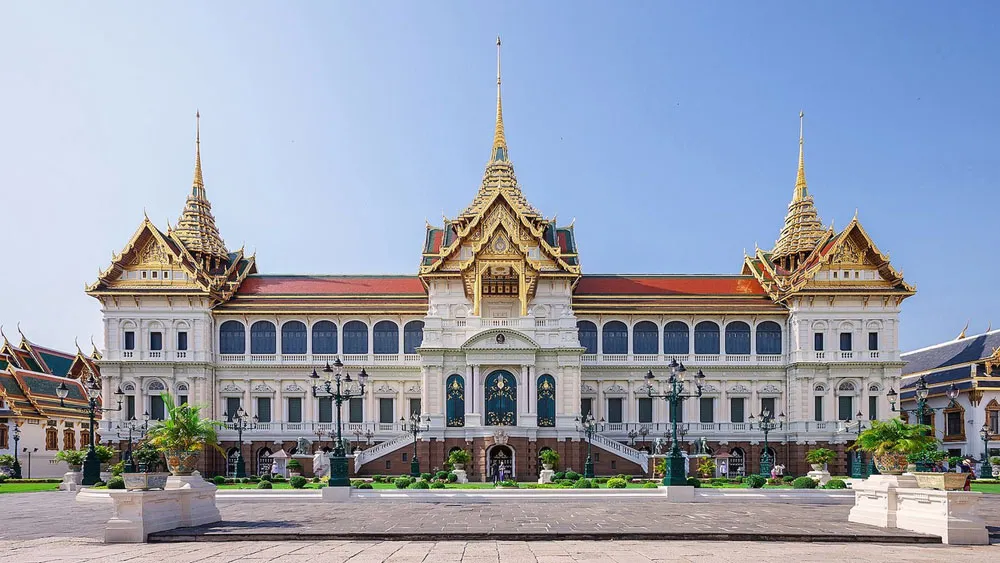
Later, visiting Wat Pho and crossing the river to Wat Arun reveals another layer of Bangkok’s heritage, where ancient traditions coexist with modern infrastructure and tourism. In the afternoon, Chinatown (Yaowarat) offers a completely different atmosphere, and although it feels more chaotic, it highlights Bangkok’s multicultural identity through food culture, commerce, and everyday street life, which adds complexity to your understanding of the city.
Day 3 – Ayutthaya | Ancient Capital of Siam
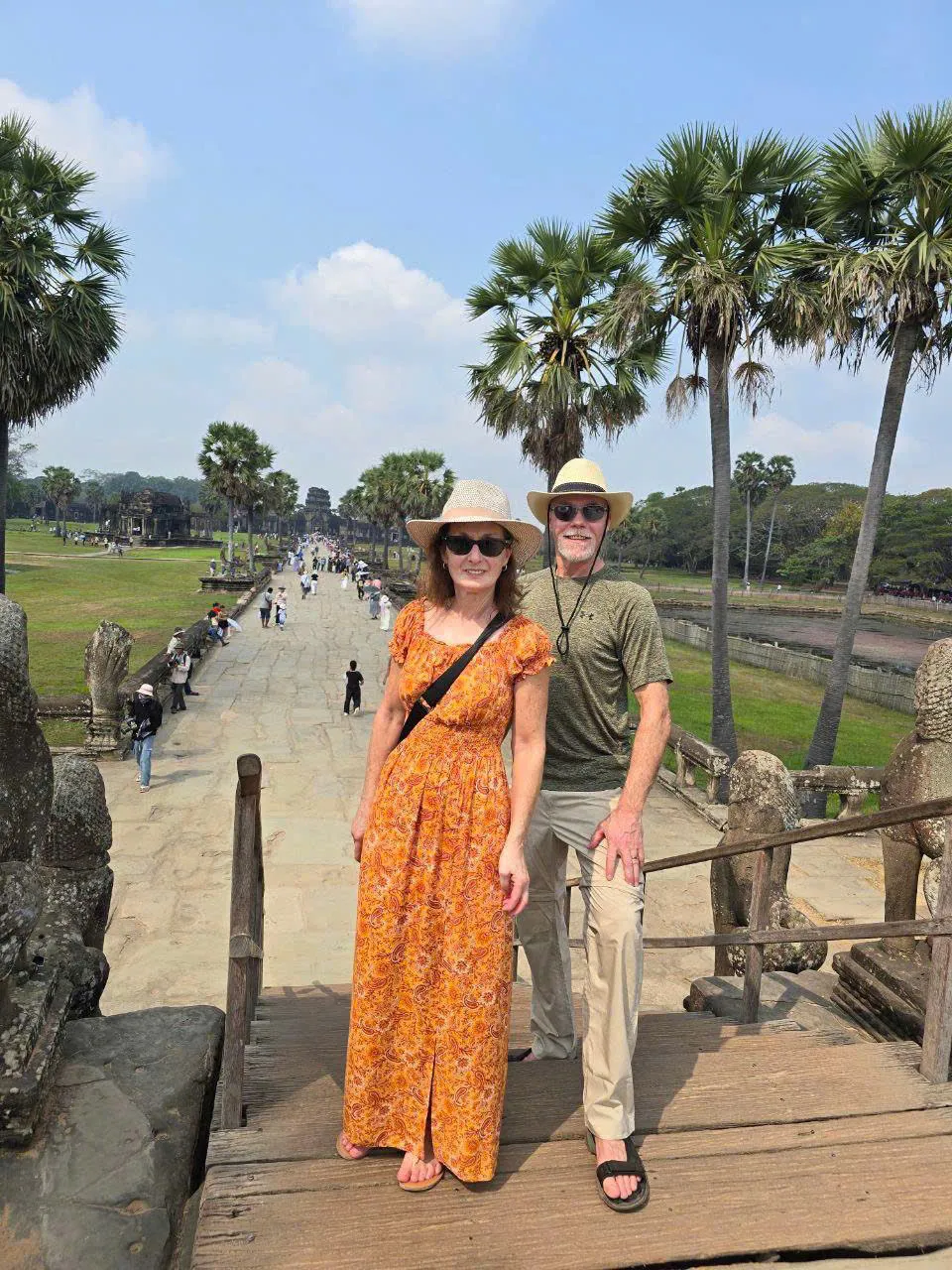
Traveling to Ayutthaya, the former capital of Siam, feels like stepping into a different historical era, where temple ruins stand quietly among trees and rivers, creating a strong sense of nostalgia and reflection about Thailand’s imperial past. Landmarks such as Wat Mahathat and Wat Phra Si Sanphet showcase how powerful this city once was as a trading and political center connecting Asia with the West, which explains its strategic importance in regional history.
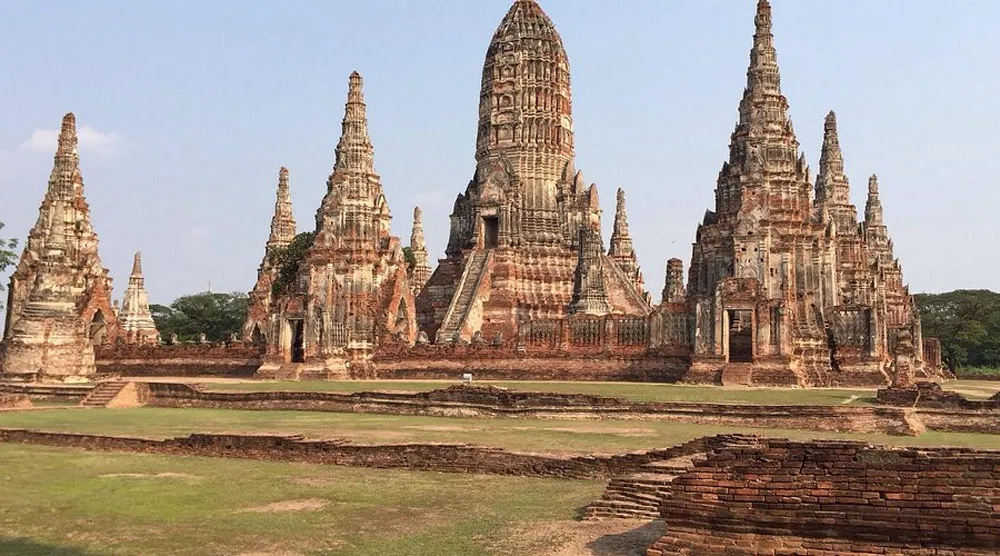
Because Ayutthaya is far less crowded than Bangkok, the slower pace allows you to experience Thai history in a more meaningful way, especially when cycling or walking between ruins rather than rushing through guided tours. By the time you return to Bangkok in the evening, the contrast between past and present becomes clearer, which deepens your appreciation for Thailand’s cultural evolution.
Day 4 – Chiang Mai | Northern Culture & Old City
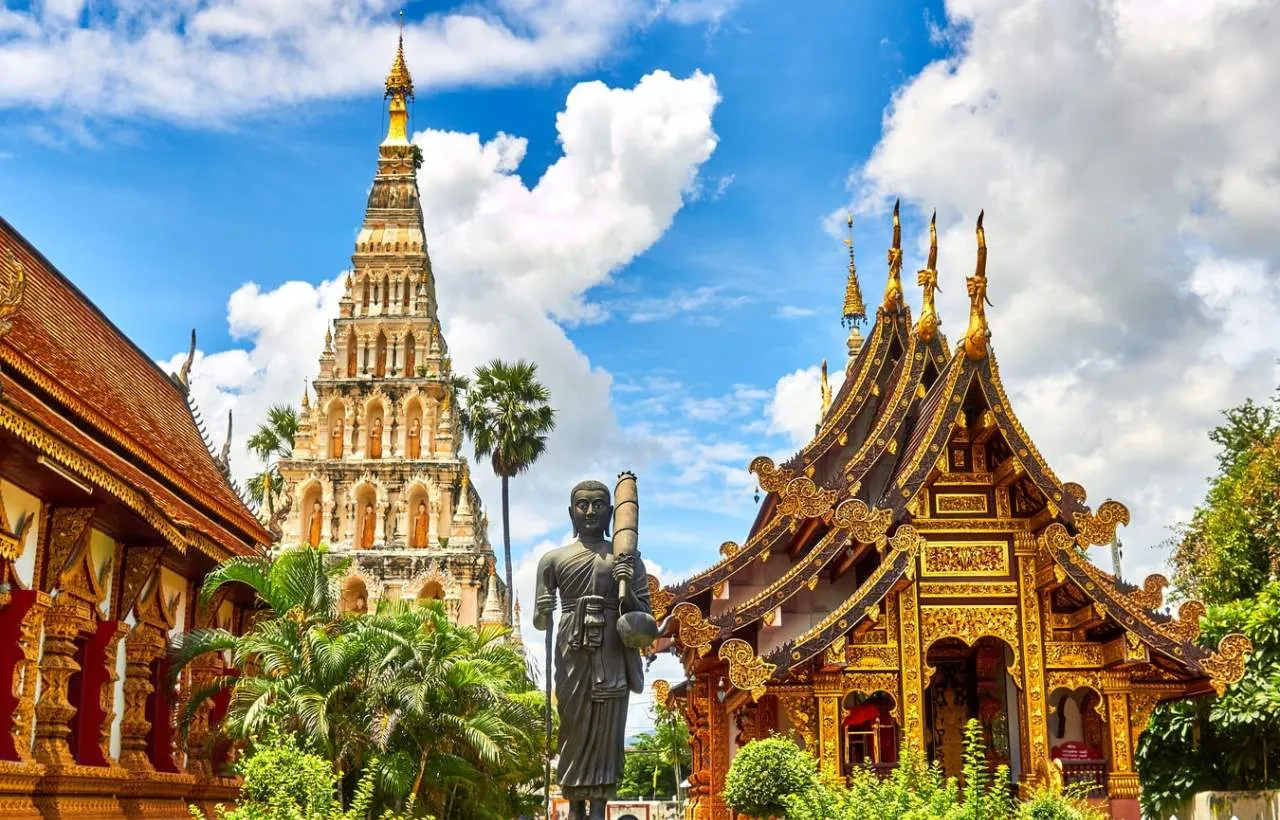
Flying to Chiang Mai, you immediately notice the shift from urban chaos to mountain calm, as the city feels smaller, greener, and significantly more relaxed compared to the capital. Exploring the Old City reveals ancient temples like Wat Chedi Luang and Wat Phra Singh, which represent traditional Lanna architecture and highlight northern Thailand’s distinct cultural identity shaped by geography and history.
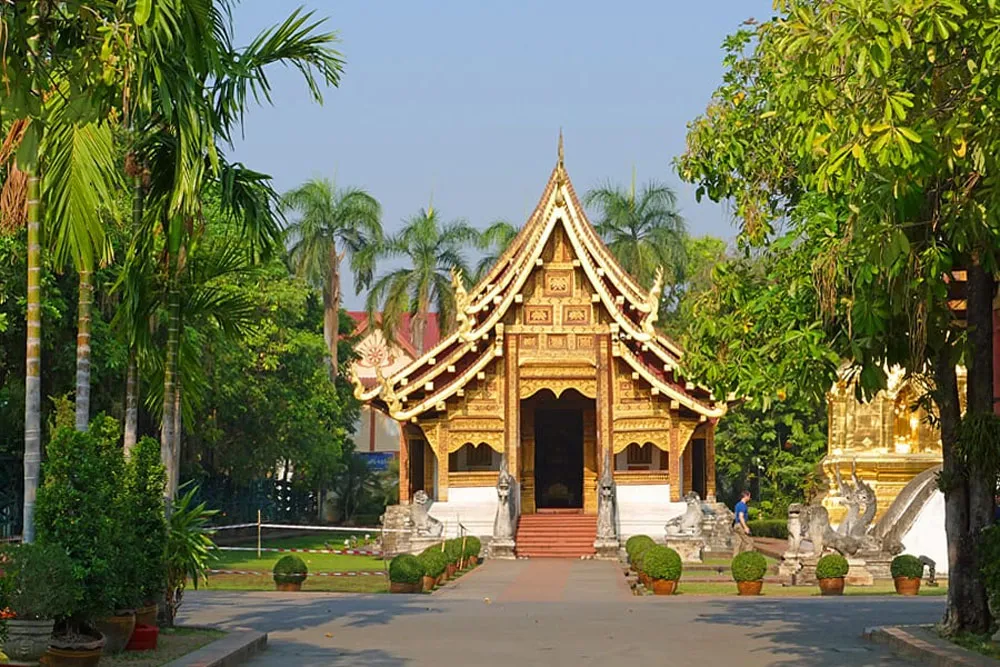
In the evening, the Night Bazaar or Sunday Walking Street becomes the cultural highlight, where handicrafts, street performances, and local cuisine reflect Chiang Mai’s creative and community-oriented lifestyle. Unlike Bangkok, the atmosphere here feels more personal and slower, which makes cultural interaction easier and more natural for travelers.
Day 5 – Chiang Mai | Nature & Ethical Experiences
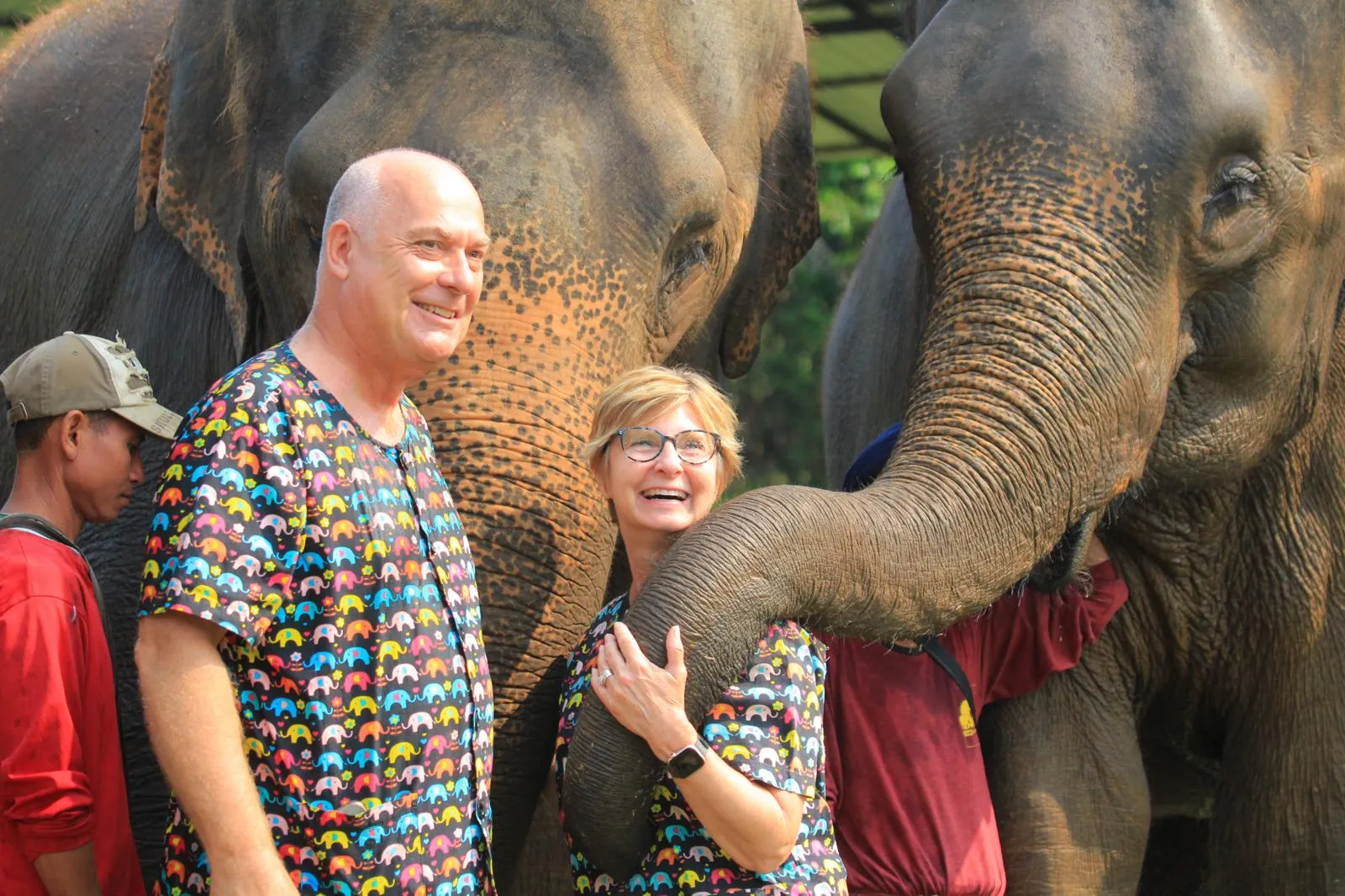
This day focuses on Chiang Mai’s surrounding landscapes and responsible tourism activities, which is why many travelers choose to visit an ethical elephant sanctuary that emphasizes animal welfare and conservation. Through guided interaction, you observe rescued elephants in natural settings while learning about environmental issues and sustainable tourism practices that are becoming increasingly important in Southeast Asia.
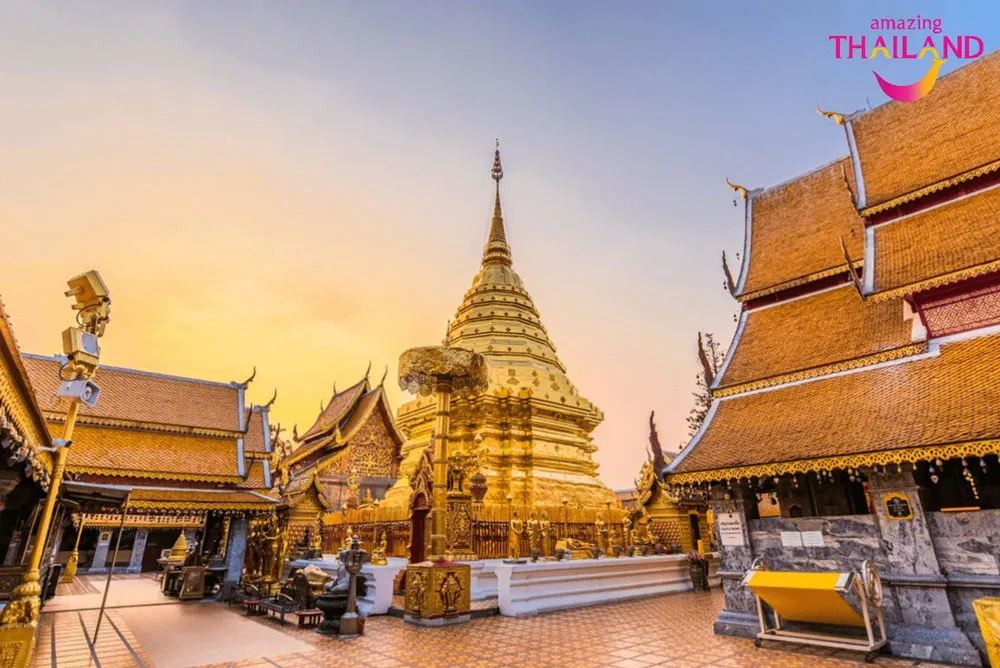
Alternatively, a trip to Doi Suthep Temple offers panoramic views of the city and introduces the spiritual side of northern Thailand, where religion remains closely connected to everyday life. These experiences together make Chiang Mai one of the most emotionally meaningful destinations in the entire itinerary, as it balances nature, ethics, and cultural depth.
Day 6 – Hanoi | Transition to Vietnam
Flying into Hanoi marks a clear cultural shift, where French colonial architecture blends with traditional Vietnamese street life, creating a city that feels both historical and intensely alive at the same time. Walking through the Old Quarter reveals narrow alleys filled with cafés, shops, and motorbikes, which at first seem chaotic but gradually reveal an organized daily rhythm shaped by local routines.
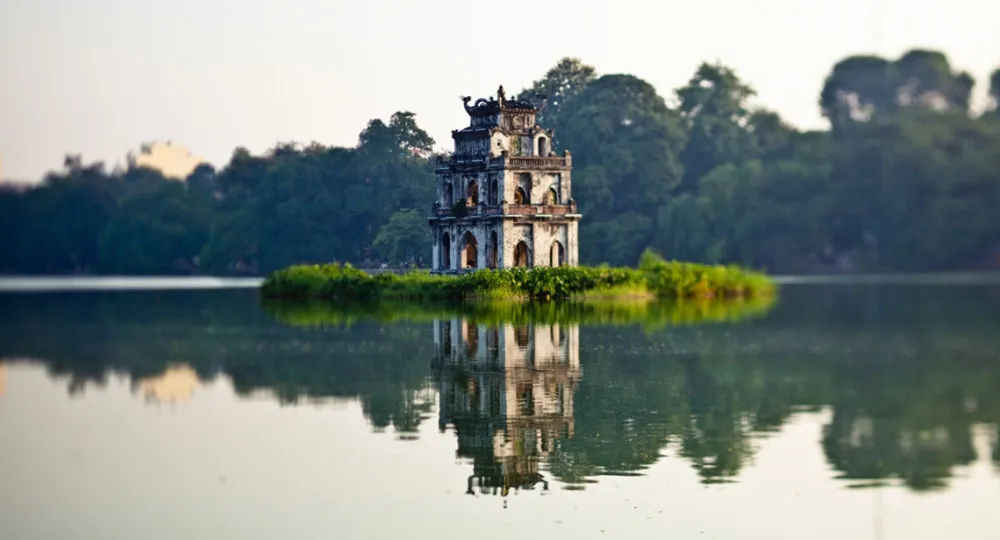
In the evening, Hoan Kiem Lake offers a peaceful contrast to the busy streets, while dishes like pho, bun cha, and egg coffee introduce you to northern Vietnam’s refined culinary culture, which focuses more on balance and subtle flavors than on spice, marking a new gastronomic chapter in the journey.
Day 7 – Hanoi | History & Local Life
Visiting the Ho Chi Minh Complex helps you understand Vietnam’s modern political history, especially how national identity was shaped through independence and revolution. Meanwhile, the Temple of Literature highlights the country’s long educational traditions, emphasizing respect for knowledge and Confucian values that still influence social behavior today.
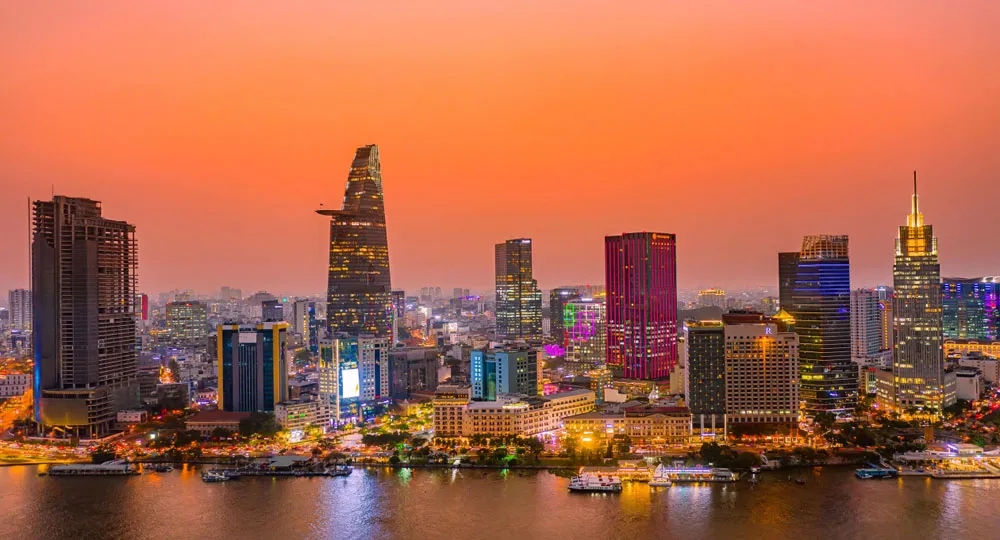
In the afternoon, joining a street food tour or café-hopping experience shows how social life in Hanoi revolves around food, conversation, and slow daily rituals, which creates a cultural atmosphere that feels both intimate and deeply rooted in tradition, allowing travelers to connect with the city on a personal level.
Day 8 – Ha Long Bay | Limestone Wonders
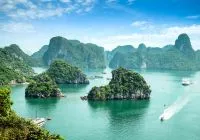
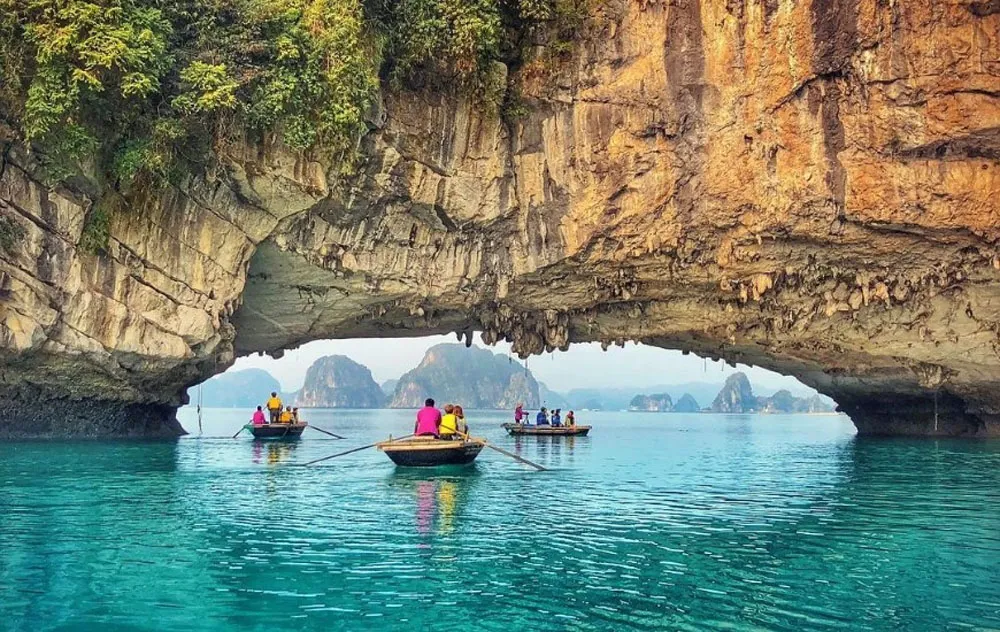
Traveling to Ha Long Bay and boarding an overnight cruise introduces you to one of Southeast Asia’s most iconic seascapes, where thousands of limestone islands rise from emerald water in a way that feels almost surreal. The scenery becomes increasingly dramatic as the boat moves slowly between karst formations and hidden caves, which creates a strong sense of visual storytelling through nature.
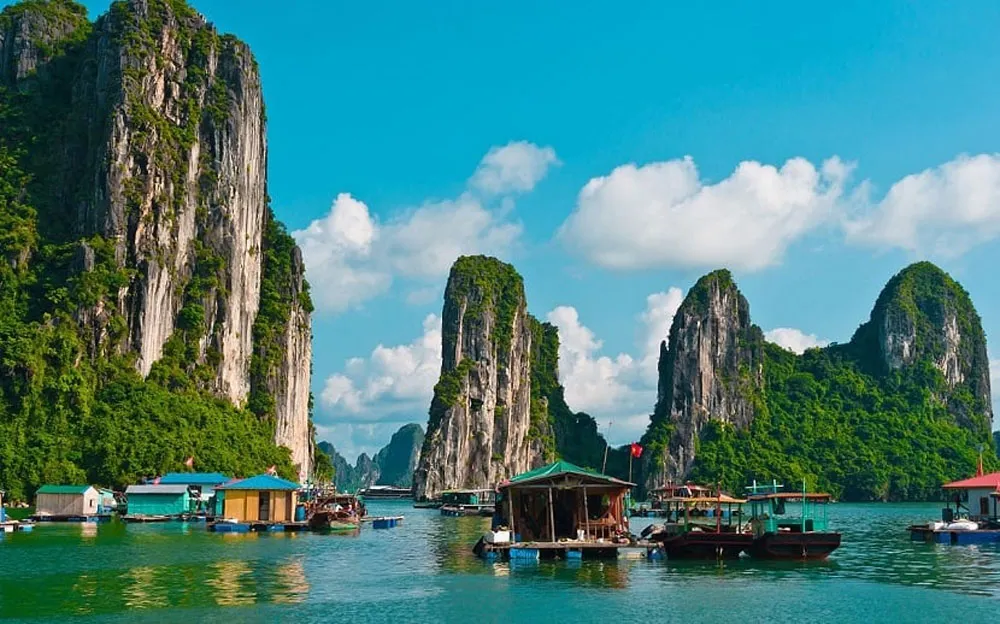
Kayaking, swimming, and watching sunset from the deck allow you to experience the bay beyond simple sightseeing, while staying overnight creates a more immersive and peaceful connection with the landscape, far removed from the noise of cities.
Day 9 – Ninh Binh | Countryside & Karst Landscapes
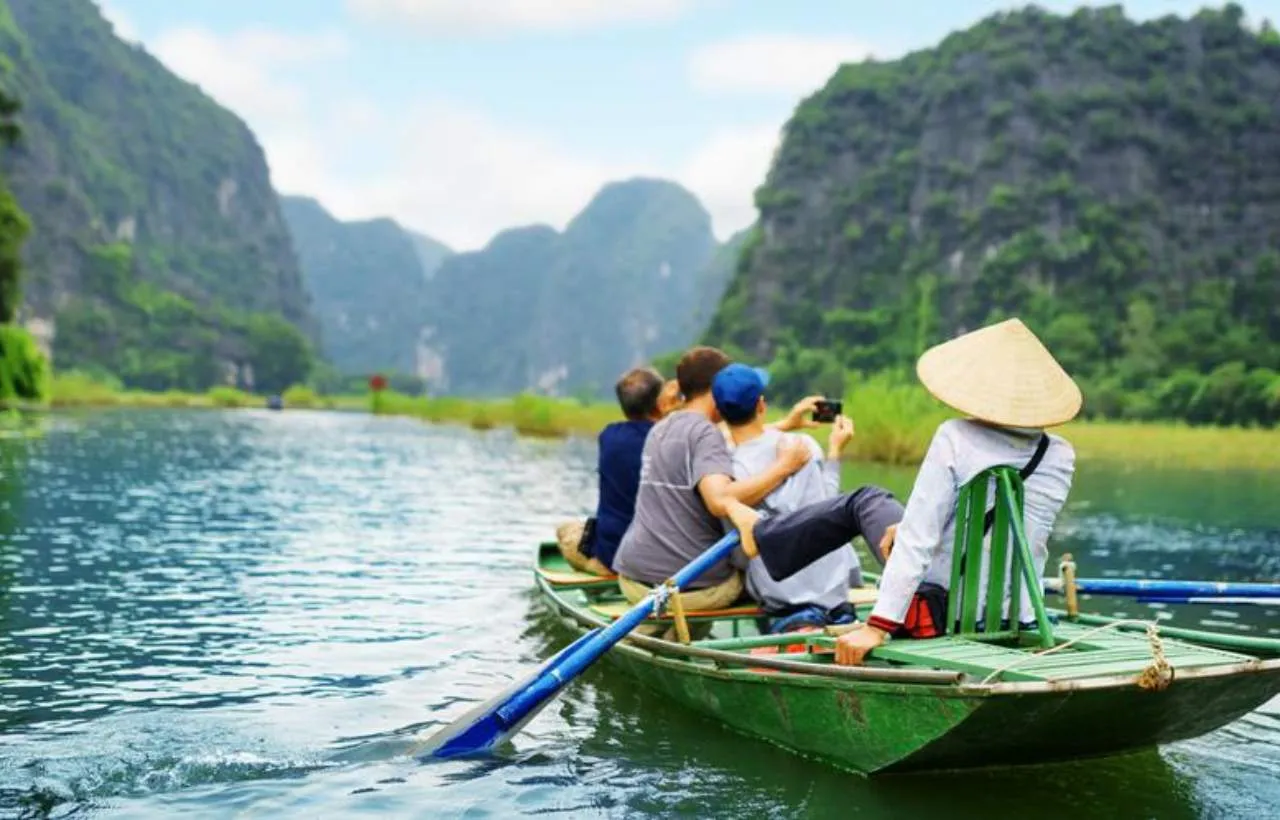
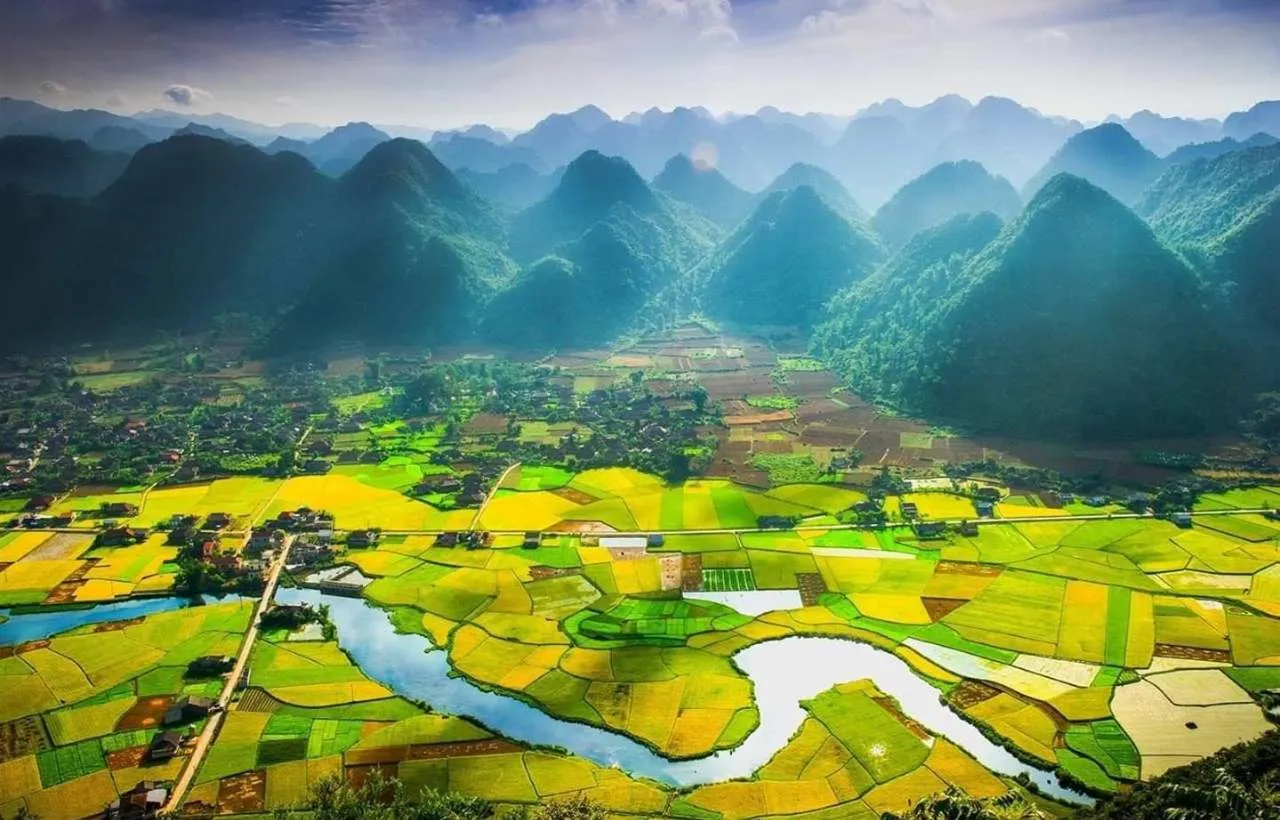
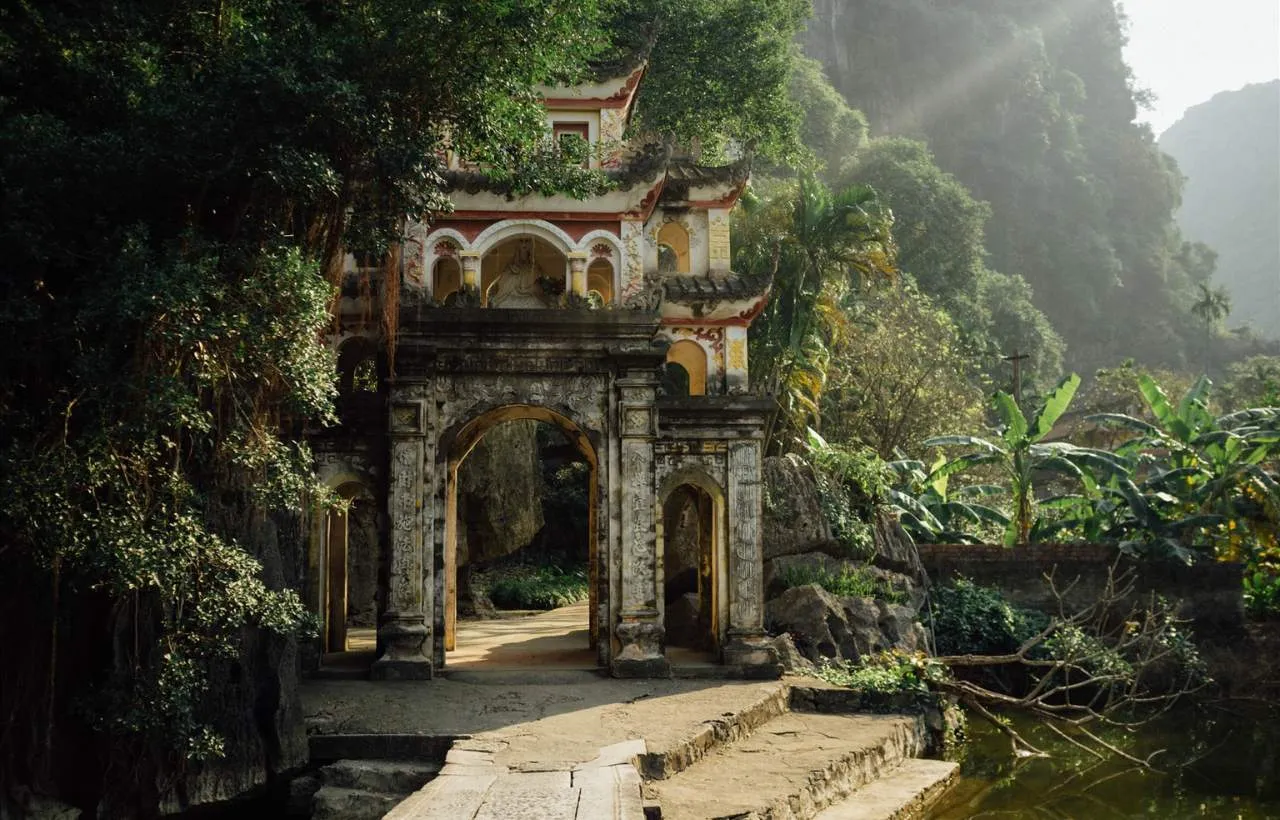
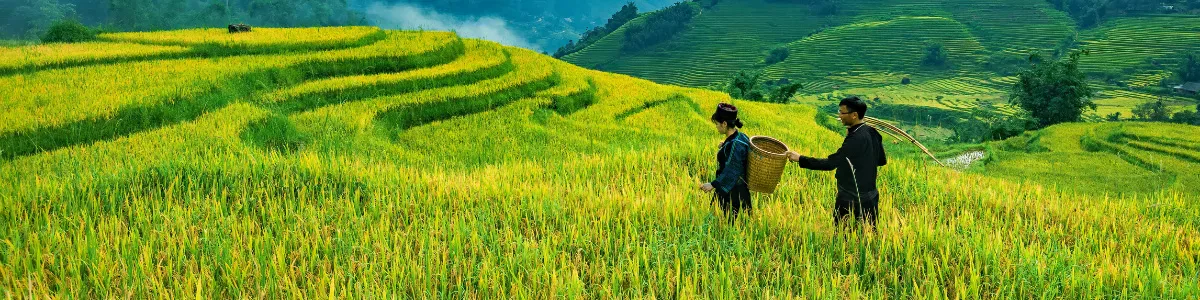
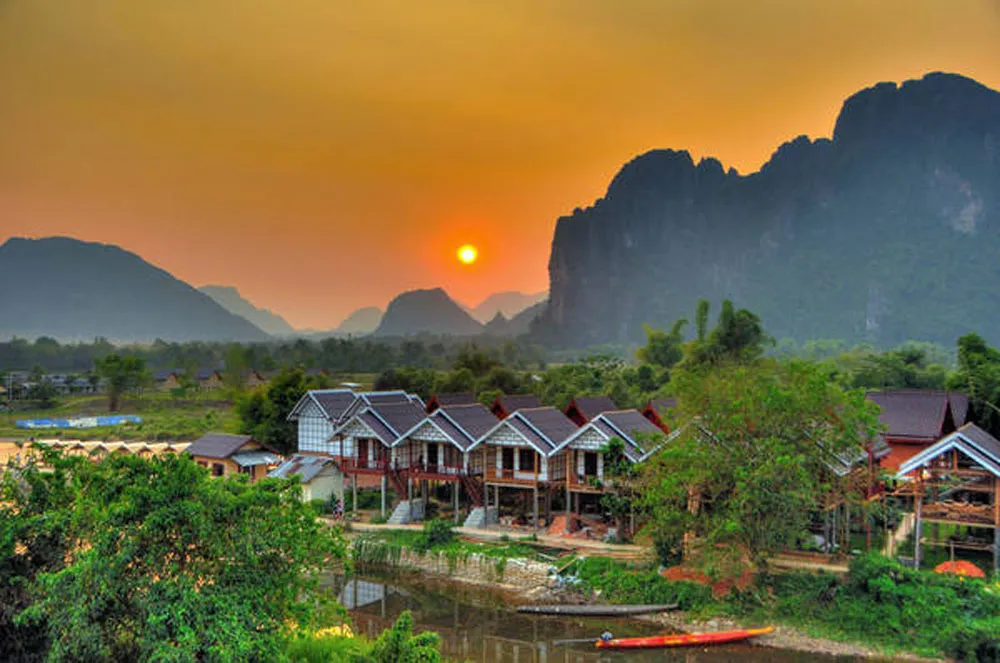
From Hanoi, continue to Ninh Binh, often called “Ha Long Bay on land” due to its dramatic limestone valleys and endless rice fields that stretch across the countryside. A boat ride in Trang An or Tam Coc takes you through caves, rivers, and ancient temples, all surrounded by quiet rural scenery that feels timeless and meditative.
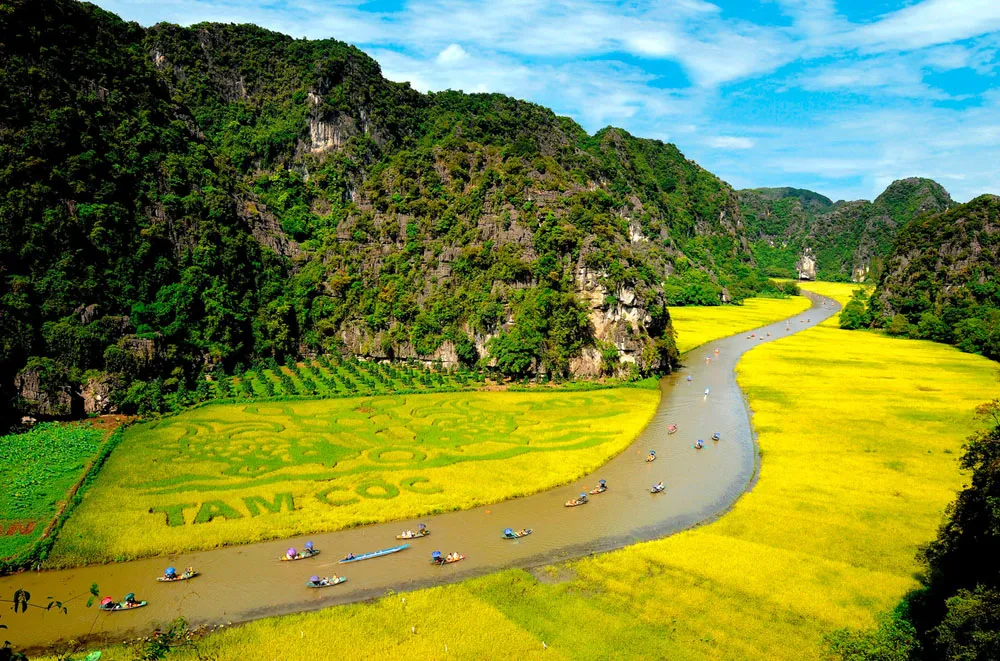
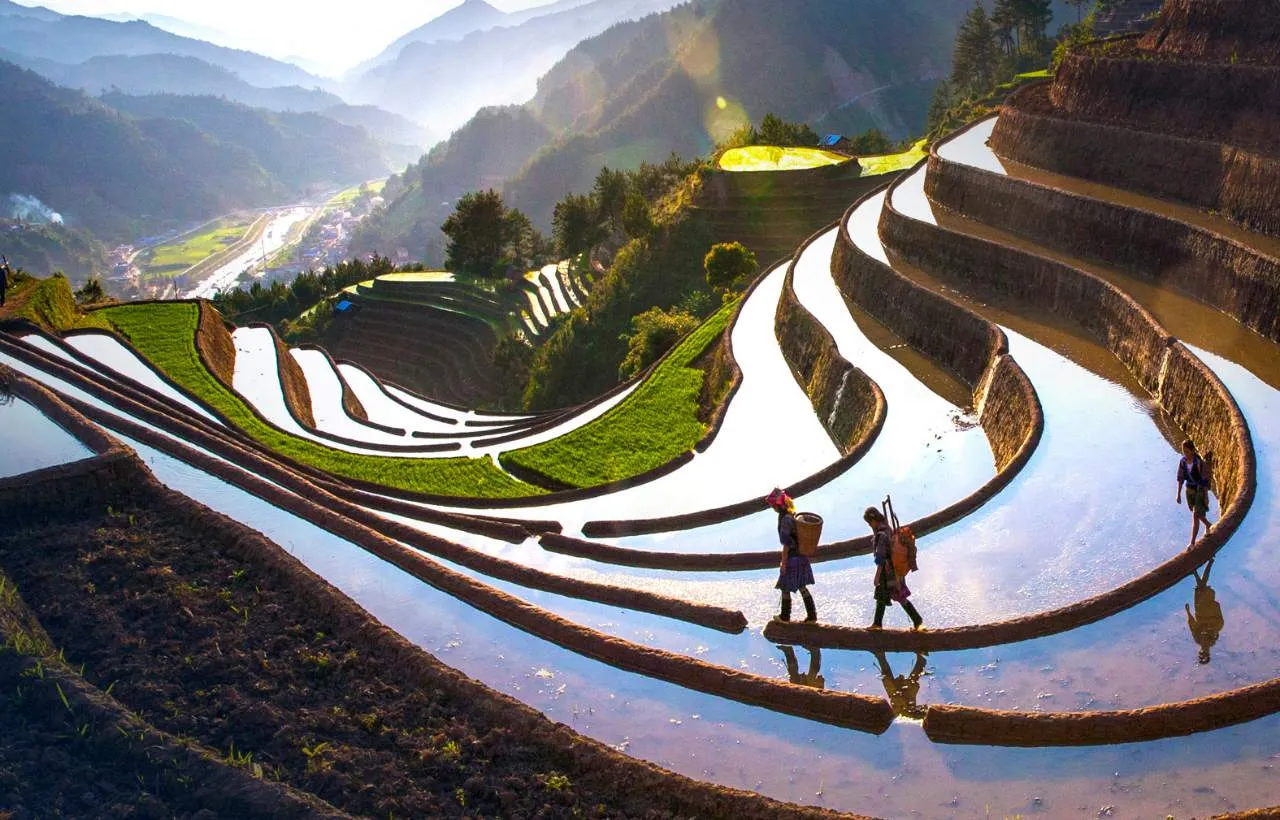
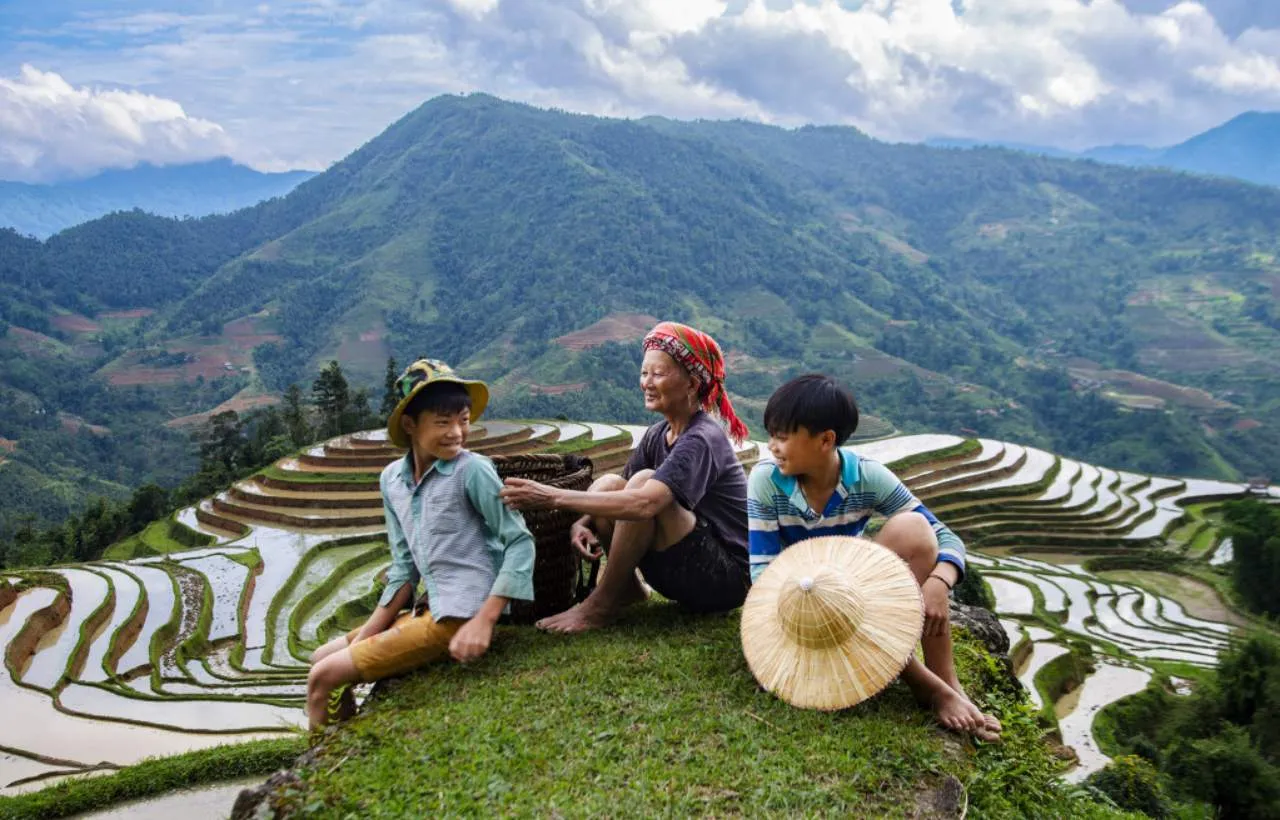
Cycling through villages offers insight into traditional Vietnamese life, where agriculture still dominates daily routines, and where the pace of life feels noticeably slower than in major cities, creating a gentle transition toward the end of the journey.
Day 10 – Hanoi | Departure
Returning to Hanoi for your final day allows you to enjoy a relaxed morning with coffee, souvenir shopping, or last walks in the Old Quarter, which helps you reconnect with the starting point of your Vietnam experience. As familiar streets reappear, you begin to reflect on how the journey has connected two cultures through shared history, food, and landscapes, despite their distinct identities.
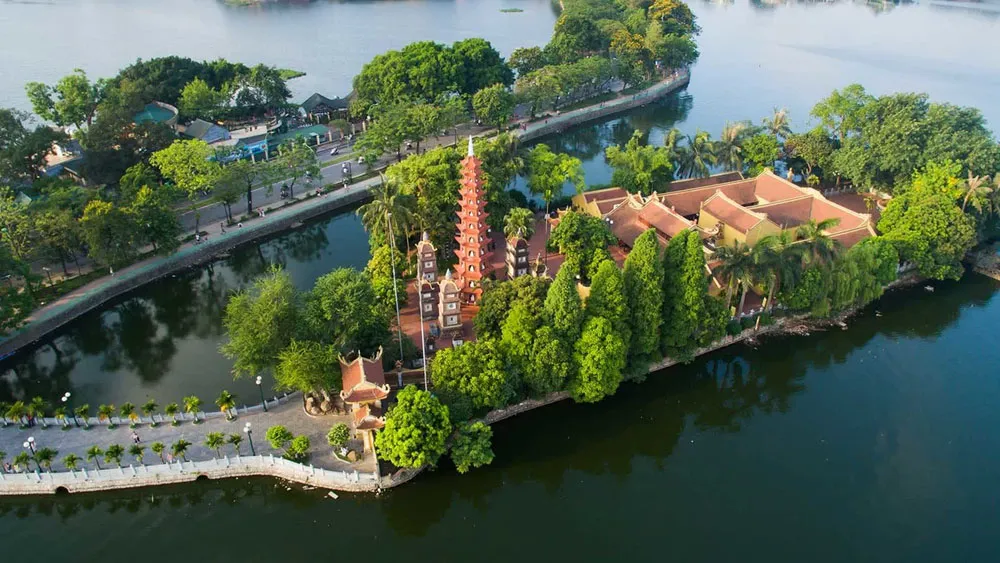
The trip ends with a strong sense of continuity between Thailand and Vietnam, leaving you with memories that feel coherent rather than fragmented, and with a deeper understanding of Southeast Asia beyond surface-level travel.
Travel Tips
-
Choose Bangkok → Hanoi open-jaw flights for logical routing.
-
Book Ha Long Bay cruise early, especially in high season.
-
Avoid mixing southern islands with northern Vietnam in 10 days.
-
Pack light layers for changing climates.
-
Domestic flights save significant travel time.
A Thailand Vietnam itinerary 10 days works best when it focuses on cultural depth and geographical logic rather than trying to cover every famous destination on the map. By combining Thailand’s urban heritage and northern landscapes with Vietnam’s historical cities and iconic natural scenery, this route creates a balanced journey that feels rich, coherent, and emotionally engaging.
With Custom Asia Travel (CAT), you can design a fully tailor-made Thailand–Vietnam journey, where routes, hotels, activities, and travel style are customized to your preferences, ensuring that your itinerary is not only efficient but also meaningful, personal, and perfectly aligned with how you want to experience Southeast Asia.



 View trip map