What to consider when choosing your Southeast Asia destination
Key factors that shape your travel experience
When comparing Southeast Asia’s most popular destinations, consider these essential factors:
-
Budget and value for money
-
Preferred travel style (e.g. cultural, luxury, backpacking, family)
-
Tourism infrastructure and accessibility
-
Local culture, food, and language
-
Safety and comfort for first-time visitors
Thailand: The region’s most versatile and tourist-friendly destination
Why Thailand continues to be a top choice
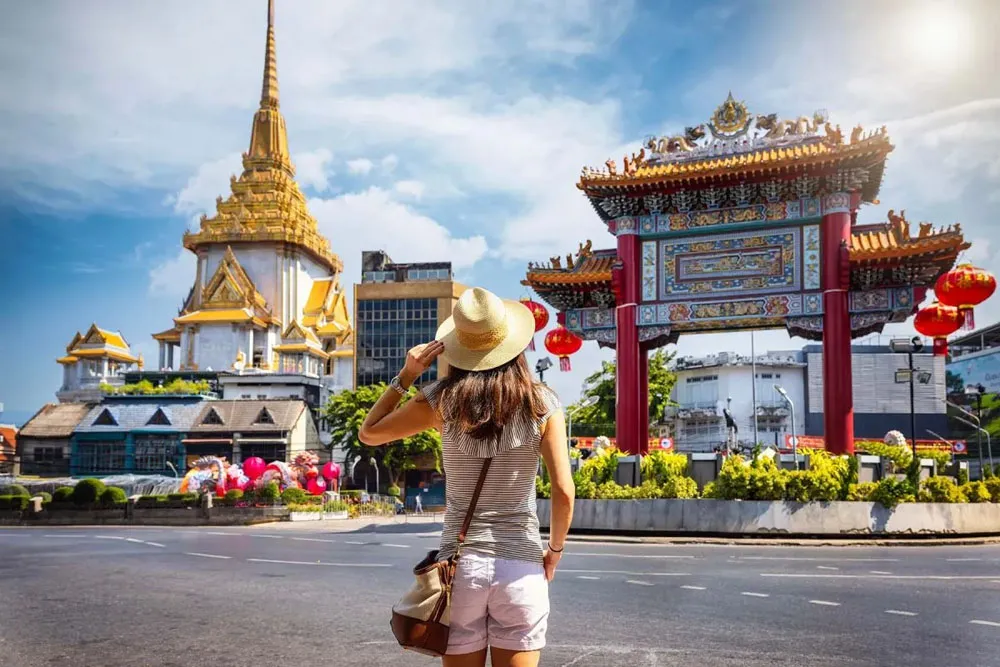
Thailand stands out for its excellent infrastructure, scenic variety, and ease of travel. From tropical islands and mountainous retreats to bustling cities and serene temples, Thailand offers something for every type of traveler.
-
Advantages: Well-developed tourism industry, convenient domestic flights, extensive accommodation options
-
Drawbacks: Crowded tourist hotspots in high season, more commercialized than its neighbors
Ideal for
Thailand is best suited for first-time visitors, luxury travelers, digital nomads, and those seeking a balanced mix of beaches, culture, and nightlife.
Highlights to explore
-
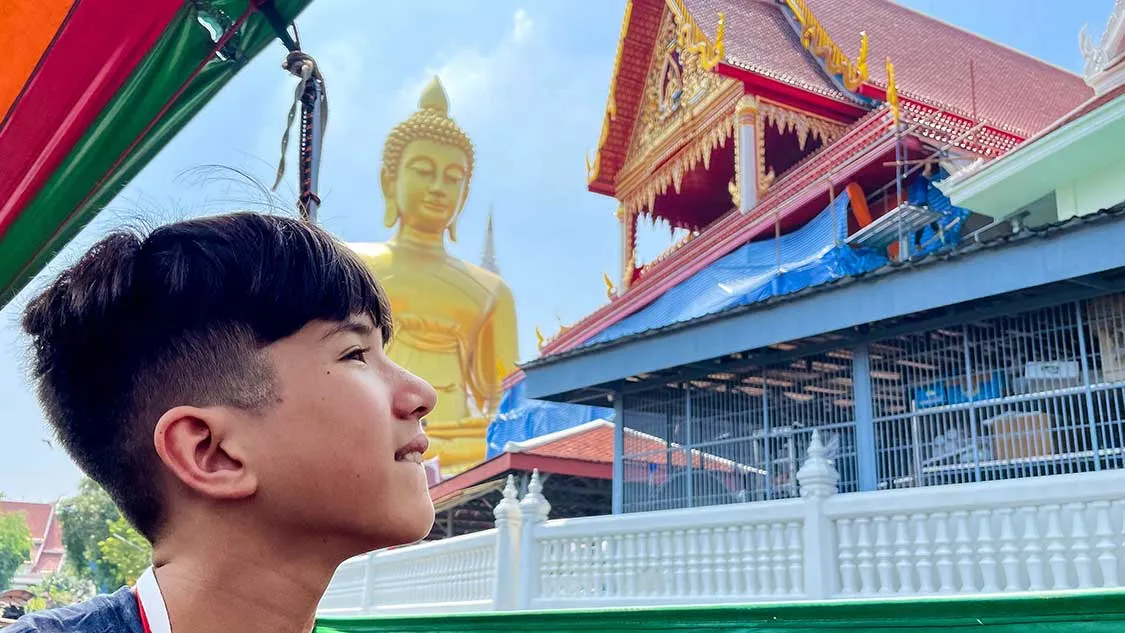
Bangkok: A vibrant mix of ancient temples, luxury malls, and world-class dining
-
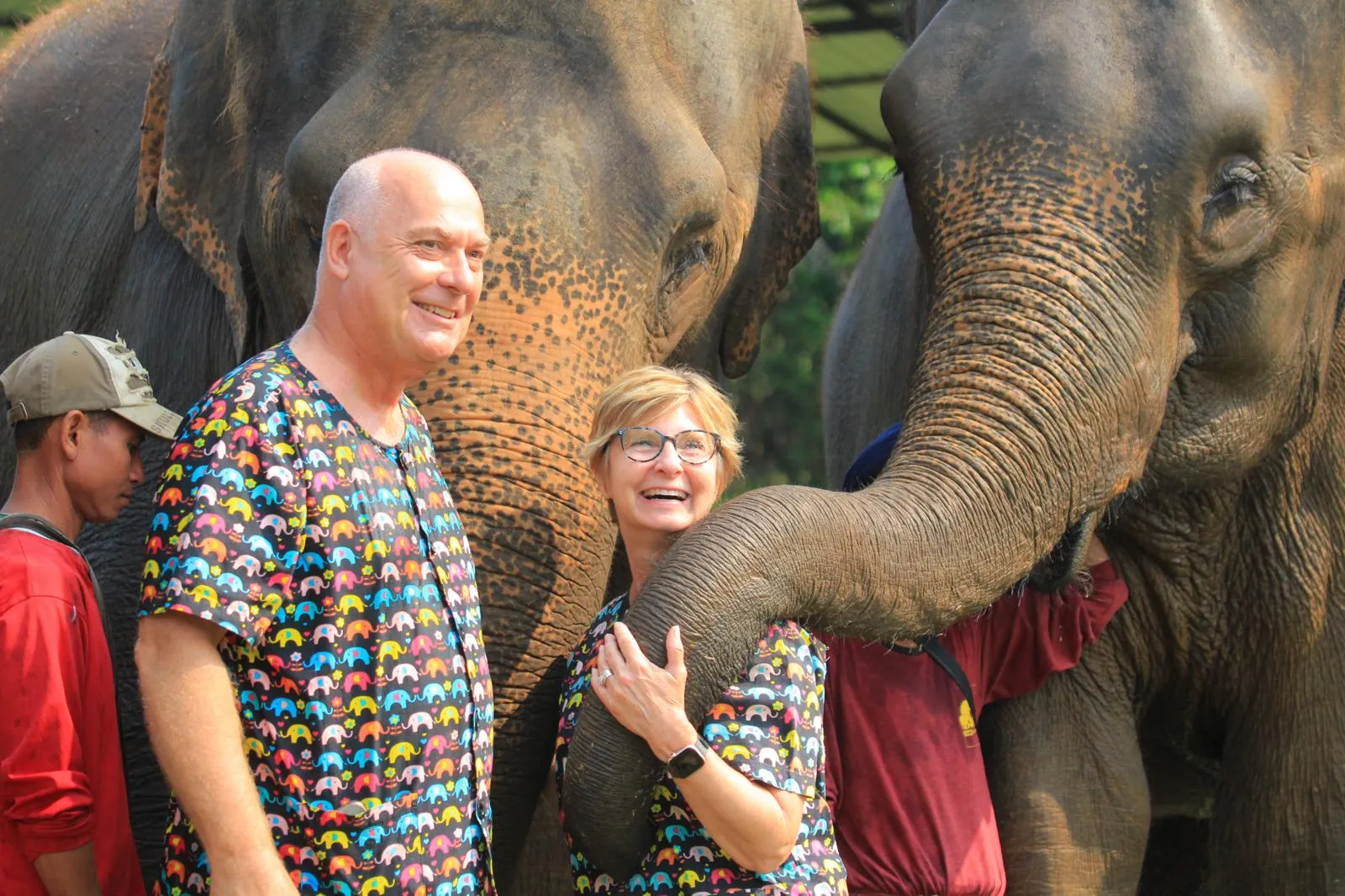
Chiang Mai: A northern hub for nature, elephants, and Buddhist culture
-
Phuket & Krabi: Gateway to Thailand’s most iconic beachscapes
-
Koh Samui: Ideal for wellness retreats and upscale resorts
Vietnam: A dynamic blend of culture, cuisine, and breathtaking scenery
What makes Vietnam a cultural and culinary powerhouse
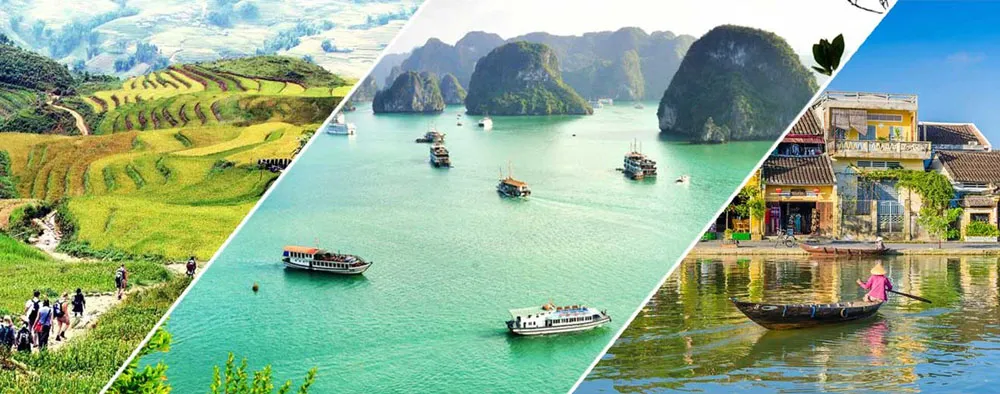
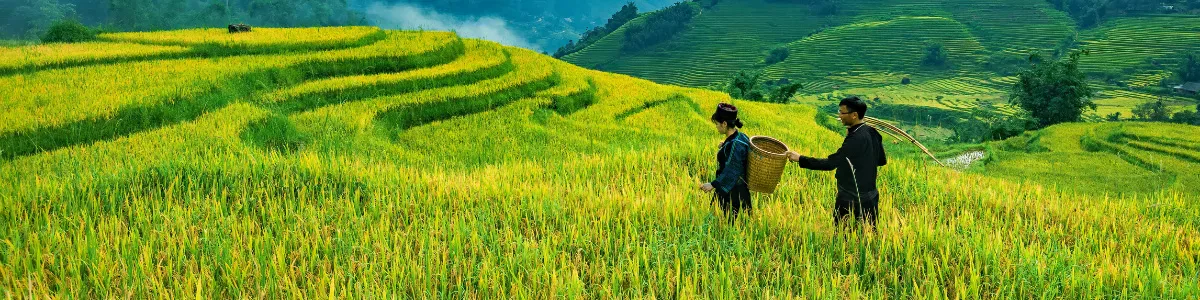
Vietnam offers a deep cultural narrative, world-renowned cuisine, and striking geographic diversity. From the northern rice terraces to the southern Mekong Delta, the country impresses with both vibrancy and authenticity.
-
Advantages: Affordable prices, flavorful street food, varied landscapes
-
Drawbacks: Traffic congestion, large distances between major cities
Ideal for
Vietnam appeals to cultural enthusiasts, photographers, adventurous food lovers, and nature seekers looking for immersive travel.
Must-visit destinations
-
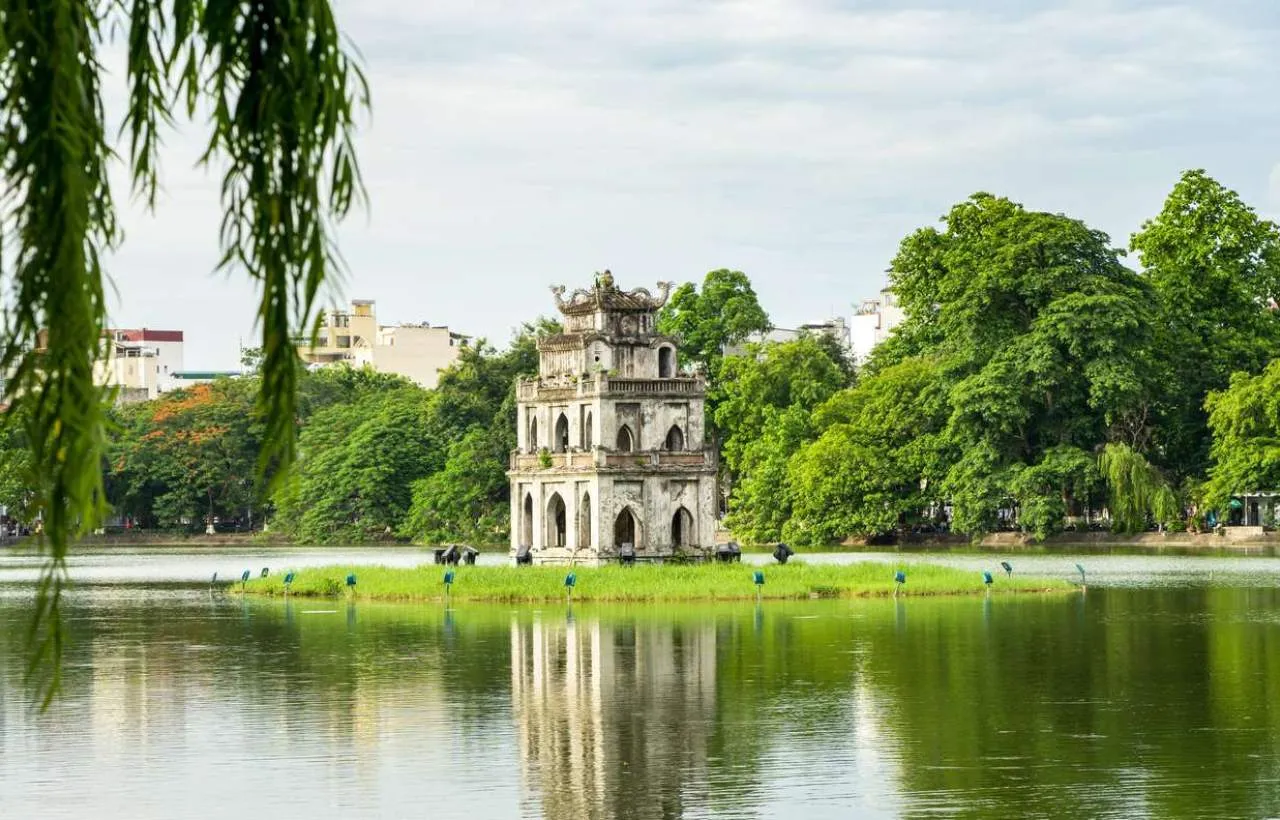
Hanoi: The atmospheric capital, rich in history and street life
-
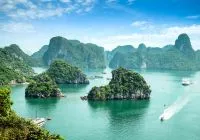
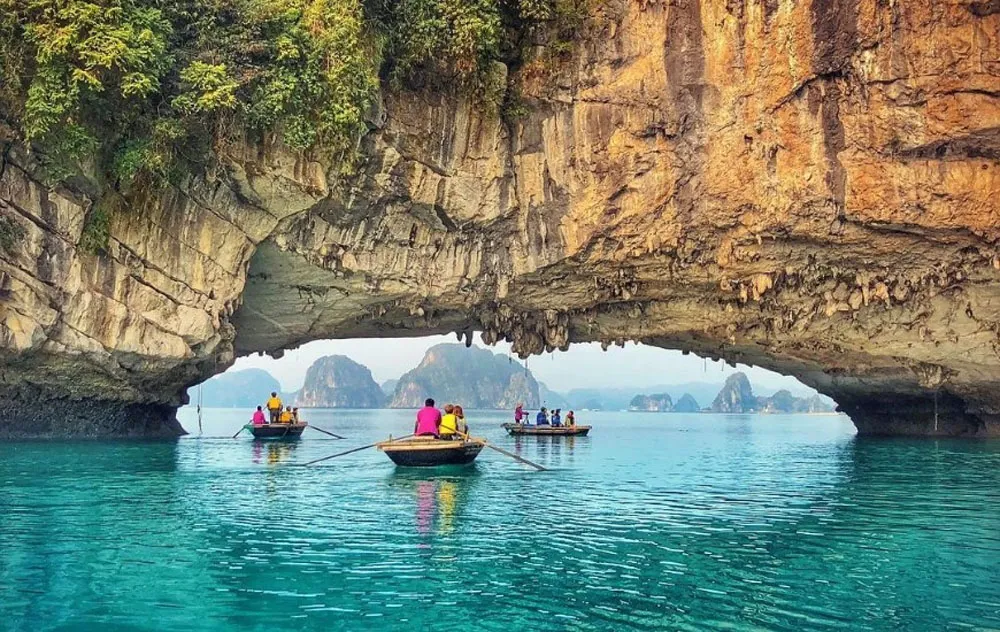
Halong Bay: UNESCO-listed seascape ideal for cruises
-
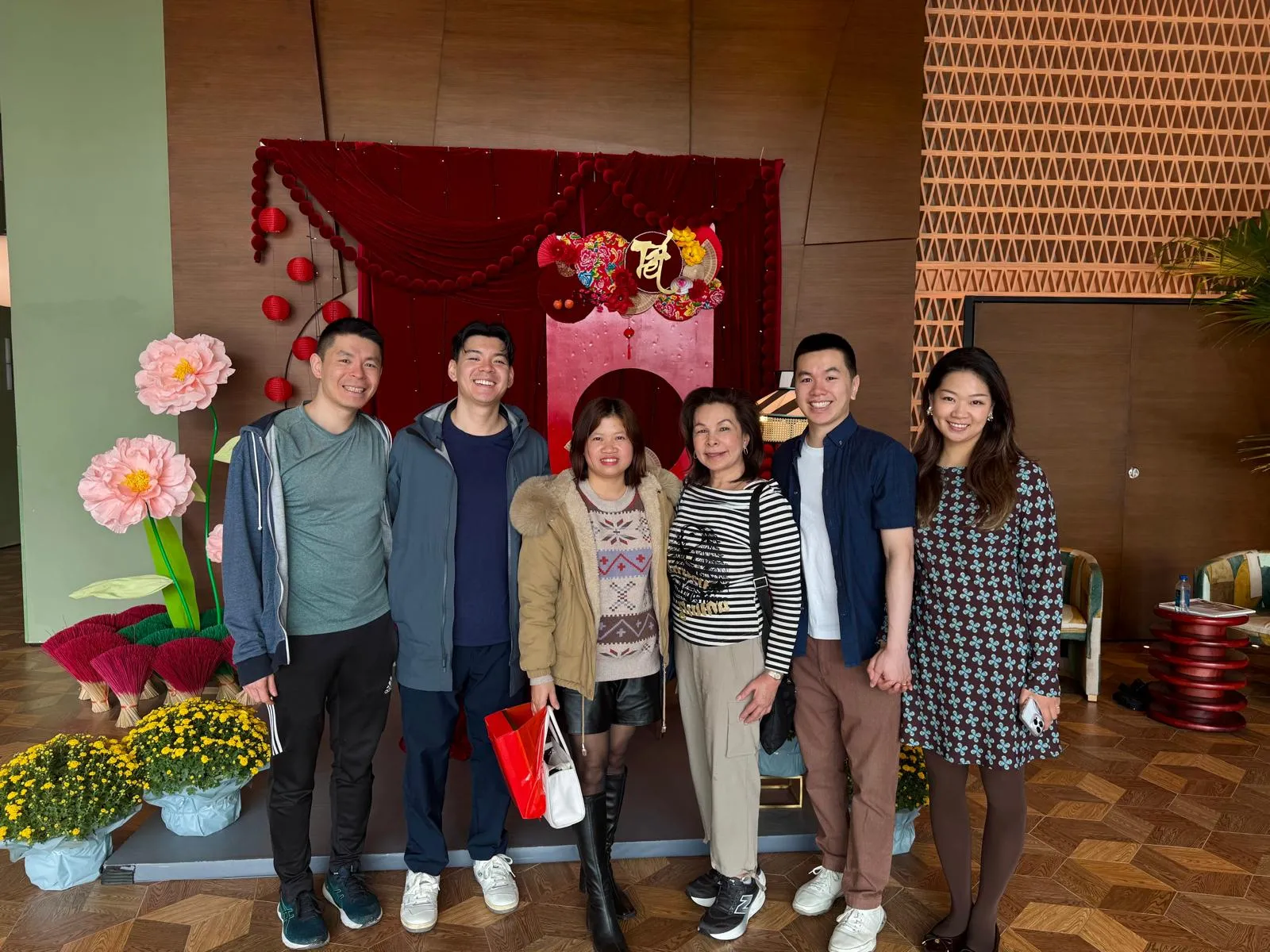
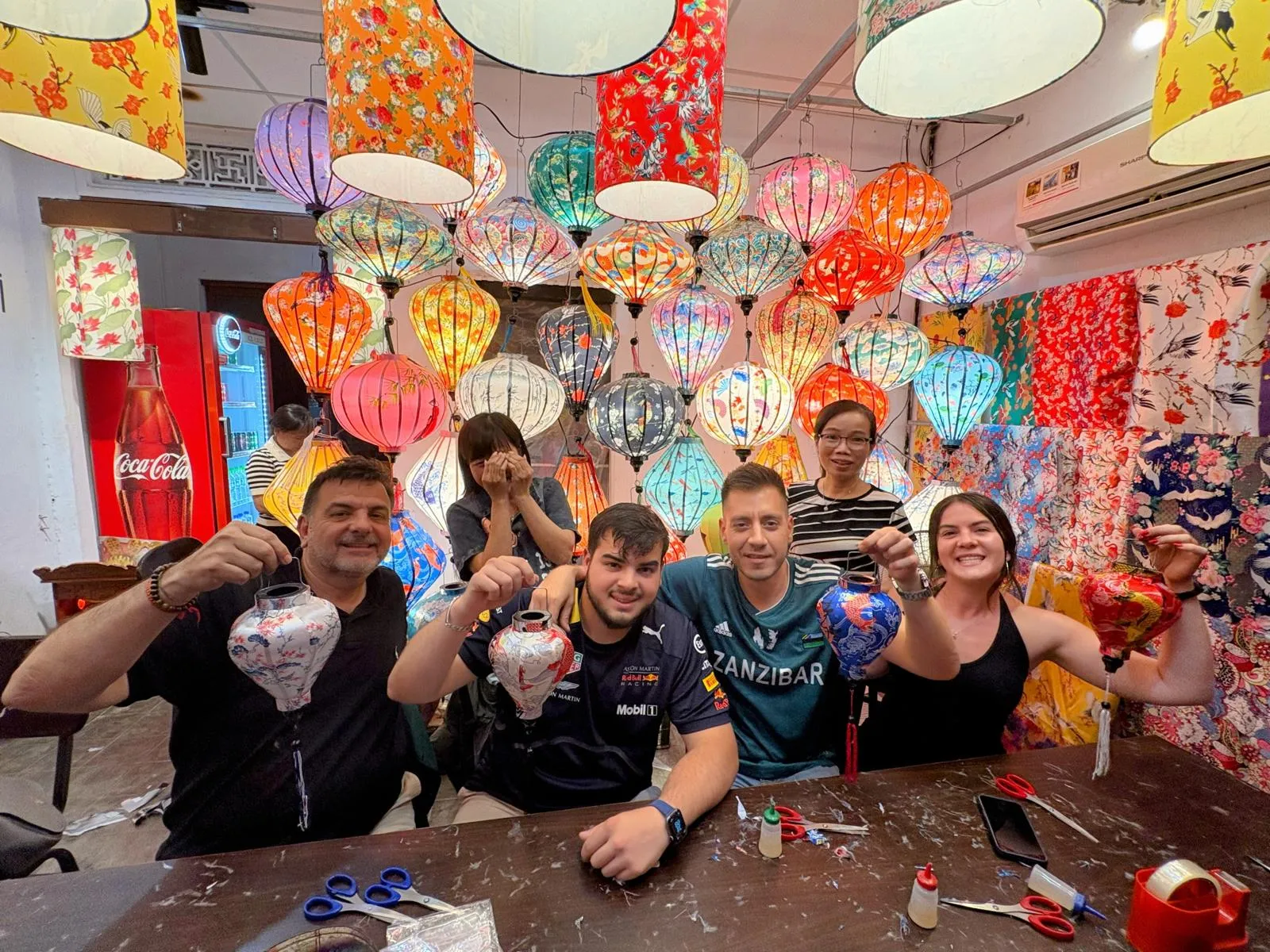
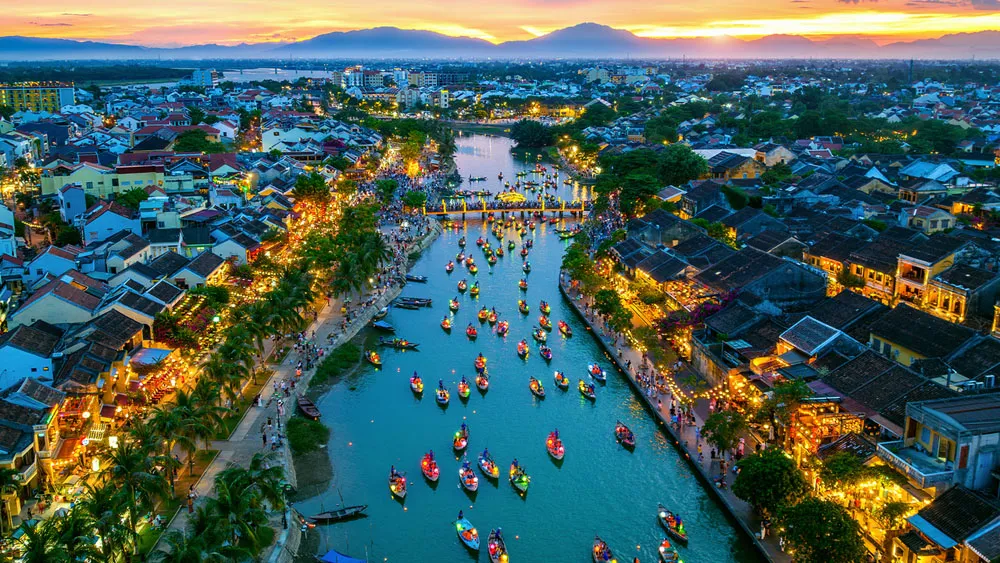
Hoi An: A charming heritage town known for lantern-lit evenings and custom tailoring
-
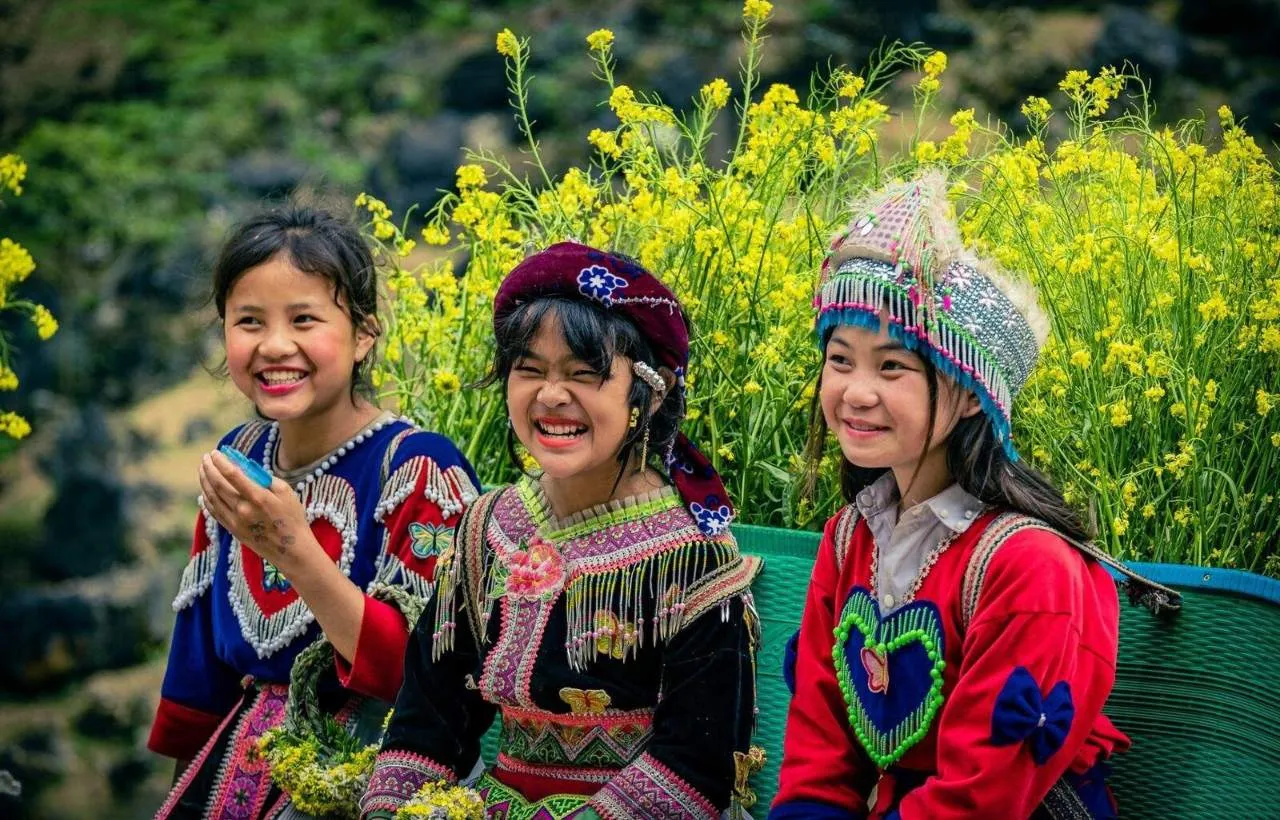
Sapa: A scenic escape with terraced fields and hill-tribe villages
-
Ho Chi Minh City: A fast-paced southern metropolis full of energy and French colonial charm
Cambodia: A compelling destination for history and introspection
Exploring Cambodia’s ancient wonders and rising potential
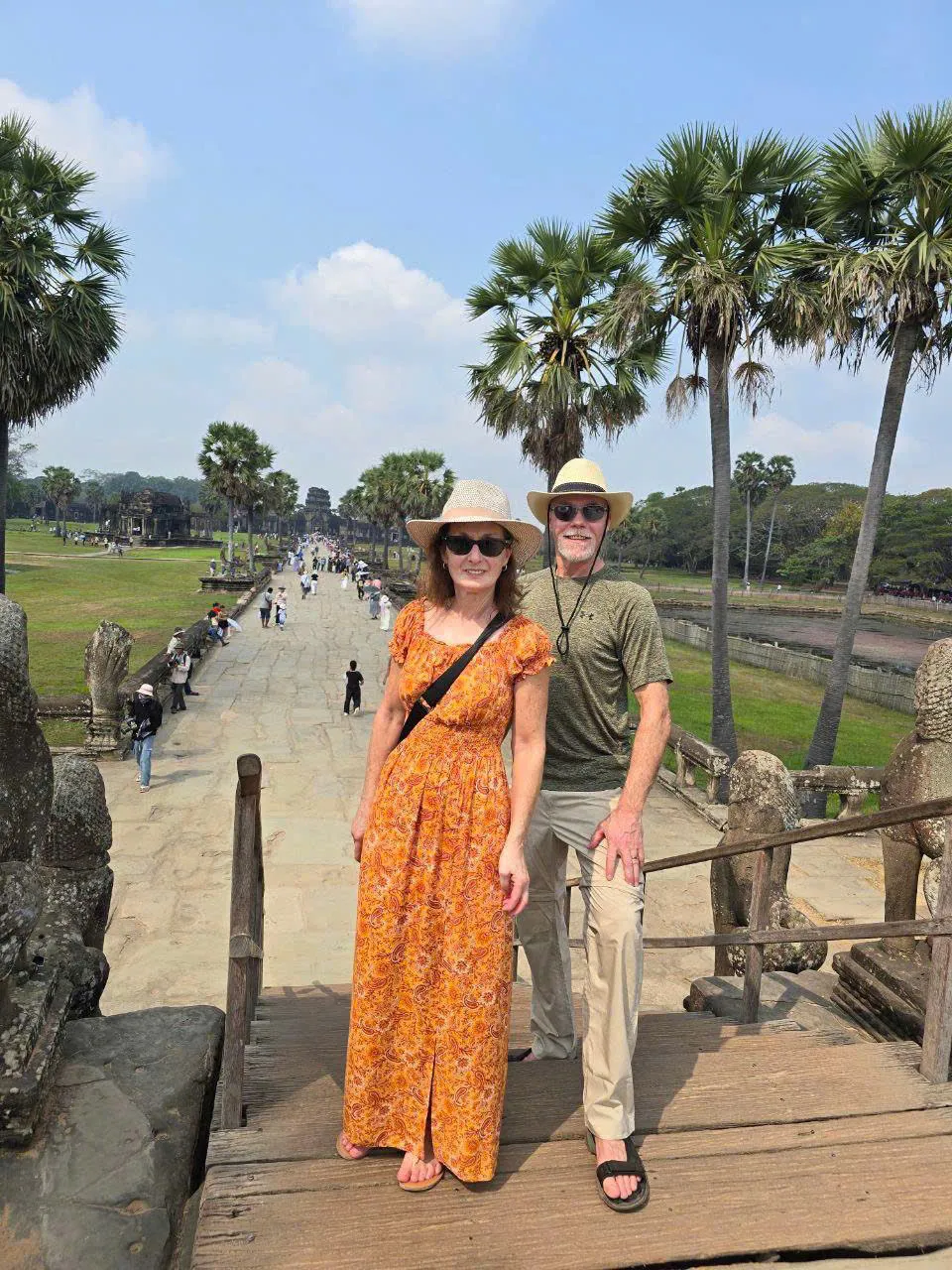
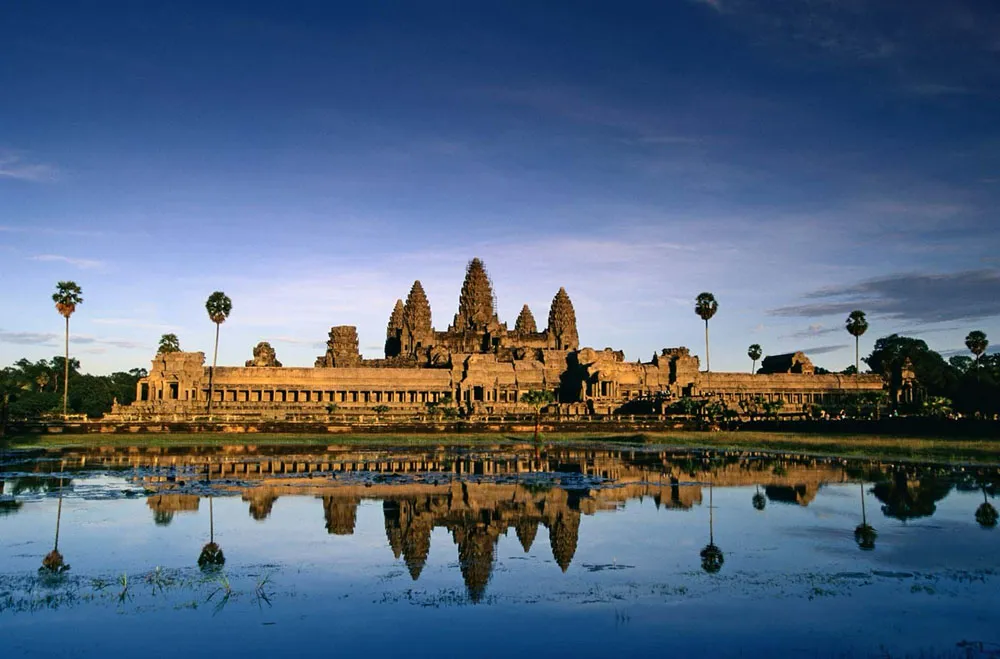
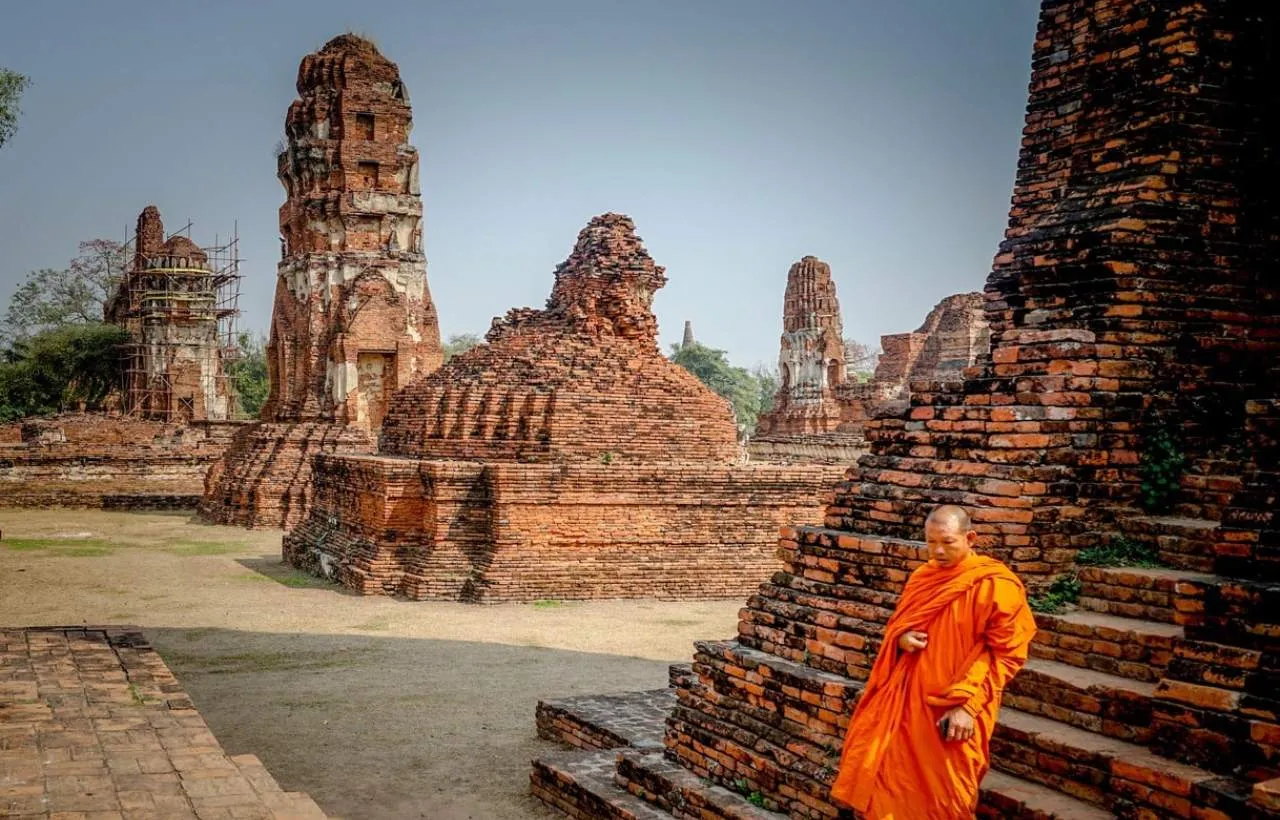
Cambodia is best known for the majestic Angkor Wat complex but offers far more than temples. With a raw yet peaceful character, it invites visitors to explore both its proud heritage and its path of recovery.
-
Advantages: Low travel costs, historically significant sites, fewer tourists
-
Drawbacks: Less developed transportation and healthcare infrastructure
Ideal for
Cambodia is especially suited for history enthusiasts, budget-conscious travelers, and those seeking a quieter, more introspective journey.
Points of interest
-
Siem Reap: Gateway to Angkor’s ancient ruins and vibrant local markets
-
Phnom Penh: A riverside capital with sobering yet essential museums
-
Kampot: A relaxed colonial town known for pepper farms and river cruises
-
Koh Rong: An emerging beach destination with turquoise waters and soft sands
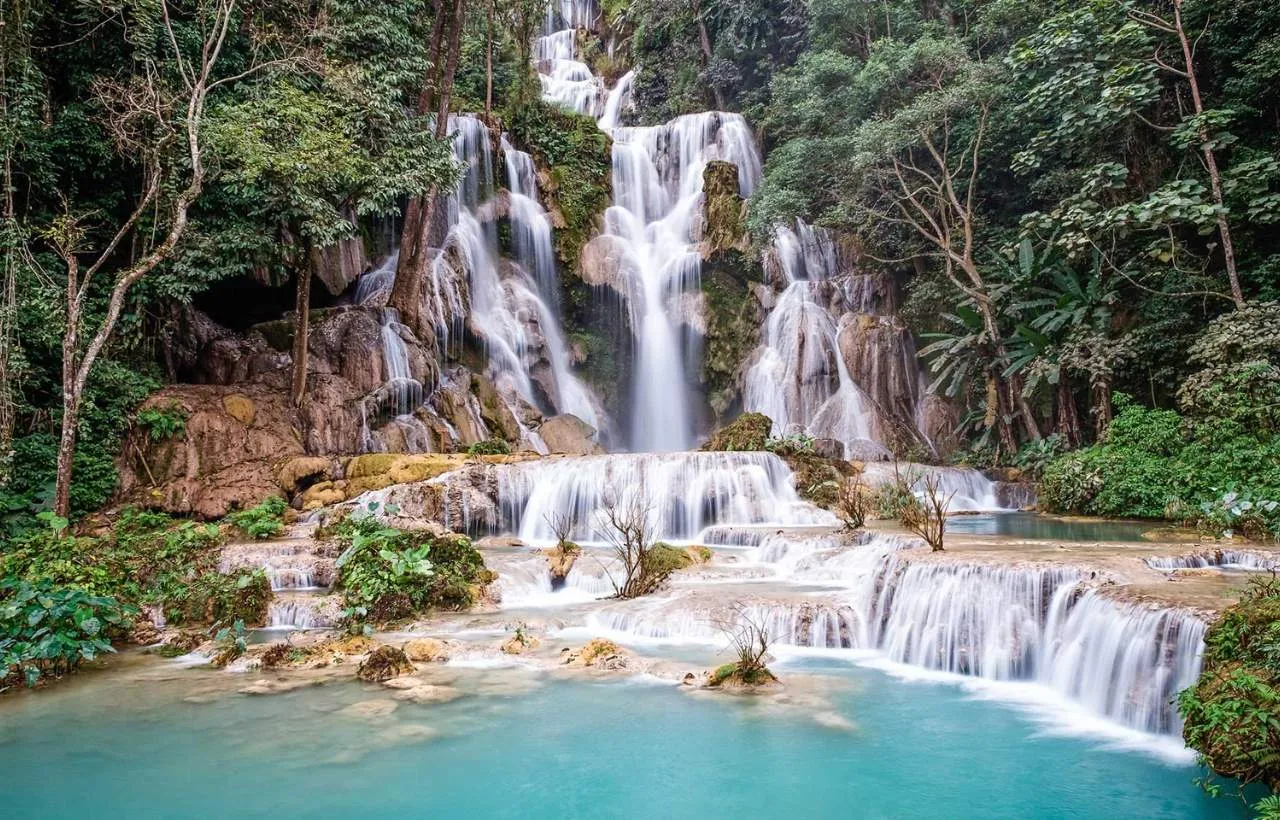
Laos: Southeast Asia’s most tranquil and untouched retreat
Discovering the quiet charm of Laos
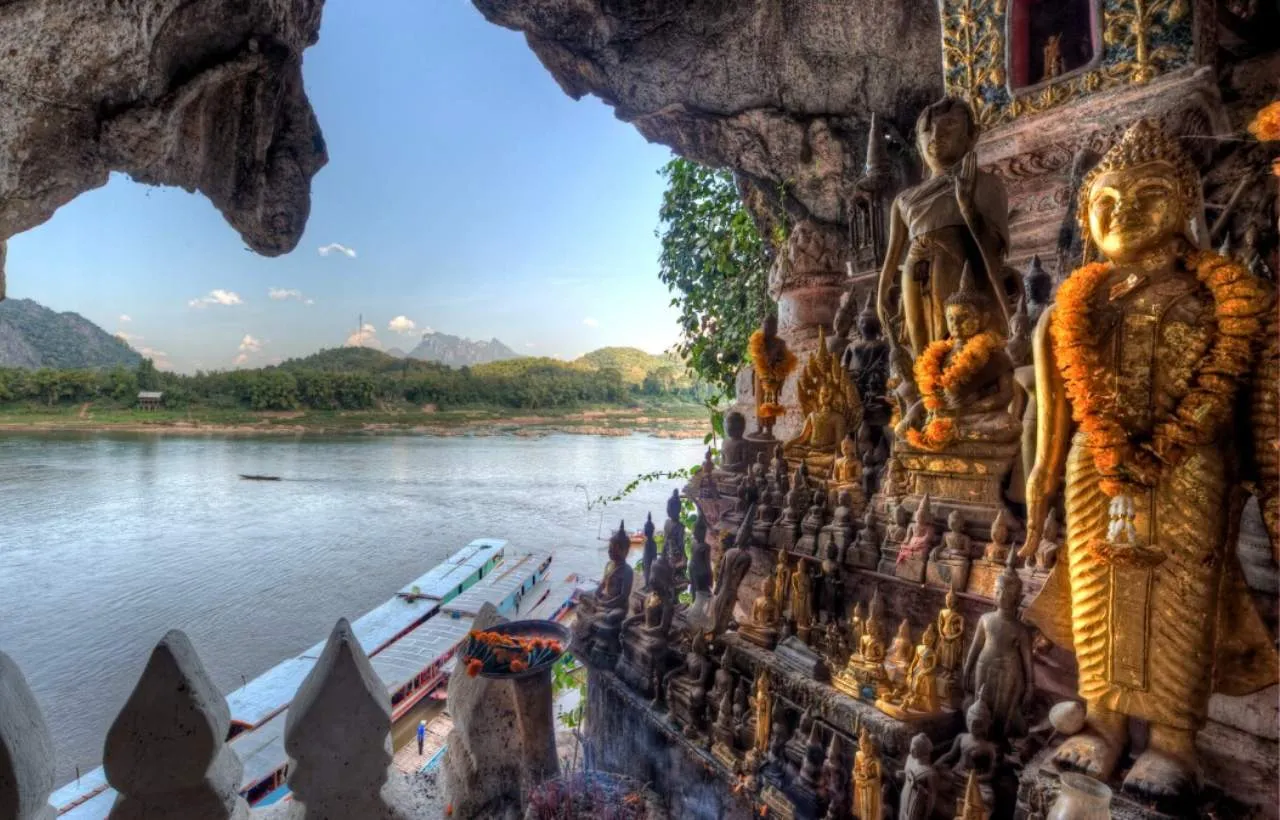
Laos offers a gentler pace of travel and remains largely untouched by mass tourism. Its natural beauty, combined with deep-rooted spirituality and welcoming communities, makes it ideal for those seeking peace and authenticity.
-
Advantages: Serene landscapes, low tourist density, affordability
-
Drawbacks: Limited transportation options, fewer international flights
Ideal for
Laos is perfect for slow travelers, spiritual seekers, nature lovers, and those wishing to escape the tourist trail.
Key destinations to visit
-
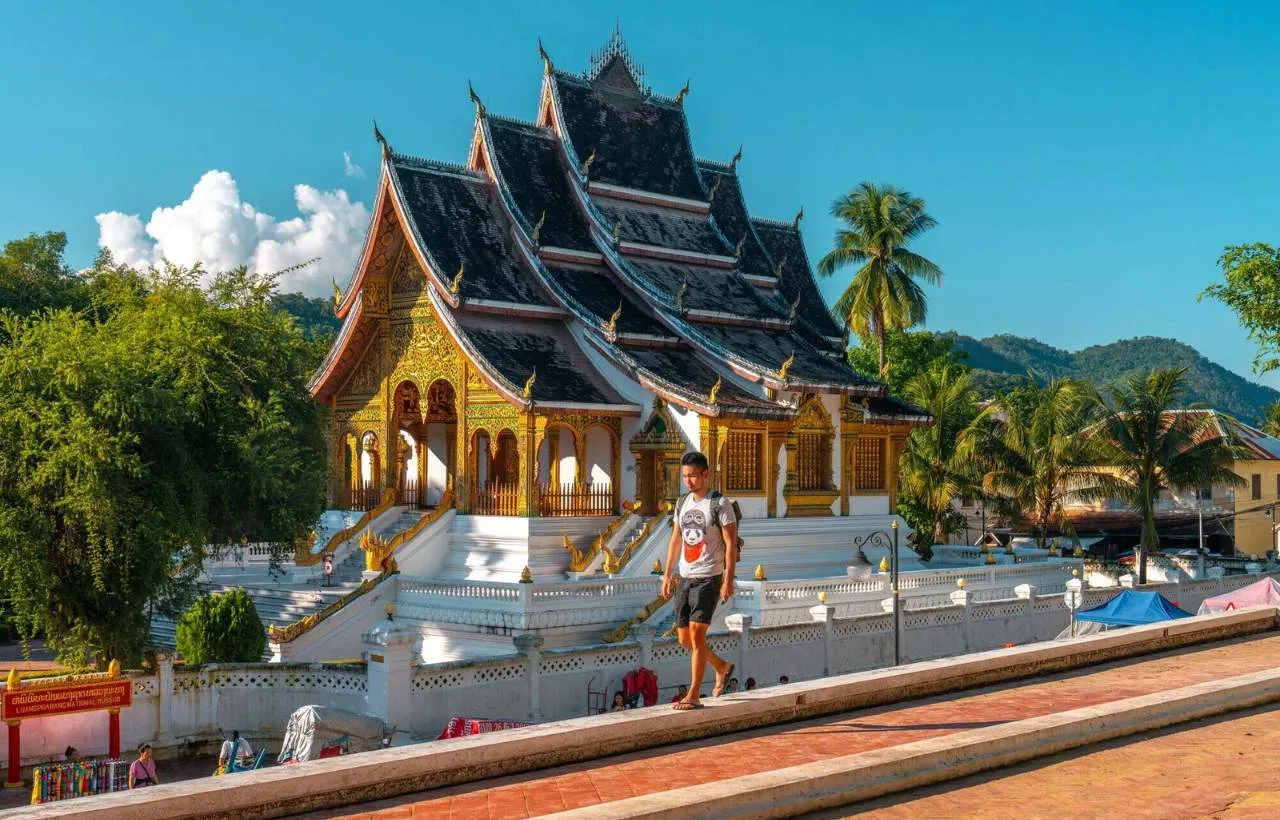
Luang Prabang: A UNESCO World Heritage city blending French colonial influence with Buddhist tradition
-
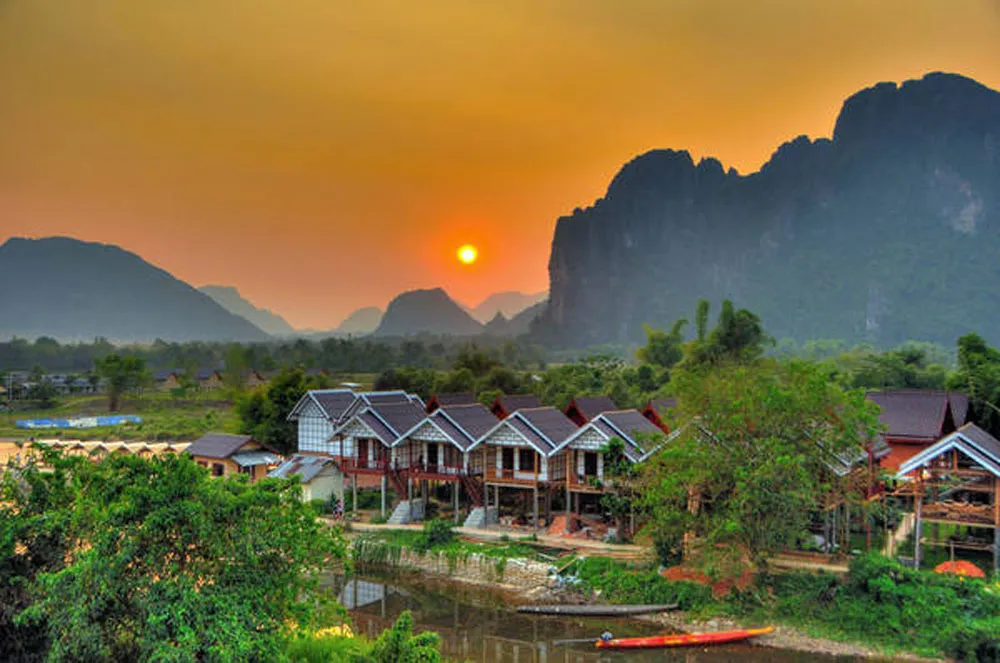
Vang Vieng: Known for dramatic limestone cliffs and outdoor activities
-
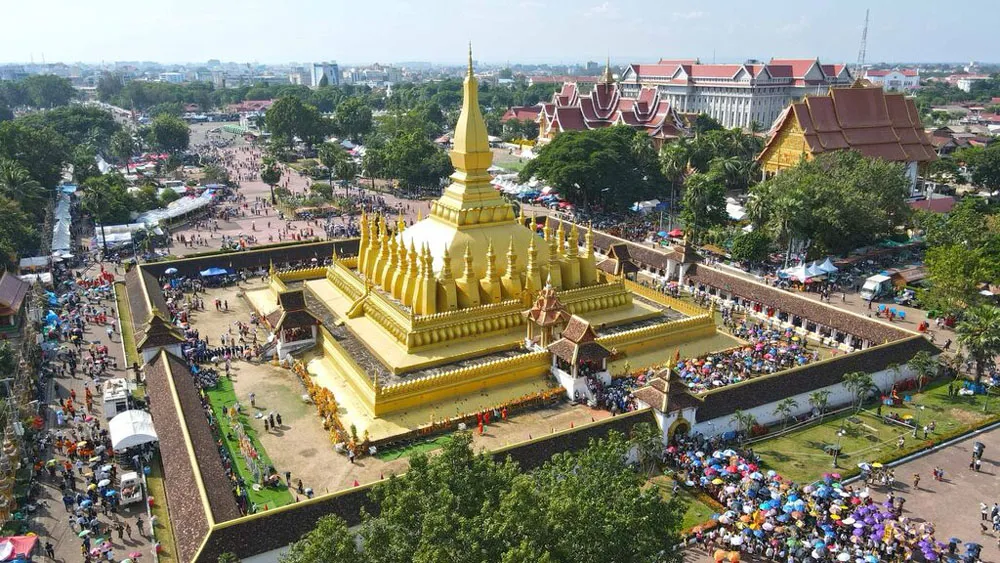
Vientiane: A small but pleasant capital city with a riverfront promenade
-
Si Phan Don (4000 Islands): A remote and peaceful archipelago in the south
Comparing travel costs across all four countries
Understanding the average daily budget can help align your destination with your financial expectations. Here’s a cost comparison for three travel styles:
| Country |
Backpacker Budget |
Mid-range Budget |
Luxury Budget |
| Thailand |
$30–50/day |
$70–120/day |
$200+/day |
| Vietnam |
$25–40/day |
$60–100/day |
$180+/day |
| Cambodia |
$20–35/day |
$50–90/day |
$150+/day |
| Laos |
$20–30/day |
$45–80/day |
$120+/day |
Vietnam and Cambodia offer outstanding value for budget travelers, while Thailand and Laos provide greater comfort or exclusivity depending on your preferences.
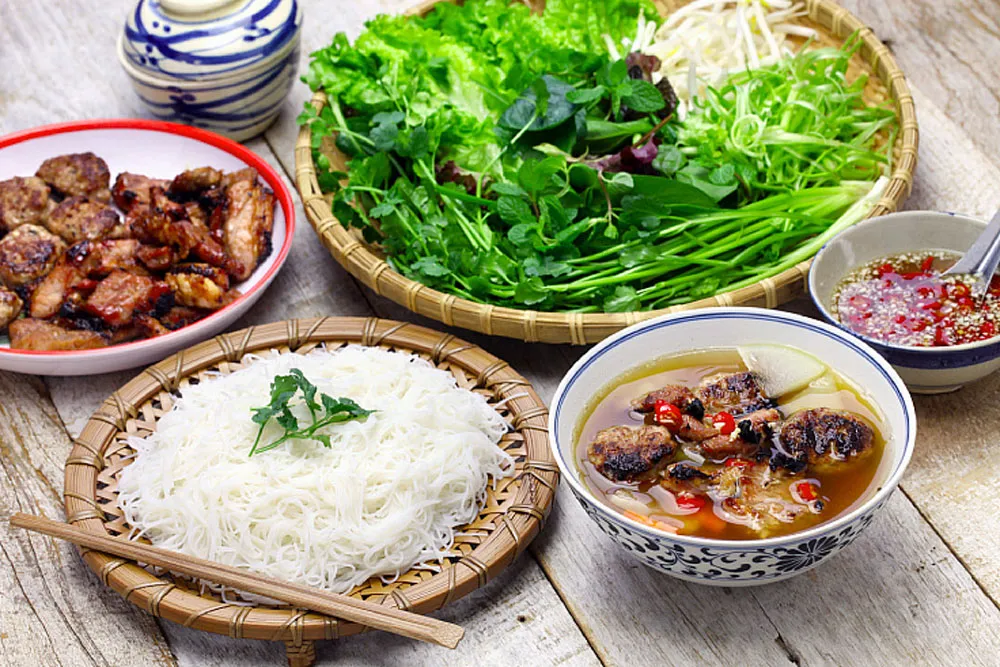
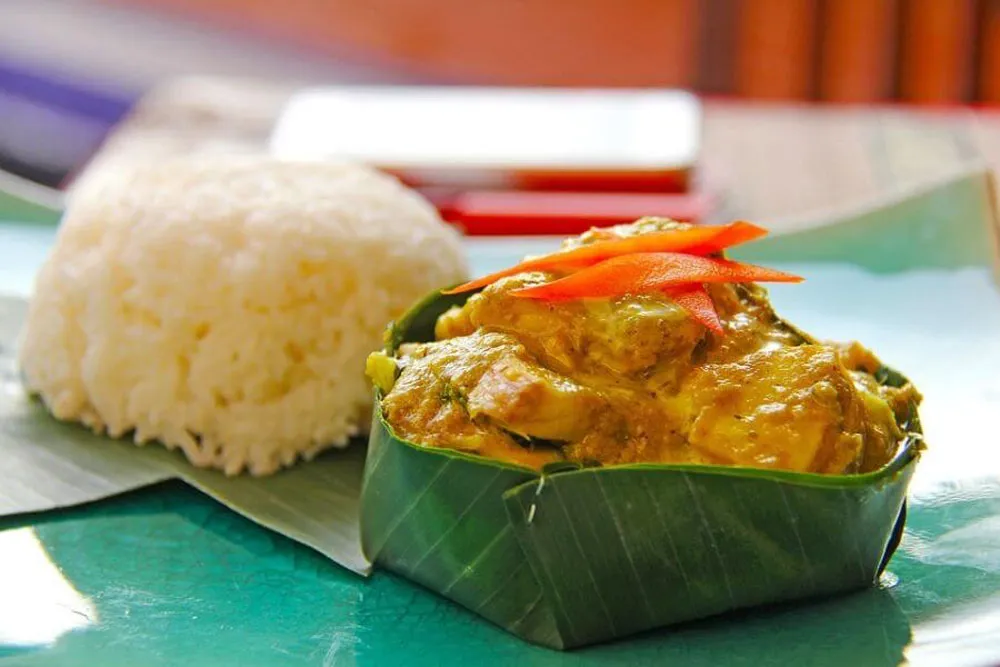
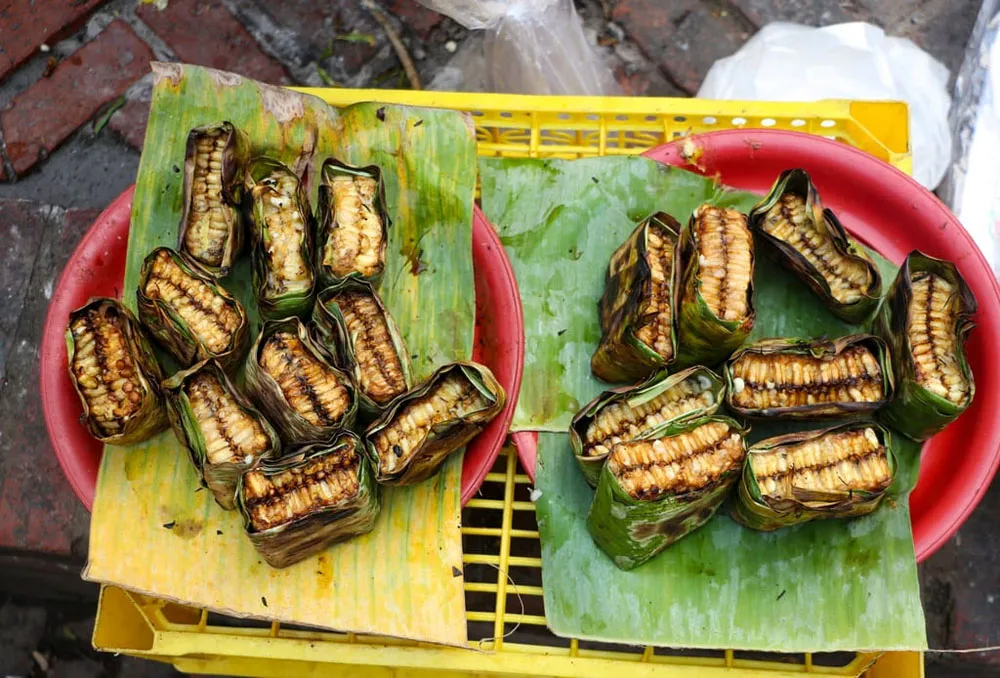
Cultural experiences and cuisine: What each country offers
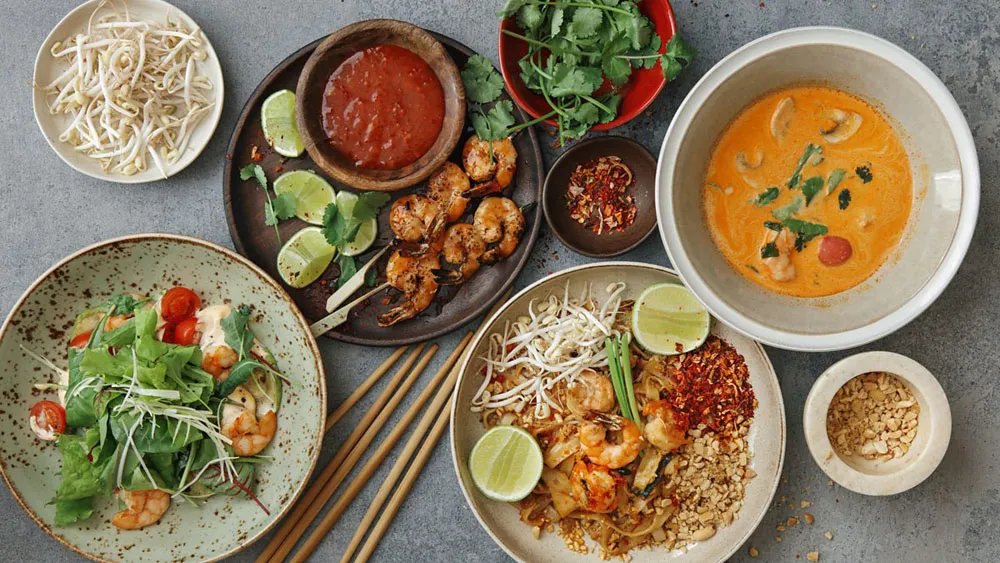
A culinary journey through Southeast Asia
Each destination showcases unique and flavorful cuisine:
Language and cultural navigation
-
Thailand and Vietnam: English is commonly spoken in tourist hubs
-
Cambodia: Moderate English proficiency in main cities
-
Laos: Less English, but warm hospitality bridges most gaps
Culturally, all four nations showcase traditional arts, festivals, and spiritual practices—but vary in how tourist-ready these experiences are.
Which country suits your travel style best?
| Travel Preference |
Recommended Destination |
| First-time visitors |
Thailand or Vietnam |
| Cultural immersion |
Cambodia or Vietnam |
| Beach holidays |
Thailand or Cambodia (Koh Rong) |
| Luxury travel |
Thailand or Vietnam |
| Nature and serenity |
Laos or northern Vietnam |
| Budget-friendly backpacking |
Cambodia or Laos |
Multi-country travel: Is it worth combining destinations?
Yes—Southeast Asia is remarkably well-connected for regional travel. Budget airlines, e-visas, and overland border crossings make it convenient to combine two or more countries in a single itinerary.
Sample 2-week itinerary ideas
-
Thailand & Cambodia: Bangkok → Angkor Wat → Koh Rong
-
Vietnam & Laos: Hanoi → Luang Prabang → Vientiane
-
All four countries: Bangkok → Siem Reap → Ho Chi Minh City → Luang Prabang
Travelers can seamlessly move between countries using regional low-cost airlines such as AirAsia, or scenic cross-border bus journeys.
Final verdict: Where should you begin your Southeast Asia adventure?
Each destination offers a unique lens into Southeast Asia’s beauty and complexity. Thailand provides ease and variety, perfect for beginners. Vietnam captivates with its contrasts and culinary depth. Cambodia invites reflection through history and resilience. Laos, peaceful and slow, encourages you to pause and connect with nature.
Your choice depends on what kind of experience you seek—adventure, luxury, cultural depth, or serenity.
Ready to explore Thailand, Cambodia, Vietnam, or Laos—but not sure how to begin?
Let our travel experts design a custom itinerary tailored to your pace, interests, and travel goals. From handpicked accommodations to private cultural tours, we ensure every detail is handled for a seamless and unforgettable journey.
Contact us today to begin planning your Southeast Asia adventure.






 View trip map