How this 4-week Vietnam and Cambodia itinerary is structured
The itinerary follows a north-to-south route in Vietnam, then continues into Cambodia. Each week focuses on one main region, allowing you to stay longer in each destination instead of moving constantly. Long distances are covered by flights, while shorter connections use road or rail for scenery and flexibility.
Week 1: Northern Vietnam – Cities, mountains, and karst landscapes
Days 1–4: Hanoi and nearby countryside
Arrive in Hanoi and use the first few days to settle in. Explore the Old Quarter, Hoan Kiem Lake, markets, museums, and café streets at an unhurried pace.
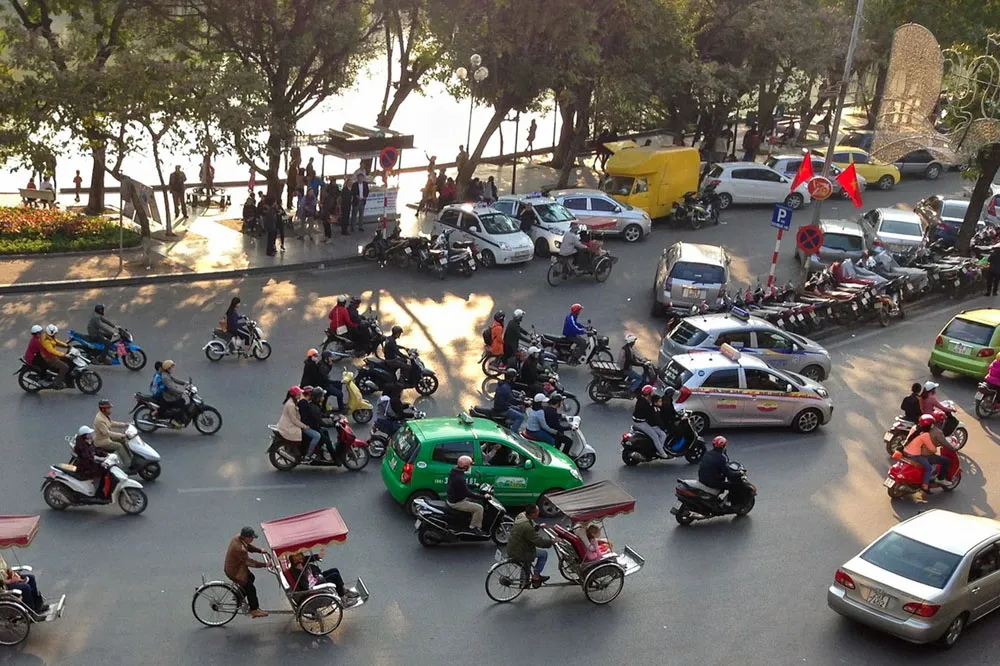
Include one countryside excursion during this period:
-
A day trip or overnight to Ninh Binh for river caves, limestone scenery, and countryside cycling
-
Or remain fully in Hanoi if adjusting to time zone and climate
These days are intentionally light to prepare you for more active travel ahead.
Days 5–7: Sapa or Northern Highlands
Travel overnight by train or bus to Sapa or another northern highland area. Spend three days trekking through valleys and ethnic villages such as Lao Chai and Ta Van.
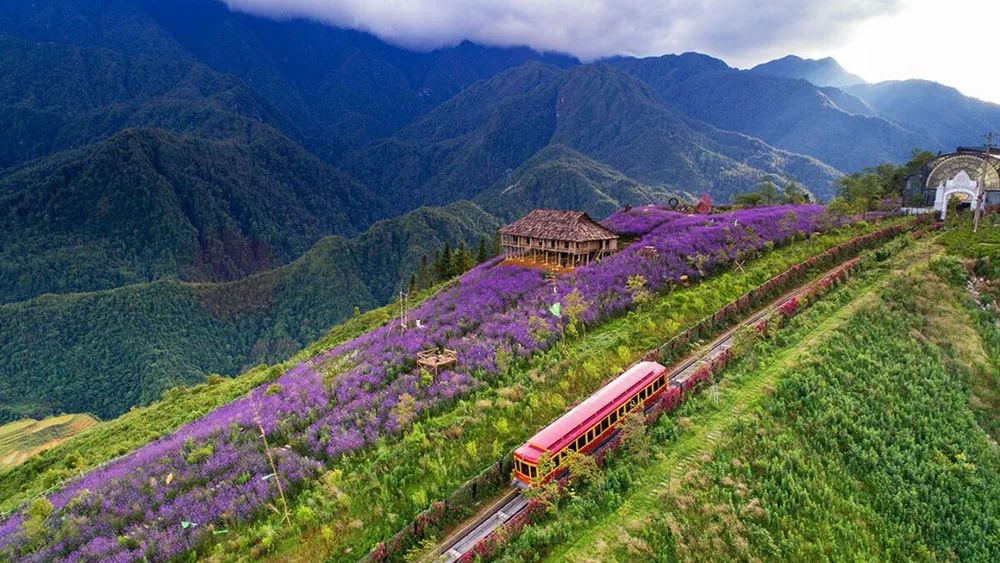
Typical activities include:
-
Guided full-day village treks
-
Visits to waterfalls and mountain viewpoints
-
Optional Fansipan cable car
-
Overnight stays in village homestays
This section introduces rural life and mountain scenery, creating a strong contrast with Hanoi.
Week 2: Central Vietnam – Imperial history and ancient towns
Days 8–10: Ha Long Bay or extended northern nature

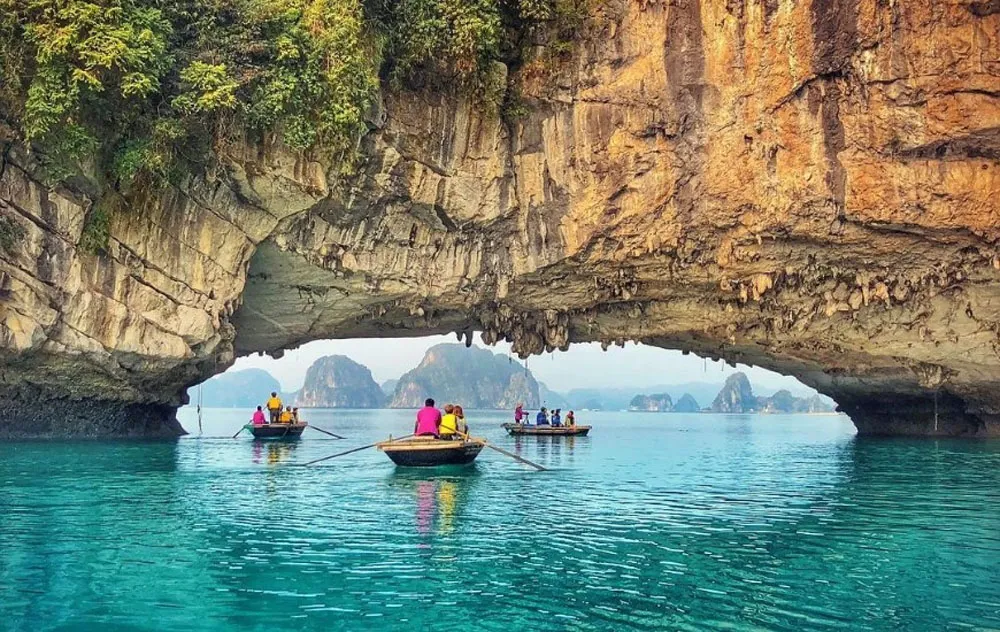
Return south toward Hanoi and continue to Ha Long Bay for an overnight cruise through limestone karsts. This adds a calm, scenic break between mountain trekking and central Vietnam.
If you prefer land-based travel, extend time in Ninh Binh instead.
Days 11–13: Hue – Vietnam’s Imperial Capital

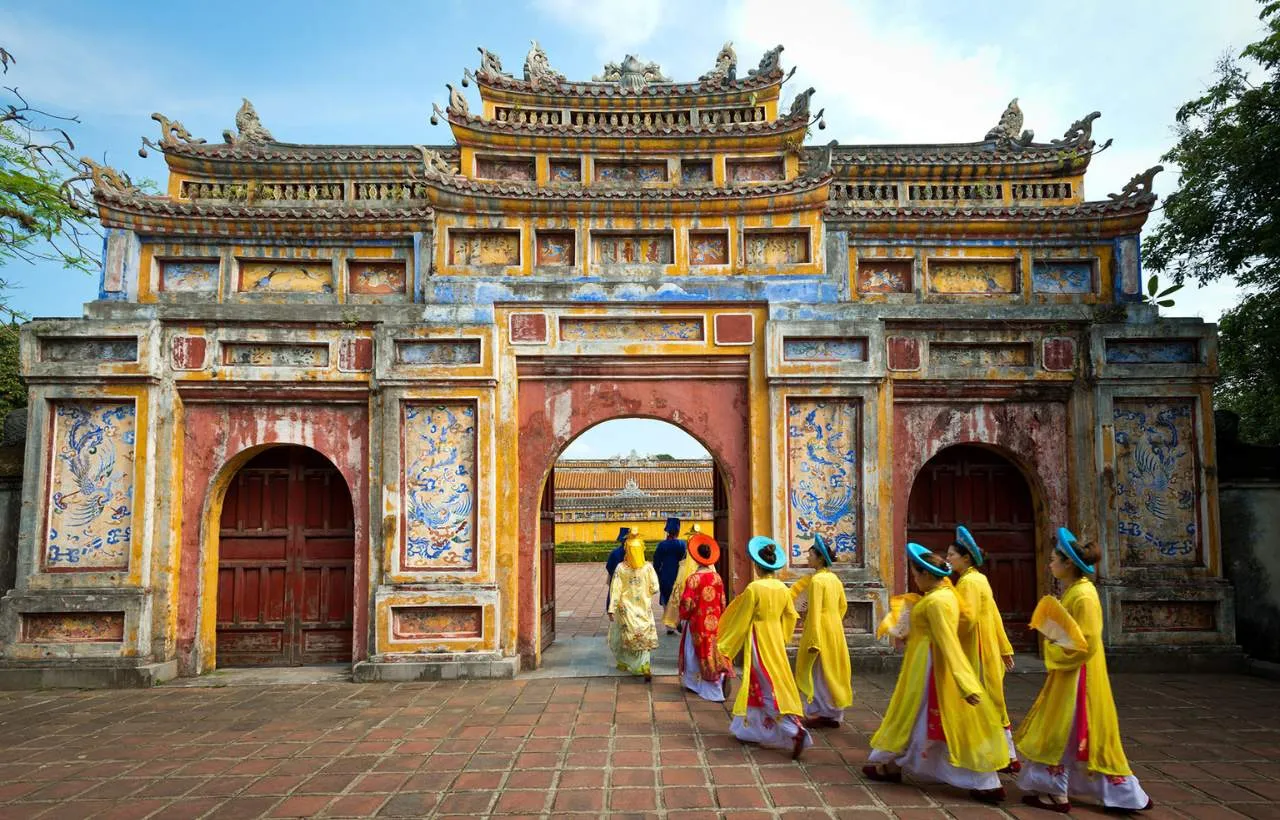
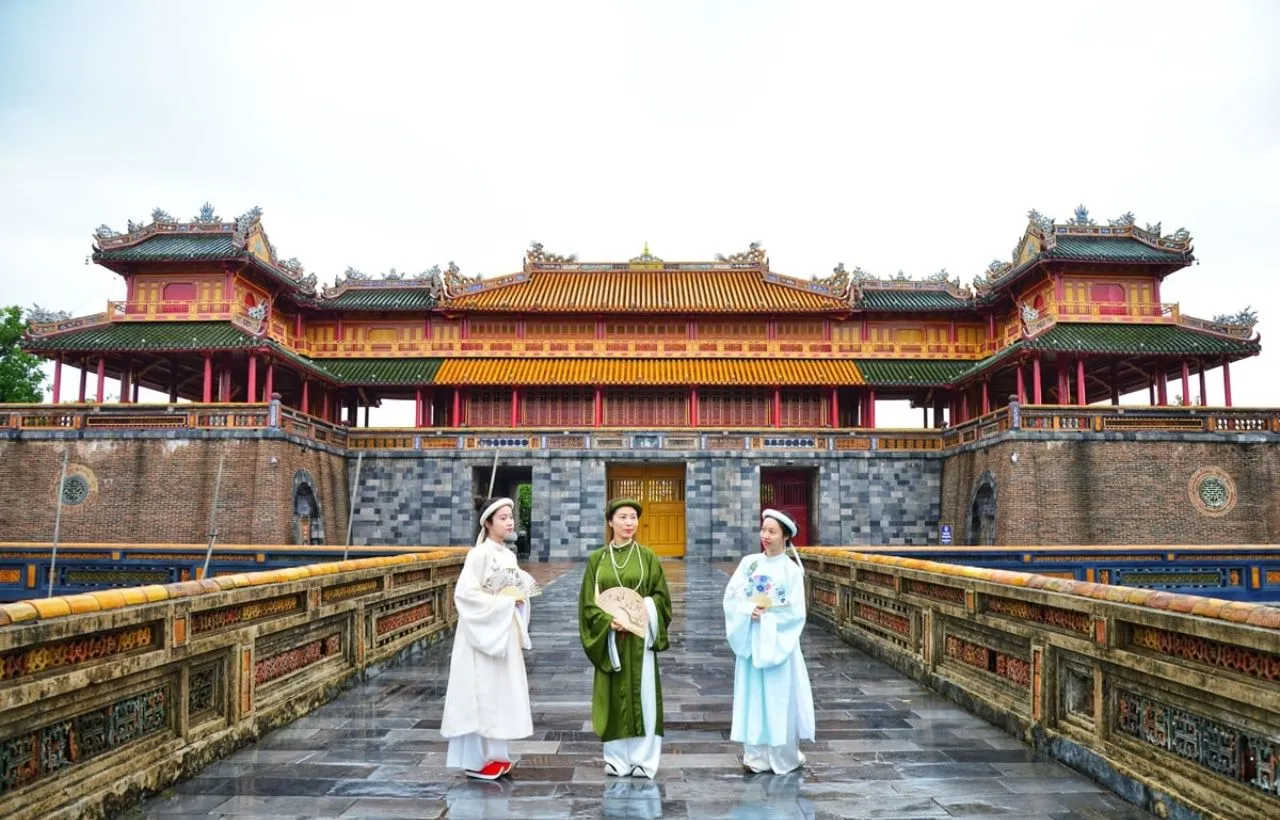
Fly or take a train to Hue and spread sightseeing across several days. Visit the Imperial Citadel, royal tombs, pagodas, and riverside areas without compressing everything into one day.
Hue works best when explored slowly, with mornings for heritage sites and afternoons for rest or café stops.
Days 14–16: Hoi An and Da Nang

Travel by road over the Hai Van Pass to Hoi An, a UNESCO-listed ancient town. Over three days, combine:
-
Walking tours of the Old Town
-
Cooking classes and market visits
-
Countryside cycling to Tra Que Village
-
Beach time at An Bang or Cua Dai
-
Optional visit to My Son Sanctuary
Hoi An provides cultural depth with a relaxed pace before moving south.
Week 3: Southern Vietnam – Modern cities and river life
Days 17–19: Ho Chi Minh city
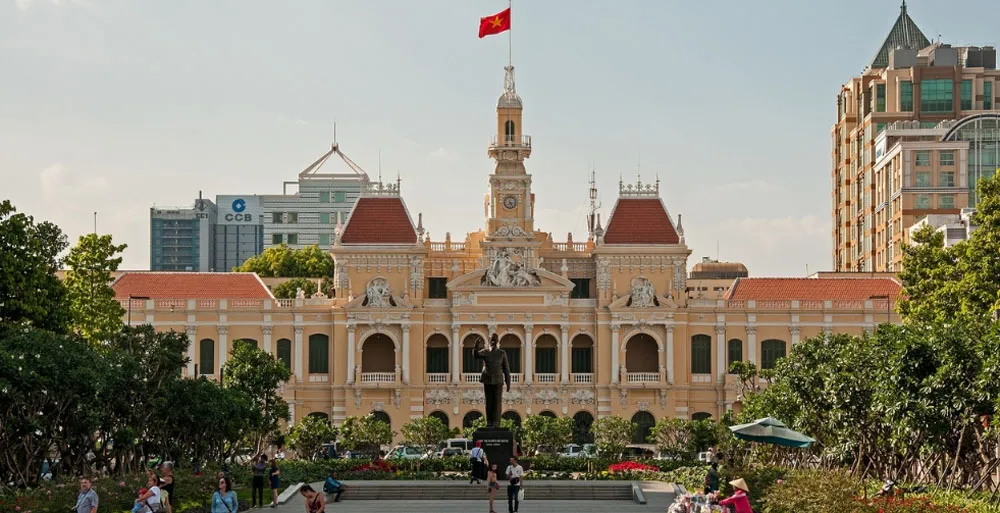
Fly to Ho Chi Minh City and explore across multiple districts. Spread visits to museums, colonial landmarks, markets, and cafés over several days rather than rushing through highlights.
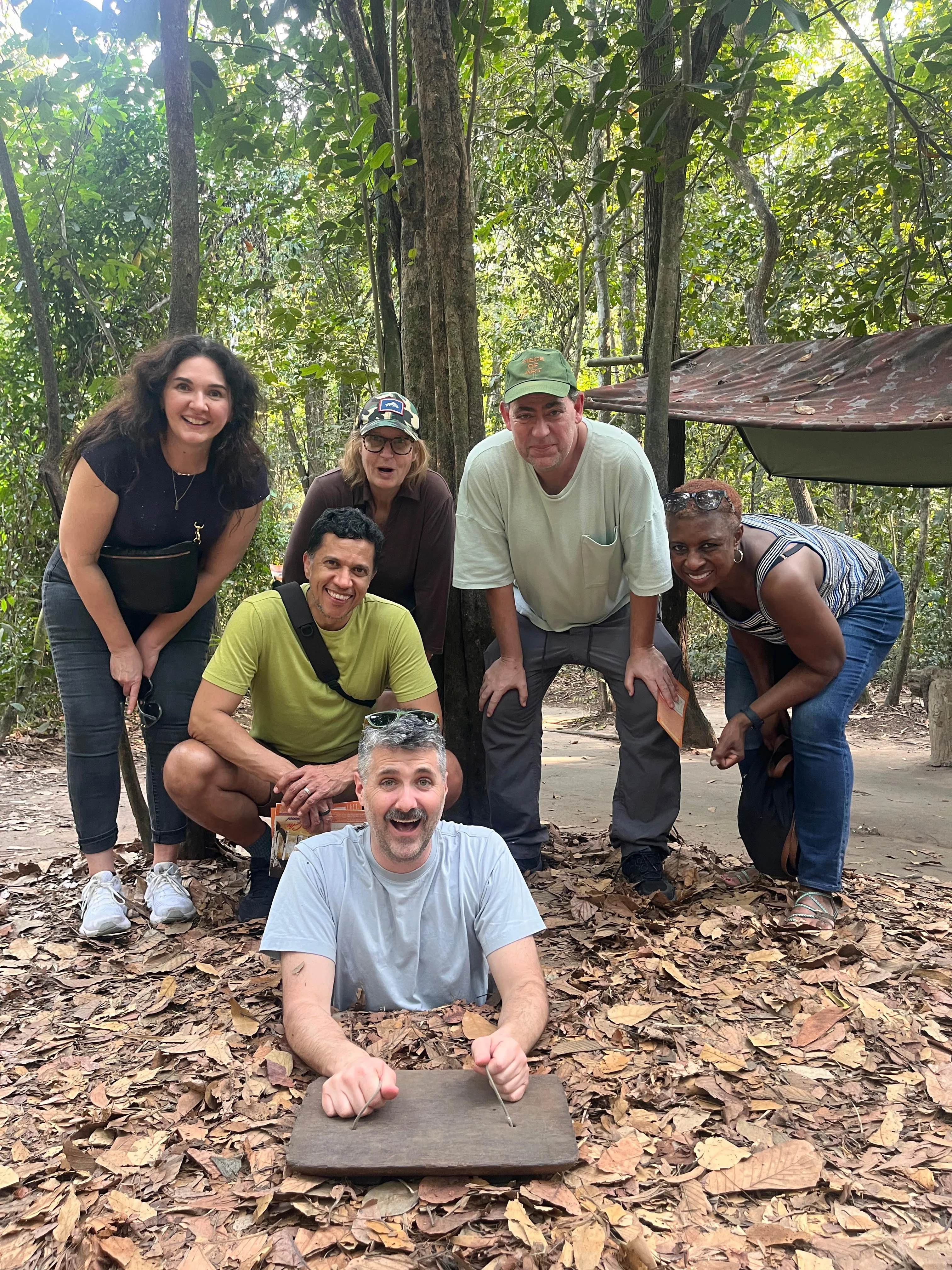
Include a half-day excursion to the Cu Chi Tunnels to add historical context.
Days 20–21: Mekong delta
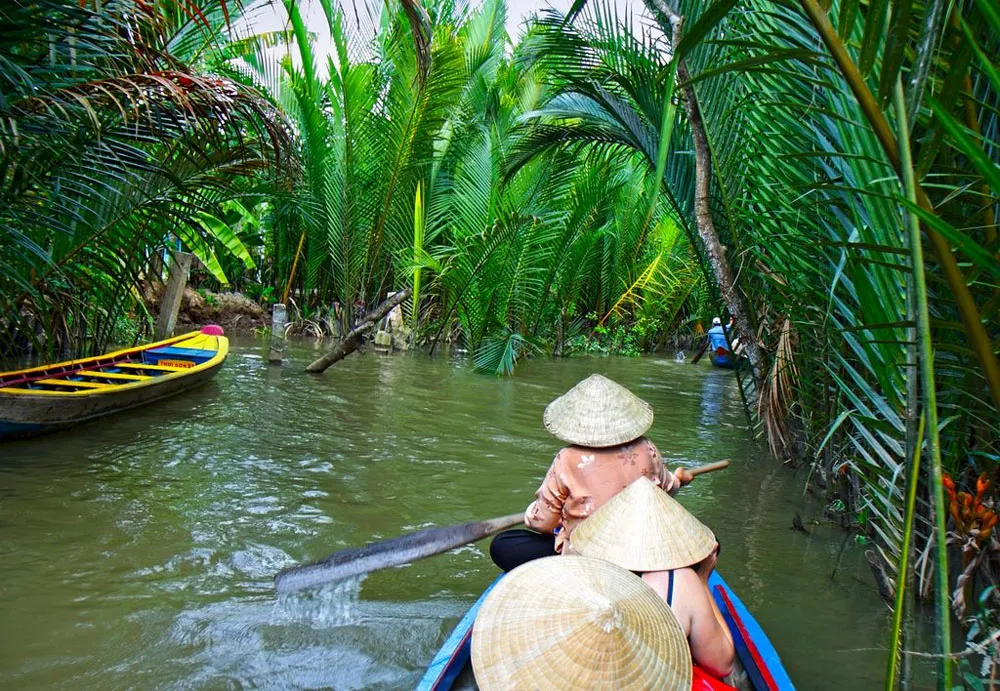
Travel into the Mekong Delta for a two-day stay. Typical experiences include:
-
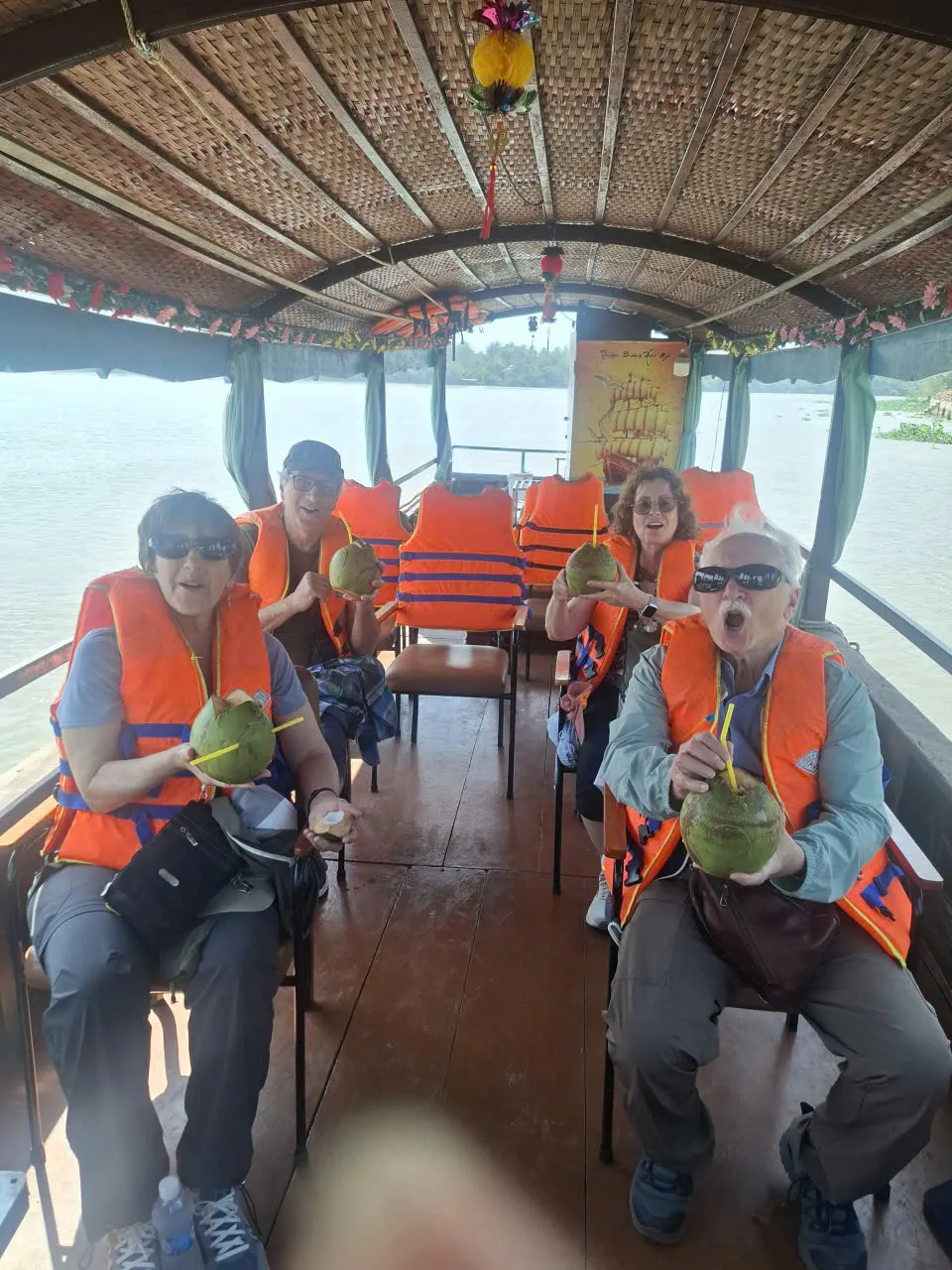
Sampan boat rides through narrow canals
-
Floating markets such as Cai Be or Cai Rang
-
Visits to coconut candy or rice paper workshops
-
Overnight stay at a riverside lodge
Staying overnight allows you to see river life outside peak daytime tour hours.
Week 4: Cambodia – Temples, capitals, and river journeys
Days 22–25: Siem Reap and angkor

Continue to Siem Reap, Cambodia’s main cultural hub. Spend four days exploring the Angkor temple complex at a manageable pace:
-
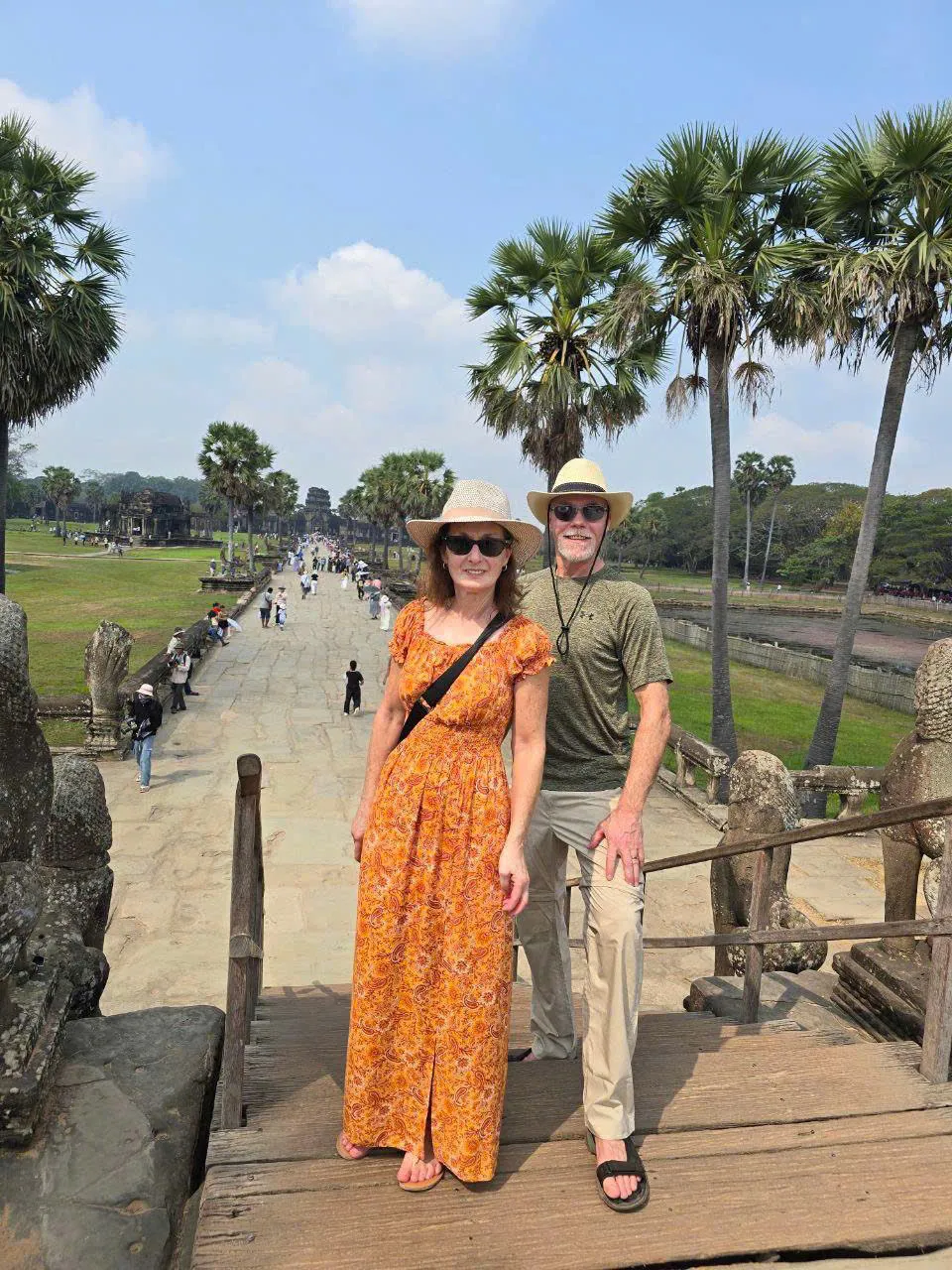
Angkor Wat at sunrise
-
Angkor Thom and Bayon
-
Ta Prohm and outer temples like Banteay Srei
-
Markets, galleries, and countryside villages
Spacing temple visits across multiple days avoids fatigue and improves the overall experience.
Days 26–28: Phnom Penh

Travel to Phnom Penh for the final days of the journey. Visit the Royal Palace, National Museum, and important historical sites, balanced with riverfront walks and café time.
Phnom Penh provides a reflective conclusion and convenient departure options.
Why this Vietnam and Cambodia itinerary works
This Vietnam and Cambodia itinerary 4 weeks:
-
Covers all major regions without rushing
-
Balances cities, countryside, heritage, and nature
-
Spaces out long travel days
-
Allows flexibility for weather, rest, or personal interests
Rather than feeling like a checklist, the journey flows naturally from one region to the next.
Transport and practical tips for a 4-week journey
-
Stay 3–4 nights in most destinations to reduce travel fatigue
-
Use flights for long distances within Vietnam and when crossing into Cambodia
-
Choose trains or buses for scenic regional routes
-
Plan border crossings and key transfers in advance
-
Include buffer days for rest or schedule changes
-
Pack for varied climates across regions
-
Alternate busy sightseeing days with lighter ones
Conclusion
A 4-week Vietnam and Cambodia itinerary offers the space to truly experience both countries, from mountain villages and imperial cities to river deltas and ancient temples. With thoughtful pacing and a clear route, the journey feels immersive rather than exhausting.
For shorter routes, alternative pacing, or different travel styles, you can explore our complete guide here:
(Dẫn link vietnam and cambodia itienrary)











 View trip map